For homeowners in Mission Viejo, California, creating a comfortable bedroom involves more than choosing attractive furniture and matching decorations. After busy days filled with work, family responsibilities, and everyday commitments, the bedroom should offer a peaceful environment where relaxation comes naturally.
However, even beautifully decorated bedrooms can feel uncomfortable when the mattress lacks support, lighting is too harsh, or furniture arrangements make the space difficult to navigate.
The good news is that improving your bedroom doesn’t necessarily require an expensive renovation. Thoughtful adjustments to bedding, temperature, lighting, storage, and furniture placement can make a noticeable difference.
Whether you’re furnishing a new home or refreshing an existing bedroom, the following ideas can help you create a space that balances comfort, functionality, and personal style.
Build Your Bedroom Around a Mattress That Supports Your Sleep
A comfortable bedroom begins with the surface you sleep on every night. While decorative elements influence appearance, your mattress plays a more direct role in physical comfort.
Mattresses differ in firmness, materials, construction, and pressure distribution. The right choice depends on factors such as sleeping position, body type, and individual preferences.
Rather than relying exclusively on online reviews, testing mattresses in person can help you understand how different options feel.
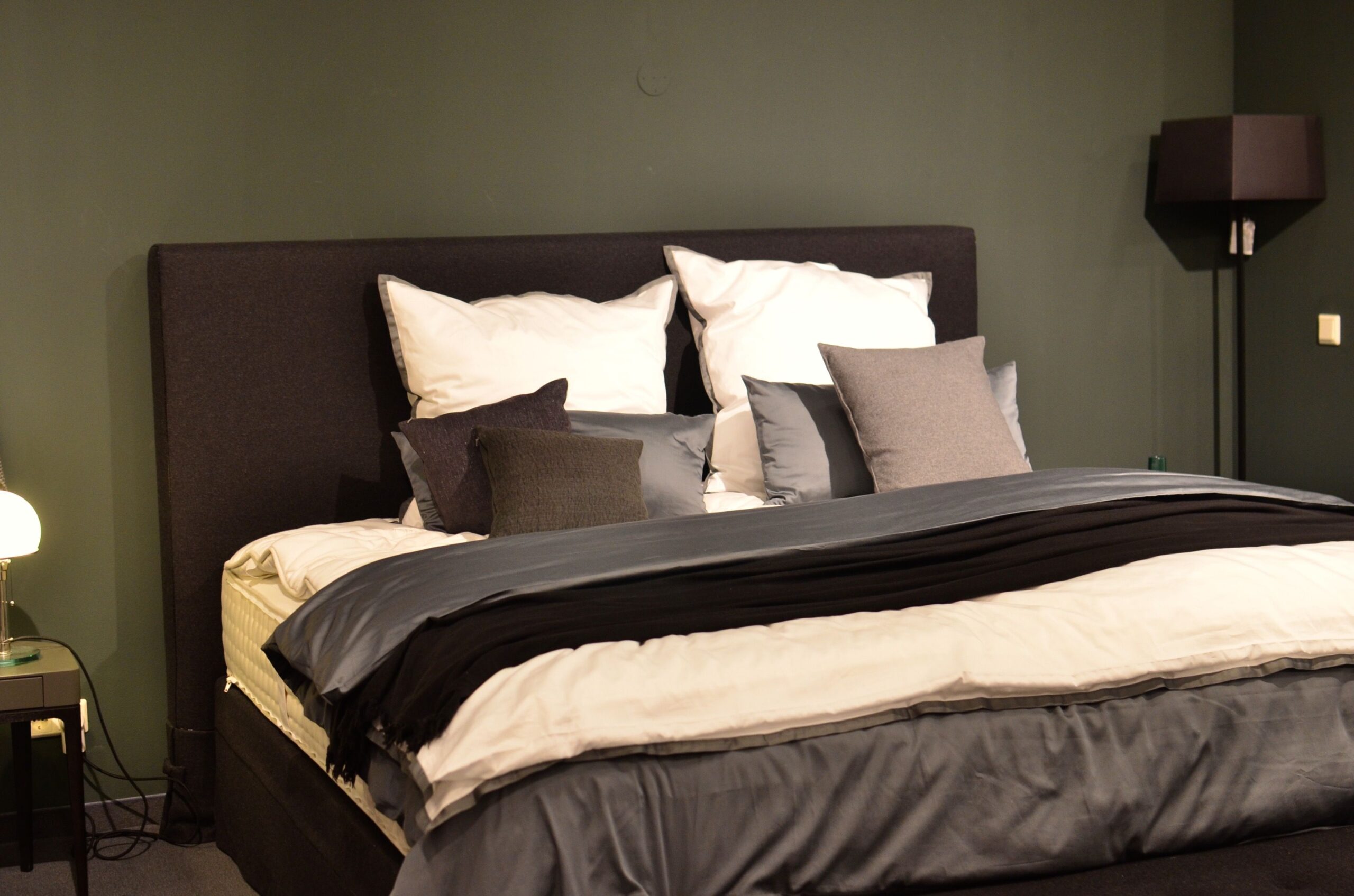
For example, Custom Comfort Mattress offers personalized mattress fittings, handcrafted mattresses, and adjustable bed options. If you’re comparing sleep surfaces and want professional guidance, you can check out their Mission Viejo showroom to explore different materials and support levels.
When testing a mattress, spend several minutes lying in your usual sleeping position.
Pay attention to whether your shoulders and hips feel adequately supported and whether changing positions feels comfortable.
A mattress should support your body without creating uncomfortable pressure points.
Arrange Furniture to Make the Room Feel More Spacious
Furniture placement can influence how relaxing and functional a bedroom feels.
Even a generously sized room may seem crowded when oversized furniture blocks natural walking paths.
Begin by identifying the most practical position for your bed.
Ideally, the arrangement should allow convenient access to both sides while leaving sufficient space for opening drawers and closet doors.
Avoid placing unnecessary furniture where it interferes with movement.
In smaller bedrooms, consider nightstands with drawers, wall-mounted shelves, or storage beds that reduce the need for additional cabinets.
Furniture proportions matter as much as style.
A large dresser may offer substantial storage but overwhelm a compact room.
Before purchasing anything new, measure available space and consider how each piece contributes to everyday routines.
A thoughtful layout can make the bedroom feel more organized without changing its physical dimensions.
Use Lighting That Helps Your Mind Transition Toward Sleep
Lighting has a significant influence on how a bedroom functions throughout the day.
Bright overhead fixtures may be useful when cleaning or getting dressed, but they can feel uncomfortable during the evening.
A layered lighting arrangement provides greater flexibility.
Combine general illumination with bedside lamps, reading lights, and softer accent lighting.
Warm, dimmable lights can create a more relaxing atmosphere before bedtime.
Natural daylight is also important because exposure to light helps regulate the body’s sleep-wake cycle.
During the morning, opening curtains can make the room feel brighter and more welcoming.
At night, blackout curtains or shades may help reduce unwanted outdoor light.
For bedrooms facing busy streets, window treatments can also provide additional privacy.
The objective is to create lighting that supports different activities without making the bedroom unnecessarily stimulating.
Choose Bedding That Matches Your Comfort Preferences
Bedding affects both the appearance of your bedroom and how comfortable you feel during the night.
However, expensive sheets and elaborate comforters aren’t automatically better choices.
Material, breathability, texture, and maintenance requirements should guide your decisions.
Cotton and linen are popular options for people who prefer breathable bedding, although the feel and performance vary between products.
Individuals who tend to sleep warm may prefer lightweight layers that can be adjusted throughout the night.
Pillows deserve equal attention.
Their height and firmness should complement your sleeping position and mattress rather than being selected solely for decorative appeal.
Protective mattress covers can also help maintain cleanliness and reduce exposure to spills.
Choose bedding that feels pleasant against your skin and can withstand regular washing.
Practical comfort should always take priority over creating a perfectly styled bed.
Keep Your Bedroom Comfortable During Warmer California Nights
Mission Viejo’s generally mild climate doesn’t eliminate the need for effective bedroom temperature management.
Warm evenings, direct afternoon sunlight, and limited airflow can make indoor spaces uncomfortable.
Start by evaluating how much heat enters the room during the day.
Curtains, blinds, or other suitable window coverings may reduce unwanted solar heat.
Ceiling fans can improve air circulation, while properly maintained cooling systems help regulate indoor temperatures.
Bedding choices also influence how warm or cool a sleeping environment feels.
Heavy blankets may be unnecessary during warmer periods, while breathable fabrics can improve comfort.
Consider checking windows and doors for drafts or gaps that affect temperature control.
The goal isn’t to maintain one universal temperature for everyone.
Instead, create an environment that feels comfortably cool and can be adjusted according to personal preferences.
Reduce Clutter Without Making the Bedroom Feel Empty
A bedroom filled with scattered clothing, paperwork, and unnecessary objects can feel visually overwhelming.
However, creating a peaceful space doesn’t require removing every personal belonging.
The objective is to organize items so the room remains functional and welcoming.
Begin by identifying what genuinely belongs in the bedroom.
Clothing, bedding, and personal essentials should have convenient storage locations.
Work documents, unused electronics, and miscellaneous household items may be better stored elsewhere.
Drawer organizers, baskets, and closet dividers can make existing storage more efficient.
Try keeping nightstands relatively clear, leaving space for essentials such as a lamp, book, and water glass.
Personal photographs, artwork, and meaningful decorations can remain part of the design.
A comfortable bedroom should reflect your personality without becoming difficult to maintain.
Control Noise and Distractions That Interrupt Rest
Even a comfortable mattress and attractive furnishings may not compensate for frequent nighttime disturbances.
Traffic sounds, household activity, electronic notifications, and outside lighting can interrupt relaxation.
Begin by identifying which distractions affect your bedroom most.
Thick curtains, rugs, and upholstered furniture may help soften certain indoor sounds, although they won’t completely block significant outside noise.
For persistent disturbances, improved window sealing or other sound-reduction measures may be worth considering.
Electronic devices also deserve attention.
Keeping phones away from the bedside or activating nighttime notification settings can reduce interruptions.
Some people find consistent background noise helpful, but sound preferences vary.
If you share a bedroom, discuss individual routines and comfort needs.
Simple agreements about lighting, television use, and bedtime activities can make the space more comfortable for both people.
Add Personal Details That Make the Bedroom Feel Like Yours
The finishing touches should create an atmosphere that feels welcoming rather than overly decorated.
Start with a color palette that suits your preferences.
Soft neutrals, muted greens, warm earth tones, and gentle blues are popular bedroom choices, but there is no single color scheme that guarantees relaxation.
Artwork, textiles, and decorative accessories can introduce personality without requiring major changes.
A comfortable reading chair may create a pleasant corner if sufficient space is available.
Indoor plants can add visual interest, provided the room offers suitable growing conditions and the plants are safe for household pets.
Avoid filling every surface simply because space is available.
A few thoughtfully chosen pieces often create a more cohesive appearance than numerous unrelated decorations.
Ultimately, the best bedroom is one that supports your daily routines and feels comfortable to return to.
For Mission Viejo homeowners, combining supportive bedding, practical furniture arrangements, controlled lighting, and personalized details can transform an ordinary room into a genuinely restful retreat.
The most successful bedroom design isn’t necessarily the most expensive or fashionable. It’s the one that makes winding down easier and waking up more pleasant.