Modern living rooms now support several forms of attention, not just one shared television. A movie may play on the largest screen while someone scrolls through a phone or follows another stream on a tablet. A comfortable room now needs clear TV sightlines, reachable power, useful side surfaces, stable wireless coverage, and space for people to move freely.
During a football Sunday, one viewer may follow the broadcast while another checks NFL stats or uses a phone to see the current lines for NFL player props, even as the room still has to support conversation, snacks, charging, and normal movement. This kind of second screen use explains why a layout built only around the television can feel awkward once several people settle in.
Start with Sightlines Instead of Symmetry
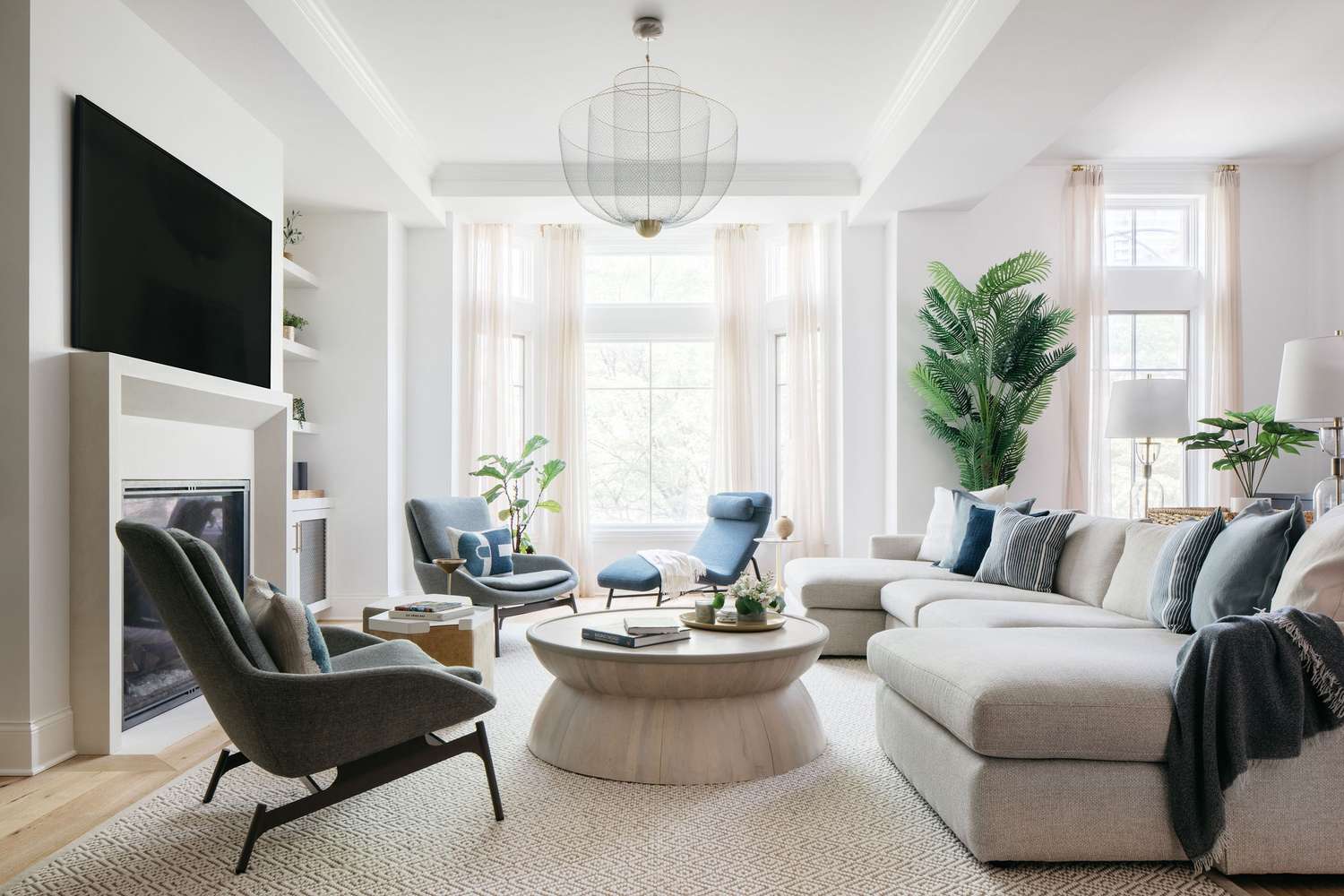
The old formula was simple: center the sofa on the television and balance the rest of the furniture around it. That can still work, but it makes every seat serve one purpose. A second screen room benefits from several good viewing positions rather than one perfect axis.
Give the Main Screen a Clear Zone
The television should remain easy to see from the primary seats, but people also need places where they can glance down at a device without blocking someone else. Angled chairs and a sofa placed slightly off center can work better than a rigid row.
Keep circulation paths outside that viewing zone when possible. If the route to the kitchen cuts between the sofa and television, every refill becomes an interruption.
Let Furniture Support More Than Viewing
Second screen use also creates a need for surfaces. Someone holding a tablet still needs somewhere for a drink, and a person charging a phone should not have to stretch a cable across a walkway.
Useful pieces include:
- End tables beside frequently used seats
- A coffee table with room for shared food and devices
- A movable ottoman or compact table for flexible seating
- Storage for remotes, cables, headphones, and chargers
That same preference for flexibility appears in ideas that make a room work harder, where one piece can support several uses without making the space feel improvised. A living room that handles screens, conversation, and guests benefits from the same logic.
Power and WiFi Belong in the Layout Plan
A room can look finished and still work poorly if charging is inconvenient. Before fixing the furniture arrangement, check where outlets sit and which seats people choose. Powered side tables or concealed extension solutions can be more useful than another decorative object.
Wireless coverage deserves the same attention. Streaming to a television while phones and tablets are active creates a different household pattern from traditional TV viewing. Router placement, distance, and walls can all affect performance.
That technical layer matters more as streaming becomes normal television behavior. Nielsen reported that streaming reached 44.8 percent of total US television use in May 2025, exceeding broadcast and cable combined for the first time. Its 2025 streaming milestone report also found that streaming use had risen 71 percent since May 2021. Those figures show why internet-based entertainment now belongs in room planning.
Lighting Has to Work for Several Screens
One bright ceiling fixture can create television glare, while a completely dark room can make a phone or tablet feel harsh. Layered lighting provides more control when different people use different screens at the same time.
A practical lighting plan can include:
- Soft ambient light for general visibility
- Lamps near reading or device-using seats
- Dimmable fixtures for movies and evening viewing
- Window coverings that reduce daytime glare
The aim is control. Someone watching a film may want low light, while another person reading on a tablet needs enough light to stay comfortable.
Flexible Seating Beats a Fixed Viewing Row
A living room rarely serves the same group in the same way every night. Two people may watch a series together on Tuesday, while friends spread out during a game on Sunday. Another evening may involve conversation with the television switched off.
Lightweight chairs, stools, ottomans, and smaller tables can shift as needs change. The arrangement should also preserve some face-to-face connection. Slight angles let people look toward the screen and toward one another without rearranging the room.
Design for Shared Attention
The modern living room does not need more technology simply because more devices are present. It needs a layout that reduces friction between activities. Clear sightlines prevent interruptions, nearby power keeps cables out of walkways, and flexible furniture makes it easier to switch between viewing and conversation.
Good design allows technology to fit into ordinary life instead of controlling the room. The best layout simply gives every screen enough room to coexist.v