If you want your home to stand out, outdoor lighting deserves more attention than it often gets. It shapes how the property looks after sunset, how safely people move around it, and how welcoming the entrance feels. A thoughtful plan can improve everyday use while strengthening curb appeal. However, lighting is not a guaranteed way to increase resale price; its value depends on design, quality, cost, and buyer priorities.
Make a Strong First Impression
When buyers arrive after sunset, lighting becomes part of the first showing. A dark walkway, shadowy porch, or unevenly lit front yard can make a home feel neglected, even if the interior is updated. Balanced illumination and clean fixture placement can make architecture look sharper and outdoor space more usable.
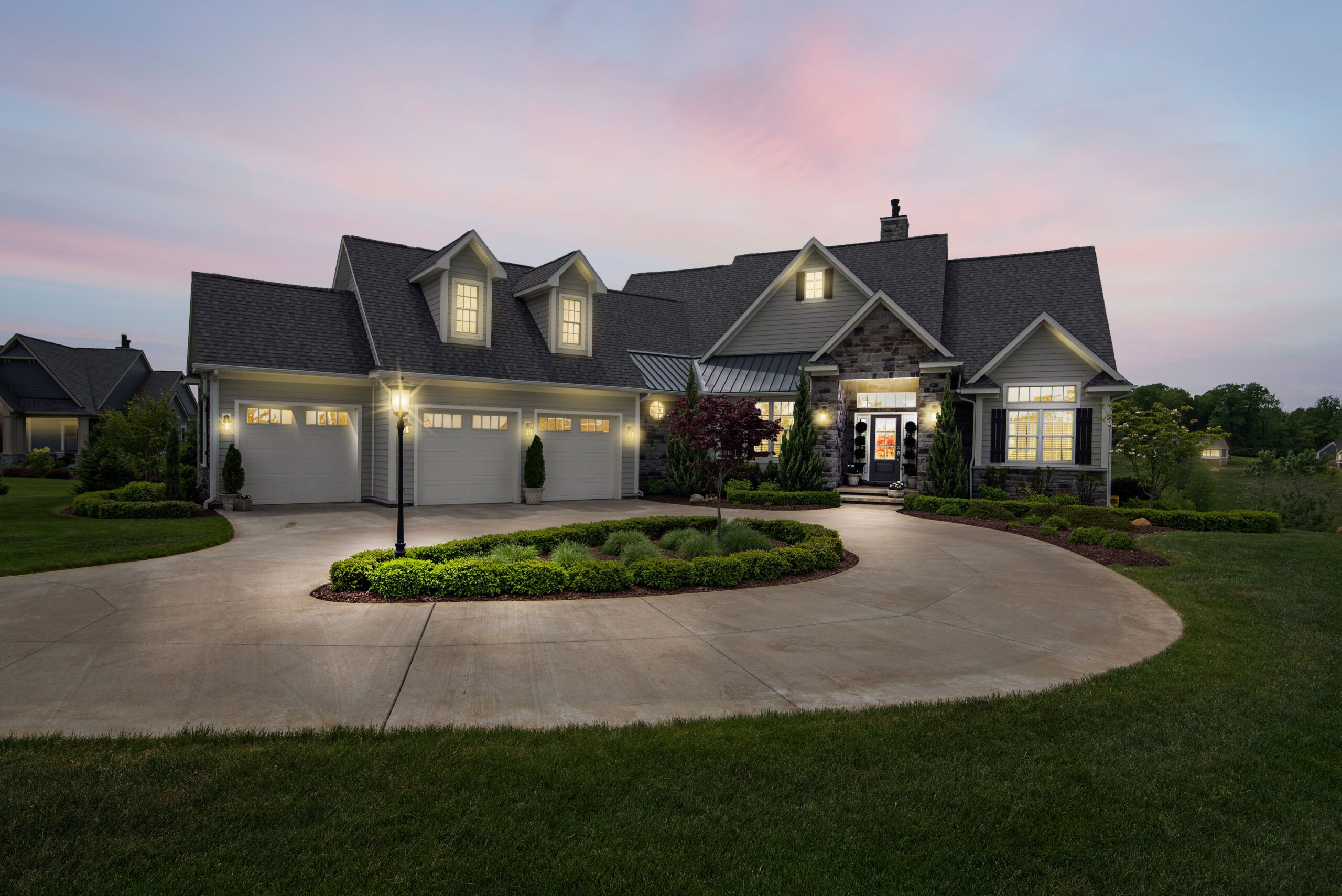
Think about focal points, not just brightness. Uplighting on a tree, a soft wash across textured stone, or low-level path lights can give a yard depth. In a competitive market, a polished nighttime appearance may help a property feel cared for. Curb appeal remains only one factor alongside condition, layout, and price.
Plan the System Before Choosing Fixtures
You can often spot a system installed one light at a time: one area is glaringly bright, another disappears into shadow, and the overall effect feels disconnected. Plan priorities, beam angles, spacing, color temperature, power, and controls. This prevents glare and unwanted light spill.
If you’re comparing professional landscape lighting services, ask how the design will support the home’s architecture and how the installer selects fixtures, transformers, wiring, and maintenance options. Outdoor equipment faces rain, heat, and irrigation, so durability matters. Durable materials and sound installation may reduce repairs. Confirm the quote and future expansion options.
Prioritize Safety and Everyday Use
Exterior lighting is more than decoration. If driveway edges disappear at night or steps are difficult to see, visitors may feel uncertain moving around the property. Light walkways, stairs, entrances, and elevation changes. Around pools, gates, and retaining walls, account for specific hazards.
Usability can improve, too. Layered lighting lets a patio support dinner, conversation, or quiet time after dark. A side path becomes easier to use, and an entry feels more inviting when the door, house numbers, and approach are visible. Light the areas people use most rather than every square foot.
Use Security Lighting Without Creating Glare
A well-lit entrance can feel safer, but more brightness is not automatically better. Powerful lights aimed directly toward the street can cause glare, create harsh contrasts, and make the exterior look uninviting. Aim light where it helps people see, and use shields, downward-facing fixtures, or carefully adjusted beams to limit spill.
Prioritize entry doors, garage approaches, side routes, and dark corners. Motion sensors can help in less-used areas but work best alongside ambient lighting. A layered arrangement—entry lights, path lighting, and a few restrained landscape accents—can improve visibility without making the property feel overexposed.
For additional ideas on how outdoor features influence home presentation, read the National Association of REALTORS® article on landscape lighting and curb appeal. Use the examples as inspiration, adapting them to your home’s layout.
Consider Efficiency and Smart Controls
Older halogen systems may use more electricity and need more frequent bulb replacement than LEDs. LEDs typically consume less energy and last longer, though actual performance depends on the lamp and fixture. Check specifications, weather ratings, and replacement availability.
Controls make the system practical. Timers, photocells, astronomical clocks, and smart switches can turn lights on at dusk and off at a chosen time. Zoning lets you keep the front entry illuminated while switching off patio accents earlier. Choose controls that remain usable without a phone or network. A thoughtful plan can also reduce waste and maintenance.
Match Lighting to the Architecture
Lighting should complement the home’s architecture and planting. A modern exterior may suit restrained fixtures and clean wall washes, while a traditional home with mature trees can accommodate subtle accents around trunks and garden beds. Reveal existing features rather than competing with them.
Scale matters: oversized fixtures overwhelm small entrances, while tiny path lights disappear beside broad driveways. Color temperature also changes how surfaces appear. Warm white light often feels welcoming around brick, timber, and textured stone; cooler light can make some finishes look stark. Test samples at night before committing.
Avoid Common Mistakes
Overlighting the façade can flatten its appearance. Visible bulbs may cause glare, while exposed wires, crooked fixtures, and mismatched color temperatures make an installation feel unfinished. Avoid placing lights so they shine into bedroom windows or spill unnecessarily onto neighboring properties.
Be cautious with effects that prioritize novelty over cohesion. Color-changing displays, dramatic spotlights, and too many fixtures can distract from the home itself. If resale is a consideration, subtle and consistent lighting is usually a safer design choice than a highly personal spectacle. Choose maintainable fixtures and keep the layout balanced.
Consumer Reports also discusses exterior improvements and resale considerations in its guide to yard and garden improvements that may boost home resale value. Treat estimates as context, not guaranteed returns.
Keep Records and Present the Upgrade Well
Save fixture specifications, warranties, control instructions, and maintenance records. These records help with troubleshooting and future-owner handover. If the lighting includes zones, automated schedules, or an LED conversion, prepare a short, clear explanation of how everything works.
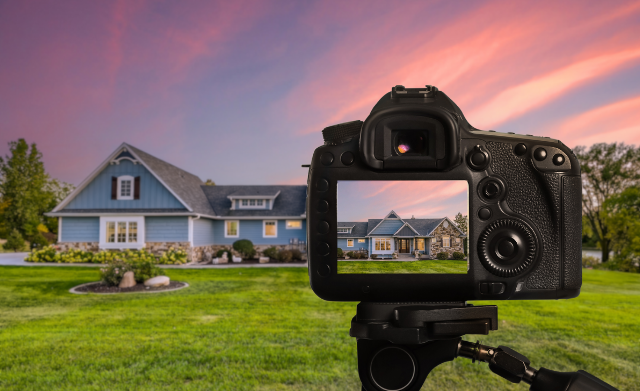
If selling, photograph the exterior at dusk. A photo taken in complete darkness may hide the details, while a daytime shot cannot show the lighting’s effect. Coordinate the entry, paths, and patio so the images tell a coherent story.
Focus on Lasting Value
Outdoor lighting can improve safety, usability, and curb appeal, but it should not be treated as a guaranteed return-on-investment project. A strong upgrade fits the architecture, meets real needs, and avoids glare and wasted energy.
Identify priority areas before buying. Compare installation details and operating costs, and choose a timeless design. When lighting makes the property easier to navigate and more inviting after dark, it adds value to everyday living, comfort, and appeal.