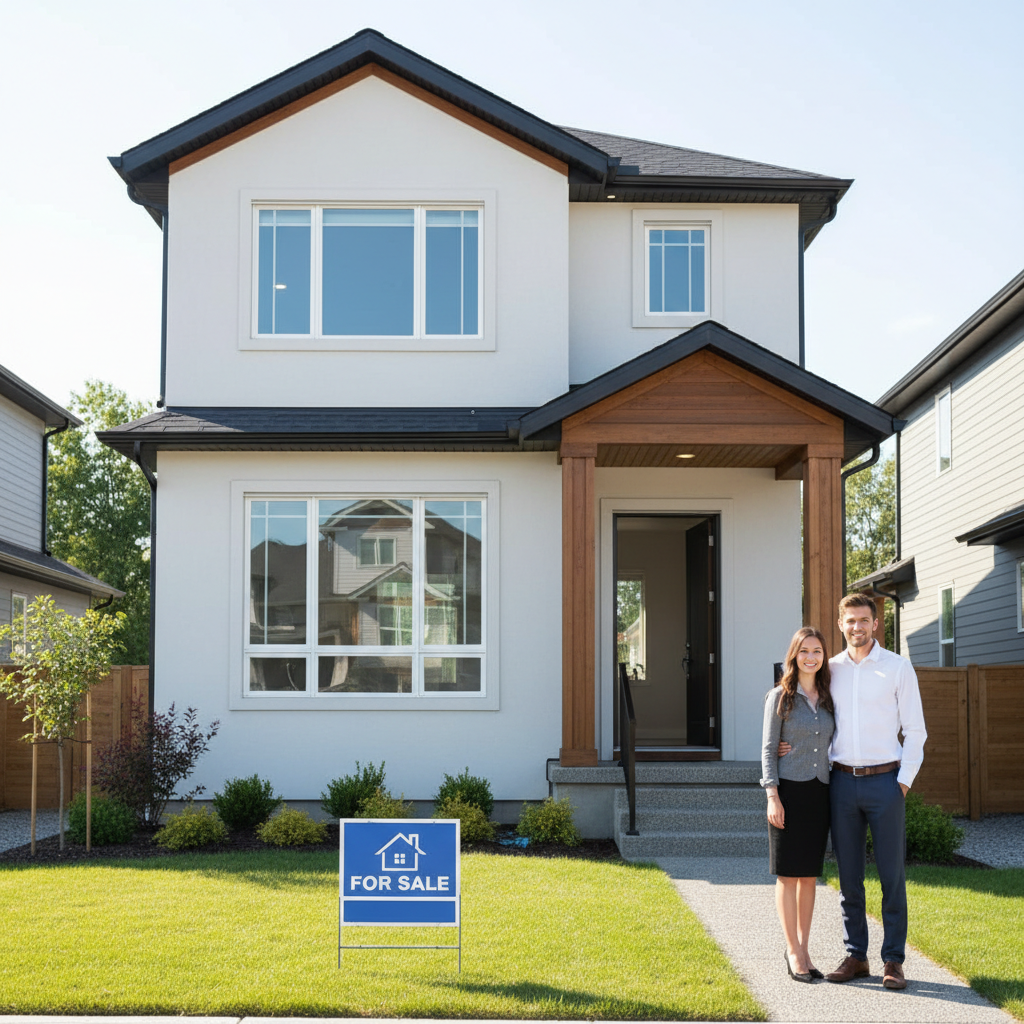
How to Sell a House: Your Comprehensive Guide to a Successful Sale
Selling your home is a significant life event, often involving a mix of excitement, anticipation, and a fair bit of planning. Whether you’re moving for a new job, upsizing, downsizing, or simply seeking a change of scenery, understanding the process of how to sell a house is crucial for a smooth and successful transaction. This guide will walk you through each essential step, from the initial decision to list your home all the way to closing day, helping you navigate the market with confidence and clarity.
Understanding the Current Real Estate Market
Before you even think about putting a “For Sale” sign in your yard, it’s wise to take the pulse of the local real estate market. Is it a seller’s market, a buyer’s market, or balanced? This understanding will influence your pricing strategy, negotiation approach, and even how quickly you might expect your home to sell.
Seller’s Market
In a seller’s market, there are more buyers than homes available. This typically means:
- Homes sell quickly.
- Prices tend to be higher.
- You might receive multiple offers, sometimes above asking price.
- Buyers may be more willing to waive contingencies.
Buyer’s Market
Conversely, a buyer’s market means there are more homes for sale than active buyers. In this scenario:
- Homes take longer to sell.
- Prices may be more negotiable, often selling below asking price.
- Buyers have more leverage and may request more concessions or repairs.
Balanced Market
A balanced market is one where supply and demand are relatively even. Here, you can expect:
- A moderate selling timeline.
- Prices that are generally stable.
- Negotiations that are fair to both parties.
Staying informed about these market conditions will help you set realistic expectations and make informed decisions throughout the process of how to sell a house.
Preparing Your Home for Sale: Maximizing Appeal and Value
Once you’ve decided to sell, the next critical step is to prepare your home to attract potential buyers. This isn’t just about cleaning; it’s about presenting your home in its best possible light to maximize its appeal and, ultimately, its selling price.
Declutter and Depersonalize
This is often the first and most impactful step.
- Declutter: Remove excess furniture, knick-knacks, and anything that makes rooms feel cramped. Less clutter makes spaces appear larger and more inviting.
- Depersonalize: Take down family photos, unique artwork, and highly personal items. You want buyers to envision *their* lives in the home, not yours.
Deep Clean and Repair
A sparkling clean home makes a strong first impression.
- Deep Clean: Hire professional cleaners or dedicate significant time to scrubbing every surface, from baseboards to ceiling fans. Don’t forget windows, grout, and appliances.
- Make Minor Repairs: Fix leaky faucets, patch small holes in walls, replace burnt-out light bulbs, tighten loose doorknobs, and address any other small issues. These minor repairs prevent buyers from seeing a long “to-do” list.
Enhance Curb Appeal
First impressions start before buyers even step inside.
- Landscaping: Trim bushes, mow the lawn, weed garden beds, and add fresh mulch. Consider planting some colorful flowers for an inviting touch.
- Exterior Cleanliness: Power wash the siding, driveway, and walkways. Clean gutters and clear away any debris.
- Front Door: Give your front door a fresh coat of paint, clean the hardware, and ensure it looks welcoming.
Consider Staging
Professional staging can significantly impact how quickly your home sells and for what price. Stagers arrange furniture, artwork, and accessories to highlight your home’s best features and create an aspirational lifestyle for buyers. If professional staging isn’t in your budget, you can still “stage” your home by thoughtfully arranging your existing furniture and decor. Small touches can also make a home feel more welcoming during inspections, such as buying fresh flowers to add a pleasant natural fragrance and brighten up living spaces.
Choosing the Right Real Estate Professional
Deciding who will help you sell your house is one of the most important decisions you’ll make. A great real estate agent can guide you through the complexities, negotiate on your behalf, and ultimately help you achieve your selling goals.
Traditional Real Estate Agents
Traditionally, sellers hire a real estate agent who charges a commission, typically 5-6% of the sale price, which is split between the seller’s agent and the buyer’s agent. These agents provide full-service support, including market analysis, listing, marketing, showing coordination, negotiation, and closing assistance.
Discount or Flat-Fee Brokerages
In recent years, many sellers are exploring alternatives to traditional commission structures. Companies like SimpleShowing offer a different approach, allowing you to save significantly on commission fees while still receiving expert guidance.
- Flat-Fee Listings: You pay a set fee to get your home listed on the Multiple Listing Service (MLS), which is where agents find homes for their buyers.
- Reduced Commission: Some brokerages offer a lower percentage commission compared to the traditional 5-6%, often providing a hybrid of services.
When considering how to sell a house and which professional to choose, evaluate their experience, marketing strategy, communication style, and, of course, their fee structure. Don’t be afraid to interview a few different options to find the best fit for your needs and budget.
Pricing Your Home Strategically
Setting the right price is critical. Price your home too high, and it might sit on the market, eventually requiring price reductions that can make buyers wary. Price it too low, and you could leave money on the table.
Comparative Market Analysis (CMA)
Your real estate agent will perform a CMA, which analyzes recent sales of comparable homes (comps) in your area. They’ll look at:
- Recently Sold Homes: What similar homes have sold for in the last 3-6 months.
- Active Listings: What competing homes are currently listed for.
- Expired Listings: Homes that didn’t sell, often due to being overpriced.
The CMA helps you understand your home’s value in the current market, taking into account factors like location, size, condition, and features.
Consider Your Goals
Are you in a hurry to sell, or do you have time to wait for the right offer? Your timeline can influence your pricing strategy. A quicker sale might mean pricing slightly more aggressively, while more time allows for a higher initial price with room for negotiation.
Don’t Overprice
It’s a common misconception that you should price high to leave room for negotiation. In reality, overpricing can deter potential buyers, lead to fewer showings, and make your home appear stale on the market. Buyers are savvy and have access to extensive market data.
Marketing Your Home Effectively
Once your home is ready and priced, it’s time to get the word out. Effective marketing is key to attracting a wide pool of potential buyers.
Professional Photography and Videography
In today’s digital age, high-quality photos and videos are non-negotiable. Most buyers start their home search online, and stunning visuals are what make them want to see your home in person.
- Photography: Invest in professional photos that showcase your home’s best features, natural light, and spaciousness.
- Virtual Tours/Video: A video walkthrough or 3D virtual tour can give buyers a more immersive experience, helping them visualize the layout and flow of the home.
Online Listings
Your home should be listed on all major real estate websites (Zillow, Realtor.com, Trulia, etc.) through the MLS. This ensures maximum exposure to buyers and their agents. Make sure the listing description is compelling, highlighting your home’s unique selling points and neighborhood amenities.
Open Houses and Showings
- Open Houses: While their effectiveness can vary by market, open houses can still generate buzz and attract buyers who might not have scheduled a private showing.
- Private Showings: Be prepared for individual showings. Keep your home clean and tidy, and consider stepping out during showings to allow buyers to explore freely and discuss openly with their agent.
Social Media and Targeted Advertising
Your agent might use social media platforms or targeted online ads to reach specific buyer demographics. This can be particularly effective for unique properties or in competitive markets.
Navigating Offers and Negotiations
Receiving an offer is an exciting milestone. However, it’s rarely as simple as accepting the first one. This stage involves careful evaluation and strategic negotiation.
Evaluating Offers
Don’t just look at the offer price. Consider the entire package:
- Offer Price: Is it at, above, or below your asking price?
- Financing: Is the buyer pre-approved for a mortgage, or is it a cash offer? Cash offers often close faster with fewer contingencies.
- Contingencies: Common contingencies include home inspection, appraisal, and financing. The fewer contingencies, the stronger the offer.
- Closing Date: Does the proposed closing date align with your moving plans?
- Earnest Money Deposit: A larger earnest money deposit shows a buyer’s serious intent.
- Other Requests: Are they asking for specific repairs, concessions, or personal property to be included?
Negotiating the Deal
This is where your agent’s expertise truly shines. They will help you:
- Counter Offers: You can accept, reject, or counter an offer. A counter-offer might adjust the price, closing date, or contingencies.
- Multiple Offers: In a hot market, you might receive several offers. Your agent can help you compare them and choose the strongest one, or even use them to leverage a better deal.
- Inspection Negotiations: After a home inspection, buyers often request repairs or credits. Your agent will advise you on how to respond, balancing cost with keeping the deal alive.
Remember, negotiation is a back-and-forth process. The goal is to reach an agreement that satisfies both you and the buyer.
The Closing Process: From Contract to Keys
Once you’ve accepted an offer and all contingencies are met, you enter the closing phase. This period involves several important steps leading up to the final transfer of ownership.
Appraisal and Underwriting
If the buyer is taking out a mortgage, the lender will order an appraisal to ensure the home’s value supports the loan amount. The lender will also go through the underwriting process, verifying the buyer’s financial information.
Home Inspection Resolution
If there was an inspection contingency, you’ll work with the buyer to address any agreed-upon repairs or credits.
Title Search and Insurance
A title company will conduct a title search to ensure there are no liens or claims against the property and will issue title insurance to protect both the buyer and the lender.
Final Walkthrough
Just before closing, the buyer will typically conduct a final walkthrough to ensure the property is in the agreed-upon condition and that any agreed-upon repairs have been completed.
Closing Day
This is the day you officially transfer ownership of your home to the buyer. You’ll sign numerous documents, including the deed, bill of sale, and closing disclosure. Funds will be transferred, and the keys will be handed over. You’ll also receive your proceeds from the sale, minus any closing costs and outstanding mortgage balance.
Understanding the Costs of Selling a House
Selling a house isn’t free. It’s important to budget for various expenses to avoid surprises.
Real Estate Agent Commissions
This is often the largest cost. Traditional commissions can range from 5-6% of the sale price, split between the buyer’s and seller’s agents. However, with SimpleShowing, you can significantly reduce this cost, often paying a flat fee for listing services and a lower buyer’s agent commission.
Closing Costs
These vary but typically include:
- Title Insurance: Often paid by the seller in some regions.
- Escrow Fees: For the services of the escrow or title company.
- Transfer Taxes: Taxes levied by the state or local government on the transfer of property.
- Attorney Fees: If you use a real estate attorney (required in some states).
- Prorated Property Taxes and HOA Dues: You’ll pay your share up to the closing date.
Home Preparation Costs
These include expenses for repairs, cleaning, staging, and landscaping to get your home market-ready.
Moving Expenses
Don’t forget the cost of movers, packing supplies, and potentially temporary housing.
Mortgage Payoff
The remaining balance of your mortgage will be paid off from the sale proceeds at closing.
By understanding these potential costs upfront, you can better calculate your net proceeds from the sale. For more insights into optimizing your sale, consider exploring resources on our blog, which covers various aspects of the home selling journey.
Final Thoughts on How to Sell a House
Selling your house is a multifaceted process that requires careful planning, strategic decision-making, and often, the guidance of experienced professionals. By understanding the market, preparing your home, choosing the right agent, pricing strategically, marketing effectively, and navigating negotiations skillfully, you can achieve a successful and profitable sale. While it may seem daunting, breaking the process down into manageable steps will help you stay organized and confident every step of the way. With the right approach, you’ll be handing over the keys and moving on to your next adventure before you know it.