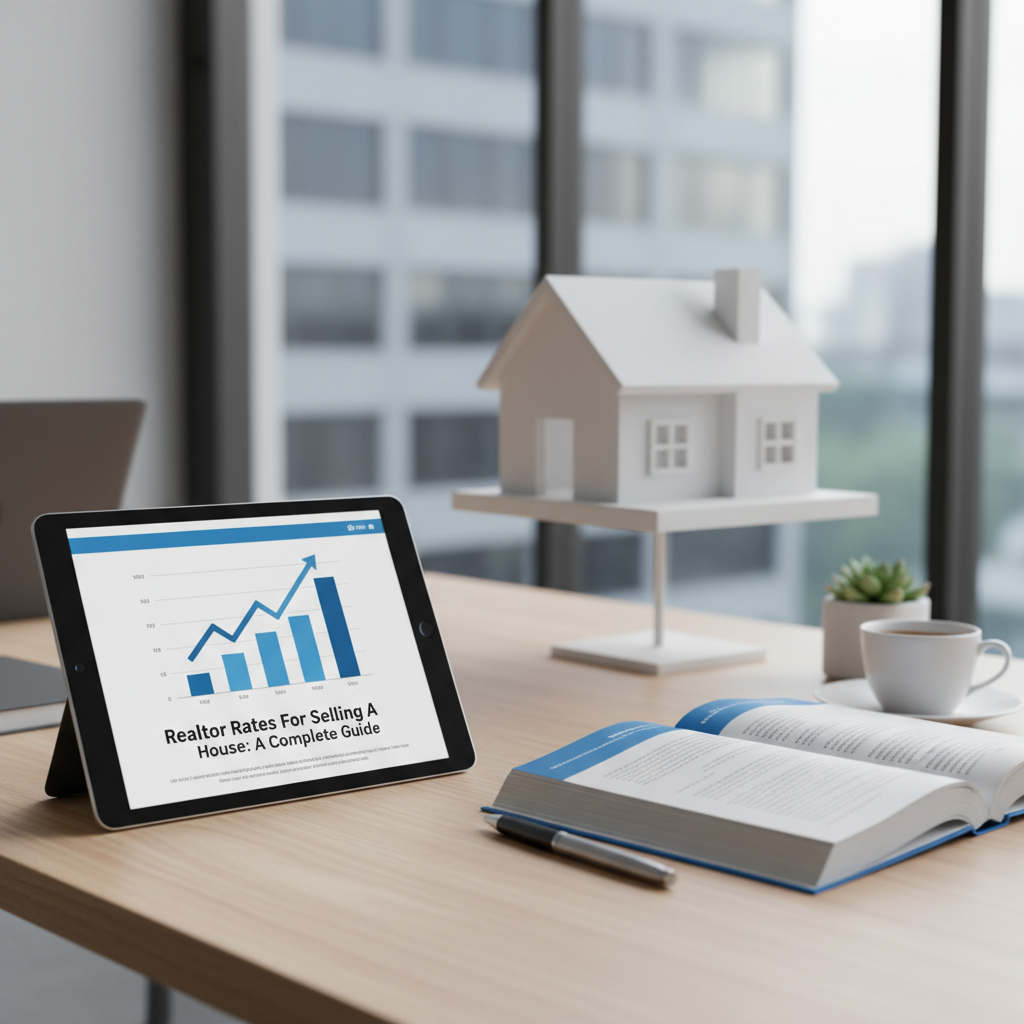
When you’re preparing to sell your home, one of the most significant costs you’ll encounter is the commission paid to real estate agents. Understanding these realtor rates for selling a house is crucial for budgeting and making informed decisions. It’s not just a single fee; it’s typically a percentage of your home’s final sale price, and it’s usually split between the agent representing you, the seller, and the agent representing the buyer. This guide will walk you through how these rates work, what they cover, and how you can navigate them to keep more of your hard-earned equity.
Selling a home is a complex process, involving marketing, negotiations, legal paperwork, and much more. Real estate agents provide valuable services to help you through this journey. However, the traditional commission structure can feel opaque, and the total cost can come as a surprise if you’re not prepared. Let’s break down everything you need to know about real estate agent commissions when you’re selling your property.
Understanding Real Estate Commission Rates
At its core, a real estate commission is the fee you pay to your real estate agents for their services in selling your home. This fee is almost always paid by the seller, not the buyer, and it’s calculated as a percentage of the home’s final sale price. While there’s no legally fixed or standard rate, the national average for total commission typically hovers between 5% and 6%.
It’s important to understand that this total percentage isn’t just for one agent. It’s usually divided into two main parts:
- Listing Agent Commission: This portion goes to the real estate agent who represents you, the seller. They are often called the “listing agent” because they list your home for sale.
- Buyer’s Agent Commission: This portion goes to the real estate agent who represents the buyer. Even though this agent works for the buyer, their commission is traditionally paid by the seller as part of the overall commission agreement.
So, if the total commission is 5.5%, it might be split as 2.75% for the listing agent and 2.75% for the buyer’s agent. This split is often agreed upon upfront and advertised to buyer’s agents to incentivize them to show your home to their clients. The exact split can vary, but the general idea is that both agents are compensated from the seller’s proceeds.
What Do These Commission Rates Cover?
When you pay real estate commission, you’re paying for a wide range of services and expertise. A full-service real estate agent typically handles many aspects of the selling process, including:
- Market Analysis: Providing a comparative market analysis (CMA) to help you price your home competitively.
- Marketing and Advertising: Professional photography, virtual tours, yard signs, listing your home on the Multiple Listing Service (MLS), and syndicating it to popular real estate websites.
- Showings and Open Houses: Coordinating and hosting showings for potential buyers and holding open houses.
- Negotiation: Representing your interests in negotiations with buyers and their agents, aiming for the best possible sale price and terms.
- Paperwork and Contracts: Preparing and managing all the necessary legal documents, disclosures, and contracts.
- Coordination: Working with inspectors, appraisers, lenders, and title companies to ensure a smooth closing process.
- Expert Guidance: Offering advice on preparing your home for sale, staging, and navigating potential challenges.
These services require significant time, effort, and often, out-of-pocket expenses from the agent. The commission covers not only their time but also their marketing costs, brokerage fees, and the overhead of running their business.
Factors Influencing Realtor Rates for Selling a House
While the national average gives you a ballpark figure, the actual realtor rates for selling a house can fluctuate based on several factors. It’s not a one-size-fits-all situation, and understanding these influences can help you better negotiate or choose the right service model for your needs.
Market Conditions
The local real estate market plays a significant role in commission rates:
- Seller’s Market: In a hot seller’s market with high demand and low inventory, homes often sell quickly and with multiple offers. Agents might be more willing to negotiate their rates slightly because their effort per sale could be less, and they might have more business opportunities.
- Buyer’s Market: In a buyer’s market, homes take longer to sell, and agents may need to invest more time, effort, and marketing dollars to attract buyers. In these situations, agents might be less inclined to lower their rates as their workload increases.
- Average Home Price: In areas with very high home prices, even a slightly lower percentage can still result in a substantial commission for the agent. Conversely, in areas with lower home prices, agents might hold firm on their percentage to ensure their efforts are adequately compensated.
Agent Experience and Reputation
Highly experienced agents with a strong track record of successful sales and excellent client reviews might command higher commission rates. Their expertise, negotiation skills, and established network can be invaluable, potentially leading to a faster sale or a higher sale price for your home, which could offset a slightly higher commission percentage.
Scope of Services Offered
Not all real estate agents offer the exact same suite of services. A full-service agent typically provides everything from professional photography to managing negotiations and closing. Some agents or brokerages might offer a more limited service package at a lower commission rate. For example, they might handle the MLS listing but leave showings and negotiations more to you.
Brokerage Model
The type of brokerage an agent works for can also influence commission rates:
- Traditional Brokerages: These often have higher overhead costs (office space, administrative staff, marketing resources) which can be reflected in their commission rates.
- Discount Brokerages / Flat-Fee Services: These models aim to reduce costs for sellers by offering specific services for a flat fee or a lower percentage. They often leverage technology to streamline processes and reduce overhead.
- Tech-Enabled Brokerages: Companies like SimpleShowing combine technology with expert agent services to offer a more efficient and cost-effective selling experience, often resulting in lower commission rates for sellers without sacrificing service quality.
Negotiation
Perhaps the most direct factor influencing your commission rate is negotiation. While agents have standard rates, everything is negotiable. We’ll delve deeper into this shortly, but remember that you have the power to discuss and potentially adjust the commission structure with your chosen agent.
The True Cost of Selling a Home (Beyond Commission)
While real estate commission is often the largest single expense when selling your home, it’s crucial to remember that it’s not the *only* cost. Budgeting for these additional expenses will prevent surprises and ensure a smoother financial transition.
Closing Costs for Sellers
Closing costs are fees paid at the end of a real estate transaction. While buyers typically pay the majority of closing costs, sellers also have their share. These can vary significantly by location and the specifics of your sale, but commonly include:
- Title Insurance: Often, the seller pays for the buyer’s title insurance policy, which protects the buyer from future claims against the property’s title.
- Escrow Fees: Fees paid to the escrow company or attorney handling the closing process.
- Transfer Taxes: Taxes levied by the state or local government on the transfer of property ownership. These can be substantial in some areas.
- Attorney Fees: If you hire a real estate attorney to review documents or represent you at closing (required in some states).
- Recording Fees: Small fees paid to the local government to record the new deed.
- Prorated Property Taxes and HOA Dues: You’ll typically pay your share of property taxes and homeowners’ association (HOA) dues up to the closing date.
These closing costs for sellers can range from 1% to 3% of the sale price, sometimes even higher depending on your location and specific agreements.
Home Preparation and Repair Costs
To maximize your home’s appeal and sale price, you might incur costs for:
- Repairs: Fixing minor issues like leaky faucets, damaged drywall, or worn-out fixtures.
- Staging: Hiring a professional stager or renting furniture to make your home more appealing to buyers.
- Cleaning: Deep cleaning your home, including carpets, windows, and appliances.
- Landscaping: Enhancing curb appeal with fresh mulch, trimmed bushes, or new plants.
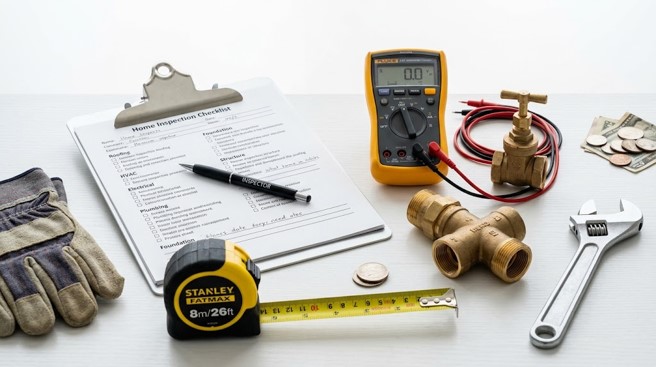
- Inspections: Some sellers opt for a pre-listing inspection to address potential issues before buyers find them.
These costs are highly variable but can significantly impact how quickly your home sells and for what price. Think of them as investments that can yield a higher return on your sale.
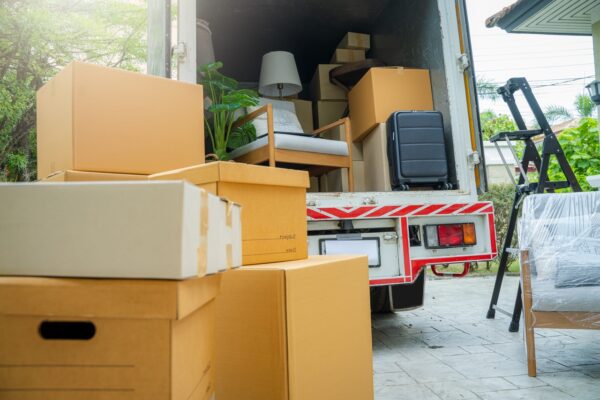
Moving Expenses
Don’t forget the practical costs of relocating. These can include:
- Packing Supplies: Boxes, tape, bubble wrap.
- Moving Company: Hiring professional movers, which can range from hundreds to thousands of dollars depending on distance and volume.
- Storage: If you need to store your belongings temporarily.
- Travel Costs: If you’re moving out of state.
While not directly related to the transaction itself, moving expenses are an essential part of your overall budget when selling a home.
Navigating and Potentially Lowering Realtor Rates for Selling a House
Understanding that commission rates are negotiable and exploring different service models can help you keep more equity from your home sale. Here’s how you can approach it:
1. Interview Multiple Agents
Don’t just go with the first agent you meet. Interview at least three different real estate agents. During these interviews, ask about their standard commission rates, what services are included, and how they justify their fees. This process will give you a better sense of the market rates in your area and allow you to compare their value propositions.
2. Understand the Value Proposition
When discussing commission, it’s not just about the percentage; it’s about the value you receive. Ask agents:
- What specific marketing strategies will you use for my home?
- How often will you communicate with me?
- What is your track record for selling homes quickly and for a good price in my neighborhood?
- Are there any additional fees beyond the commission?
A higher commission might be worth it if an agent can demonstrate they will sell your home faster or for a significantly higher price, ultimately putting more money in your pocket.
3. Negotiate the Commission
Many sellers are hesitant to negotiate, but it’s a common practice. Here are some negotiation strategies:
- Ask Directly: Simply ask if they are open to negotiating their commission.
- Offer a Higher Buyer’s Agent Commission: Sometimes, agents are more flexible on their own listing commission if you agree to offer a slightly higher percentage to the buyer’s agent. This can make your home more attractive to buyer’s agents, potentially leading to more showings and a quicker sale.
- Consider a Tiered Commission: Propose a lower commission if the home sells quickly or above a certain price threshold, and a slightly higher one if it takes longer or sells for less. This incentivizes the agent to achieve your goals.
- Bundle Services: If you’re also buying a home with the same agent, you might be able to negotiate a reduced commission on the sale of your current home.
Remember, the agent’s willingness to negotiate might depend on market conditions, their current workload, and the perceived value of your listing.
4. Explore Alternative Real Estate Models
The traditional 5-6% commission model isn’t your only option anymore. Several alternative models can significantly reduce your selling costs:
- Flat-Fee MLS Services: For a fixed fee (often a few hundred dollars), your home is listed on the local Multiple Listing Service (MLS), which is where most agents find homes for their buyers. You handle the rest of the selling process yourself, including showings, negotiations, and paperwork. You’ll still typically offer a commission to the buyer’s agent.
- Discount Brokerages: These companies offer reduced commission rates (e.g., 1-2% for the listing agent) in exchange for a more streamlined service, often leveraging technology. You still get agent representation, but some services might be unbundled or handled differently.
- “For Sale By Owner” (FSBO): You handle the entire selling process yourself, from marketing to negotiations and closing. This eliminates the listing agent’s commission entirely, but you’ll still likely pay a buyer’s agent commission if the buyer has representation. While it saves on commission, it requires significant time, effort, and expertise, and FSBO homes sometimes sell for less than agent-assisted sales.
- Tech-Enabled Brokerages (like SimpleShowing): These brokerages combine the expertise of local real estate agents with advanced technology to offer a full-service experience at a lower commission rate. For example, SimpleShowing offers a low flat fee for sellers, allowing you to save thousands compared to traditional models, while still providing professional guidance and support throughout the selling process. This model is designed to maximize your savings without compromising on service quality.
When considering these alternatives, always weigh the potential savings against the level of service and support you need. For many sellers, a hybrid model that offers significant savings with professional guidance is the ideal solution.
The Importance of the Buyer’s Agent Commission
While your primary goal is often to save on the total commission, it’s crucial not to overlook the buyer’s agent commission. This portion of the fee is paid by you, the seller, but it directly impacts how attractive your listing is to buyer’s agents.
Think of it this way: buyer’s agents work on commission. If your home offers a significantly lower commission to the buyer’s agent compared to other homes in your area, those agents might be less inclined to show your property to their clients. They might subtly steer their clients towards homes where they can earn a more competitive commission. While this isn’t always the case, and ethical agents will show all suitable properties, it’s a practical consideration in a competitive market.
A common strategy for sellers looking to save on commission is to negotiate a lower listing agent fee while maintaining a competitive buyer’s agent commission (e.g., 2.5% to 3%). This approach helps ensure your home gets maximum exposure to potential buyers through their agents, while still reducing your overall selling costs.
Making an Informed Decision About Realtor Rates for Selling a House
Choosing the right real estate agent and commission structure is a significant decision that can impact your net proceeds from the sale of your home. It’s not just about finding the lowest percentage; it’s about finding the best value for your specific needs.
Start by evaluating your own comfort level with handling parts of the selling process. Are you comfortable coordinating showings and negotiating? Or do you prefer a full-service agent to manage everything? Your answer will help guide you toward the most suitable model.
Next, research the market. Understand typical commission rates in your area and explore the different types of brokerages available. Don’t hesitate to interview multiple agents, ask probing questions, and negotiate. A good agent will be transparent about their fees and services and will be able to justify their value.
Ultimately, the goal is to sell your home efficiently, for the best possible price, and with the most favorable terms for you. By thoroughly understanding realtor rates for selling a house and exploring all your options, you can make a confident decision that maximizes your equity and minimizes your stress.
Ready to explore how you can sell your home with expert guidance while saving on commission? Visit our seller services page to learn more about SimpleShowing’s approach.