Thinking about selling your home in the Golden State? You’re likely wondering about the financial side of things, specifically the cost of selling a house in California. It’s a significant transaction, and understanding all the potential expenses upfront can help you budget effectively and avoid surprises. From real estate commissions to escrow fees and various closing costs, there are several factors that contribute to the overall cost. Let’s break down what you can expect when you decide to sell your California property.
Selling a home involves more than just finding a buyer and signing papers. There are a series of steps, each with its own associated costs, that can add up. While California is known for its high property values, it also comes with higher selling costs compared to many other states. Being prepared for these expenses will put you in a stronger position throughout the selling process.
Understanding the Major Costs of Selling a House in California
When you sell your home, you’ll encounter several categories of expenses. The biggest chunk often goes to real estate commissions, but there are many other fees involved in the transaction. Let’s explore the primary costs you’ll face.
Real Estate Agent Commissions: Often the Largest Expense
For many sellers, real estate agent commissions represent the single largest cost when selling a home. In California, these commissions typically range from 5% to 6% of the home’s final sale price. This percentage is usually split between the buyer’s agent and the seller’s agent.
- Seller’s Agent Commission: This is what you pay your listing agent for their services, which include marketing your home, scheduling showings, negotiating offers, and guiding you through the closing process.
- Buyer’s Agent Commission: While paid by the seller, this commission goes to the agent who represents the buyer. It’s an incentive for buyer’s agents to show your property to their clients.
So, if your home sells for $800,000 with a 5% commission rate, you’d pay $40,000 in commissions. If it’s 6%, that jumps to $48,000. This is a substantial amount, and it’s why many sellers look for ways to reduce this particular cost. For example, tech-enabled brokerages like SimpleShowing offer full-service real estate services for a lower listing fee, allowing you to keep more of your home’s equity.
Escrow and Title Fees: Ensuring a Smooth Transfer
Escrow and title services are crucial for a secure and legal transfer of property ownership. These fees cover the administrative and legal work involved in closing the sale.
What is Escrow?
Escrow is a neutral third party that holds all funds and documents related to the sale until all conditions of the purchase agreement are met. The escrow officer ensures that all instructions from both the buyer and seller are followed before the transaction is finalized. Their fees typically include:
- Escrow Fee: This is the charge for the escrow company’s services. In California, it’s often calculated as a base fee plus a percentage of the sales price (e.g., $250 plus $1.50 per $1,000 of the sale price). The exact split of this fee between buyer and seller can vary by county and negotiation, but sellers often pay a portion.
- Document Preparation Fees: For drafting various legal documents required for the sale.
- Notary Fees: For authenticating signatures on legal documents.
- Wire Transfer Fees: If funds are transferred electronically.
What are Title Services?
Title services ensure that the property’s title is clear and free of any liens, encumbrances, or disputes that could affect the buyer’s ownership. This protects both you and the buyer.
- Title Search Fee: To research the property’s history and uncover any potential issues.
- Title Insurance: This is a policy that protects the buyer (and sometimes the lender) from financial loss due to defects in the title that were not discovered during the title search. In California, it is customary for the seller to pay for the buyer’s title insurance policy. This can be a significant cost, often 0.5% to 1% of the home’s sale price, depending on the county and policy amount.
The total cost for escrow and title services can vary widely based on the sale price and location, but you can generally expect them to be in the range of 0.5% to 2% of the home’s value, with the seller often bearing a substantial portion of this.
Additional Closing Costs for Sellers in California
Beyond commissions and escrow/title, there are several other closing costs that sellers typically encounter. These can include taxes, legal fees, and various administrative charges.
Transfer Taxes: A State and Local Burden
Transfer taxes, also known as documentary transfer taxes, are fees imposed by state and local governments when property changes ownership. In California, both the state and individual counties and cities can levy these taxes.
- State Transfer Tax: California charges a state transfer tax of $1.10 per $1,000 of the sale price (or $0.55 per $500). So, for an $800,000 home, this would be $880.
- Local Transfer Taxes: Many cities and counties in California impose their own additional transfer taxes, which can be significantly higher than the state tax. For example, some cities have transfer taxes that can add another 0.5% to 1.5% (or even more) of the sale price. These local taxes are often a major contributor to the overall cost of selling a house in California. It’s crucial to check the specific rates for your city and county.
In most California transactions, the seller is responsible for paying these transfer taxes.
Prorated Property Taxes and HOA Dues
Property taxes and Homeowners Association (HOA) dues are typically paid in advance or arrears. When you sell your home, these costs need to be prorated, meaning they are divided fairly between you and the buyer based on the closing date.
- Prorated Property Taxes: If you’ve paid property taxes for a period extending beyond the closing date, the buyer will reimburse you for their share of those taxes. Conversely, if taxes are due for a period before closing that you haven’t paid, you’ll owe the buyer for your share.
- Prorated HOA Dues: Similar to property taxes, any HOA dues will be prorated between you and the buyer. You’ll either be reimbursed for overpayment or pay your share up to the closing date.
Natural Hazard Disclosure Report (NHD)
California law requires sellers to disclose if their property is located in certain natural hazard zones, such as earthquake fault zones, flood zones, or high fire risk areas. A Natural Hazard Disclosure (NHD) report is prepared by a third-party company to provide this information to the buyer. The cost for this report is typically paid by the seller and usually ranges from $75 to $150.
Pre-Sale Home Inspection and Repairs
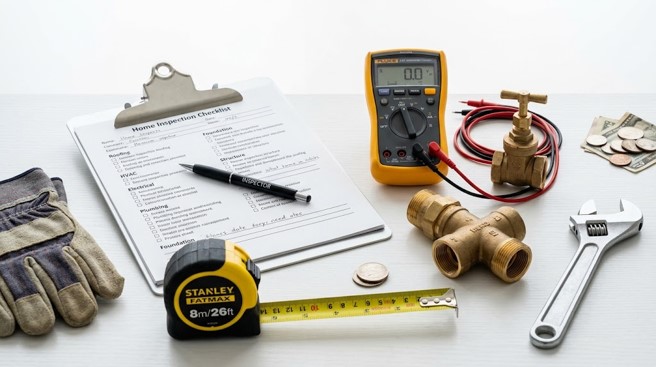
While not strictly a closing cost, many sellers opt to conduct a pre-listing home inspection. This allows you to identify any potential issues with your home before listing it, giving you the opportunity to address them proactively. This can help you avoid surprises during the buyer’s inspection and strengthen your negotiating position.
- Pre-listing Inspection: Costs typically range from $300 to $600, depending on the size and age of your home.
- Repairs: If the inspection reveals necessary repairs, the cost will depend on the extent of the work. Addressing major issues can make your home more appealing and potentially lead to a higher sale price.
Even if you don’t do a pre-listing inspection, buyers will almost certainly conduct their own. If their inspection uncovers issues, you may be asked to pay for repairs or offer a credit to the buyer, which effectively reduces your net proceeds.
Termite Inspection and Remediation
In California, it’s common practice for the seller to pay for a termite inspection. If active infestations or damage are found, the seller may also be responsible for the cost of treatment and repairs. This can range from a few hundred dollars for minor treatment to several thousand for extensive damage.
Home Warranty (Optional, but Common)
To make their home more attractive to buyers and provide peace of mind, many sellers opt to purchase a one-year home warranty for the buyer. This warranty covers the repair or replacement of major home systems and appliances that break down after the sale. The cost typically ranges from $400 to $700.
HOA Document Fees
If your home is part of a Homeowners Association, you’ll be required to provide the buyer with a comprehensive set of HOA documents, including bylaws, CC&Rs (Covenants, Conditions, and Restrictions), financial statements, and meeting minutes. The HOA typically charges a fee for compiling and providing these documents, which often falls to the seller and can range from $100 to $500.
Miscellaneous Fees
You might also encounter smaller, miscellaneous fees, such as:
- Recording Fees: To record the new deed with the county.
- Messenger/Courier Fees: For delivering documents.
- Lender Payoff Fees: If you have an outstanding mortgage, your lender may charge a small fee to process the payoff.
Calculating Your Total Cost to Sell a House in California
Let’s put some numbers together to give you a clearer picture of the potential cost of selling a house in California. Keep in mind these are estimates, and actual costs will vary.
Example Scenario: Selling a Home for $800,000 in a California City with Moderate Local Transfer Taxes
- Real Estate Commissions (5% of $800,000): $40,000
- Escrow Fees (e.g., $250 + $1.50/$1,000 = $1,450, seller pays 50%): $725
- Title Insurance (Buyer’s policy, 0.7% of $800,000): $5,600
- State Transfer Tax ($1.10/$1,000): $880
- Local Transfer Tax (e.g., 0.75% of $800,000): $6,000
- Natural Hazard Disclosure Report: $120
- Termite Inspection & Treatment (estimate): $1,000
- Home Warranty (optional): $600
- HOA Document Fees: $300
- Miscellaneous Fees (recording, notary, etc.): $300
- Total Estimated Selling Costs: $55,525
In this example, the total selling costs amount to approximately 6.94% of the sale price. This percentage can easily go higher, especially in areas with higher local transfer taxes or if significant repairs are needed. It’s not uncommon for sellers to pay between 6% and 10% of their home’s value in selling costs.
Strategies to Reduce Your Cost of Selling a House in California
While many of these costs are unavoidable, there are smart strategies you can employ to keep more of your hard-earned equity.
1. Negotiate Real Estate Commissions
This is often the most impactful area for savings. While traditional brokerages may resist, some modern real estate models offer more flexibility. For instance, a brokerage like SimpleShowing offers full-service listing services for a flat fee or a reduced commission rate, rather than the traditional 2.5% to 3% for the listing agent. This can result in significant savings, especially on a high-value California home.
2. Shop Around for Service Providers
You have the right to choose your escrow and title companies (though sometimes the buyer or lender may have a preference). Get quotes from several reputable providers to compare fees. While quality service is paramount, a little comparison shopping can save you hundreds of dollars.
3. Address Repairs Proactively
By conducting a pre-listing inspection and addressing major issues before listing, you can avoid last-minute, potentially more expensive, repairs under pressure from a buyer. A well-maintained home can also command a higher price and attract more serious offers.
4. Understand Local Transfer Taxes
Be aware of your specific city and county transfer taxes. While you can’t avoid them, knowing the exact amount helps you budget accurately and price your home competitively. In some rare cases, you might be able to negotiate for the buyer to pay a portion of these, but it’s not customary.
5. Review Your Closing Disclosure Carefully
Before closing, you’ll receive a detailed Closing Disclosure document. Review every line item carefully. If you see anything you don’t understand or believe is incorrect, ask your agent or escrow officer for clarification. Mistakes can happen, and catching them early can save you money.
The Bottom Line on Selling Costs in California
Selling a home in California involves a complex web of costs, from substantial real estate commissions to various fees for escrow, title, and taxes. While the exact amount will depend on your home’s value, location, and specific circumstances, being aware of these potential expenses is the first step toward a successful and financially savvy sale.
By understanding each component of the cost of selling a house in California and exploring options like working with a tech-enabled brokerage that offers transparent pricing and commission savings, you can significantly reduce your out-of-pocket expenses and maximize your net proceeds. Don’t let the numbers intimidate you; with careful planning and the right partners, you can navigate the selling process confidently.
Ready to explore how much you could save on commissions while still getting top-notch service? Learn more about your options for selling your home at SimpleShowing.