Flat Roof Waterproofing: Enhance Longevity and Minimize Maintenance Costs

Flat roofs, an integral element of modern architecture, are popular for both residential and commercial buildings due to their cost-effectiveness and efficient use of space. However, the primary challenge these structures face is water leakage, resulting from their low slopes. A flat roof waterproofing solution is therefore critical to prevent water infiltration, increase roof lifespan, and reduce maintenance costs.

What is Flat Roof Waterproofing?

Flat roof waterproofing is a process involving the application of waterproof materials to prevent water seepage into a building’s interior. It’s a vital practice in maintaining the health and longevity of a flat roof, protecting it from the damaging effects of water infiltration, such as mold growth, structural instability, and decreased insulation performance.

Types of Flat Roof Waterproofing Systems

There are several types of flat roof waterproofing methods, each with unique benefits and potential challenges:

Liquid Waterproofing

This method involves applying a liquid waterproof membrane over the surface of the roof. Once cured, this membrane forms a seamless, flexible layer resistant to water leakage.

Bituminous Waterproofing

This solution uses a bitumen-based membrane applied to the roof’s surface. It’s known for its durability and resistance to extreme weather conditions.

PVC Membrane

This type of waterproofing involves laying a PVC membrane over the roof surface, providing high durability and a wide range of temperature tolerances.

Rubberized Asphalt

This method uses a rubberized asphalt membrane that offers excellent adhesion and water resistance.

Thermoplastic Membranes

These materials, such as TPO or EPDM, are lightweight, resistant to UV radiation, and offer superior waterproofing properties.

Importance of Flat Roof Waterproofing

Flat roof waterproofing holds immense significance in ensuring the functionality and durability of a building. It protects the structural integrity of the roof, preventing damage to insulation and potential mold growth. Waterproofing also adds to the longevity of your roof, reducing the need for frequent repairs or replacements.

Furthermore, waterproofing aids in energy conservation. A properly waterproofed roof helps to maintain the indoor temperature of a building, reducing the load on HVAC systems, and consequently, energy costs.

Choosing the Right Waterproofing Solution

The ideal waterproofing solution depends on various factors such as the building’s architecture, the local climate, and your budget. A professional assessment can help determine the best choice. Here are a few considerations:

Budget

While some waterproofing solutions might be more affordable initially, they might not offer long-term cost-effectiveness. Consider both the initial costs and long-term maintenance costs.

Climate

Different materials perform better under specific climate conditions. For instance, rubberized asphalt is highly resistant to fluctuating temperatures, while PVC membrane is UV-resistant and ideal for sun-drenched areas.

Professional Consultation

Engage a waterproofing expert to examine your building’s structure and suggest the most suitable waterproofing solution.

Maintenance of a Waterproofed Flat Roof

Regular maintenance checks are necessary after the initial waterproofing. Check for signs of damage, such as cracks, blisters, or punctures, especially after extreme weather events. Early detection of problems can save you from extensive repair work and higher costs in the future.

Understanding the Waterproofing Process

To better appreciate the importance of flat roof waterproofing, it is useful to understand the process involved. The specific steps may vary slightly based on the material used, but generally, the waterproofing process follows a common sequence:

Surface Preparation

This step involves cleaning the roof surface to remove debris, dust, and existing coatings. It might also include repairs to address cracks, blisters, or other physical damage to ensure a smooth application of the waterproofing material.

Primer Application

A primer is applied to enhance the adhesion of the waterproofing membrane to the roof surface. This step is crucial to ensure that the waterproofing layer doesn’t peel or blister.

Waterproofing Application

The waterproofing material is applied in this step. For liquid membranes, the material is typically rolled or sprayed on. For membrane sheets (e.g., PVC or bituminous membranes), the sheets are rolled out and adhered using heat or a special adhesive.

Detailing

This step focuses on applying extra waterproofing material to areas more prone to water infiltration, such as roof joints, edges, and around protrusions like vents or skylights.

Protection and Finish

The final step often involves applying a protective layer or finish to enhance durability, provide UV resistance, or improve aesthetics. Some finishes also increase reflectivity to further improve energy efficiency.

Modern Advances in Flat Roof Waterproofing

With technological advancements, newer solutions are continuously being developed in the realm of flat roof waterproofing. These modern techniques focus on improving application efficiency, enhancing durability, and promoting environmental sustainability.

One such advancement is the incorporation of nanotechnology in waterproofing materials. Nano-enhanced materials offer superior waterproofing properties and better resistance to UV radiation and temperature variations.

Another innovation is the development of “cool roofs” using highly reflective and emissive materials. These roofs not only waterproof but also help maintain lower roof temperatures, reducing energy consumption and urban heat island effects.

Waterproofing and Sustainability

Flat roof waterproofing is not only a necessary step towards efficient maintenance but also plays a vital role in promoting sustainability. Waterproofing helps maintain a building’s thermal efficiency, leading to reduced energy consumption.

Moreover, choosing eco-friendly waterproofing materials can significantly minimize environmental impact. Many modern waterproofing solutions, such as TPO or EPDM membranes, are recyclable and have a lower carbon footprint.

Final Thoughts

Navigating the vast array of flat roof waterproofing options may seem daunting at first, but understanding each method’s unique advantages simplifies the decision. Reinforced bitumen membranes, traditionally installed using hot bitumen or cold adhesive, continue to be popular due to their durability and resilience. Similarly, single-ply membranes, such as PVC roofing and synthetic rubber black membrane, offer excellent waterproofing properties and are increasingly preferred for their ease of installation.

The installation process for these waterproof materials is key to achieving waterproof flat roofs. Whether it’s ensuring a secure bond to the roof deck with a single-ply membrane or achieving a firm grip with a polyester carrier in the case of bitumen membranes, careful execution is crucial.

Regular roof maintenance is equally essential after the installation of the roof membrane, ensuring the longevity of your flat roofing. A well-executed waterproofing process paired with routine maintenance significantly enhances the lifespan of your roof, ultimately providing a secure, leak-free environment for your property. These strategies offer a robust solution to waterproofing challenges, making them a worthwhile investment for property owners and managers alike.

7 Important Plumbing Tips Every Homeowner Should Know

As a homeowner, there are few things as daunting as a plumbing issue. But don’t worry! Understanding some basic plumbing principles and tips can save the day. This guide is designed to equip you with crucial know-how to prevent minor issues from escalating into major problems. So let’s dive right in, and uncover seven essential plumbing tips that every homeowner like yourself should have up their sleeve.

Find Capable Professionals

Finding capable professionals is a critical aspect of maintaining the health of your plumbing system. Expert plumbers who have between eight and 12 years of experience, equipped with the necessary tools and expertise, can diagnose issues accurately and provide effective solutions to prevent long-term damage. They understand the complexities of the plumbing system, from the water supply to the drainage, ensuring each component works optimally and harmoniously with the others.

Regular inspections by such professionals can spot potential problems early on, effectively preventing costly repairs down the line. In addition, they can offer valuable advice on maintenance practices that homeowners can implement to prolong the lifespan of their plumbing systems. Ultimately, the knowledge and experience of capable professionals are invaluable in preserving the integrity of your home’s plumbing setup, saving you both time and money in the long run.

Know Your Main Shut-off Valve

Familiarity with the location and operation of your main shut-off valve is fundamental to maintaining your home’s plumbing system. This valve controls the water supply to your entire house, meaning it can be the first line of defense during a plumbing emergency. In case of significant leaks or burst pipes, turning off the main valve promptly prevents excessive water damage, saving you both time and money.

Moreover, when undertaking medium to large-scale plumbing repairs or renovations, you’ll find it necessary to halt the water supply temporarily. In such scenarios, knowing how to operate the main shut-off valve becomes imperative. Regularly checking it for any signs of wear and tear, rust, or leakage ensures that it remains functional and ready for use in emergencies. Hence, knowing and maintaining your main shut-off valve is a proactive measure in preserving the overall health of your plumbing system.

Invest In Water-saving Fixtures

There are numerous fixtures that will help you save resources and money over time, and more and more homeowners are installing them. Here are some of them:

  • low-flow toilets
  • water-saving showerheads
  • faucet aerators
  • high-efficiency washing machines
  • water-saving dishwashers
  • rainwater harvesting systems
  • smart irrigation systems
  • dual-flush toilets
  • pressure-compensating shower valves
  • greywater systems

Investing in water-saving fixtures isn’t just beneficial for your wallet and the environment. It also contributes significantly to maintaining your plumbing system. These fixtures reduce the demand and pressure on your pipes, preventing wear and tear and extending their life span. Additionally, with less volume of water flowing through, the risk of leaks and bursts decreases. Thus, water-saving fixtures are a smart investment for the longevity of your plumbing system.

Avoid Chemical Drain Cleaners

While a quick pour of a chemical drain cleaner might seem like an easy fix to a clogged drain, this is a route best avoided. These harsh chemicals react with the clog to dissolve it, but in the process, they generate heat. This heat can warp PVC pipes and corrode older, metal pipes, leading to leaks and further damage. Moreover, repeated use of such cleaners can cause extensive degradation to the inside of the pipes, making them more susceptible to cracks and breaks.

Also, these chemicals are harmful to the environment, and their disposal poses its own set of challenges. Instead, consider using enzyme-based drain cleaners, plunging, or snake tools for safe and effective unclogging. By avoiding chemical drain cleaners, you preserve the integrity and longevity of your plumbing system, ensuring it functions optimally for years to come.

Don’t Over-tighten Connections

In your journey as a homeowner, you might find yourself compelled to tighten plumbing connections as much as possible to avoid leaks. However, it’s crucial to understand that over-tightening can do more harm than good. Excessive tightening puts undue stress on the pipes, fittings, and fixtures, leading to cracks or breaks. These can result in leaks that might initially seem minor but could escalate into significant issues over time.

Furthermore, it makes future disassembly incredibly challenging. In contrast, a properly tightened connection secures the seal while relieving stress on the components, ensuring your plumbing system remains in good condition. Hence, the next time you’re tightening a connection, remember – “hand tight is just right!” This easy-to-remember rule fosters good maintenance habits and contributes to the long-term health of your plumbing system.

Insulate The Pipes

Insulating your pipes is a vital step in maintaining your plumbing system’s good condition. During colder months, pipes that aren’t cared for can freeze, causing them to burst and lead to costly repairs. Insulation prevents this by maintaining a higher internal temperature, thereby reducing the risk of freezing. In warmer weather, it can prevent condensation on cold water pipes, which could lead to water damage in your home.

Additionally, insulating hot water pipes helps maintain the water’s temperature, reducing the need to let the water run until it heats up and saving both water and energy costs. Therefore, insulating pipes is a proactive, cost-effective measure that protects your plumbing system year-round.

Maintain Your System

Regular system maintenance is a cornerstone in the longevity and efficiency of your plumbing system. It involves regular inspections to detect and rectify potential issues before they escalate into major problems, thus saving you significant repair costs. Maintenance activities such as regularly checking the main shut-off valve and avoiding over-tightening of connections help to prevent leaks and burst pipes.

Additionally, investing in water-saving fixtures reduces the demand on your pipes, extending their lifespan. Insulating your pipes protects them from freezing and bursting in cold weather and from condensation damage in warmer periods. Therefore, holistic maintenance of your plumbing system ensures its optimal functioning and longevity.

In conclusion, caring for your home’s plumbing system doesn’t have to be complex. By knowing your main shut-off valve, investing in water-saving fixtures, avoiding harmful chemical cleaners, not over-tightening connections, insulating your pipes, and maintaining your system, you’re on your way to a healthy and efficient plumbing system. These practical tips will save you time, and money, and help preserve the environment. Happy plumbing!

3-Dimensional Shingle: Unlocking Its Aesthetic Appeal and Durability

The search for reliable, appealing, and sustainable roofing options can be a daunting task. However, the innovation of 3-dimensional shingles is providing homeowners with a superb choice that is transforming the look and durability of residential buildings. These roofing materials, also known as architectural or laminate shingles, are leading the way in the roofing industry, offering a blend of functionality and aesthetic beauty. In this article, we delve into the distinctive features, advantages, and installation process of 3-dimensional shingles.

Unveiling the 3 Dimensional Shingles

3-dimensional shingles are a high-quality type of asphalt roofing material. Their name stems from the unique dimensional look they offer, unlike traditional flat shingle designs. These shingles are layered, giving them a rich, textured appearance that often emulates more expensive roofing materials such as cedar shakes or slate. They are designed with superior durability in mind, typically offering longer warranties and better resistance to harsh weather conditions compared to their traditional counterparts.

Distinctive Features and Advantages of 3 Dimensional Shingles

3-dimensional shingles are favored for their numerous advantages and distinctive features. They possess an outstanding ability to mimic high-end materials, offering an upscale look without the hefty price tag. Due to their layered structure, these shingles present an appealing, textured profile that adds depth and character to any roof.

Durability is another significant selling point for 3-dimensional shingles. They are generally thicker and heavier than other types of asphalt shingles, making them less susceptible to wind uplift, rain, and other harsh weather elements. With warranties often extending up to 50 years, homeowners can enjoy the peace of mind that their investment is well-protected.

Furthermore, 3-dimensional shingles are available in a wide range of colors and styles, providing homeowners with flexibility in customizing their home’s exterior aesthetics. Additionally, due to their popularity and desirability, installing these shingles can potentially increase a property’s resale value.

Installation of 3 Dimensional Shingles

When it comes to the installation of 3-dimensional shingles, it’s vital to work with a professional roofing contractor. Their expertise will ensure the shingles are correctly installed, optimizing their performance and longevity. Contractors follow the specific installation procedures recommended by the shingle manufacturers, ensuring that the roof not only looks great but also functions as it should.

A key step in the installation process is the proper placement and nailing of the shingles to create the dimensional effect. This procedure is slightly more complex than traditional flat shingle installation, hence the need for professional input. Once installed, homeowners can look forward to a beautiful, durable roof that requires minimal maintenance.

Beyond 3-Dimensional Shingles: Eco-friendliness and Energy Efficiency

Another noteworthy advantage of 3-dimensional shingles is their environmental impact and energy efficiency. With an increasing global focus on sustainability, manufacturers have begun creating eco-friendly 3-dimensional shingles. Some are made from recycled materials, while others have specially designed surfaces to reflect solar heat, thereby reducing cooling costs during summer months.

This aspect of energy efficiency makes 3-dimensional shingles an attractive option for homeowners looking to reduce their carbon footprint and save on energy bills. For areas prone to intense sun, selecting shingles with solar-reflecting granules can help keep homes cooler, reducing the strain on air conditioning units. This increased efficiency not only results in lower energy consumption but also contributes to the overall longevity of your cooling systems.

Choosing the Right 3-Dimensional Shingles for Your Home

Given the variety of options available, it can be challenging to decide on the best 3-dimensional shingles for your home. The first step involves choosing the right color and style that fits your home’s aesthetics. From a rustic wood-shake look to the high-end appearance of slate, there’s a wide range to cater to diverse homeowner preferences.

Next, consider the climate and weather conditions in your area. If you live in a region prone to high winds or heavy rain, opt for 3-dimensional shingles with enhanced wind or water resistance. For homes in hotter climates, consider energy-efficient shingles that can reflect solar heat.

Always refer to the manufacturer’s warranty when making your choice. A more extended warranty often signifies better quality and durability. In addition, some warranties are transferable to the next homeowner, which could be an appealing selling point if you plan to sell your property in the future.

Bottom Line

When it comes to roof replacement, architectural shingles stand as a preferred option over other roofing materials. Their cost per square foot offers a fair balance between quality and affordability. When you weigh both architectural shingles against regular asphalt shingles or even three tab shingles, you quickly realize the added value they bring to your roofing project.

Architectural shingle warranties tend to be more favorable compared to other types of asphalt roof. This, combined with their longer lifespan and exceptional durability, makes them a worthwhile investment. They are a sturdy and durable shingle option, perfect for those looking for an upgrade from regular asphalt or composite shingles.

Furthermore, the aesthetics of an architectural roof dramatically enhance your home’s curb appeal, potentially increasing your property value. Always remember to work with professional roofing contractors for your new roof installation to ensure the longevity and optimal performance of your roof. Opt for a professional installation for your architectural shingles and see the transformative effect on your property while benefitting from their longer lifespan and enhanced durability.

What is the Best Underlayment for Roofing? Discover Your Options

When planning a roofing project, whether it’s a brand-new installation or a replacement job, your choice of underlayment is as crucial as the visible roofing materials themselves. But with the myriad of options available, you may be asking yourself, “What is the best underlayment for roofing?” This article seeks to demystify the complexities surrounding roofing underlayment and helps you make the right decision for your roofing project.

As a protective secondary layer, roofing underlayment acts as a barrier, enhancing your roof’s durability against the elements and providing extra insulation. It’s also a vital component in maintaining your roof’s integrity and extends the lifespan of your roofing system. Given its critical role, it’s crucial to choose the best underlayment for your particular needs.

There are three main types of roofing underlayment: asphalt-saturated felt, rubberized asphalt, and synthetic underlayment. Let’s delve into the details of each option.

Asphalt-Saturated Felt

For decades, asphalt-saturated felt has been the traditional choice for roofing underlayment. It’s made from either organic or fiberglass substrate, which is then saturated with asphalt to enhance water resistance. While it is less technologically advanced than other types of underlayment, its affordability and reasonable performance make it a popular choice among homeowners and contractors. It’s particularly effective in mild climates and when installed beneath heavy roofing materials like slate or tiles.

Rubberized Asphalt Underlayment

Rubberized asphalt underlayment is a premium choice that offers the best waterproofing capabilities. It consists of a layer of asphalt saturated with rubber polymers and added adhesive backing, which gives it a seal around the roofing fasteners, providing an airtight and waterproof barrier. This underlayment is typically more expensive than the others, but it’s ideal for roofs prone to severe weather conditions or those that need additional waterproofing, such as low-slope roofs.

Synthetic Underlayment

Compared to traditional asphalt-saturated felt, synthetic underlayment, made from polypropylene or polyester, is a high-performing and durable option. It’s less likely to tear, more water-resistant, and more resistant to fungus and UV damage. Additionally, synthetic underlayment is lighter and easier to install, making it a popular choice for contractors. While it is more expensive than asphalt-saturated felt, it offers superior performance and durability, making it a cost-effective option in the long run.

To choose the best underlayment for your roofing project, consider the following factors:

Roofing Material

Some underlayment materials work better with specific roofing materials. For example, asphalt-saturated felt is often paired with heavy roofing materials like slate or tiles.

Climate

If you live in an area prone to harsh weather conditions, a more robust underlayment like rubberized asphalt or synthetic material would be better suited.

Roof Slope

Low-slope or flat roofs often require a more water-resistant underlayment, such as rubberized asphalt.

Local Building Codes

Check your local building codes before selecting an underlayment. Some regions have specific requirements for fire resistance, wind resistance, or other factors.

Budget

While cost should not be the only deciding factor, it’s essential to balance performance and cost.

Installation Factors for Roofing Underlayment

The best underlayment for roofing isn’t just about the product itself, but also how well it’s installed. Factors like proper installation, adherence to local building codes, and the underlayment’s compatibility with the overlying shingles can all significantly impact the underlayment’s performance and lifespan.

1. Proper Installation

Regardless of the type of underlayment, professional installation is crucial. Even the highest-quality underlayment can fail if installed incorrectly. For instance, underlayment must be laid flat and smooth to prevent buckling or tearing that could compromise its integrity. Also, sufficient overlapping of the underlayment sheets ensures a water-tight barrier.

2. Local Building Codes

Ensure your chosen underlayment meets local building code requirements. These rules vary by region and might have specifications for wind resistance, fire resistance, and other safety factors. Adhering to these guidelines is not only a legal necessity but also essential for the safety and durability of your roof.

3. Compatibility with Roofing Material

Different roofing materials may require specific underlayment types. For example, metal roofs often pair best with synthetic underlayment due to its heat-resistant properties, while asphalt shingles may perform well with any of the three types, depending on the local climate and roof slope.

Maintenance and Lifespan of Roofing Underlayment

The best underlayment for roofing is designed to withstand years of exposure to various weather conditions, but no underlayment lasts forever. Regular roof inspections can help identify and address issues such as underlayment deterioration or damage before they escalate.

The lifespan of your roofing underlayment largely depends on the material type, the climate, and the roof’s overall maintenance. Traditional asphalt-saturated felt tends to have a shorter lifespan, generally around 20 years. On the other hand, synthetic and rubberized asphalt underlayments can last up to 40 years or more, provided they’re well-maintained and subjected to average weather conditions.

Additional Considerations

Choosing the best roofing underlayment for your home is a decision that can significantly impact your roof’s longevity and performance. Whether you opt for synthetic roof underlayment, rubberized roof underlayment, or traditional felt underlayment, it is essential to consider your specific circumstances, from the type of roofing – be it asphalt shingle roof or metal roofing – to the local climate and your budget.

Remember, the best roof underlayment is the one that fulfills all these criteria while providing a solid, protective barrier for your roof deck. Synthetic and rubberized underlayment often provide a more durable and weather-resistant choice, proving to be a robust companion to your roofing deck. However, asphalt roofing or felt underlayment can be a suitable alternative for those seeking a more cost-effective option.

Ensuring your roof underlayment is installed professionally is vital to optimize its functionality. Regardless of the underlayment you choose, the installation process can dictate how effectively your roof withstands environmental stressors. So, consult with experienced professionals when you’re ready to install roof underlayment, because a well-chosen and correctly installed underlayment can contribute to a sturdy, long-lasting roof over your head.

Conclusion

synthetic roofing underlayment stands out as one of the best roofing underlayment materials available today, offering advantages over traditional roofing materials like asphalt saturated felt underlayment. As homeowners and contractors become more discerning, the shift towards synthetic underlayments is palpable. It’s crucial to get your roof underlayment installed correctly, and while many might be tempted to stick with what they know, like felt roof underlayment, the benefits of synthetic roof underlayments cannot be ignored. With enhanced durability, resistance to water, and overall superior performance, those looking to install synthetic roof underlayment can expect a longer-lasting barrier between their roof decking and roof shingles.

For homeowners and contractors alike, choosing the right underlayment material is paramount to a roof’s longevity and performance. Brands like Owens Corning continue to innovate, leading the charge in producing top-tier synthetic roofing underlayment options. It’s essential to weigh the pros and cons of both traditional and synthetic options, but as technology progresses, it becomes clear that synthetic roof underlayments are steadily becoming the preferred choice for those who prioritize lasting quality.

Should You Buy a House with a Garage? Here’s Why or Why Not

When searching for a new house, there are numerous factors to consider, and one of the most important is whether or not it includes a garage. A garage can offer convenience, and extra storage space, and even increase the property value. However, there are also drawbacks to consider, such as cost implications and limitations on yard space. In this blog post, we will explore the pros and cons of buying a house with a garage to help you make an informed decision.

Benefits of Buying a House with a Garage

Convenience and Storage

One of the primary advantages of having a garage is the convenience it provides. With a dedicated parking space, you won’t have to worry about finding street parking or scraping off snow and ice during winter. Additionally, a garage offers protection from the elements, ensuring that your vehicle remains in good condition.

Furthermore, garages provide valuable storage space. From tools and equipment to seasonal items and sports gear, a garage can help keep your home organized and clutter-free. It can also be transformed into a workshop or gym area, offering versatility for various hobbies and interests. Suppliers from Garage Wholesalers add that a spacious garage space allows you to park your car safely and keep other equipment and tools within reach. Also, customizing your garage adds flexibility to your property.

Increased Property Value

Houses with garages tend to be more attractive to potential buyers. The added convenience and storage options make them desirable features. As a result, when it comes time to sell your house, having a garage can significantly increase its resale value.

Versatility

Another advantage of buying a house with a garage is the flexibility it offers. While initially used for parking and storage, garages can be repurposed to meet changing needs. Whether you want to create a home office, a play area for children, or a studio for artistic pursuits, a garage provides a blank canvas for customization.

Drawbacks of Buying a House with a Garage

Cost Considerations

One of the main drawbacks of buying a house with a garage is the associated costs. Houses with garages typically come with a higher purchase price compared to those without. Additionally, ongoing maintenance and repair expenses can add up over time. It’s essential to factor in these costs when considering your budget.

Necessary Repairs and Upgrades

As with any home addition or space, having a garage means another area that you’ll need to maintain. Depending on the state of the garage when you purchase, you may need to invest in repairs such as new doors, repairing or replacing the garage flooring, fixing broken garage door openers, installing a storage system and more. Depending on your budget, purchasing a home without these issues may be more desirable and something to keep in mind throughout your home search.

Limited Yard Space

Garages take up valuable yard space, which can limit your options for outdoor activities or landscaping. If you enjoy gardening or entertaining outdoors, having a garage may restrict your possibilities. Additionally, if you plan on expanding or remodeling your house in the future, the presence of a garage might pose challenges or require additional permits.

Lifestyle Factors

Consider your lifestyle and transportation preferences. If you live in an area with excellent public transportation or you rely heavily on biking or walking, owning a car may be less important to you. In such cases, the need for a garage may not be as significant, and you could allocate the extra space for other purposes.

Factors to Consider when Deciding

When deciding whether or not to buy a house with a garage, there are several factors to consider:

Personal Circumstances

Evaluate the number of vehicles you own and whether you require storage space for other items. Additionally, consider any hobbies or interests that may necessitate a workshop or specialized area. Also, a garage can be converted as an extension of your living space in the future as your family grows or if you need extra space to accommodate guests.

Location-Specific Considerations

Take into account the weather conditions in your area. If you live in an area with extreme temperatures, a garage can protect your vehicle from the elements. Additionally, consider the availability of off-street parking if you decide not to utilize the garage.

When deciding whether to buy a house with a garage, it’s essential to weigh the pros and cons based on your individual needs and preferences. While a garage offers convenience, storage, and increased property value, it also comes with cost considerations and limitations on yard space. By carefully evaluating your circumstances and considering location-specific factors, you can make an informed decision that aligns with your lifestyle.

The Hidden Threat: Uncovering The Long-Term Effects Of Mold On Home Environments

Are you aware of the hidden threat lurking in your home?

Mold, a common problem in many households, can have serious long-term effects on both your health and your property. Don’t underestimate its destructive power. It’s time to uncover the truth about mold and take action to protect yourself and your loved ones.

Exposure to mold can lead to a range of health issues, from allergies and asthma attacks to respiratory infections and even neurological issues. But that’s not all – the damage doesn’t stop there. Mold can also wreak havoc on your property, causing structural damage, staining walls and ceilings, and compromising the overall integrity of your home.

But fear not! There are steps you can take to combat this hidden threat or hire Mold Removal Services.

Don’t let mold control your life any longer. Take charge today by learning about the long-term effects of mold on home environments and how you can protect yourself from its harmful consequences.

Understanding the Health Risks of Mold Exposure

Did you know that living in a mold-infested home can have serious long-term health consequences for you and your loved ones? It’s important to understand the hidden threat lurking in our homes.

Mold is more than just an eyesore; it poses significant health risks. Breathing in mold spores can lead to respiratory issues such as coughing, wheezing, and even asthma attacks. Mold exposure has also been linked to allergies, skin rashes, and sinus infections.

But don’t fret! There are steps you can take to prevent mold growth and protect your family’s health. Keep your home well-ventilated, fix any leaks or water damage promptly, and ensure proper humidity levels. Regularly clean damp areas like bathrooms and basements with mold-killing products.

By being proactive, you can create a safe and healthy environment for yourself and your loved ones while avoiding the potential dangers associated with mold exposure.

Identifying the Signs of Mold Infestation in Your Home

Take a moment to look around your place and notice any telltale signs of mold infestation. Don’t let this hidden threat compromise your health and the air you breathe!

Identifying common mold species is crucial in ensuring a safe living environment. Look out for visible growth on walls, ceilings, or floors, especially in damp areas like bathrooms or basements. Musty odors are another red flag that should not be ignored.

The impact of mold on indoor air quality cannot be underestimated. Mold spores can easily spread through the air, causing respiratory issues such as coughing, wheezing, and even asthma attacks. Prolonged exposure to mold can also lead to more serious health problems over time.

Don’t wait until it’s too late! Take action now by inspecting your home regularly for any signs of mold infestation. If you suspect mold growth, seek professional help immediately to ensure proper remediation and protect yourself and your loved ones from the harmful effects of mold exposure.

The Long-Term Damage Mold Can Cause to Your Property

Don’t ignore the potential damage mold can cause to your property in the long run. Mold growth may seem harmless at first, but it can lead to serious consequences for your home.

The effects of mold on your property can be devastating and costly. Mold has the ability to eat away at building materials such as wood and drywall, weakening the structure of your home over time. This can result in expensive repairs and renovations down the line.

Furthermore, the financial implications of long-term mold damage cannot be overlooked. Insurance companies often view mold as a preventable issue, which means that they may not cover the costs associated with its removal or remediation. This burden falls squarely on your shoulders as a homeowner.

So, take action now to protect your property from mold damage. Regular inspections and prompt remediation are key to preventing further deterioration and preserving the value of your investment. Don’t let mold compromise the safety and integrity of your home – tackle it head-on today!

Protecting Your Health and Well-Being from Mold

Ensure your health and well-being are safeguarded by being proactive in addressing the presence of mold in your surroundings. Don’t wait for the problem to escalate; take immediate action to prevent mold growth and protect yourself from potential health hazards.

Mold can release spores that can cause respiratory issues, allergies, and even infections. By taking simple steps like reducing moisture levels in your home, fixing leaks promptly, and using exhaust fans in bathrooms and kitchens, you can significantly decrease the risk of mold growth.

Regularly inspecting your property for any signs of water damage or excess humidity is crucial in preventing mold from taking hold. Remember, a healthy environment starts with you! Take charge now to ensure a safe and mold-free living space that promotes optimal health and well-being for you and your loved ones.

Effective Methods for Removing Mold and Preventing its Return

To effectively remove and prevent the return of mold, you should regularly clean and disinfect affected areas using a mixture of bleach and water. Mold prevention starts with taking action. Don’t let this hidden threat linger in your home any longer! Get up and get moving! Grab that bleach and water solution and attack those moldy spots head-on. Scrub them away like the determined warrior you are! And remember, this isn’t just about removing the visible signs of mold; it’s about stopping it from coming back for good. So be thorough, be relentless, and don’t give up until every nook and cranny’s treated.

Mold remediation isn’t for the faint of heart, but neither’s living with the long-term effects of mold on your health. Take control today!

Seeking Professional Help for Severe Mold Infestations

Now that you’ve learned about effective methods for removing mold and preventing its return, it’s important to recognize when the situation calls for professional help. When faced with severe mold infestations, seeking professional mold remediation is crucial to ensure a thorough and safe removal process.

While DIY mold removal may seem tempting, it can be time-consuming, risky, and ineffective if not done properly. Professional mold remediators have the knowledge, expertise, and specialized equipment to handle even the most severe cases of mold infestation. They can identify the root cause of the problem, effectively remove all traces of mold, and provide long-term solutions to prevent its recurrence.

Don’t let the hidden threat of mold compromise your home environment any longer; take action today by contacting a professional who can eliminate this health hazard once and for all.

Creating a Safe and Mold-Free Home Environment

Creating a safe and mold-free living space is essential for maintaining a healthy and comfortable home. You have the power to prevent mold growth and ensure good indoor air quality.

Start by keeping your home well-ventilated, as proper airflow helps reduce moisture levels that can lead to mold formation. Regularly inspect your home for any water leaks or condensation issues and promptly address them.

Clean and dry any damp areas, such as bathrooms or basements, to prevent mold from taking hold. Make sure to use exhaust fans in high-moisture areas, and consider using dehumidifiers in particularly humid climates.

Keep surfaces clean and dry, especially in the kitchen, where food particles can attract mold spores. By taking proactive measures, you can create a safe haven free from the hidden threat of mold, promoting a healthier environment for you and your loved ones.

Conclusion

In conclusion, don’t let mold take control of your home. Take action now to protect yourself and your loved ones from the hidden threat that lurks within your walls.

By understanding the health risks, identifying signs of infestation, and taking effective measures to remove and prevent mold, you can create a safe and mold-free environment for years to come.

Don’t wait for the long-term damage to occur. Be proactive, be energetic, and reclaim your home from the clutches of mold today!

Frequently Asked Questions

Can mold exposure cause long-term respiratory issues?

Yes, mold exposure can lead to long-term respiratory issues. Don’t let allergies and the health effects of mold hold you back. Take action now to improve your home environment and protect your lungs for a healthier future.

What are some common signs of mold infestation that homeowners should be aware of?

Common symptoms of mold infestation include musty odors, visible mold growth, water leaks or stains, and respiratory issues. To prevent mold, keep humidity levels low, fix any water leaks promptly, and ensure proper ventilation in your home. Stay proactive and protect your health!

How does mold damage affect the structural integrity of a property?

Mold damage can seriously compromise your property’s stability and structural integrity. Over time, it weakens the foundation, walls, and support beams, posing a long-term threat to your home environment. Take action now to protect your investment!

Are there any natural remedies or DIY methods for removing mold?

Get rid of mold naturally with DIY methods! Use vinegar, hydrogen peroxide, or baking soda to kill and remove mold. Clean surfaces thoroughly and ensure proper ventilation to prevent future growth. Take control of your home’s health today!

When should homeowners consider seeking professional help for mold infestations?

To ensure your family’s safety, it’s crucial to know when to seek professional help for mold infestations. While DIY methods have their place, homeowners should prioritize expert intervention for extensive or recurring mold issues.

Ready for the Next Level of Lawn Care? Get a Pressure Washer!

Are you tired of dealing with a dull and lackluster lawn? Do you long for a yard that looks vibrant and well-maintained?

If so, it’s time to consider the power of pressure washers. With their incredible cleaning capabilities, pressure washers can transform your lawn from drab to fab in no time.

They’re also pretty straightforward to operate. For example, armed with the Portland Pressure Washer parts diagram, you’ll have no problem fulfilling all of your pressure washing needs.

This article explores the many benefits of pressure washers and how they can help you achieve superior yard care. Let’s jump straight into it.

Key Takeaways:

  • Pressure washers are highly effective in cleaning outdoor surfaces.
  • They use high-pressure water to remove dirt, grime, mold, mildew, and debris.
  • Pressure washers can restore the original look of surfaces and make them appear fresh and vibrant.

Why Pressure Washers?

Pressure washers are a game-changer when it comes to cleaning outdoor surfaces. They use high-pressure water to remove dirt, grime, mold, mildew, and other debris. You can safely use them on various surfaces, such as driveways, patios, decks, fences, and even your lawn.

The powerful stream of water not only cleans but also helps to restore the original look of the surface, making it appear fresh and vibrant.

How Does a Pressure Washer Work?

Pressure washers work by forcefully spraying water at high pressure through a nozzle or wand. The force of the water is what makes the cleaning process so effective. Some pressure washers also have the option to add detergent to the water, which can help to break down tough stains and grime.

The pressure washer’s motor or engine powers a pump that pressurizes the water before it is expelled through the nozzle.

The Benefits of Using a Pressure Washer for Yard Care

Using a pressure washer for yard care offers a multitude of benefits that can greatly enhance the appearance and health of your lawn. Here are some key advantages:

  1. Deep Cleaning Power: Pressure washers deliver a thorough and deep clean that can remove stubborn dirt, grime, and stains from your lawn and outdoor surfaces. This level of cleaning is difficult to achieve with traditional cleaning methods.
  2. Efficiency: Pressure washers make the cleaning process faster and more efficient. The high-pressure water stream can cover a larger area in less time than manual scrubbing or using a regular hose.
  3. Versatility: Pressure washers can be used on a variety of outdoor surfaces, including concrete, asphalt, wood, vinyl, and more. This versatility makes them a valuable tool for all your yard care needs.
  4. Gentle on Surfaces: Despite their high-pressure capabilities, pressure washers can be adjusted to provide a gentler stream of water for more delicate surfaces. It means you can safely clean your lawn, garden fixtures, and outdoor furniture without causing damage.
  5. Saves Time and Effort: With a pressure washer, you can tackle large areas and tough cleaning tasks with ease. It saves you time and energy that can be better spent on other aspects of yard maintenance.

How to Use a Pressure Washer Safely and Effectively

While pressure washers are highly effective tools for yard care, it’s important to use them safely and effectively to avoid any accidents or damage.

Here are some tips for using a pressure washer:

  1. Read the Manual: Familiarize yourself with the manufacturer’s instructions and safety guidelines before using the pressure washer. Each model may have specific instructions that you need to follow.
  2. Choose the Right Nozzle: Different nozzles create different spray patterns and pressures. Select the nozzle that is appropriate for the surface you are cleaning. For example, a narrower spray pattern is suitable for removing tough stains, while a wider pattern is better for general cleaning.
  3. Protect Yourself: Wear safety goggles, gloves, and closed-toe shoes when operating the pressure washer. The high-pressure water can cause injury if it comes into contact with your skin or eyes.
  4. Maintain Distance: Keep a safe distance between the pressure washer nozzle and the surface you are cleaning. Start farther away and gradually bring the nozzle closer until you find the optimal distance for effective cleaning without causing damage.
  5. Use Detergent Wisely: If using detergent, follow the manufacturer’s instructions on how to properly mix and apply it. Some surfaces may require pre-treatment with detergent before pressure washing.

The Bottom Line

Pressure washers are powerful tools that can transform your lawn and outdoor surfaces, making them look fresh and vibrant. It’s an easy and effective way to remove stains, dirt, or grime from various surfaces.

With their ability to provide deep cleaning, pressure washers are versatile tools that can revitalize your yard.

By following safety guidelines and using the right techniques, you can harness the full potential of a pressure washer and enjoy a well-maintained lawn. Don’t wait any longer — take action now and embrace the power of pressure washers for your yard care needs!

Frequently Asked Questions about Pressure Washers

Can I use a pressure washer on my lawn?

Yes, you can use a pressure washer on your lawn to remove debris, mold, mildew, or other substances. However, be mindful of the pressure setting to avoid damaging the grass.

What type of detergent should I use with a pressure washer?

It’s best to use a detergent specifically designed for pressure washers. These detergents are formulated to be safe for the equipment and effective in removing dirt and stains.

Can a pressure washer remove paint from surfaces?

Yes, a pressure washer can remove paint from surfaces, but it may also cause damage or strip away more than just the paint. It’s important to adjust the pressure setting accordingly and be cautious when using a pressure washer on painted surfaces.

Are electric pressure washers as effective as gas-powered ones?

Electric pressure washers are generally less powerful than gas-powered ones, but they are still effective for most household cleaning tasks. Gas-powered pressure washers are better suited for heavy-duty commercial use or larger areas.

Can I use a pressure washer to clean my car?

Yes, pressure washers can be used to clean cars, but it’s vital to use a low-pressure setting and a wide nozzle to prevent any damage to the vehicle’s paint or parts.

Factors to Consider When Evaluating Farmland Investments: Location, Soil Quality, and Crop Potential

Investing in farmland can be a lucrative opportunity, but it’s crucial to consider various factors before making a decision. The success of your investment hinges on evaluating key aspects such as location, soil quality, and crop potential.

In this article, we will delve into these factors in detail and provide you with valuable insights to help you make informed decisions when it comes to evaluating farmland investments.

Factors to Consider When Evaluating Farmland Investments: Location, Soil Quality, and Crop Potential

When it comes to evaluating farmland investments, several critical factors come into play. Let’s explore each of these factors in detail:

Location: The Backbone of Farmland Investments

Location plays a pivotal role in the success of any farmland investment. Here’s what you need to consider:

Proximity to Markets and Infrastructure

One of the key factors to consider is the proximity of the farmland to markets and essential infrastructure. Farmland located near transportation networks, processing facilities, and markets provides convenience and accessibility, reducing transportation costs and ensuring quick delivery of crops.

When it comes to purchasing farmlands, there are several compelling reasons why investors should invest in Alberta farm sales. Canada’s agricultural sector is renowned for its stability, productivity, and high-quality produce.

With vast expanses of fertile land, favorable climatic conditions, and advanced agricultural practices, Canada offers a conducive environment for farming. Additionally, the country has a strong commitment to sustainable farming practices, ensuring that environmental considerations are prioritized.

The Canadian government provides support to farmers through various programs, grants, and subsidies, further enhancing the appeal of investing in Canadian farmland. Furthermore, Canada’s reputation for food safety and traceability adds value to agricultural products, making them highly sought after both domestically and in international markets.

Whether you’re a local investor or considering overseas investment, buying a farm in Canada provides a promising opportunity to be part of a thriving and sustainable agricultural industry.

Climate and Weather Patterns

Understanding the climate and weather patterns of a particular location is crucial. Certain crops thrive in specific climates, so it’s essential to evaluate whether the location is suitable for the intended crops. Factors such as rainfall, temperature, and growing season length must be taken into account.

Regulatory Environment and Land Use Policies

Familiarize yourself with the regulatory environment and land use policies of the region where the farmland is located. Regulations pertaining to water usage, zoning, land conservation, and environmental protection can significantly impact the profitability and sustainability of your investment.

Soil Quality: The Foundation of Agricultural Success

Soil quality directly influences the productivity and long-term viability of farmland. Here’s what you should know:

Soil Composition and Structure

Analyzing the soil composition and structure is crucial to determine its fertility and drainage capabilities. Factors such as pH levels, organic matter content, nutrient availability, and soil texture affect crop growth and yield potential. Conducting soil tests and seeking professional advice can provide valuable insights into the quality of the soil.

Soil pH levels

A pHCa range between 5 and 6 is considered ideal for most plants. Acid soils have a major effect on plant productivity once the soil pHCa falls below 5:

  • pH 6.5 — close to neutral — Optimum for many acid-sensitive plants. Some trace elements may become unavailable.
  • pH 5.5 — slightly acid — Optimal balance of major nutrients and trace elements available for plant uptake.
  • pH 5.0 — moderately acid — Below pH 4.8 aluminum (Al) can become toxic to plants, depending on soil type. Phosphorus combines with Al and may be less available to plants.
  • pH 4.5 — strongly acid — Aluminum becomes soluble in toxic quantities. Manganese (Mn) becomes soluble and toxic to plants in some soils, depending on temperature and moisture conditions. Molybdenum (Mo) is less available. Soil bacterial activity is slowed down.
  • pH 4.0 — extremely acid — Irreversible soil structural breakdown can occur.

Soil pH will influence both the availability of soil nutrients to plants and how the nutrients react with each other.

For example:

  • At a low pH, many elements become less available to plants, while others such as iron, aluminum and manganese become toxic to plants. Aluminum, iron and phosphorus also combine to form insoluble compounds.
  • At a high pH, calcium ties up phosphorus, making it unavailable to plants, and molybdenum becomes toxic in some soils. Boron may also be toxic in some soils.
The level of pHCa impacts both the availability of soil elements and the way they interact with each other. A pH between 5 and 6 usually has the ideal combination of elements.

Source: https://agriculture.vic.gov.au/farm-management/soil/soil-acidity

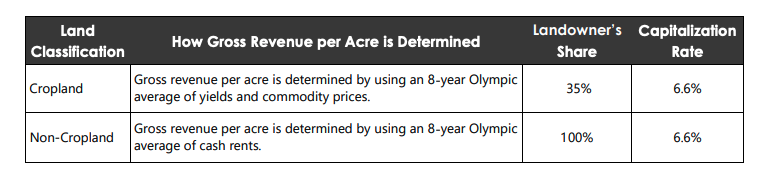
Land Productivity Formula

average value per acre = [gross revenue per acre ×

landowner’s share] ÷ [cap rate]

Source: https://dor.sd.gov/media/du0ftkef/aglandproductivity.pdf

Soil Erosion and Conservation

Evaluate the extent of soil erosion and the presence of conservation measures on the farmland. Soil erosion can degrade the quality of farmland over time and adversely impact crop production. Look for farmland with proper erosion control measures, such as contour plowing, terracing, and cover cropping.

Water Availability and Irrigation

Water is a vital resource for agriculture. Assess the availability of water sources, such as rivers, lakes, or underground aquifers, in the vicinity of the farmland. Additionally, consider the irrigation infrastructure and the feasibility of implementing efficient irrigation practices to sustain crop growth during dry periods.

Crop Potential: Maximizing Returns on Investment

The potential for successful crop cultivation directly affects the financial viability of your investment. Here are some aspects to consider:

Market Demand and Trends

Research market demand and emerging trends for various crops. Understanding consumer preferences, the availability of niche markets, and potential export opportunities can help you select crops with higher profitability and marketability.

Crop Rotation and Diversification

Evaluate the suitability of the farmland for crop rotation and diversification. Crop rotation can enhance soil health, minimize pest and disease risks, and optimize nutrient usage. Diversifying crops can also mitigate market volatility and protect against crop-specific risks.

Access to Expertise and Support

Consider the availability of agricultural expertise and support services in the region. Access to agronomic advice, research institutions, extension services, and reliable suppliers can significantly contribute to your success as a farmland investor.

FAQs (Frequently Asked Questions)

Q 1: What are the key factors to consider when evaluating farmland investments?

A: When evaluating farmland investments, it’s crucial to consider the location, soil quality, and crop potential. These factors play a vital role in determining the profitability and sustainability of your investment.

Q 2: How does location impact farmland investments?

A: Location affects factors such as market access, climate suitability, and regulatory environment. Proximity to markets and essential infrastructure, favorable climate conditions, and supportive land use policies are key considerations when evaluating farmland investments.

Q 3: Why is soil quality important in farmland investments?

A:Soil quality directly influences crop productivity and long-term agricultural sustainability. Assessing soil composition, erosion control measures, and water availability helps determine the potential of the farmland for successful crop cultivation.

Q 4: What role does crop potential play in farmland investments?

A:Crop potential determines the financial viability of farmland investments. Understanding market demand, crop rotation options, and access to agricultural expertise are crucial when selecting crops for investment.

Q 5: How can diversification benefit farmland investments?

A:Diversifying crops minimizes risks associated with market volatility and crop-specific threats. Crop rotation and diversification contribute to soil health, pest management, and nutrient optimization, improving long-term returns on investment.

Q 6: Where can I find support and expertise for farmland investments?

A:Look for agricultural extension services, research institutions, and reliable suppliers in the region. Access to expertise can provide valuable guidance on agronomic practices, crop selection, and sustainable farming methods.

Conclusion

Evaluating farmland investments requires careful consideration of factors such as location, soil quality, and crop potential. By analyzing these factors, you can make informed decisions that maximize returns and contribute to the long-term sustainability of your investments.

Remember to conduct thorough research, seek professional advice, and stay updated on market trends to make the most of your farmland investment journey.

How to Increase Your Home’s Value for a Better Sale

The notion of selling your home can be a daunting one, especially when you aim to get the best possible price. Your home, after all, is not just a structure of brick and mortar; it’s a space brimming with memories, comfort, and a sense of belonging. However, when it comes to the real estate market, buyers are looking for more than sentiment; they seek value, functionality, and aesthetic appeal. So, how can you enhance your home’s value to attract these potential buyers and secure a lucrative sale? Whether it’s investing in kitchen renovations, improving the curb appeal, expanding living space, or being strategic about updates and repairs, each approach can pay off significantly when it’s time to put your house on the market. By the end of this guide, you’ll be equipped with practical tips and insights to ensure that your home stands out in the competitive real estate market, primed for a profitable sale.

Assessing Your Home’s Current Value

The first step in increasing the value of your home is to gain an understanding of what it’s currently worth. This can be done by obtaining a property valuation or asking an experienced real estate agent for their opinion. While this may seem like a tedious task, having this information will help you determine where to focus your efforts and which upgrades will make the biggest impact on its value. Additionally, knowing the current market trends and pricing of comparable homes in your area will give you a better idea of what price to set when it’s time to sell.

Make Simple Upgrades and Repairs

Small updates, such as replacing kitchen fixtures or adding a fresh coat of paint on the walls can add charm and appeal to your home without breaking the bank. Making simple repairs and upgrades will also help to improve your home’s overall condition, making it more attractive to potential buyers. Check for leaky faucets or pipes, repair any peeling paint, replace old flooring, and be sure to clean up any clutter in the yard. You should focus on preparing your home for physical and virtual visitors. Getting a Virtual staging AI service will let you show your home off to prospective buyers virtually, so don’t be afraid to clean up and then show your space off!

Find A Roofing Contractor

The roof of your home is one of the most important features that buyers will be looking at, so it’s essential to make sure it is in good condition. Hiring a reputable roofing contractor to inspect and repair any damage can help you get the best value for your property. This could include installing new shingles or replacing outdated materials with more up-to-date options. Namely, if you are trying to find the best best roofers, make sure you are working with reputable and experienced contractors who can get the job done right. Miss is notorious for its unpredictable and swiftly changing weather patterns, where severe storms can unleash their fury in an instant, and it is, therefore, prudent to have a reliable roof over your head.

Invest in Kitchen Renovations

The kitchen’s condition is a key factor for potential buyers, so it’s worth ensuring it’s up-to-date and visually appealing. Elevate its allure and value with simple renovations like refreshing hardware, upgrading countertops or cabinets, fitting modern appliances, and updating faucets. This is especially important if you want your home to stand out from other properties on the market. Offering an aesthetically pleasing and functional kitchen will make the property more attractive to buyers who may be willing to pay a premium for it.

Increase Curb Appeal

Sprucing up the outside of your home can help increase its value and make a great first impression on potential buyers. Make sure the lawn is well maintained, add some colorful plants or flowers, power wash the sidewalks and driveway, and freshen up any outdoor furniture. Small touches like this can go a long way in making your home stand out from the crowd and enticing buyers to make an offer. When it comes to making your home more inviting from the outside, there are plenty of professionals and landscapers that can help.

Consider Adding Extra Living Space

If you have the budget and resources to do so, expanding your living space can be a great way to increase the value of your home. If you want to take this approach, look into creating an extra bedroom, bathroom, or installing a deck for outdoor entertaining. Not only will these additions add value to your property, but they can also make your home more desirable in the eyes of buyers. A lot of families are looking for space when shopping for homes, so adding an extra room can be a great way to meet their needs and increase your home’s value.

Conclusion

In conclusion, increasing your home’s value for a successful sale involves a strategic blend of assessment, minor upgrades, essential repairs, and significant improvements. Understanding your home’s current value sets the foundation, whereas simple updates and repairs can significantly enhance the appeal. Don’t overlook the importance of a robust roof and an attractive kitchen, as these are cardinal features buyers consider. Enhancing your home’s curb appeal and considering additions to your living space can further pique buyer interest. Remember, each step taken towards improving your home’s worth is a stride closer to a profitable sale. With a well-planned approach and attention to detail, you can turn your cherished dwelling into a hot property on the real estate market, ready to fetch an impressive price.

How to Get a Real Estate License in Florida

Florida, with its stunning beaches, theme parks, and thriving housing market, has always attracted those interested in joining the real estate industry. If you’re looking to become a part of this vibrant community, getting a real estate license is your passport.

How to Get a Real Estate License in Florida

This blog post will guide you step by step on how to obtain your real estate license in the Sunshine State.

1. Check Eligibility Requirements: Before delving into the process, ensure you meet the following criteria:

  • At least 18 years of age.
  • Hold a high school diploma or its equivalent.
  • Have a U.S. Social Security number.

2. Complete the Pre-License Education Course: Florida mandates all potential real estate agents complete a 63-hour pre-license course from a state-approved real estate school. This course will cover essential topics such as property rights, land use controls, property valuation, and more. Upon completion, you’ll receive a certificate which is required for your license application.

3. Apply for the Florida Real Estate Exam: Once you’ve finished your course, submit an application to take the Florida Real Estate Exam. This can be done online through the Florida Department of Business and Professional Regulation (DBPR). You’ll need to pay an application fee, which is subject to change, so check the current rate before applying.

4. Get Your Fingerprints Taken: The state requires all applicants to undergo a background check. Within 30 days of applying for the exam, you must get your fingerprints taken at an approved Livescan Service Provider. This ensures that all licensed agents maintain the professionalism and trustworthiness expected in the industry.

5. Pass the Florida Real Estate Exam: The next step is taking (and passing) the Florida Real Estate Exam. Administered by Pearson VUE, this exam consists of 100 multiple-choice questions, and you’ll need a score of at least 75% to pass. It’s advisable to review your pre-license course materials and consider additional study guides or practice exams to ensure you’re well-prepared.

6. Activate Your License: After passing the exam, you’ll need to activate your license through a sponsoring broker. This broker will guide and mentor you as you kickstart your real estate career. It’s essential to choose a broker whose values align with yours and who offers training or support for new agents.

7. Post-License Education: Even after securing your license, your learning isn’t over. Within the first two years of obtaining your initial real estate license, Florida requires agents to complete a 45-hour post-license education course. This further training ensures that all agents remain updated on industry best practices, laws, and ethics.

8. Continuous Learning and Renewal: Florida real estate licenses expire every two years. To renew your license, you’ll need to complete 14 hours of continuing education during each 2-year period. This comprises 11 hours of specialty education and 3 hours on Florida law updates.

Tips for Success:

  • Stay Updated: Real estate laws and best practices change. It’s crucial to stay updated to serve your clients best.
  • Networking: Join local real estate associations or groups to build relationships and learn from experienced agents.
  • Mentorship: Especially in the beginning, having a mentor can provide invaluable guidance and insights.

In Conclusion

Becoming a licensed real estate agent in Florida is a journey that requires dedication, preparation, and continuous learning. However, with the right mindset and resources, it’s an achievable dream that can lead to a rewarding career in one of the most dynamic real estate markets in the country. Whether you’re helping families find their dream homes, facilitating investments, or contributing to community development, your role as a real estate agent can make a profound impact. Start your journey today by learning how long it takes to get your license and unlock the doors to countless opportunities in the Sunshine State.

Will Housing Prices Drop in 2024?

The real estate market is an intricate system impacted by a multitude of variables. Predicting housing prices necessitates understanding the factors that influence prices, interest rates, and housing inventory levels. This blog post will delve into each of these components, providing you with insights into what drives changes in the housing market.

Home Prices in 2024

The price of housing is primarily influenced by supply and demand. However, several underlying factors influence housing supply and the demand for houses.

Location: The old adage “location, location, location” holds true. The proximity to city centers, quality of schools, availability of amenities, and crime rates can significantly impact house prices.

Economic Indicators: Housing prices often reflect the health of the broader economy. Employment rates, wage growth, and gross domestic product (GDP) can influence the capacity of individuals to buy homes, impacting demand and prices.

Interest Rates: Lower interest rates often lead to increased mortgage borrowing as the cost to borrow decreases. This heightened demand can drive up housing prices.

Government Policies: Policies and subsidies can make housing more or less affordable, thereby influencing prices. Tax credits, zoning laws, and regulations around lending can all impact the housing market.

Prediction for Home Prices in 2024

Given the factors above and also the interest rate policy (read more below), most economist, real estate experts and home builders believe that home prices will rise at least 2-7% nationally in the US in 2024.

While there is not widespread consensus around the specific amount that prices will rise, the Mortgage Bankers Association has cited price increases of 7%, while many economists have signaled a lower number of 2-3%. The National Association of Realtors has suggested that prices will increase by 5% in 2024.

It’s safe to say that prices will not decrease from 2023 to 2024. This mostly due to an expectation of lower rates in 2024 and continued lack of inventory. According to Longforecast and Bank of America, 30 Year Mortgage Rate predictions for 2024 should be around 6.25% in January and decline to 4.50 by December.

How Interest Rates Will Impact Home Prices in 2024

Interest rates are another critical element in the real estate landscape. They significantly affect mortgage rates, influencing both buyers’ ability to purchase and the overall demand for housing.

Monetary Policy: The central bank’s monetary policy is the primary driver of interest rates. In the United States, the Federal Reserve adjusts the federal funds rate to control inflation and stabilize the economy, which in turn impacts mortgage interest rates.

Economic Growth: High GDP growth often leads to increased interest rates. As the economy grows, consumers borrow more, businesses expand, and the increased demand for credit often leads to higher interest rates.

Inflation: High inflation often leads to higher interest rates. Central banks aim to keep inflation within a target range and will adjust interest rates to do so.

Housing Inventory Levels Impact Home Prices

Housing inventory levels, or the number of homes available for sale, can greatly influence housing prices. High inventory usually leads to lower prices, while low inventory can lead to price increases.

New Construction: The rate of new construction significantly affects housing inventory. High rates of construction increase supply, while slow construction rates can limit inventory.

Demographics: Population trends can impact housing inventory. For example, aging populations may downsize or move into assisted living facilities, increasing the inventory of family-sized homes.

Economic Factors: The health of the economy can influence whether homeowners decide to sell or hold onto their properties. During economic downturns, many homeowners may choose to stay put, decreasing inventory levels.

Natural Disasters: Natural disasters can also affect housing inventory. Events like wildfires, floods, and hurricanes can destroy homes and decrease inventory in certain areas.

Understanding the complex relationships between these factors can help in predicting housing prices. However, the real estate market is influenced by numerous variables, and even experts can’t predict changes with complete accuracy. Staying informed about these key factors and trends can help both buyers and sellers make more educated decisions in the housing market.

Secret Websites to Make Money Online

In this digital age, opportunities to make money online abound. There are countless under the radar apps and secret websites to make money that are just waiting to be discovered by resourceful individuals eager to supplement their income. It’s a wild frontier where anyone with a good idea and a solid work ethic can succeed. However, navigating the sea of online money-making sites can be daunting.

The 20+ Best Websites to Make Money Online

This article uncovers 20+ websites that can serve as your launchpad into the world of online income. From blogging, selling handmade products to offering your skills as a freelancer, these platforms cater to a wide array of niches and talents.

1. Surfer SEO

If you’re a blogger, or want to be, this is a fantastic website to check out. SurferSEO uses AI to help quickly produce high quality articles, which can be used to generate affiliate or ad revenue.

2. Pawns App

Pawns.app is a free app available in 240 countries that gives you a chance to earn up to 140$ per month by filling out surveys. First time users get an instant 1$ sign-up bonus! 

3. Jasper AI

JasperAI is a powerful and free tool that can be leveraged to start a content production agency, build a blog or for copywriting. It’s often used with ChatGPT to scale content creation.

4. Swagbucks

Swagbucks offers various ways to earn money online, from taking surveys to watching videos or playing games.

5. Amazon KDP

Amazon Kindle Direct Publishing (KDP) is a fantastic platform for budding authors. You can self-publish your ebook and paperback for free, reaching millions of readers on Amazon.

6. Upwork

Similar to Fiverr, Upwork is another platform for freelancers, but it caters more to professionals. Make money from your specific set of skills.

4. Task Rabbit

TaskRabbit connects ‘taskers’ with people in need of services. This platform offers an excellent opportunity for those with practical skills.

8. Flippa

Flippa is a marketplace for buying and selling online businesses, including websites, apps, and more.

9. Fiverr

This freelance service marketplace is perfect for offering digital services. Fiverr connects you with clients who need your skills.

10. Udemy

Udemy is a platform where you can create and sell your own online courses. Share your expertise and make money simultaneously.

11. Rover

For pet lovers, Rover is a website that connects pet sitters with pet owners.

12. Poshmark

Poshmark allows you to sell secondhand clothing and accessories. It also appears on our list of best apps for selling stuff online.

13. Redbubble

Redbubble is an online marketplace where artists can sell their artwork on a variety of products. Explore this platform to reach a wider audience.

14. Mechanical Turk

Amazon’s Mechanical Turk is a crowdsourcing marketplace for individuals and businesses to outsource tasks and processes to a distributed workforce.

15. 99Designs

99Designs is a global creative platform where designers and clients can work together.

16. CafePress

CafePress is a platform that allows you to create and sell customized merchandise.

17. Patreon

Patreon is a platform that allows creators to earn a consistent income by providing exclusive rewards and perks to their subscribers.

18. Etsy

Etsy is a renowned marketplace for creatives who wish to sell handmade, vintage, or unique factory-manufactured items. Explore this platform where individuality and originality thrive.

19. Chegg Tutors

Chegg Tutors is a platform where you can earn money by tutoring students online.

20. Skillshare

Skillshare is an online learning community where you can teach what you know to students from around the world.

21. Shutterstock

If you’re a talented photographer or graphic designer, selling your work on Shutterstock can be a great way to earn a passive income.

22. UserTesting

UserTesting is a platform that pays you to test websites and provide feedback. Companies are always looking for user experience insights on this site.

23. Canva

Create a new source of income by selling Canva templates. Canva is an online graphic design platform that offers a user-friendly and affordable solution to those who don’t have the time or the resources to learn more complex graphic design software.

24. eBay

The online auction site eBay is still a great place to sell just about anything you have lying around.

Conclusion

If you want to start a side hustle, change careers or just explore a new hobby, this list is a great springboard to start. Whether you’re using ChatGPT and SurferSEO to build a blog or you plan to sell stuff online, there are so many great websites to generate passive income online today.