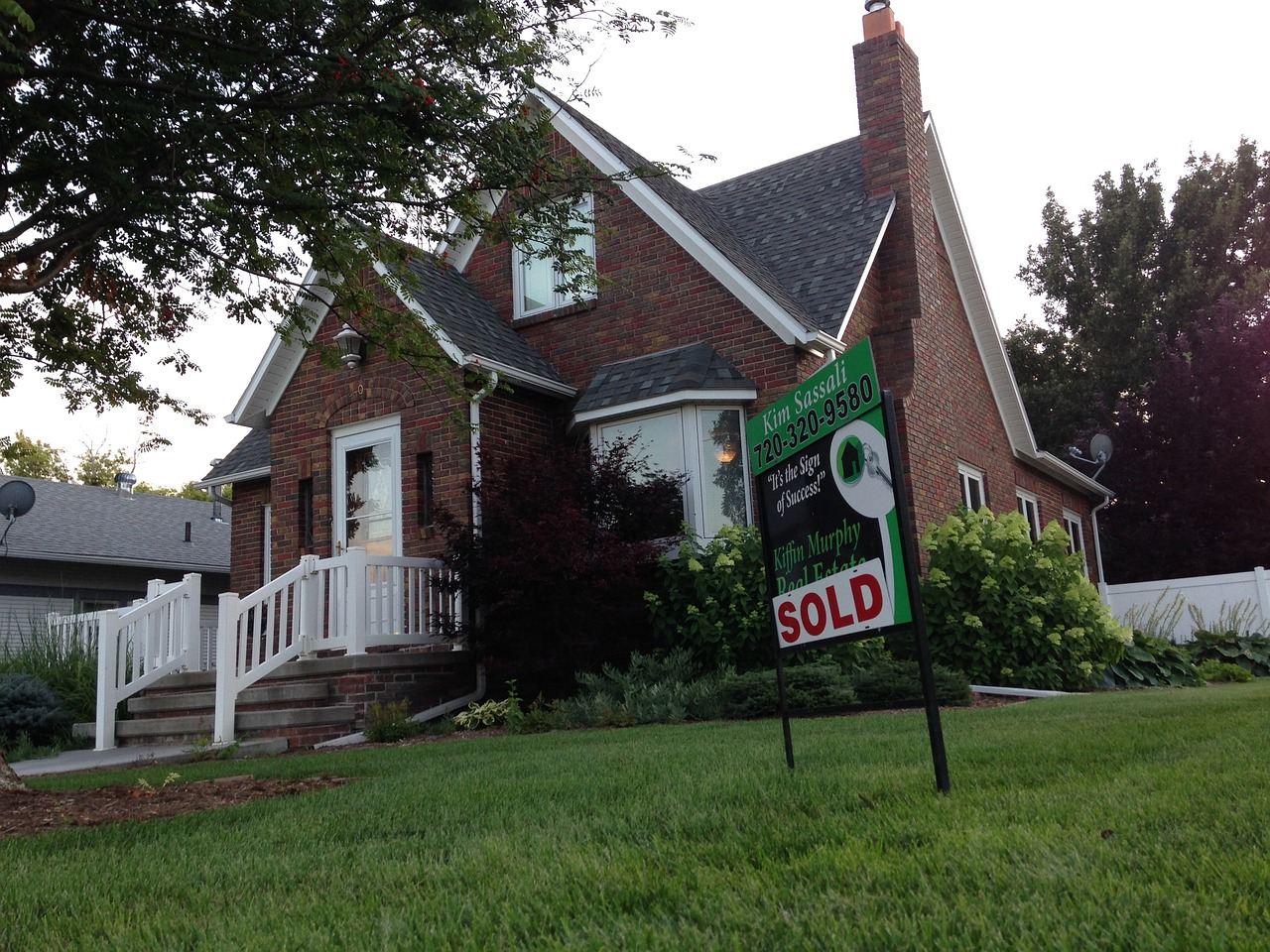
How To Know Your Home Is Ready To Sell

Selling your home is one of the most exciting things you will probably ever do, and something which you are going to find really important when it comes to your financial wellbeing and your own living arrangements. As it happens, selling your home is something that can be approached in a lot of different ways, and you are going to need to make sure that you are approaching it as well as you can. And one of the main things here is to know when your home is actually ready to go on sale – something that is not always obvious.

In this article, we are going to go through some of the checks you might wish to make, and things you might want to be aware of generally, so that you can know that your home is actually ready to sell when it is. Let’s take a look at this right now and see.

Be Prepared For A Lot Of Work

This is one of the first things that you need to be aware of, because it can often take longer and a lot more effort than people tend to assume to get a home ready for sale. You have to be prepared for it to be a lot of work, and that is something that is probably going to be important to think about as early on as possible. As long as you are prepared for that, you should find that you are much more likely to stick with it, and less likely to give up on the project altogether. And it is a project, even if you are not buying and flipping as such.

As long as you are prepared for a lot of work, you will probably find it easier to put that work in, and the whole project will go much more smoothly. You’ll also be more able to keep an eye out for the right signs as we are about to see them, which is obviously going to make things considerably easier as well. So let’s take a look right now.

The Right Realtor

You will also need to have the right realtor or estate agent on your side, because they are going to be essential to helping you to sell the property for the price you are hoping for – and as quickly as possible too. This is therefore something that you are going to want to put some effort into as well. How can you be sure you are finding the right realtor, however, and what does that actually mean in the first place?

The right realtor is the one who knows the area well, has a deep understanding of not just property generally but your kind of property specifically, and a willingness to stick by your side until you get the sale you are looking for. Probably, you want someone with experience, although opting for someone who has a lot of passion and drive is also important and might take priority over experience in the end. The main thing is that you feel you can trust them and that they will serve you well.

Having them by your side is going to be one of the major checks that you want to do to ensure that you are in a good place to sell your home, so make sure that you are thinking about that and you put the time and effort into finding them.

Price Awareness

Your home also needs to be put up for the right price, and that is something that can be quite hard to get right as well. It should obviously ideally fetch enough to be worth it, but you also need to consider what is likely to sell given the current market, what other homes are selling for of a similar size and so on. So this is a certain aspect to selling your home that you will need to think about in particular if you want to make sure that your home is as ready to sell as possible. Because if the price is not right, nothing is going to be right about it.

So apart from doing your research of the marketplace, you might also need to think about what the realtor says about pricing your home. It’s a case of trying to find the right balance – you want to make a profit, but you also need to make sure it’s low enough to actually sell. And of course, what kind of balance you strike on that will depend on a number of factors, including how much time you have before you need to move.

It is a delicate art, but one that you will need to practice well if you hope to sell your home easily and at the right price for you.

Fixing Up The Utilities

Before you even think about trying to sell your home, you really need to make sure that all of the utilities and so on are fixed up as they should be. This is something that can be really hard to make sure of, but as long as you are working at it, it’s going to help bring your home to the state it needs to be in. The better that the utilities in the home are, the easier it will be to sell the home for the price you want for it, and you’ll be able to get your home ready to sell so much quicker if you can do this.

Many of the fixes that you might need to make can probably be done by yourself if you put your mind to it. Sometimes fixing up some plumbing is just about attaching a new piece of black pipe or fixing, for instance. And you might be able to fix some basic electronics in a similar manner. But for anything more complex, it is usually worthwhile calling out the professionals, just to make sure that it is being done properly, but also safely.

Once the utilities are fixed up, it’s already going to feel more like a home that you can sell, so it’s important that you are doing this.

Curb Appeal

Of course, you have probably heard a lot about curb appeal, as it is something that has quite a big impact on how likely a home is to sell, as well as how much you can probably sell it for. If you are keen to make sure that you are selling your home for as much as possible, then it’s a good idea to work on the curb appeal. This can be thought of simply as the way that the property looks from the street, and it turns out to be a hugely important factor in what people think of a home, and therefore how much they are likely to pay for it.

Curb appeal comes down to a few basic things most of the time. Make sure that the front door looks good – that it is freshly painted, cared for, and generally looking as good as possible. Similarly, make sure that you are giving the same treatment to any fence you might have up, and that the yard or garden is being tended to as well. You should also take a look at the windows, the roof and so on to see whether these need help too. You can probably see why curb appeal is so important when it includes all of those essential things.

Once you have sorted those out, you are going to know that your home is much closer to being saleable. It’s amazing how much curb appeal can help, so it’s definitely something that you might want to think about if you are keen to sell your home as soon as possible for as much money as possible.

Getting Documents Together

In terms of getting a house ready to sell, there is also another side of it that people commonly forget about, and it’s the paperwork that needs filling out. It’s really never too early to start getting the necessary documents together, and if you are keen to do that and to do it right, then you might need some professional help to do it just so. You’ll need to make sure that you have the deeds and property sale contract, the insurance, and any guarantees there might be for the property. And for some buildings, such as listed ones, you might have other legal documents you need to pass on too.

All of that is just as important as getting the home itself ready, so make sure that you are not overlooking this. It’s going to help you to sell the home faster and with much greater ease, and you will find that you are in a much better place to sell your property in general.

Those are the main things that you need to make sure you are thinking about in order to get your home ready to sell.

How to Make Your Home Picture-Perfect for Real Estate Photos

Needless to say, one thing that’s super important when it comes to selling your home is home staging. This tremendously helps out in selling your home faster, and it’s meant to be that neutral slate that not only shows the potential in the home, but it’s meant to also meant to help the buyers see themselves living there with their own items.

There’s a lot of work that goes into staging, but home staging isn’t just for open houses. That’s a major mistake that home buyers make; what also goes into it is the photos themselves. Just think about it: the first impression someone gets of a house that’s for sale is the photos of it; that is usually how people find out that a house is even for sale, such as a real estate website or social media, you name it.

So it’s important that the home looks picture-perfect. So it’s not enough to look perfect for when visitors come; it needs to look perfect enough in these photos to incentivize homebuyers to stop by or even get an interest. So, with that said, here’s exactly what you need to know when it comes to getting your home picture-perfect for real estate photos!

It’s All Going to Start with a Deep-Clean

So, it’s pretty obvious, but if you’re looking to get your home ready for photos, then it’s all going to start with a good cleaning. Just like in person, even in photos, imperfections can be pretty obvious. Things like stains, smudges, and dust can all be seen in photos. So, you’ll need to go ahead and clean every room, from top to bottom. It’s best to just pay attention to details like dusting, vacuuming, and cleaning windows. A spotless home not only looks more appealing but also photographs beautifully. But if you’re bad at cleaning or lack the time, then hiring cleaners can be just fine, too; those services aren’t that expensive either.

Declutter and Depersonalize

So, while it might sound strange to remove any sort of quirks or personality that a room may have when it comes to home staging and real estate photography, this is super important. So, as stated earlier, the home needs to be a neutral slate. If it’s blank, then it’s hard to lead the imagination for buyers, but if there’s furniture, it’s going to give an idea of what some of the potential is that’s available.

Honestly, it doesn’t really need to be a lot of work, either. It can honestly be as easy as removing personal things like posters, photos, trophies, religious symbols, excess decor, and things like that. Since the whole goal is to allow potential buyers to envision themselves in the home, it means decluttering will need to happen too so it’s best to go ahead and clear countertops, shelves, and tables of unnecessary items to create a clean, spacious look. You want to bring the best spots out in your house, and photography can do that, but it’s all going to start with you.

Shoot During the Day

Chances are, it’s going to be a real estate photographer you’re hiring, so they’ll already know to shoot in the day, usually when it’s good weather. But if you’re DIYing the real estate photos to save some money, make sure to maximize natural lighting and take all the photos during the day. Avoid early morning or late evening sessions when the light can be too harsh or uneven. If your photos don’t turn out the best on their own, you can use real estate photo editing services to get your photos perfect for posting.

Be Selective with Furniture

As briefly mentioned earlier, you’re going to want to make the home feel neutral, but something else that’s really important is what type of furniture you use. The whole point is to highlight the house, so both the decor and the furniture need to work with the space, not work against it. So you might want to consider gorgeous pieces like a DIY table, neutral colors for furniture, and maybe wall decor/ furnishings that give more appeal to the space. also if you’re able to, avoid bulky furniture since this makes rooms appear way smaller.

Have the Key Features Highlighted

Every home has unique selling points. So, it’s best to just try to ensure that the real estate photographer focuses on these key features. They’re professionals, so honestly they’ll probably know what needs to be highlighted anyway. Whether it’s a spacious kitchen, a cozy fireplace, or a beautifully landscaped backyard, you name it, these highlights should shine in the photos.

Consider a Professional

At the end of the day, the whole point is to sell the property. Your smartphone is not equivalent to the camera that professional real estate photographers have; they have different equipment, like wide-angle lenses that help capture spaces. It’s so important to be willing to spend extra money on this service because they can really help capture and show off what you might not be able to.

A Quick Comparison of Living in Australia vs. USA

Imagine standing at the crossroads of opportunity, contemplating a life-changing decision: Should you make your home in the sun-kissed land Down Under, where a warm welcome and outdoor adventures beckon, or should you chase the American Dream in a land of boundless ambitions and diverse cultures?

In this article, we’ll unveil the pros and cons of living in Australia vs USA. From the relaxed Australian lifestyle infused with sports and camaraderie to the American mosaic of dreams and hard work, each path holds unique promises. Let’s get started!

Culture

Australia is a diverse place with influences from all over the world. People in Australia are friendly and welcoming, so you’ll feel at home quickly.

Aussies enjoy being outdoors and doing sports like hiking, swimming, and playing sports. Life here is relaxed, and family and friends are essential.

However, the culture can vary a lot depending on where you are. For example, cities like New York and Los Angeles tend to be bustling and full of energy, while smaller towns in the Midwest offer a quieter and more laid-back lifestyle.

Healthcare System

In Australia, they have a system called Medicare. It’s like an extensive health plan for everyone and it covers most of your medical needs. So, if you need to see a doctor or go to the hospital, you don’t have to worry too much about paying a lot.

Sometimes, people in Australia get extra health insurance to ensure they’re fully covered, especially if they want to see a specialist quickly. So, in Australia, you get basic healthcare through Medicare, and if you want more coverage, you can buy extra insurance.

In the USA, healthcare is a bit different. Instead of one big plan like Medicare, many private insurance companies exist. You have to pick one and pay them every month. When you need medical care, your insurance helps pay for it.

But here’s the thing: healthcare in the USA can be quite expensive, especially if you don’t have good insurance. Even with insurance, you might still have to pay a lot of money for things like going to the emergency room. So, in the USA, you have more choices for insurance, but you need to be careful about how much it costs.

Daily Life

Australians enjoy a work-life balance that encourages leisure and outdoor activities. The climate is generally pleasant, with abundant opportunities for enjoying nature. However, the cost of living, particularly in major cities like Sydney and Melbourne, can be high.

If you’re considering a move, you can explore your options online or connect with a local real estate agent located here.  They can provide insights into various neighborhoods and housing options that might align with your preferences.

The USA offers many lifestyles, from bustling urban centers to tranquil rural areas. Employment opportunities are diverse, but working hours can be longer than in other countries. Living costs vary greatly, with more affordable options in smaller towns.

The Pros and Cons of Living in Australia vs USA

While living in Australia vs USA has unique charms, the choice depends on your preferences and priorities. Australia offers a relaxed lifestyle with excellent healthcare, while the USA provides diverse opportunities and a dynamic cultural landscape.

Consider your goals, budget, and lifestyle preferences carefully before moving. Whether you choose the land Down Under or the land of endless possibilities, both countries have unique charm and attractions for expats.

Seeking new perspectives? Our blog is a treasure trove of fresh ideas. Unlock a world of possibilities now!

Selling Your Home Soon? Paperwork Essentials Every Homeowner Should Know

When selling a home, it’s not just about setting the right price or making it look appealing. One of the most essential aspects of home selling, often overlooked, is having the necessary paperwork in order. Having the right documents can help ensure the sale goes smoothly and protect both the seller and the buyer from potential legal issues.

Moreover, in today’s digital age, managing paperwork has become even more streamlined. Tools and apps have made storing, accessing, and transmitting essential documents easier. For instance, if you need to send some home-selling paperwork quickly and securely, using the best fax app can be a hassle-free solution. This method ensures that important documents are delivered promptly, contributing to a smooth selling process.

But before delving into the electronic transmission and storage of paperwork, it’s crucial to familiarize yourself first with the essential paperwork you should be aware of when planning to sell your residential property.

Read on to learn more.

1. Title Documents

The title deed, which is the backbone of any property transaction, proves ownership. It not only authenticates your right to sell the property, but also represents what will be transferred to the new owner. As such, ensure this document is in order as it forms the basis of any property transaction. For example, it’s critical to ensure the deed is free from any liens or disputes, as this can complicate the sales process.

2. Recent Tax Assessments

Potential buyers often want to know about the property’s tax history. Having recent tax assessments at hand can help clarify the property’s tax obligations. This can include property tax bills or even a tax certificate. Moreover, a steady or increasing tax-assessed value can indicate a property’s appreciation over time. Therefore, prepare these documents to streamline the selling process.

3. Mortgage Documents

If there’s a mortgage on the home, those documents must be ready and available. These show the outstanding balance and other loan details, such as interest rates and terms. This information is vital, especially if prepayment penalties or specific terms need to be addressed before selling. Also, the buyer’s bank might need this information for the new mortgage. So, you should have the mortgage documents ready before putting your home for sale in the real estate market.

4. Home Inspection Reports

Before finalizing a purchase, many buyers request a home inspection. This report plays a crucial role in building trust with potential buyers. A detailed home inspection report outlines any known issues with the property and can be a bargaining chip during negotiations. If defects are identified and addressed beforehand, it can enhance the property’s value and desirability. Also, it’s important to have a recent home inspection report if you want to expedite the selling process.

5. Property Survey

A property survey shows the boundaries of the property. It can indicate any encroachments or discrepancies that might need resolution before the sale. Also, in cases where additions or alterations have been made, updated surveys can clarify if they’re within property lines. These are essential documents since they can help avoid potential disputes that can delay the home-selling process.

6. Utility Bills And Other Recurring Expenses

Potential buyers often find information about monthly or yearly expenses associated with the house valuable. This includes utility bills, homeowners’ association fees, and other recurring costs. Such details can provide buyers with a clearer understanding of their potential financial commitments. Lastly, these documents can offer transparency, which helps buyers make an informed financial decision.

7. Disclosure Documents

Different states have their own regulations regarding what sellers must disclose to potential buyers. Generally, sellers are required to disclose any known issues with the property. This can range from structural problems to neighborhood nuisances. Therefore, having a comprehensive disclosure form filled out can help avoid potential legal problems and establish trust with the buyers.

8. Warranty Information

If your home has existing warranties, such as for appliances, HVAC systems, or the roof, having this paperwork is an added selling point. Buyers often appreciate knowing that certain aspects of the home are under warranty, as it can save them potential future costs. Additionally, by showcasing valid warranties, you can accentuate the value and care invested in the property.

9. Final Purchase Agreement

Once negotiations are complete and both parties have agreed on the terms, the final purchase agreement is drafted. This comprehensive document outlines the sale’s terms and conditions, the agreed-upon price, contingencies, the closing date, and other vital details. As such, having this document prepared is important for the home-selling process. In fact, both the buyer and the seller must review it carefully before signing it to protect their rights and interests as parties.

10. Closing Documents

The closing process involves several documents that ensure the title’s clean transfer from the seller to the buyer. These can include a settlement statement, deed, and bill of sale. Additionally, a statement of closing costs and any receipts associated with the transaction might be needed. These papers play a part in legally and transparently completing the sale.

Key Takeaways

When it comes to selling a home, preparation is paramount. This refers not just to physical preparations like staging or repairs, but also to ensuring all necessary paperwork is in order. Doing so can help streamline the process and boost your credibility in the eyes of potential buyers.

By keeping the information mentioned above in mind, you can ensure that every necessary document is ready and properly formatted. This thorough preparation can make the home-selling journey much more manageable and less stressful for everyone involved.

Tax Lien Investing: Unlocking the Secrets to Profitable Returns

In the vast realm of investment opportunities, tax lien investing stands out as a unique way to achieve potential returns. For those who are just beginning to explore this avenue or for seasoned investors looking to enhance their strategies, understanding the nuances of tax lien investments is crucial. This article will delve into the world of tax lien investing, exploring its benefits, challenges, and the strategies that can maximize success.

What is Tax Lien Investing?

At its core, tax lien investing is the process of purchasing a lien that has been placed on a property due to unpaid property taxes. When property owners fail to pay their taxes, local governments can place a lien on the property. To recoup the owed taxes, the local government can then sell these liens to investors. The property owner then owes the investor, not the local government.

The investor can earn returns in two main ways:

Interest Payments

If the property owner decides to pay off the tax debt, they will also have to pay interest. This interest rate, set by local statutes, can range anywhere from 5% to 36% or more.

Property Acquisition

In cases where the property owner doesn’t redeem the tax lien, the investor might have the chance to foreclose on the property, potentially acquiring it for a fraction of its market value.

Benefits of Tax Lien Investing

High Potential Returns

One of the most attractive features is the high-interest rates. Depending on the jurisdiction, interest rates can be significantly higher than those offered by traditional investments.

Collateral

Unlike stocks or bonds, tax liens are secured by real property. This provides a tangible asset that can potentially be acquired if the lien isn’t redeemed.

Diversification

Investing in tax liens allows investors to diversify their portfolio, reducing the impact of market volatility on their overall investment performance.

Challenges to Consider

Like all investments, tax lien investing isn’t without its challenges:

Due Diligence

Proper research is crucial. Some properties might be worthless or may come with unexpected liabilities.

No Guaranteed Returns

While the potential for high returns exists, there’s no guarantee that a property owner will redeem the lien or that an investor will recoup their initial investment.

Different jurisdictions have varied laws regarding tax liens. Navigating these can be complex and might require legal assistance.

Strategies for Success in Tax Lien Investing

Research, Research, Research

Always research the properties before purchasing a tax lien. Understand the property’s condition, location, market value, and any other outstanding liens or issues.

Start Small

Especially for beginners, starting with smaller liens allows you to understand the process without committing significant capital.

Understand Local Laws

Become familiar with the specific laws and regulations in the jurisdiction where you are investing. This will help you understand redemption periods, interest rates, and foreclosure processes.

Network

Join local investment groups or online forums dedicated to tax lien investing. Networking can offer insights, advice, and potentially lead to partnership opportunities.

Stay Updated

Tax laws and regulations can change. Ensure you’re updated on any legal shifts that could impact your investments.

Advanced Tips for Tax Lien Investing

Beyond the basic strategies, those looking to dive deeper into tax lien investing can consider these advanced tips:

Consider Online Auctions

As technology advances, more counties are moving their tax lien sales online. This can be a boon for investors who want to participate in auctions without being physically present. However, it’s essential to be familiar with the online platform and its rules.

Focus on Over-the-Counter Liens

Not all tax liens get sold at auction. Those that don’t are often available “over-the-counter” directly from the county. These can sometimes be less competitive and offer good value.

Use Technology to Your Advantage

With the rise of data analytics, there are now software and tools designed specifically for tax lien investors. These tools can help you track auctions, manage your portfolio, and analyze properties more efficiently.

Reinvest Your Profits

Like any good investment strategy, consider reinvesting the interest or profits you make from redeemed liens. This compounding can significantly increase your returns over time.

Be Aware of the Ethical Implications

Remember, behind every tax lien is a property owner who couldn’t pay their taxes. Some investors struggle with the idea of potentially foreclosing on someone’s home. It’s essential to approach the process with empathy and integrity, potentially working with homeowners to find solutions when possible.

Potential Pitfalls to Avoid

Overpaying at Auction

In competitive auctions, it’s easy to get caught up in the moment and overpay for a lien. Setting a strict budget beforehand can help prevent this.

Neglecting Ongoing Costs

If you end up taking possession of a property, there might be ongoing costs like maintenance, repairs, or legal fees. Always factor these into your investment calculations.

Over-Diversification

While diversification is generally a sound strategy, spreading yourself too thin—especially in unfamiliar territories—can increase risks. It’s often better to become an expert in one or two markets than to have a superficial understanding of many.

Ignoring Environmental Issues

Some properties might come with environmental issues like contamination. These can be costly to address and can significantly impact the property’s value.

Final Thoughts

Tax lien certificates have become an attractive avenue for private investors looking to delve deeper into the world of real estate. The process is straightforward: when an owner fails to pay their property taxes, municipalities issue a tax lien certificate to represent the delinquent property taxes owed. Associations like the National Tax Lien Association have been at the forefront of educating individuals on how tax lien investing works, ensuring clarity in the intricate dance of legal claims, purchase of tax liens, and navigating the possible foreclosure process.

However, like every form of investment, there are pros and cons to consider. The allure of potentially acquiring a property for the taxes owed, or earning significant returns through interest on the tax lien certificate, balances against the intricacies of tax deeds and the inherent risks when the owner fails to pay property taxes. For those intrigued by the potential of investing in real estate through this method, understanding every facet—from the acquisition of property tax liens to the possible foreclosure process—is essential. Knowledge and due diligence remain the bedrock of a successful tax lien investment.

Probate Sale in Real Estate: What You Need to Know

Real estate transactions can be intricate, encompassing a plethora of terms and processes that may be unfamiliar to the average individual. One such term is the ‘probate sale’. To make sense of it all, this article delves deep into the realm of probate sales, elucidating its intricacies and explaining why they are essential in the real estate domain.

What is a Probate Sale?

At its core, a probate sale occurs when a property is sold after its owner passes away, without leaving a will or specific instruction about the property’s disposal. The state then intervenes, and through a legal process, the property is sold. The proceedings from this sale are typically used to pay off any debts, with the remainder distributed to the heirs.

Why is Understanding Probate Sale Crucial for Real Estate Investors?

Potential for Below-Market Prices

Properties under probate sale can often be acquired for a price below the market value. This is primarily because these properties might be older or may require some renovation, leading to motivated selling.

Less Competition

Since probate sales are a niche within real estate, many investors overlook them. This can mean less competition compared to traditional real estate listings.

Clean Titles

A probate sale ensures that the title of the property is free from liens, making the buying process smoother.

The Probate Sale Process

1. Petition Filing

The process initiates with the filing of a petition in a probate court, seeking permission to sell the property.

2. Property Appraisal

An independent appraiser is hired to determine the fair market value of the property.

3. Listing & Sale

The property is then listed, and offers are entertained. In many jurisdictions, once an offer is accepted, it’s subject to court confirmation.

4. Court Confirmation

All parties interested can attend the court hearing and can even overbid the accepted offer. The highest bidder usually wins, but the sale is still subject to the court’s final approval.

5. Closing the Sale

Once the court confirms the sale, the transaction can proceed to close, and the property is transferred to the new owner.

Challenges with Probate Sales

While they offer numerous advantages, probate sales aren’t without challenges:

Extended Timeframes

The involvement of the court system often prolongs the process.

Property Condition

Many probate properties may require repairs or upgrades, which could affect the final profitability of the investment.

Emotional Aspects

Dealing with grieving families requires a delicate touch, ensuring that transactions are respectful and understanding of their situation.

Tips for Navigating a Probate Sale

Conduct Thorough Research

Ensure you understand the local probate laws and procedures. Each jurisdiction may have slight variations.

Engage Professionals

Partnering with attorneys or real estate agents experienced in probate sales can streamline the process.

Be Patient

Recognize that probate sales can be lengthy, requiring ample patience.

Assess the Property

Before making a bid, evaluate the property’s condition and the extent of renovations needed.

The Probate Sale Advantage

While traditional real estate ventures might offer more predictability, probate sales often present hidden advantages for discerning investors.

Unique Property Traits

Probate properties often have unique characteristics. They might be historical homes with distinct architectural features, or homes that have been owned by a single family for decades. This uniqueness can appeal to a certain demographic of buyers, making these properties potentially lucrative investments post-renovation.

Diverse Portfolio

Diversifying investment strategies is key for long-term success. Including probate properties in your portfolio can provide the necessary variety, offering a balance between risk and potential rewards.

Building Relationships

Engaging in probate sales means working closely with attorneys, court personnel, and families. These relationships can be invaluable for future real estate ventures and referrals.

Potential Pitfalls to Avoid

As with any investment opportunity, there are potential pitfalls in probate sales that investors should be wary of:

Underestimation of Costs

It’s crucial to have a comprehensive evaluation of the property to avoid unforeseen renovation costs.

Ensure all paperwork is clear. Unresolved claims or disputes can arise, leading to extended legal battles.

Overbidding

In court-confirmed sales, the thrill of the auction can lead to overbidding. Always have a clear maximum bid in mind and stick to it.

Technology and innovation haven’t left probate sales untouched. Several online platforms now offer listings dedicated to probate sales, making it easier for investors to find potential deals. Additionally, virtual tours and AI-driven property evaluations are making it more efficient for investors to gauge the worth of a property without physical visits.

Conclusion

Engaging with a specialized probate real estate agent can significantly simplify the intricacies of the probate process, especially when it comes to understanding how a probate sale works. Whether you’re making a down payment on a coveted probate property or trying to navigate a probate house sale after the passing of a deceased person, it’s imperative to have a comprehensive understanding. Consulting with your local probate court clerk or poring over probate listings can be beneficial, ensuring that every transaction aligns with the guidelines set by probate courts.

Furthermore, while the prospect of purchasing a property through probate might seem daunting, the rewards often outweigh the challenges. With the right knowledge, tools, and professionals by your side, navigating the unique landscape of probate real estate becomes significantly more manageable. Stay informed, collaborate closely with experts, and remember that every probate house sale offers not just a property, but a rich tapestry of history and memories.

Selling the House During a Divorce: Your Helpful Guide

Divorce can be an emotionally and financially taxing experience. One of the most significant assets that couples generally possess is their home, and deciding its fate can add to the complexities of the process.

Selling your house during a divorce might seem overwhelming, but with proper guidance, you can navigate this challenging time more easily. In this article, we’ll delve into the essential aspects to consider when selling your home due to a divorce.

A Comprehensive Step-by-Step Guide

1. Understanding Your Joint Ownership

Before proceeding with any sale, it’s crucial to understand the kind of ownership you have. Typically, couples own their homes either as “joint tenants” or “tenants in common”. The difference can impact how proceeds from the sale are divided. It’s wise to consult with an attorney to clarify your ownership type and understand your rights.

2. Getting an Accurate Home Valuation

Knowing your home’s current market value is paramount. This can be achieved by hiring a professional real estate appraiser or by getting a comparative market analysis (CMA) from a real estate agent. An accurate valuation ensures you set a competitive selling price, facilitating a quicker sale and preventing potential financial disputes between the divorcing parties.

3. Deciding on the Sale Timing

Timing can significantly influence the profitability of a home sale. Factors such as the current real estate market, seasonality, and even your personal financial situation should be considered. Sometimes, waiting for a better market might be beneficial, while other times, a quick sale might be more desirable to avoid prolonging the divorce process.

4. Opting for Mediation

Disagreements can arise when determining how to sell the house and split the proceeds. Mediation can offer a less confrontational environment to navigate these disputes. A mediator can help couples reach a fair agreement, potentially saving time and reducing stress.

5. Preparing the House for Sale

Selling a house during divorce is unique because often emotions run high, and collaborative decisions might be harder to reach. Nevertheless, both parties should strive to present the home in the best light. This may involve decluttering, making essential repairs, and possibly staging the home. A well-presented house is more likely to attract potential buyers and command a higher selling price.

6. Working with a Reputable Real Estate Agent

Given the emotional complexities of selling during a divorce, hiring a real estate agent who is experienced in handling such situations is vital. Such an agent can act as a neutral party, ensuring that the home-selling process is as smooth as possible.

7. Splitting the Proceeds

Once the house is sold, the proceeds will need to be divided. The division should be based on the legal agreement or court order. Factors like the initial down payment, mortgage contributions, and home improvement investments can influence how the proceeds are split. Again, legal counsel or mediation can assist in ensuring a fair division.

8. Considering the Tax Implications

Selling your primary residence might have capital gains tax implications. However, under specific conditions, a portion of the gain from the sale of a primary residence may be excluded from income. It’s essential to consult with a tax professional to understand any potential tax liabilities or benefits.

9. Planning for the Next Step

Selling your home might mean both parties will need to find new places to live. Planning for this transition in advance – whether it’s buying a new property, renting, or staying with family – can ease the emotional and logistical challenges.

10. Mitigating Emotional Strain

One of the most underestimated challenges when selling a house during divorce is dealing with emotional ties to the property. This was your shared home, full of memories and moments. To help, both parties should consider counseling or therapy. By addressing the emotional aspects, you’re in a better position to make clear-headed decisions during the selling process.

11. Considering Temporary Alternatives

If selling immediately isn’t viable due to market conditions or personal reasons, consider other alternatives. Renting out the property can provide a source of income and might give both parties more time to adjust. This way, when the time is right, the property can be sold, potentially at a better price.

12. Clearing Outstanding Mortgages and Debts

Before splitting the profits, ensure that all associated debts, primarily the mortgage, are cleared. Overlooking this can lead to complications down the road. If the proceeds from the sale aren’t sufficient to clear the mortgage, both parties must decide how they’ll handle the deficit.

13. Open Communication Channels

Maintaining open communication can make a significant difference. Both parties must be honest about their expectations and concerns. Transparent communication can prevent misunderstandings and foster cooperation, which is essential during this transitional phase.

14. Being Aware of Potential Buyers

Due to the circumstances, potential buyers might perceive they can secure the property at a lower price, assuming both parties are eager to sell quickly. While this isn’t always the case, it’s essential to stand firm on a fair price and not be pressured into accepting a lowball offer.

15. Finalizing Utility and Address Changes

Once the sale is near completion, ensure that all utilities are either terminated or transferred to the new owner. It’s also essential to update your address with relevant institutions, such as banks and government agencies, to ensure essential communications reach you.

In Summary

Navigating divorce selling involves intricate nuances, such as understanding property taxes, establishing the fair market value of the marital home, and managing outstanding mortgage payments. Engaging a divorce attorney is crucial, especially when one spouse wishes to retain the family home while the other spouse seeks their share. This home sale process can have significant implications on the final divorce settlement.

Therefore, seeking guidance from a family law attorney, well-versed in selling real estate during divorce, is imperative. They can help elucidate community property interest and ensure a smooth transition, best achieved with a written and signed agreement between both parties. This approach not only safeguards individual interests but also streamlines the entire process, minimizing potential disputes and misunderstandings.

Emergency Electrical Issues & Services Every Homeowner Should Know

Every homeowner, at some point in their life, will face an unexpected emergency related to their home’s electrical system. Electrical emergencies can be daunting, and sometimes dangerous, but with the right knowledge and approach, they can be addressed safely and efficiently. In this blog, we will delve into common emergency electrical issues, how to cope with them, and when it’s time to call in the professionals.

Emergency Electrical Issues You Should Know

Here are some of the top issues you might encounter as a homeowner.

1. Power Outages

Power outages can be caused by various factors, from heavy storms and fallen trees to blown fuses or more severe issues with the local grid. If your house loses power:

  • Check if your neighbors have also lost power. If they have, it’s likely a broader issue.
  • Call your local power company to report the outage.
  • Turn off all major electrical appliances to prevent surges when the power returns.
  • If the outage is exclusive to your home and persists, consider calling a professional electrician.

2. Tripped Circuit Breakers

Circuit breakers trip when there’s an overload, preventing electrical fires. If a breaker trips:

  • Unplug any recently added electrical devices.
  • Reset the breaker by turning it off and then on.
  • If it continues to trip, you may have too many devices on that circuit or a possible short. Call an electrician if you can’t identify the problem.

3. Electrical Sparks or Smells

A burning smell or visible sparks from an outlet are major red flags.

  • Immediately shut off power to the affected area using your home’s breaker box.
  • Avoid using the outlet or switch until a professional checks it.
  • Never try to put out an electrical fire with water. Use a fire extinguisher designed for electrical fires.

4. Exposed Wires

Exposed electrical wires can lead to shocks or electrical fires.

  • Do not touch exposed wires.
  • Turn off the circuit breaker for that area.
  • Call an electrician to make the necessary repairs.

5. Water Leaks or Flooding

Water intrusion can cause damage to outlets, light fixtures or the electrical panel.

  • Catch leaks quickly.
  • Protect outlets and light fixtures from water intrusion, rain, snow or flooding.

When to Hire a Professional

While some minor electrical issues can be resolved with basic knowledge and safety precautions, it’s essential to recognize when a professional is needed. Here are signs you should call an electrician:

  • Persistent issues even after troubleshooting.
  • Burnt or sparking outlets.
  • Flickering lights.
  • Unusual sounds from your electrical system.
  • Anytime you feel out of your depth.

Services Electricians Offer

An experienced electrician can:

  • Inspect and Repair: From faulty wiring to malfunctioning circuit breakers, they can diagnose and fix the problem.
  • Upgrade: If your home’s electrical system is old, an electrician can update the wiring or entire electrical panel to modern standards, ensuring safety and efficiency.
  • Install: Whether it’s lighting fixtures, ceiling fans, or new outlets, a professional will ensure it’s done correctly.
  • Advise: Electricians can offer guidance on energy-saving solutions, safety upgrades, and more.

Tips for Coping with Emergency Issues

The golden rule for handling electrical emergencies is safety first. Always prioritize your safety and the safety of those in your home. Here’s what you can do:

  • Stay Calm: Panic can exacerbate the situation. Take deep breaths and evaluate the situation rationally.
  • Know Your Breaker Box: Familiarize yourself with your home’s electrical panel. Knowing how to turn off power to specific sections of your home can be a lifesaver.
  • Prepare an Emergency Kit: This should include flashlights, candles, matches, a battery-operated radio, and a charged power bank for your mobile devices.
  • Emergency Contacts: Always have the number of a reliable local electrician at hand. It’s also good to know the number of your local power company.

Conclusion

Electrical emergencies can be intimidating, but with the right knowledge and a calm approach, they are manageable. Always prioritize safety and never hesitate to call in a professional when in doubt. Remember, your home’s electrical system is a vital component, and its health and safety are paramount.

Why Smart Home Renovations Attract More Buyers

Ready to step up your home’s appeal to potential buyers? Smart home renovations could be just the ticket. In today’s tech-savvy world, buyers increasingly seek homes that blend comfort, convenience, and technology. With the right smart home upgrades, you can transform your property into a hot commodity on the real estate market. Read on to discover how these renovations can give you a competitive edge.

Energy Efficiency

Smart renovations significantly enhance a home’s energy efficiency, leading to substantial savings on utility bills and a reduced environmental footprint. For instance, installing programmable thermostats allows for precise control over heating and cooling cycles, reducing unnecessary energy expenditure. Switching to energy-efficient LED lighting can reduce electricity consumption by up to 75% compared to traditional incandescent bulbs.

Smart power strips eliminate ‘phantom loads’ – power that devices consume even when not in use. Moreover, energy-star-rated appliances, ranging from refrigerators to washing machines, consume less energy while delivering top performance.

Smart renovations can also encompass larger projects such as installing solar panels, which generate renewable energy and can significantly offset electricity costs. The people working at Myrtle Beach Window explain how advanced insulation techniques and materials, like spray foam, drastically reduce heat loss, making the home more energy-efficient. In this way, smart home renovations make homes more appealing to buyers seeking to lower their energy costs and contribute to a more sustainable world.

Enhanced Security

Intuitive security systems, such as smart doorbells equipped with video cameras, allow homeowners to view and interact with visitors remotely, increasing safety and reducing the risk of break-ins. Automated lighting systems can mimic human activity, deterring potential intruders when the property is vacant.

Additionally, smart locks offer keyless entry and customizable access codes, eliminating the risk of lost keys and allowing homeowners to control who enters their homes. Moreover, smart smoke and carbon monoxide detectors provide real-time alerts and remote monitoring capabilities, ensuring a swift response in emergencies.

Thus, smart home renovations serve to heighten security, offering peace of mind to prospective buyers and adding significant value to the property. The right solution can be easily tailored to suit the specific needs and budget of each homeowner.

Convenience and Automation

There are tons of different things that can be automated around the house nowadays. Here are some things people like to go for:

  • Lighting
  • Thermostat
  • HVAC system
  • Security
  • Blinds and curtains
  • Appliances
  • Entertainment systems
  • Voice assistants and smart speakers
  • smart garage door controller
  • Sprinkler systems
  • Pet care
  • Cleaning
  • Window and roof ventilation
  • Pool and spa systems
  • Home monitoring and alarms
  • Gardening
  • Home office setup
  • Waste management
  • Health and wellness

With simple voice commands or mobile app controls, homeowners can adjust lighting, control temperature, operate entertainment systems, or oversee home security. Smart appliances streamline everyday chores, from automated pet feeding to scheduled cleaning with robotic vacuums. Integration of voice assistants into home networks further simplifies these operations, enabling seamless control over the entire house. Consequently, smart renovations reduce effort, save time, and elevate the overall living experience, attracting buyers seeking a modern, convenient lifestyle.

Value Appreciation

As people move further into the digital age, buyers are willing to pay a premium for homes that incorporate smart technologies. These upgrades not only enhance the comfort, safety, and efficiency of a home, but they also increase its market value. Potential buyers are increasingly drawn to properties that are energy-efficient, secure, and equipped with the latest technology for convenience and automation. In addition, a smart-equipped home often stands out in the real estate market, attracting more potential buyers and enabling faster sales.

Smart renovations also future-proof a property, ensuring it remains appealing and relevant as technological advancements continue to evolve. Therefore, homeowners who invest in smart upgrades today can expect to see a respectable return on their investment in the future, both in terms of higher selling prices and increased demand.

Personalized Living Experience

Using intuitive interfaces and automation capabilities, homeowners can customize various aspects of their home, including lighting, temperature, and security settings. For instance, smart lighting systems can adjust brightness levels according to the time of day or mood of the occupant. Personalized security codes offer selective access, while smart thermostats learn residents’ schedules and adjust temperatures for optimal comfort and efficiency.

Furthermore, voice assistant integration allows users to control their homes simply by speaking, making everyday tasks more convenient. In short, smart renovations enable a living experience that is truly reflective of the homeowner’s lifestyle and needs, adding a distinct personal touch that traditional homes often lack.

Competitive Edge

These enhancements not only provide convenience and personalized living experiences but also significantly increase the property’s market value. Potential buyers are attracted to the energy efficiency and automated features of a smart home, viewing them as upgrades that will provide long-term savings and improved quality of life.

Additionally, the enhanced security measures that smart homes offer instill a sense of safety and peace of mind. In an increasingly digital age, homes equipped with smart technologies stand out, attracting more potential buyers and enabling faster sales. Therefore, investing in smart upgrades today can yield substantial returns in the future, making it a wise decision for homeowners planning to sell.

Adaptability

These renovations equip homes with systems that can be easily upgraded or updated, catering to future technological advancements. For instance, a smart lighting system today can be easily updated tomorrow to incorporate new features or integrations as they become available. Furthermore, smart homes are designed to adapt to the needs of their inhabitants. Using smart devices and systems, homeowners can customize settings to their liking, and adjustments can be made as their needs change over time.

Automated systems can learn and adapt to the homeowner’s schedule, providing a living experience that evolves alongside the inhabitants. In essence, smart home renovations represent an investment in the future, ensuring homes remain relevant, functional, and desirable in an ever-changing technological landscape.

In conclusion, investing in smart home renovations can take your property to the next level, making it an irresistible choice for potential buyers. With added convenience, security, and a distinctive personal touch, your home will not only fetch a higher market price but also sell faster. Moreover, these renovations future-proof your abode, ensuring it remains attractive as technology continues to evolve. With smart upgrades, you’re not just selling a house, but a lifestyle – a smart, efficient, and personalized living experience.

Why You Should Add A Carport To Your Home

Just a few years ago, carports were a rare find. Wealthy people living in the country owned them but for everyone else, it was a pipe dream (or just not fashionable).

Now, though, things are changing. Carports are coming of age and everyone wants one.

As you’ll read in the following article, there are multiple reasons for this. Carports, it turns out, solve a lot of annoying problems people face in their day-to-day lives.

The purpose of this post is to explore why carports have become so ridiculously popular and why you should add them to your home.

But first, what is a carport?

What Is A Carport?

A carport is essentially an open-fronted garage. Instead of having a door you need to open, these outbuildings let you drive your car inside seamlessly, without having to step out of the vehicle first.

Carports were originally for carriages. Later, the garage became a popular solution because cars were so prone to rust. Now, though, things are different, and cars can much better withstand the elements than at any other point in their history.

Carports can grow to virtually any size, with some having space for as many as 8 cars. It’s usually easy to scale them up once you have the right building materials and methods.

Why You Should Add A Carport To Your Home

So, let’s get on with the purpose of this post. Why should you get a carport for your home?

Improve The Look Of Your Property

Perhaps one of the biggest reasons to get a carport besides the obvious is to make your home look better. A well-appointed fit-out can impress guests and somehow make your home feel more complete and welcoming.

For instance, if you want to make your property feel more substantial, a carport can complement your existing buildings, making the estate more impressive to appeal to buyers.

You can also choose a carport that reflects your property’s architecture and design. The right setup helps you create a theme that dazzles anyone who visits.

Alternatively, some people like installing carports primarily because of what they look like. They are a feature in their own right.

Become More Eco-Conscious

Adding a carport to your home could also help you become more eco-conscious long-term. Protecting your vehicles from the elements could reduce how frequently you need to replace them, lowering your overall carbon footprint.

Protecting your vehicles from the weather also cuts down on how much maintenance they require. For instance, it reduces the need for additional paint jobs or the requirement for seasonal servicing to prepare the vehicle for winter.

Improve Energy Efficiency

If you put your carport in the right place, it can also improve the energy efficiency of your home. Adding the right amount of shade or using the carport to further insulate an exterior wall may reduce your energy bills substantially.

Carports can sometimes generate their own heat, depending on how you build them. For example, if you select the right type of roof, you can actually capture incoming solar energy and keep it trapped, preventing it from escaping and leading to lost heat.

Comply With Local Regulation

In some areas, adding a carport to your property might be the only addition to your home that regulations let you make. Local rules and ordinances may forbid other types of buildings for cars.

Carports are easy structures to assemble because they have one side that’s always open. For this same reason, planners are usually considerably more generous in the type of structure you can build, and the size it can have.

Before constructing a carport, check with local regulations to see what rules are already on the books. Go through them systematically to find out whether you can proceed with your carport in the way you want. Don’t be surprised if you find some rules in there about how tall it can be, and how many cars it can store.

If you are unsure whether your carport will comply with regulations, speak with local planners. These officials can tell you what sort of applications they approve and the rules that apply.

Make Your Life More Convenient

Another reason for adding a carport to your home is to make your life more convenient. It’s far easier to park your car in these structures than a regular garage. And they require less maintenance.

For example, when you get home from work and want to park your car in the garage, you have to first park it several feet from the front door, get out of your vehicle, open the garage door, get back in your vehicle, drive it inside, and then finally close the door. It’s a hassle in the summer, but even worse in winter when temperatures plummet.

Furthermore, you also have to regularly invest in maintenance. Garage doors are highly temperamental and rarely work for longer than a couple of years. When they fail, you have to call someone out to fix them, otherwise, you can’t use the garage at all.

Lower Your Costs

Another reason to add a carport to your home is that they are cheaper than conventional garages, something you can learn more about if you click here.

Why is this? The answer is pretty simple: they require less construction work.

Conventional garages are essentially permanent structures on your property requiring foundations, a concrete base, and expensive fittings to keep them practical. Many people kit them out with electric circuits and even cavity walls.

Carports are much simpler structures. While they perform a similar purpose, they don’t require the extensive construction work of a regular garage. Many slot together using wood or more advanced materials that reduce labor costs.

Use It For Anything

You should also add a carport to your home because you can use it for just about anything. Carports are essentially multi-purpose spaces, similar to a regular outbuilding or garage. Just because the word “car” is in the name, doesn’t mean you need to fill them with your vehicles.

For instance, some people use carports for social gatherings. These structures provide the perfect environment when the weather outside is a little less than perfect but you still want to have the feeling that you’re slightly outdoors.

You can also use carports as a children’s play area, as long as cars aren’t going in and out. It’s easy to keep the mess contained inside a carport and prevent it from seeping into the rest of the home.

Finally, you could simply use your carport as an additional storage space. Long-term, you could save a lot of money versus self-storage while also keeping all your possessions nearby.

Added Value

Adding a carport to your property can also increase its value, which is the main reason many of the readers of this blog want to add it to their homes. Carports can enable you to increase the asking price on a home because it is a standout feature that helps real estate rise above the competition.

Of course, you don’t need to sell your property immediately to reap the benefits. The presence of a carport will add to your home’s value long-term, giving you the option of making a little extra money when you do eventually come to sell it.

Carports usually add most of their construction cost in extra value to your home. Consequently, investing in them rarely loses you any money, particularly if you live in an area of appreciating house prices.

Protection From Hail

Carports also serve as excellent protection from hail, making them particularly helpful if you live in an area prone to this type of inclement weather.

Why? The answer is simple: they are more practical than garages. As discussed above, putting a car in a garage for shelter requires a multi-step process, including leaving your vehicle, opening the door, getting back in your car, driving it into the garage, and so on. This process is a hassle at the best of times, but it can be downright dangerous in a hail storm.

With carports, you avoid this hassle. Simply drive your vehicle into its bay and you’re done.

Conclusion

As you can see from this discussion, adding a carport to your home brings a wealth of benefits. Whether you love your home and want to stay in it or plan on moving out soon, carports are still the answer!

Garages are still popular and many people can benefit from them, but carports are often more attractive and built to exacting specifications. Constructing them with a sense of history and love for the design can make them rustic, characterful additions to your property. Even if you don’t use your carport, it might become a selling point for your home in the future, and it gives your guests options when they bring over their cars.

Just remember, if you are considering adding a carport to your home, check over the local regulations. Authorities can be strict about any carport you might want to install, even if you own the land outright.

How To Create A Backyard That Stays Beautiful During The Winter Months

The summer has now left us for another year, and winter is fast approaching. The colder weather and early evenings will naturally reduce the amount of time we spend enjoying outside activities. On a brighter note, though, your garden can still be used to great effect. But only if you make the necessary upgrades to maintain its appearance and function.

It might sound daunting, but a few simple updates can make a world of difference to your garden time this winter. Many of the projects will also deliver a plethora of benefits that can be enjoyed when the warmer weather returns. Here’s all you need to know.

Plant Some Evergreen Trees

Winter doesn’t only spell the end of late sunsets. It also signals the time of the year when perennials die and garden spaces begin to look bare. In fact, most of those plants will have died in the weeks leading up to this time. If you want to keep your outside spaces looking pretty, you’ll need to find some suitable evergreens.

The key to success is to find flowers, bushes, and trees that will look great throughout the year. Gardenias are a superb choice as their iconic white petals and green stems will deliver a festive vibe in the winter. This is while bringing natural tones in the summer. Red holly bushes are another great option that adds vibrance in summer and festive tones in winter.

There’s nothing wrong with having some trees and flowers that are dead and won’t return until the spring season. Still, you will probably want your garden to remain a place where you can feel connected with nature and keep your mind relaxed. As such, beautifying the area with smart flower choices is vital.

Install An Artificial Lawn

Flowers aren’t the only living things that die in the winter months. Grass often suffers from winter die-back, leading to sparse growth. This is because of the conditions of low light and airflow. If you continue to use the lawn, it’s likely that it will start to look more like a mud patch than an area of grass. And it’ll be months before normality is restored.

The best way to overcome this issue is to add an artificial lawn. While it does require an initial outlay, you will be left with a low-maintenance solution that looks beautiful in all months. It can remove the need for a lawn mower and avoid the need to use lawn fertilizers. When you take this into consideration, the financial aspects start to look better.

An artificial lawn will provide the perfect foundation for your garden. As well as looking the same, blades will remain the same length. In turn, your garden will retain its function and safety attributes throughout the year. As long as you still have real plants and trees, you won’t lose the connection to nature either.

Add Patio Heaters & Lighting

The winter months do pose fresh obstacles that may stop you from utilizing the garden as well as you’d like. Most notably, you will be less eager to spend time outside when it’s cold and dark. While you cannot do much to change nature, there are ways to deal with adverse weather more effectively. This will extend your garden time with great results.

If you have a garden patio or deck, this is the perfect place to enjoy long winter evenings in peace or with loved ones. A patio heater will combat the coldness while you could also use blankets if required. A lighting installation to the overhead cover can be combined with garden solar lights to create greater visibility and a calm vibe.

Blinds, shutters, and other coverings that can be drawn down to protect your patio also work well. Aside from keeping the warmth in, they can protect you against the wind. This will allow you to enjoy the best of both worlds. You’ll have the tranquil atmosphere of being in the garden while enjoying the comfy and cozy settings that are seen indoors.

Keep Storage & Cleaning Under Control

Designing and developing a great garden space is one thing, but true success is defined by the ability to keep it that way. When dealing with the poor winter weather, keeping items protected when they are not needed is crucial. A garden shed or storage container can work wonders, thus avoiding damage to products that are primarily kept outside.

Meanwhile, it’s also important to keep items clean. Otherwise, the entire garden space will feel less inviting and attractive. A pressure washer can be your greatest ally when trying to stay on top of cleaning duties. Brick, wood, furniture, and garden apparatus can all be restored to their former glory in no time. So, you can spend more time enjoying those items.

Having the right equipment to stay on top of your garden maintenance is one thing. To see the best results, though, you will also need to adopt winning habits. Any items that could be damaged overnight should be stored away while a weekly clean should be sufficient for most outside spaces. However, sweeping the deck or patio may be a daily ritual at this time.

Upgrade Your Home Security

Finally, as well as building a better garden environment, you must consider the home as a whole. The early nights may potentially put your property at increased risk of unauthorized entry from thieves. Worse still, intruders know that most families will have a lot of new possessions around this time due to the festive season.

This is the perfect time to increase your security by adding surveillance cameras to your property. For the best results, look for solutions with advanced features like remote monitoring. Home alarm systems that instantly notify law enforcement teams when someone breaks into the property are also ideal.

When supported by garden lighting and visibility of both the front garden and backyard, the home will be a far less easy target. Aside from keeping intruders out at all times, it will give you the peace of mind that you deserve. From protecting old assets to the new items you’ve added as a part of your winter preparations, the rewards are clear.

5 Practical Tips To Make Your Move Less Stressful

If you do not know how to make a move without stress, here we will tell you the guidelines that you must follow. And it is that when you have finally discovered the house of your dreams after weeks of searching, everything is happiness.

However, when you realize how many things you have to pack, stress starts to set in. Fortunately, there are a few things you can do to keep the stress of the move from getting to you. Let’s take a look at the following tips to make moving less stressful.

We do not intend to present a bleak picture of the move. Actually, it’s not very difficult, and usually everything always works out in the end. But it’s a fact of life that moving stress exists. Therefore, it is better to be prepared, and know how to deal with it, than to let it get the best of you.

5 Practical Tips To Make Your Move Less Stressful

However, how to plan moving companies across state without stress? Making a plan before you start is the key to staying organized during your move. This schedule will ensure that you have enough time to complete all of your tasks, such as hiring a moving company or reserving a rental vehicle. It will also allow you to pack your things with plenty of time to spare.

Here Are Five Tips To Make Moving Less Stressful

1. Don’t Think Moving Will Be A Serious Headache

Always think positively and accept that moving is normal, so don’t make it a headache for yourself by just thinking about it. If you know in advance that moving can cause some stress, it will be easier for you to handle it when it shows up.

Think about those times in your life when stress showed up, and you faced it head-on like a champ. Remember, it’s totally normal for us humans to feel stressed when we’re dealing with challenging situations. But hey, guess what? It’s not the end of the world! You’ve tackled stress before and come out stronger. So, this time is no different. You’ve got this!

2. Create A Checklist So You Don’t Forget Any Detail

The stress of a move can make us lose track of the tasks or activities to be carried out. In a move, as in other activities of life, not only must a series of steps be completed, but they must also be done in a specific order.

A checklist or verification list is a basic tool that can help you perform the most difficult moving tasks more effectively. Creating a checklist ensures that important moving steps are not lost.

3. Try To Keep A Positive Mindset

A stressful move happens more often when you don’t maintain a positive mindset. Positive thinking does not mean burying your head in the sand and ignoring life’s less than pleasant circumstances. It simply means approaching unpleasant situations in a more positive and productive way.

Therefore, in a move you should expect the best to happen, not the worst. A positive mindset can help you manage your stress and possibly improve your health. If most of your thoughts are negative, your move will be very stressful.

4. Reduce Clutter As Much As Possible

Use a system to classify your personal and valuables before you start packing. To visually organize your belongings, use different colors or numbers. When labeling your boxes, be sure to include the destination, the contents, and whether or not the items are sensitive.

Write this information down on both sides of the box so you can quickly see where it belongs. Take the boxes directly to the destination room when you move into your new home to make the procedure even easier.

5. Feel Relax by Hiring A Moving Company

Take the burden off and give yourself some well-deserved rest by hiring a reliable and trusted moving company like H2H Movers. Seriously, this is a game changer! When you leave the heavy lifting, packing and logistics to the professionals, you can breathe a sigh of relief. Not only will they handle the delicate details, but they will also bring their expertise to ensure a smooth and efficient move.

Trust me, taking that weight off your shoulders allows you to focus on settling into your new place and enjoying the excitement of travel. So go ahead, get yourself some peace of mind and let the professionals handle the heavy lifting!