Dry Home Solutions: Repairing Leaking Gutters and Downpipes

There are very few things that are as irritating as leaking gutters – especially if these cracks appear right above the front doors. Such things put damaged gutters and downpipes firmly in the realm of sheer annoyance so we tend to just as easily disregard them as such.

Still, this nuisance is only the tip of the iceberg composed of hidden dangers like structural damage, expensive repairs, mold, mildew, and damaged respiratory health. So yeah, leaking downspouts and gutters are not simply ‘annoying’ – if left unchecked they can be downright dangerous.

Let us take a look at a couple of ways you can cut this problem down to its root and make sure your home is safe, healthy, and dry.

Understand the causes of gutter damage

Otherwise, everything you are doing will only be a temporary patchwork. If you want to make sure future gutter/downpipe leaks are off the table, you need to trace the problem back to its root. Here are some of the most common culprits:

  • Wear and tear – Usually unavoidable past the 20-year benchmark
  • Poor fitting – Loose gutters and downpipes usually wear out faster
  • Sediment in the joint – While you are fixing gutters, be sure to give them a proper cleaning as well
  • Clogged gutters – A problem that can be easily addressed with gutter guards

We would also like to point out that, depending on the material, gutters will contract or expand at different temperatures. While this is something unavoidable, you can plan out future upgrades with materials that are not as susceptible to such contortions in mind. In the case of systems that are older than 20 years, it’s better to simply replace them.

Learn how to identify different leak problems

This is yet another preemptive measure that will help you deal with future downpipe leaks much faster. You see, the rain pouring on your head might be the easiest way to spot something’s wrong with your gutters, but they are hardly the most common one. In most cases, you will simply spot the giant wet spot on the slabs and go on a wild goose chase looking for the issue. But, it might just be the case that you are dealing with some sort of leak below the concrete foundation. Learning more about your house’s pipe network as well as plumbing knots can drastically streamline this search.

Replacing the gutter and downpipe joints

Now that we’ve covered the basics, let’s start with the gutter joints. The good news is that this common problem is well covered even by regular plumbing services. While most gutter upgrades are performed by gutter or roofing specialists, having access to a local, professional plumber is always a smart decision when it comes to drainage or water issues. If you decide to take part in this upgrade, the process will involve unclipping the existing joints, cleaning the ends of the downpipe or gutter (sandpaper can remove rough patches), and spraying new seals with silicone. So, be sure to get all these things in check before work.

Fixing the sealing patches with silicone lubricants

This may sound as simple as pouring as much silicone filling into the downpipe crack as possible, but this way, you will only get new leaks in the near future. So, it is of absolutely critical importance to unclip the part of the gutter/downpipe next to the damaged sealing, and then make sure that the affected area is 100% clean of any sort of dirt or debris. What you should do next is to use ample amounts of fresh sealant along the edges of the existing layer, and only then re-attach the component back into the system. As the sealant squeezes in, you will create a new seal layer.

Filling in the small holes

Now, it is entirely possible that, even though seals and joints are the most vulnerable parts of the gutters and downpipes, you might experience cracks situated right in the middle of the body of either of these systems. Fortunately, if the cracks are small they shouldn’t affect the overall water removal process. In this case, you can simply clean and dry the damaged area before patching up the hole with a sealant. The other option is to repeat the cleaning and rot removal process but use waterproof tape instead. But, if you want to be 100% sure, try using both measures for added integrity.

Replacing the gutters and downpipes

Last but not least, let’s check the scenario in which your gutters and downpipes are simply beyond salvation. Well, just like in the case of joints, this is a situation where we strongly suggest you call professional help. But, if you decide to take care of it DIY, be sure to get a pair of extra hands and unclip the components with added support. In the case of downpipes, the higher elements should be dismantled first. When you are done, clean the fittings and give them a good silicone treatment so they can last longer in the future, before you start putting in new elements in the “back to front” fashion.

We hope these couple of tips will make your next house renovation faster and make sure the gutters and downpipes are in the top tier condition. Even if we rarely pay too much attention to them, these rain removal systems play a tremendous role in keeping our properties dry, healthy, and safe. That is why being able to identify any eventual problems associated with them and addressing the issues in a prompt manner should be your priority.

From Property Flipping To Empire Building: Scaling Your Real Estate Entrepreneurial Ventures

Many aspiring entrepreneurs look hopefully to the world of real estate, dreaming of financial success and independence. However, it doesn’t have to be only a dream. 

From the humble beginnings of flipping individual properties to the grand ambitions of empire building, a real estate entrepreneur’s journey is a challenging yet exciting one. Explore the steps and strategies you need to take to scale up your modest real estate ventures.

Start Small: Property Flipping As  A Launchpad

Flipping property involves buying it at a low price, renovating it, and selling it for a profit in a short timeframe. Flipping is often the first step for aspiring real estate entrepreneurs. This strategy provides valuable experience in property evaluation, renovation, and negotiation. It’s also a great way to earn relatively quick returns, which you can then reinvest in other projects.

Although it’s a starting point for beginner real estate entrepreneurs, flipping may not be as straightforward as it sounds. Here are some key points to consider when you’re new at the game:

  • Educate Yourself: Get a solid grasp of real estate investments and flipping properties.
  • Market Research: Study your local real estate market to identify areas with potential for profitable flips. Look for undervalued properties, neighborhoods on the rise, and changing demographics.
  • Financial Management: Strict budgeting and financial management are crucial in property flipping. It’s essential to know how much to pay for the property, the cost of the renovations, and to calculate a realistic selling price and the resulting ROI. Be prepared for unexpected expenses during the renovation process.
  • Networking: Establish relationships with contractors, real estate agents, and other industry professionals. Networking can help you find reliable partners and access essential resources.
  • Have many deals on your radar: When you’re in the flipping business, many properties won’t be suitable, so investigate as many potential deals as possible. That way, you can move forward with the best option.

The BRRRR Method

BRRRR is an abbreviation for “buy, rehab, rent, refinance, repeat.” Essentially, it’s a more complex flipping strategy and the fastest way to start building a significant property portfolio in a reasonably short time. 

Once you’ve bought and renovated the house, the next step is to rent it out to reliable tenants. When the lease is in place, it’s time to refinance. This involves approaching your lender to recapture as much of the property’s equity as possible and use it to finance your next purchase. If all goes smoothly, action the final “R” by repeating the process as you scale your real estate venture.

Building A Diverse Portfolio

As you gain experience and capital from successful property flips and start building your empire, it’s essential to diversify your real estate portfolio. This way, you can maximize your returns but reduce the risks. 

Diversification involves investing in different property types, such as residential, commercial, or industrial. 

Here are some options to consider:

  • Rental Properties: Purchasing and managing rental properties can provide a steady stream of passive income. Choose properties in locations with strong rental demand and carefully screen potential tenants to ensure a consistent revenue stream.
  • Commercial Real Estate: Commercial properties, like office spaces and retail centers, can offer higher returns. But they also come with more responsibilities. Understanding market trends and the nitty-gritty of the various types of lease agreements is crucial.
  • Real Estate Development: Real estate development can be rewarding for those looking to leave a lasting mark on their community. Developments may range from residential subdivisions to commercial complexes, requiring significant financial investment and solid project management skills.

Leveraging Financing And Partnerships

Scaling your real estate ventures often requires more capital than your savings. Leveraging financing and partnerships can help you access the funds, necessary credit, and expertise to shift your venture to the next level. 

Real estate entrepreneurs can acquire property by securing mortgages or loans with a relatively small down payment. Familiarize yourself with the loan terms and be mindful of interest rates to ensure long-term profitability.

Partnering with investors is another smart way to purchase property. Raising capital can be challenging, but no less than securing mortgages or loans. If you’re in partnership with a bank-qualified investor, it enables you to access more money at low interest rates. In addition, these investors bring their experience and expertise to the table.

Expanding Geographically

Scaling your real estate entrepreneurial ventures can involve expanding into new geographical areas. This step requires careful study of regional markets, regulations, and local economic conditions. Consider these factors when expanding into unfamiliar territory:

  • Market Research: Study the target area’s real estate market, demographics, and economic indicators. Different regions may offer unique opportunities and challenges.
  • Local Expertise: Collaborate with local real estate professionals who understand the market or buy real estate leads targeting a specific local audience. Local knowledge and reach are invaluable when investing in new geographical areas.
  • Regulatory Compliance: Ensure you understand local zoning regulations, building codes, and permit requirements. Non-compliance can lead to costly delays and fines.

Building A Strong Digital Presence

In the 21st century, successful business empires rely heavily on their digital presence. It’s essential to have a user-friendly website showcasing all aspects of your business. In addition to the website, ensure you engage regularly on as many social media platforms as possible.

Streamlining Operations

As your venture grows, it is essential to streamline your operations to maximize profitability. Use property management software and data analytics to improve your processes. Also, outsource any work beyond your capabilities, such as maintenance and accounting.

When to Hire a Home Cleaning Expert

How do you tell if the cleaning chores in your home are more than you can handle? If you are like many people, you wait until you feel overwhelmed, and then you hire a cleaning service. Don’t wait that long to get the help you need. Follow these guidelines to determine if it is time to bring in a cleaning specialist or if you are okay trying to do the house chores on your own for now. 

You Don’t Clean As Well As You Used to

Was there a time when you did a more thorough cleaning but now you find yourself skipping tasks and hurrying through the cleaning process? That could indicate that cleaning is no longer interesting or important to you. It could also mean that you are just too busy to clean well, and that’s when you need to hire a professional cleaning service. 

Cleaning your home is literally doing chores, but it doesn’t have to feel like a chore all the time. When you have too much on your plate and you don’t feel like you can handle all the work there is to do, then you may do a poor job of housecleaning. Don’t be too hard on yourself. Everyone gets busy from time to time, and hopefully things will start to look up for you soon. Until then, don’t feel bad about bringing in a professional to do the cleaning sometimes. That will help you catch up and give you more free time to work with. 

You Can’t Get the House as Clean as You Would Like to

Try as you might, that stubborn stain won’t come off. You have tried everything you know to keep the house clean, and yet as soon as you finish cleaning, you turn back around and it looks like it is still dirty. How do you cope with a house that never looks as clean as you would like it to?

Professional cleaning services can help you clean your home more thoroughly. They will use professional grade cleaning methods that can eliminate stains, remove stuck on grime, and get rid of odors. They can do the kind of cleaning that is too tough for you. For many people, that would be tasks like cleaning the inside of the oven, cleaning the carpets, and cleaning the tub. These and other problem areas may simply be too much for you to do yourself, so why not hire cleaners for those kinds of tasks. You can give them specific cleaning work, and that will help you to focus on the cleaning tasks that you can handle yourself. 

You Feel Stressed

Your home’s untidiness could be stressing you out. You may be experiencing stress from sources you don’t expect, like having a mess in the home, not being able to find time to clean, and not getting as much done each day as you would like. A clean home creates less stress, says the experts. If you do feel stressed out and can trace some of that stress to your unfinished cleaning chores or an untidy home, then you should call for professionals. 

Let them handle the chores you are unable to get to. Let them clean your home for you and take some of that stress away. Why get stressed about what you never have time to do when you could just bring in someone who can take care of that?

It may not be your fault that your home is not as clean as you would like. A busy schedule and difficult cleaning tasks can stress out anyone. So, when you do feel stressed about cleaning, we recommend handing the work over to someone else. 

You Are Unwell

We all get sick and worn out sometimes. When you feel unwell, you may not be able to do some of the chores you are used to doing. You need to focus on resting and getting better, and it will take you longer to recover from an illness or injury if you are trying to get up and do chores all the time. Your rest is important in these times, and you can give yourself a rest by hiring professional cleaning services. 

Maybe you are getting up in age and you are no longer able to do the kinds of house chores that you used to do. Maybe you have a family member who would normally clean the house but is getting older or feeling unwell. In these cases, it makes sense to hire someone to do at least some of the cleaning. Take some of the burden off of you and other family members and focus on getting better while someone else does the cleaning. 

You Need a Break

Maybe you have time to clean most weeks but not every week. You’re trying to keep up with all the work that needs to be done- the washing, scrubbing, sweeping, mopping, and everything else- but it seems impossible. Every now and then, you may need to take a little rest from the chores you do every week. Maybe you have a big project at work or you have extra errands you need to run this week. Maybe you have guests visiting or a holiday coming up that you need to prepare for. Whatever the case may be, you feel like you need a break.

One way to give yourself a little extra time to rest is to bring in professional cleaning services. This may not be something you have to do every week or even every month, but it is something you should consider for those times when you need some rest. If you don’t take a rest when you need it, you may break down or feel like snapping at someone. Why put yourself at risk for something like that when you could get a little help from cleaning professionals?

Consider Renting a Dumpster for Your Next Home Project for These Reasons

Undertaking a home improvement or construction project can be an exciting and rewarding experience. Whether renovating your kitchen, landscaping your backyard, or clearing out clutter from your garage, these projects can enhance your living space and boost your property’s value. However, they can also generate a significant amount of waste and debris. This is where renting a dumpster can make a world of difference. This comprehensive guide will explore why you should consider renting a dumpster for your next home project and how it can streamline your efforts and help you maintain a clean and organized workspace.

Efficient Waste Management

One of the most compelling reasons to rent a dumpster for your home project is efficient waste management. According to the reputable providers of Lafayette dumpster rental services, depending on the scope and nature of your project, you may generate a substantial volume of debris, including construction materials, old appliances, furniture, or yard waste. Having a designated dumpster on-site allows you to dispose of these materials conveniently. Instead of making multiple trips to a local landfill or recycling center, you can simply toss your waste into the dumpster, saving you time and effort. This streamlines the cleanup process and minimizes the risk of accidents and injuries associated with transporting heavy or bulky items in your personal vehicle.

Versatility for Various Projects

Dumpster rental companies offer a range of container sizes to accommodate different projects. Whether planning a small bathroom renovation or a large-scale landscaping project, you can find a dumpster that suits your needs. This versatility ensures you’re not paying for more space than necessary or struggling with an undersized container that quickly fills up. Depending on your project, you may need to dispose of various materials, such as construction debris, recyclables, and hazardous waste. Dumpster rental companies often provide containers with separate compartments, allowing for convenient waste sorting. This not only promotes responsible waste management but also simplifies recycling efforts. You won’t have to spend extra time sorting materials at a recycling facility; you can do it directly on-site.

Streamlined Cleanup Process

Renting a dumpster can significantly streamline the cleanup process during and after your home project. Instead of accumulating waste in unsightly piles or scattered across your property, you can have a central and organized disposal location. This helps maintain a safer and cleaner worksite, reducing the risk of accidents or hazards caused by debris scattered around. It also makes it easier to access tools and materials as needed, as you won’t have to navigate through a cluttered space.

Environmental Responsibility

Proper waste disposal is not just about convenience; it’s also about environmental responsibility. When you rent a dumpster, the rental company handles the transportation and disposal of your waste. Reputable companies prioritize eco-friendly disposal methods, ensuring that materials are recycled or disposed of following local regulations. This commitment to responsible waste management helps minimize the environmental impact of your project. It also saves you the hassle of researching disposal regulations and finding suitable recycling facilities for specific materials. 

Cost-Effective Solution

Some homeowners might initially hesitate to rent a dumpster due to concerns about the cost. However, when considering the overall expenses and benefits, dumpster rental is often a cost-effective solution. Here’s why:

  • Time Savings: Renting a dumpster saves you valuable time. It eliminates the need for multiple trips to a landfill or recycling center, allowing you to focus on the project.
  • Reduced Vehicle Wear and Tear: Using your vehicle to transport heavy or bulky waste can increase maintenance and repair costs. Renting a dumpster avoids this wear and tear.
  • Minimized Legal and Fines Risks: Improper disposal of certain materials can lead to fines and legal issues. Dumpster rental companies are well-versed in waste disposal regulations, helping you avoid potential legal troubles.
  • Improved Safety: A clean and organized worksite is a safer worksite. Avoiding accidents or injuries is invaluable and can save medical expenses and downtime.

Dumpster rental companies offer flexible rental periods to suit the duration of your project. Whether you need a dumpster for a few days or several weeks, you can arrange the rental accordingly. This flexibility ensures that you only pay for the container as long as needed, minimizing unnecessary costs.

Reduced Stress and Hassle

Home projects can be stressful, especially when they generate considerable waste. Renting a dumpster can significantly reduce this stress and hassle. You won’t have to worry about overflowing trash cans, makeshift storage areas, or finding ways to dispose of materials properly. With a dumpster on-site, you can focus on the project and leave the waste management to the professionals. This peace of mind is priceless, allowing you to enjoy improving your home thoroughly.

Renting a dumpster for your home project offers numerous advantages, from efficient waste management and cost savings to improved safety and environmental responsibility. It simplifies the entire process, ensuring you can complete your project quickly and safely. Whether planning a minor DIY task or a major renovation, consider renting a dumpster to make the experience smoother and more enjoyable.

The Fascination with Customizable Office Accessories: Understanding the Psychology Behind It

In today’s fast-paced work environment, individuals are spending more time in their offices than ever before. As a result, they are seeking ways to personalize their workspace and make it more inviting and comfortable. A recent trend that has gained popularity is the use of print on demand office accessories. These accessories encompass a range of items, such as mouse pads, desk organizers, motivational posters, and inspirational wall art. What drives people towards these customized office accessories? The answer lies in the psychology behind their appeal.

1. Personalization and Self Expression

One of the key factors that attract people to print on demand office accessories is the opportunity for personalization and self-expression. Your office space serves as an extension of your personality. These accessories offer a platform to showcase your individuality. Whether it’s a quote printed on a coffee mug or a designed calendar featuring pictures from your most recent vacation, these items allow you to create a workspace that reflects your unique style and interests. This personal touch not only enhances the appeal of your office but also fosters a sense of ownership and pride in your working environment.

2. Increasing Productivity and Motivation

Another advantage of using print on demand office accessories is their ability to enhance productivity and motivation. Research has shown that a designed and visually appealing workspace can greatly influence an individual’s mood, concentration, and overall efficiency. By surrounding themselves with motivational imagery and messages, people can create an environment that nurtures creativity, boosts motivation, and instills self-confidence. For example, having a desk organizer adorned with uplifting quotes can serve as a reminder to stay focused and determined. Additionally, using a mouse pad with engaging elements can help prevent monotony and mental exhaustion. These impactful changes can significantly improve an individual’s overall work performance.

3. Establishing Comfort and Familiarity

Since most individuals spend an amount of their waking hours at work, it is natural for them to desire a space that feels comfortable and familiar. Print on demand office accessories offer the opportunity to create such an environment by allowing people to surround themselves with images and objects that bring them joy and peace of mind. For instance, placing a photograph of family or friends on the desk can provide comfort by reminding individuals of their loved ones’ presence while at work. Similarly, incorporating a nature-themed wall calendar into the workspace can evoke feelings of tranquility and relaxation. By integrating these elements into their workspace, individuals can establish a welcoming and enjoyable environment that aids in reducing stress and enhancing job satisfaction.

4. Encouraging a Positive Mindset and Mindfulness

Office accessories that are printed on demand also have the potential to promote thinking and mindfulness. Research suggests that visual cues can significantly influence an individual’s thoughts, emotions, and actions. By incorporating images and messages that are positive and uplifting in their workspace, individuals can create a reminder of their objectives, aspirations, and core values. For instance, having wall art with an inspirational quote can serve as a prompt to stay focused on one’s purpose and maintain a mindset. This continuous reinforcement helps individuals overcome obstacles, stay motivated, and attain desired outcomes.

Conclusion

To conclude, the popularity of print on demand office accessories stems from the psychology behind their appeal. These accessories offer benefits ranging from personalization and self-expression to increased productivity and motivation. By customizing their workspaces to reflect their identity, employees experience a sense of ownership and pride in their offices. Additionally, these accessories possess the ability to enhance productivity and motivation by creating surroundings that inspire individuals.

Moreover, these accessories offer a feeling of reassurance and familiarity, making individuals feel more comfortable in their work environment. Lastly, when you choose to add inspiring images and messages to your office decor, it promotes thoughts, mindfulness, and a drive to achieve goals. Therefore, the next time you want to enhance your workspace, take into account the impact of print on demand office accessories and how they can elevate your overall work experience.

What Soil to Use for Indoor Plants

Let’s face it – growing houseplants indoors isn’t exactly natural. Which means indoor plants flourish best when their natural habitat is mimicked in the home or office environment. This could mean keeping humidity-loving plants in the bathroom to absorb steamy conditions or keeping sun-worshipping plants near a bright window.

But one of the most effective ways to mimic a houseplant’s natural environment is to plant it in the right potting soil. You may think that soil is just soil, and they’re all much the same. However, the type of soil used can significantly impact how well a plant thrives. Find more indoor plants at Gardeners Dream

Why Is Potting Soil So Important?

Healthy plants need a quality potting mix to grow in. The soil is where plants feed from, absorbing moisture and vital nutrients from the roots. For this reason, potting soil mixes must be tailored to indoor plants.

Unlike outdoor plants, which can stretch their roots to find water and nutrients from the ground, indoor plants are limited to taking nutrition from what’s in their pot. A soil mix bursting with organic nutrients is ideal for helping your houseplants shine.

Can I Use Garden Soil for Indoor Plants?

The short answer is no. Garden soil is usually too dense for houseplants and retains too much water, which can result in wet feet. Because outdoor soil is so heavy, it compacts and eventually kills an indoor plant’s roots by suffocating them. Indoor plants need an appropriate potting mix that encourages drainage and aeration. It also needs to provide nutrition and moisture for the plant to grow.

What to Look for in an Indoor Plant Potting Soil Mix

Not all potting soil mixes are created equal. Most – but certainly not all – contain an element of regular potting soil, but the ‘mix’ part comes from what is added to the soil to enhance its productivity and provide plenty of valuable nutrients for plants to thrive.

Many plants flourish in a general potting mix aimed at indoor plants. These potting mixes tend to be quite light in texture with soil ingredients designed for appropriate drainage and moisture retention as well as helping to resist compaction.

Most plants need a well-draining potting mix. Water retention and too much moisture getting held in the soil mix can lead to wet feet or root rot, which is bad news for potted plants. Look for a regular potting mix that encourages proper aeration and soil drainage. It’s also worth checking the pots have adequate holes in the bottom to allow for proper drainage of excess water.

What Ingredients Should I Look for In A Potting Mix?

Most potting mixes have the ingredients listed on the bag. If you come across one that doesn’t, it’s best to disregard it – there’s a fair chance it contains styrofoam or some other ingredient that really doesn’t belong in a high-quality potting mix.

Potting mix ingredients are important in helping you decide which is correct for the types of indoor plants you grow. As we’ve mentioned, most indoor plants are happy in a general houseplant soil mix. However, some plants fare better when specific ingredients are present in their potting soil.

Sphagnum Peat Moss

The issue with peat moss is that it is not sustainable, with peat bogs taking decades to replace themselves in their natural habitat. In fact, the UK is one of the countries looking to ban the use of peat moss in indoor plant potting mixes.

However, if you do want to use peat moss, you’ll find it is great for soaking up moisture and then feeding it back to the soil, where it can be absorbed by the plant. Sphagnum moss works well with most indoor plants but is particularly appreciated by many tropical plants, such as monstera.

Coco Coir

Coco coir, or coconut coir, does much the same job as peat moss but is much kinder to the environment. Coco coir is made from shredded coconut husks, so reuses a product that would otherwise go to waste. A potting mix with plenty of coco coir is ideal for indoor plants that prefer excellent drainage, such as succulents and tropical plants.

Orchid Bark and Fir Bark

Both types of bark are excellent drainage and water retention aids and are a great addition to any potting soil mix. Fir bark tends to come in smaller pieces, so it is perfect for indoor plants on shelves or tables. Orchid bark usually comes in bigger chunks and is best suited for large pots containing floor-standing houseplants.

Perlite and Vermiculite

Perlite and vermiculite both come as large granules, and get added to soil blends to help improve aeration and drainage, keeping plant roots healthy. They hold moisture and release it steadily into the soil, keeping it moist but not waterlogged. Perlite and vermilculite are ideal for spider plants, ferns and pothos.

Earthworm Castings

Earthworm castings are packed with nutrients and are a great addition to any organic potting soil. As a form of manure, worm castings include nitrogen, potassium, phosphorus, iron, sulfur, and calcium. As well as mixing into the soil mix, earthworm castings can be added as an organic material fertiliser to give houseplants a welcome boost during the growing season.

Succulent Mix

While most houseplants grow well in a general indoor plant soil mixture, succulents need something a little different. Because they grow naturally in hot, dry, arid environments, they need an exceptionally well-draining soil mix that doesn’t retain moisture.

Coarse sand is a key ingredient in a succulent mix or cactus mix. It improves drainage and helps keep the soil relatively dry. Sandy soil is usually light and airy, helping to protect cacti and succulents from wet feet and root rot, which can be a common problem.

Your choice of indoor potting soil makes a huge difference to the health of your houseplants and is one of the most important elements of plant care. Whether you choose an organic potting soil filled with coco coir and worm castings or a more generic soil with added perlite and sphagnum moss, the potting mix should be right for the plant. Don’t be tempted to use the same potting mix for every plant in the house. Research your plants’ needs and buy an appropriate potting mix for their specific requirements.

Don’t be afraid to experiment, though. You can always buy a ready-made bag of soil for indoor plants and add elements to suit each particular plant. Before you know it, you’ll be blending your own mix!

6 Mistakes to Avoid When Decorating Your Home Interiors

Decorating Your Home Interiors

When decorating your home interiors, many homeowners commit decorating mistakes that can make the entire endeavor more expensive than necessary. While styling home interiors can be costly, the end result will undoubtedly justify the means. Here are six interior design pitfalls you must avoid to help you secure your dream home.

Not setting goals in decorating your home interiors

Many homeowners make the mistake of diving into interior decorating projects without first defining what they truly want to achieve. This impulsive approach often leads to costly mistakes, wasted time, and unnecessary frustration. Without a clear plan, it’s easy to get overwhelmed by the endless choices in furniture, color palettes, lighting, and accessories.

To avoid this, start by setting clear and realistic goals for your space.

  1. Ask yourself what atmosphere you want to create—whether it’s cozy and relaxed, modern and sleek, or vibrant and eclectic.
  2. Seek inspiration from home design websites, social media platforms like Pinterest and Instagram, or even home décor magazines.
  3. Don’t hesitate to consult with professional interior designers if you’re unsure where to begin. One highly effective way to visualize your ideas is by creating a mood board. This can be digital or physical and should include colors, textures, furniture pieces, and decor elements that resonate with your vision. A mood board not only helps organize your thoughts but also makes it easier to communicate your style and preferences to contractors or decorators, ensuring that everyone involved is on the same page.

Not taking measurements

No matter how aesthetically pleasing your furniture is, they are insignificant if they don’t fit your doorway. Never buy furniture, especially bulky ones, without getting their dimensions first. Measure the space where you’ll place your furniture and remember to give some leeway for foot traffic.

Even if you have a spacious house or an open floor plan layout, make it a habit to always take measurements of your furniture and other furnishings to ensure they are proportionate to the volume of your space.

Poor lighting

Another common interior design mistake is poor or inadequate lighting. Lighting is integral in interior design, as it can make or break the overall look of a room. Refrain from using only one or two lighting types and maximize natural light as much as possible. Vary and layer your lighting, and consider not only the light color but also the quantity. Ensure your light sources can be switched separately, as they each serve various purposes.

Buying trendy home items

decorating your home interior - trandy table clock

While most modern interior decor are relevant and consumer-driven, some are just exaggerated fads designed to make a profit. Instead of buying popular home items, invest in high-quality ones that can stand the test of time. Apart from your furniture, be selective of your furnishings, such as curtains, cushions, rugs, and bedding. Choose a well-respected brand like Quince, which offers quality yet affordable sheets and bedding.

Overdecorating

With various home design inspirations available, it is normal for homeowners to get overwhelmed, causing them to go overboard when decorating. Take time to collate your ideas so you can plan and prepare more efficiently. Refrain from buying impulsively or designing everything in one go. Avoid decorating every nook and corner, and be mindful of your decor arrangement. Remember to conduct scale and proportion to ensure all your decor elements are in perfect harmony. Thoughtfully chosen pieces from sources like Art by Maudsch can help you stay intentional while still expressing your personal style.

Over coordinated décor

Aside from overdecorating, you must also avoid matching all your decorations. Matching furnishings is an old-fashioned décor trend that doesn’t always translate to cohesive design. Refrain from using only one color palette and learn to mix and match various styles. Contrasting furnishings help add character to your home interiors and make your space look more well-coordinated.

Endnote

Whether renovating your home or moving into your newly constructed abode, decorating your interiors need not be complicated. Follow these tips and get professional help if necessary.

Supercharge Your Day: Essential Online Productivity Tools For Success

Are you eager to uplift your productivity and maximize your daily output? Look no further, as we have come up with the finest tools that are handy to supercharge your performance and ultimately make your path plain towards success. Let’s discuss them.

Task Management Tools

Automatic task management tools are handy to increase the productivity of your daily tasks. Below are some of the top tools for this purpose:

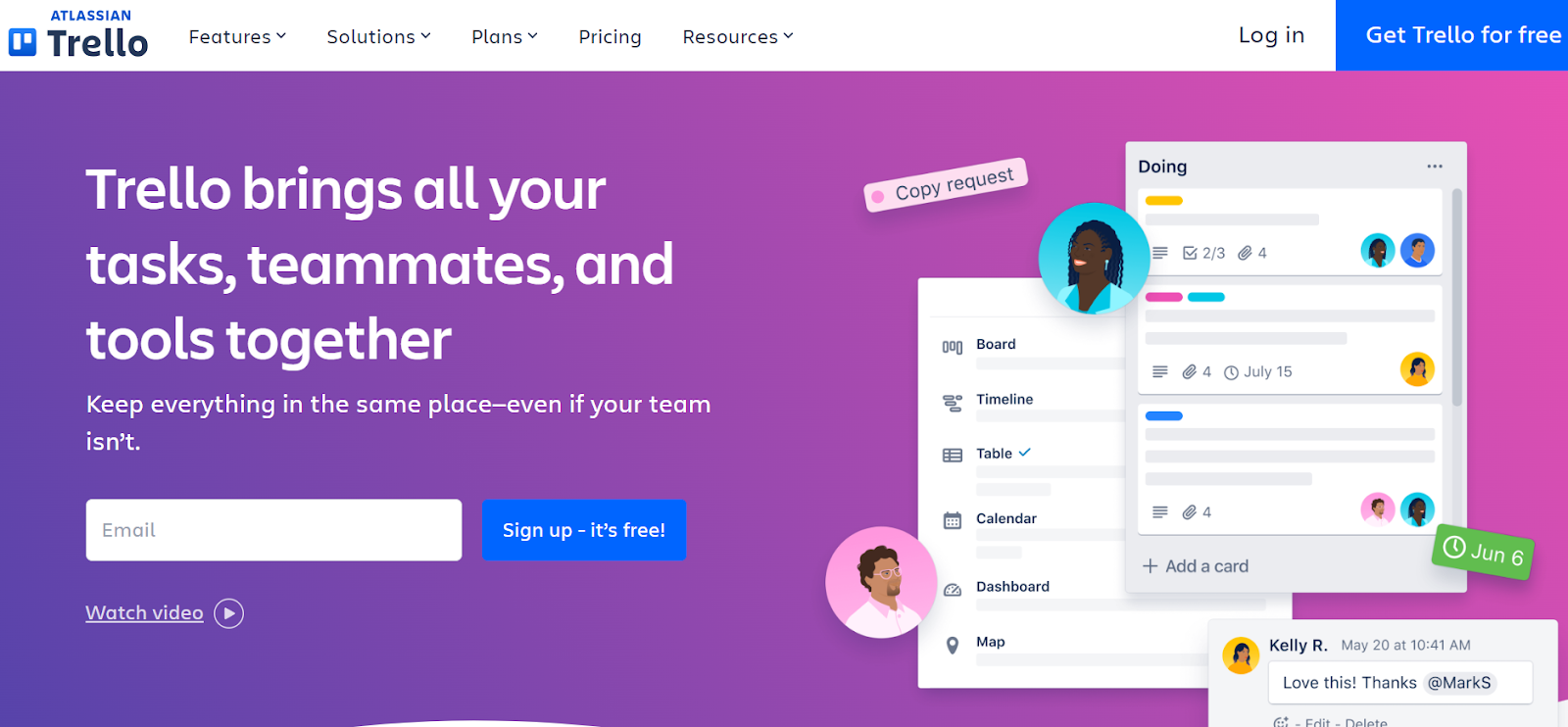
1. Trello

Trello is one of the popular as well as simple online tools used for projects or task management. You can use the visual boards of the tool. Moreover, the tool is flexible, simple as well and powerful in its management. With the usage of Trello, you can easily reach all kinds of information;

  • What type of task is under consideration?
  • Who is working on a task?
  • What progress is on the task?
  • Deadlines of the task.

And so on…

2. Todoist

Todoist is an online tool that can boost your productivity. This is because it efficiently makes all of your personal as well as professional projects organized and accounted for. The tool is essential to supercharge task management since it allows to;

  • Observe every kind of job.
  • Make lists of daily tasks according to their importance.
  • Collaborate at work.
  • Remind yourself of what has to be done.

Note-Taking and Organization Tools 

1. Onlinenotepad.io

Online note-pad is a free tool used to craft editable notes online in your browser. All the necessary details written with a notepad will always be at hand. The tool uplifts your productivity in the following ways;

  • To create notes about all the tasks.
  • Craft ideas into words.
  • Organize all pertinent data in one location.
  • Organize the notes according to their Subjects.

2. Notion

It is a powerful online tool where you can capture thoughts and manage different project details and other tasks. There are several online tools on the internet that manage these things individually. However, no one supports all of them in a single place.

The tools can elevate your productivity by allowing you to handle the following tasks;

  • Take notes.
  • Track your progress.
  • Create a mood board for art.
  • Organize project details.
  • Create customizable documents for the organization.

Time Management Tools

1. RescueTime

RescueTime is an AI-based powerful online time management tool. When you make the tool active on your device, it will start tracking your active time.  In the meanwhile, it starts making records of all the activities on different platforms like applications, websites, etc.

Followings are some ways through which RescueTime elevates your daily work productivity;

  • It automatically sends notifications/alerts when you are distracted.
  • It makes you stay focused on the actual tasks.
  • Its goal-setting and focus time features make you remain attentive.
  • It minimizes the waste of your time.

2. Focus@Will

Focus@Will is an online platform/tool that makes its users stay focused and calm during their working, studying, writing or reading time. Ultimately, the tool enhances the productivity of its users.

Moreover, the tool is equipped with several types of instrumental music. From there you can easily choose suitable ones. This will make you calm, focused, and sound throughout the working hours.

Communication and Collaboration Tools

1. Slack

Slack is an online tool that is built to streamline communication.  In the present era, where most of companies and businesses are becoming hybrid communication and collaboration technology is essential. You can bring into play Slack to break down the barriers of communication and connect in an innovative way. Let’s discuss some points about how the tool is essential for increasing productivity;

  • With Slack, you can keep employees engaged/connected and productive with real-time conversation.
  • Here, you can easily manage all the communication by their projects, priorities and more.
  • Slack allows you to personalize alerts.
  • At Slack, you can launch immediate meetings.

Based on all the aforesaid benefits the tool will make your every task supercharged as well as superfast.

2. Google Workspace

Google Workplace is a dynamic cloud suite that assists companies or business all around the world to carry out their daily tasks and reach their goals by boosting their productivity.

It was formerly known as G-suite. To boost the productivity of every business the tool provides the following  options for innovative communication/collaboration;

  • Google Calendar: To arrange conferences.
  • Google Sheets: To collaborate via spreadsheets.
  • Google Docs: It streamlines communication by allowing multiple employees or users to participate, write, edit, and comment on the same file.
  • Google Meets: Allowing communication through video calling.

Email Management Tools

1. Boomerang (for Gmail)

Boomerang is a powerful tool that makes you easily manage important emails from your inbox. Boomerang come up with three features to streamline the email management;

  • Response Tracking: This feature makes you remember the important emails in case of if you don’t hear any response. For this, the tool makes the email at the top of your inbox to alert you about.
  • Boomerang. Reminders: Using this feature of Boomerang, for special emails makes you remind about the response to those emails.
  • Send Later: With this feature, you can schedule emails to be sent later at a fixed time and date. Once you set this feature, the tool will automatically send those emails at the desired time.

Now, move towards some benefits or use of the tool that make it essential for supercharging your day;

  • It helps you always stay focused on vital messages.
  • Helps you remain quick and responsive.
  • Make you control messages to be sent at perfect time.
  • Helps you stay close to details and feel at peace.

2. SaneBox

SaneBox is a tool that helps you manage emails in an effective way. The tool sorts all the unimportant emails away from your inbox.

The tool does this by creating a new folder on your email account. That folder is named as “SaneLater”. When the tool recognizes any emails that are deemed unnecessary to you, it will automatically filter them to that folder to be seen later. Let’s discuss how the tool makes you productive;

  • It makes you stay away from unnecessary emails.
  • Makes you stay focused on time by filtering distracting emails.
  • Helps you find prioritized emails easily from inbox.

File and Document Management Tools

1. Imagetotext.io

It is an image extractor tool that is stocked with the most recent technology known as OCR. Using this technology the tool scans and extracts the printed text on the images into digital form. The image-to-text converter makes you productive by transforming the physically formed documents, files, images, etc. into a digital form that is;

  • Easily storeable.
  • Quick accessible.
  • More Secured.

Based on the above usage, the tool makes all the processes or tasks streamlined regarding documents.

2. Google Drive

Google Drive is a user-friendly as well as versatile tool that helps you manage multiple types of files and documents. For this, the tool provides ample storage to be used. Now head towards, how the tool manages the files and ultimately makes your tasks more productive;

  • It provides an option to store and share multiple types of files like Google Docs, Sheets, Slides, and many more.
  • At Google Drive, you can categorize different files and documents into folders.
  • You can collaborate through the documents on the Drive allowing different people to participate, edit, and suggest in the same file.

3. Dropbox

Dropbox is a cloud-based online tool that can organize all types of documents and files for you and your team.  The tool can be used as your document/files repository. It helps you easily manage, organize, share, and find or access all the stored digital files.

Below are the ways “Dropbox” make your tasks more productive;

  • Making you create a document organization system for efficient and fast collaboration.
  • Consolidate your workflow by presenting all the files together in a single and convenient shared workspace.
  • Enables you to Download or back up any document to a more secure offline location.
  • Make you easily control access of others to files.

Conclusion

In the world of innovation, everything is going to be faster and more productive. In this scenario, it is necessary to make your everyday tasks streamlined and more productive to pave your way towards success. For greater productivity is essential to rely on some online tools that are efficient at automating multiple tasks for you. In the above section of this article, we’ve talked about some essential online productivity tools for success. It’s time to deploy these tools and make supercharge your day.

Useful Information You Should Know About Partition Action

Joint ownership of a single property in real estate is quite common, either by two investors or multiple investors. There are multiple reasons that lead individuals to share investment in property ownership due to sharing common interests. The sale of such property requires all the parties involved to agree on the pricing, timing, distribution of the property’s equitable interest, and others. However, sometimes, the parties fail to agree when some of them want to sell while others do not agree with the decision. In this case, the disagreement calls for a partition action to help the co-owners divide the equitable interest from the real estate property. This post will explore all the useful information there is to understand and know about partition action.

What is a Partition Action?

Co-owners of a joint investment may fail to agree on the distribution and management of a property, attracting the court’s attention to help them divide the equitable interest. The court takes upon the decision to break the initial joint ownership of the co-owners of those who want to sell their real estate’s property equity and those who do not. A resolution becomes challenging to come to when the co-owners start disputing over management issues. But you may want to ask yourself what is a partition action in case of a failed resolution. When the co-owners fail to agree, that is when they seek outside help most probably from the court, for a partition action. The co-owners in favor of selling present a civil lawsuit against the ones who do not want to sell. The judge then listens to both sides presenting information and makes a final decision based on the various types of partition action available. The judge may rule over the forceful sale of the real estate property.

Types of Real Estate Partitions

Partition in Kind

When co-owners of a joint investment property or land, the partition-in-kind lawsuit ensures the property or land is divided equally so that each owner gets a fair share of the investment. When the property is divided, this gives each co-owner the mandate to decide what they would want to do with their share. However, physically splitting real estate property can be challenging; that’s why the following type of partition may be a viable solution.

Partition by Sale

Physically splitting a real estate property is one of the most challenging processes for co-owners. Therefore, the court is mandated to forcefully sell the property to resolve the disagreements. After the property is sold, the proceeds are then divided among the co-owners for their equitable interest. Under this partition, the sale of the real estate property must be completed despite the protests from the other parties.

Partition by Appraisal

Under partition by appraisal, some of the property may decide to retain the property and buy the shares from the parties in favor of the sale. Therefore, the property does not go to a third party but rather remains with some of the initial owners. This decision happens outside the court; if it leads to an agreement, the parties, therefore, request a court partition by appraisal. The value given to the other party must be equal compared to the value in which the property could have been sold.

Types of Joint Ownership that can Result to Partition Action

One approach to owning real estate property is through joint ownership that occurs for reasons well known to the co-owners, such as financial boost, spouse, inheritors, business partners, and others. Joint ownership could have many benefits due to the cost-sharing of many property improvements or other payments that may be required. However, it is the only form of ownership that attracts a partition lawsuit. There are three types of joint ownership in real estate property that could guide the partition lawsuit’s decision.

Joint Tenancy

In joint tenancy, each party owning the property has equal rights and obligations to the property. The co-owners can use and enjoy the property as they are co-owners. All the parties ought to agree on any decisions made for the betterment of the property. This mode of ownership accommodates survivorship rights. This takes its shape when the surviving party after the initial co-owner dies, may inherit the rights over the property as the new co-owner without undergoing probate.

Tenancy by Entirety

Tenancy by entirety only applies to married couples. However, like any other life mishap, the couple could decide to end their union in divorce. In this case, the joint ownership turns into a tenancy in common whereby either of the couple could sell or transfer the property rights to their spouse. Tenancy in its entirety also reserves the survivorship rights whereby the surviving partner remains the sole owner of the property left behind.

Tenancy in Common

Tenancy in common allows unequal ownership rights from the parties involved over the real estate property. In this case, one party could own a greater portion of the estate in question. Either of the co-owners can sell a part of their share in the property without seeking consent from the other owners.

How to Avoid Partition Lawsuits

Partition lawsuits occur when co-owners have not foreseen there is a time they might lose interest or certain things arise, making them break their joint ownership. However, when there is enough plan, co-owners can avoid partition lawsuits by creating a working plan for the period they will be in joint ownership. This is because when a partition lawsuit is filed, in most cases, there is no room to avert the decision.

Contractual Agreement

A contractual agreement prohibits co-owners of a property from filing for a partition lawsuit under certain circumstances. Contractual means the agreement is only effective for a certain period of time. Therefore, for a certain period, either party cannot seek to sell the property without the agreement of the other party. However, when the time elapses, they can be free to seek partition after the property appreciates in value.

Buyout

Partition action is one of the many solutions co-owners can seek to break joint ownership, but buying out is also a viable solution. Before the case reaches the courts, the parties may seek outside negotiations to buy ownership rights from the parties that want out with the joint ownership. One buyer agrees to buy the interest of the other, thus avoiding the lengthy process to file for partition action.

In conclusion, it is quite common for co-owners of a real estate property to seek separation in their joint investment. The court comes in handy to help the disagreeing parties resolve their differences in the sale of the property. Additionally, for a partition to take place, each co-owner must have equal rights to the property, and the proceeds must be equally and fairly shared with all the parties.

What is an Off-Market Property, and How Do You Find Them?

When it comes to the world of real estate, many potential buyers and investors focus on the properties that are readily available on the market. However, there’s a hidden realm of real estate that often goes unnoticed – off-market properties. These hidden gems can offer unique opportunities, whether you’re looking for your dream home or seeking an investment with great potential. In this blog post, we’ll uncover the mysteries of off-market properties, explain what they are, and provide you with tips on how to find them.

Understanding Off-Market Properties

Off-market properties are real estate listings that aren’t publicly advertised or listed on Multiple Listing Services (MLS) websites. They are essentially properties that are not available to the general public. Instead, they are sold through private networks, word of mouth, or exclusive real estate connections. These properties can include homes, commercial buildings, land, or investment opportunities.

Tips for Finding Off-Market Properties

Now that you understand the appeal of off-market properties, the next step is to learn how to find them. Here are some tips to help you navigate this hidden world:

  • Real Estate Agents: Establish a connection with a local real estate agent who specializes in your target area. These professionals usually have insider knowledge and may be privy to off-market listings before they are made public. Building a relationship with an agent can give you access to these hidden properties and provide you with a competitive edge during the buying process. They often have access to off-market listings and can alert you when something suitable becomes available.
  • Buyer’s Agent:  If you’re a buyer, consider hiring a buyer’s agent. If you live in Australia, find professionals who specialize in finding off-market properties for buyers and can help you navigate the process. It’s worth reaching out to a Templeton Property Brisbane Buyer’s Agent, who can often provide access to a wealth of off-market opportunities. These agents work exclusively with buyers and can assist you in finding off-market properties that align with your requirements.
  • Networking: Attend real estate events, join local real estate investment groups, and network with industry professionals. Sometimes, personal connections and word of mouth can lead you to off-market opportunities.
  • Direct Mail: Consider sending letters or postcards to property owners in your desired location. Some homeowners might be open to selling if the right offer comes along.
  • Online Databases: Some websites and platforms are dedicated to off-market listings. While they might charge a fee for access, it can be a valuable resource for finding hidden gems.
  • Expired Listings: Properties that were listed but didn’t sell can be prime candidates for off-market opportunities. Reach out to owners of expired listings to see if they’re still interested in selling.
  • Auctions and Probate Sales: Keep an eye on real estate auctions and probate sales, as these often include off-market properties. These sales can be treasure troves for investors and homebuyers.

The Appeal of Off-Market Properties

Despite not being publicly advertised, off-market properties have a unique attraction for many buyers and investors. The allure lies in the exclusive nature, less competition, and potential for a great deal. In the following sections, we’ll explore these enticing aspects further.

Less Competition for Buyers

Off-market properties offer a distinct advantage for buyers, primarily due to the reduced competition they entail. As these listings aren’t broadly advertised, you’ll often face fewer competitors during the purchasing process. This favorable scenario can grant you an upper hand in negotiations, increasing the likelihood of securing a better deal on your desired property.

Uncovering Unique Real Estate Options

One of the most compelling aspects of off-market properties is their potential to unveil hidden gems in the real estate market. Whether it’s a historic residence, a property nestled in an exclusive neighborhood, or a promising investment opportunity, these listings frequently introduce you to distinctive and unique choices that remain absent from public listings.

Ensured Privacy and Confidentiality

For those seeking a discreet and confidential real estate transaction, off-market properties offer a haven of privacy. Some sellers prefer to keep their property deals under the radar, and off-market sales allow them to do just that. This level of privacy can be a significant attraction for both buyers and sellers, ensuring that the entire process remains discreet and confidential.

Motivated Sellers and Streamlined Negotiations

Motivation is often a defining characteristic of sellers who opt for off-market transactions. Whether sellers need to close a deal swiftly or prefer to avoid the challenges of public showings, their heightened motivation can lead to smoother and more efficient negotiations for buyers. This motivated atmosphere often culminates in a more straightforward negotiation process, allowing you to reach mutually beneficial terms quickly and efficiently.

Navigating the hidden realm of off-market properties may seem daunting, but it can open doors to unique opportunities and potential deals. The key to success lies in creating strong relationships with real estate professionals, networking extensively, and staying persistent in your search. With the right strategy, the world of off-market properties can offer an array of real estate gems and investment opportunities that can align with your goals and exceed your expectations. Whether you are a first-time homebuyer or a seasoned investor, off-market properties can provide a unique and rewarding avenue in your real estate journey.

Your Ultimate Guide to Navigating Commercial Mortgages

If you’re considering taking out a commercial mortgage to finance the purchase of property for your business, you’ve come to the right place. Navigating through the paperwork and understanding all the fine print can be intimidating, but with this guide, we aim to make the process as simple and straightforward as possible. With detailed explanations of terms, tips on how to maximize savings, and insight into what lenders are looking for from borrowers — plus much more — you’ll have all the information needed to make an informed decision about which financial strategy is best for you. Let’s get started!

The key differences between residential and commercial mortgages

When it comes to mortgages, there are different types to suit varying needs. Residential and commercial mortgages are the two most distinct varieties, with key differences that should not be overlooked. In a residential mortgage, the primary borrower is an individual seeking to purchase a home for personal use, while a commercial mortgage is typically for a business or investment property. The terms and conditions of each loan type also deviate significantly, including interest rates, collateral requirements, and repayment schedules. 

A commercial mortgage typically requires a higher down payment than a residential mortgage, while repayment terms are shorter, generally between 15 – 30 years. Therefore, understanding the differences between residential and commercial mortgages can influence the type of property one buys, depending on their personal or professional needs. The folks behind CommLoan note that there are commercial real estate lending platforms that provide transparency and streamline the process of finding the right lender for you. When comparing mortgages, it’s important to consider all these factors and choose the one that best aligns with your goals and financial situation.

Consider the additional costs associated with a commercial mortgage

It’s important to consider all of the additional costs that may come along with a commercial mortgage. These can include things like application fees, property appraisal costs, legal fees, and closing costs. While these expenses may seem daunting, it’s important to remember that they can ultimately benefit a business in the long run, providing a valuable asset and allowing for future growth and expansion. By carefully weighing the pros and cons and seeking out the best possible terms and rates, businesses can ensure that they reap the benefits of their commercial mortgage investment.

Prepare yourself for a long-term commitment 

Taking out a commercial mortgage is a major decision, one that requires careful consideration and preparation. Unlike other types of loans, such as personal or auto loans, a commercial mortgage involves a long-term commitment that will affect your business for years to come. Therefore, it’s essential that you take the time to assess your financial standing, evaluate your business plan, and determine your repayment strategy before making any moves. With proper planning, a commercial mortgage can be a smart investment that allows you to achieve your business goals and secure a stable future.

Learn how to calculate interest and other payments on your loan

Calculating interest and other payments on your loan can seem like a daunting task, but it’s actually easier than you might think. Understanding how interest is calculated and how payments are structured can empower you to take control of your finances and make informed decisions about borrowing money. By learning the basics of interest rates, amortization schedules, and payment terms, you’ll be better equipped to negotiate with lenders and find the best options for your business needs. Commercial mortgages can be complex, but with the right knowledge and preparation, you can confidently navigate the process and secure a loan that works for you. 

Familiarize yourself with the regulations governing commercial mortgages 

As a real estate investor, it’s important to not only identify the best properties for investment but also to familiarize yourself with the regulations that govern commercial mortgages in your state. While every state may have its own unique set of rules and requirements, understanding the basic guidelines can help you make smarter financial decisions and avoid potential legal issues. Whether you’re looking to finance a purchase or refinance an existing property, taking the time to research and understand the regulations can give you an edge when it comes to negotiating terms, securing financing, and protecting your investment. 

Researching and properly preparing for your commercial mortgage is of utmost importance, and by familiarizing yourself with the differences between a residential and commercial mortgage, considering additional costs, shopping around to compare rates, understanding long-term commitment, learning how to calculate payments on your loan, making sure you have enough capital to cover closing costs and fees, as well as being knowledgeable of the regulations governing commercial mortgages in your state – you’ll be ready to embark on your venture. While this might sound like a daunting task at first, considering all these factors will ensure that you make the best financial decision. So don’t hesitate – take action today and find the right commercial mortgage for you!

Navigating the Housing Market with Bad Credit: Expert Tips and Financial Strategies

Unless you’re enormously wealthy, buying a home means getting a mortgage, whether you’re a first-time buyer or relocating. This can be difficult if you have bad credit, but it’s not impossible. This guide will show you how to get on the property ladder or upsize despite being regarded as a high-risk borrower. 

What Is Bad Credit?

If you have bad credit, it’s because your credit score is poor. Credit ratings are based on data compiled by the three credit reporting agencies in the States: Transunion, Experian, and Equifax.

Factors in your credit report that are likely to make most lenders think you’re a high risk include:

  • Defaulting on a loan.
  • Making only minimum monthly payments on a credit card.
  • Missed credit card payments.
  • Too many applications for a loan or credit.
  • Being declared bankrupt.
  • Being a victim of identity theft.

However, what’s considered bad credit differs among lenders.  Some may see you in a more positive light than others, even if you’ve had loan applications rejected in the past. And some lenders specialize in mortgages designed for homebuyers with bad credit.

Bad-Credit Mortgages

Bad-credit mortgages, also known as subprime mortgages or adverse-credit mortgages, work like standard mortgages but are likely to have higher interest rates and a lower borrowing limit. 

You may also have to put down a larger deposit – 20 to 25 percent or more of the value of the property, rather than five to 10 percent.

Usually, a higher credit rating gives you a greater chance of getting a mortgage and finding the best deal. 

If you have bad credit, some mainstream lenders may refuse you to offer you a mortgage. This doesn’t mean all lenders will take the same approach. 

Some specialist lenders are more likely to look at you as an individual instead of rejecting your mortgage application out of hand.

Bad-credit mortgage lenders, for instance, may pay more attention than mainstream lenders to how much you’re currently earning, your monthly expenses, and whether you have any savings. 

And they’re more likely to offer you a mortgage if you’re now managing your finances better and can show you can afford the monthly repayments.

How to Apply for a Bad-Credit Mortgage

The first step in applying for a bad-credit mortgage is to make sure you look as low a risk as possible to a prospective lender. 

Find out what your current credit score is so you know what measures are needed to improve it.

As you steadily rebuild your credit score, you can begin looking for a lender with a mortgage that’s right for you. This means going to a specialist bad-credit mortgage lender rather than a high street bank or other big-name lender. 

Bad-credit mortgage lenders consider homebuyers on a case-by-case basis, and provide customized mortgages for people in difficult financial circumstances.

It’s usually easier to find these types of mortgages with the help of a specialist mortgage broker.

They’ll find a mortgage deal that meets your needs and prepare your application so it looks as good as possible to the lender. Then they’ll guide you through each step of the mortgage application process.

How to Repair Bad Credit

A key financial strategy if you’re a would-be homebuyer with bad credit is improving your credit score.

Financial experts recommend the following steps to repair bad credit:

  • Scrutinize your credit report and ensure that any discrepancies, inconsistencies, or errors are corrected.
  • Reduce the amount of debt you owe. Create a budget and prioritize paying off high-interest debts first.
  • Set up autopay or reminders to make sure you never miss a due date on payments.
  • Consider going to a credit counseling agency to get help with your finances and negotiating with creditors.
  • Limit applications for new credit.
  • Monitor your credit report regularly to keep track of your progress.

Understanding Mortgages and the Housing Market

Buying a home is an exciting time but finding a mortgage deal can be daunting if you’re a first-time buyer. It’s even more concerning if you have a less-than-perfect credit history. The process then becomes more complicated. 

To overcome these challenges, it helps if you have some understanding of the current state of the housing market and mortgage trends.

During 2020 and 2021, personal savings were at a high level and mortgage rates at an all-time low. 

This fueled a homebuying frenzy. But housing market conditions can change quickly. Now, rising mortgage rates and persistently high home prices have seen demand for mortgages fall significantly.  

Nevertheless, the housing market hasn’t crashed, mortgage demand hasn’t disappeared, and Americans continue trying to navigate today’s challenging housing market. 

Mortgages in the US typically run over 30 years. In the second quarter of 2023, 83.6 million people had a mortgage, with an average debt of $143,670 – a total of $12 trillion, accounting for 70 percent of consumer debt. 

The Journey Toward Your Ideal Home if You Have Bad Credit

Finding the home of your dreams generally won’t happen overnight if you have bad credit. It’s usually a process that takes time and requires smart financial planning for the future.

You can still navigate the housing market and get a mortgage if you have bad credit, although you may need to put down a bigger deposit and pay higher interest rates.

If you’re a first-time buyer, this may mean you can’t afford your dream home immediately. You may have to lower your expectations in the short term in order to get a mortgage. Alternatively, there’s always the rental option as you rebuild your credit with a view to qualifying for a mortgage.

Either way, once you’re on the housing ladder you have the opportunity to upscale in the future, with a better chance of securing your ideal home.

The bottom line is that bad credit shouldn’t stop you from pursuing your home ownership aspirations. 

Just bear in mind you should only get a mortgage if you’re sure you can keep up with the monthly repayments. If you don’t do this, you could be at risk of forfeiting your home.