Best Suburbs of Atlanta, GA for Families

Atlanta, the captivating capital of Georgia, is renowned for its pulsating art scene, profound history, and diverse culture that resonates with both its residents and visitors. Over the years, Atlanta’s metamorphosis from a major railroad hub to a nexus of commerce, culture, and academia has made it an irresistible magnet for families. 

This growth has led to the emergence of many neighborhoods and suburbs. The challenge for most is determining the best areas to live in Atlanta with the family.

Families are particularly drawn to the best suburbs of Atlanta not just for their picturesque landscapes, but also for the balanced lifestyle they offer. They strike a harmony between the city’s hustle and bustle and the tranquility of suburban life. Atlanta neighborhoods have the unique advantage of combining southern hospitality with urban amenities, which is rare in many major American cities.

But what truly distinguishes Atlanta is its spirit of unity. Communities come together during festivals, local events, and even in times of need. This communal ethos ensures that every family finds its niche, feels welcomed, and cherishes the Atlanta neighborhoods they call home.

Why Families Choose Atlanta

Many families choose Atlanta because of the promising future it offers. With a steadily rising economy, the job market has grown, offering opportunities in various sectors from entertainment to IT. Schools in and around the region maintain commendable educational standards, ensuring that the city’s future generation receives top-tier education.

Moreover, recreational activities are aplenty. From weekend hikes to enjoying local theater, there’s no shortage of family activities. And if you’re a fan of sports, the city’s dedication to football, baseball, and basketball is palpable in every corner. This array of attractions solidifies the status of the best suburbs of Atlanta for families.

Yet, it’s not just the tangible assets. Atlanta’s heart and soul reside in its communities. From the smiles of neighbors to the hearty laughter in local diners, there’s an underlying thread of warmth and familiarity that ties everyone together. This essence is what families cherish the most in the best areas to live in Atlanta with the family.

Criteria for Choosing the Best Suburbs

When scouring for the perfect suburban oasis, several factors prominently stand out:

Schools 

As of the latest data, many suburbs boast schools that have been nationally recognized for their excellence. The emphasis is not just on rote learning but on holistic development. This priority for quality education is a pivotal reason why families gravitate towards the best suburbs of Atlanta for families.

Safety

The peace of mind that comes with knowing your loved ones are safe is unparalleled. Many of the best suburbs of Atlanta have crime rates that are significantly lower than the national average. Neighborhood watch programs, active community involvement, and efficient local law enforcement play a crucial role in this.

Amenities

Modern-day families seek a mix of convenience and leisure. Proximity to shopping centers, parks, healthcare facilities, and entertainment hubs is essential. The best areas to live in Atlanta with the family typically offer these in abundance.

Community Vibes

Last but by no means least, the essence of community plays a pivotal role. Be it festive celebrations, local fundraisers, or weekend farmer’s markets, the vibrancy of a community often becomes the deciding factor for many families.

Top 5 Suburbs for Families

1. Alpharetta

Nestled in the northern outskirts of Atlanta, Alpharetta shines as a beacon for families. Recognized for its outstanding schools, the education system here is second to none in the state. The latest numbers show that test scores in Alpharetta schools consistently surpass national averages.

Highlights

Alpharetta’s downtown is a blend of historic charm and modern-day conveniences. With a myriad of shops, top-rated restaurants, and family-oriented events, there’s always something to do. Moreover, the suburb’s emphasis on green spaces ensures nature is never too far away.

2. Decatur

A mere stone’s throw from the heart of Atlanta, Decatur seamlessly blends a small-town aura with the perks of big-city living. This suburb stands as a testament to Atlanta’s rich history, with many landmarks and structures dating back centuries.

Highlights

Art and culture thrive in Decatur. Local festivals, art exhibitions, and farmer’s markets are common sights. For families that prioritize culture and community engagement, Decatur emerges as one of the best suburbs of Atlanta for families. It also features lovely, 100 year old homes that exude character and charm.

3. Roswell

Roswell’s allure lies in its rich tapestry of history interwoven with the comforts of contemporary living. Nestled along the serene Chattahoochee River, it’s a haven for those seeking an active outdoor lifestyle.

Highlights

Historic sites from the Civil War era, nature parks, and the bustling Canton Street replete with eateries and boutiques. The latest data suggests that Roswell’s economy is on an upswing, making it a promising prospect for new families.

4. Marietta

To the northwest lies Marietta, a gem that combines historical grandeur with a modern-day vibe. Its town square, adorned with monuments and greenery, stands as a testament to the suburb’s rich past.

Highlights

Regular community events, theaters showcasing local talent, and museums dedicated to preserving history make Marietta an educational and cultural hub. The Marietta School District’s recent accolades further cement its position among the best suburbs of Atlanta for families.

5. Smyrna

Known affectionately as the “Jonquil City” due to its vibrant yellow jonquils blooming in spring, Smyrna is a mosaic of culture, nature, and modernity.  

Highlights

The famed Silver Comet Trail beckons outdoor enthusiasts, while the Smyrna Market Village offers a plethora of shopping and dining options. Recent numbers indicate a surge in Smyrna’s real estate market, making now an opportune time to invest.

Which Is The Best Suburb To Live in Atlanta

Choosing the best suburbs of Atlanta for families can be quite a daunting task given the array of splendid options available. Atlanta, as a bustling metropolis, has expanded over the years, with several of its suburbs emerging as prime residential spots, balancing the vibrancy of city life with the serenity of the suburbs. Alpharetta, for instance, is often hailed as one of the best suburbs of Atlanta for families. With its top-tier schools, green spaces, and a myriad of amenities, it’s no wonder families find it an ideal place to set down roots.

As the allure of these suburbs grows, many individuals and families have been expressing a keen interest in relocating to such prime areas. It’s often observed that people’s love for moving to these suburban paradises is palpable, making the area a hotspot for residential transitions.


Moving to & Living in Fort Collins, CO | Ultimate Guide

Fort Collins, often referred to as the “Choice City,” is nestled amidst the picturesque foothills of the Rocky Mountains. This vibrant city, with its deep historical roots stretching back to the 1860s, is a blend of the past and the present.

Initially, it rose to prominence as a military outpost, and over the years, has transformed into a hub of culture, education, and economic activity. With each passing year, the charm of moving to Fort Collins, CO, has magnetically drawn individuals and families seeking a harmonious blend of nature, history, and modern amenities. 

The city’s legacy is intertwined with its agricultural plains, which have been a cornerstone of its economy and culture. With the subsequent establishment of Colorado State University, it didn’t take long for Fort Collins to become synonymous with academic excellence and vibrant student life. 

The myriad of festivals, events, and community activities rooted in its historical ethos has ensured that the city’s culture remains rich and diverse. Interestingly, amidst this historical tapestry, there’s a growing sentiment of love among people for moving to Fort Collins, CO, given its promise of a fulfilling and balanced life.

The Vibe of the City

When you step into Fort Collins, you’re greeted with a fusion of historical charm and a youthful spirit. This vibrant aura owes much to its significant student population from Colorado State University. 

Walking through its tree-lined streets, you’ll find quirky boutiques, artisan cafes, and a myriad of cultural events. For those pondering the thought, “Is it worth moving to Fort Collins, CO?”, the city’s vibe answers with a resounding yes. It manages to retain a small-town feel despite its growth and the increasing number of people moving to Fort Collins, CO. 

Fort Collins is also known for its community spirit. Frequent community events, local arts festivals, and farmer’s markets underscore the city’s commitment to fostering a sense of belonging among its residents. It’s no wonder many envision raising a family in Fort Collins, CO, amidst such a warm and welcoming atmosphere.

Why Move to Fort Collins?

Job Opportunities

The job market in Fort Collins is diverse and expanding. From burgeoning tech startups to the world-renowned craft breweries and the influence of Colorado State University, there’s an array of job opportunities awaiting. For professionals considering moving to Fort Collins, CO, the city presents a plethora of sectors. Whether it’s in academia, technology, or arts, the city’s job market is inclusive. Moreover, with the recent growth in the tech sector and the establishment of various startups, moving to Fort Collins, CO, has become a top choice for tech professionals.

Education and Schools

Education is the crown jewel of Fort Collins. With Colorado State University at its heart, the city has always emphasized learning. But it’s not just about higher education. The city boasts numerous top-rated primary and secondary schools. 

For families contemplating moving to Fort Collins, CO, the educational landscape is undoubtedly a compelling factor. The city’s dedication to fostering a learning environment makes raising a family in Fort Collins, CO, an enticing proposition. Furthermore, the diverse range of curricular and extracurricular activities in these institutions ensures holistic development for the students.

Recreational Activities

When it comes to recreational activities, Fort Collins shines brightly. With a myriad of parks, trails, and recreational centers, there’s never a dull moment. The Horsetooth Reservoir is a favorite among locals, offering activities like boating, fishing, and hiking. 

The city’s love for cycling is evident in its well-maintained bike trails. For those considering moving to Fort Collins, CO, the active lifestyle it promotes is a significant draw. In addition, Fort Collins frequently hosts events, from music festivals to craft beer tastings, ensuring that there’s always something happening in town. For business-savvy enthusiasts interested in understanding how Fort Collins’s craft brewery scene sustains its growth and innovation, Ollie’s digital solution for breweries offers a deep dive into navigating the industry with cutting-edge technology.

Housing and Living Expenses

Cost of Living

For many, the cost of living in Fort Collins, CO, is a vital consideration. While the city offers a high quality of life, it comes at a moderate cost. According to the latest data, the cost of living in Fort Collins, CO, is slightly above the national average. 

However, when you balance this with job opportunities, educational facilities, and recreational activities, many find the cost justified. For those pondering the thought of moving to Fort Collins, CO, it’s essential to weigh the pros against the cons. In September 2023, Fort Collins, CO, saw a steady real estate market, with the median listing home price standing firm at $599.9K, showing no significant year-over-year fluctuation. 

Each square foot in the vibrant city had a median listing price of $280, and homes were sold at a median price of $555K. When it comes to living expenses, Fort Collins holds a prominent position. 

The city’s average cost of living is $2335, placing it in the upper 8% of the world’s most expensive cities. Globally, it holds the 782nd position out of 9294 cities, while in the United States, it’s ranked 701st out of 2202 cities. Within Colorado, it stands at the 18th position among 28 cities. Residents of Fort Collins have a median after-tax salary of $3999, sufficient to cover about 1.7 months of living expenses. 

The city is renowned for its livability, ranking 410th worldwide, making it into the top 4% of the best places to inhabit. In the U.S., it is the 81st best city, and within Colorado, it shines as the 3rd most livable city. Fort Collins, with its enchanting appeal, is home to approximately 170K residents, earning it a rank as the 167th largest city in the United States.

The real estate market in Fort Collins has seen steady growth over the years. With an influx of people moving to Fort Collins, CO, the demand for housing has surged. Whether you’re looking to rent or buy, there’s a diverse range of options available. 

For those considering a more permanent move and investing in property, it’s advisable to research and possibly seek the assistance of a local real estate agent. They can provide insights into the best neighborhoods and potential future growth areas. Furthermore, for those relocating, numerous moving companies can assist in ensuring a smooth transition. Their expertise can be invaluable, especially for larger moves or those unfamiliar with the city.

Getting Around

Public Transportation

Fort Collins boasts a robust public transportation system. The Transfort bus service connects major parts of the city, making daily commutes easier for residents. With plans to expand and modernize, the city aims to make public transport a preferred choice for many. 

For those moving to Fort Collins, CO, and prioritizing eco-friendly transport methods, the city’s commitment to enhancing its public transport is a welcome gesture.

Traffic and Commuting

Like any growing city, Fort Collins has its share of traffic. However, the city’s infrastructure and well-planned roads help mitigate major traffic snarls. For those who prefer biking, the city’s extensive bike lanes offer a refreshing alternative. With the increasing number of people moving to Fort Collins, CO, the city’s administration is continually working on improving commuting experiences for its residents.

Things to Do in Fort Collins

Parks and Recreation

The city’s commitment to green spaces is evident in its vast array of parks. From community parks to natural areas, there’s a spot for everyone. Whether you’re looking for a quiet reading spot or a place for a family picnic, Fort Collins has you covered. Moreover, the city’s recreational centers offer programs and activities for all age groups. From swimming lessons to yoga classes, residents have a plethora of options to stay active and engaged.

Nightlife and Entertainment

Fort Collins boasts a vibrant nightlife. From cozy pubs to lively bars, there’s a spot for every mood. The city’s love for craft beer is evident in its numerous breweries, each offering unique flavors and experiences. 

For art enthusiasts, the city frequently hosts art shows, theatre performances, and live music events. These events provide a platform for local artists and entertainers to showcase their talent, enriching the city’s cultural fabric.

Local Festivals

Fort Collins takes pride in its local festivals. Whether it’s the annual Colorado Brewers’ Festival celebrating craft beer or the Fort Collins Peach Festival, there’s always an event to look forward to. These festivals not only entertain but also foster community spirit.

Conclusion

In essence, Fort Collins offers a balanced mix of modern amenities and a warm community spirit. Its commitment to education, job opportunities, and recreational activities make it a top choice for many. While the cost of living in Fort Collins, CO, might be a point of consideration, the city’s offerings often justify it. For those on the fence about moving to Fort Collins, CO, the city promises growth, community, and a high quality of life.

How to Find the Best Neighbourhoods in Beaverton, Oregon

Nestled just a stone’s throw from the bustling city of Portland, Beaverton stands as a beacon of suburban charm coupled with urban conveniences. Over the years, I’ve watched this quaint town evolve and grow, all while preserving its unique character. 

As more people become privy to its allure, they are drawn to discover the best neighbourhoods in Beaverton, Oregon. And it’s easy to understand why. The city offers a harmonious blend of scenic beauty, diverse communities, and modern amenities, making it a sought-after destination for many.

The increasing interest in the best neighbourhoods in Beaverton, Oregon is a testament to the city’s appeal. Families, young professionals, and retirees – all find a niche in this Oregonian haven. With each neighbourhood offering its distinct flavour, the city manages to cater to a myriad of tastes and preferences. 

From tranquil streets lined with age-old trees to bustling pockets echoing with the laughter of children and the chatter of community events, Beaverton is the epitome of a dream living space for many. Beyond its physical charm and economic growth, Beaverton’s soul lies in its communities. 

As a local, the bond, warmth, and spirit of togetherness are palpable in every corner of the city. Whether you’re considering hip neighbourhoods in Beaverton or family-friendly neighbourhoods, there’s a place for everyone.

Why Beaverton?

Beyond its accolade as one of the best places to live in Oregon, Beaverton has a rich tapestry of communities that cater to a wide range of preferences. Be it safety, schools, amenities, or proximity to nature or urban centres, Beaverton offers it all. And while the occasional Portland trip is great, our local treasures often outshine the allure of the bigger city.

Key Factors to Consider

Choosing the best neighbourhoods in Beaverton, Oregon isn’t merely about aesthetic appeal. Living here for years, I’ve come to realise it’s about the vibe, the people, and the conveniences. 

Safety remains paramount. Beaverton prides itself on being one of Oregon’s safest cities. However, like any city, some pockets are safer than others. Particularly if you have kids or plan to, diving deep into crime statistics for safe areas in Beaverton is a must. You’d be surprised at the peace of mind this small step can bring!

Schools and education facilities come next. Beaverton boasts a range of top-tier schools, both public and private. From elementary to high schools, the city has institutions that rank high in state evaluations. 

The Beaverton School District, one of the largest in Oregon, serves a significant portion of the city’s children. Amenities are the lifeblood of any community. One of the joys of living in Beaverton is having a mix of modern facilities interspersed with nature. From shopping centres to organic farmers’ markets, from state-of-the-art gyms to walking trails, there’s a balance that caters to diverse lifestyles.

Top Neighbourhoods to Consider

When you think about the best neighbourhoods in Beaverton, Oregon, several come to mind, each with its unique flair.

  • Neighbours of Bethany: Modern, lively, and progressive, this area has seen significant growth in recent years. Perfect for both families and young professionals, it offers a blend of residential comfort, top-tier schools, and trendy cafes. The views overlooking Tualatin Valley are the cherry on top.
  • Five Oaks – Triple Creek: An exemplary blend of green spaces and urban amenities, this neighbourhood has a character of its own. Its community-focused vibe, coupled with parks, trails, and local events, makes it an ideal pick for families.
  • Vose: A cultural melting pot, Vose is a testament to Beaverton’s diversity. From art festivals to international eateries, there’s always something happening here. Its older homes mixed with newer developments give it a distinct character.
  • Cedar Hills: Close to Portland and well-connected, Cedar Hills is popular among those who commute but want a suburban setting. The Cedar Hills Shopping Center and nearby parks make it both convenient and relaxing.
  • South Beaverton: An area that’s family-centric to its core, South Beaverton boasts some of the best schools, parks, and recreational areas. It’s no wonder that many long-term residents proudly call it home.

What Locals Have to Say

I’ve always believed that neighbourhoods are best understood not just by walking their streets, but by talking to their residents. Local cafes and eateries, my favourites being the ones in Vose, are often buzzing with discussions about life in Beaverton. 

These casual chats often provide more insights into the best neighbourhoods in Beaverton, Oregon than any online forum. If you’re considering making the move, there are numerous efficient moving companies to ease your transition. A few of my friends have had smooth experiences with movers in Beaverton, Oregon, making their move hassle-free.

Relocating? Make it Smooth

For those considering a move to one of these gems, Beaverton’s moving companies offer seamless services, ensuring that the transition to your new home is as stress-free as possible. 

From the moment you decide to pack up your belongings to the day you step foot in one of the best neighbourhoods in Beaverton, Oregon, these professionals are there to guide and assist every step of the way. Navigating the intricacies of a move can be daunting. 

From packing cherished belongings with care to ensuring they’re transported without a hitch, there’s a lot to oversee. That’s where the expertise of Beaverton’s movers comes into play. Their experience in the field ensures that everything is handled with the utmost care and precision.

My personal recommendation? Check out the well-reviewed movers in Beaverton, Oregon. Not only do they offer top-notch services, but their local knowledge is invaluable. They understand the nuances of our neighbourhoods, which means they can provide insights and tips as you settle into your new home. 

With their assistance, you’ll soon find yourself comfortably nestled in your new Beaverton neighbourhood, ready to embark on your new chapter in this wonderful city.

Conclusion: Beaverton’s Irresistible Appeal

Beaverton, often overshadowed by its bustling neighbour Portland, has gradually carved out a reputation as a city that effortlessly marries the best of both worlds: urban amenities with suburban peace. 

But beyond its tangible offerings, it’s the intangible essence of Beaverton that has resonated with many of its residents. It’s the warm hellos from neighbours during morning walks, the community events that bring together individuals from all walks of life, and the sense of belonging that envelops you soon after you arrive.

Choosing to reside in one of the best neighbourhoods in Beaverton, Oregon is not just about selecting a physical location to call home. It’s about becoming part of a community that values togetherness, diversity, and progress. 

Each neighbourhood, with its unique characteristics, contributes to the larger tapestry of Beaverton, making the city a mosaic of experiences, cultures, and stories. For those contemplating a move, or even for those who’ve lived here for years, there’s always something new to discover in Beaverton. 

It beckons with open arms, inviting you to be part of its evolving narrative. As a long-time local, I can attest to the city’s magnetic pull, and I’m confident that new residents will soon find themselves echoing similar sentiments about our beloved Beaverton.

What is The Average Rent in San Diego?

San Diego, a city where the Pacific Ocean meets Californian charm, often captures the hearts of those who visit. With its enviable climate, captivating beaches, diverse cultural scene, and burgeoning tech industry, it’s no wonder that many dream of calling it home. 

But for those who are planning to make this dream a reality, the immediate question that often comes to mind is, “What is the average rent in San Diego?” As an integral part of the decision-making process, understanding the average rent in San Diego is essential for prospective residents. It not only helps in budgeting and financial planning but also in determining which neighborhoods align best with their lifestyle and monetary constraints.

Over the years, the average rent in San Diego has witnessed several shifts, influenced by various economic, social, and real estate trends. The dynamic nature of the rental market here means that figures can change from one year to the next. 

As San Diego continues to evolve and grow in popularity, it’s crucial to stay updated with the latest rental averages and trends. And while many factors influence these numbers, one thing remains clear: people love moving to San Diego. The city’s allure, combined with its numerous offerings, makes it a magnetic destination for many.

Average Apartment Cost in San Diego, CA

In 2023, San Diego, CA, with its coastal charm and vibrant urban life, presents a range of rental prices for those seeking a place to call home. Depending on the type and size of the living space, the average rental costs can vary significantly. 

Specifically, for studio apartments, which are often sought by single professionals or students looking for a compact living space, the average rent sits at approximately $2,363. 

Those in search of a bit more room, particularly couples or young professionals, might gravitate towards 1-bedroom apartments. In San Diego, these spaces come with an average rent of $2,846, offering a balance of coziness and convenience. 

On the other hand, families or those desiring more space might opt for 2-bedroom apartments. These larger units, which provide ample room for households or roommates, carry an average rent of $3,735 in the city. This range ensures that regardless of individual needs or preferences, San Diego offers a diverse array of rental options, each reflecting the city’s unique blend of beachfront beauty and modern amenities.

Neighborhood-based Rent Breakdown in San Diego

The cost of renting in San Diego greatly fluctuates based on the specific neighborhood. If budget-friendliness is on your radar, neighborhoods such as Valencia Park, Skyline, Emerald Hills, Encanto, Jamacha-Lomita, Alta Vista, and Broadway Heights might appeal to you. 

Here, you can find apartments averaging around $1,050 monthly, which is notably less than San Diego’s general rent average. Other economical choices include Southcrest, Shelltown, and Mountain View, where the typical home rental hovers around $1,250 monthly.

For those seeking middle-tier rent options, areas like Rancho Bernardo, Pacific Highlands Ranch, University City, Mira Mesa, Columbia, Cortez, East Village, Downtown San Diego, Pacific Beach, and La Jolla fall within this category. 

Rentals in these locales generally range from $2,100 to $2,600 monthly. It’s worth noting, however, that La Jolla’s apartment rents have been on a noticeable rise. For instance, 2020 recorded a 5% increase in the average rental cost compared to the previous year.

Comparing Rent in Different San Diego Neighborhoods

Downtown San Diego

Nestled in the heart of the city, Downtown San Diego offers proximity to bustling cafes, high-end shops, and vibrant nightlife. Living here means you’re in the epicenter of action. While the convenience is unparalleled, the average rent in San Diego’s downtown area leans on the higher side, reflecting its prime location.

La Jolla

Known for its pristine beaches and upscale vibe, La Jolla is often considered one of San Diego’s jewels. While the views and ambiance are undeniably top-tier, it’s also reflected in the rental prices. Many argue that the average apartment cost in San Diego’s La Jolla area is worth every penny, given the unmatched lifestyle it offers.

Pacific Beach

A blend of sandy shores, lively bars, and a laid-back vibe defines Pacific Beach. Popular among the younger crowd, this neighborhood offers a mix of affordability and beach life. However, the closer you get to the shoreline, the steeper the San Diego average rent might become.

North Park

With its eclectic mix of vintage shops, craft breweries, and a vibrant arts scene, North Park exudes a hipster charm. Renting here can be more affordable than some of San Diego’s coastal areas, but it still offers that quintessential San Diego feel. Plus, the culinary scene here is a significant draw.

Over the decades, the average rent in San Diego has seen considerable fluctuations. Economic booms, housing crises, and population growth have all played their parts. Recently, there’s been a noticeable uptick, with the city’s growing allure pulling more people in.

Future Projections

While predicting exact numbers can be tricky, current trends suggest that the San Diego median rent will continue its upward trajectory. The city’s desirability, combined with limited housing stock and increasing demand, points to a steady, albeit potentially slower, growth in rental prices.

How San Diego Compares to Other California Cities

While cities like San Francisco and Los Angeles often make headlines for their soaring rents, how does San Diego stack up? The average rent in San Diego offers a more balanced proposition. You might find it’s not as wallet-draining as SF but not as budget-friendly as some inland California cities either.

Tips for Renting in San Diego

If you’re considering a move to San Diego, it’s wise to do thorough research. Several platforms offer insights into the San Diego median rent across various neighborhoods. Additionally, consider consulting local movers to help with the transition. 

They can provide valuable insights and make your move seamless. Lastly, always negotiate. Some landlords might be flexible, especially if you present yourself as a reliable tenant.

Conclusion

San Diego, with its fusion of urban sophistication and beach town charm, remains a sought-after living destination. The average rent in San Diego can be a challenge for some, but the experiences and lifestyle on offer often justify the costs. With the right approach and research, finding your dream spot in this sunny Californian city is entirely possible.

Redefining Luxury Living In Modern Homes

Luxury living now transcends traditional opulence, merging innovative technology, eco-conscious practices, and intuitive design to create spaces tailored not just to your appreciation for beauty but also to your commitment to an enriching lifestyle. In your home, every detail, from the ambient lighting to the tactile surfaces, is chosen to enrich your everyday experience, ensuring your home is a conduit for a life lived to the fullest, not just a display of wealth. 

As the definition of luxury broadens, it becomes more personalized to your space, matching your unique lifestyle. The new blueprint for modern homes provides settings that enable you to live, work, and play in alignment with your values and aspirations. The essence of contemporary luxury is how your surroundings empower you to thrive. 

Holistic Wellness Beyond Walls 

Today, luxury aligns with health and well-being. Many homes now feature spa pools, transforming the backyard into a private wellness retreat. Envision the ease of a tranquil spa experience just steps from your living room. A dip in your personal spa pool could be the perfect antidote to a stressful day, offering therapeutic benefits that calm the mind and revitalize the body.  

These wellness features are the new benchmarks of lavish living, providing a space for relaxation and a sanctuary for soul rejuvenation. Today, tranquil spaces are integrated into the home’s architecture, enhancing its beauty and ensuring privacy. Premium materials and advanced purification systems promise a retreat that is as visually appealing as it is functionally superior. 

Customized Comfort: Smart Home Integration 

In your quest for a luxurious lifestyle, convenience is crucial. Your home adapts to your needs with smart home technology at the core of this expectation. Imagine a home that responds to your presence—curtains drawing back to reveal a sunlit room, your favorite melodies softly setting the day’s tone.  

Climate control, security, and entertainment systems are designed to learn your preferences and respond to your wishes. It’s this seamless integration that epitomizes modern sophistication as smart homes become increasingly adept at resource management while providing supreme comfort. This technology is artfully woven into the house’s fabric, ensuring it enhances both aesthetic and functional harmony. 

Sustainable Sophistication 

In an era focused on sustainability, eco-friendly living is a cornerstone of luxury. Your residence is a testament to a healthier planet. High-end homes incorporate energy-efficient appliances, sustainable materials, and designs that reduce environmental impact while maximizing comfort and elegance.  

Solar panels, living roofs, and water recycling systems are but a few features that demonstrate a commitment to environmental stewardship. True sophistication is expressed in the balance between your home and the natural world.  

Gardens, both inside and out, are designed to be sanctuaries for biodiversity, enhancing your connection with nature and benefiting the local ecosystem. These spaces are captivating in their beauty and serve a greater purpose, blending sumptuous living with mindful Earth guardianship. 

The Art Of Space: Minimalism And Functionality 

Your home is a canvas where opulence is articulated through minimalist design that speaks volumes in simplicity. Clutter gives way to carefully chosen pieces that serve both function and form.  

The design ethos fosters an environment as efficient as it is stunning, with each piece of furniture selected for its visual and practical impact, contributing to a sense of harmony and spaciousness. Innovative storage solutions cleverly conceal personal items without compromising accessibility, maintaining the sleek appearance that is a hallmark of contemporary elegance.  

Rooms transition seamlessly, creating an open, breathable space that promotes serenity and fluid movement. Here, space is celebrated, offering you a lifestyle defined by freedom and ease. 

Exclusive Experiences 

Luxury living extends beyond the physical attributes of your home—it includes unique experiences that become part of your daily life. Envision private cinemas that bring the magic of the movies into your abode or custom wine cellars that set the stage for unforgettable gatherings. 

Your home caters to your interests, hosting spaces like art studios, meditation corners, or state-of-the-art gaming rooms. These experiences are tailored to reflect your individuality, ensuring your home is a platform that uplifts your lifestyle.  

Whether hosting art exhibitions for local talent or enjoying solitary evenings under the stars in a backyard designed for stargazing, luxury living is about creating personal, unforgettable moments. 

In Conclusion

Redefining luxury living celebrates your uniqueness, your passions, and your pursuit of a life rich in experiences and grounded in principles. Modern luxury homes are deeply personal sanctuaries that enhance who you are and support what you aim to achieve. They nurture your well-being, inspire your creativity, and respect the balance with nature.  

As the outside world fades with the closing of your door, you step into a domain where every detail is purposefully tailored to elevate your existence. This is the essence of modern luxury living—where your home reflects your most refined self. 

5 Tips On Choosing the Right House And Lot Package

When planning to purchase a house and lot package, you must choose the right property before you rush into spending money on your purchase. It will help you decide which offer will give you what you need in a home. 

That said, if you don’t know where to start with your purchase, we have shared some tips below for you to follow to ensure that you will buy the right house and lot packages for you and your family. 

Determine Your Requirements

The first tip you should always remember when choosing the right house and lot package is to understand your requirements. You need to remember that you will spend significant money to purchase the property. So, you must ensure that it provides you with everything you need. 

Aside from the huge amount of money you will spend on your purchase, the property is a long-term commitment. That’s why it’s highly recommended that you plan it properly. Things to consider are the features of the house. For example, some home buyers want a pool in the backyard or a walk-in closet in the master bedroom. 

Another factor you need to consider is the property’s proximity to hospitals, groceries, and schools. That’s why you must first determine your requirements and check the area and the property to see if it satisfies your needs. 

With that said, you can see more options at Hotondo Homes, where you can start your new life with our house and land packages. You’ll find a wide array of house and lot package options that will surely meet your requirements. 

Consider Your Budget

Your budget is the next thing to remember when choosing a house and lot package. It’s easy to fall in love with an exquisite house. Who doesn’t want to live in a big house with all the amenities you want to make your life convenient and luxurious? 

However, not everyone can afford such properties. That’s why you must carefully consider your budget when purchasing a property. You don’t want to put yourself in a situation where depths will deeply bury you. 

Don’t rush with your purchase. You must first identify how much you can afford to spend on a property and only consider properties that fall within your budget range. You can avoid overspending on your purchase by having a set budget for your house and lot purchase.

Buying a house and lot package with no fixed price is also highly recommended, as it saves you money since you can still negotiate the price with the seller. 

Add Value To Your Property

Even if you just purchased your property and don’t plant on selling it yet, improving your property is still highly advisable to add value to it. One of the things you can do is to upgrade your appliances by opting for energy-efficient options. 

Upgrading to energy-efficient appliances will help you save money on your energy consumption. Updating your home’s finishes will also help you add value to your property. Changes as simple as this will already have a huge impact than doing more intensive renovations. 

Conduct Deep Research On The Builder

Do research on the builder of the structure if you decide to purchase a house and lot package. By doing this, you can determine whether the building on the property you’re buying was built by competent builders. 

The first thing you can do is to check the builder’s online presence. Look for the builder’s website and gather as much useful information about the builder as possible. Moreover, you can also check the feedback of the builder’s previous clients. 

Reading through the customer’s testimonial allows you to know the quality of the builder’s creation. It’s where you can read unbiased comments from real customers who have used their service. As a result, you’ll know the quality of the house you’re buying. 

Get A Home Inspection 

Conducting a home inspection is highly advised since you are the first homeowner of the property you plan to purchase. When doing an inspection, you must hire a professional. A professional home inspector will check for problems with the property and provide you with a clear report so that you will know if the property has any issues.

Moreover, you must be careful about purchasing a rushed sale house and lot package, except if you know the seller personally. This way, you can avoid purchasing a property with many issues. You must also know the real estate agent if you purchase a rushed house and lot for sale. 

If you’re not careful in purchasing a house and lot, you will regret your decision later. Remember, buying a property is a huge investment. That’s why you must ensure that you choose the right property where you will spend your money. 

To Sum It Up

Choosing the right property can be overwhelming. That’s why you need some tips to guide your purchase to ensure it is worth it. The tips above will help you choose the ideal property to satisfy your needs and choose the right house and lot package. 

Smart Things for Homeowners to Do for Their Finances

Owning a home: the American dream, right? It comes with the pride of a white picket fence, the joy of backyard barbecues, and the… uh, “thrill” of a 30-year mortgage. But beyond that monthly payment to your favorite bank, there’s a whole world of financial wizardry awaiting the savvy homeowner. So, let’s break down some smart moves you can make with your dollars and sense.

1. Buff Up That Emergency Fund

First thing’s first. Before you start playing Monopoly with real money, you need a cushy emergency fund. Owning a home is like having a child that never grows up. There’s always something – a leaky roof, a possessed HVAC system, or an army of ants deciding your kitchen is the next best thing since Antlantis. Ensure you’ve got enough cash stashed to handle life’s little surprises without breaking a sweat.

2. Pay More, Owe Less

Here’s a secret: that little extra you toss at your mortgage each month? It’s doing backflips and somersaults to cut down your interest in the long run. Pay a bit more than the minimum, even if it’s just the cost of a couple of lattes. You’ll shave years off your loan and save a mint on interest.

3. Refinance Like a Finance Wiz

Interest rates bob up and down like a yo-yo. Keep an eagle eye on them, and when they dip, pounce on a refinance like it’s Black Friday. A lower interest rate could mean a lower monthly payment or the chance to pay off your home quicker than you can say “I’m debt-free!”

4. Treat Yo’ Self (to Home Improvements)

Think of home improvements as a twofer – you get to enjoy a spiffy new kitchen, and you boost your home’s value. It’s like investing in a stock, but instead of dividends, you get a jacuzzi tub. Just be wise about it. Gold-plated toilet seats might scream luxury, but will they really up your resale value?

5. Become a Landlord (Part-Time)

Rental properties are a solid property investment choice that can help bring in a high return on investment through passive income. Luckily, you don’t have to empty your bank account to purchase a rental property. Believe it or not, it is actually possible to buy rental properties with little to no money down.

6. Get Tax Savvy

Homeownership comes with tax perks, so don’t miss out. Understand what deductions you’re eligible for, like mortgage interest and property taxes. Keep track of home improvement expenses, too – they might come in handy when it’s time to sell.

7. Energy Efficiency is Your Friend

Invest in energy efficiency. Solar panels, energy-efficient windows, or even a smart thermostat can slash your utility bills and may qualify you for some sweet tax credits. It’s like the planet and your wallet holding hands and skipping together.

8. Insurance – Don’t Skimp

Ensure your home and its contents are properly insured. And then, once a year, give that policy a once-over to see if you need more coverage or if you can snag a better rate. It’s as essential as your morning coffee.

9. Investing Beyond Your Backyard

Yes, your home is an investment, but don’t put all your eggs in one basket – or one piece of real estate. Diversify by investing in stocks, bonds, and mutual funds. And sure, even a sprinkle of gold can glitter nicely in your portfolio (and you can buy gold very easily these days). It’s a tangible asset that’s been a store of value since ancient Egyptians were building pyramids.

10. Retirement Planning Isn’t Just for Old Folks

No matter your age, retirement should be on your radar. Max out that IRA or 401(k) like it’s going out of style. The sooner you start, the more you’ll thank yourself when you’re older, grayer, and ready to hit the beach with a margarita in hand.

11. Declutter and Profit

Look around. See all that stuff you don’t use? Sell it. Have a garage sale, list it online, or take it to a consignment shop. Decluttering can be cathartic and profitable. It’s a win-win.

12. The Side Hustle Hustle

If you’ve got skills, put ’em to use. Freelance, consult, craft, or bake – whatever floats your boat. Extra income means more financial cushioning and maybe the chance to splurge on something nice for the house. Granite countertops, anyone?

13. Be a Debt Destroyer

High-interest debt is like a party guest who’s overstayed their welcome. Show it the door with the debt snowball or avalanche method. Get rid of it, and you’ll have more cash to play with for the fun stuff – like that outdoor kitchen you’ve been dreaming about.

14. Save for the Sprogs’ Education

If you’ve got kiddos, consider starting a 529 plan for their college education. It grows tax-free, and when the time comes, you won’t have to choose between Junior’s tuition and a new roof.

15. Know When to Hold ‘Em, Know When to Fold ‘Em

Real estate isn’t just about your primary residence. If you’ve got the itch and the cash, consider buying a rental property. Just do your homework first – being a landlord isn’t for the faint of heart.

16. Stay Informed

The world of finance is as dynamic as a soap opera. Stay informed with podcasts, books, or blogs about personal finance. Knowledge is power, especially when it comes to your dough.

17. DIY or Die Trying

Learn to fix things around the house. YouTube is chock-full of handy (and sometimes not-so-handy) folks teaching you everything from unclogging drains to building decks. Not only will you save money on repairs, but you’ll also gain a sense of accomplishment that’s sweeter than any jam on toast.

18. Negotiate Like a Pro

Haggling isn’t just for flea markets. Negotiate your mortgage rate, your insurance premiums, even your cable bill. Companies often have wiggle room, and the worst they can say is no. Best case? You save a bundle.

19. Smarter Shopping

Join loyalty programs at places where you regularly shop. Those points and perks add up, and before you know it, you could be getting discounts on everything from groceries to garden supplies. Who doesn’t love a freebie or a cheeky discount?

20. The Credit Card Game

If you’re disciplined with credit, take advantage of cash-back or rewards credit cards. Use them for your regular spending and pay them off in full each month. It’s like getting a little rebate on life.

21. Home Warranty: Yay or Nay?

You may also want to consider whether a home warranty makes sense for you as a family. It could cover the cost of repairs or replacements for things like appliances and systems, but if you don’t have young children or pets, how likely is it that something will end up broken? Do the maths and see whether it would be smarter to buy the insurance or simply put a little aside just in case.

22. Stay on Top of Property Taxes

As a homeowner, it’s important that you take the time to really understand your property taxes and how they work. If you think they’re maybe a bit too high, don’t be shy about challenging the assessment. Sure, it’s a bit of a hassle, but it could lead to savings for years to come.

23. Know Your Home’s Value

It’s always a good idea to keep an eye on your home’s value and the market trends in your area at any given time, because it can significantly affect everything from your insurance, needs to your property taxes and your ability to refinance or sell profitably.

24. Learn the Language of Loans

Understand the nitty-gritty of your home loan if you want to save money in the long-term. What’s the interest rate? Is it fixed or variable? Could you benefit from an offset account or a redraw facility? The more you know, the better you can manage it.

25. The Side Gig Saga

Need more income to run your home and realize your real estate dreams? Why not turn a hobby into a side gig? Whether it’s crafting, photography, or even dog walking, it can provide a financial cushion and potentially turn into something bigger.

26. Financial Planning Isn’t Just for the Rich

You don’t need a six-figure income to benefit from financial planning, especially if you own your own home. A session with a financial advisor can help you set goals, understand investment options, and plan for the future. They might hook you up with recommended CD accounts to safely grow your savings with higher interest rates than standard savings accounts.

27. Seasonal Savings

Be sure to take advantage of seasonal sales for home-related purchases. Need a new lawnmower? Buy it in the fall. Want to redo the patio? Winter is your friend. Off-season shopping can save you a pretty penny.

28. Community Comradery

Take the time to engage with your local community. Why? Because neighborhood Facebook groups or apps like Nextdoor can be goldmines for finding free items, swapping services, or getting tips on affordable contractors.

If you own a home, then it is even more important than ever that you take good care of your finances, so you can keep your home and increase your financial stability overall. So, be sure to make an effort to keep on top of those financial aspects of life!

Best Neighborhoods in San Antonio, TX

San Antonio, TX, is one of the fastest growing cities in the US. If you’re considering a move, you might ask, “What are the best neighborhoods in San Antonio, TX?” The answer depends on your budget for housing and also what you want to prioritize.

Some may prioritize safety, others proximity to top-tier schools, while some might be looking for a lively arts and nightlife scene. 

San Antonio presents options for all tastes, from the historic allure of The Alamo Heights, the serene ambiance of The Dominion, to the buzzing energy of Pearl District. Each area is a tapestry of local shops, eateries, parks, and community events that form the city’s diverse landscape. 

Best Neighborhoods in San Antonio

As you contemplate the move, you might wonder, “What is the safest area in San Antonio?” or “What are the best up-and-coming neighborhoods in San Antonio?” We’ve got your answers here!

Alamo Heights

Alamo Heights is easily one of the nicest neighborhood in San Antonio. Picture elegant streets bathed in the shade of ancient trees, punctuated by boutique shops and gourmet dining avenues.

Leon Springs/Stonewall Ranch

Leon Springs, Texas is an unincorporated community nineteen miles northwest of downtown San Antonio in Bexar County. Nearby Stonewall Ranch is a gated community with luxury homes and tons of amenities.

The Pearl District

The buzz around town often points to The Pearl District as one of the best up and coming neighborhoods in San Antonio. It’s trendy, vibrant, and pulsates with a youthful energy, drawing young professionals and creatives alike.

Southtown

Southtown attracts an eclectic array of people with its fun vibe, and slew of architectural home styles in the King William Historic District. There are specialty shops, trendy cafes, and bars, in addition to a brewery and popular performances at the Blue Star Arts Complex.

Stone Oak

When families ask, “What’s the best area to live in San Antonio, TX?”, many fingers point towards Stone Oak. A burgeoning enclave, it promises modern homes and an array of amenities perfect for family life.

–> Related: Cheapest Places to Live in Texas

Conclusion

San Antonio, lovingly termed the “Alamo City”, is more than just a place on the map. It’s one of the fastest growing cities in the US and one of the best places to live in Texas. As the sun sets over its storied skyline, one can’t help but marvel at the beautiful blend of its historic missions with gleaming modern structures, symbolizing a city that honors its past while eagerly stepping into the future. 

San Antonio stands out for its balanced cost of living. While offering luxuries, the best neighborhoods in San Antonio, TX also present options that won’t break the bank, ensuring newcomers find their perfect fit, both in lifestyle and budget.

Whether you’re drawn to the serene landscapes of Alamo Heights, the bustling vibrancy of The Pearl District, or the family-friendly ethos of Stone Oak, the city has a neighborhood waiting to welcome you with open arms.

How to Choose The Right Fence for Your Property Line

A well-chosen fence can be the unsung hero of your property, offering security, privacy, and aesthetic appeal. Imagine, you’ve just moved into your dream home, nestled in a tranquil neighborhood. The sun is setting, casting a warm glow over your new backyard. You can’t wait to enjoy those peaceful moments, but there’s one thing standing in the way – your neighbor’s dog, who seems to think your garden is their playground. That’s when it hits you – the importance of choosing the right fence.

In this write-up, we’ll guide you through selecting the perfect fence for your property line. The right fence not only enhances your property’s beauty and functionality but also provides that much-needed separation from the outside world. 

Assess Your Needs

Now that we’ve established the significance of choosing the right fence, let’s delve into the critical first step – assessing your specific needs. Your fence isn’t just a barrier; it reflects your goals and priorities for your property. Understanding your needs is paramount, as it will guide you in making an informed decision.

The question may arise, Why is this assessment important? Well, your choice of fence should align with your objectives. Are you primarily looking to enhance privacy, deter unwanted visitors, boost your property’s curb appeal, or perhaps a combination of these factors? Your budget is also a crucial consideration. Understanding the key components of your fencing needs will help you strike that perfect balance.

Consider the following questions to help you identify your unique requirements:

  • Privacy: Are you seeking solitude from nosy neighbors or passersby?
  • Security: Do you need to safeguard your property from intruders or wild animals?
  • Aesthetics: Is it essential for your fence to complement the overall style of your property?
  • Budget: What is the financial scope you’re comfortable with for your fencing project?

By answering these questions, you’ll gain clarity on your priorities and be better prepared to move forward in your quest for the ideal fence. In the next section, we’ll explore various fence materials and styles, allowing you to match your needs with the best-suited options.

Choosing the Right Material: Finding the Perfect Fit

When it comes to selecting the right fence, the choice of material plays a pivotal role in determining the fence’s aesthetics, durability, and maintenance requirements. Let’s explore some of the most popular fencing materials and weigh their advantages and disadvantages to help you make an informed decision.

Wood:

Advantages:

  • Timeless and classic appearance
  • Natural warmth and beauty
  • Customizable through various stains and finishes

Disadvantages:

  • Regular maintenance required (staining, sealing, and repairs)
  • Prone to rot, pests, and weather-related damage

Vinyl:

Advantages:

  • Low maintenance; doesn’t require painting or staining
  • Resistant to rot, insects, and weather elements
  • Available in various styles and colors

Disadvantages:

  • The upfront cost can be higher than some other materials
  • Limited customization options compared to wood

Metal (such as iron or aluminum):

Advantages:

  • Exceptional durability and security
  • Suitable for various styles, from ornate to minimalistic
  • Low maintenance and long lifespan

Disadvantages:

  • Can be more expensive upfront
  • Limited privacy compared to wood or vinyl

Now, the big question is, how do you decide which material aligns with your needs and preferences? Think about the purpose of your fence and the factors we discussed earlier. If you’re looking for a rustic charm and are willing to put in some maintenance effort, wood might be your choice. On the other hand, if you’re aiming for minimal upkeep and a sleek appearance, vinyl could be the way to go. Metal fences are ideal for those prioritizing security and longevity.

And speaking of unique options, consider this: recycled fences can be a great conversation starter. They not only contribute to sustainability but can also add a distinct character to your property. So, feel free to think outside the traditional fencing materials and explore creative alternatives that resonate with your style and values.

Consider Fence Style and Design: Enhancing Aesthetic Appeal

When it comes to fencing, it’s not just about functionality; it’s also about adding a touch of personality to your property. The style and design you choose can significantly impact your property’s aesthetics, making it essential to consider your options carefully. Let’s explore different fence styles: 

  • Picket Fences: Known for their charming, open design with evenly spaced vertical boards, picket fences evoke a sense of classic Americana. They’re perfect for marking boundaries while maintaining a welcoming appearance.
  • Privacy Fences: If seclusion is your goal, privacy fences with tightly spaced vertical boards offer an excellent solution. They not only provide solitude but can also act as a backdrop for landscaping and outdoor living.
  • Ornamental Fences: Ornamental fences are all about elegance and decorative appeal. These fences often feature intricate designs, like wrought iron scrollwork or aluminum motifs, adding a touch of sophistication to your property.

Remember that fences aren’t just about boundaries; they’re an extension of your property’s personality. So, whether you opt for the classic charm of picket, the seclusion of privacy, or the sophistication of ornamental, your choice should reflect your unique taste and enhance your property’s overall beauty.

Conclusion

In this journey of selecting the right fence for your property, we’ve discovered the profound impact that this seemingly humble structure can have on your life and the aesthetics of your home. It’s not just about securing your boundaries; it’s about enhancing your daily living experience.

As you stand on the threshold of your fencing project, we urge you to remember that the perfect fence is more than just wood, vinyl, or metal; it reflects your dreams and priorities for your property. Take this newfound knowledge and use it as your compass. The next steps are yours to take. Connect with local fencing experts, discuss your goals, and turn your vision into a tangible reality. Your property deserves the best, and you have the tools to make it happen.

How a High-Performance AC System Can Boost Your Home’s Resale Value

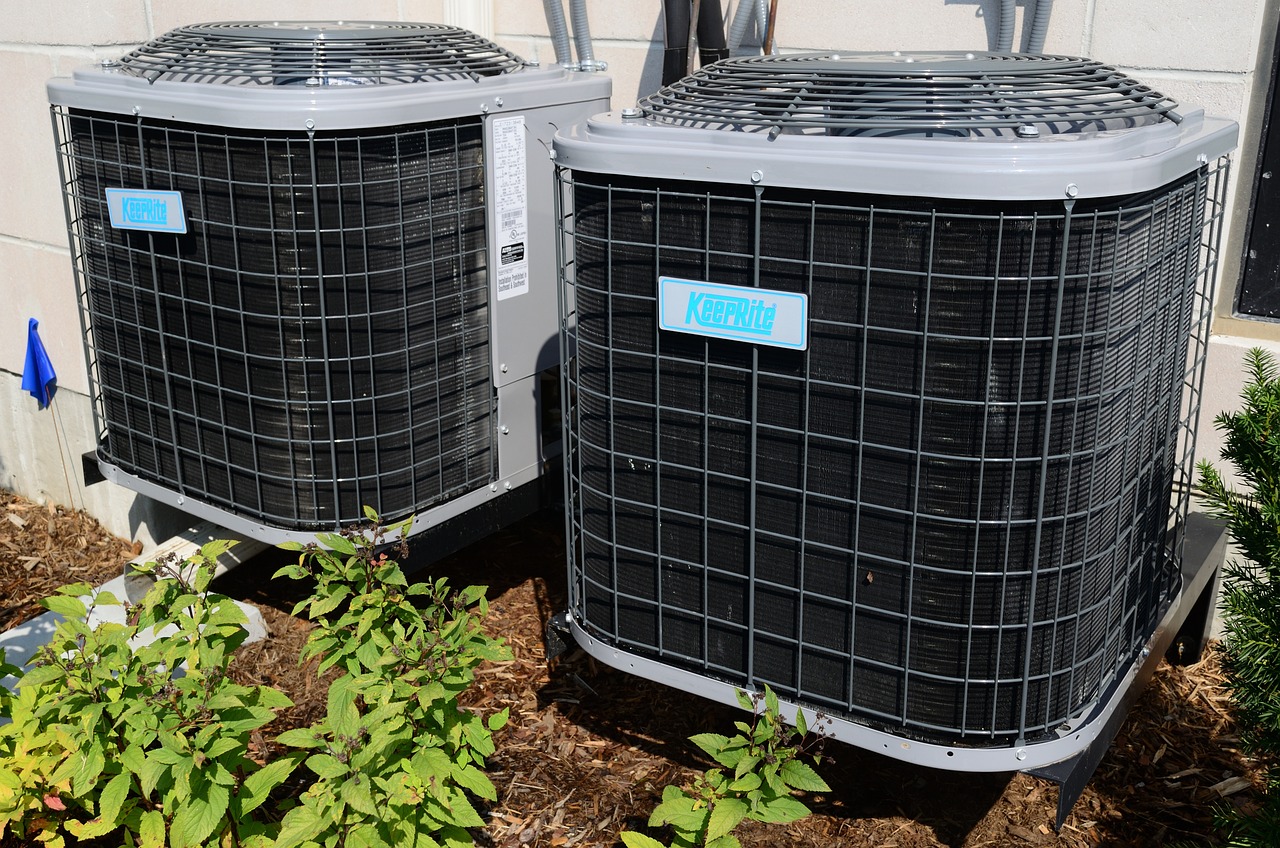
As the scorching summer heat gives way to a balmy autumn breeze, many homeowners are taking a sigh of relief and savoring the comfort of their air-conditioned sanctuaries. But did you know that your trusty AC system can do more than just keep you cool during the sweltering months? It can also be a powerful tool to elevate the resale value of your home. 

In this blog post, we’ll explore how a high-performance AC system can be a game-changer when it comes to increasing your property’s market appeal and fetching a higher price when the time comes to sell. So, let’s dive in and discover how your cooling companion can turn your home into a hot commodity in the real estate market.

Comfort and Convenience

A high-performance AC system transforms your home into a haven of comfort and convenience. Imagine a space where you can escape the sweltering heat of summer or ward off the chill of winter with ease. The ability to maintain consistent, comfortable temperatures year-round not only enhances your daily living experience but also becomes a compelling selling point for potential buyers. No more struggling with inefficient cooling or heating, and no more uneven temperatures.

With a high-performance AC system, you’ll enjoy the luxury of a comfortable living environment, making your home a sought-after retreat that promises relaxation and ease for all who inhabit it. You can contact a service company to ensure your system is well-maintained, maximizing its efficiency and longevity. For instance, Air Conditioning Repairs in Carrollton, TX will provide expert technicians who specialize in diagnosing and fixing any issues your AC system might face. This will ensure that your AC system operates at peak performance throughout the year. 

Energy Efficiency

Installing a high-performance AC system in your home goes beyond just staying cool; it’s a smart investment in energy efficiency. These advanced systems are designed to operate with maximum efficiency, which not only reduces your carbon footprint but also lowers your utility bills. Potential buyers are increasingly drawn to eco-friendly homes that offer long-term cost savings. 

With a high-performance AC system, you can proudly showcase your commitment to sustainability and responsible energy consumption. It’s a win-win situation: you enjoy a comfortable living space while simultaneously reaping the benefits of reduced energy expenditure, making your property more appealing and valuable in the real estate market.

Extended Lifespan

A high-performance AC system not only delivers superior cooling and heating but also offers the advantage of an extended lifespan. These systems are built to last, requiring minimal maintenance and providing reliable service for years to come. For potential buyers, this translates into peace of mind and a reduced likelihood of immediate HVAC replacement expenses. 

They can confidently purchase your home, knowing that the AC unit is in excellent condition and won’t become a financial burden. The promise of a longer-lasting cooling solution enhances the overall appeal of your property, making it a wise investment for those seeking a durable and low-maintenance home comfort system.

Improved Air Quality

High-performance AC systems offer more than just temperature control; they also contribute to superior indoor air quality. These systems often feature advanced air filtration and purification technologies, effectively removing allergens, dust, and pollutants from the air. This enhanced air quality can be a compelling selling point for potential homebuyers who prioritize a healthy living environment. 

Whether they have allergies, respiratory concerns, or simply value clean air, your home’s indoor air quality will stand out as a key benefit. With such a system in place, you can offer prospective buyers a space where they can breathe easy and enjoy the benefits of cleaner, fresher air.

Reduced Noise Levels

A high-performance AC system doesn’t just excel in cooling and heating efficiency but also in keeping your home peacefully quiet. These systems are engineered to operate with minimal noise, ensuring a serene and undisturbed environment. Reduced noise levels are a coveted feature for potential buyers who seek tranquility and quieter living space. 

Gone are the days of loud, disruptive HVAC units that interrupt conversations and disturb peaceful moments. With a high-performance AC system, you can offer a harmonious retreat where the background hum of the AC is barely noticeable, adding to the overall appeal of your home and providing an oasis of calm for those who call it their own.

Enhanced Resale Value

Beyond the immediate comfort and convenience, a high-performance AC system has a significant impact on the long-term resale value of your home. Prospective buyers are increasingly looking for energy-efficient, low-maintenance properties that offer advanced climate control and improved air quality. 

By investing in a top-tier AC system, you’re not only attracting more potential buyers but also positioning your home as a valuable asset in the competitive real estate market. The promise of lower energy costs, superior comfort, and fewer maintenance hassles can lead to a higher selling price and a faster sale, making your property a wise choice for both your present and future financial well-being.

A high-performance AC system offers a range of benefits that not only enhance your current living experience but also boost your home’s resale value. From energy efficiency and extended lifespan to improved air quality, reduced noise levels, and enhanced resale value, these systems represent a wise investment. Potential buyers are increasingly drawn to properties that provide comfort, cost savings, and advanced technology. By having a high-performance AC system in place, you not only enjoy a superior quality of life but also position your home as an attractive and valuable asset in the real estate market.

10 Best Tools Professional Plumbers Use To Unclog Drains

We don’t often think about the snake-like drain pipes throughout and underneath our homes until one of them gets clogged.

Everyone, at some point, has to deal with a clogged drain. It could be minor obstructs that can be taken care of using plungers, or it could turn into something more serious. No matter the severity, it’s always a good idea to let the professionals handle clogged drains.

What Causes a Clogged Drain?

Drainage systems swallow up wastewater, floodwater, rainwater, and so on. The reason drain pipes get clogged up is due to a buildup of soap, food waste, dirt, toilet paper, small objects, and a common element: hair!

This reduces the flow of used water to seep down the drain becoming a nuisance for everyone using the sink, shower, or tub. 

How Do I Fix My Clogged Drain?

Your best bet will be to call a professional to inspect the problem and let them handle the blocked situation. Why? Because they have the tools to clear the stubborn buildup of mold and dirt in your drainage systems.

If not addressed soon, this buildup of mold can lead to contaminated water and cause problems for people who suffer from asthma or allergies. 

What Tools Do Professional Plumbers Use To Clear Clogged Drains?

Seasoned plumbers are equipped with various tools to remove stubborn grease, dirt, and mold from drain pipes. Here are ten common tools they use to clear out the tubes:

 High-Definition Pipe Video Cameras

These high-definition video cameras are equipped with a flashlight and attached to a cable.

Leaks or improper attachments of pipes can be seen externally. It’s the insides of the pipe that need to be inspected. Randomly using a tool to clean the drain can result in pipe damage, especially if it’s an old pipe.

Therefore, an expert will insert and maneuver the cable camera to see what they are dealing with at the beginning. They will then be able to make a decision on which tools to use (and not to use) for a better cleanup. 

 Heavy-duty Plungers

The most common tool used to unclog drains is a plunger. These are used for light clogs, such as in sinks and shower drains.

Plungers are a plumber’s first tool of choice to unclog drains. If that doesn’t work, it’s a clear indication of a heavier and stubborn clog inside the pipe that requires a different tool to clear out. 

If it’s a heavier clog, they might use a specialized flange plunger. It looks just like any other plunger but has an additional rubber flap attached to the dome of the plunger head.

Once sealing the hole of your toilet bowl, it provides an extra level of hydraulic pressure which is necessary to clear out large clogs.

 Manual Drain Snakes

A drain snake is a staple tool in every expert’s toolbox. It consists of a long and flexible cable and coiled ends that look like a corkscrew.

This mechanism is attached to a handle that is cranked to insert the cable inside the drain pipe and pull up large obstructions such as food wastes, debris, hair, and foreign objects that block the tubes.

The cable works by navigating with twists and turns to reach deep clogs, which makes drain snakes an important tool for drain cleaning.

 Motorized Snake

Motorized drain snakes run on the same principles as manual ones. The only difference is that it operates with the push of a button. 

These motorized drain snakes are mainly used on larger pipes and stubborn clogs. The motor helps plumbers to plow through stubborn clogs that manual ones are unable to retrieve.

 Hair Drain Snake

Hair is one of the main causes of drain blockages. An average human sheds 50 to 100 hair strands per day. And most of these end up down the drain.

A single strand is no biggie, but when it’s a multitude of strands, they get knotted up together, clogging the drain pipe, often frequently. 

Luckily, hair drain snakes are one of the important tools in a plumber’s arsenal. It’s a flexible barbed wand that’s made of plastic and is soft enough to bend in many kinds of strainers and pipes.

These are good to clear hair obstructions and other garbage from kitchen and bathroom sinks and shower drains.

 Drain Pipes Auger

Drain snakes and augers are basically the same, with one key difference. Drain snakes are used to deal with small and narrow pipes, whereas augers are designed to tackle the big ones, such as toilet and shower drains. 

 Water-jet Machines

Also known as jet blasting machines or hydro-jet machines, these are used for the most persistent of clogs. It consists of a long, flexible hose and a water pump. 

These machines release water pressure of about 5000 psi and can break down drain buildup. It also removes residue, which prevents the likelihood of pipe damage. 

This equipment is highly effective in removing stains, mineral deposits, and grease buildup inside the pipes and is also environmentally friendly, as no chemicals are needed to clear up the clogs.

The downside of using jet-blasting machines is that they may be damaging to the pipes. This machine can be used on certain types of plumbing pipes, and an expert will be able to distinguish it better. 

 Cable Cleaners

Cable cleaning machines have spinning blades that cut through clogs and obstructions in the pipe. These blades will help in taking out residue buildup;  however, if it’s an old pipe, plumbers will pick other methods to clear out clogs.

Old pipes can be fragile, and cleaning them using high-end machines can further damage the tubes.

Cable cleaners have a number of models available, sectional and continuous cables, to name a few.

Sectional cables are where multiple cables are used, are shorter in length (about 15 feet), and operate faster and easier than others.

Continuous cables consist of one long cable, which ranges from 25 to 100 feet. This cable is typically wrapped within the machine, which makes it heavier and difficult to transport.

In comparison, continuous cables are less messy than sectional ones, so it really depends on what the user prefers to use for what purpose. And that is a decision only a skilled user will know.

Drain Cleaners

Chemical drain cleaners are used as a last resort. However, even then, some experts may not want to use it at all.

These chemical-induced drain cleaners are toxic and end up dissolving everything in their path. It also leaves a fume that may be harmful to health, especially if you or the members of your family suffer from allergies.

Additionally, these drain cleaners are also harmful to the environment. Rather than clearing out clogs, it may sear a hole in your pipe.

Therefore, a professional will exercise caution when using chemical drain cleaners and will always prioritize safety.

 Non-chemical Drain Cleaners

Non-chemical drain cleaners consist of home remedies such as a mixture of hot water, vinegar, and baking soda. They might help clear out minor clogs and are technically a safer alternative than chemical ones. However, they might cause even more blockage if mishandled.

When To Call The Plumber?

For a smooth plumbing system, call a plumber when the following occurs:

No Water

There can be many reasons for not having water. Check the water utility company whether they are having problems with their supply. If not, then it’s a good idea to call an expert, as your water pipes may be frozen, clogged, leaking, or corroded.

Overflow of water

If you see your toilet overflowing, you may have a clogged drain. Flushing too much toilet paper or non-flushable objects may do this. Time to call your plumber!

Slow Draining of water

The most common way to determine whether you have a clogged drain is when your water drains slowly. Grease buildup or food waste can do that, and only an expert can come to your rescue.  

Leaks

Hidden leaks can lead to low levels of water and can cause extensive damage to your walls and floors. Additionally, it will raise your water bills too. Check with your professional as soon as possible in this case.

Water damage

You will be able to see signs of water damage, such as a musty smell, wall discoloration, or a dripping sound from a leaky faucet. Call a plumber immediately, as leaving the issue as it is may result in mold growth.

Apart from when you are experiencing issues, it is a good rule of thumb to have your plumbing system checked out once every year.

A yearly home plumbing inspection can keep your house strong and well-maintained, not to mention saving you boatloads of money and the inconvenience of a clogged drain. 

To Wrap It Up

Experts are well-versed in the appropriate use of the tools and possess a variety of equipment that helps in the removal of clog buildup in drain pipes. 

From drain snakes and augers to jet-blasting machines for tough issues, these tools are crucial for a smooth flow of the plumbing system of your home.

Therefore, if you are faced with a clogged drain issue, call your plumber, who is armed with the right tools to get the job done quickly and safely. 

Drywall Mud: The Ultimate Guide to a Flawless Finish

When it comes to creating smooth, seamless walls and ceilings, drywall mud—also known as joint compound—is an indispensable component of the drywall installation and finishing process. This versatile material helps cover seams, fix imperfections, and prepare surfaces for painting or wallpapering.

Whether you’re a professional contractor or a DIY enthusiast, understanding the different types of drywall mud, its application techniques, and drying times is crucial for achieving a flawless finish.

Types of Drywall Mud

Drywall mud comes in various consistencies and compositions, each designed for specific stages of the drywall finishing process.

All-Purpose Joint Compound

As the name suggests, all-purpose joint compound is a versatile option suitable for taping, coating, and finishing drywall seams. It’s pre-mixed and ready to use, which makes it a convenient choice for various drywall projects.

Taping Compound

Taping compound is designed to have excellent adhesion and is used for embedding joint tape and filling drywall joints. It’s thicker than all-purpose compound, which helps it hold the tape in place without sagging.

Topping Compound

Topping compound is lighter and smoother than other types. It’s ideal for the final coat over taped seams because it sands easily, creating a smooth finish that’s perfect for painting.

Quick-Setting Compound

Often referred to as “hot mud,” quick-setting compound comes in powder form and needs to be mixed with water. It sets in a predetermined amount of time, which can range from 5 minutes to 90 minutes, depending on the product. This type of mud is great for patching holes or for projects that require a fast turnaround time.

Preparation and Application

Proper preparation and application are key to working with drywall mud effectively. Before you begin, ensure that the drywall surface is clean and free from dust and debris. Here’s a basic guide to applying drywall mud:

1. Start by applying a thin coat of drywall mud to the seams using a drywall knife or trowel. Press the joint tape into the wet mud, ensuring it’s centered over the seam.

2. Apply a second layer of mud over the tape, using enough pressure to squeeze out excess compound and eliminate air bubbles. Smooth the compound with your knife, feathering the edges to blend into the wall.

3. Allow the mud to dry completely before applying additional coats. Sand between coats for a smoother finish.

4. For corners, use a corner trowel to apply the compound evenly on both sides. Fold the tape along its crease and press it into the corner over the wet mud.

5. For holes or imperfections, fill them with mud and smooth the surface. Once dry, sand lightly and add more mud if necessary.

Drying Times and Sanding

Drying times for drywall mud can vary widely based on humidity, temperature, and airflow in the room. All-purpose and taping compounds usually take 24 hours to dry, while topping compounds may dry faster. Quick-setting compounds set in the specified time on the packaging, but they still require thorough drying before additional coats or sanding.

Sanding is a critical step in achieving a professional-looking finish. Use fine-grit sandpaper and sand lightly to avoid damaging the drywall. Sanding should be done in a well-lit area to help you spot any imperfections. A light touch is crucial, and remember to always wear a dust mask to protect your lungs from fine particulate matter.

Advanced Techniques for a Superior Finish

To achieve the smoothest walls, it’s vital to pay attention to the finer details of working with drywall mud:

Mixing Mud to the Right Consistency

For different applications, you may need to adjust the consistency of your drywall mud. For taping, a peanut butter-like thickness is ideal. For top coats, a slightly thinner consistency can make the mud easier to spread smoothly. If you’re using a quick-set compound, make sure to mix it to a uniform consistency without lumps to ensure an even set and finish.

Avoiding and Fixing Bubbles

When applying tape, bubbles can sometimes form underneath. This is usually due to insufficient mud beneath the tape or air trapped during application. To avoid this, firmly press the tape into the joint compound and squeeze out any excess mud and air. If bubbles appear after the mud has dried, cut them out with a utility knife, fill the void with fresh mud, and sand smooth once dry.

Feathering Edges

For invisible seams, mastering the feathering technique is crucial. Feathering involves applying more pressure on one edge of the knife to thin out the joint compound as it extends from the seam. This creates a gradual transition between the compound and the drywall.

Using a Hawk and Trowel

While many DIYers use a pan and knife, professionals often use a hawk and trowel for greater efficiency and smoother results. A hawk is a flat square plate with a handle underneath that holds the mud. A trowel is used to apply and smooth the compound. This method requires some practice but can be more effective for large areas.

Second Coat Application

When applying a second or third coat of drywall mud, make sure to extend beyond the edges of the previous coat. This technique helps to level the wall surface and ensures that seams are imperceptible.

Perfecting Inside Corners

Inside corners can be challenging because they require a smooth intersection of two surfaces. After taping, apply mud to one side of the corner and let it dry before applying mud to the other side. This prevents the drywall tape from shifting and ensures a sharp, clean corner.

Sanding Techniques

Sanding should be done with a light hand and in circular motions. Using a sanding pole can help you reach higher areas and maintain an even pressure. Remember, the goal is to make the surface smooth to the touch without removing too much material.

Final Touches for Durability and Aesthetics

After achieving the desired smoothness and ensuring all imperfections are addressed, there are a few final steps to consider before painting:

Priming

Priming is an important step that shouldn’t be overlooked. A high-quality primer will seal the joint compound and provide a uniform surface for painting. It can also help to highlight any areas that may need additional sanding.

Texture

If you desire a textured look, now is the time to apply it. There are several techniques, from simple brushed textures to more complex knockdown or orange peel effects. Drywall mud can be used for creating textures, so consider this before finalizing the smooth finish.

Inspection

Before declaring the job done, inspect the walls at different times of the day as lighting can reveal imperfections. Use a bright light to go over the walls and mark any spots that need a touch-up.

Conclusion

Working with drywall joint compound requires a meticulous approach, whether you’re applying a thin layer to smooth out imperfections or finishing drywall joints for a polished look. From mixing your all-purpose mud to the right consistency to using self-adhesive mesh tape for easier application, the nuances of handling drywall compound can make all the difference in the appearance and longevity of your drywall panels. It’s about mastering the art of blending the compound seamlessly into the surface, ensuring each swipe of your knife contributes to that flawless finish.

When it comes to taping, whether you choose paper tape carefully embedded into a layer of pre-mixed joint compound or opt for the convenience of paper joint tape, the key is to achieve a bond that eliminates any gaps or bubbles. For those on a tighter schedule, timed drywall mud can be a game-changer, setting quickly and allowing you to progress with the job at a steady pace. The goal is a sleek, uniform surface, where the transition from drywall panel to panel is invisible, highlighting the skillful application of drywall joint compounds.