Essential Tips for Finding Budget-Friendly Storage Solutions

As the need for additional storage space arises, businesses and individuals often seek outsourced storage solutions that offer both convenience and cost-effectiveness. Finding budget-friendly storage options requires careful consideration of various factors, from location to security features.

This guide explores essential tips for identifying and utilizing outsourced storage solutions that align with your budgetary constraints.

Location Matters: Proximity and Accessibility

Choosing a Convenient Location

When searching for budget-friendly storage solutions, consider the proximity of the facility to your home or business. It is essential to find the nearest unit that aligns with your budget, as this can save you both time and money. This is especially true if frequent access to stored items is necessary.

Urban vs. Suburban Options

In urban areas, storage costs may be higher due to higher demand and limited space. Suburban or rural storage facilities often offer more affordable rates. For businesses who need to store larger amounts, finding business storage units outside of a major urban area could save you thousands of dollars a year and may be worth it if you’re only accessing those items on occasion. Assess your accessibility needs and balance them with the cost implications of choosing a location closer to your premises.

Online Platforms for Comparison

Utilize online platforms that compare storage facilities in your area. These platforms provide a comprehensive overview of available options, including prices, amenities and customer reviews. By leveraging these tools, you can make informed decisions based on your budget and specific storage requirements.

Security Features: Balancing Safety and Affordability

Secure Facilities within Budget

Security is paramount when selecting a storage solution, but it doesn’t have to break the bank. Look for facilities that strike a balance between safety and affordability. Reputable storage providers offer features such as surveillance cameras, access control systems, and well-lit premises. Assess the security measures in place to safeguard your stored items while ensuring that they fit within your budget constraints.

Climate-Controlled Options

Consider climate-controlled storage for items sensitive to temperature and humidity fluctuations, such as electronics, documents or furniture. While this option may come at a slightly higher cost, it can prevent potential damage and preserve the integrity of your belongings, potentially saving you money in the long run.

Insurance Considerations

Check if the storage facility offers insurance options for stored items. While insurance may incur an additional cost, it provides an added layer of protection for your belongings. Evaluate the insurance coverage offered by different providers and choose an option that aligns with your budget and the value of your stored items.

Flexible Rental Terms: Tailoring Storage to Your Needs

Short-Term vs. Long-Term Solutions

Assess your storage needs to determine whether a short-term or long-term solution is more cost-effective. Some facilities offer discounts or promotions for long-term commitments, while others cater to short-term storage needs. Understanding the duration of storage required allows you to choose a facility with rental terms that align with your budgetary goals.

Evaluate Extra Fees and Hidden Costs

Be aware of potential extra fees and hidden costs associated with storage solutions. Some facilities may charge fees for administrative tasks, late payments, or additional services. Read the terms and conditions carefully, and inquire about any potential hidden costs to avoid surprises that could impact your budget.

Consider Downsizing and Decluttering

Before settling on a storage solution, assess whether downsizing and decluttering could help reduce the need for additional storage space. Donate, sell, or discard items that are no longer essential, minimizing the space required and potentially lowering storage costs. Efficiently using space can lead to a smaller storage unit and more budget-friendly rates.

In a Nutshell

Navigating the landscape of outsourced storage solutions requires a thoughtful approach to balance affordability with convenience and security. By considering the location, prioritizing security features, and opting for flexible rental terms, individuals and businesses can identify budget-friendly storage options tailored to their unique needs. The key lies in leveraging online resources, thoroughly evaluating facility features and making strategic decisions that align with both financial considerations and storage requirements.

Beyond the Threshold: Enhancing Outdoor Spaces with Weatherproof Access Doors

In the construction world, the evolving demands of modern architecture have paved the way for innovative solutions that seamlessly blend functionality and aesthetics. One such area gaining momentum is the integration of outdoor spaces with interior designs. 

But as construction professionals, you also understand the importance of creating durable and weather-resistant structures. So, in this blog post, we’ll delve into weather-proof access doors and explore how they can elevate outdoor spaces.

The Evolution of Outdoor Spaces

In the past, outdoor spaces were often overlooked and considered an afterthought in construction projects. Modern design focuses on creating a smooth flow between indoor and outdoor areas. Patios, rooftops, and gardens are no longer isolated; they’ve become integral extensions of our living and working environments. 

This shift in perspective highlights the importance of finding creative solutions that link these spaces seamlessly while guaranteeing they can withstand different weather conditions.

The challenge lies in creating durable and weather-resistant solutions, ensuring that these spaces remain functional and inviting, regardless of the elements. This ongoing shift in approach underscores the need for construction professionals to adapt and embrace solutions that contribute to the harmonious integration of indoor and outdoor living.

Weather-Proof Access Doors: A Gateway to Possibilities

Enter weather-proof access doors—the unsung heroes of modern construction. These access doors play a vital part in ensuring secure access to essential infrastructure such as HVAC systems, electrical panels, and other critical components. By offering a reliable and protective barrier, weather-resistant access doors contribute to a structure’s overall functionality and safety.

Key Features of Weather-Proof Access Doors

1. Protection Against Elements: Weather-proof access doors provide a robust defense against the elements. Their ability to withstand harsh weather conditions ensures an extended lifespan and reduces the need for frequent maintenance. By protecting against rain, wind, and other environmental factors, these doors contribute to a construction project’s overall resilience and sustainability.

2. Secure Access to Infrastructure: While connecting indoor and outdoor spaces, weather-proof access doors like the BA-EXT weather resistant access doors are critical in providing secure access to vital infrastructure. This includes HVAC systems, electrical panels, and other essential components. The doors’ design incorporates security features, ensuring that only authorized personnel can access these critical areas, thereby enhancing the overall safety and functionality of the building.

3. Durable Materials: Using high-quality materials to construct weather-proof access doors is pivotal to their effectiveness. Stainless steel and aluminum are selected for corrosion resistance and ability to withstand the test of time. This ensures that the doors maintain their structural integrity, aesthetic appeal, and weather-resistant properties over an extended period, contributing to the longevity of the construction project.

4. Sealed Construction: The sealed construction of weather-proof access doors is a fundamental aspect of their design. This feature prevents water, dust, and other environmental elements from infiltrating indoor spaces. The tight seals maintain a comfortable and controlled indoor environment, preventing potential damage to interior structures and ensuring that the indoor climate remains unaffected by external weather conditions. This contributes significantly to the overall comfort and functionality of the connected spaces.

Challenges Faced in Implementing Weather-Proof Access Doors

Integrating weather-proof access doors presents challenges. Successful implementation requires a coordinated effort among construction professionals.

  1. Engineering Complexity

Implementing weather-proof access doors requires careful engineering to meet aesthetic and functional requirements. Balancing the need for durability, weather resistance, and seamless integration can pose engineering challenges, demanding a high level of expertise.

  1. Regulatory Compliance

Meeting building codes and regulations is a significant challenge in the construction industry. Weather-proof access doors must adhere to specific standards to guarantee safety and performance. Maintaining evolving building codes and obtaining necessary certifications can be time-consuming and demanding.

  1. Cost Considerations

High-quality materials and advanced engineering often come at a cost. Weather-proof access doors may require a significant investment, which can be challenging for construction projects with tight budgets. Balancing cost-effectiveness with quality is a constant challenge for construction professionals.

  1. Integration with Existing Structures

Retrofitting weather-proof access doors into existing structures may present challenges in terms of compatibility and integration. Construction professionals must carefully assess the feasibility and potential modifications for successful implementation.

  1. Maintenance Requirements

While weather-proof access doors are designed for durability, they are not maintenance-free. Construction professionals must educate clients on the importance of regular maintenance to ensure long-term performance. Developing maintenance plans and educating end-users about them is a challenge that needs attention.

  1. Climate-Specific Challenges

Different climates pose varying challenges for weather-proof access doors. Extreme temperatures, humidity, and exposure to salt in coastal areas can impact the performance and longevity of these doors. Construction professionals must account for climate-specific challenges in their designs.

  1. Security Concerns

Balancing the need for access with security is crucial, especially in commercial settings. Weather-proof access doors should provide a seamless connection between indoor and outdoor spaces without compromising security. Addressing potential security concerns is an ongoing challenge in the implementation process.

  1. Project Timelines

Weather-proof access doors may be integral to a project’s overall timeline. Manufacturing, shipping, or installation delays can impact the entire construction schedule. Coordinating these aspects to ensure timely delivery and installation poses a challenge for construction professionals.

  1. Client Education and Expectations

Educating clients about the benefits, limitations, and maintenance requirements of weather-proof access doors is crucial. Managing client expectations and ensuring they understand the long-term value of these doors can be challenging but is essential for successful project outcomes.

Addressing these challenges requires a collaborative approach among architects, engineers, manufacturers, and construction professionals to integrate weather-proof access doors into outdoor spaces seamlessly. By acknowledging and proactively managing these challenges, construction projects can achieve the desired balance between functionality and aesthetics in outdoor space design.

Conclusion

As construction professionals, integrating weather-proof access doors into your projects can redefine the boundaries between indoor and outdoor spaces. They offer a harmonious blend of functionality and aesthetics. Their versatility, durability, and customization options make them valuable in creating areas that withstand the test of time and weather. Embrace the possibilities beyond the threshold and elevate outdoor spaces to new heights of design excellence.

Buy a Laundromat: A Smart Business Investment

In today’s fast-paced world, the demand for convenient and efficient laundry services is ever-increasing, making laundromats a lucrative business opportunity. If you’re considering diving into this industry, this guide will walk you through the essential steps to buy a laundromat, ensuring a smart and profitable investment.

Why Invest in a Laundromat?

Consistent Demand

Laundromats offer a recession-proof business model. Regardless of economic fluctuations, people always need clean clothes, making this a stable investment.

Passive Income Potential

With the right setup, laundromats can provide a relatively hands-off income stream, perfect for entrepreneurs looking to diversify their investments.

Community Contribution

Laundromats serve a vital community need, especially in urban areas where in-home laundry facilities are scarce.

Step-by-Step Guide to Buying a Laundromat

Step 1: Market Research

Conduct thorough market research to understand the local demand, competition, and customer demographics. Look for areas with high rental populations, as they are more likely to use laundromat services.

Step 2: Financial Assessment

Evaluate your financial capacity. Consider the initial investment, which includes the purchase price, renovation costs, and working capital. Research financing options like small business loans if necessary.

Step 3: Location Analysis

The success of a laundromat largely depends on its location. Ideal locations are easily accessible, visible, and situated in high-traffic areas near apartments or college campuses.

Step 4: Existing vs. New Laundromat

Decide whether to buy an existing laundromat or start a new one. Buying an established business can be advantageous as it comes with an existing customer base and proven cash flow.

Step 5: Due Diligence

When considering an existing laundromat, conduct due diligence. Review financial statements, inspect equipment, assess the condition of the premises, and understand any existing lease agreements.

Step 6: Modernization and Efficiency

Modern laundromats are more than just rows of washing machines. Consider upgrading equipment to energy-efficient models and adding amenities like Wi-Fi, coffee bars, and comfortable seating areas to enhance customer experience.

Step 7: Licensing and Regulations

Understand the legal requirements, including business licenses and health and safety regulations. Compliance is crucial for smooth operation.

Step 8: Operational Strategies

Plan your operational strategies. Decide if you will run the laundromat yourself or hire a manager. Implement systems for maintenance, customer service, and financial management.

Step 9: Marketing Plan

Develop a marketing plan to attract and retain customers. Utilize social media, local advertising, and loyalty programs. Remember, a strong online presence can significantly impact your business’s visibility.

Step 10: Grand Opening

Plan a grand opening event to create buzz in the community. Offer special promotions to attract your first customers and gather feedback to make improvements.

Stay informed about the latest trends in the laundromat industry. This includes technological advancements, new business models like laundry pickup and delivery services, and eco-friendly practices. Adapting to these trends not only keeps your business relevant but also appeals to a broader customer base.

Efficient Management Practices

Efficient management is key to maximizing profits. This includes regular maintenance of machines, managing utility costs, and ensuring excellent customer service. Consider using laundromat-specific software for better business management and tracking.

Building Customer Loyalty

Customer loyalty is crucial for sustained success. Regular customers provide stable income and can become advocates for your business. Implement loyalty programs, provide consistent quality service, and engage with your community to build a loyal customer base.

Scaling Your Business

Once your first laundromat is successful, consider scaling up. This could mean expanding your current location or buying additional laundromats. Scaling up should be a strategic decision based on thorough market analysis and financial stability.

Additional Tips for Success

Networking

Connect with other laundromat owners and industry professionals. This network can provide valuable insights, advice, and potential business opportunities.

Sustainability

Implementing sustainable practices not only reduces operational costs but also attracts environmentally conscious customers.

Customer Feedback

Actively seek and listen to customer feedback. This can guide improvements and innovations in your service.

Final Thoughts

Venturing into the laundromat business, particularly in the coin laundry sector, presents a unique opportunity for entrepreneurs looking to capitalize on a steady market. When considering a laundromat purchase, it’s vital to thoroughly analyze the gross income potential, which can significantly influence the decision to secure bank loans or opt for seller financing. Furthermore, understanding the nuances of repair machines is essential in maintaining a smooth, self-service operation, ensuring the business remains a good investment over time.

Keep in mind that while older machines might lower the initial cost of sale, they may require more frequent maintenance, impacting both money and time resources for the owner. The process of buying and selling a laundromat demands careful financial planning and market analysis. As an owner, exploring the integration of an online business model can enhance the traditional coin laundry setup, potentially increasing the establishment’s visibility and customer reach.

Remember, a successful laundromat purchase is not just about acquiring property; it’s about investing in a business that requires continuous engagement and improvement. By considering factors like gross income, the cost of maintenance, and the potential for modernization, entrepreneurs can make informed decisions, securing their position as savvy investors in the thriving world of self-service laundry businesses.

The Essentials of a Cap Rate Calculator

In the realm of real estate investment, understanding and maximizing returns is crucial. One essential tool for investors is the cap rate calculator, a pivotal instrument for evaluating potential real estate investments. This article delves into the nuances of the cap rate calculator, offering insights for both novice and seasoned investors.

What is a Cap Rate Calculator?

A cap rate, or capitalization rate, calculator is a tool used by real estate investors to determine the potential return on an investment property. The cap rate is calculated by dividing the property’s net operating income (NOI) by its current market value. This metric is expressed as a percentage, providing investors with a quick snapshot of a property’s profitability.

Why is the Cap Rate Important?

The cap rate is a vital metric because it offers a comparative tool for various investment opportunities. By calculating the cap rate, investors can gauge the return on investment (ROI) and assess the risk involved. A higher cap rate typically indicates a potentially higher ROI but also comes with higher risk. Conversely, a lower cap rate suggests a safer investment, albeit with potentially lower returns.

How to Use a Cap Rate Calculator

Using a cap rate calculator involves a few straightforward steps:

1. Determine the Net Operating Income (NOI)

This is the annual income generated by the property minus operating expenses (excluding financing costs).

2. Ascertain the Current Market Value

This can be the purchase price or the current market value of the property.

3. Calculate the Cap Rate

Divide the NOI by the current market value and multiply by 100 to get the percentage.

Advantages of Using a Cap Rate Calculator

Simplifies Analysis

The cap rate calculator streamlines the process of analyzing potential investments.

Comparative Analysis

It allows for easy comparison between different properties.

Informs Decision Making

By understanding the cap rate, investors can make more informed choices.

Limitations of the Cap Rate Calculator

While useful, the cap rate calculator does have limitations. It does not account for financing costs, property appreciation, or potential changes in the real estate market. Therefore, it should be used as part of a broader investment analysis strategy.

Best Practices for Using a Cap Rate Calculator

Use Accurate Data

Ensure the NOI and market value used are current and accurate.

Understand the local real estate market and how it might impact the property.

Use as a Starting Point

Use the cap rate as a preliminary assessment tool, not the sole decision-making factor.

Enhancing Your Real Estate Investment Strategy with a Cap Rate Calculator

Integrating the Cap Rate into Your Investment Analysis

While the cap rate is a powerful metric, savvy investors use it in conjunction with other tools and analyses. For instance, combining cap rate insights with cash flow analysis and market trend evaluations offers a more holistic view of the investment’s potential.

The Role of Technology in Cap Rate Calculations

Advancements in technology have simplified the process of calculating and analyzing cap rates. Numerous styles of online fee and rate calculators are available, offering basic features like adjustable inputs to more complex market comparisons. These technological tools enable investors to make quicker, more informed decisions.

The Importance of Expert Advice

Despite the utility of cap rate calculators, consulting with real estate professionals is advisable. Experts can provide context, identify market nuances, and offer advice tailored to specific investment goals and strategies.

Expanding Your Investment Horizon

Adapting to Market Dynamics with the Cap Rate Calculator

The real estate market is dynamic, with fluctuations influenced by economic trends, policy changes, and local market conditions. An effective use of the cap rate calculator involves adapting its application to these changing scenarios. Investors should regularly update their calculations to reflect current market conditions, ensuring their investment decisions remain relevant and profitable.

Combining Cap Rate with Other Financial Metrics

While the cap rate is a key indicator, integrating it with other financial metrics such as cash-on-cash return, internal rate of return (IRR), and gross rent multiplier (GRM) can provide a more comprehensive understanding of an investment’s potential. This multi-faceted approach allows investors to assess different aspects of profitability and risk.

The Evolving Landscape of Real Estate Technology

The real estate sector is witnessing a surge in technological innovation. From advanced cap rate calculators to comprehensive property management software, technology is playing a pivotal role in streamlining investment processes. Staying abreast of these technological advancements can give investors a competitive edge.

Conclusion

Understanding the intricacies of cap rate calculation is a fundamental aspect of assessing investment properties, especially in the realm of rental property. When investors calculate cap rate, they gain a clearer picture of the potential net income, taking into account factors such as property taxes, mortgage payments, and gross rental income. This calculation is essential not just for residential properties but also for commercial property, where the stakes and scales of investment can be significantly higher.

An average cap rate offers a benchmark, but savvy investors know that each property must be evaluated on its unique merits, considering the specific gross income and property value. This deeper understanding of the cap rate calculation process empowers investors to make more informed decisions, ensuring their investment aligns with their financial goals and market realities. Moreover, in today’s fluctuating real estate market, the ability to adeptly navigate through various financial metrics is invaluable. The cap rate, a critical metric, should be used in conjunction with other analyses for a comprehensive evaluation of rental property investments.

By effectively calculating the cap rate, considering all relevant income and expenses, investors can assess the viability of their mortgage payments against the expected gross rental income. This approach not only enhances the accuracy of forecasting the profitability of investment properties but also ensures a more stable and sustainable investment strategy. Keeping abreast of the property value and changes in property taxes is also crucial in maintaining an accurate calculation of the average cap rate, further solidifying the investor’s position in the competitive world of real estate investment.

Navigating the Intricacies of Escrow Disbursement

In the realm of financial transactions, particularly in real estate, the term ‘escrow disbursement’ frequently arises, signifying a crucial phase in the buying and selling process. This concept, while seemingly complex, plays a pivotal role in ensuring a secure and transparent handling of funds. In this article, we delve into the nuances of escrow disbursement, aiming to demystify its processes and highlight its significance.

Understanding Escrow Disbursement

What is Escrow?

Before unraveling escrow disbursement, it’s essential to grasp what escrow is. Escrow refers to a financial arrangement where a third party holds and regulates the payment of the funds required for two parties involved in a given transaction. It helps in making transactions more secure by keeping the payment in a secure escrow account which is only released when all the terms of an agreement are met.

The Role of Escrow in Real Estate Transactions

In real estate, escrow is a term that comes up frequently. Here, it serves as a neutral ground where the funds are held until the completion of the property transfer. This process ensures that the buyer’s funds are safe and that the seller fulfills all their obligations before the sale is finalized.

Escrow Disbursement Process

The escrow disbursement process begins once all the conditions of the transaction are met. The escrow agent then disburses the funds accordingly. This can include paying off any existing mortgages, transferring the remaining amount to the seller, and covering various transaction-related expenses like taxes and fees.

Importance of Escrow Disbursement

Protection for Buyers and Sellers

The primary benefit of escrow disbursement is the protection it offers to both parties. Buyers can rest assured that their funds are safe until all their conditions are met, while sellers are guaranteed payment upon fulfilling their obligations.

Preventing Fraud and Misunderstandings

Escrow disbursement also plays a vital role in preventing fraud and misunderstandings. The escrow agent acts as a neutral party, ensuring that the transaction adheres to the agreed-upon terms, thus minimizing the risk of fraud and disputes.

Choosing an Escrow Agent

Selecting a reliable escrow agent is a crucial step in this process. It’s important to choose someone experienced and with a good reputation in the industry. They should be licensed and insured, providing an added layer of security and trust.

Common Challenges in Escrow Disbursement

Despite its benefits, navigating escrow disbursement can come with challenges. Delays can occur due to incomplete documentation or unmet conditions. It’s essential for all parties involved to understand their responsibilities and ensure all requirements are fulfilled promptly.

Addressing Delays and Complications

One of the primary challenges in escrow disbursement is dealing with delays. These can stem from a variety of issues, such as incomplete paperwork, pending approvals, or last-minute disputes. To navigate these complications, it’s crucial for all parties to maintain open communication and address any concerns promptly. Timely resolution of these issues ensures a smoother escrow process.

Escrow disbursement is also governed by legal regulations that vary by region. Ensuring compliance is paramount for a legitimate and dispute-free transaction. This is where an escrow agent’s expertise becomes invaluable, as they are well-versed in local laws and regulations. Their guidance can help avoid legal pitfalls that could otherwise complicate the transaction.

The Role of Technology in Escrow Disbursement

In recent years, technology has revolutionized the escrow process. Digital escrow services offer enhanced security, faster transactions, and improved transparency. These platforms enable all parties to monitor the transaction in real-time, adding an extra layer of confidence and efficiency.

Tips for a Smooth Escrow Disbursement Experience

Clear Communication

Keep all lines of communication open. Regular updates from the escrow agent can prevent misunderstandings and provide reassurance.

Understand the Terms

Ensure that all parties have a clear understanding of the terms of the escrow agreement. Knowledge of what triggers the disbursement and what each party’s responsibilities are is crucial.

Prepare Documentation

Have all necessary documents ready and in order. Delays often occur due to missing or incomplete paperwork.

Trust the Process

Escrow is designed to protect everyone involved. Trusting the process and the professionals involved can alleviate stress and lead to a successful transaction.

Final Thoughts

Escrow disbursement is not just a critical component in real estate transactions; it also plays a significant role in managing ongoing financial responsibilities for homeowners. Escrow accounts are commonly used to handle property taxes and homeowners insurance, ensuring that these crucial payments are made on time and without hassle. By including these expenses in monthly mortgage payments, homeowners can simplify their financial planning.

Monthly escrow payments are meticulously calculated to cover the anticipated annual costs of tax and insurance payments, thereby protecting both the lender and the homeowner. This methodical approach ensures that insurance premiums and property taxes are never overlooked, safeguarding the property and the homeowner’s investment. However, it’s important to recognize that fluctuations in property taxes or insurance premiums can lead to an escrow shortage or surplus. In instances where an escrow shortage occurs, homeowners may need to pay additional amounts to cover the deficit.

Conversely, an escrow refund occurs when there’s an overage in the account due to lower-than-expected insurance or tax expenses. It’s essential for homeowners to stay informed about these changes and adjust their monthly payments accordingly. Consulting with a real estate agent or financial advisor can provide clarity and assistance in understanding these nuances. Regular reviews of escrow accounts ensure that homeowners are not caught off guard by unexpected changes in their monthly mortgage payment, maintaining financial stability and peace of mind.

Dubai’s Real Estate Market: A Guide for Investors

With its iconic skyline, luxurious properties, and thriving economy, Dubai has firmly established itself as a top global destination for real estate investment. It’s a city that’s made tremendous progress in recent years and the number of would-be buyers looking to take advantage shows no signs of easing. If you happened to be one of those and are considering venturing into this dynamic market, here’s an in-depth overview of what you need to know before starting your journey. Along with an overview of the Dubai Real Estate market in particular, this article also covers some general real estate investing advice applicable to just about any property investment. 

Varied Investment Opportunities

Dubai’s real estate market offers an array of investment opportunities for just about anyone. From luxury villas and apartments to off-plan properties, and holiday homes, the array of options caters to various investor preferences and financial capabilities. Whether you’re looking for a property to move into, a buy to let property, or something with high capital appreciation, Dubai’s real estate market has a property type to suite. 

Favorable Investment Environment

Unlike most western countries and cities, Dubai Real estate market is open to everyone. It’s a city that extends a warm welcome to both local and international investors, positioning itself as an attractive alternative for many international buyers. Protecting buyers and sellers’ interests is a set of rigorous regulations leading to a transparent and secure investment process. Furthermore, this regulatory framework enhances investor confidence and adds to Dubai’s reputation as a safe haven for real estate investment.

Dubai Off-Plan Investment Options

Dubai is a growing city so it’s no surprise that the number of off plan properties under construction and available for purchase is plentiful. Investing in off-plan properties, which involves purchasing a property before its completion, is a popular strategy in the city and something that has helped it get to where it is today. Buying a property off plan provides the opportunity to secure properties at lower prices and capitalize on capital appreciation during the construction period. Additionally, off plan properties are purchased via an initial deposit and a pre-determined schedule of payments. This means you are required to come with less money up front allowing you the opportunity to purchase a property at a higher price point than usual. This type of purchase is quite common with around 50% of all Dubai real estate transactions being for off plan properties. 

Luxury Lifestyle and High Demand

Dubai is synonymous with luxury properties that come with an enviable lifestyle experience. Many of Dubai’s communities offer refined living environments equipped with world-class amenities and a lifestyle to match. The demand for such communities remains robust, especially from high-net-worth individuals and expatriates seeking the finer things in life. Investing in upscale communities not only offers the potential for substantial capital appreciation but also the allure of a luxurious lifestyle for years to come. 

Dubai Favourable Tax System

Dubai, unlike just about every place on earth has no income or capital gains tax. This makes it a magnet for smart investors looking to minimize their tax bills and maximize returns. The result of the city’s tax system is that buying property is whole lot more attractive than most places. As any investor would know, tax is one of the biggest costs you need to account for when selling a property and is often the difference between a great and mediocre investment. 

Strategic Investment Choices

Real estate Investors can and often do adopt different strategies. Whilst some are more attracted to rental income others look for investments with the best capital appreciation potential. Both strategies can work very well and whilst there is no right or wrong answer the one that’s right for you will depend on your investment goals. Rental properties or buy to let property offer a steady income stream, while growth focused properties usually come with less ongoing income but if done right, significantly higher sale prices. 

General Real Estate Investing Advice

  • Financial Prudence: Ensure you have a clear understanding of your financial capabilities and limitations. Knowing your finances will reduce outside noise and help you focus in on investments that are relevant and best suited for your circumstances. 
  • Diversify and Reduce Risk: Distribute your investments across various property types to in different areas or communities. This is a great way to hedge against risks specific to a particular property type and diversify your portfolio. A diversified portfolio can help mitigate the impact of market fluctuations on your overall investment performance.
  • Due Diligence Matters:  Familiarise yourself with the market you are looking to buy in and even more, so the property type you are looking to buy. Systematic due diligence doesn’t guarantee things won’t go wrong but it certainly goes a long way in minimizing the likelihood of unexpected issues down the road.
  • Location, Location, Location: It’s the oldest saying in real estate and for good reason; location matters. When buying a property for investment opt for options in strategic locations, characterized by great connectivity, comprehensive amenities, and the potential for future growth. A property’s location more than any other single factor influences its potential for capital appreciation and rental demand.
  • Have a Team of Professionals: Having a team of experts working for you is essential. Don’t be afraid to Seek the guidance from experienced real estate agents, financial advisors, and legal experts. Their expertise can help you navigate complex real estate transactions and regulatory requirements. This is something that’s even more crucial when investing in a foreign real estate market that you are not as familiar with. 
  • Time in Market Matters: Remember the fact that real estate in most cases is a long-term asset. For this reason, concentrate on its potential for appreciation over years, rather than chasing short-term gains. Whilst short term gains are certainly possible, they aren’t always guaranteed so a longer-term approach is needed. 

There is little doubt Dubai’s real estate market offers an abundance of opportunities for all type of investors. With its various investment options, customer focused regulations, and the quality of lifestyle on offer Dubai stands as a prominent global destination for anyone looking to invest in real estate. It’s a city with huge ambition and expansion plans and that brings with it vast opportunities for those willing to go for the ride. 

Why Upgrading Your AC Enhances Home Value: Key Considerations

When it comes to homeownership, one of the primary concerns is maximizing the value of your property. Whether you plan to sell in the future or simply want to create a comfortable living space, upgrading your air conditioning (AC) system can have a significant impact on your home’s overall value. In this blog post, we will explore why upgrading your AC enhances home value and discuss key considerations to keep in mind.

Understanding the Impact of AC on Home Value

Upgrading your air conditioning (AC) system can significantly impact your home’s value. According to the team behind Billy Aircon Service, an energy-efficient and modern AC system can increase property value in several ways. First, comfort is a crucial factor for potential buyers, and a well-functioning AC system provides a pleasant living environment. Second, energy efficiency is highly valued in today’s real estate market, as it helps reduce utility bills and can make homeowners eligible for tax credits and rebates. Third, noise reduction technology in modern AC systems creates a peaceful living environment, which is appealing to buyers. Additionally, upgrading to a new AC system can lower maintenance costs and improve indoor air quality. Studies have shown that properties with upgraded AC systems tend to sell for higher prices than those without. Therefore, investing in your AC system can enhance both comfort and home value

Key Considerations When Upgrading Your AC

When upgrading your AC system, there are several key considerations that can maximize both comfort and home value.

1. Energy Efficiency

Energy efficiency is a critical factor to consider when upgrading your AC. Not only does an energy-efficient system help reduce utility bills, but it can also make you eligible for potential tax credits and rebates. According to the U.S. Department of Energy, energy-efficient cooling systems can save homeowners up to 20-50% on their energy costs compared to older, less efficient models.

2. Smart Technology Integration

Integrating smart technology into your AC system brings numerous benefits. With remote access and control, you can adjust the temperature and settings of your AC from anywhere, ensuring optimal comfort and energy savings. Smart thermostats also offer energy-saving features such as learning algorithms that adapt to your preferences, further enhancing efficiency.

3. Noise Reduction

Noise reduction is often overlooked but plays a crucial role in creating a peaceful living environment. Upgrading to a modern AC system with noise-reduction technology can significantly enhance the overall comfort of your home. Additionally, potential buyers are more likely to value a quiet home, which can positively impact your property’s value.

4. System Longevity

Investing in a new AC system not only improves your home’s value but also lowers maintenance costs over time. Older AC systems tend to require frequent repairs and maintenance, which can add up over the years. By upgrading to a newer system, you can enjoy a longer lifespan with fewer maintenance issues, saving money in the long run.

5. Improved Air Quality

Another essential consideration is the impact of your AC system on indoor air quality. A new AC system can filter out pollutants, allergens, and improve air circulation, contributing to a healthier living environment. This improvement in air quality not only benefits the residents’ health but also attracts potential buyers who prioritize a healthy indoor environment.

Calculating Return on Investment (ROI)

When considering an AC upgrade, it’s essential to evaluate the return on investment (ROI). Factors to consider include the cost of the upgrade, potential energy savings, increased property value, and future savings on maintenance and repairs. While ROI may vary depending on various factors, such as location and real estate market conditions, studies have shown that properties with upgraded AC systems tend to sell for higher prices than those without.

Real estate professionals and industry experts emphasize the importance of an efficient and modern AC system when it comes to home value. According to a study conducted by the National Association of Realtors, the majority of homebuyers consider central air conditioning as a desirable feature. Furthermore, real estate market trends reveal that homes with upgraded AC systems tend to attract more potential buyers and sell at higher prices.

In conclusion, upgrading your AC system is a wise investment that enhances both comfort and home value. When considering an upgrade, key considerations such as energy efficiency, smart technology integration, noise reduction, system longevity, and improved air quality should be taken into account. By maximizing the benefits of a new AC system, you can enjoy increased property value, reduced utility bills, and a comfortable living environment. So, don’t hesitate to invest in your home’s future by upgrading your AC system today.

Understanding the Benefits of Installing a Solar Roof

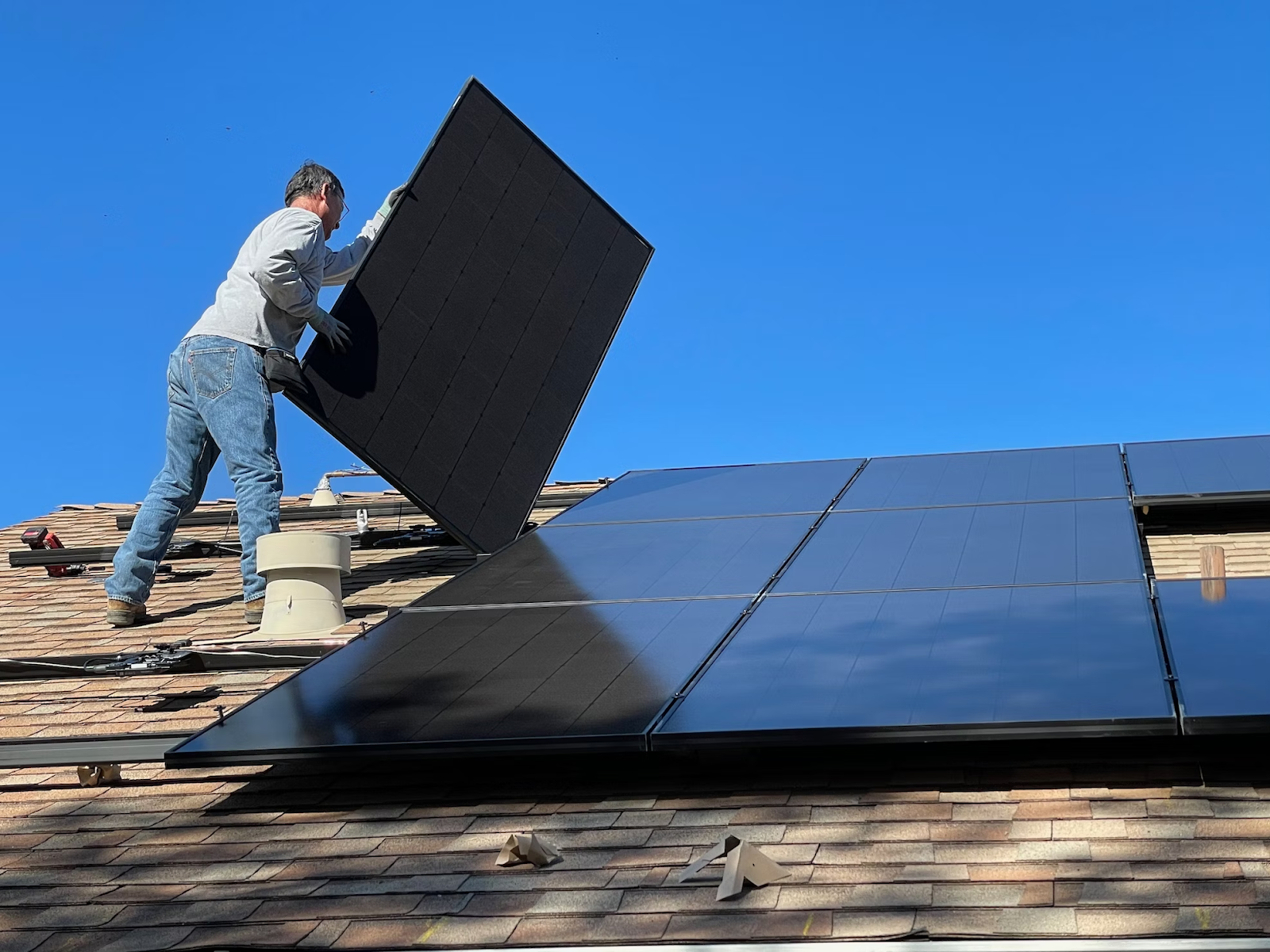
Harnessing the power of the sun is not just a futuristic dream – it’s a practical reality with the installation of solar roofs. If you’re considering upgrading your home, understanding the benefits of a solar roof is crucial. This innovative technology goes beyond environmental consciousness – it’s a smart investment with immediate and long-term advantages for you and your household.

Cost Savings

Say goodbye to soaring electricity bills. Solar roofs convert sunlight into electricity, significantly reducing your dependence on the grid. This translates to substantial cost savings over time. If you’re looking for top-notch roofing and solar solutions in Southern California, consider San Diego County Roofing & Solar for their expertise and commitment to quality. Once installed, your solar roof becomes a reliable, sustainable source of energy, shielding you from the volatility of traditional energy prices. The initial investment pays off through reduced monthly bills and potential government incentives, making your wallet and the environment both winners.

Energy Independence

Become the master of your energy destiny. With a solar roof, you’re not just a consumer – you’re a producer. Generate your electricity and take control of your energy consumption. No longer worry about power outages or energy market fluctuations. By tapping into a renewable resource, you contribute to a more stable energy future while ensuring a reliable power supply for your home. It’s a move towards energy independence that benefits you and the community.

Environmental Impact

Make a tangible difference in the fight against climate change. Solar roofs are a clean and sustainable energy solution. By harnessing sunlight to power your home, you significantly reduce your carbon footprint. The environmental impact is substantial, as solar energy is a renewable resource that doesn’t emit harmful pollutants. Installing a solar roof is a direct and effective way to contribute to a healthier planet for current and future generations.

Reduced Greenhouse Gas Emissions

Solar energy is a key player in the reduction of greenhouse gas emissions. Unlike traditional energy sources such as coal or natural gas, solar power generation produces minimal to no emissions. By choosing a solar roof, you actively participate in diminishing the harmful gases responsible for global warming and climate change.

Conservation of Natural Resources

The installation of a solar roof aligns with a sustainable lifestyle by conserving finite natural resources. Traditional energy sources, like fossil fuels, deplete non-renewable reservoirs and contribute to environmental degradation. Solar roofs utilize the abundant and perpetually available energy from the sun, promoting a more responsible use of Earth’s resources.

Increased Property Value

Boost your home’s value while making a positive impact. Properties equipped with solar roofs are increasingly attractive to homebuyers. The prospect of reduced energy costs and a commitment to sustainability make these homes more desirable in the real estate market. Investing in a solar roof is both an upgrade for your current lifestyle and a strategic move that pays off when it’s time to sell, offering a return on investment that adds to your property’s overall value.

Incorporating a solar roof isn’t just a nod to environmental responsibility – it’s a smart decision that benefits your finances, lifestyle, and the planet. From cost savings and energy independence to a reduced carbon footprint and increased property value, the advantages are clear. Embrace the power of the sun and transform your roof into a clean, efficient energy source that works for you, both now and in the future.

The Value of Home Tours When Selling Your Home

Most homebuyers begin their search online, browsing listings and viewing photos before deciding which homes they want to see in person. Virtual video home tours have become an essential tool for real estate agents and sellers to showcase properties effectively to prospective buyers. Investing in a compelling video walkthrough could be one of the best moves a home seller can make in marketing their property – read on to find out why.

The Advantages of Home Tours

Virtual video tours have become a must for any seller looking to effectively market their home. They provide numerous benefits that make them well worth the investment. For one, video tours allow buyers to view the home anytime from anywhere, expanding the accessibility and reach of your listing exponentially. They also provide buyers with a realistic experience of walking through and viewing the home. It’s much more engaging and informative than photos alone, and gives a better idea of layout and scale to help buyers make the right choice.

Video tours also enable you to highlight specific features and showcase the very best aspects of the home, like a gourmet kitchen or spa-like bathroom. They help buyers determine if it’s even worth taking the time to visit in person for a showing, which saves everyone from wasted time and frustration.

Most importantly, an exciting video tour can create enthusiasm and allow buyers to fall in love with your home before they even set foot inside. Investing in a compelling video tour with creative filming shots translates directly into wider exposure for your listing, and greater success finding a buyer.

Tips for Great Results

Hire a Professional

When investing in a video tour for your home listing, it pays dividends to hire a professional videographer to ensure the highest quality and most compelling final product. While it may be tempting to film it yourself on a smartphone, nothing can replace the skill of an experienced videographer. Look for someone who has extensive experience filming real estate and virtual tours specifically. They’ll have the right equipment and lenses to properly capture both wide shots of each room as well as key details like moldings and fixtures.

A true professional will know how to frame shots effectively and edit the footage to create a cohesive, visually pleasing walkthrough. They’ll use tricks like overlays, 3D effects, ambient sound, and music to enhance the viewing experience. Though hiring a pro costs more upfront, it translates into a showcase-worthy tour that accurately represents a home in the best possible light.

Don’t Neglect the Surroundings

Don’t limit your shots to just the interior of the home. After all, buying a property is as much about the surroundings as it is the home. Walk around the home to highlight features like a spacious backyard, patio area, pool, or landscaping that will help convey the size and style of the space.

Also take some time to film the streets and amenities around the home. This gives potential buyers a feel for the surrounding community and highlights nearby conveniences like parks, schools, and shopping, which are crucial to finding the right property for your needs and lifestyle.

Try to capture lifestyle elements like people out walking dogs, kids playing, or neighbors gardening, as this will help buyers visualize themselves living in the community. Well-filmed exterior shots complete the narrative and show buyers everything that’s great about their potential new home and location.

Enrich the Viewing Experience

When it comes to creating a video that converts, you should never underestimate the power of sound. It’s a key factor for creating an engaging and immersive virtual home tour. Incorporating ambient sound, music, and voiceovers can greatly enhance the experience for online viewers. You may even consider adding natural sounds like birds chirping or a crackling fireplace to make the property come alive.

Background music will also help set the right tone and keep your viewers interested. Choose upbeat songs and avoid anything too slow or somber that might give the wrong impression of the property. If your budget allows, having a professional narrator record a voiceover explaining the home’s features helps buyers better understand what they are seeing.

Keep It Brief

When editing your home’s video walkthrough, it’s recommended to keep each room segment brief – aim for 30-45 seconds per room. This provides enough time to showcase the space while avoiding dragging on too long. Most real estate sites and platforms like YouTube have optimal video lengths for quality and engagement. Keeping segments around 2-3 minutes each allows you to capture the highlights and key features of each room efficiently.

You can move seamlessly from space to space, maintaining the viewer’s attention throughout the tour. If certain rooms are larger or have important features you want to focus on, you can extend those clips slightly as needed. But aim to keep the complete tour digestible and easy for viewers to get a good sense of the property without needing to invest too much time. Remember, buyers have short attention spans when browsing listings online.

In today’s digital-first real estate landscape, investing in a professional video tour is one of the smartest moves a home seller can make. Home shoppers viewing listings online have come to expect and rely on video tours as part of their decision-making process. As a seller or agent, your goal is to make those crucial first impressions count when buyers view your listing online. A creative, high-quality video tour allows you to control the narrative and showcase your home in its very best light.

What is a Shelf Company?

In today’s fast-paced business world, entrepreneurs often seek streamlined solutions to establish their presence in foreign markets. Two such options gaining popularity are ready-made companies in Estonia and the purchase of shelf companies in Singapore. These strategies offer a quicker route to international expansion, saving valuable time and effort. In this article, we will delve into the intricacies of obtaining a ready-made company in Estonia and buying a shelf company in Singapore, providing insights into the advantages, legal considerations, and key steps involved in seizing these opportunities.

Ready-Made Companies in Estonia

When considering Estonia as a destination for business expansion, ready-made companies can be a game-changer. Here’s what you need to know:

Understanding Ready-Made Companies

  • Ready-made companies, also known as shelf companies, are pre-registered entities that are legally compliant and ready for immediate use.
  • Explore the advantages, such as faster market entry and reduced administrative burden.

Benefits of Ready-Made Companies

Ready-made companies offer numerous advantages for entrepreneurs. Here’s a closer look:

Advantages of Ready-Made Companies in Estonia

  • Gain access to an established legal entity with a track record.
  • Enjoy quicker market entry and potential tax benefits.
  • Facilitate business operations without the delays of company registration.

Purchasing Shelf Companies in Singapore

Singapore is a global business hub, and purchasing a shelf company can be a strategic move. Let’s explore the details:

Buy Singapore shelf company

  • Understand the concept of a shelf company and its readiness for immediate business activities.
  • Explore Singapore’s business-friendly environment and its appeal to international entrepreneurs.

Advantages of Shelf Companies in Singapore

Shelf companies offer unique advantages when expanding into the Singaporean market. Here’s what you stand to gain:

Benefits of Shelf Companies in Singapore

  • Tap into Singapore’s reputation for stability, trustworthiness, and ease of doing business.
  • Streamline the process of entering contracts, acquiring assets, and engaging in business transactions.

While ready-made companies and shelf companies offer convenience, navigating legal requirements is essential. Here’s a guide to staying compliant:

Legal Considerations and Next Steps

    • Ensure compliance with local regulations and tax obligations in Estonia and Singapore.
    • Consider the transfer process and necessary documentation for a seamless transition.

Conclusion

Expanding your business globally is a thrilling endeavor, and utilizing ready-made companies in Estonia or shelf companies in Singapore can provide a significant head start. These options offer speed, convenience, and opportunities for immediate market entry. However, it’s crucial to approach these strategies with a solid understanding of the legal intricacies involved. By carefully weighing the benefits and legal considerations, you can make an informed decision that propels your international business journey towards success.

6 Feng Shui Guidelines for Settling Into Your New Apartment

Every one of us has probably, at least at some point heard about Feng Shui – an ancient Chinese art of arranging pieces and furniture in your home in order to create a more balanced environment and create a closer connection with nature.

This philosophy relates to the more encompassing idea of Tao or “The Way” or, in other words, the natural order of things both humans and their living environment need to be connected with to be more prosperous.

This idea has taken very strong roots in the West and even the people who are not tied to the Chinese spiritual tradition are trying to make their homes more comfortable, functional, and happier places to spend their time in. Well, let us take a look then at a couple of Feng Shui tenets you can use in your new apartment to make it more homely.

Start with the good old decluttering

Feng Shui, and Taoist philosophy in general, put a very heavy emphasis on the absence of any kind of baggage, be it emotional, societal, or real-life everyday clutter. You should be in tune with the nature and world around you with no things holding you back. So, look at moving into a new house as an opportunity to get rid of the clutter, accept new gifts life throws in your way, and start fresh. Here you can use the strategies you would otherwise use when moving from a house to a smaller apartment. According to old customs, burning plant materials will clear your home of blocked energies as well.

Open up doors and windows

In Feng Shui tradition, windows, and doors are seen as your apartment’s eyes to the outer world. If you want to see the world as it is and allow its flow to interact with the interior flow of your home, you need to keep the doors and windows open. This is a very novel and timeless idea since exposure to natural sunlight is scientifically proven to produce excellent benefits for your health and mood. But, in order to do that, you will need to pick an apartment with access to natural sunlight. So, look for properties that feature a lot of window space and access to fresh breathable air.

Leverage natural resources

The vicinity of flowing water is believed to bring a lot of prosperity to your home. So, see that your apartment is situated near some river. If you are, for instance, moving to Atlanta, you should look for apartments for rent in the northwestern corner of the city near the Chattahoochee River National Recreation Area. Having a mountain behind your new apartment will bring in a lot of good fortune as well. But, these things are not important only for supplying your home with beneficial qi. You will also get very good recreation opportunities which can do nothing but benefit your private life in the new area.

Pay attention to the kitchen and bedroom

Both of them are incredibly important for the seamless Feng Shui flow. Well, for a start make sure that you have unused space above the cupboards since they pick up piles of dirt which, in turn, disperse bad energy around your house. When it comes to bedrooms, the rules dictate that the layout should feature sufficient symmetry, and position the bed so you see the entrance doors when you are lying but don’t be in front of it. You should also do your best to incorporate naturalistic elements, avoid mirrors, limit tech as much as possible, and use tranquil colors like blue and green.

Double down on indoor plants

As you have seen by now Feng Shui philosophy is quite heavy on the idea of connection with nature. So, you can probably guess that if you want to follow its tenets, indoor plants are very welcome in your new apartment. Some of the picks that are recommended by Feng Shui guidelines come in the form of snake plants, hedgehog aloe, philodendron, rubber plants, and, of course, the Money Tree which, according to belief, attracts wealth and prosperity. This specific plant should be situated in the southwestern part of your new apartment which is, according to tradition, connected to wealth.

Things you should absolutely not do

Last but not least, aside from good practices, Feng Shui also outlines some very important taboos you should strongly avoid. With that in mind, your new apartment should not be situated at the end of the street, dead-end road, or T-intersections that are all considered unlucky. Stay away from hospitals and cemeteries as well. And you should not have a straight road leading from the front door. Opt for a curvy driveway instead. Finally, be sure to bring all the household items yourself. Hired workers will bring in their own personal energies which is something you should keep for yourself.

Wrapping-up

We hope these couple of tips will give you a general idea about some of the most important Feng Shui practices you can implement when moving into a new apartment. Of course, these are only the basic outlines. Both Feng Shui and Taoism are very rich traditions stacked with different rituals and belief systems. If you want to explore them in greater depth feel free to do so. But, even these few mentions will help you start the next chapter of your life on the right foot.

Understanding Storm Window Replacement

When extreme weather strikes, storm windows are your home’s first line of defense. They not only protect against harsh elements but also contribute to energy efficiency. As such, understanding when and how to replace storm windows is crucial for maintaining your home’s safety and comfort. This comprehensive guide delves into the essentials of storm window replacement, offering valuable insights for homeowners.

The Importance of Storm Windows

Storm windows are an additional layer of protection for your home. They are installed on the exterior or interior of primary window panes, providing an extra barrier against wind, rain, and debris. More than just a protective measure, storm windows offer insulation, reducing heat loss and helping in energy conservation.

Signs You Need to Replace Your Storm Windows

Knowing when to replace storm windows is key to maintaining their effectiveness. Look out for these signs:

Visible Damage

Cracks, warping, or broken frames are clear indicators.

Drafts and Leakage

If you feel air coming through or notice moisture, it’s time for a replacement.

Difficulty in Operation

Struggling to open or close your storm windows suggests wear and tear.

Condensation Between Panes

This indicates a seal failure, reducing the window’s insulative properties.

Choosing the Right Storm Windows

When selecting new storm windows, consider these factors:

Material

Aluminum, vinyl, and wood are common choices, each with its pros and cons.

Energy Efficiency

Look for features like low-E coatings and insulating gases for better thermal performance.

Style and Aesthetics

Ensure the storm windows complement your home’s design.

Budget

Balance cost with quality and long-term benefits.

The Replacement Process

Storm window replacement can be a DIY project or require professional help, depending on the complexity. Here’s a general overview of the process:

  1. Measurement and Selection: Accurately measure your existing windows and select the appropriate replacements.
  2. Removal of Old Windows: Carefully remove the existing storm windows, taking care not to damage the primary windows.
  3. Installation of New Windows: Install the new storm windows, ensuring a tight and secure fit.
  4. Sealing and Finishing: Apply caulking and weatherstripping to seal any gaps, enhancing the window’s insulative properties.

DIY vs. Professional Installation

Consider these factors when deciding between DIY and professional installation:

  • Skill Level: DIY is feasible if you have the necessary skills and tools.
  • Complexity of the Job: Some window designs might require professional expertise.
  • Time and Effort: Evaluate if you have the time and ability to undertake the task.

Maintenance Tips for Prolonged Lifespan

Regular maintenance can extend the life of your storm windows:

  • Regular Cleaning: Clean the glass and frames to prevent dirt buildup.
  • Inspect Seals and Caulking: Check for gaps or cracks annually.
  • Lubricate Moving Parts: Ensure smooth operation of moving components.
  • Prompt Repairs: Address minor damages before they escalate.

Frequently Asked Questions About Storm Window Replacement

Q1: How often should storm windows be replaced?

Storm windows don’t have a one-size-fits-all lifespan. It largely depends on the material, environmental conditions, and how well they are maintained. Generally, a well-maintained storm window can last up to 20 years. However, it’s wise to inspect them annually for any signs of wear or damage.

Q2: Can storm windows improve home energy efficiency?

Absolutely! Storm windows are an excellent investment for enhancing home energy efficiency. They add an extra layer of insulation, reducing heat loss during winter and heat gain during summer. This means less reliance on heating and cooling systems, leading to lower energy bills.

Q3: Are there specific types of storm windows for different climates?

Yes, storm windows are designed to cater to various climatic conditions. For instance, in colder regions, storm windows with low-emissivity (low-E) coatings are beneficial as they reduce heat loss. In hurricane-prone areas, storm windows are built to withstand high winds and flying debris.

Q4: Is it better to repair or replace damaged storm windows?

This depends on the extent of the damage. Minor issues like loose hardware or small cracks can often be repaired. However, significant damage, like a broken frame or seal failure, typically warrants a replacement. Weighing the cost of repair against replacement and considering the age of the windows is crucial in making this decision.

Q5: Can I install storm windows on all types of primary windows?

Storm windows are quite versatile and can be installed on most types of primary windows. However, the installation process may vary depending on the style and material of your primary windows. It’s always best to consult with a professional to determine the best fit for your specific window type.

Key Takeaways

  • Inspection is Crucial: Regularly inspecting your storm windows can prevent minor issues from becoming major problems.
  • Energy Efficiency: Choosing the right storm windows can significantly reduce your energy costs.
  • Professional Advice: When in doubt, seek professional guidance to ensure you’re making the best decision for your home.
  • Maintenance Matters: Routine maintenance is key to extending the lifespan of your storm windows.

Final Thoughts

Whether you opt for exterior storm windows or interior storm windows, the choice significantly influences your home’s protection and energy efficiency. Exterior storm windows are ideal for shielding your home from the harsh elements, while interior storm windows offer an added layer of insulation, particularly beneficial in colder climates. For those considering replacement windows, it’s essential to assess whether a full window replacement is necessary or if upgrading within the existing window opening suffices.

Low-E storm windows are an excellent choice for those looking to enhance energy efficiency, as they effectively reduce heat transfer, making them a superior option compared to traditional single-pane windows. In contrast, double-pane windows provide an additional layer of insulation, further enhancing energy performance. When installing storm windows, selecting the right material is crucial, with aluminum storm windows being a popular and durable choice. They not only offer longevity but also blend well with various architectural styles.

The decision between single-pane and double-pane windows hinges on your specific needs for insulation and energy efficiency. It’s important to remember that while installing storm windows can be a DIY endeavor, professional assistance ensures precision and optimal performance. Ultimately, whether upgrading to high-efficiency low-E storm windows or opting for robust aluminum storm windows, your choice plays a pivotal role in fortifying your home’s defense against weather and improving overall energy efficiency.