How Much Do You Really Need For A Deposit On Your First Home?
You may be surprised to learn that the home you’ve been dreaming about is within your reach with a lower down payment. The deposit required depends on the mortgage you choose.
More and more opportunities offer first-time buyers the chance to get into their homes for much less than the traditional 20% down payment. Using a borrowing power calculator helps you determine which type of loan and deposit amounts best suit your specific circumstances. Of course, there are benefits and drawbacks you’ll need to be aware of for each choice.
Continue reading as we cover the details of how down payments affect your first home’s mortgage terms.
Down Payment Definition
When you sign a mortgage contract, the lender requires you to put forth an initial payment or deposit in a percentage amount related to the home’s asking price, typically starting at 5% and incrementing up to 20%. The rationale for this upfront commitment is that the lender gains confidence that you have the financial backing to see the loan through to completion without defaulting.
From your perspective as the buyer, you gain equity into the home as your down payment increases. If you elect to sell before the loan term ends, you stand to break even or perhaps book a gain, depending on the market.
Loan Classifications
Once you’ve used your borrowing power calculator to assess what kind of loan you can take out, you need to work out the right mortgage for you.
Fixed Rate Mortgage
A fixed-rate mortgage allows you to lock into the same interest rate for the duration of your loan. Terms range from 10 to 30 years. Borrowers who put down less than 20% of their principal may be required to take out private mortgage insurance (PMI). This cost is baked into your monthly loan payment and amounts to 1% of the annual loan balance.
Adjustable Rate Mortgage
An adjustable-rate mortgage (ARM) lets borrowers speculate on whether the market rates will increase in exchange for a lower up-front percentage for a duration specified in the contract. The deposit ranges from 3 to 20% and also requires PMI when your down payment is less than 20%.
The main advantage here is that you’ll enjoy a low interest rate for the initial “teaser” period of your contract, followed by a rate adjustment at predetermined intervals, which can be annual or every three to five years.
Other loan classifications include FHA and VA. A Federal Housing Administration (FHA) loan is insured by the US government, features down payments as low as 3.5%, and is intended for first-time buyers who don’t have ideal credit scores. Current US active-duty service members and veterans can take advantage of Veterans Affairs (VA) loans backed by the government, which offer low percentages or no down payments.
More On Private Mortgage Insurance
As we briefly mentioned, Private Mortgage Insurance is a requirement for borrowers making a down payment of less than 20% of their home’s stated price. Lenders do not offer PMI directly to borrowers. Instead, they will arrange for PMI coverage by putting a provider in contact with the borrower.
The premise behind PMI is to protect lenders and mitigate the bank’s risk should the borrower fail to keep up with monthly payments or if the borrower outright defaults on the loan.
PMI helps borrowers to attain a loan with a smaller upfront deposit. But it also results in additional expenses tacked onto their monthly payments. Specific rules vary, but generally, borrowers can request to cancel PMI once their property equity meets or exceeds 20% of market value.
This equity increase could be due to the borrower increasing their monthly payment amounts or a market valuation increase. In either case, you can expect lenders to require a new appraisal of the home’s market value to be conducted before PMI cancellation.
Benefits Of Larger Deposits
While not always required, putting down a home loan deposit larger than 20% of your loan principal offers significant benefits if you can make it happen. You’ll pay less interest over the term of your loan and qualify for a lower rate. You’ll also save on PMI expenses, reducing your monthly payment commitment.
Credit Report Considerations
As you might expect, your personal credit history factors into the down payment equation. A high score demonstrates a history of timely payments, positioning you as a lower-risk borrower. Lenders might be more likely to offer you an attractive interest rate even if you opt for a smaller down payment with a good credit score.
Those with credit scores as modest as 500 may find lenders willing to extend a home loan. Still, you should anticipate higher interest rates and a more limited selection of loan options.
Get Sound Advice
Work with your trusted financial advisor before deciding on your first down payment. Once you’ve finalised your budget and determined your home requirements, it’s crucial to explore all available options. Whether it involves seeking a loan with a lower down payment requirement or extending your timeline to accumulate funds for a more substantial down payment, carefully considering these alternatives is a pivotal step in the decision-making process.
***
All in all, there’s no magic rule for what your deposit should or needs to be. Of course there are guidelines in place, but as we’ve explained, there are many combinations to explore to find what is most suitable for your financial situation now and in the future. Having read this article, you’ll be better equipped to make the right decision – now go out and grab that dream home!
Best Small Coffee Makers for Home and Office Use
When it comes to coffee makers, bigger isn’t always better. For those living in small spaces or who just prefer a more compact option, a small coffee maker can be the perfect solution. These machines are designed to take up minimal counter space while still delivering a delicious cup of coffee.
There are many different types of small coffee makers on the market, each with their own unique features and benefits. Some are designed for single servings, while others can make multiple cups at once. Some use pods or capsules, while others rely on ground coffee. Finding the best small coffee maker for your needs can be a daunting task, but with a little research and consideration, you can find the perfect one for you.
One important factor to consider is the type of coffee you prefer. If you’re a fan of espresso, a small espresso machine may be the way to go. If you prefer drip coffee, there are many compact drip coffee makers available. Other factors to consider include ease of use, cleaning and maintenance, and price. By taking the time to research and compare different models, you can find the best small coffee maker to suit your needs and budget.
Top Compact Coffee Makers
When it comes to small coffee makers, there are several options available in the market. In this section, we will take a look at some of the best compact coffee makers that are perfect for small spaces.
Single-Serve Brewers
Single-serve coffee makers are an excellent choice for those who want a quick and easy cup of coffee. They are compact and easy to use, and they come in a variety of styles and colors. Here are some of the best single-serve brewers:
1. Keurig K-Mini Plus
This is one of the slimmest Keurig coffee makers available, and it offers the beloved convenience of K-Cups. It is perfect for small spaces and can brew up to 12 oz of coffee.
2. Hamilton Beach FlexBrew
This coffee maker can brew both single-serve and full-pot coffee. It is compatible with K-Cups and ground coffee and has a removable cup rest to accommodate travel mugs.
Drip Coffee Machines
Drip coffee machines are a classic choice for coffee lovers. They are easy to use and can brew a large amount of coffee at once. Here are some of the best drip coffee machines:
1. Black+Decker’s 5-Cup Coffee Maker
This is one of the most compact electric brewers you can find. It is a much cheaper alternative to other drip coffee machines and can brew up to 5 cups of coffee.
2. Bonavita BV1900TS
This coffee maker is a bit pricier than others, but it is worth the investment. It has a powerful heating element that brews coffee quickly and has a pre-infusion mode that wets the coffee before brewing to extract more flavor.
French Presses
French presses are a great option for those who want a rich and flavorful cup of coffee. They are easy to use and require no electricity. Here are some of the best French presses:
1. Bodum Chambord French Press
This coffee maker has a classic design and is made from high-quality materials. It can brew up to 8 cups of coffee and has a stainless steel plunger that ensures a smooth and consistent brew.
2. Espro P3 French Press
This coffee maker has a double-walled stainless steel construction that keeps coffee hot for hours. It has a unique micro-filter that ensures a grit-free cup of coffee.
Key Features to Consider
When looking for a small coffee maker, there are several key features that one should consider to ensure the best possible experience. Here are some of the most important features to keep in mind:
Size and Capacity
The first thing to consider when choosing a small coffee maker is its size and capacity. While a compact design is essential for those with limited counter space, it’s also important to ensure that the coffee maker is capable of brewing enough coffee to meet your needs. Some small coffee makers are designed to brew just a single cup at a time, while others can brew up to 10 cups. It’s important to choose a coffee maker that can accommodate your daily coffee consumption without taking up too much space.
Brew Quality
The quality of the coffee produced by a small coffee maker is another important consideration. While some coffee makers produce weak, watery coffee, others are capable of producing rich, flavorful coffee that rivals that of a coffee shop. Look for a coffee maker that has a high-quality brewing system, such as a drip or espresso machine, and that allows you to control the strength and flavor of your coffee.
Ease of Use
A small coffee maker should be easy to use, even for those who are not coffee experts. Look for a coffee maker that has intuitive controls, clear instructions, and a simple brewing process. Some coffee makers also come with additional features, such as programmable brewing times or automatic shut-off, that can make the brewing process even more convenient.
Maintenance
Finally, it’s important to consider the maintenance requirements of a small coffee maker. Look for a coffee maker that is easy to clean and maintain, with removable parts that can be washed in the dishwasher. Some coffee makers also require regular descaling or filter replacement to ensure optimal performance, so be sure to factor these requirements into your decision-making process.
By considering these key features when choosing a small coffee maker, you can ensure that you find a high-quality, convenient, and easy-to-use coffee maker that meets your needs and fits your lifestyle.
Popular Brands and Models
Keurig
Keurig is a well-known brand that offers a wide range of small coffee makers. One of their most popular models is the Keurig K-Mini Plus Single Serve Coffee Maker. This compact coffee maker is perfect for small spaces and can brew coffee in less than two minutes. It has a removable drip tray that can accommodate travel mugs up to 7 inches tall. The Keurig K-Mini Plus also has a strong brew setting that allows users to brew a bolder cup of coffee.
Hamilton Beach
Hamilton Beach is another popular brand that offers a variety of small coffee makers. One of their most popular models is the Hamilton Beach FlexBrew Single Serve Coffee Maker. This coffee maker can brew a single cup of coffee using a K-Cup pod or a ground coffee filter. It also has a built-in storage area for the single-serve pack holder and brew basket. The Hamilton Beach FlexBrew also has a programmable timer that allows users to set the coffee maker to brew at a specific time.
Bodum
Bodum is a brand that is known for its French press coffee makers, but they also offer a variety of small coffee makers. One of their most popular models is the Bodum Pour Over Coffee Maker. This coffee maker has a permanent stainless steel mesh filter that eliminates the need for paper filters. It also has a borosilicate glass carafe that is heat-resistant and dishwasher safe. The Bodum Pour Over Coffee Maker is available in a variety of colors and sizes to fit any kitchen decor and coffee-drinking needs.
In summary, Keurig, Hamilton Beach, and Bodum are all popular brands that offer a wide range of small coffee makers. Each brand has unique features and benefits that cater to different coffee-drinking preferences.
Where to Buy Small Coffee Makers
When it comes to buying small coffee makers, there are a few options available. Here are some of the best places to buy small coffee makers:
Online Retailers
Online retailers offer a wide variety of small coffee makers, making it easy to find the perfect one for your needs. Some of the most popular online retailers for small coffee makers include Amazon, Walmart, and Best Buy. These retailers offer a range of brands and models, from budget-friendly options to high-end machines.
When shopping for a small coffee maker online, it’s important to read reviews from other customers to get an idea of the machine’s performance and durability. Look for models with a high rating and positive reviews to ensure you’re getting a quality product.
Specialty Stores
Specialty stores are another great option for buying small coffee makers. These stores often carry a curated selection of high-quality machines, including pour-over brewers, French presses, and espresso makers.
Some popular specialty stores for small coffee makers include Williams Sonoma, Sur La Table, and Crate & Barrel. These stores offer a range of brands and models, as well as accessories like coffee grinders and travel mugs.
When shopping at a specialty store, it’s important to ask questions and get advice from the sales staff. They can help you find the perfect machine for your needs and offer tips on brewing the perfect cup of coffee.
Overall, whether you choose to buy online or in-store, there are plenty of options available for buying small coffee makers. With a little research and some careful consideration, you can find the perfect machine to suit your needs and budget.
Frequently Asked Questions (FAQs)
Q: What are the top-rated small coffee makers with built-in grinders?
A: Small coffee makers with built-in grinders are a great option for those who want to grind their coffee beans fresh before brewing. The Cuisinart DGB-1 Single Cup Grind & Brew Coffeemaker is a top-rated option that can make up to 16 ounces of coffee at a time. Another option is the Capresso 465 CoffeeTeam TS, which has a built-in conical burr grinder and can make up to 10 cups of coffee at a time.
Q: Which compact coffee maker is ideal for home use?
A: For home use, there are several compact coffee makers that are highly recommended. The Keurig K-Mini Coffee Maker is a popular option that can brew a cup of coffee in under two minutes. The BLACK+DECKER SpaceMaker Under-the-Cabinet Coffee Maker is another great choice for those who want to save counter space.
Q: What is the best small drip coffee maker currently on the market?
A: The best small drip coffee maker currently on the market is the Bonavita BV1900TS. It has a 1.3-liter water tank and can brew up to 8 cups of coffee at a time. The machine also has a pre-infusion mode that wets the coffee grounds before brewing, which can result in a better-tasting cup of coffee.
Q: Can you recommend a high-quality small coffee maker that doesn’t use pods?
A: If you prefer not to use pods, the AeroPress Coffee and Espresso Maker is a great option. It can make up to 3 cups of coffee at a time and uses a unique brewing process that can result in a smooth and flavorful cup of coffee. Another option is the Hario V60 Coffee Dripper, which is a manual pour-over coffee maker that can brew up to 2 cups of coffee at a time.
Q: What is the best coffee maker suitable for a small office environment?
A: For a small office environment, the Hamilton Beach 49981A Single Serve Scoop Coffee Maker is a great option. It can brew a cup of coffee in under 90 seconds and has a durable stainless steel construction. The Keurig K155 Office Pro Commercial Coffee Maker is another popular choice that can brew up to 12 cups of coffee at a time.
Q: Which coffee maker offers the best value for its price?
A: The Mr. Coffee 4-Cup Switch Coffee Maker is a great option for those who want a high-quality coffee maker at an affordable price. It has a compact design that can fit easily on a countertop, and can brew up to 4 cups of coffee at a time. Another option is the BLACK+DECKER CM0700BZ 5-Cup Coffee Maker, which has a space-saving design and a removable filter basket for easy cleaning.
Final Thoughts
It’s clear that the quest for freshly brewed coffee that satisfies both the palate and convenience has never been easier. Whether you’re an aficionado of the rich, smooth taste of cold brew coffee or the refreshing kick of iced coffee, the market is replete with options that cater to every coffee lover’s needs. From compact coffee makers that are perfect for tight spaces to versatile coffee makers capable of pleasing multiple coffee drinkers with a variety of brewing preferences, finding an affordable coffee maker that produces delicious coffee without taking up too much space is achievable.
For those who prefer the bold flavors of an espresso over traditional coffee, modern espresso machines have become more compact and user-friendly, fitting seamlessly into the smallest of kitchens or office corners. A versatile coffee maker not only serves up your favorite hot beverages but also incorporates options for cold brew coffee maker enthusiasts, ensuring that every sip delivers the richness and depth of freshly brewed coffee. Investing in a coffee maker that aligns with your coffee preferences ensures that your day starts on the right note, with a cup of coffee that’s tailored to your taste buds.
Garage Conversion Design Ideas: Transform Your Personal Space
Garage conversion is one of the most popular home renovation projects that homeowners undertake. It provides additional living space without the need for a costly extension. A converted garage can serve as a guest room, home office, gym, or even a rental unit. However, designing a garage conversion can be a challenging task, especially when it comes to optimizing space and functionality.
When it comes to garage conversion design ideas, there are endless possibilities. The first step is to determine the purpose of the space and how it will be used. This will help in deciding the layout, storage solutions, and overall design. For instance, a home office will require ample storage space and good lighting, while a gym will need proper ventilation and durable flooring. It is important to consider the needs of the occupants and how the space will be used before embarking on any design project.
Another important factor to consider when designing a garage conversion is the aesthetic appeal. A well-designed space can add value to the home and create a comfortable and inviting atmosphere. From modern and sleek to rustic and cozy, there are many design styles to choose from. The key is to create a space that not only looks great but also functions well for its intended purpose. With the right design ideas and a bit of creativity, a garage conversion can transform a dull space into a beautiful and functional living area.
Planning Your Garage Conversion
Assessing Space and Potential
Before embarking on a garage conversion project, it is important to assess the space and potential of your garage. Consider the size and layout of your garage, as well as any existing features such as windows, doors, and electrical outlets. Determine how the space can be best utilized based on your needs and preferences.
Understanding Zoning Laws and Permits
It is essential to understand the zoning laws and permits required for garage conversions in your area. Check with your local government to find out what permits are necessary, and ensure that your conversion plans comply with local zoning laws. Failure to obtain the necessary permits and comply with zoning laws can result in fines and other legal consequences.
Setting a Budget
Setting a budget is crucial to the success of your garage conversion project. Determine how much you can afford to spend on the conversion, and allocate funds accordingly. Consider the cost of materials, labor, permits, and any additional expenses that may arise during the project. It is important to be realistic about your budget and to plan accordingly to avoid overspending.
Overall, proper planning is essential to the success of your garage conversion project. By assessing space and potential, understanding zoning laws and permits, and setting a budget, you can ensure a smooth and successful conversion.
Design Considerations for Garage Conversions
When converting a garage into a livable space, there are several design considerations that should be taken into account to ensure a successful and functional transformation. Here are some key factors to keep in mind:
Floor Plans and Layouts
One of the most important aspects of a garage conversion is determining the layout and floor plan. The space should be designed in a way that maximizes the available square footage while also providing a comfortable and functional living area. This may involve removing walls, adding partitions, or repositioning doors and windows to create a more open and inviting space.
Insulation and Ventilation
Insulation and ventilation are crucial components of any garage conversion. Proper insulation will help regulate the temperature and reduce noise, while ventilation will ensure that the space is properly ventilated and free from moisture buildup. This may involve adding insulation to the walls, ceiling, and floors, as well as installing ventilation fans or windows.
Lighting and Electrical Work
Lighting and electrical work are also important considerations when converting a garage into a livable space. The space should be well-lit and properly wired to accommodate all necessary electrical appliances and fixtures. This may involve adding new electrical outlets, installing lighting fixtures, or upgrading the electrical panel to handle the increased load.
Plumbing and Bathroom Additions
If the garage conversion will include a bathroom or kitchen, plumbing will need to be installed or modified to accommodate the new fixtures. This may involve adding new plumbing lines, installing a new water heater, or upgrading the existing plumbing system. It’s important to work with a licensed plumber to ensure that all plumbing work is up to code and properly installed.
By keeping these design considerations in mind, homeowners can successfully convert their garage into a functional and comfortable living space that meets their specific needs and preferences.
Aesthetic Choices
When converting a garage into a livable space, aesthetic choices can play a significant role in creating a comfortable and inviting atmosphere. Here are some factors to consider when making design decisions.
Choosing a Color Scheme
The color scheme of a room can greatly impact the overall feel and mood. When selecting colors for a garage conversion, it is important to take into account the amount of natural light that enters the space. Lighter colors can help to brighten up a room and make it feel more spacious, while darker colors can create a cozy and intimate atmosphere. Neutral colors such as beige, gray, and white are versatile and can be paired with a variety of accent colors to create a cohesive look.
Selecting Materials and Finishes
The materials and finishes used in a garage conversion can also greatly impact the overall aesthetic. Hardwood floors or durable vinyl plank flooring can add warmth and texture to a space, while tile or concrete floors can provide a sleek and modern look. When selecting finishes such as countertops and backsplashes, it is important to consider durability and ease of maintenance. Materials such as quartz or granite can provide both durability and a stylish look.
Furnishing Your Converted Space
The furniture and décor used in a garage conversion can bring the space to life and add personality. When selecting furniture, it is important to consider the scale of the room and choose pieces that are appropriately sized. Multifunctional furniture such as a sofa bed or storage ottoman can help maximize space. Adding decorative elements such as artwork, throw pillows, and area rugs can also help to tie the room together and create a cohesive look.
Overall, making thoughtful aesthetic choices when converting a garage can help to create a comfortable and visually appealing living space.
Maximizing Functionality
Garage conversions are a great way to add extra living space to your home. However, it’s important to make sure the space is functional and practical. Here are some design ideas to help maximize functionality:
Incorporating Storage Solutions
One of the biggest challenges with garage conversions is finding enough storage space. To combat this, consider incorporating built-in storage solutions. This can include shelving, cabinets, and built-in closets. Utilizing the vertical space in the room can also help maximize storage capacity.
Another option is to use multi-functional furniture that doubles as storage space. For example, a bench with built-in storage or a coffee table with hidden compartments can be a great way to add storage without taking up too much space.
Designing for Multipurpose Use
When designing a garage conversion, it’s important to consider how the space will be used. To maximize functionality, consider designing the space for multipurpose use. This can include creating a space for a home office, a guest bedroom, or a playroom for children.
One way to do this is by using furniture that can be easily moved or rearranged. For example, a sofa bed can be used as a couch during the day and a bed at night. A desk that can be folded up and stored away when not in use can also be a great way to maximize space.
In addition, consider using a neutral color palette and simple, clean lines to create a space that is versatile and can be easily adapted to different uses.
By incorporating storage solutions and designing for multipurpose use, you can maximize the functionality of your garage conversion and create a space that is both practical and stylish.
Maximizing Garage Space: From Storage to Studio
Transforming your garage into an entertaining space is a creative way to repurpose what is often underused square footage in your home. Whether you have a detached garage longing for a new identity beyond a storage shed, or an integral garage with a cold concrete floor that seems uninspiring, the potential is limitless. Installing underfloor heating can turn a once chilly area into a cozy retreat, making it the perfect space for gatherings. By dedicating one wall to storage with sleek cabinetry, you can keep all the stuff neatly tucked away, allowing the rest of the area to serve as a multipurpose space. This setup is ideal for those who desire a seamless blend of functionality and style.
Incorporating frosted glass panes into the garage doors or windows invites natural light while maintaining privacy, setting a serene backdrop for an art studio or a potting shed. This modification not only enhances the aesthetic appeal but also provides the perfect ambiance for creativity and relaxation. By considering the unique characteristics of both detached and integral garages, homeowners can design a space that truly reflects their needs. Whether it’s converting that concrete floor into a vibrant entertaining area or transforming the entire garage into a multipurpose space, the options are as vast as one’s imagination.
Frequently Asked Questions (FAQs)
Q: What are some affordable strategies for transforming a garage into a room?
A: There are several affordable strategies for transforming a garage into a room. One option is to paint the walls and floors of the garage and add some furniture to create a cozy living space. Another option is to install insulation and drywall to create a more finished look. You can also add windows or skylights to let in natural light and create a brighter space.
Q: Can you provide examples of garage conversions before and after their transformation?
A: Yes, there are many examples of garage conversions before and after their transformation. Some popular examples include converting a garage into a home office, a guest room, a gym, or a playroom for children. Before the transformation, the garage may have looked cluttered and disorganized, but after the conversion, it can be transformed into a functional and stylish living space.
Q: What design considerations are important for a small garage conversion?
A: When converting a small garage into a living space, it’s important to maximize the use of space. This can be achieved by using multifunctional furniture, such as a sofa bed or a Murphy bed. You can also use built-in storage solutions to save space and keep the room organized. Additionally, choosing light colors and adding mirrors can help create the illusion of a larger space.
Q: How can I turn my single car garage into a functional living space?
A: To turn your single car garage into a functional living space, you should start by decluttering and cleaning the space. Next, you can install insulation and drywall to create a more finished look. You can also add windows or skylights to let in natural light and create a brighter space. Finally, you can add furniture and décor to create a comfortable and functional living space.
Q: What are the estimated costs associated with converting a garage into living space?
A: The estimated costs associated with converting a garage into living space can vary widely depending on the scope of the project and the materials used. On average, the cost can range from $10,000 to $30,000 or more. It’s important to get a detailed estimate from a contractor before starting the project to ensure that you have a realistic budget.
Q: Is converting a garage more cost-effective than building a new home addition?
A: Converting a garage can be more cost-effective than building a new home addition, as the existing structure already provides a foundation and walls. However, the cost can still vary widely depending on the scope of the project and the materials used. It’s important to weigh the costs and benefits of each option before making a decision.
Final Thoughts
The transformation from a simple car storage to a vibrant extension of your main living space hinges on thoughtful touches that blend functionality with style. Replacing the traditional garage door with French doors can dramatically alter the connection between your garage space and the main house, inviting both light and flow that seamlessly integrate the two areas. This pivotal garage conversion idea not only enhances accessibility but also elevates the overall aesthetic, making the transition from garage to living space both fluid and appealing.
As you implement these garage conversion ideas, remember that the garage walls hold immense potential. By optimizing wall space with smart storage solutions or decorative elements, you can enrich the functionality and ambiance of your new room. Whether you envision this space as a continuation of your main house or a distinct zone with its unique charm, the journey from a conventional garage to an integral part of your home is complete. Through careful planning and creative garage conversion ideas, your garage remodel project can successfully expand your living area, offering a new realm of possibilities within the comfort of your own home.
Why Addressing Water Damage Safeguards Your Home’s Worth
Water damage is a pervasive threat that can have a significant impact on the value of your home. From structural issues to health hazards, the consequences of water damage are far-reaching and can lead to substantial financial losses for homeowners. In this blog, we will delve into the critical importance of addressing water damage promptly to safeguard your home’s worth and overall investment.
Understanding the Impact of Water Damage on Home Value
Understanding the impact of water damage on home value is essential for homeowners. Water damage can significantly decrease a property’s market value due to structural issues and potential health hazards like mold growth. It often leads to longer time on the market and lower selling prices, making it crucial for homeowners to address water damage promptly to mitigate its impact on their property’s value. Proactive measures such as regular inspections, maintenance, and timely repairs are key in safeguarding a home’s value against the detrimental effects of water damage.
For homeowners, awareness of the implications of water damage on home value is especially vital in areas prone to severe weather conditions. Being proactive in addressing water damage and enlisting the expertise of professional restoration company can help mitigate the impact on a home’s value. By understanding these dynamics and taking swift, preventive actions, homeowners can protect their investment and ensure the long-term value of their properties.
Preventive Measures to Safeguard Your Home
Addressing water damage is a fundamental preventive measure that safeguards a home’s worth by preserving its structural integrity and market value. Timely detection and repair of water-related issues, such as leaks or flooding, prevent the development of costly structural problems and mitigate the risk of mold growth, which can compromise indoor air quality and pose health concerns. These proactive steps contribute to maintaining the property’s overall condition and desirability, ultimately safeguarding its worth in the real estate market.
Furthermore, taking swift action to address water damage demonstrates responsible homeownership, showcasing the property as well-maintained and cared for. This enhances its appeal to potential buyers, thereby protecting its market value and positioning it favorably in the competitive real estate landscape. By prioritizing the mitigation of water damage, homeowners effectively safeguard their investment and ensure the long-term worth of their property.
Mitigating Water Damage: Restoration and Renovation
Mitigating water damage through restoration and renovation is a critical process for homeowners facing the aftermath of water-related incidents. Water damage restoration involves repairing and rebuilding the effects of water damage with the ultimate goal of restoring a home or business to its pre-damaged state. This process typically encompasses steps such as initial inspection, containment, water extraction, drying, and removal of water-damaged surfaces. On the other hand, water mitigation focuses on promptly removing damaged furniture and materials, including drywall and flooring, and cleaning and disinfecting salvageable materials to prevent further damage. Both restoration and mitigation play vital roles in addressing water damage and preserving a property’s value, especially when homeowners seek professional assistance from a property damage restoration company or a specialized water damage repair company.
In various areas, homeowners grappling with the aftermath of water damage incidents often rely on reputable water damage repair companies to mitigate and restore their properties. An excellent recommendation from a water damage repair company in Cleveland is to find companies that act swiftly, provide comprehensive services to dry out affected areas, assess the extent of water penetration, and execute necessary repairs to prevent further devaluation of the property. By engaging the expertise of a trusted water damage repair company, homeowners can effectively navigate the complex processes of restoration and renovation, ultimately safeguarding their homes’ worth and ensuring a swift return to pre-damaged conditions.
The Role of Professional Services
While DIY solutions can be effective in certain cases, enlisting the expertise of professional restoration and renovation services is often essential when dealing with water damage. These professionals possess the knowledge, experience, and specialized equipment necessary to address water damage comprehensively. By partnering with reputable professionals, homeowners can ensure that the restoration process is thorough, minimizing the likelihood of future issues and safeguarding the value of their property.
In conclusion, the significance of addressing water damage to safeguard your home’s worth cannot be overstated. By understanding the impact of water damage on home value, implementing preventive measures, and prioritizing timely restoration efforts, homeowners can protect their investment and ensure their property retains its market value. This proactive approach not only secures the financial aspect but also contributes to the overall safety, comfort, and desirability of the home. Take the necessary steps today to protect your home from water damage, and in turn, safeguard its enduring worth.
Remember, a well-maintained home is not only a sanctuary for its inhabitants but also a valuable asset that deserves to be protected against the perils of water damage.
Mastering the Fusion of Fundamental and Technical Analysis in Forex Trading
In the ever-evolving realm of forex trading, the ability to blend fundamental and technical analysis is an indispensable skill for traders seeking to stay ahead of the curve. With proven forex strategies, we will delve into the art of merging fundamental and technical analysis, illuminating how this synergy can elevate your forex trading strategies to new heights.
The Essentials of Fundamental Analysis
Grasping Fundamental Analysis
Fundamental analysis entails a comprehensive examination of a currency’s intrinsic worth through the scrutiny of economic, political, and societal factors. Traders employing this methodology assess critical data points, including GDP growth, interest rates, inflation rates, and geopolitical occurrences, to assess market health and anticipate currency movements. This approach is particularly valuable for identifying long-term trends and potential market shifts.
Deciphering Economic Indicators
Economic indicators serve as the lifeblood of fundamental analysis. Traders closely monitor pivotal indicators such as Gross Domestic Product (GDP), inflation rates, and employment statistics. Acquiring a profound understanding of how these economic metrics impact currency markets is paramount. For instance, robust GDP growth can bolster a currency’s value, whereas surging inflation may erode its purchasing power.
The Fundamentals of Technical Analysis
Grasping Technical Analysis
In stark contrast, technical analysis centers on price action and market psychology. Practitioners of this methodology scrutinize historical price charts, patterns, and technical indicators to forecast future price movements. Technical analysis equips traders with the tools to identify optimal entry and exit points, as well as potential support and resistance levels.
Common Technical Analysis Approaches
Technical analysts harness an array of techniques and instruments. Moving averages, the Relative Strength Index (RSI), Fibonacci retracements, and candlestick patterns represent some of the widely employed tools. Each tool serves a distinct purpose, aiding traders in detecting trends, potential reversals, or impending breakout opportunities.
The Symbiosis of Fundamental and Technical Analysis
Discovering Confluence Points
The real potency of harmonizing these two analytical methodologies resides in the identification of confluence points. These points materialize when fundamental and technical analysis converge, forming a robust signal. Consider this scenario: You spot a compelling bullish technical pattern while concurrently anticipating a major economic event, such as an interest rate decision by a central bank. This alignment amplifies the reliability of your trading signal significantly.
Prudent Risk Management and Timing
Integrating both analyses into your trading strategy also bolsters risk management. By considering both the broad fundamental outlook and immediate technical signals, you gain enhanced insight into trade timing, position sizing, and stop-loss levels. This meticulous approach mitigates risk and augments the potential for profitable trades.
Real-Life Exemplars
Case Study 1 – Interest Rates and Technical Patterns
Let’s delve into a real-world scenario where interest rate adjustments dovetail with technical patterns. Assume the Federal Reserve announces an interest rate hike, coinciding with the formation of a “head and shoulders” reversal pattern on the USD/EUR currency pair’s daily chart. This synchronicity hints at a compelling bearish signal for the USD/EUR, offering traders a lucrative shorting opportunity.
Case Study 2 – Economic Data Releases and Candlestick Patterns
Imagine a scenario where a major economic data release, such as a nation’s employment report, aligns seamlessly with specific candlestick patterns. Suppose a positive employment report is unveiled for the Japanese yen (JPY), triggering heightened demand for the currency. Concurrently, a bullish engulfing candlestick pattern manifests on the USD/JPY chart. The fusion of these fundamental and technical signals suggests a prospective uptrend for the USD/JPY, granting traders a chance to initiate a long position.
FAQ and Elucidations
Q1: How can I strike a balance between fundamental and technical analysis in my trading strategy?
A1: Striking the right equilibrium between fundamental and technical analysis hinges on your trading objectives and style. Some traders may accord more weight to one over the other, while others opt for an equitable blend. The key is continuous education and practice to develop a strategy tailored to your preferences.
Q2: What’s the course of action when fundamental and technical signals collide?
A2: When confronted with conflicting fundamental and technical signals, exercise prudence. Assess the significance of the conflicting signals. If the fundamental factor is a game-changer in the long term, it may overshadow short-term technical signals. Gauge the risk-to-reward ratio and contemplate holding off until a more favorable setup materializes.
Q3: Can newcomers effectively wield both types of analysis?
A3: Absolutely, novices can learn to effectively employ both fundamental and technical analysis through dedication and practice. Begin by acquiring a solid grasp of each approach independently, then experiment with amalgamating them in simulated trading environments. As you accumulate experience, you’ll craft your distinctive trading style that seamlessly incorporates both analytical facets.
In the challenging domain of forex trading, adaptability and innovation often spell the difference between success and failure. By mastering the fusion of fundamental and technical analysis, traders can navigate the intricate contours of currency markets while diversifying their investments. Bear in mind that consistent practice and ongoing learning are the cornerstones of honing these skills and becoming a more accomplished forex trader.
Garage Gym Ideas: How to Create the Ultimate Home Workout Space
Garage gym ideas have become increasingly popular in recent years, as more people are looking for ways to stay fit and healthy without having to leave their homes. With the convenience and affordability of creating a gym in your own garage, it’s no wonder that this trend has taken off. Whether you’re a seasoned fitness enthusiast or just starting out on your fitness journey, there are plenty of garage gym ideas that can help you achieve your goals.
One of the biggest advantages of a garage gym is the flexibility it provides. With your own equipment and space, you can work out whenever you want, without having to worry about gym hours or crowds. Additionally, creating a garage gym can be a cost-effective solution for those who want to save money on gym memberships or expensive equipment. With a little creativity and some smart planning, you can create a garage gym that meets your fitness needs and fits your budget.
When it comes to garage gym ideas, there are plenty of options to choose from. From basic setups with a few pieces of equipment to more elaborate setups with multiple stations and machines, the possibilities are endless. Whether you’re looking to build strength, improve your cardio, or just stay active, there’s a garage gym idea out there that can help you achieve your fitness goals.
Planning Your Garage Gym
1. Assessing Space and Layout
Before starting to set up a garage gym, it is essential to assess the available space and layout. The first thing to consider is the amount of space available, as this will determine the type and amount of equipment that can be installed.
It is important to measure the dimensions of the garage accurately and consider any obstructions or obstacles that may affect the layout. A clear and open space is essential for safety and to ensure that the gym equipment is used effectively.
2. Choosing the Right Equipment
When selecting equipment for a garage gym, it is important to consider the individual’s fitness goals and interests. The equipment should be versatile and functional, allowing for a variety of exercises to be performed.
Some essential pieces of equipment for a garage gym include a power rack, barbell, weights, and a bench. Other equipment such as resistance bands, kettlebells, and medicine balls can also be useful additions.
It is important to invest in quality equipment that is durable and can withstand regular use.
3. Flooring Solutions
The flooring in a garage gym is an important consideration as it should be durable, non-slip, and able to withstand the weight of heavy equipment.
Rubber flooring is a popular choice for garage gyms as it is durable, easy to clean, and provides good traction. Interlocking foam tiles are also a good option as they provide cushioning and can be easily installed.
Overall, careful planning and consideration of space, equipment, and flooring solutions are essential when setting up a garage gym. With the right equipment and layout, a garage gym can be a convenient and effective way to stay fit and healthy.
Essential Equipment for Your Garage Gym
When it comes to building a garage gym, having the right equipment is essential. Here are some of the must-have items to include in your setup:
1. Cardio Machines
Cardio machines are perfect for getting your heart rate up and burning calories. Popular options for a garage gym include:
Treadmill: A classic piece of equipment that is great for running or walking indoors.
Stationary bike: A low-impact option that is perfect for cycling enthusiasts.
Rowing machine: A full-body workout that is great for building endurance.
2. Strength Training Gear
Strength training is an essential part of any fitness routine. Here are some of the best pieces of equipment for building muscle and strength:
Power rack: A versatile piece of equipment that can be used for squats, bench press, and more.
Olympic barbell: This barbell is designed for heavy lifting and is perfect for exercises like deadlifts and squats.
Adjustable dumbbells: These allow you to adjust the weight to your desired level and are great for a variety of exercises.
3. Free Weights vs. Machines
When it comes to strength training, there are two main types of equipment: free weights and machines. Here are some pros and cons of each:
Free weights: These are versatile and can be used for a wide variety of exercises. They also require more stabilization and can help build functional strength. However, they require more technique and can be more dangerous if used improperly.
Machines: These are great for beginners and allow you to isolate specific muscle groups. They also have built-in safety features and are easier to use. However, they can be less versatile and may not provide as much functional strength.
Maximizing Your Workout Space
Storage Ideas
When setting up a garage gym, it’s important to maximize the available space. One way to do this is to utilize storage solutions that keep equipment off the floor and out of the way. Wall-mounted shelves, pegboards, and storage racks are all great options for storing equipment such as weights, kettlebells, and resistance bands.
For smaller items like jump ropes and foam rollers, consider using storage bins or baskets that can be easily stacked and stored on shelves. This not only keeps your equipment organized but also helps to free up valuable floor space.
Space-Saving Equipment
Another way to maximize your workout space is to invest in space-saving equipment. For example, adjustable dumbbells can replace an entire set of traditional dumbbells, saving both space and money. Resistance bands are also a great option for small spaces, as they can be easily stored and used for a variety of exercises.
Other space-saving equipment options include foldable benches, compact cardio machines, and suspension trainers. When selecting equipment, consider its versatility and size to ensure it fits within your available space.
By utilizing smart storage solutions and space-saving equipment, you can create a functional and efficient garage gym that maximizes your workout space.
Creating the Right Atmosphere
When it comes to creating a garage gym, one of the most important aspects to consider is the atmosphere. Creating the right atmosphere can make all the difference in your workout experience and motivation. Here are some tips to help you create the perfect atmosphere for your garage gym.
Lighting and Ventilation
Good lighting and ventilation are essential for any gym, and your garage gym is no exception. Proper lighting can help you avoid injuries and make your workouts more efficient. Natural light is always the best option, but if that’s not possible, consider installing bright LED lights. Make sure to position the lights in a way that doesn’t create harsh shadows or glare.
Ventilation is also important to keep the air fresh and prevent the buildup of harmful gases. If your garage doesn’t have good ventilation, consider installing a fan or opening windows and doors during your workouts.
Décor and Motivation
Decorating your garage gym can help create a motivating and inspiring atmosphere. Consider hanging posters or pictures of your favorite athletes or fitness quotes. You can also add some plants to bring some life into the space.
Having a clear goal in mind can also help motivate you during your workouts. Write your goals down and display them in a prominent place in your garage gym. This will help remind you of why you’re working out and keep you motivated.
Overall, creating the right atmosphere is crucial for a successful garage gym. By paying attention to lighting, ventilation, decor, and motivation, you can create a space that will help you achieve your fitness goals.
Smart Storage Solutions
Creating your dream garage gym requires not just selecting the right equipment, but also figuring out smart ways to store gym equipment to maintain a clutter-free and functional workout space. One of the first steps in transforming your garage into your own garage gym is to invest in versatile, space-saving equipment like a foldable squat rack that can be easily tucked away when not in use.
This approach not only maximizes your available space but also mirrors the efficiency of a commercial gym within the comfort of your home. Incorporating wall-mounted racks for storing weights and a ceiling-mounted pull-up bar can further enhance the functionality of your gym, ensuring that every square inch of your garage is optimally utilized.
Essential Equipment for Your Home Gym
For those looking to elevate their fitness routine without stepping out of their home, integrating essential equipment like a squat rack and a pull-up bar into your own garage gym can be a game-changer. These pieces of equipment are foundational to a variety of strength training exercises, offering the versatility needed to perform a wide range of workouts.
By choosing equipment that supports a multitude of exercises, you can replicate the diverse experience of a commercial gym within your home. This not only makes your home gym a convenient option for your daily workouts but also helps in keeping your fitness routine dynamic and engaging.
Frequently Asked Questions (FAQs)
Q: What are some cost-effective ways to set up a garage gym?
A: Setting up a garage gym doesn’t have to break the bank. One cost-effective way is to purchase used equipment from online marketplaces or garage sales. Another option is to create DIY equipment such as sandbags, resistance bands, and plyo boxes. Additionally, choosing multi-functional equipment such as adjustable dumbbells and resistance bands can save money and space.
Q: How can I maximize space in a small garage for a gym setup?
A: Maximizing space in a small garage requires smart equipment choices and organization. Wall-mounted equipment such as pull-up bars and storage racks can free up floor space. Foldable equipment such as weight benches and squat racks can be stored away when not in use. Additionally, using mirrors can create the illusion of more space and help with form during workouts.
Can a garage gym still function with a car parked inside?
Yes, a garage gym can still function with a car parked inside. The key is to choose equipment that can be easily moved or stored away when the car is inside. Foldable equipment, such as weight benches and squat racks, can be stored vertically against the wall. Additionally, using resistance bands and bodyweight exercises can provide a full workout without taking up much space.
Q: What are some creative ideas for an outdoor garage gym setup?
A: An outdoor garage gym setup can provide fresh air and natural lighting. Some creative ideas include using a canopy or tarp to create shade, using a portable speaker for music, and adding outdoor lighting for nighttime workouts. Additionally, incorporating natural elements such as rocks and logs can add an extra challenge to workouts.
Q: How can I personalize my garage gym with DIY projects?
Personalizing a garage gym with DIY projects can add a unique touch and save money. Some ideas include painting the walls with motivational quotes or designs, creating a chalkboard wall for tracking workouts, and building custom storage solutions. Additionally, adding plants or artwork can create a more inviting atmosphere.
A: What is the estimated budget required to convert a garage into a fully equipped gym?
The estimated budget to convert a garage into a fully equipped gym varies depending on equipment choices and personal preferences. A basic setup with used equipment and DIY projects can cost as little as a few hundred dollars. A more extensive setup with new equipment and professional installation can cost several thousand dollars. It’s important to prioritize equipment based on fitness goals and budget constraints.
Final Thoughts
The best garage gym ideas are those that combine functionality with a personal touch, transforming your garage space into a minimalist garage gym that caters to all your fitness needs. By carefully selecting exercise equipment that not only allows for a wide range of exercises like pull-ups, muscle-ups, and weight lifting with weight plates but also fits aesthetically and spatially into your garage, you can create an inspiring personal gym.
This tailored approach ensures that your own home gym not only meets your fitness goals but also complements your lifestyle, making it easier and more enjoyable to stay committed to your health and fitness journey. As we wrap up our exploration of home gym ideas, it’s clear that the journey to building your ideal personal gym is both exciting and rewarding.
Whether you’re drawn to the efficiency of a minimalist garage gym or the comprehensive setup of a fully equipped workout space, the key is to start with the essentials like weight plates for strength training and a reliable pull-up bar for upper body conditioning. From there, you can gradually expand your collection of exercise equipment, customizing your space to fit your evolving fitness needs. Remember, the beauty of home gyms lies in their flexibility and convenience, offering a personalized fitness experience right in the comfort of your garage.
How to Invest in Miami Real Estate: 5 Major Tips
In South Florida’s heart, Miami offers more than sun-kissed beaches and vibrant nightlife. Thanks to its rapidly evolving real estate landscape, this bustling metropolis provides many opportunities for those seeking a home or a sound investment.
From luxurious waterfront estates to stylish urban condos, this comprehensive guide will navigate you through the intricacies of Miami’s dynamic market, providing insights into neighborhoods, market trends, and essential strategies for a successful investment journey.
Tips for Investing in the Miami Real Estate Market
Investing in Miami’s real estate market demands understanding the contrasting dynamics between luxury and affordability and high demand and supply fluctuations. Below are some essential tips to help you make the most of your real estate investment in the Magic City.
Consider Market Trends and Forecast
In recent years, Miami has transformed from a vacation destination to a primary residence hub. Forecasts for 2024 suggest favorable conditions in South Florida, marked by a slowdown in home sales and increased housing supply, creating opportunities for buyers and renters.
While overall prices are expected to dip slightly, the luxury housing market is predicted to grow, influenced by affluent out-of-state buyers and a substantial influx of foreign investment, particularly from Latin America. According to estimates, foreign buyers invested approximately $5.1 billion in residential properties across South Florida, and Miami-Dade secured the lion’s share, accounting for 72% of the total transaction volume.
Additionally, a surge in new condo projects, such as Legacy Hotel and Residences Miami and Aston Martin Residences, is expected to impact the market in 2024, offering diverse choices for homebuyers and investors. A balanced market is anticipated, driven by continued migration to Miami despite the influx of inventory.
Finally, it’s worth noting that newly delivered buildings often experience a higher-than-average resale rate in the first year but stabilize in terms of occupancy and price within one to one and a half years. For those considering investments, early engagement with available opportunities is recommended.
Research the Housing Market
Understanding the Miami housing market requires a comprehensive view of its location, demographics, average home prices, and types of available properties.
Location and Demographics
In southeastern Florida, Miami is the largest city in the Miami-Dade County metropolitan area. The area boasts a diverse population, with African American, white, and Hispanic residents coexisting. The median age is 40.2 years, with a median household income of $61,795.
Miami’s real estate market offers diverse property types, including single-family homes, condos, townhomes, and apartments. Pre construction is in high demand too, so units such as St. Regis Sunny Isles condos get sold fairly quickly (the first tower is almost sold out).
Notable neighborhoods such as Coconut Grove, South Beach, and Coral Gables each offer a unique character and lifestyle, catering to different preferences and needs. Meanwhile, Edgewater and Brickell, with the high-rise condominium towers offering resort-style amenities, are among the fastest-growing neighborhoods in South Florida.
Seek Professional Guidance
Navigating the dynamic Miami real estate market is complex, and working with professionals can be the key to a successful and seamless experience. A seasoned agent or broker with intimate knowledge of Florida’s condo market price trends and financing options can be an invaluable ally. They can offer expertise in identifying suitable properties, negotiating fair deals, and managing the buying process’s intricate paperwork and legal aspects.
Online real estate platforms that focus on making home tours, purchases, and sales more accessible and affordable can also be valuable as they allow users to search for homes and book tours independently. In doing so, the need for traditional agents with high fees is eliminated.
Assess Rental Income Potential
Miami’s real estate market offers substantial rental income potential, varying rates depending on neighborhoods and property types, attracting investors seeking favorable cash flow.
According to the reports, the Florida one-bedroom median rent was $1,668, with Miami ranking as the most expensive at $2,690. Miami was ranked the sixth fastest-growing housing market in 2023.
Identifying growth areas is crucial, and currently, Coral Gables exhibits the highest yearly rent increase at 16.3%. For monthly growth, Miramar leads with a 6% increase. Investing in these high-growth cities can capitalize on increasing demand.
Beyond rental trends, investors must track market trends, adhere to local regulations, prioritize efficient property management, and explore diversification in property types for a well-rounded real estate portfolio in Miami. By meticulously analyzing these factors, investors can make informed decisions, positioning themselves to capitalize on the robust rental market in Miami and secure sustainable returns on their real estate investments.
Explore Financing Options
If everything we’ve discussed so far has convinced you that investing in Miami real estate is the right choice for you, the final step is to start looking at financing options. If you want a more structured approach, we suggest you consider traditional mortgages. Cash purchases are better for expedited transactions. For added flexibility, you can also consider exploring private loans.
Each option comes with its own set of advantages and considerations. For instance, conventional loans require a downpayment of 3% downpayment, while an FHA loan requires at least 3.5% down.
To ensure a comprehensive understanding of the financial landscape, you should also factor in other costs, such as property taxes, insurance, and closing costs. Whether you’re a seasoned investor or a first-time buyer, exploring these financing options will help you make informed decisions and pave the way for a successful venture in Miami’s dynamic real estate market.
Conclusion
With its evolving landscape and diverse opportunities, Miami’s real estate market demands a thorough understanding of key factors like economic trends, market cycles, and prime locations, which is essential. Effective strategies such as careful property selection, leveraging professional guidance, and evaluating financing options are crucial for success. Whether entering the market for the first time or as a seasoned investor, adapting to Miami’s competitive environment requires informed decision-making and a well-rounded approach.
How to Make Your Office Relocation Easier — for Your Company and for Your Employees
Office moving day can spark a lot of drama – think ‘Game of Thrones’ season finale-level tension. Whether you’re the boss or just clocking in from 9 to 5, relocating your workspace is no joke.
Now imagine smoothing out those relocation wrinkles so it feels like upgrading from coach to first class. I’ve got some inside scoops and real-world tactics that’ll turn this potential logistical nightmare into legit smooth sailing — for both the C-suite and the squad.
Use a Company That Can Handle the Physical Move For You, e.g. Custer
Being hands-on is great and all, but when it comes to hauling desks and dodging rogue office chairs, it’s wise to call in the pros. Take Custer, for instance – they’re like the ninjas of office moves. Packing? Check. Heavy lifting? Double-check.
And get this: Custer’s delivery and installation service isn’t just about moving your stuff from A to B. They practically roll out the red carpet for your gear, placing everything exactly where you want it in your shiny new digs. So instead of pulling your hair out trying to decipher which cable goes where, you can kick back or focus on other priorities while they handle the muscle work. Talk about a game-changer!
Getting Your Team Psyched About the Change
You know what’s contagious? Excitement. If you’re stoked about this new chapter, chances are your team will catch the vibes too. So, let’s transform anxiety into anticipation by getting everyone amped about the move!
Start by hyping up those updates and upgrades they’ve been dreaming of. More natural light? Say it loud! A killer break room with actual snack variety? Spread the word like office gossip! Once your crew visualizes their upgraded work life, they’ll be less “do we have to?” and more “when do we start?”
Keep communication open, transparent, and frequent—the pre-move buzz can turn the whole process into a collective adventure rather than a cumbersome task. Plus, hearing out any concerns lets you tackle them head-on before they grow into full-blown grumblings.
Basically, positivity breeds positivity. Build that excitement trend within your team and watch morale soar as moving day approaches!
Don’t Leave Your Tech High and Dry
Okay, so let’s chew on this bit – your office tech game needs a solid strategy, much like getting through an intense level of your fave video game. You wouldn’t just run into battle without a plan, right? Moving laptops and servers isn’t as simple as unplugging and throwing stuff into boxes.
Ensuring you’ve got a meticulous inventory of all gadgets, gizmos, and tech treasures is crucial. Label ’em like they’re priceless artifacts because well, they kinda are in today’s digital world. Then there’s the data – oh boy! Secure backups can save you from potential disasters that make horror movies look tame.
Consider hiring IT specialists who can disconnect and reconnect everything with their eyes closed (not literally though – we want no mishaps). Smoothly transitioning your technological lifelines means less costly downtime at work. Employees won’t be left twiddling their thumbs but will instead dive back into productivity mode pronto. Because nobody wants to climb the walls waiting for Wi-Fi to return from its moving day hiatus!
Mastering the Art of Downsizing Before D-Day
Let’s be real. No one wants to lug around dead weight—literally or metaphorically. So before you start playing Tetris with your office furniture, it’s time for a purge!
Have everyone dig through their desks, cabinets, and those mysterious piles that have been gathering dust since Y2K fears were a thing. If it doesn’t spark joy—or productivity—it’s got to go! Sell off old tech or donate furniture that doesn’t fit in with the new office aesthetic.
Get creative with it – host an ‘Office Garage Sale’ event where employees can claim or snag extras for their home offices. This not only cleans house but also feels like a win-win situation – less stuff to move and happy teammates scoring new treasures.
By lightening your load ahead of moving day, you’re not just saving on the physical hassle; you’re shaving bucks off that moving quote while embedding sustainability into your company culture. Plus, decluttered spaces make for more open minds and less cluttered workflows post-move!
The Last Word
So, there you have it – a few killer strategies to turn your office relocation from a dreaded affair into something that might just be a highlight of your company’s history. Embrace professional movers, inject enthusiasm into your team, safeguard tech transitions, and ditch the clutter before you bounce.
By following this blueprint for a smoother move, not only do you protect sanity levels but also set the stage for fresh success in your new corporate crib. Now go ahead and orchestrate the best darn office move ever!
Maximizing Your Home Repair Budget: A Look at Hourly Rates and More
Home repairs and improvements are inevitable for any homeowner. However, the costs can quickly add up and strain your budget. Understanding current market trends, average hourly rates, and strategies to maximize value enables you to tackle projects while optimizing your budget. Explore practical tips in this guide to make informed financial decisions for all your home repair needs.
Navigating the Evolving Home Repair Market
The home repair industry, like any other, experiences market fluctuations impacting labor and material costs. Although comprehensive current data on market trends is unavailable, it’s clear that economic factors affect repair expenditures.
For example, periods of high inflation drive up hourly rates as contractors offset their rising operational costs. Likewise, events causing material shortages lead to price hikes. Tracking market movements allows you to plan projects during stable or favorable conditions.
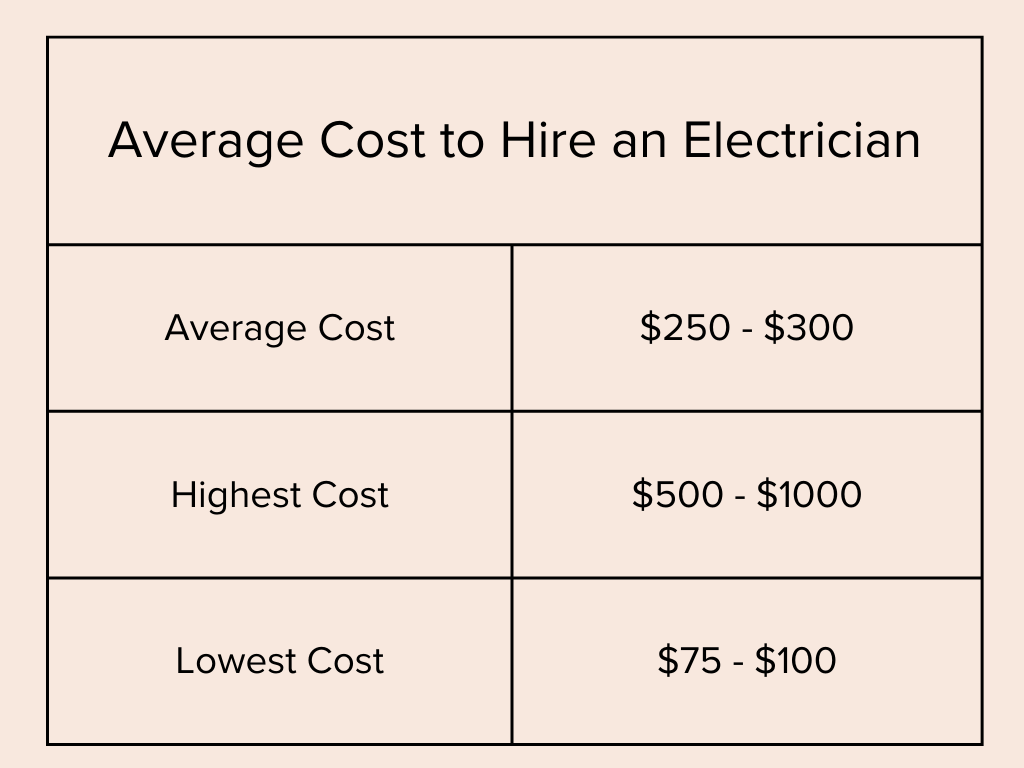
Being an informed homeowner also means researching average rates in your area for the specific trades required. Utilizing tools and understanding the conversion from hourly rate to salary can provide a clearer picture of industry rates, helping you gauge your potential expenses accurately. This knowledge empowers you to assess the reasonableness of quotes and budget effectively, ensuring you’re well-prepared for any financial commitments.
Hourly Rates: What to Expect for Common Home Repairs
While specific data on prevailing national hourly rates was inaccessible, typical influencing factors provide insight into range expectations:
Trade Type – Specialties like electrical wiring or masonry have higher skill requirements impacting pay rates.
Project Complexity – Intricate repairs call for more expertise and effort, elevating pricing.
Location – Labor costs vary by region according to competition, regulation, and living expenses.
Materials Needed – Supplies, parts, and fixtures contribute significantly to project budgets.
Contractor Experience – Those with exceptional skill sets, resources, and service warrant premium rates.
Understanding these dynamics helps you evaluate quotes and negotiate fair pricing. Tracking repairs over time also provides cost benchmarks for your area.
Tips for Homeowners to Get the Best Value
The goal when budgeting for home repairs aims beyond just the bottom line. Quality workmanship also matters for structural integrity, aesthetics, and longevity.
The lowest bid may seem attractive but consider:
Inferior materials driving exaggerated future costs from poor durability or risky fixes.
Cut corners jeopardizing safety, function, design, and resale value.
Seeking premium value involves researching reputable contractors and comparing comprehensive quotes factoring in:
Specified project scope – Ensure all bidders base estimates on the same defined work.
Material types and grades – Compare warranties, lifespan claims, and independent assessments.
Work stages and schedule – Clarify what prep, protection, clean-up and inspections are included.
Warranties – Longer coverage periods indicate greater confidence and often accompany higher quality components.
References and reviews – Past customer feedback highlights competency and reliability.
Additionally, discuss potential customizations or cost-saving substitutions during consultations. Being an informed negotiator saves money without sacrificing quality.
Balancing Cost and Quality
Source: Forbes
Understanding influencers of contractor rates, like materials and complexity, provides context on pricing variances. However, home repairs require a careful balance between cost and quality. Consider these success stories:
Case Study 1: Bathroom Re-Tile
A mold outbreak underneath the bathroom tiles necessitated a full replacement. Contractor A with the lowest bid intended on using basic ceramic tiles. Contractor B submitted a mid-range estimate for longer-lasting porcelain tiles with waterproof backing.
The $1500 price difference meant a tighter budget for a few months. However, the high-grade materials provide enduring mold resistance, easier maintenance, and improved home value.
Case Study 2: Deck Repair
Rotting deck boards created a safety issue that required prompt attention. Contractor X offered the best rates but couldn’t source weather-resistant lumber for two months. Contractor Y had premium composite decking in stock but doubled the budget.
The homeowners opted to install regular lumber with Contractor X for immediate safety repairs. Later, they intend on replacing the boards with composites after saving up funds.
These cases illustrate that quality materials make good long-term investments. Temporary budget-friendly solutions can resolve urgent issues while allowing time to save up for ideal upgrades.
Alternative Repair Strategies to Save Money
If quotes still bust your budget, all is not lost. Try these alternative strategies to complete repairs more economically:
DIY Jobs
Tackling straightforward tasks like painting, caulking, weatherproofing or drywall patching saves on labor fees. Focus DIY efforts on cosmetic projects or minor repairs without complex structural, electrical or plumbing works.
Used or Refurbished Materials
Gently used fixtures and appliances offered on resale sites cost a fraction of new models. Or seek out refurbished grade items which undergo rigorous functionality testing and refinishing. Such purchases often carry decent warranties too.
Ensure that critical components like electrical parts meet regulatory standards. Steer clear of second-hand items with safety issues unless handling the replacement work yourself.
Planning and Budgeting for the Long Term
While the above tips help minimize individual project costs, taking a long-term view on home maintenance also controls expenses. Performing regular upkeep curtails deterioration and prevents minor issues from becoming major budget-consuming repairs.
Handy rule-of-thumb calculations help estimate typical lifespans and replacement costs for home components. Budgeting and planning ahead provides a reassuring buffer for critical expenditures.
Leveraging Warranties and Insurance
Two invaluable tools to reduce home repair costs include warranties and insurance plans.
Product Warranties
Seeking out appliances, systems or materials backed by strong manufacturer warranties grants peace of mind. Register all eligible purchases and understand coverage terms. This ensures you rightfully benefit if defects arise.
Opting for extended warranties offsets massive bills down the road. Just confirm policies transfer with ownership if selling your home.
Home Insurance
Review your home insurance regularly and inform providers of upgrades impacting dwelling value. Customers with adequate dwelling and property damage coverage face lower out-of-pocket expenses for repairs stemming from covered incidents like fires, natural disasters, fallen trees, broken pipes, vandalism, and specific home equipment damages.
FAQs: Common Home Repair Budget Questions
How can I ensure I’m not overpaying for home repairs?
Follow the advice above to assess the reasonableness of hourly rates, obtain multiple quotes, research materials, and negotiate pricing. Compare across a few contractors before finalizing decisions.
What should I prioritize first: quick fixes or long-term solutions?
Address any urgent safety risks, functionality issues or stop-gap containments first. Simultaneously start planning and budgeting for appropriate long-term repairs or upgrades.
Where can I find reliable, cost-effective contractors?
Search industry review sites like HomeAdvisor and Angi that offer filtered searches by price range, services needed, and customer star ratings. Leverage word-of-mouth referrals from trusted social circles too.
Equipped with these insider tips, you can now confidently optimize budgets for all your home repair projects without compromising on quality. Savvy planning, diligent research, and proactive maintenance will maximize investments in your most valuable asset—your home.
Understanding the Impact: Home Upgrades That Boost Resale Value
When it comes to selling your home, making strategic upgrades can significantly impact its resale value. Whether you’re planning to sell in the near future or just considering potential improvements, this guide will provide valuable insights into the most effective home upgrades. From enhancing curb appeal to embracing energy-efficient technologies, we’ll explore the various areas where investments can yield the highest returns.
Curb Appeal Enhancements
Curb appeal enhancements play a pivotal role in creating a positive first impression for potential buyers. Landscaping improvements, such as well-maintained lawns, vibrant flower beds, and thoughtfully placed shrubbery, contribute to the overall visual appeal of a property. Adding patios to the front yard or backyard can be a game-changer, providing inviting outdoor spaces for relaxation and socializing. Patios not only enhance the aesthetic charm of the home but also offer a functional extension of living space, appealing to buyers looking for outdoor amenities. Consider incorporating stylish and comfortable patio furniture, complemented by tasteful landscaping elements, to create an attractive and welcoming outdoor environment that enhances the overall curb appeal of your home.
Investing in exterior painting and maintenance is another key aspect of curb appeal enhancements. A freshly painted exterior can breathe new life into a home, making it stand out in the neighborhood. Including patios as part of this renovation process can add an extra layer of charm. Upgrading the front door and entryway, perhaps by installing a stylish and secure patio door, not only improves the home’s aesthetics but also enhances its overall appeal. This holistic approach to curb appeal, integrating patios seamlessly, ensures that the property leaves a lasting and positive impression on potential buyers, setting the stage for a successful resale.
Kitchen Renovations
Kitchen renovations are a key focal point for potential buyers, as the kitchen is often considered the heart of the home. Upgrading appliances is a significant aspect of this process, as modern, energy-efficient models add a contemporary touch and appeal to buyers seeking functional and sustainable features. Stainless steel appliances, in particular, are popular for their sleek appearance and durability. Modernizing countertops and cabinetry is another transformative element of kitchen renovations. Whether opting for granite or quartz countertops or updating cabinetry with a fresh coat of paint or stylish hardware, these changes can significantly enhance the visual appeal of the kitchen. Additionally, maximizing storage space and ensuring a well-organized layout are key considerations in making the kitchen both aesthetically pleasing and functional for potential buyers.
Enhancing lighting and fixtures in the kitchen can further elevate its overall appeal. Well-placed pendant lights or under-cabinet lighting not only illuminate workspaces but also add a touch of sophistication. A well-lit kitchen enhances visibility and creates a warm and inviting atmosphere. This combination of functional upgrades and aesthetic enhancements ensures that the kitchen becomes a standout feature of the home, appealing to a broad spectrum of potential buyers. By investing in these kitchen renovations, homeowners can position their property as modern, stylish, and well-equipped, ultimately increasing its resale value.
Bathroom Upgrades
Bathrooms play a crucial role in influencing a buyer’s decision. Refreshing fixtures and hardware, such as faucets, showerheads, and cabinet handles, can instantly modernize the space. Improving storage and organization, whether through built-in cabinets or creative shelving solutions, adds practicality and aesthetic appeal. Adding energy-efficient features, such as low-flow toilets and LED lighting, not only contributes to a greener home but also positions your property as a forward-thinking and well-maintained investment.
Energy-Efficient Home Improvements
Investing in energy-efficient upgrades not only benefits the environment but also enhances the appeal of your home. Upgrading insulation, especially in the attic and walls, helps regulate temperature, making the home more comfortable and cost-effective. Installing energy-efficient windows and doors improves insulation and adds a modern touch. Incorporating smart home technologies, such as programmable thermostats and energy-efficient lighting systems, not only aligns with current trends but also showcases the home’s commitment to sustainability.
Flooring and Interior Renovations
The choice of flooring and overall interior aesthetics significantly impact a home’s perceived value. Installing hardwood or laminate flooring can add a touch of luxury and durability. Modernizing interior paint and finishes, including neutral tones and contemporary styles, can create a cohesive and appealing look throughout the home. Customizing storage solutions, such as built-in closets or shelving, adds functionality while maximizing space.
Basement and Attic Transformations
Unutilized spaces like basements and attics offer untapped potential. Finishing the basement for additional living space, whether as a recreation room or an extra bedroom, adds significant value. Converting the attic into a usable room, such as a home office or a cozy retreat, provides versatility and appeals to a wide range of buyers. Adding a bathroom or guest suite in these areas can further enhance the functionality and desirability of the home.
Technology Integration
In an era of advancing technology, integrating modern features into your home can set it apart in the market. Installing a home security system not only provides peace of mind but also positions your property as secure and well-maintained. Smart home automation features, such as thermostats, lighting, and security cameras, add convenience and appeal to tech-savvy buyers. Upgrading wiring and connectivity to support high-speed internet and smart devices ensures that your home is ready for the demands of modern living.
Structural and Maintenance Improvements
Investing in the structural integrity and maintenance of your home is essential for long-term value. Roof repairs or replacement, especially if the roof is aging or showing signs of damage, contribute to the overall stability of the property. Upgrading HVAC systems to more energy-efficient models not only improves comfort but also reduces energy costs. Regular maintenance of plumbing and electrical systems ensures that your home is in optimal condition, instilling confidence in potential buyers.
Home Staging Tips
Once the upgrades are in place, effective home staging can showcase your property in its best light. Depersonalizing and decluttering spaces allow potential buyers to envision themselves in the home. Arranging furniture to maximize space and highlight key features creates a welcoming and functional layout. Enhancing lighting and ambiance through strategically placed lamps and natural light sources can further elevate the overall presentation.
In conclusion, understanding the impact of home upgrades on resale value empowers homeowners to make informed decisions about where to invest their time and resources. By strategically enhancing curb appeal, modernizing key areas like the kitchen and bathrooms, embracing energy-efficient technologies, and addressing structural and maintenance needs, homeowners can significantly boost their property’s market appeal. As the real estate market continues to evolve, staying attuned to current trends and preferences ensures that your home stands out and attracts discerning buyers. Investing in these upgrades not only enhances resale value but also contributes to the overall enjoyment and functionality of your home during your time of ownership.
Maximizing the Sales Price of a Rental Property
Everyone who’s selling a property hopes to get the most money possible from the sale. However, that’s unlikely to happen on its own. Unless you’ve got a truly one-of-a-kind home, you’ll be in competition with plenty of other sellers who also have the same objective as you do.
As such, it’s not feasible to just expect that there’ll be a bidding war for your home. To get as many people interested as possible, you need to find ways to make your home stand out in the sea of competition. In this post, we’ll run through some expert tips that’ll make your rental property sell more quickly and for more money.
Work with an Experienced Realtor
Most people only move a few times in their life. As such, the majority of rental owners don’t possess the knowledge required to get the most value from a property. For that, you’ll need expert help. Working with an experienced realtor can help with all aspects of the rental home selling process, including attracting buyers, staging the home correctly, and minimizing external costs. You’ll pay for their services, but on balance, it’ll be worth it — studies have shown that homes sell for considerably more when a realtor is pulling the important strings.
Take Care of the Front
People make snap judgments, even when they think they don’t. If a person has a poor impression of the outside of your home, it’ll be much less likely that they have a positive impression of the property as a whole. Most homeowners and property investors focus their energies on the inside of their homes, in large part because that’s the part that really counts. But your visitors will see the outside first. Spending a little time enhancing your property’s curb appeal can ensure that visitors have a good feeling from the moment they pull up to view your home.
Outstanding Photographs
You can’t sell your home if no one’s coming to take a look at it. Many homeowners struggle to attract visitors all for one very simple reason: the photos they use on the listings page are uninspiring. When there are so many homes on the market, would-be buyers need a filtering system to decide which properties they’re going to visit, and it’s usually the photos that provide that filter. You can increase your number of visitors — and your chances of selling at full value — by working with a company known for being one of the best in real estate photography in your area. They’ll take photographs that catch people’s attention.
Sell the Dream
You’re not selling your home to buyers. You’re selling their future home. Your property will be homey and comfortable for your needs, but your visitors need to see how the space will accommodate their needs. It’s recommended to go through the decluttering and depersonalization process before you welcome viewers. This will allow potential buyers to envision what they could do with the property, as opposed to simply seeing what you’ve done with it. As well as making your property more appealing to buyers, this will also make it easier to move home when the sale finally goes through, since you’ll already have gotten rid of the belongings that you no longer need.
Find the Right Valuation
You might want to sell your home for $1 million, but if your home isn’t worth that much, then it’ll never happen. Finding the right valuation is tricky, and isn’t a complete science. Your property will exist somewhere on the scale of two numbers — one is the minimum price, and the other is the maximum price. You can set the valuation at a higher value, but only if you take the other tips mentioned in this article.
Be Patient
You can sell your home for the highest price, or you can sell it quickly, but you can’t do both. If you’re looking to get the most money possible, then you’ll need to give yourself plenty of time to make the sale. It’s unlikely that it’ll happen overnight, whereas if you set the price low then you could realistically sell your property within a day. Selling for the most amount of cash requires patience since it could take 6 months – a year.
Think Like a Seller
Finally, remember to put your business brain on for this transaction. The emotional aspect of selling your home occurs when you decide to sell. From then on, it should be all business. You’re not selling your memories; you’re selling a product. Approach it with that view, and you’ll have the right mindset.
How to Get More Short-Term Customers for Your Rental Property
If you own a rental property, moving away from the traditional model and into short-term rentals has the potential to be extremely lucrative. That said, if you don’t do things the right way, you run the risk of having a property that’s always vacant and causing you more problems than it’s worth.
Target Market Analysis
The first thing that you must take into account is who your target market actually is. Is your property appealing to traveling for an event and just looking for somewhere to crash at night, or is it more suitable for a family on vacation who needs a lot of space?
As well as the purpose of travel, other factors like age and income level are also relevant to defining who your ideal customer is. For example, if you own a luxury beachfront house, your target demographic might include high-income couples looking for romantic getaways. On the other hand, if you have a budget-friendly apartment that’s right near popular tourist spots, families or young travelers could be who you need to target.
Marketing to short-term renters differs from long-term tenants because their needs and preferences tend to vary greatly. Short-term renters are often vacationers looking for unique experiences, while long-term tenants prioritize comfort, convenience, and consistency. Once you know who your target market is, you can then focus on making sure the space has everything it needs to appeal to them.
Property Presentation and Marketing
After identifying your target market and making sure your property is perfect for them, you now need to make sure you sell it well. The first step towards an appealing presentation is investing in professional quality photography.
You can have the best real estate in the world, but if you have bad-quality photos that don’t showcase it well, most potential tenants won’t even look at the rest of the listing. Your photos should focus on highlighting the most important parts of the property, based on what you know about your target audience.
The next part is writing the property description, and again, this must be done with the perspective of your target audience in mind. Is the fact that your property has a strong internet connection and a comfortable workspace important to your potential tenants? What about the fact that it’s right in the heart of the city where all the restaurants and nightlife are? Focus on whatever is most important to the people you are trying to attract.
Maximizing Visibility and Bookings
Once your property is ready and your listings are optimized, the final part of the equation is putting your listings in the right place. This involves optimizing them for search engines, using multiple platforms, and incorporating customer reviews and feedback.
In terms of platforms, comparison sites are especially important. One good example is the online travel company eDreams, where you can not only search for hotel accommodation, but also apartments. They have a separate button under their search tool that allows travelers to easily search specifically for apartments by date and region. Leveraging the authority that platforms like this have is one of the best ways to get more eyeballs on your listings.
The next thing to consider is optimizing your listings for search engines. If you think back to a time when you purchased something online, you likely started out by searching for information about it in different ways. Each of the pages you visited was optimized in one way or another for the types of searches that you were making.
Try to incorporate this same approach in your listings. Insert relevant keywords into their titles and descriptions to give them the best chance of showing up in search engine results. Popular SEO tools like Ahrefs even have dedicated resources to help those in the real estate space in this area.
After you start having people stay at your property, you’re bound to get plenty of feedback, and this can be used in two key ways. Firstly, if all of your guests are mentioning the same kinds of problems, then that’s a clear sign that there’s something you need to fix. Secondly, positive reviews can be your most powerful marketing tool. Reviews are the main way that prospective renters will gain trust in your property, so don’t sleep on using customer feedback to your advantage.
Understanding your target market, presenting your property effectively, and growing its online visibility are the keys to finding more short-term customers. Make sure you take feedback from customers onboard and keep an eye on any trends or changes happening in the industry. Be prepared to experiment and change things when they aren’t working, and you’ll be well on your way to a fully booked calendar.