How to Choose an Electrician

Choosing the right electrician is crucial for ensuring the safety, efficiency, and reliability of electrical work in your home or office. A good electrician can handle installation of wiring, repair of fixtures, troubleshooting issues or planning upgrades. Here are some essential tips to help you select the best electrician for your needs:

How to Choose an Electrician

1. Verify Credentials and Licensing: Before hiring an electrician, always check their credentials and licensing. A reputable electrician should be licensed and insured, which ensures they have the necessary qualifications and knowledge to perform electrical work safely and according to regulations. Licensing requirements vary by state and country, so make sure the electrician meets the specific requirements for your area.

2. Check Experience and Specialization: Experience matters when it comes to electrical work. Look for an electrician who has experience handling projects similar to yours. Whether you need an electrical panel upgrade, rewiring, or installation of new fixtures, an experienced electrician will have the expertise to handle the job efficiently and effectively. Some electricians may also specialize in certain areas such as residential, commercial, or industrial electrical work, so consider their specialization based on your specific needs.

3. Ask for References and Reviews: Word-of-mouth recommendations and reviews can provide valuable insights into an electrician’s reliability and quality of work. Ask friends, family, or neighbors for recommendations, or check online reviews on platforms like Google, Yelp, or Angie’s List. Reading testimonials and reviews from previous clients can give you a good sense of the electrician’s reputation and customer satisfaction.

4. Obtain Multiple Quotes: To ensure you’re getting a fair price for your electrical project, obtain multiple quotes from different electricians. Be wary of quotes that are significantly lower than others, as they may indicate potential shortcuts or inferior quality of materials. A detailed written estimate should outline the scope of work, materials to be used, labor costs, and any warranties offered.

5. Evaluate Communication and Professionalism: Communication is key to a successful working relationship with your electrician. Evaluate how promptly they respond to your inquiries and how clearly they explain the scope of work and potential solutions to your electrical issues. A professional electrician should be courteous, attentive to your concerns, and willing to answer any questions you may have.

6. Ensure Warranty and Guarantee: A reputable electrician should offer a warranty or guarantee for their workmanship and the materials used. This provides you with peace of mind knowing that if any issues arise after the project is completed, they will be rectified promptly at no additional cost to you.

7. Consider Safety and Insurance Coverage: Electrical work can be hazardous, so it’s important to ensure that the electrician follows safety protocols and has adequate insurance coverage. This protects you from liability in case of accidents or property damage that may occur during the project.

Conclusion

Choosing the right electrician involves thorough research, checking credentials, and ensuring clear communication. By following these tips, you can hire a qualified electrician who will ensure your electrical projects are completed safely, efficiently, and to your satisfaction.

Top Reasons to Hire an Electrician as a Homeowner

Hiring an electrician is a crucial decision for homeowners looking to ensure safety, compliance with regulations, and efficient functioning of electrical systems in their homes. Here are the top five types of projects where hiring a professional electrician is essential:

1. Electrical Panel Upgrades: The electrical panel, also known as the breaker box or a load center, is the heart of a home’s electrical system. Over time, panels may become outdated or insufficient to handle modern electrical demands. Upgrading to a larger capacity panel ensures that your home can safely accommodate additional appliances, electronics, and lighting fixtures without risking overloaded circuits or electrical fires. Electricians assess current usage, recommend appropriate panel upgrades, and ensure all wiring is up to code during installation.

2. Rewiring and Electrical System Updates: Older homes may have outdated wiring that doesn’t meet current safety standards. Rewiring involves replacing old, potentially hazardous wiring with new, insulated wires that enhance safety and reliability. Electricians also update electrical systems to meet the needs of modern technology, such as installing additional outlets, upgrading to energy-efficient lighting, or integrating smart home technologies. These updates not only improve convenience but also increase the value of the property.

3. Installation of Lighting Fixtures and Ceiling Fans: Installing new lighting fixtures or ceiling fans seems straightforward but can involve complex wiring and electrical connections. Electricians ensure fixtures are installed securely and safely, avoiding the risk of electrical shocks or fires due to faulty installations. They can also advise on energy-efficient options like LED fixtures and placement for optimal lighting and airflow.

4. Outdoor Electrical Projects: From landscape lighting to security systems and outdoor outlets, many homeowners require electrical work outside the house. Outdoor projects involve weatherproofing installations to protect against moisture and corrosion, ensuring longevity and safety. Electricians also ensure outdoor wiring meets local codes to prevent hazards and ensure compliance.

5. Electrical Troubleshooting and Repairs: When electrical issues arise, such as flickering lights, tripping breakers, or outlets not working, it’s crucial to call a qualified electrician. They have the expertise to diagnose problems accurately, identify underlying issues, and perform repairs safely. Attempting DIY electrical repairs can be dangerous and may result in further damage or injury.

Conclusion

Choosing a licensed and experienced electrician is essential for ensuring the safety, reliability, and efficiency of electrical projects in your home.

Whether you’re planning a major upgrade or need troubleshooting for a minor issue, professional electricians provide peace of mind and ensure that your home’s electrical systems function optimally. Remember, safety should always come first when dealing with electrical projects, and hiring a professional is the best way to ensure everything is done correctly and safely.

6 Modest Front Yard Updates Home Sellers Should Never Forget

There is never a second chance to make a great first impression, and this is especially true if you intend to sell your home. Most home sellers focus more on fixing and staging the home’s interior before listing it on the market. However, a shoddy-looking front yard and unkept exterior can discourage prospective buyers from even stepping at your gate. Take a look at these six modest front yard upgrades that you should never forget.

Give Your Yard a Refresh 

While proper professional landscaping might dig a little bit into your pocket, it is the eye candy for prospective homebuyers. Even so, you don’t have to do a complete foliage overhaul. Just take some time to add fresh mulch and color to your plant beds to create that wow factor.

Regularly maintain and trim your landscaping neatly to remove unwanted dead bushes and breathe fresh life into the home. Also, water all the plants in your front yard routinely to keep them looking green and luscious.

Add Hardscaping 

You can increase your home’s curb appeal by adding a well-laid driveway, walkways, and a porch to your front yard. Consider substituting that boring concrete walkway with natural stone and adding a design pattern to it. You can also create an elegant front patio area or a pergola to excite home buyers who love to spend more time outside relaxing. If you intend to incorporate some hardscape elements into your front yard landscaping plan, consider seeking professional help from Malone’s Landscape designers

Work on Your Front Door 

House hunters notice the front door immediately when they enter a home. This gives them a glimpse into your sense of design and the kind of decor delights that await them inside. Consider updating your front door hardware to generate a unified statement in your entire home and boost the overall aesthetics. Since security is a top concern for most homeowners, replace your old door-locking mechanism with a modern electronic lock that features smart, keyless convenience.

Get a New Garage Door

Considering their size and design, garage doors are the core architectural element of homes. Damaged and old garage doors make a house appear outdated and poorly maintained, deterring potential buyers. You can recoup up to nearly 95% ROI when selling a home after replacing your garage door. But if it’s still in perfect condition, you can refresh it with a coat of paint to give your home a revamped look. 

Invest in Outdoor Lighting

Outdoor lighting can significantly boost the curb appeal of your home at night while enhancing safety. Install in-ground path lights, spotlights, and wall lights to illuminate your driveway and pathways. Use landscape lighting to highlight architectural features of your building, like a pillar on a patio and draw the eyes to well-landscaped trees and plants or a water feature. 

Eliminate Clutter

If you notice anything unappealing cluttering your front yard that can distract the eye and ruin curb appeal, eliminate or hide it. This can be trash bins, trailers, toys, damaged vehicles, and dead trees. Allow your home’s architecture and landscaping to be the stars of the show, and do free marketing for you.

By incorporating these front yard updates into your home renovation plan, you can sell your home for top dollar. Small details like cleaning, decluttering, and refreshing plant beds always make a difference and attract high-paying buyers.   

4 Remodel Ideas to Make Your Home More Luxurious and Comfortable

Home upgrades are an excellent way to make your home more comfortable while adding value to your property. You can make your home luxurious by adding strategic aesthetic touches. However, choosing the perfect pieces for your home depends on your lifestyle and design expertise to help bring your dream to life. Here are a few luxurious home remodel ideas to create a breathtaking living space.

Walk in Closets

Walk-in closets are some of the most coveted interior design features in a modern home. This makes it an ideal remodel option to modernize your home. Since closets are popular hotspots for clutter, it’s vital to increase the available storage space in the wardrobe. If you don’t have enough space to create a spare room, you can partition a section of your bedroom to install the closet.

Walk-in closets offer numerous opportunities to add ultra-modern, lavish design features to your home. Besides expanding the storage space, the design can showcase your collection and create an impression of a contemporary boutique. In addition, adding a cozy, customized dressing space can make your home more luxurious.

Home Integration and Automation

With smart technology becoming an essential feature in modern lifestyle, many new homes are equipped with intelligent systems like Google Home, Ring, and Nest. The desire for technological convenience in home automation proves a worthy investment in renovation projects to introduce luxury functionalities.

Most homeowners considering home upgrade projects want to incorporate smart technology in their designs. This upgrade seems relevant since comfort and functionality are the main reasons to buy luxury products. Smart home systems have convenient features, including voice-activated controls, which can help optimize energy efficiency.

Modern luxury homes have cutting-edge design features and products. Besides adopting smart technology in interior appliances, other home functionalities can be automated. Automated robot vacuum cleaners, sprinkler systems, garage door openers, and blinds can make your home more comfortable.

Install Spa-Like Features in Your Bathroom

An occasional spa session helps you take a break from a fast-paced lifestyle and recharge your system. Equipping your bathroom with luxury amenities provides easier access to features that promote wellness and self-care. According to studies, at least 41% of homeowners use the bathroom to rest and relax.

Adding extra bathing tubs with powered jets can make your bathroom practical and sophisticated. In addition, open-layout showers are trendy luxury designs that eliminate the door, making the space feel spacious and aesthetic. High-end countertops and flooring materials are vital for a luxury bathroom. Most importantly, don’t forget to add a custom vanity, dressing table, and statement lighting fixtures to create a dynamic look.

You can add more features for a cozier bathroom to create a truly spa-like environment. Features like heated towel bars, heated floors, sauna, automated toilets, and body spray shower systems can be great additions to your bathroom. Since quality is critical in luxury homes, it’s prudent to source your building and decor materials from reliable suppliers like Harbor Exports.

Add Focal Points and Accent  Walls

Creating unique spaces is one of the vital things to consider when infusing luxury into your home, and focal points can create a bold statement. A focal point is an attention-drawing area that helps highlight other decor and design features in a room. For instance, a fireplace is a perfect spot to build your focal point that allows you to display your collectibles.

Your art pieces should reflect the design theme in your space to ensure maximum impact. If you plan to incorporate modern luxury, quality sculptures can be a great way to give your home an artistic flair. However, lighting choices can impact the visual appeal of your artistic work. You should prioritize lighting fixtures that can spotlight the collection and create a high-end art gallery impression.

Luxurious living rooms often feature clearly defined spaces. And unlike basic focal points, accent walls complement the design features of your home. Typically, accent walls create a unique space that embodies design and architectural elements that portray the design inspiration to your personal style.

Depending on your interior design theme, you can create an accent wall with artwork, bold colors, and high-end wallpapers. Most importantly, accent walls help you create areas that define, customize, and elevate the overall visual appeal of your living area.

Endnote

Luxury home remodels often elevate your living space and make your home more luxurious and appealing. Since there are endless upgrade options, ensure that your remodeling design is attractive and highly functional. Most importantly, make sure your home’s architecture matches your proposed design upgrade for a long-term impact.

The Benefits of Solar Energy for Homeowners

This article will explore how investing in solar panels can lead to significant financial savings, with a detailed analysis of initial costs versus long-term reductions in electricity bills. We’ll also examine the profound environmental impact of reducing carbon footprints, compare solar energy to other renewable sources, and illustrate these benefits with compelling statistics and infographics. Additionally, the article will highlight how solar energy enhances energy independence and security, especially during power outages, and increases property values, backed by real estate data. Finally, we’ll discuss solar panels’ low maintenance and durability. Whether you’re considering solar energy for its economic advantages, environmental benefits, or the peace of mind it offers, this comprehensive guide will provide practical solutions to help you make an informed decision.

Environmental Impact and Sustainability

Experts at Sun Valley Solar Solutions emphasize that switching to solar energy is not just a smart financial move, it’s a significant step towards reducing your carbon footprint. The average home can reduce CO2 emissions by approximately 3-4 tons annually by installing solar panels. This is equivalent to planting over 100 trees each year! Imagine the collective impact if more homeowners made the switch. Moreover, renewable energy sources like solar power are crucial for the well-being of future generations. Unlike fossil fuels, solar energy is abundant and doesn’t deplete natural resources. Compared to other renewable sources such as wind and hydro, solar energy stands out for its accessibility and ease of installation. While wind turbines and hydroelectric plants require specific geographical conditions, solar panels can be installed on virtually any rooftop, making it a versatile and practical choice for homeowners. Incorporating solar energy into your home benefits the environment and sets a precedent for sustainable living. By choosing solar, you’re contributing to a cleaner, greener planet and paving the way for future generations to enjoy a healthier environment.

Financial Savings and Return on Investment

Let’s talk about the initial costs of installing solar panels. Sure, it might seem like a hefty investment upfront, but the long-term savings on your electricity bills are where the magic happens. Imagine slashing your monthly electricity bill by half or even more! 

Now, let’s explore some financing options and incentives available for homeowners. There are numerous ways to make solar energy more affordable, from federal tax credits to state rebates. And don’t forget about net metering—this nifty concept allows you to sell excess energy back to the grid, further reducing your costs. Imagine your meter running backward—that’s money back in your pocket!

Energy Independence and Security

Imagine relying on something other than the grid or fossil fuels for your home’s energy needs. Solar energy can significantly reduce your dependence on traditional power sources. During power outages and natural disasters, solar energy systems equipped with battery storage can provide a reliable source of electricity, ensuring that your home remains powered when others are left in the dark.

Homeowners can achieve true energy independence by integrating battery storage systems with solar panels. These systems store excess energy generated during the day for use at night or during emergencies. 

Investing in solar energy and battery storage lets you enjoy the peace of mind that comes with energy security and independence. It’s a smart move for both your wallet and the environment.

Increase in Property Value

Investing in solar panels isn’t just about saving on energy bills; it’s a strategic move to boost your home’s resale value. According to multiple real estate studies, homes equipped with solar energy systems see an average increase in property value by up to 4.1%. This isn’t just a minor bump—it’s a significant enhancement that can make your property stand out in a competitive market.

Potential buyers are increasingly looking for homes with sustainable energy solutions. Solar panels promise lower utility costs and reflect a commitment to environmental responsibility. For instance, a study by the National Renewable Energy Laboratory (NREL) found that homes with solar panels sold 20% faster and 17% more than those without. Imagine a scenario where two similar homes are on the market; the one with solar panels will likely attract more attention and higher offers.

Low Maintenance and Durability

One of the standout features of solar panels is their low maintenance requirements. Unlike other home energy systems, solar panels demand minimal upkeep. Typically, homeowners only need to ensure the panels are clean and debris-free. This can be achieved with a simple rinse using a garden hose a few times a year. Additionally, most solar panel systems have monitoring software that alerts you to any performance issues, making it easy to stay on top of maintenance.

When it comes to durability, solar panels are built to last. Most panels come with a lifespan of 25 to 30 years, and manufacturers often offer warranties that cover performance and product quality for up to 25 years. This means that you can expect reliable energy production for decades once you invest in a solar panel system. To maximize the lifespan of your solar panels, it’s crucial to perform routine maintenance tasks such as:

  • Regularly cleaning the panels to remove dust and debris.
  • Inspecting for any physical damage or wear and tear.
  • Ensuring that the mounting system remains secure and intact.

Some of the most durable solar panel brands include SunPower, LG, and Panasonic, known for their high-quality materials and robust construction. By choosing a reputable brand and following these maintenance tips, you can ensure that your solar panels remain efficient and effective for many years.

Choosing Windows & Doors for Your Home: How to Make the Right Choice

Door and window selection is often considered to be the most difficult decision in the whole development process by many individuals. For instance, there is a slight difference between European windows and doors and North American ones in terms of design and performance, and this is why it is good to consult and know each difference to avoid falling on the wrong side of the fence. 

Proper selection of windows and doors adds timeless beauty, sophistication, and quality to the house. These include considering windows and doors from various materials, designs, and styles that enrich the room’s outlook and give it a classy touch to make it cozy. Nevertheless, the question lies in finding a beautiful and practical option that integrates with the interior of your home. Due to this, we gathered a list of some tips to assist you in the process. 

Step One: Choosing the Appropriate Function-Type

Undoubtedly, the most vital aspect that has to be encompassed when selecting new windows and doors has to be the function required. Your project will, of course, be confined by space and aim. For everything you do, you should first look to match the right windows and doors to the space that your project permits and the products that will make it easiest to work in the space. For example, there are two kinds of entrance doors: slide type and swing type. There are also other types of windows, like tilted and turned windows, pivoting windows, and casement ones, but fortunately, experts such as Northwest Exteriors have got you covered for both windows and doors. The following are two issues that are advised to homeowners to consider when making their decision; those are frequently posed questions to the clients when assisting them in making their decision:

  • What will be the function of the room where the windows and doors are placed? (For example, the living room, office, conference room, kitchen, and bathroom)
  • What size window or door are you looking to install in that space? In addition, what is the size of the room or area where the window will be placed? Is a large inward swinging window or door possible?

Always Have the Structure of Your Whole Project in Mind

The next thing that comes to mind is architecture or the style that the whole house embodies. Windows and doors will also go a long way toward improving the beauty and marketability of your home. When selecting a specific window or door type, ensure it will complement the structure of the home before making the selection. This step usually protects the homeowners from making choices that may be right for one area of the home but may be quite wrong for the whole home improvement project.

For a specific project, it is recommended that you stick to one type of window and door style to enhance the assimilation of these components into the building structure. If you are keen on the valuation of the home, then remember that you require windows and doors that enhance or accentuate the value of the building. For instance, if you have a house with richly decorated columns, you will find dormers or wooden trims as elegant additions to the existing designs. The homeowners themselves believe they have made the most appropriate decision for a specific room. At the same time, in moments of pondering, they realize that another option will be more appropriate to the structure of the investment.

Sort Size and Materials on Top of the List

Once you have determined which type of windows or doors will be most suitable for your home, pay attention to the materials, from which you would like to have these items crafted. Once more, depending on the purpose of the space, one may need to use more sturdy materials. Doors and windows with exposure to the outside world, such as front doors and windows, will require materials that are much safer, secure, and if possible, resistant to different weather conditions.
Commonly used doors and windows are made from materials such as wood, vinyl, aluminum, glass, and metal-filled plastic. They all have their advantages and disadvantages. For instance, wooden windows provide a look but are very vulnerable to moisture and heat. Nonetheless, vinyl can be deemed practical as it is easy to clean and marked by sturdiness. Some of the factors that should be considered are maintenance, durability, and installation features before deciding on which type to choose. Select the one that provides a feature of protection and aesthetics to your home as well as meets all functional requirements. However, there is a large selection of windows and doors made of the finest materials, which can last for several decades.

Finally, Consider Your Color Schemes

Homeowners might be enticed to focus on the color of the windows and the doors first, which is not wrong, but common sense dictates that color should be the last thing to consider. Sometimes, the color chosen for the window frame is not going to make a huge difference when it comes to the overall look of the window. Now and then, homeowners fail to realize that the color of the windows and doors should be compatible with both indoor and outdoor living spaces. So, the rule is that it is better to prefer a color scheme closer to a classic that will not fade out of popularity as time goes on. Some professionals also advise that when choosing a color, people should settle for a color that is similar to the colors of their walls as opposed to a color that will create a contrast with the walls, because most homeowners make this mistake.

Do not take lightly how much the windows and doors matter when it comes to the ambiance of your house. It goes a long way to show that the windows and doors play a critical role in determining the overall feel of a home. They are selected according to your preferences and serve to define your personality as well. Don’t deprive yourself of time to ponder and make the right decision. Think about all aspects of the given options and decide what meets all conceivable requirements; don’t rush. Good luck!

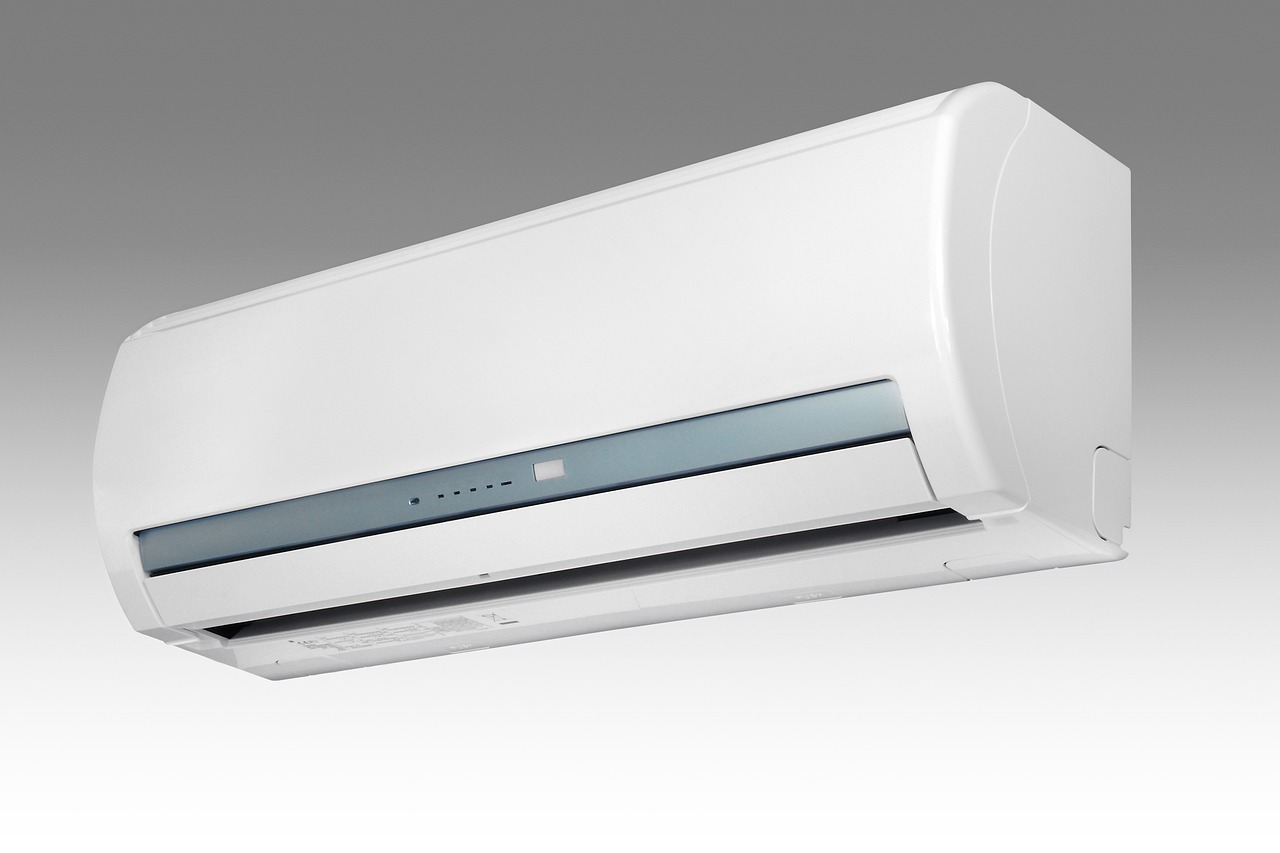
How To Choose And Maintain A High-Efficiency Air Conditioner

When it’s boiling hot outside, having a reliable air conditioner isn’t just about staying comfy—it’s a must. But with energy prices going up and everyone getting more eco-conscious, picking a high-efficiency AC is definitely a smart move. These energy-efficient ACs are built to keep you cool without guzzling electricity. That means you’ll see lower energy bills, a smaller carbon footprint, and you’ll save money in the long run. In this article, we’ll break down what to look for in a high-efficiency AC, the different options out there, and some handy tips on keeping it in top shape for years to come.

Zeroing in on Your Ideal Air Conditioner

Choosing the right high-efficiency AC isn’t just about grabbing a popular brand or model. It’s about finding the one that suits your needs perfectly. Here are the main things you need to think about:

Know Your Space and Climate

Before you start browsing AC options, take a moment to assess your home or building. How large is the area you need to cool? Is your climate hot and humid or more on the mild side? How well-insulated is your building? These things will play a big role in deciding the size and type of AC you need. For larger spaces or multiple rooms, a central air conditioning system might be the best bet. Smaller rooms or apartments might be better suited for split systems, window units, or portable ACs.

If you’re unsure about the best fit, don’t hesitate to connect with AC specialists who can help you assess your needs and recommend the ideal solution.

Types of High-Efficiency Air Conditioners

  • Central Air Conditioners: These systems cool your whole home or building using a network of ducts. They provide consistent cooling, great air filtration, and allow you to control the temperature in different areas individually.
  • Split Systems: Also known as ductless mini-split systems, these units have an outdoor condenser and one or more indoor air handlers mounted on walls or ceilings. They are highly efficient, easy to install, and ideal for zoning specific rooms or areas.
  • Window Air Conditioners: These units are installed directly into windows and provide cooling for single rooms. They are relatively affordable and easy to install, but they can be noisy and may obstruct views.
  • Portable Air Conditioners: These mobile units are versatile and can be moved from room to room as needed. However, they are generally less efficient than other types and may not be suitable for large areas.

Features to Look For

When choosing a high-efficiency AC, consider these features:

  • Programmable Thermostats: These allow you to set temperature schedules and adjust settings remotely, optimizing energy use and ensuring comfort when you need it most.
  • Variable Speed Motors: ACs with variable speed motors can adjust their cooling output based on demand, resulting in quieter operation, enhanced efficiency, and more consistent temperatures.
  • Smart AC Systems: These connect to your home’s Wi-Fi network and can be controlled via smartphone apps, allowing you to monitor energy usage, schedule cooling cycles, and receive maintenance alerts.
  • Energy Star Certification: Prioritize models that carry the Energy Star certification, as this signifies that the air conditioner has met or exceeded the rigorous energy efficiency requirements established by the U.S. Environmental Protection Agency (EPA).

To ensure year-round comfort, energy savings, and lower bills, take the time to assess your specific requirements, explore the different types of high-efficiency air conditioners on the market, and compare their features.

Maintaining Your High-Efficiency AC

Like any appliance, your high-efficiency air conditioner needs regular care to ensure it runs smoothly and efficiently. These maintenance tasks are simple yet crucial for optimal performance and longevity:

Routine Maintenance

  • Replace or Clean Air Filters: This is the most important task and should be done every 1-3 months, depending on usage and the type of filter. Dirty filters restrict airflow, reduce efficiency, and can even damage your AC.
  • Check Refrigerant Levels: Low refrigerant levels can indicate a leak and significantly impact cooling performance. If you see your AC isn’t cooling as well as it used to, have a specialist check the refrigerant levels.
  • Inspect Ductwork: Look for leaks, gaps, or loose connections in your ductwork. Sealed ducts ensure efficient airflow and prevent energy waste.
  • Clean the Outdoor Unit: Remove any leaves, grass clippings, and dirt from around the outdoor condenser unit to allow for proper airflow.
  • Clean the Evaporator Coil: If accessible, gently wipe the evaporator coil with a soft brush and coil cleaner to eliminate dust and dirt that can hinder heat transfer.

Seasonal Preparations

  • Winterizing: If you live in a cold climate, winterize your AC by covering the outdoor unit and ensuring proper drainage to prevent ice buildup.
  • Prepping for High Usage: Before the peak cooling season, have your AC serviced by a professional to ensure it’s ready for heavy use.

When to Call the Expert

While a lot of maintenance tasks can be done easily, some AC problems require a professional:

  • Refrigerant Leaks: Never attempt to fix a refrigerant leak yourself. It’s a hazardous substance and requires specialized handling.
  • Electrical Issues: If you see any electrical problems, such as flickering lights or a burning smell, contact an electrician immediately.
  • Unusual Noises or Odors: Strange noises or odors coming from your AC could indicate a problem that needs professional attention.

Extend the life of your high-efficiency air conditioner, maximize its efficiency, and ensure years of cool, comfortable, and worry-free operation with these easy maintenance tips.

Conclusion

As our climate continues to change, investing in a high-efficiency AC is a decision that pays off in more ways than one. Not only will you experience superior comfort during the hottest months, but you’ll also be taking a proactive step toward a more sustainable future. By making informed choices and prioritizing regular upkeep, you’re not just cooling your home, you’re creating a healthier environment and a brighter tomorrow. The path to a cooler, more comfortable, and eco-conscious home starts with a simple step—choose a high-efficiency AC that aligns with your needs and values.

Understanding The Costs And Fees: What Is Reverse Mortgage For Seniors?

Key Takeaways

  • Reverse mortgages allow seniors to tap into their home equity without losing ownership.
  • Costs and fees include origination fees, mortgage insurance premiums, servicing fees, closing costs, and higher interest rates.
  • Options include federally insured HECMs and proprietary loans, each with different benefits and costs.

Being able to access the value built up in your home over the years without selling it or making monthly mortgage payments is a dream come true for many. That’s the core benefit of a reverse mortgage, a financial tool specifically designed for seniors aged 62 and above.

However, before considering a reverse mortgage, it’s crucial to understand the associated costs and fees. In this article, you’ll learn more about reverse mortgages for seniors, including how they work, the different types available, the costs involved, and the potential benefits and drawbacks.

What is a Reverse Mortgage?

Before you reach out to professionals like Watermark Reverse Mortgage, you might want to know the basics of reverse mortgage. Unlike a traditional mortgage where you borrow money and repay it with interest over time, it allows you to tap into the equity you’ve built up in your home. This equity represents the difference between your home’s market value and any outstanding mortgage balance. With a reverse mortgage, the lender advances your funds based on your age, home value, and current interest rates.

There are three main ways you can access your home equity through a reverse mortgage:

  • Fixed Monthly Payments – Receive a set amount of money each month for a specific period.
  • Line of Credit – Draw funds as needed, up to a maximum limit.
  • Lump Sum -Receive a single upfront payment.

Importantly, you retain ownership of your home throughout the loan term. However, there are eligibility requirements you must meet, including being at least 62 years old, owning your home outright or with a small remaining mortgage balance, and completing mandatory counseling from a HUD-approved agency.

Types of Reverse Mortgages

Home Equity Conversion Mortgages (HECMs) are federally insured loans offered through the Federal Housing Administration (FHA) program. There are two main subtypes of HECMs:

Single-Purpose HECMs

These are offered by some state and local government agencies and nonprofit organizations. They are the least expensive option but can only be used for specific purposes, such as home repairs, improvements, or property taxes.

Proprietary HECMs

These are private loans backed by the companies that develop them. They may offer higher loan amounts compared to FHA-insured HECMs, which can be advantageous for those with higher-valued homes. However, they often come with higher fees and interest rates.

There are also less common reverse mortgage options available, such as those offered by private lenders or state and local government programs. It’s important to compare and contrast all available options before making a decision.

Costs and Fees Associated with Reverse Mortgages

One of the most critical aspects of considering a reverse mortgage is understanding the associated costs and fees. Here’s a breakdown of some key expenses:

Origination Fee

A one-time upfront cost paid to the reverse mortgage lender to cover processing the loan application. This fee can range from 1% to 6% of the appraised value of your home, depending on the loan amount and lender. A higher loan amount may result in a lower percentage origination fee.

Mortgage Insurance Premium (MIP)

Paid upfront and annually to the FHA to protect lenders in case you default on the reverse mortgage loan. The upfront MIP is typically around 2% of the appraised home value, and the annual MIP is a percentage of the outstanding loan balance.

Servicing Fee

This ongoing administrative fee, typically a monthly charge, covers the lender’s costs of managing your reverse mortgage account. This can include tasks like sending account statements, processing loan disbursements, and ensuring you comply with the loan terms. While servicing fees may seem small, they can add up over the life of the loan, so be sure to factor them into your overall financial picture.

Closing Costs

Similar to a traditional mortgage, there are various closing costs associated with a reverse mortgage, including title search fees, appraisal fees, recording fees, and attorney fees. A Loan Estimate (LE) from each lender you consider will outline these estimated closing costs. Be sure to ask the lender for a detailed breakdown of each closing cost so you can compare and find the most competitive offer.

Interest Rate

Reverse mortgages typically have higher interest rates than traditional mortgages. This means the interest accrues on the amount you borrow and any outstanding interest, leading to a higher total loan amount over time. Carefully consider the interest rate offered by different lenders and the impact it will have on the overall cost of your reverse mortgage.

Other Potential Fees

Be aware of additional charges that may apply, such as late payment fees if you miss a servicing fee payment, or unused credit line fees if you don’t tap into the full amount available through your line of credit. Ask detailed questions from your lender to understand all potential fees associated with the reverse mortgage product they offer.

Estimated ranges for each cost/fee can help set expectations. It’s wise to consult with lenders and get quotes to understand the total cost picture specific to your situation.

Benefits of a Reverse Mortgage for Seniors

A reverse mortgage can offer several advantages for seniors looking to improve their financial security and well-being:

Stay in Your Home

This allows you to age in place and avoids the upheaval of moving. You can continue living in a familiar environment that’s comfortable and potentially modified to meet your changing needs.

Access Cash Flow

You can tap into the equity you’ve built up in your home to supplement your income and cover expenses. This can be a valuable resource for managing medical bills, daily living costs, or unexpected financial needs.

No Monthly Mortgage Payments

Unlike a traditional mortgage, a reverse mortgage eliminates the burden of fixed monthly payments. This frees up your cash flow for other essential expenses or discretionary spending.

Downsizing Flexibility

A reverse mortgage allows you to delay selling your home and downsizing later in life. This provides more time to find the right retirement living situation or simply allows you to stay in a familiar environment for as long as possible.

A reverse mortgage can provide seniors with the financial flexibility to maintain their lifestyle, cover essential costs, and stay in their cherished homes.

Drawbacks of a Reverse Mortgage for Seniors

You should be aware of the potential drawbacks associated with a reverse mortgage before making a decision:

Reduced Equity and Inheritance Impact

As you access funds through a reverse mortgage, the equity in your home decreases. This can leave less inheritance for your heirs. Open communication with your family about your financial plans and how a reverse mortgage may affect their inheritance is crucial.

High Closing Costs and Interest Rates

Reverse mortgages typically have higher upfront costs (origination fees, MIP) and ongoing interest charges compared to traditional mortgages. These fees can significantly impact the overall value you receive from the loan. Careful financial planning is essential to ensure the benefits outweigh the costs.

Risk of Running Out of Credit Line

If you outlive your credit line or spend the funds unwisely, you could be responsible for any remaining loan balance when the house is sold. It’s crucial to have a plan for managing the credit line responsibly and avoiding situations where you exhaust the available funds.

Potential for Loan Default and Foreclosure

Just like with a traditional mortgage, if you fail to meet property tax or homeowner’s insurance obligations, you risk defaulting on the loan and facing foreclosure. This could result in losing your home.

While reverse mortgages can provide immediate financial relief, they also come with significant risks, including reduced home equity, high costs, and the potential for default. Before proceeding, thoroughly evaluate these factors and discuss them with your family.

Considering a Reverse Mortgage?

Before taking out a reverse mortgage, it is essential to seek professional financial advice. Below are some factors to consider:

Long-Term Financial Needs and Goals

Assess whether a reverse mortgage aligns with your long-term financial goals and needs. Consider your future financial stability and how the additional funds will support your retirement plans.

Alternative Options

Explore other reverse mortgage options for accessing cash flow, such as downsizing, home equity loans, or other retirement strategies. Comparing these alternatives can help determine the best financial solution for your situation.

Impact on Heirs and Estate Planning

Consider how a reverse mortgage will affect your heirs and your overall estate plan. Discussing this with family members and estate planning professionals can help you make an informed decision that considers the future of your assets.

Homeownership Responsibilities

Ensure you can maintain the responsibilities of homeownership, including property taxes, insurance, and maintenance. Failure to meet these obligations can lead to default and potential foreclosure, jeopardizing your home and financial security.

Careful consideration of these factors and seeking professional guidance are crucial steps in determining if a reverse mortgage is the right financial product for your needs. Taking the time to fully understand the implications will help ensure that you make the best decision for your long-term financial health.

Conclusion

A reverse mortgage can be a valuable financial tool for seniors seeking to access the equity in their homes and improve their cash flow. However, it’s essential to understand the product thoroughly, including the associated costs, fees, and potential drawbacks. Carefully consider all your options and seek professional financial advice before deciding if a reverse mortgage is the right path for you.

Essential Tips For Hiring A Paver Patio Contractor: A Guide For Homeowners  

Creating the perfect outdoor space often includes installing a paver patio, which can enhance the aesthetic appeal and functionality of the home. However, the key to a successful paver patio project lies in selecting the right contractor. By choosing a skilled and reliable contractor, homeowners can make the difference between a beautifully crafted outdoor living space and a disappointing outcome. 

Read on to learn the essential tips for hiring a paver patio contractor.   

Check Credentials And Experience 

Before hiring a paver patio contractor, it’s crucial to ensure they possess the proper credentials, including state-specific licenses and insurance. This legal documentation establishes its legitimacy and protects you from liability in case of accidents on your property. Additionally, assessing the contractor’s experience is paramount. A contractor experienced in paver projects will likely deliver higher-quality workmanship. Inquire about their business years and ask for examples of previous projects.  

By understanding their familiarity with various paving materials and their proficiency with the latest installation techniques, you can gain insights into their capability to handle your specific project needs. However, if you want to learn more about hiring an experienced paver patio contractor, you can check reputable resources online.  

Read Reviews And Testimonials  

Evaluating a contractor’s reputation through reviews and testimonials is vital. Begin by exploring popular review websites, the contractor’s own digital platforms, and social media profiles to gather diverse opinions about their work. Positive feedback, especially details regarding their punctuality, responsiveness, and problem-solving skills, typically signals a reliable contractor. 

Pay attention to how the contractor handles criticisms and resolves issues, as this can indicate their commitment to customer satisfaction. Reviews can provide a realistic expectation of the contractor’s work ethic and the quality of the final product. This can guide you in making an informed hiring decision. 

Evaluate Their Portfolio  

It’s essential to assess the portfolio of completed projects when choosing a professional contractor for your patio project. A well-documented portfolio displays a person’s level of proficiency and experience with different intricate designs and styles. 

You can evaluate whether their aesthetic approach matches your aim for your own space by looking at what they have done before. This information can help you ensure that the contractor can do exactly what you want and that the finished product will be precisely what you envisioned.

Consider Communication And Professionalism  

A good contractor should demonstrate effectiveness in communication and professionalism. Right from the beginning, the contractor must be transparent, eager to respond to your questions about their job, and open about its details. They must listen actively to your ideas while treating all these ideas as an issue of respectability and clarity.  

Additionally, a professional character involves time-management, reliability in keeping pledges made on agreements reached, and conducting business smoothly without any disorderliness. Without such virtues, it would be impossible for anyone to trust one another or even see through a successful project within its intended timeframe. 

Get Detailed Estimates  

Before committing to a contractor, it’s essential to obtain detailed and itemized estimates from multiple providers. These estimates should clearly break down the costs of materials, labor, and additional charges, enabling you to make an informed comparison between different contractors.  

A thorough estimate can help you understand what you’re paying for and identify and avoid potential hidden costs. This level of transparency is crucial for budgeting accurately and selecting a contractor who offers the best value for your investment. 

Understand The Contract 

The contract you enter into with your paver patio contractor is fundamental to the project’s success. Ensure that the contract outlines the project’s scope, materials to be used, expected timelines, payment schedules, and any warranties offered. A comprehensive and clear contract serves as a legal safeguard and clarifies all parties’ responsibilities.  

By understanding every aspect of the contract before signing it, you can prevent future disputes and misunderstandings. This can contribute to a more seamless and satisfying project execution. 

Ask About The Installation Process  

Understanding the step-by-step process the contractor plans to use can give you insights into the complexity of the work and the level of detail they provide for their projects. This includes preparing the site, using base materials, compacting the base, and applying the type of sealants after the pavers are laid. These factors significantly influence the durability and appearance of the patio.  

Check For Warranties And Guarantees  

It’s also vital to confirm that your contractor provides warranties or guarantees for both their workmanship and the materials used in your project. These assurances are crucial for safeguarding your investment and ensuring peace of mind. A warranty protects you financially and ensures corrective action without additional costs if problems emerge post-completion.  

Therefore, make sure to understand the specific terms and duration of any warranties offered to know what’s covered and how to claim if necessary. 

Conclusion  

Choosing the right paver patio contractor is essential for achieving a durable and beautiful outdoor space. By following these tips, you can feel more confident in your choice and look forward to enjoying your new outdoor area for many years.  

Solar vs. Electric Landscape Lighting: Which is Right for You?

Whether you wish to illuminate a winding garden path, highlight the architectural features of your home, or create a cozy ambiance for evening gatherings, choosing the right type of landscape lighting can make all the difference. The two primary options available are solar and electric lighting, each with its own set of advantages and potential drawbacks. This article delves into the unique characteristics of solar and electric landscape lighting to help you determine which is the best fit for your needs.

The Environmental and Economic Benefits of Solar Lighting

Solar landscape lighting is an increasingly popular choice among environmentally-conscious homeowners. This type of lighting harnesses energy from the sun, converting it into electrical power through photovoltaic cells. One of the most significant advantages of solar lighting is its minimal impact on the environment. By relying on a renewable energy source, solar lights reduce the reliance on fossil fuels, thereby lowering greenhouse gas emissions. This eco-friendly aspect is particularly appealing in an age where sustainability is a growing concern.

In addition to its environmental benefits, solar lighting offers notable economic advantages. Since solar lights operate independently of the electrical grid, they eliminate the need for wiring and reduce ongoing energy costs. While the initial investment in high-quality solar lights can be higher than traditional electric options, the long-term savings on electricity bills and the lack of maintenance costs can make solar lighting a cost-effective solution over time.

Reliability and Control with Electric Lighting

Despite the growing popularity of solar lighting, electric landscape lighting remains a preferred choice for many due to its reliability and control. Electric lights, which are connected to the household electrical system, offer consistent performance regardless of weather conditions. Unlike solar lights, which depend on adequate sunlight to charge, electric lights provide uninterrupted illumination, making them ideal for regions with less predictable weather or heavily shaded areas where solar panels might not receive sufficient sunlight.

Electric landscape lighting also offers superior control and versatility. With electric systems, homeowners can easily integrate timers, dimmers, and smart home technology to customize their lighting according to specific needs and preferences. This level of control allows for more precise lighting designs, enhancing both security and aesthetic appeal. For example, you can program lights to brighten walkways at specific times or dim them to create a soft, inviting glow during evening gatherings. The ability to control the intensity and timing of electric lights ensures that your outdoor space is always perfectly lit, regardless of the time of day or season.

Aesthetics and Installation Considerations

When choosing between solar and electric landscape lighting, aesthetic preferences and installation considerations play a crucial role. Solar lights are typically easier to install, as they do not require complex wiring or connection to the electrical grid. This makes them an excellent choice for DIY enthusiasts and those looking to enhance their landscape quickly and with minimal disruption. Solar lights are available in a wide range of styles and designs, from sleek, modern fixtures to more traditional lanterns, allowing homeowners to find options that complement their outdoor décor.

On the other hand, electric lighting systems often require professional installation, particularly if extensive wiring is needed. This can increase the initial cost and time investment. However, the effort is often worthwhile, as electric lights can be strategically placed to highlight specific landscape features with precision. 

The Role of Professional Landscape Lighting Services

Enlisting professional landscape lighting services can be a game-changer for homeowners seeking a perfect blend of aesthetic appeal and functional illumination. Professional lighting designers bring expertise in creating cohesive lighting plans that maximize both the beauty and utility of your outdoor space. They have the skills to strategically position lights to highlight key landscape features, ensuring that every element, from garden beds to architectural details, is showcased effectively. Professionals can integrate a mix of solar and electric lighting to leverage the benefits of both systems, providing a customized solution that meets your specific needs. Also, professional landscape lighting services offer advantages in terms of installation and maintenance. Experienced technicians can handle the complexities of wiring and system setup for electric lights, ensuring that installations are safe and comply with local codes. For solar lighting, professionals can assess your property’s sunlight exposure to optimize the placement of solar panels, enhancing the performance and longevity of the lights.

Safety and Security Considerations

One of the most compelling reasons to invest in landscape lighting is to enhance the safety and security of your property. Properly illuminated outdoor spaces reduce the risk of accidents by making pathways, steps, and other potential hazards visible at night. Solar lights, while eco-friendly and easy to install, may not always provide the consistent brightness required for optimal safety, especially during cloudy or rainy days. Electric lights, however, offer reliable and powerful illumination, ensuring that your outdoor areas remain well-lit and safe regardless of weather conditions.

In terms of security, landscape lighting serves as a deterrent to potential intruders. Well-lit properties are less likely to be targeted by burglars, as visibility is a significant factor in preventing unlawful activities. Motion-activated electric lights can be particularly effective in this regard, startling intruders and alerting homeowners to their presence. While solar lights with motion sensors are available, their performance can vary depending on the stored solar energy, making electric lights a more dependable option for security purposes.

Energy Efficiency and Technological Advancements

While solar lighting is inherently energy-efficient due to its reliance on renewable solar power, advancements in LED technology have made electric landscape lighting significantly more energy-efficient than traditional incandescent bulbs. LEDs consume less power, produce less heat, and have a longer lifespan, making them a sustainable choice for electric lighting systems. Moreover, integrating smart technology into electric lighting allows for advanced energy management. Smart systems can adjust the lighting based on usage patterns, daylight availability, and even weather conditions, further reducing energy consumption and costs.

Choosing between solar and electric landscape lighting involves balancing various factors, including environmental impact, cost, reliability, control, safety, and technological advancements. Solar lighting offers eco-friendly, cost-effective solutions that are easy to install and maintain, while electric lighting provides reliable, powerful illumination with greater control and versatility. For those seeking an optimal blend of aesthetics, safety, and energy efficiency, professional landscape lighting services can provide tailored solutions that combine the strengths of both solar and electric systems. Ultimately, the right choice will depend on your specific needs and preferences, but either option can transform your outdoor space into a beautiful, functional, and secure environment.

How to Check Buildings for Faults & Possible Issues: A Guide

Purchasing a property is one of the most significant investments you’ll make in your lifetime. Whether you’re a first-time buyer or a seasoned investor, ensuring that the building is free of faults and potential issues is crucial. This guide will walk you through the steps to check buildings for faults, explaining the importance of each step along the way.

Why Building Inspections Matter

Building inspections help identify structural issues, safety hazards, and potential problems before you buy. Knowing about these issues in advance can save you a lot of time, money, and stress in the long run.

Avoiding Costly Repairs

One of the main reasons to conduct a thorough building inspection is to avoid costly repairs down the line. Structural issues, like foundation cracks or roofing problems, can be exorbitant to fix.

Ensuring Safety

Safety is another critical reason for building inspections. Faulty wiring, gas leaks, or unstable structures can pose significant risks to you and your family.

Peace of Mind

Finally, a comprehensive building inspection provides peace of mind. Knowing that your future home is in good condition allows you to proceed with your purchase confidently.

Get Building Inspection Services

While you can perform a basic inspection yourself, hiring professionals offers a more thorough examination. Whether it’s your first or fifth property purchase, experts understand that buying a property is an exciting yet slightly stressful experience, as explained by the Precise Building Inspections experts. They have the expertise and tools to identify issues you might miss.

Essential Tools for Building Inspections

Having the right tools is essential for conducting a thorough building inspection. Here are some must-have items:

Flashlight

A high-quality flashlight is crucial for inspecting dark areas like basements or attics.

Moisture Meter

A moisture meter helps detect dampness in walls, ceilings, and floors, indicating potential water damage.

Ladder

A sturdy ladder is necessary for inspecting roofs and higher areas.

Initial Walkthrough

Your first task is to conduct an initial walkthrough of the property. This will give you a general sense of its condition.

Exterior Inspection

Start with an exterior inspection. Look for cracks in the foundation, damaged roofing, and signs of water damage.

Interior Inspection

Next, move inside. Check for cracks in walls, uneven floors, and any signs of mold or dampness.

Document Findings

Take notes and photos during your walkthrough. This documentation will be useful for further inspections and negotiations.

Detailed Structural Inspection

A detailed structural inspection is the next step in ensuring the building is sound.

Foundation

The foundation is the most critical part of any building. Look for cracks, uneven settling, and any signs of water damage.

Walls and Ceilings

Inspect walls and ceilings for cracks, dampness, and mold. These can indicate underlying structural issues.

Roof

Check the roof for missing shingles, leaks, and overall condition. A faulty roof can lead to significant problems down the line.

Electrical System

The electrical system is another crucial aspect of your building inspection.

Wiring

Inspect the wiring for any signs of wear and tear. Faulty wiring can pose serious safety risks.

Outlets and Switches

Check all outlets and switches to ensure they are working correctly.

Electrical Panel

Inspect the electrical panel for any signs of damage or outdated components.

Plumbing System

A thorough check of the plumbing system is essential to avoid future headaches.

Pipes

Inspect pipes for leaks, rust, and overall condition.

Water Pressure

Check the water pressure in all faucets and showers. Low pressure can indicate underlying issues.

Water Heater

Inspect the water heater for any signs of wear, rust, and efficiency.

HVAC System

The Heating, Ventilation, and Air Conditioning (HVAC) system is vital for comfort and energy efficiency.

Furnace

Inspect the furnace for any signs of wear and tear, and check its efficiency.

Air Conditioning

Check the air conditioning system for proper operation and efficiency.

Ventilation

Ensure that the building has adequate ventilation to prevent mold and moisture buildup.

Pest Inspection

Pests can cause significant damage to a building. A thorough pest inspection is essential.

Termites

Check for any signs of termite damage, such as hollow-sounding wood and mud tubes.

Rodents

Look for signs of rodents, including droppings and gnawed wires or wood.

Insects

Inspect for other insects like ants and cockroaches, which can indicate broader pest issues.

Fire Safety

Fire safety is a critical aspect of any building inspection.

Smoke Detectors

Ensure that all smoke detectors are functioning correctly.

Fire Extinguishers

Check that fire extinguishers are present and in good condition.

Escape Routes

Is Decatur, GA a Good Place to Live?

Decatur is a suburb located just east of Atlanta, often finds itself in the spotlight as a desirable place to live in the metro area. Known for its historic charm, strong community spirit, and vibrant cultural scene, Decatur attracts a diverse population ranging from young professionals to families and retirees. If you’re considering a move to this bustling city, here are some factors to consider.

Is Decatur, GA a Good Place to Live?

If you’re thinking about moving to East Atlanta area or Decatur, here’s why it could be a great choice:

Community Vibes and Culture

Decatur is all about community spirit. You’ll find festivals, farmers’ markets, and cool art shows happening throughout the year. The historic downtown is packed with indie shops, trendy eateries, and cozy cafes, making it a real hotspot for local life.

Education Scene

For families, Decatur’s schools are top-notch. The Decatur City School District is well-known for its high ratings and innovative programs, which means your kids could get a solid education with plenty of community support.

Housing Options

Decatur offers a mix of housing styles, from charming historic homes to modern condos and apartments. The real estate market can be competitive, but there’s something here for everyone, whether you want a quiet street or to be closer to the action. There are charming, older homes near downtown Decatur built in the early 1900s and newer townhomes and apartments concentrated around Scott Boulevard in the North Decatur area.

If you’re lucky enough to buy an older, historic home, you’ll have lots of local home services contractors that are accustomed to upgrading these unique properties with newer plumbing or electrical. Bray Electrical is great local Decatur electrician that recommends upgrading your electrical panel if your home is more than 40 years old.

Getting Around

Decatur’s location rocks. It’s super close to Atlanta, so you’ve got easy access to jobs, fun stuff to do, and cultural spots. Plus, MARTA trains and buses make commuting a breeze if you prefer to leave the car at home.

Safety and Comfort

Decatur is generally safe with a lower crime rate compared to nearby big cities. The city takes good care of its parks, recreational areas, and public services, so you can feel pretty comfortable living here.

Diversity and Inclusion

Decatur is a melting pot of different backgrounds and cultures. It’s all about welcoming everyone and making sure every voice is heard. You’ll find initiatives for equity and social justice, making it a supportive place to call home. Decatur is home to a mix of residents from various racial and ethnic backgrounds, including African American, White, Hispanic or Latino, Asian, and others. This diversity enriches the city’s cultural fabric and promotes inclusivity.

Cost of Living

Now, let’s talk money. Living in Decatur might cost a bit more than other places, thanks to all the perks. But many folks think it’s totally worth it for the tight-knit community, awesome schools, and being so close to Atlanta.

Is Decatur Safe?

Decatur is generally considered a safe place to live. With a lower crime rate compared to nearby urban areas, the city prioritizes community safety and well-maintained public spaces, ensuring residents feel secure and comfortable in their surroundings.

Conclusion

In a nutshell, Decatur, GA, ticks a lot of boxes for those who want a blend of suburban calm and city convenience. Whether you dig the historic vibes, lively local scene, or family-friendly feel, Decatur has something special to offer. It’s Southern living with a modern twist, right in the heart of Georgia.

While the cost of living may be a consideration, the benefits of living in Decatur—including its vibrant community life, excellent schools, and proximity to Atlanta—often outweigh the potential drawbacks. Whether you’re drawn to its historic charm, lively downtown scene, or family-friendly environment, Decatur stands out as a beacon of Southern hospitality and modern living in the heart of Georgia.