Listing Agreement: What to Know Before You Sign

Planning on listing your home soon? Once you do your research and choose your real estate agent, you’ll be presented with a listing agreement to sign. This written contract contains the details of the arrangement between you and the agent. This agreement kicks off the selling process and sets the stage for the time the home is on the market.

While the agreement may seem simple enough, you likely have a couple questions about what this listing agreement includes and why it is so important. To help you out, here is a list of what to know before you sign your listing agreement.

What is a Listing Agreement?

Before signing a listing agreement, you should probably know what it is. A listing agreement is a legally binding contract between the seller and the real estate brokerage they intend to list their home with.

The agreement states that the seller is hiring the agent to handle the sale of their home. It also authorizes them to find potential buyers. In exchange for these agent services, the seller agrees to pay the agent a commission fee. This fee is typically factored into the listing price of the home.

How Does a Listing Agreement Work?

The listing agreement is signed after the seller and the agents have discussed the details of the transaction. Signing the agreement lets the agent know that the seller is ready to move forward with the selling process.

Certain parts of the listing agreement can be negotiated by the seller like the commission fee, agent responsibilities, listing price, agreement duration, and the listing type.

Most listing agreements last anywhere from three to six months. If the home doesn’t sell within the agreed upon time frame, the seller can re-sign the listing agreement with the same agent or find another brokerage to work with.

What are the Types of Listing Agreements?

There are more than just one type of listing agreement a seller can sign. Here are four of the most common types of listing agreements. Do your research on each and discuss with your agent which is the best option for you and your specific situation.

  • Exclusive Right to Sell Listing: This is the most commonly used listing agreement type between sellers and agents. An exclusive right to sell listing gives the agents the exclusive rights over the transaction and is entitled to the agreed upon commission regardless of who sells the home. As long as the listing agreement is in effect, the agent has full control and rights to their commission.
  • Exclusive Agency Listing: This common listing type is similar to the exclusive right to sell except the home seller can get out of paying the agent commission if they find a buyer to purchase their home themselves without their agent’s assistance. While this allows the seller to fall back on the agent support in case they can’t find a buyer themselves, most agents are a bit reluctant to agree knowing that their commission is not guaranteed.
  • Open Listing Agreement: An open listing agreement offers the least amount of commitment. This non-exclusive agreement allows the seller to use multiple real estate agents to sell their home. Only the agent who sells the home receives the commission. This agreement type also allows the seller to find a buyer. If the seller succeeds, the agents walk-away without any commission. Due to the lack of guaranteed commission, most agents are wary of this agreement type.

What is Included in the Listing Agreement?

A real estate listing agreement consists of several components that provide details about upcoming sale. Expect to see the following in your listing agreement:

  • Contact information: This includes the names, phone numbers, email addresses, and other contact information for the seller and the real estate agent.
  • Listing price: This is the sale price that the home will be listed at. The listing price is decided on between the seller and agent prior to the agreement signing. Make sure that this number matches what you and your agent have previously discussed.
  • Agent fees: Real estate agent fees vary. However, most total commissions are around 6% of the home’s final sale price. This is split between both the buyer and seller (usallu 3% each. These agent fees can be negotiated depending on the level of service the seller requires. Some brokerages even offer sellers reduced agent commissions as low as 1%.
  • Agent duties: The listing agreement lists out the responsibilities of the real estate agent and what they are permitted to do. These agent expectations are discussed prior to the listing agreement being written.
  • Type of listing agreement: This is where the type of listing agreement is detailed. The type of listing agreement that you have defines the relationship between the seller and the agent based on the seller’s level of involvement in the sale of their home.
  • Property description: This componant of the agreement lays out the details of the property itself including items that are being sold with the property, as well as those that are not included.
  • Agreement duration: This is the amount of time that the agreement will last before it is terminated. Most agents prefer a six month term to give themselves plenty of time to sell the property. While six months tends to be the default, this time frame can easily be negotiated and changed.
  • Conflict resolution details: This part of the listing agreement lays out how potential conflicts will be handled between the seller and the agent. Most of these conflicts are resolved by mediation or arbitration. While these conflicts are rare, it is nice to know how to handle them if they do happen.
  • Protection periods: The protection period or clause in the listing agreement protects the agent from losing their commission. This period goes into effect when the buyer is unable to close until after the listing agreement duration expires. The protection stays in effect for a period of time afterwards so the buyers and purchase and the sellers agent can earn their commission.

Conclusion

As a seller, its important to know what you are getting into before you sign the listing agreement. Know that you know the ins and outs, its time to sign the contract and get that home listed!

If you are still in need of an agent to help you sell your home, contact our team at SimpleShowing to learn how you canget a full-service experience for a low 1% listing fee. Fill out a home valuation here to get started.

Three Easy Ways to Update Your Apartment on a Budget

Your home is your haven. After a tiring day at work, it’s the place you look forward to resting and recharging your batteries. Or perhaps you spend the bulk of your time at your apartment since you work from home. Either way, your apartment should be a source of joy and comfort to you.

A beautiful space that you enjoy being in. To ensure your apartment is a place you love, it needs to be upgraded every so often. Perhaps you’ve lived in the apartment for a while and are bored with how it looks or noticed that it seems outdated or worn. Or maybe, you’ve just bought a new apartment and want to upgrade it to make it your own.

You may put off upgrading your apartment because it seems expensive, but it doesn’t have to be. There are ways to update your home to reflect your style and taste without breaking the bank. When working on your apartment, keep in mind that some upgrades will increase the value of your property, so if you think you may want to sell in the future, it’s helpful to keep this in mind.

A Fresh Coat of Paint

The most effective way to give your home a fresh look is to paint the walls. The interior walls in a home need to be painted every five to ten years. After a few years, the paint on the walls will show signs of wear and tear – you might notice scratches, chips, or the top layer may begin to wear. A fresh coat of paint will cover these imperfections.

When it comes to color, the safest option is to go for neutral tones. To add an element of interest, consider painting one wall in a room a bright color like red or electric blue. For example, you may paint the entire apartment off-white, then one wall in your living room red, or perhaps a wall in your bedroom electric blue.

If neutrals aren’t your thing, choose the colors you love but remember that you will need to live with them for a few years. Also, take into account your furniture, fixtures, and fittings. Unless you plan on replacing them all, the color of the paint on your walls should match. Lastly, consider the feelings you want to create in each room. Rooms where you socialize and entertain, like the living room and kitchen, should be painted in warm tones like yellow and coral. Use cooler shades like blues and greens in rooms where you unwind and relax, like your bedroom and bathroom, since colors are known to have a calming effect.

Still, color is a personal preference, so if you find that scarlet red relaxes you and would like to paint the walls in your bedroom red, you should do just that!

Replace Kitchen Cabinet Doors and Countertops

An entire kitchen remodel can be very pricey, but if your cabinets are in good condition, there is no need to replace them. You can update the kitchen’s aesthetic by simply replacing the cabinet doors and countertops. When replacing cabinet doors, think about the look and feel you want to create and choose a style that fits. A popular choice is to have solid doors on the bottom cabinets and doors with glass panels on some of the upper cabinets as a display feature.

Alternatively, if you love the style of your current cabinet doors, you can update them by changing the hardware and painting them in a different, more modern color. If your kitchen is small, you can probably afford a more expensive countertop like one that’s made of granite. While it is pricier, it’s heat resistant and long-lasting.

Update the Floor in the Living Room

The flooring in your home can seriously date it! (Think back to bold colors and patterned floors of the 80s and early 90s.) There are several options for redoing your floors, which will depend on what flooring you have. If you have wooden floors, you can paint them in a lighter color to brighten up the room. Another option is to use peel-and-stick flooring, which is relatively cost-effective.

If your living room is carpeted, the best option is to remove the carpets and replace them with laminated flooring or tiles. This may cost a bit more, but it’s worth it in the long run. Cleaning these surfaces is much easier and gives the room a modern look.

Financing Your Upgrade

Even though you may find the most cost-effective ways to upgrade your apartment, you still need to spend money. You have to buy materials and if you’re not planning on doing the work yourself, hire a contractor. In these economic times when most folks struggle to save, it can be a struggle to come up with the money for a much-needed apartment upgrade, but an easy way to finance it is using a loan.

Folks with high credit scores can easily secure a loan with a bank, as bank loans typically carry lower interest rates and reasonable terms. However, you aren’t out of options if your credit rating is less than perfect. Some lenders offer loans specifically designed for folks with bad credit, called bad credit loans. There are several types of bad credit loans, but one of the best and most affordable options is an installment loan bad credit. If you’ve applied for an installment loan and been approved, the lender will pay you the total amount in a lump sum. You will have to
repay the amount, including interest and fees, in monthly installments until the full amount is paid off.

References:
● Idealhome: How to renovate on a budget – 21 ideas to transform your home
● Rurallivingtoday: How To Impressively Renovate A Small Apartment On A Budget
● BHG: 19 Budget-Friendly Home Renovation Ideas for Every Room in Your House
● Mybath: 7 Tips for the Ultimate Low-Cost Apartment Renovation

8 Simple Steps to Get Started Wholesaling Real Estate

Have you been considering getting into real estate with little knowledge and no license? Have you been curious about how to raise funds for investment but all to no avail? If you are willing to become a real estate wholesaler and these are some of the questions you’ve been asking, then read on; this article provides you with ten practical steps to help you get started. Diving into real estate investment requires some upfront capital. This is why so many shy away from it. An important example is Real estate wholesaling.

Wholesale real estate is one of the one of the aspects of real estate that people who don’t have capital can venture into. There is nothing that can’t be learned, Don’t be discouraged by rumors. Real estate investors learn everything they know. Be ready to understand what you need to start real estate wholesaling.

What is real estate wholesaling?

Real estate wholesaling is the method that real estate investors where they acquire a contract from a property owner and subsequently assigns or sells the contract to an end buyer for a higher price.

The difference between these rates is the wholesaler’s profit. Wholesalers don’t pay for or take possession of the property; they only ensure they find a buyer before the original contract expires. Wholesalers find motivated sellers or distressed properties by searching public records, cold-calling or networking with other investors.

Sometimes, the motivated seller gives a timeframe for which they want their property sold. The wholesaler must then find an interested buyer within the allotted time. In short, wholesalers do the legwork to find the seller a cash offer and if the wholesaler is successful, they’ll earn a handsome profit without putting up any capital of their own.

Steps to get started in real estate wholesaling

Real estate wholesaling is like any other field. It would be best if you had technical know-how before you get started. You need to gather all the information you can and gain experience moving forward.

The first thing you need to be sure of is if wholesaling is for you because wholesaling is not for everyone. It requires much effort and time, so patience is the price not everyone is willing to pay. Wholesaling doesn’t work like magic, and It’s not a quick money scheme. You will only get from it what you put into it. With that said, Let me walk you through the steps involved in wholesaling in real estate.

Step 1: Conduct thorough research

But first, you have to familiarize yourself with your local market. You might not know the local market you want to enter, so you must identify the market. Then, take some time to search for four neighborhoods with possible deals and get acquainted with them.

Step 2: Compile a list of buyers

With the end view in mind, you must start compiling a buyer’s list. These buyers are usually real estate investors, so you need to network to get them to buy from you when you get a deal. Therefore, it would be best if you had good networking skills. You don’t have to have a list containing 500 people; start small; so far, they are quality leads it works fine.

Step 3: Prepare your logistics

If you want to be successful in real estate wholesaling, You must approach the endeavor as a business. While you may succeed in wholesaling when you treat it as a hobby, the advantages grow dramatically the more time you put into it. However, if you want to make a career out of real estate wholesaling, you need to approach it like a respectable business.

Step 4: Find a motivated seller

The first step in finding a motivated seller is finding an off-market distressed property. The best way to find these properties is to drive for dollars in your chosen neighborhood. When you finish your drive for dollars session, you will select your preferred marketing channel to contact the property owner.
You could do a direct mail or knock at the house. Whatever strategy you choose, the goal is to locate a motivated seller to whom you could market.

Step 5: Negotiate

Good negotiation skill is one that every real estate wholesaler must have. After locating the property owner, it’s imperative that you now convince them as to why they need to sell their property and why it has to be through you. In addition, you must have noted the property’s state as it strengthens your negotiation. Never place a bid for a price that is too low or too high. Research the price of average homes in that area and the cost of repairing things in the property.

Step 6: Get the property under a contract

When you’ve agreed with the seller, the next thing is to get the property under a contract. Again, understanding how to get the property under a contract is essential. The price, terms, and conditions must be discussed during the negotiation process. So, you get an attorney, and you sign the contract.

Step 7: Find your end buyer

Technically, this step happened while you were compiling your buyer’s list. When you acquire the contract, you want to find which of your prospects you wish to assign the contract to. That is the investor that has shown interest in the property.

Step 8: Assign the contract

When you’ve successfully chosen your end buyer, it’s time to assign the contract to your buyer. The investor will draft an assignment of the contract agreement. All pertinent information of the contract should be included in the contract, specifically, that you are giving them the contract in exchange for payment (the contract should consist of the actual payment amount). The contract will be transferred as a result of this procedure.

On a final note, Statistically, there is a likelihood that you don’t land your first deal immediately after you start. Don’t give up. Put in the required effort, and it will eventually pay off.

Getting Ready for Winter: 5 Tips for Yards and Gutters

Preparing your house for winter may not be your main priority at the moment. After all, most homeowners still want to take advantage of the leftover hot days instead of spending their downtime doing home maintenance tasks.

But the reality is winter preparation isn’t something you can delay because it is essential to protect your property from the harsh freezing temperatures that come along with the cold season.

In general, fall is the best time to winterize your home. The weather is mild and you can engage in various outdoor projects that will get your yard ready to greet the frost season.

To get you started, here are five tips to prepare your yard before winter kicks off.

Check and clean your gutters

If there is one thing that can cause serious issues to your foundation and landscaping during winter, it is your gutters. They can get clogged with leaves, sticks, and other debris which will further clog your home’s drainage systems and cause water damage. The best way to avoid that is to clean your gutters thoroughly.

You can also consider upgrading your gutter system with a new installation to prevent further damage, especially if you live in a city that experiences heavy snowfalls during winter. For example, if you live in Syracuse, New York, contact local professionals to get a tailored estimate for your project and help you find the best Syracuse gutter installation services in your area. They can help you find professionals to install an updated gutter system as well as leaf guards.

Get your roof inspected

Getting your roof inspected is another important home maintenance task you need to complete before the cold season arrives. The winter storms, heavy rain, and packed snow can cause serious damage to your roof and leave you with high repair bills if not attended to in time.

If you aren’t comfortable with climbing on your roof to do an inspection on your own, you should hire professional contractors to do it for you. These contractors will check the roof for missing or damaged shingles and replace them if necessary. They will also check the chimney and other roof projections which are often the source of leaks.

Prepare your lawn

As the leaves begin to cover your lawn, it is time for some good-old raking to prepare it for the cold weather. Small chopped leaves are great for serving the lawn in the winter season, so make sure you remove them before they get under a thick layer of ice. Use a leaf blower to get leaves out of every corner of your yard to prevent mold from accumulating. You can leave the raked leaves for your recycling company to collect or use them to mulch the flower beds.

Also, don’t forget to trim the grass shorter and fertilize it to prevent weed growth. Many experts recommend two fertilizations during the autumn months—one in September and another in November.

Drain the garden irrigation system

If you don’t take proper measures, the harsh winter can damage your garden’s irrigation systems. The best way to avoid any problems is to shut off the main supply and cover the valves as freezing temperatures can damage them badly.

You can cover the valves with plastic bags and lock them with insulation tape. Also, don’t forget to cover all piping lines above the ground with insulating foam tubes and tapes available at general stores.

If you have an automatic system, remember to shut down the control system and detach the main wires for additional protection.

Protect your deck or patio for winter

Another preventative maintenance task you should complete is protecting your deck or patio for winter. Whether it is wood, cement, or another type of surface, it must be protected from harsh winter elements.

For example, concrete cleaning and sealing is the best method to prevent erosion caused by snow and rainwater as well as to safeguard your patio or deck against oil and salt. The concrete surface will repel water and also impede algae production.

In addition to cleaning and restoring your deck or patio, don’t forget to protect your outdoor items by covering patio furniture, storing garden tools, and cleaning the grill and other barbecue equipment.

Photo from The Spruce

Final thoughts

As the temperatures begin to decline, it is time to start preparing your home for the upcoming winter. The extremely cold temperatures can cause serious damage to your property, so it is important that you engage in a few outdoor projects to protect yourself from unfortunate events and unexpected costs.

If you need assistance, use our post as a guide and get your home ready before the cold season arrives.

Five Secrets of an Ideal Home Location

Homeownership is the dream of every person, but the location is the guiding principle. The setting you choose for your home dictates its access, proximity to social amenities, social interactions, the value of your property and overall quality of life. No matter the appeal of the new home, do not make the mistake of compromising the location.

Property value changes with the location, so you might compromise your budget to get your dream home in an ideal neighborhood. We have found five factors critical concerning your property location. Continue reading to get the correct information on buying your dream home.

1. NEIGHBORHOOD

The appeal of a neighborhood might vary across the homeowners. But some factors apply to you and everyone else looking for a property. You cannot overlook accessibility to social amenities, physical aesthetics, and accessibility.

Ensure you buy a property near the public transit for ease of movement. Avoid remote areas that can be difficult to access when you commute to and from work. If possible, choose a neighborhood you can access using more than one route.

You want to ensure that a location you will call home is socially appealing. Look for the availability of community spaces, public parks, quality landscaping, and shady trees along the streets. Research the duration the homes in your target area stay in the market to determine the neighborhood’s popularity.

A perfect neighborhood will also have basic amenities within proximity, including shops, grocery stores, and restaurants. Remax recognizes public schools as paramount in property ownership even if you do not have children because you may need schools sooner. Make sure that hospitals and places of worship are available and accessible. These amenities will make your life convenient and boost the value of your property to a large extent.

2. LOT LOCATION

Investopedia notes that you can find a plot close to a highway or busy roads at a much lower price, but selling could be a nightmare. It’s important to research how much you’d make when selling your home when considering to purchase. The same case applies to a home near a commercial property or streets that get a lot of traffic. But buying a property near a water body or any other fantastic view will be costly.

Finding a home in such an ideal location is also not easy. Their high demands limit the supply while driving the prices up. If you intend to resale the property or would love a peaceful neighborhood, do not rush with searching for a home whose lot has an ideal location.

3. COMPETING PROPERTIES

What happens when you find two perfect homes in the same location with some significant differences? It is always good to think about the long-term in your home ownership journey. For example, you may compromise aesthetics for two properties and go for the one with a bigger lot size.

Remember that your house will keep depreciating while the lot appreciates. If you renovate the old house and put the two on the market after some time, the one with a bigger lot will sell at a higher price and make better profits. Thus, know what you need to compromise when faced with competing alternatives.

4. NEIGHBORHOOD DEVELOPMENT

After finding a potential house for settlement, assess the potential for growth and development of its current location. Sometimes this can be challenging, but you can always find helpful information online with your research. Focus on looking for some of the fastest-growing areas.

When you experience difficulties in finding the necessary information, look at some of the realtors for advice. Most will offer guidance on the Austin market trends on home sales and projections.

You can drive around the area to see the current development of your prospective location. Some research on the upcoming projects will give you a glimpse of what will become of your new neighborhood if you buy a home.

5. CENTRALITY FOR CONVENIENCE

Think about what you do every day before you decide where to live. If you work in a suburban factory, ensure daily access is convenient. Someone else could be working upcountry and intending to commute daily. Whichever the case, ensure you find a property as a place that feels central.

Do not forget that your life is not limited to work alone. Think of other things you do in your social life and ensure your new home is still convenient for them. These forms of balance will make your mind peaceful and satisfied as everyone in the family appreciates your choice.

SUMMARY

Location means so much in homeownership because it will determine your property’s value and overall satisfaction, whether it’s a spacious home in Texas or a modest apartment in New York. When looking for your dream house, look at the neighborhood for the transit availability, social appeal, and availability of basic amenities.f

The location and the size of your lot are also critical. If you have two competing properties, weigh them with the future in mind. Look for the neighborhood’s developmental prospects and centrality for convenience.

How to Find Housekeeper and Maid Jobs

These days, more and more people are looking for ways to clean their homes without having to do all the work themselves. As a result, there is a growing demand for housekeeper maid jobs.

But what does it take to be a successful maid?

Finding a good position in housekeeping can be difficult, but it can be much easier with the right tools. This blog post will discuss some of the best ways to find housekeeper maid jobs. We will also discuss how to make yourself the best possible candidate for these jobs. So whether you are just starting out in your search or have been looking for a while, read on for some valuable tips!

How do you get hired as a Maid?

First and foremost, it is essential to have a strong work ethic. Maids need to be punctual, detail-oriented, and able to work independently.
Additionally, they must follow instructions carefully and be comfortable working in various home environments. If you are interested in pursuing a career as a maid, looking for opportunities with local maid agencies or job search platforms is the best place to start.

Most people who want to be hired usually apply at a maid agency. Some agencies may require that you take a skills test or have an interview before being hired.
Once you’ve applied and been accepted by an agency, the agency will work with you to find available positions. You can also search for openings on websites like Jooble. Once you’ve found a position you’re interested in, you can apply directly to the employer. In some cases, employers may prefer hiring maids with experience working in a hotel or resort setting.

If you have experience working in one of these settings, list it on your resume or application. Maids typically work during regular business hours, but some employers may require you to work evenings or weekends. In most cases, maids are paid by the hour, and wages vary depending on the employer and the
location. Some maids may also be eligible for health insurance and vacation pay benefits.

How to make Yourself the Best Possible Candidate for Housekeeper Maid Jobs

There are a few things you can do to make yourself the best possible candidate for housekeeper maid jobs. You will need to make something not so complicated but just simple adjustments to give you some edge over other applicants.
If you are serious about becoming a maid, you should do whatever you can to make yourself stand out. Here are some simple tips to get you started:

● Stay up-to-date on the latest cleaning trends and techniques

You will be expected to know the latest cleaning trends and techniques as a maid. Staying up-to-date on these trends will show potential employers that you are serious about your career and willing to invest in your professional development.
One way to stay up-to-date on the latest cleaning trends is to follow industry-related blogs or social media accounts. You can also attend local seminars or workshops related to the maid industry.

● Get certified in first aid and CPR

Most maid agencies require their employees to be certified in first aid and CPR. Being licensed shows that you are prepared to handle emergencies that may arise while on the job.

● Invest in your own professional cleaning supplies

You will be expected to use your own professional cleaning supplies as a maid. This is important because it shows that you are invested in your career and are willing to invest in the quality of your work. Making a small investment in your professional cleaning supplies will go a long way to make you the best candidate for housekeeper maid jobs.

● Consider pursuing higher education in the field

While not required, consider pursuing higher education in the field if you are serious about becoming a maid. Many online and offline programs offer certification or even a degree in maid services.

Pursuing higher education will show potential employers that you are dedicated to your career and willing to invest in your professional development. It will also allow you to learn new cleaning techniques and trends.

● Take advantage of social media

Social media is a great way to connect with potential employers and show them your work. LinkedIn, Twitter, and Facebook are great ways to find maid job postings and connect with potential employers. When using social media, be sure to present yourself professionally. This means no profanity or inappropriate photos or comments. You want to show potential employers that you are a dedicated professional to your career.

The Bottom Line

There is an ever-increasing demand for housekeeper maid jobs. Still, the competition for these positions is also on the rise. To beat the competition and land good maid jobs, you must ensure you are the best candidate. Follow the tips above to stand out from the rest and give yourself a better chance at landing the maid job of your dreams.

5 Types of Air Conditioners: How to Choose the Best One for Your Home

Although the summer season is most people’s favorite, the rising temperatures sometimes can seem unbearable. To cool off, people either dive into a pool, go swimming in the ocean, or sit in the shade. There are also those who escape the heat outdoors by staying at home with their air conditioner on, to avoid sweating in the sweltering weather.

However, to stay cool inside and keep your home comfortable throughout the warmer months of the year, you need to have the right air conditioner unit. There are several types of AC systems available on the market, each with its own advantages and drawbacks.

So, if you are planning on upgrading your home with a new air conditioner, here is a list of the five most popular types of AC you can consider.

Photo by Alvaro Bernal from Unsplash

Central air conditioner

If you have a large home and want to cool multiple rooms at once, then the central air conditioner unit is the best choice for you. The AC works using its split system that regulates air through ducts installed in your home. It is operated using a programmable thermostat which allows you to adjust the temperatures to your liking.

Because it is a rather complex type of AC system, consider hiring local professionals to do the installation for you. For example, if you live in Kingston, Ontario, look for the best air conditioner installation Kingston-based services to get professional installation at a great price. Make sure they also offer maintenance and repair services, so you can contact them in case you have any trouble with your AC unit.

Window air conditioner

If you are looking for a more affordable option, then the window air conditioner system is a great choice. The unit is much smaller in size and can sit in a window with the front indoors and the back outdoors. This allows the system to release condensation and heat outside while pushing cool air into the home using its built-in fan. It is ideal if you live in a condo or an apartment where there is no central air conditioning.

The only downside is that the window can be obstructed while the unit is being installed. That’s why you need to hire professionals to do the installation for you to protect yourself from unexpected and costly repairs.

Portable air conditioner

Portable air conditioners are similar to window air conditioners, except the main difference is that the portable one is actually a free-standing unit that you can move from room to room.

This means that it doesn’t require any permanent installation as all you have to do is find a power outlet where you can turn it on, and access a window so the air can be exhausted from using its funnel. The unit is very handy and it is best suited for smaller living spaces, such as bathrooms.

Its greatest downside is that it can get very noisy during operation and can take up floor space in your home. But when you don’t need it, you can easily store it away in the garage until the warm season comes again.

Ductless mini-split air conditioner

If you are looking for an AC unit that can cool only a portion of your home, then the ductless mini-split air conditioner system is the best option for you. This unit consists of a compressor and a condenser that come along with one or multiple indoor units. These units are mounted on a wall and equipped with air blowers.

Although the ductless mini-split air conditioner system is regarded as much more efficient in energy consumption compared to other AC types, its installation cost can be a bit higher if you are planning on installing one unit in each room of your home.

Smart air conditioners

Smart air conditioners have recently become the most popular unit type among homeowners. What’s special about them is that they can be connected to the Wi-Fi and controlled using the numerous functionalities, which allow you to set the system however you want. This provides greater comfort along with increased energy savings.

The biggest disadvantages are that they cost more than regular units and require constant Wi-Fi connectivity to utilize all of their features.

Photo by Max Vahtbovych from Pexels

Final thoughts

Air conditioning units have undoubtedly become one of the most important electrical appliances in everyone’s home. They come in many types, all of which can suit every homeowner’s unique needs and budget.

If you are considering buying a new air conditioner or thinking about upgrading your old one, refer to our post and read about the most common types of AC units available on the market to choose the best option for you.

Installing New Replacement Windows & Doors: DIY or Hiring a Pro?

When renovating your house, doing everything on your own is not only self-satisfactory, but also quite exciting. However, some renovation skills should be left to professionals only, as you don’t want to mess up things while wanting to improve them. One such thing is installing new windows and doors, as even an inch of miscalculation or mismanagement can result in significant damage or loss of money.

To understand better why new windows and doors installation is essential in the first place and what option you should go for – a DIY process or hiring a professional – this article has some essential details for you.

Why Do You Need to Install New Windows and Doors?

Little fixtures and installation may seem unnoticeable to you, but they speak volumes and increase your home’s value and worth. Similarly, installing new doors and windows can have a significant impact. Here are some important reasons for the installation of new doors and windows in your home.

Improves Security

Modern units will provide you with added security from intruders. New windows and doors, for example from Ecoline windows installation, will effectively be able to block and allow visibility according to your needs.

Improves Functionality

New windows and door installation provide improved functionality with no jams, cracks, or faulty locks. This makes the doors and windows more convenient to use, and more convenience certainly adds more value to any product.

Increases Curb Appeal

Keeping your house in immaculate condition gives you a sense of confidence and pride, and also increases the curb appeal of your house. The aesthetics of new windows and doors upgrade the value of your house and its exterior.

Improves Energy Efficiency

The type of windows and doors you install directly affects your house’s energy consumption. When doors and windows effectively maintain a specific temperature in your house, you will have lesser energy consumption, resulting in reduced electricity bills. For this purpose, you can start searching ‘’Where are Ecoline windows available?” as they provide the best energy efficiency.

DIY or Hiring a Professional – The Better Option

As a DIYer, you need to have a thorough check about whether you have the skills, tools, and knowledge to install doors and windows by yourself or not. You should ask yourself the following questions:

  • Do you possess all the necessary tools?
  • Do you have the necessary skills for this project?
  • How many doors and windows do you need to replace?
  • Is the money you are saving worth the effort?
  • Are you able to bear the losses and cost if any damages occur?

Suppose you can bear the losses of any damage while saving some money, and you have the required tools and skills for the project. Then, you can surely do this project yourself. Keep in mind that such installation projects require professional tools and skills for which a professional service will outclass any DIY project.

Benefits of Hiring a Professional Installation Service

Here are some of the main benefits of hiring a professional installation service for new windows and doors:

They Help You Make the Right Choice

Not only do professionals know how to install doors and windows properly, but they can also guide you on how to choose the best and most suitable ones for your home. They will also ensure you focus on the material, style, quality, coating, and functionality of the products.

They Help You Understand the Local Building Codes

Professionals know the building codes in your locality, so they can guide you accordingly regarding installation and expansion permit acquisition process. This permit ensures the features of energy conservation, ventilation and natural light, safety glass, weather barrier, and the standards of emergency exits.

They Help You with Professional Skills and Experience

Professionals go through tons of training and gather extensive experience in their field. Understanding every technicality of the replacement, they get the job done quickly and easily. Hiring an expert always means getting your job done the proper way.

They Work with Proper Safety and Tools

Professional installers have the necessary tools for the process, and the knowledge to use them safely. Proper tools reduce the risk of any accident or mishap. Lifting heavy windows and doors is also not easy, but professionals have the required tools for the job. Another benefit is that you do not have to purchase these tools, as professionals bring them along.

They Provide You With a Warranty

The best thing about a professional service is the warranty that comes with it. Professional installers provide you with a warranty that will cover all the costs of repairs and replacements for a certain period. This will provide you value for your money.

Conclusion

Hiring a professional service for installing new windows and doors in your home will save you time, and energy and provide you with top-class service and peace of mind. So, contact a professional installer now to provide your home with the aesthetic and functional upgrade it needs.

Shower Resealing 7 Reasons To Hire A Professional

Water is one of the most common causes of cosmetic and structural damage within a home. Rooms constantly exposed to water, like the shower, are more vulnerable to water damage. Therefore, keeping them waterproof is a must.

Shower sealants degrade over time, no matter how durable the materials used are. To maintain their waterproofing, resealing them at least every two years would help. With guides you can find online, it might seem easy to DIY. However, hiring a professional is still the best choice for the following reasons:

Guaranteed High-Quality Results

Hiring a professional for shower resealing guarantees high-quality results. Although doing it yourself is an affordable option, it poses more risks than benefits. If you’re not an expert in this project, it’s best to leave it to the experts.

When you hire a professional shower resealing service provider, like Shower Solutions, you’ll feel more secure. Experts have years of experience as proof of their high-quality work. Although it may be more expensive than DIY, the results will be worth every penny.

You may look for honest client reviews to ensure you’re hiring a reliable shower resealing expert. You can also ask about their past projects. Their years in the field are also one indication of their skills.

More Convenient

Shower resealing can be a tedious job, especially if it involves repair. Hiring a professional is the most convenient option. You don’t need to spend your day off working on a project.

Trusted professional shower resealing services offer convenience for all homeowners. They can do the job quickly as you go on with your day. Since it’s only a small project, some experts can finish it within a day. It’s faster and easier than figuring out how to do it yourself.

Thorough Inspection

Shower resealing is one of the essential home maintenance methods that prevent water damage. A tiny crack can let water seep into the walls. Sometimes, homeowners can’t notice these minor issues. Therefore, having an expert inspect your shower is the most practical choice.

Some shower resealing companies offer free thorough inspections upon booking their services. This way, they can determine whether your shower needs to be repaired before resealing. Specifying the issues beforehand saves you from further shower repair expenses in the future.

Prevent Structural Damage

Small chips and cracks in your shower can lead to severe problems when not addressed immediately. Some look for superficial cosmetic damage on the surface without knowing there’s more beneath it. Hiring a professional to inspect everything before resealing reveals the underlying issues to fix.

Water problems in the shower can cause severe structural damage if not repaired properly. Professionals have a keen eye even for the slightest signs of water damage that most homeowners fail to notice. Hiring an expert can keep your home strong and safe to live in.

Structural damage starting in showers and bathrooms is quite common in poorly maintained homes. Delaying the inspection and repair can only worsen the existing water damage. To prevent this major problem, it’s best to hire professionals.

Eliminate Mold And Mildew

Mold and mildew accumulate in moist environments, like showers. While regular cleaning may help keep them at bay, they may grow in hard-to-reach areas, like small cracks on grouts and sealants. This is why professional resealing every one to two years is necessary.

Shower resealing is one of the most effective ways to eliminate mold and mildew. Ensuring every corner or edge is waterproof hinders their growth. Resealing also keeps the surface hydrophobic, eradicating water pooling and moisture retention.

Moreover, eliminating mold and mildew in your shower protects your health. Since it can cause allergic reactions and irritations, it’s best to prevent them from growing. Professional shower resealing can significantly help.

Improve The Visual Appeal

Everyone wants a sparkly clean shower. Failure to reseal it regularly can cause early deterioration. Eventually, a poorly-maintained shower can look outdated and uninviting.

Taking a shower is supposed to make you feel relaxed. This is why keeping it shiny and vibrant is a must. Regular professional resealing can make your shower look brand new by removing all the grease and grime accumulated in the corners. Making it more visually appealing can make at-home relaxation even more pleasurable.

Keep Shower Dirt and Stain-Free

Over time, the sealant may chip and deteriorate, no matter how durable. Aside from putting your home at risk of water damage, it can also cause a permanent stain. Resealing your shower is one way to avoid this issue.

Accumulated dirt and grime on the old sealant can cause stains in your shower. To prevent discoloration, resealing is imperative. Professionals carefully and thoroughly remove the old sealant before cleaning and resealing. A suitable sealant makes it easier to clean the hard-to-reach areas and keep your shower dirt- and stain-free for longer.

Conclusion

Hiring a professional is the best for home maintenance projects, especially shower resealing. While DIY is preferable for some, nothing beats the skills of an expert. Plus, you can ensure that the job is done excellently.

The Best Atlanta Suburbs

Atlanta is surrounded by several of the best suburbs in Georgia that have lots to offer outside of the city. Whether you currently live in the suburbs or debating making the move, check out our list of the best Atlanta suburbs to see what they have to offer.

What are the Best Suburbs in Atlanta?

Metro Atlanta covers a large, sprawling footprint covering much of northern Georgia. So, you can find great suburbs in almost every section of the region. Several of the best suburbs are concentrated on the north side of the city, but you can also find great suburban options on the east, west and south sides of the metro region.

Milton

Milton City Sign ????: Explore Georgia

City Stats:

With average home values over $700,ooo, Milton is the priciest of all the suburbs on our list. The city of Milton was created in 2006 and has over 38,000 residents. Milton is located north of Atlanta and is a 40 minute drive to the city with usual traffic. Milton ranked #6 for the Best Places to Raise a Family in Georgia and #4 for the safest suburbs in Georgia (Niche).

Fun Facts:

Milton is known as an affluent suburb where residents rave about it’s country feel. Equestrian sports are very popular here considering the many horse farms that make up the area.

View homes in Milton, GA

Peachtree City

Golf Cart Driving ????: Cresswind Peachtree City

City Stats:

Located Southwest of Atlanta, Peachtree city is home to over 35,000 residents. The median home value in this area is $287,100 according to Niche. Peachtree City was ranked the #6 safest suburb in Georgia and features highly-rated public schools. Peachtree City is about an hour commute from Atlanta with normal traffic.

Fun Facts:

Golf cart paths pave this Atlanta suburb and offer an alternate form of transportation in Peachtree City. Teenagers at the age of 15 can begin driving golf carts here while elderly folks can also use this option in place of driving cars to get around. Peachtree City is a leisurely town that’s perfect for lovers of outdoor activities including fishing, cycling and golf. This area does have some shopping and local restaurants, but many residents suggest traveling to Atlanta for larger attractions and shopping.

View homes in Peachtree City, GA

Roswell

Downtown Roswell ????: Roswell Georgia

City Stats:

Roswell was founded in 1839 and is Georgia’s eighth largest city with a population of 93,968 people. Roswell has been ranked as one of the safest cities to live in the U.S. and has a median home value of $315,100 (Niche.com).

Fun Facts:

Roswell has over 13 parks and has been chosen twice by “Atlanta Magazine” as the best place to live in the Metro-Atlanta area. Roswell has its own downtown area on “Canton Street” full of local shops, restaurants, breweries and more. Roswell also sits along the Chattahoochee River with 7 miles of trails and parks perfect for mountain biking, hiking and enjoying nature. With so much to do, many Georgia residents would agree that Roswell is one of the best Atlanta suburbs.

View homes in Roswell, GA

Suwanee

Suwanee Town Center ????: CPL Team

City Stats:

Suwanee is located northeast of Atlanta and is about a 45 minute drive from the city. According to Niche.com, Suwanee has a population of 18,001 and a median home value of $251,300. Suwanee is ranked #1 on Niche’s list for places with the best public schools in Georgia. These public schools are part of the Gwinnett County School System which is also the largest public school system in Georgia.

Fun Facts:

Nearby to Suwanee is the infamous Mall of Georgia which is the largest mall in the state. Suwanee is home to over 600 acres of parkland featuring many walking and biking trails (Explore Suwanee). Suwanee also features a large town center with many shops, places to eat, and a large green space for events and gatherings on the weekends.

View homes in Suwanee, GA

Alpharetta

Avalon ????: Avalon Insider

City Stats:

Alpharetta is 30 minutes north of Atlanta. According to Niche.com, Alpharetta has a population of over 65,000 people and a median home value of $344,100. Alpharetta is known as a very, family-friendly area with many parks. Public schools are highly rated in Alpharetta including Alpharetta High School, Johns Creek High School, Chattahoochee High School and more.

Fun Facts:

If you’re an Atlanta native, then you’ve heard about “Avalon” which was recently finished in 2017. Avalon is located in the heart of Alpharetta and features a community of shopping, dining, entertainment, and living spaces. You can find shops like the Apple Store, Lucky Brand and Pottery Barn among others here. On any given weekend, you’ll find people from all over visiting Avalon to enjoy it’s events, great shopping and tasty food.

View homes in Alpharetta, GA

Cumming

Cumming City Hall ????: Thomson2000

City Stats:

Cumming is a 45 minute drive northeast of Atlanta with usual traffic. The population of this town is around 6,284 people with a median household income of $164,800 according to Niche.com. Cumming is said to have some of the best public schools in the state of Georgia. As a growing city, Cumming is likely the most affordable option on our list.

Fun Facts:

If you like a mix of the city-life and the mountains, then Cumming might be the best Atlanta suburb for you. It is located 45 minutes from both the city and the mountains giving residents the option for two very different atmospheres within a short distance. Cumming also borders the 2nd largest lake in Georgia, Lake Lanier, providing many activities including boating, fishing, and even a water park . Residents in Cumming rave about the many restaurants and shopping centers that make this Atlanta suburb full of all you need.

View homes in Cumming, GA

Johns Creek

Chattahoochee River ????: Patch.com

City Stats:

Johns Creek is located northeast of Atlanta and is about a 30-40 minute drive to the city considering normal traffic. Johns Creek is the 10th largest city in Georgia with a population of about 84,350 people. The median home value in Johns creek is $348,600 with 77% of residents owning their homes (Niche.com).

View Homes For Sale In Johns Creek, Georgia

Fun Facts:

The Chattahoochee River borders the length of Johns Creek providing several spots where paddlers can put in their boats and go trout fishing. Johns Creek ranked #1 for Niche.com’s list of the best places to raise a family in Georgia and has nationally, high-ranking public schools. . Also in 2017, Johns Creek ranked #3 for the 50 best cities to live in according to USA Today which rightfully qualifies this city as one of the best Atlanta suburbs.

Get a 50% Commission Refund when you buy a home. SimpleShowing is a tech-enabled real estate brokerage operating in Georgia, Texas and Florida. To learn more, visit us at www.simpleshowing.com.

Sources:

  • https://www.roswellgov.com/discover-us
  • http://www.suwanee.com/explore-suwanee/about-suwanee
  • https://www.niche.com/places-to-live/suwanee-gwinnett-ga/
  • https://www.johnscreekga.gov/Residents/Community/City-Information.aspx
  • https://en.wikipedia.org/wiki/Johns_Creek,_Georgia
  • https://www.peachtreecornersga.gov/about/welcome-to-peachtree-corners
  • https://www.niche.com/places-to-live/peachtree-city-fayette-ga/

Top 5 Home Staging Tips for Sellers

When selling your home, you want to present it in its best light. As potential buyers walk inside your home for the first time, or view it online through a listing site, they should be able to envision the amazing life they can live within. That is where home staging comes in.

Home staging is a method of decorating your home that highlights its best features in a way that helps buyers imagine themselves living there. Home staging may not seem all that important, but in today’s market, even the smallest of details can be the difference between “For Sale” and “Sold”. If you are looking to boost buyer interest for your home and sell your home faster, check out these top 5 home staging tips for sellers.

1.Start with Curb Appeal

While the home’s interior is typically the primary focus of home staging, you definitely don’t want to forget about the exterior. Your home’s exterior is the first thing buyers see when they walk up to your home or view it online. If the outside of the home isn’t up to par, many buyers will not be interested in seeing inside. The exterior is the buyer’s very first impression of the home, so make it a good one.

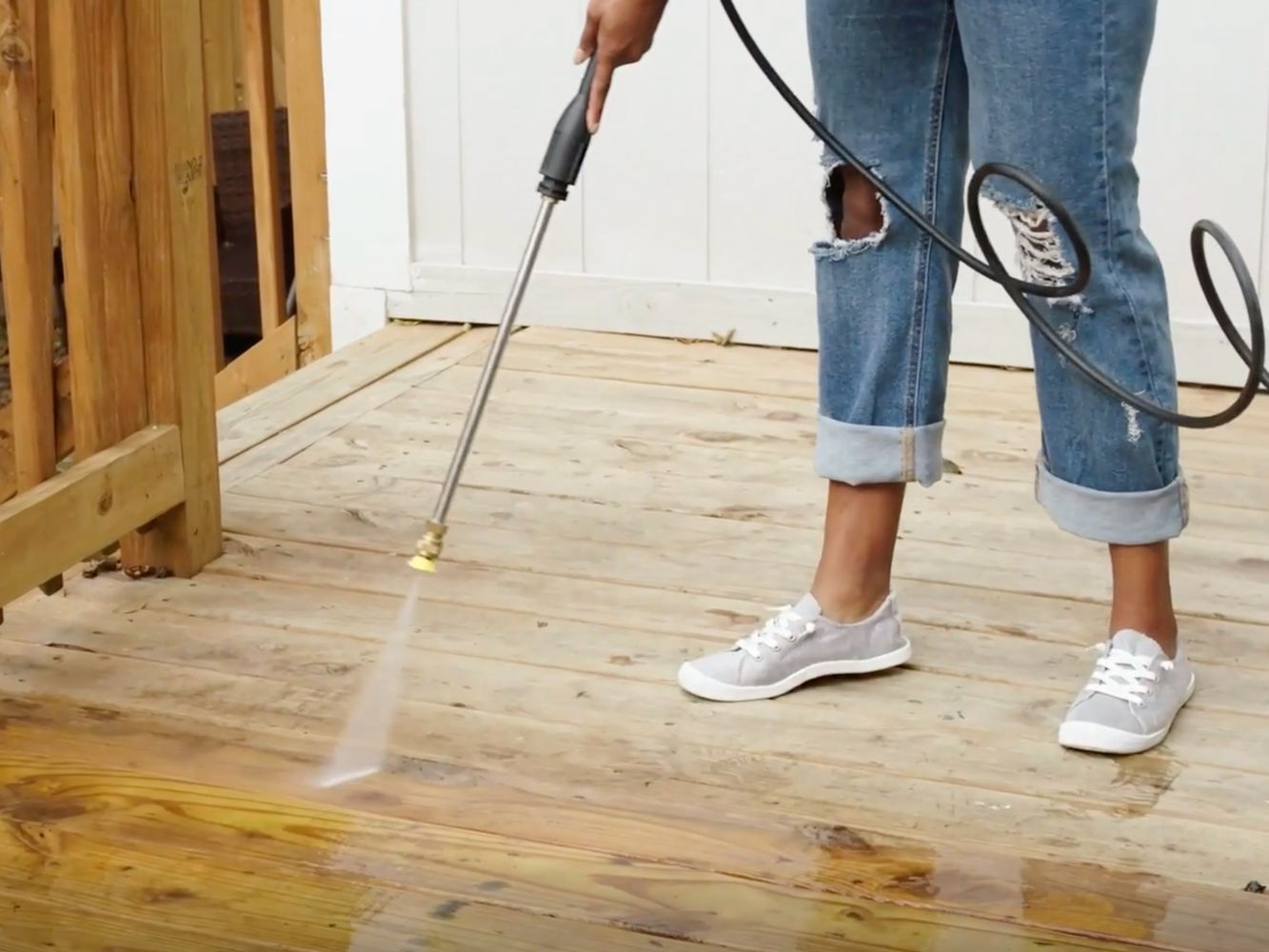
Luckily, you don’t have to go all out spruce up your home’s curb appeal. A simple pressure washing can do wonders to remove dirt from the siding, roof, and gutters. Regular gutters cleaning and maintenance can prevent clogging and ensure proper water drainage. To further enhance your gutter’s functionality, consider installing gutter guards. They act as a protective barrier, keeping leaves and debris out and reducing the need for frequent cleaning. Moreover, DIY gutter guards are cost-effective and easy to install, making them a practical choice for homeowners looking to improve their gutter system. With the added benefit of reducing the risk of gutter blockages, you can enjoy peace of mind knowing that your property is well-protected from potential water-related issues.

2. Declutter Your Space

The first home staging task you should focus on is decluttering and cleaning your home. Over the years, you have likely accumulated an assortment of items that you have lying around your house. Unfortunately, some of these items can look cluttered and distracting to buyers and take away from the actual home features of the home you want them to be looking at. Not only that, but unnecessary items in a room can make the space feel much smaller than it is.

Free up surface space counters, tables, shelves, or entertainment centers by removing unnecessary appliances and decorative items. Go one room at a time and see what you can declutter. This might mean removing excess furniture to make the rooms feel more spacious, as well as cleaning out cabinets or closets. When staging your home, you want potential buyers to think your home can handle their belongings because space is ample, not under pressure.

3. Clean it Up

No buyer wants to walk into a dirty home that appears neglected. A clean home is a well-cared for home and that’s exactly what buyers are looking for. Not only that, but a clean home will make the home feel fresh and the buyers feel welcomed inside its doors. Envisioning their life in the home will be even easier for them.

A realtor could call you at any time to schedule a showing, so maintaining the cleanliness of your home is essential. This includes maintaining the floors, wiping down surfaces, straightening up living spaces, putting toys/pet supplies away, cleaning up toiletries, and making the beds regularly should become routine. Odor also plays a big role in the cleanliness of your home so make sure to deodorize the home with plug-ins to remove pet odors or any other smells that might deter buyers.

4. Rearrange the Furniture

Staging a home often involves re-arranging your furniture. The layout of a room plays a huge role in how buyers will view it, as well as the rest of the home. This is especially true if you are working with an open concept living plan. You want the interior to feel as open as possible, while still being inviting.

Rearranging furniture in the homemay mean having to compromise practicality for aesthetic. Staging is all about making sure that spaces are balanced, so you might find yourself having to place furniture in places for the sake of it looking more appealing to the eye. Also, when in doubt, opt to arrange furniture in a social layout. This will help buyers to envision the space being enjoyed by their family and friends.

5. Remove Photos and Personal Items

It’s hard to imagine life in a home when another family’s photos and belongings are everywhere you look. If you want buyers to connect with your home, you will want to disconnect them from the items that might distract them from doing so. This includes family photos, your children’s art work, and any personal collections you may have around the home.

If you are still living in your home at the time, it may be difficult to remove these items. You’ve gone through great lengths to personalize your home and want to show off your personal style. However, because everyone’s personal style is so different, it’s better to err on the side of caution. Remove those photos and personal items and hang up pieces like landscape prints, landmark photos, decorative mirrors or other items that are more universal.

We hope these home staging tips lead to much selling success. Once your home is staged and ready to sell, give our team at SimpleShowing a call! Not only will you receive expert guidance from one of our agents, but you will also receive professional home photos and listings on the local MLS.

As a low-commission brokerage, we offer all of the services as a big brokerage, but with a low 1% listing fee. That means you can save thousands of dollars to put into savings or towards the purchase of your next home. Contact us today to learn more.

5 Simple Home Upgrade Ideas that Will Increase the Value of Your Property

Many factors come into the equation when it comes to increasing the value of your property. The location of your property, the demand for housing, and the economy as a whole all play a role in your property’s value. However, there are also things you can do as a homeowner to increase its value over time such as making upgrades.

However, don’t just upgrade any part of your home; focus on real value-adding features and elements making sure to use durable building materials such as those that you can buy from Buildiro.

To help you make the best decisions in upgrading your home, here are some important considerations:

Things to Consider Before Upgrading Your Home

Before you dive into project ideas like ‘home renovation trends to revamp your home outdoor space’, first, there are important things to keep in mind:

1. Consider your budget for renovations.

Many homeowners make the mistake of overspending on their home remodelling project. Set a budget before upgrading your home so you know your limits and you can plan your project around your budget instead of the other way around.

2. Identify which areas in your home need upgrades.

It can be tempting to re-do your entire house so that everything matches but this is not really necessary. Start with the most urgent repairs your home needs and from there, you can decide which areas to revamp like your kitchen, bathroom, or bedroom.

3. Think long-term when upgrading your property.

If selling your property is in your plans, then there’s no need to personalise the space too much. Your future buyers might want a clean canvas to decorate the space as their own so keeping the theme quite neutral might be the better option.

Value-Adding Home Improvement Projects to Consider

Looking for budget-friendly home upgrade ideas? Here are some great inspirations:

1. Get energy-efficient features and appliances.

Making energy-efficient modifications in your home can help you cut back on utility bills. These improvements will also increase the appeal of the home to homebuyers in the future. Consider having a solar set-up or appliances that use modern technology like new ACs.

2. Freshen up your curb with some landscaping.

Fresh mulch and new plants can help your property create a fantastic first impression on your neighbours and your prospective buyers. Many of these adjustments can be made on your own, and don’t cost much. This aesthetic impact will affect appraisers as well.

3. Invest in your kitchen and bathroom spaces.

Kitchens and bathrooms are what sell homes – any good real estate broker will tell you that much. A kitchen or bathroom remodel can provide a 100% return on your investment or maybe even higher depending on the finishes you pick, the amount of labour you’re willing to do yourself, and the degree of improvement these changes give your home.

4. Complete unfinished spaces in your home.

The finished square footage of your home determines its market value. Even if you don’t want to spend money on a major renovation, doing something as easy as hanging drywall and adding carpet to a room can turn an unfinished area into a useful home addition.

5. Do some deep cleaning.

Nothing beats a clean and nice-smelling home; it shows appraisers and buyers that the property is well taken care of. Hire a professional cleaning service or clean the house yourself if you can. Even if you don’t plan to sell your home right away, routine cleaning can help maintain the quality of your home as a whole.

It can be challenging to budget for and prioritise home renovation projects, so it’s critical to pick the ones that offer the greatest rewards. Focus on remodelling and choose premium building materials that will increase rather than decrease your property worth especially if you intend to sell your home in the future.