What is the Cost to Refinish Hardwood Floors?

Every home is different, but one thing every house has in common – whether it’s a three-bedroom craftsman, a sprawling ranch or a small condo – is flooring.

Of course, floors don’t always get a lot of credit when people are considering their favorite styles of architecture, but there’s no escaping that they play one of the most prominent roles in any house. They’re literally in every single room.

So, it shouldn’t come as a surprise that many homeowners eventually consider how to spruce theirs up a bit. Refinishing hardwood flooring is a popular consideration, especially when the owner is thinking about selling soon.

What is the Cost to Refinish Hardwood Floors?

The price per square foot can vary based on several factors. Use this guide as a measure of what we see nationally in terms of sanding and staining costs:

Average cost to sand red oak, white oak or pine flooring that is in “good” or “average” condition:

  • Low end: $2.00/square foot; High end: $5.00/square foot

Average cost to stain and apply polyurethane to red oak, white oak or pine flooring that is in “good” or “average” condition:

  • Low end: $1.50/square foot; High end: $3.50/square foot

Average combined cost to sand, stain (plus 1 coat of polyurethane finish):

  • $4.50/square foot

DIY: Refinishing hardwood floors yourself

If you’re considering refinish flooring but are worried about the labor costs associated with hiring a flooring company, you may consider tackling the project yourself. Here are the steps to get started, plus a full guide to refinishing your floors:

  • Go to Home Depot or Lowes and rent a commercial drum sander for about $65 to $120 a day. You’ll also have to purchase sanding paper in varying grits. For example, you will need to start with a low grit paper (e.g. 60) and then finish with a fine grit paper (e.g. 180).
  • Purchase stain and topcoat finish (polyurethane).
  • You will also need an edger, which is a smaller, hand-held sanding machine. This helps with corners and tight places in a room. Here’s our recommendation: Black & Decker Detail Sander

Keep in mind, approaching this type of project will not be easy! We recommend watching several YouTube videos before deciding to go this route. Refinishing hardwood floors can a lengthy process when you consider moving furniture, prepping the floors, dealing with all the dust and learning how to use the sanding equipment.

Factors to Consider When Refinishing Hardwood Floors

With that being said, don’t rush into refinishing hardwood floors. Even though they’ll improve your home in more than one way, it’s still a big decision.

To make sure it’s the right one, consider these three factors before proceeding.

1. Not all hardwood floors are the same

Condition, location and type of flooring will dictate the cost of sanding and staining. If you’re refinishing a symmetrical (square or rectangular) area or room with no stairs or difficult nooks, the cost per square foot could be quite affordable.

However, if you are refinishing floors in a multi-level townhome or in a property that has small closets and laundry areas that need to be refinished, the cost could increase drastically.

If the condition of the subfloors is also bad, and require replacement, then the project cost could increase substantially.

2. Other home updates may be wiser investment

A report from the National Association of Realtors concluded that, while refinishing hardwood floors are almost always a valuable addition to any home, there are several other projects that tend to add more to a home’s value.

For example, in terms of both “appeal to buyers” and “likely value to home for resale”, the top three projects were:

  • Kitchen renovation
  • New roof
  • Bathroom renovation

In terms of projects that are likely to be more valuable if you sell, adding a new bathroom or master suite also beat out “new wood flooring.”

3. The ROI or refinishing hardwood floors

It’s extremely important that you consider the return-on-investment (ROI) of any home renovation, especially refinishing hardwood floors. As we’ve already touched on, installing new hardwood floors could increase your asking price by as much as 5-8%. But how about refinishing existing hardwoods?

Luckily the cost of sanding and staining is a fraction of the cost of installing new flooring. And the good news is that generally the ROI is higher as well. Based on our research, you can expect a return of about 30-70% when investing in refinishing. For example, if you spend $5,000 refinishing your floors, you may see a property value increase of up to $8,500 (70% ROI).

Is Refinishing Hardwood Floors Worth It?

The national average cost to refinish hardwood floors is about $4.50 per square foot. Depending on how many square feet you intend to cover, the average time investment is about 4-5 days for sanding, staining and two coats of polyurethane or equivalent topcoat.

Every year, thousands of homeowners make the investment and most are happy with the results. A survey by the National Association of Realtors found that 73% of Americans that refinished their flooring in 2019 would do it again if given the choice.

Speak to a Real Estate Agent About Improving Your Home’s Value

Few would argue that newly refinished hardwood floors don’t look incredible.

Most would also agree that there’s a certain allure to them, as well. Most homebuyers associate hardwood floors with greater value, compared to LVP (luxury vinyl planks) flooring for example.

If you’re thinking about selling your home in the near future, it makes sense that you’d consider spending some money to increase its price. Contact us to learn more about selling your home.

15 Easy Hacks to Decorate Your Student Dorm Room

Dorm rooms are notoriously small and boring. But with a little touch of creativity, any student dorm room can be transformed into a cozy and stylish space.

Perhaps the only concern is that a significant percentage of students don’t have much money to spend on decor. Many students have the unique challenge of managing their studies while often simultaneously managing a job as well. Finding a perfect blend of style and unique decor can be challenging if you’re trying to save money.

How can you make your Dorm Room Look Awesome without Spending a Fortune?

We did the hard work for you and compiled a list of very ingenious but simple adjustments to make your dorm room feel homier and inviting. Here are fifteen easy hacks to help you get started.

Get Some Good Sheets

Buying a new but good set of sheets is totally worth it. They will make your bed more comfortable and help you sleep better. Plus, they will make your room look more put together.

Hang Some Curtains

Hanging some curtains is an easy way spice up your room with color options you love. It will also help you block out light when trying to sleep.

It is important that you only go with the right curtains for your room. If you have a small window, don’t get curtains that are too long, or they will make the room look smaller.

Paint Your Walls

If you’re allowed to paint your walls, it’s a great way to personalize your space. Choose a wall color scheme you love. That alone will make your room feel more inviting.

If you cannot paint the dorm walls, you can take advantage of wall decals. Decals are not just easy to apply but also easy to remove. And the best part, they come in a variety of designs.

Hang String Lights

String lights are a cheap and easy way to add some ambiance to your room. You can find cool string lights online though it may need a bit of research.

Get a Rug

A rug can make a big difference in the feel of your room. It will add warmth and comfort, and it can also help define your space.

When choosing a rug, ensure it is the right size for your room. You don’t want the rug to be too small or too big.

Get Some Throw Pillows

You can hardly go wrong with some colorful throw pillows. They will make your bed look and feel more comfortable. In addition, they can add some character to an otherwise bland room. You can find some really cheap throw pillows at most home stores.

Get a Desk Lamp

A desk lamp is a must-have for any student dorm room. It will help you see when you’re studying and doing homework.

Get a Good Chair

You will be spending a lot of time in your room. So it’s important to have a good chair.

When choosing a chair, check to ensure that the chair the exact right height for the desk you’re using. A wrong sized one may force you to remain hunched over when trying to work.

Get Some Storage Containers

Storage containers are essential for any student dorm room. They help ensure that your space remains not just organized but also tidy.

Get a Bulletin Board

Did you know that bulletin boards serve as very cool accessories when it comes to room decoration? You can use it to pin up photos, artwork, and other things that you may wish to display.

Get a Full-Length Mirror

A full-length mirror is one of the must-haves for any student dorm room. It will come in handy when you’re getting ready for class or going out for the night

Get Plant

Adding a plant to your room can help make it feel not only homier but also inviting. Plus, it can help purify the air.

If you’re unsure which plant to get, ask a staff member at your local nursery. They can help you select an ideal plant for your space.

Get Some Artwork

Artwork is another brilliant way for adding some personality to your dorm room. It can also dramatically change your space, making it feel more unique.

You can get very cool artwork online or at local art fairs. You can also find some great deals at garage sales and thrift stores.

Add Some Shelving

Other than storage shelves can also come in handy if you want to display things like plants, artwork, and photos. And the best part about shelves is that their installation is very easy and can be fun too.

Remove Clutter

The last tip is to remove any clutter from your room. This includes things like clothes, shoes, and books that you don’t need.

Removing clutter will make your room feel more spacious and inviting. It will also help you focus on the things that are important to you.

Closing Thoughts

Decorating a student dorm room is one of the most fun parts of student life in college. It’s a chance for you to express your personality and most importantly make your personal space feel like home.

If you are stressed out about class and are don’t have adequate time to pack and move, you could choose a writing service that helps free up time for your move. Unfortunately, this isn’t the case with student dorm decoration, but hopefully our tips can help you save time and money.

And don’t take it lightly — your dorm room is going to be your home away from home for the next few years. So be sure to take your time to make it feel just right.

Is Real Estate Difficult?

Written by a 10 year veteran, Co-Founder of SimpleShowing Real Estate, who has sold over 700 homes.

Residential real estate can be a very lucrative and rewarding career. The most valuable aspect of being a Realtor is the relationships you will build. Agents have a unique opportunity to meet people from all walks of life. While most folks with typical jobs work closely with a dozen or so co-workers, Realtors get to work with hundreds of different clients and other agents throughout their careers.

Naturally, one of the other benefits is getting a chance to tour or sell gorgeous properties in your local community.

There are soooo many different interests that draw people to the real estate business. Agents come from all different backgrounds – interior design, outside sales, construction, finance, remodelling homes, house flipping, property management and many other backgrounds.

How much money do top real estate agent make?

The average agent in the US closes 7 home transactions per year, while the top 5% of agents in the US closes 23 home transactions per year.

The top 1% of agents close 41 homes per year, about 6x as many as the average agent.

So, let’s dig into the numbers and to demonstrate what this translates into for income.

If an average agent in a typical US market, where home values are $350,000 closes 7 deals per year and the commission rate is 3%, the agent will earn $58,800 (assuming an 80% broker split).

According to Indeed, the average national income for real estate agents is $104,000.

A top 5% agent who closes 23 homes per year in the same market will earn $193,200. That being said, this could vary greatly depending on your market and the average home value in your area.

A top 1% agent who closes 41 homes per year in the same market will earn a whopping $344,400!

How long does it take to become an agent?

If you are super focused, and you took the real estate exam practice you can get your license in less than 30 days. That said, it can take several weeks or months depending on how long it takes you to complete your pre-licensing courses and the state exam.

How long does it take to be successful as an agent?

Unless you have a HUGE sphere of influence (people that make up your friends, family, neighbors, etc.), it can take several months to close your first deal. Many agents work as a co-agent with an experienced broker to learn the local contract law and to learn how to generate leads. Real estate is very competitive and it takes a year or two to establish a client base. As a new agent,

Leads are your source of income

Without leads, it becomes very difficult to get rolling as an agent. Once you become an agent, your friends and neighbors don’t suddenly hire you to sell their home. Exploring 3rd party lead sources can be helpful but are not something that you want to rely on for all of your deals.

Is being an agent difficult?

Your first year will be challenging – this is the norm!

When you’re in a groove and selling multiple homes per month, being an agent is easy. The challenge is getting to that level. A first year agent may only close 4-5 deals in their first 12 months. And they should not necessarily be disappointed if they’re expanding their network and beginning to generate referrals.

In my opinion, the most challenging aspects of being an agent are the following:

  • Working months with a homebuyer who ultimately never buys a house
  • Carrying/working a listing for multiple months and it never sells
  • Dealing with transactions that fall through unexpectedly
  • Performing 8-hour home tours of multiple properties on a Saturday or Sunday

Tips for new real estate agents

Here are a few tips if you recently became an agent and are trying to close your first 10 transactions:

1- Expand your network and sphere of influence. Meet new people and don’t be afraid to talk about real estate.

2- Invest in forms of lead generation. Such as social media ads, Google, a blog, and even postcards.

3- Focus on building your business in one specific area. Don’t try to market to an entire major metro area, but rather one zip code.

4- Meet other people in the business. Contractors, lenders and insurance agents are your friends!

5- Build your brand. Whether you build a brand through educating homebuyers or being an expert in home renovations or as a neighborhood softball champion.

6- Pick a channel. Where will your main lead source be? Maybe it’s your church, maybe it’s Tiktok. Your channel should be something you’re comfortable with and enjoy.

7- Ask for referrals, intros and reviews. Always treat past clients well so they open their network to you for future deals.

8- Join a local Realtor board. You can be a real estate agent without becoming a “Realtor,” but getting plugged in with a local community will likely propel your career faster.

Conclusion

If you’re considering a career in real estate or even being an agent as a side-hustle, connect with experienced agents or brokers that can provide guidance for your first year. Be humble enough to take the bad listings or tough buyers when you’re new. Those are the ones you learn the most on. Happy selling!

Types of Cash Home Buyers

With interest rates on the rise and the housing market slowing down, homeowners are beginning to turn to cash investors as an alternative to listing their home on the MLS with a real estate brokerage. Companies buying houses for cash operate in most major US cities and might be a good fit, depending on the value and condition of your property.

We recommend that home sellers obtain offers from 2-3 investors (home buying companies) and also consult with a local agent. Also, remember to never give out mortgage information like account numbers and never sign anything until you’ve read and understood all of the terms of an offer.

Cash Offers: How it Works

Cash home buyers are companies, brokerages or investors who make direct cash offers on homes. These companies are often real estate tech startups that “flip” the property after making minor repairs or improvements. Or buy the property with the intention of renting it out as part of a larger real estate portfolio.

Typically the pitch from the cash buyer is to provide certainty that the house closes quickly and without requiring showings, marketing, or an official MLS listing.

This convenience may or may not be in favor of the home sellers. Research from industry experts suggest that cash buyers can make offers as low as 72% of the appraised value of the home. That being said, the cash buyers intentionally have a very low “conversion rate” of offers made versus offers accepted. For example, large home buying companies like Opendoor make hundreds of offers per week but only a fraction of those are actually accepted.

Types of Cash Home Buyers

There are 4 main categories of real estate buyers that purchase homes for cash:

1. Old-school, “We Buy Ugly Houses” providers

These are corporate entities who buy distressed houses and often pay as low as 60% of the fair market value for the property.

2. Startups and “iBuyers”

Companies that buy homes for cash with instant offers using technology and market data. Examples are Offerpad, Opendoor, Orchard and Knock.

3. Local Investors or Retail Buyers

Local buyers looking for properties and holding them as a rental in a small portfolio.

4. National Investors

Large corporate entities who are often backed by hedge funds like Blackrock. These organizations are usually publicly traded and operate REITS on a large scale. Examples are companies like Invitation Homes.

Advantages of Using a Cash Homebuyer

Faster Closing Process

If listing with an agent, the closing process when you purchase a home with a mortgage can take about 5 weeks on average. However, when you buy with cash, it’s possible to obtain a clear title and close on a home in as little as 7-10 days.

Since cash home buyers don’t have to obtain financing, there is no underwriting process or appraisal. This reduces the time and stress of selling a home.

Easier Escrow Process

When you sell the traditional way, you have to go thru inspection and appraisal processes that can take several weeks. These steps introduce opportunities for the buyer to negotiate a better deal on the property, repairs or concessions towards closing costs. Most cash offers will still involve an inspection but it’s often done before the final contract is signed.

Peace of Mind

The home selling process can be stressful and some home sellers get anxious about the prospect of listing on the market, then getting an offer only to have the contract fall through before closing. Selling to a cash buyer provides peace of mind to some anxious sellers, particularly if they need to sell quickly due to a divorce, health issues or other unexpected personal matters.

Steps for Selling to a Cash Investor

Companies that buy houses for cash typically have a “buy box” in which they are making purchases. For example, in the Atlanta market, the typical “buy box” for Opendoor is $200,000 – 500,000 based on our research of buying patterns. It’s possible that Opendoor (or other iBuyers) will purchase homes for $650,000 or higher, but it is rare in this particular market.

Here’s how a typical transaction works:

  • Submit information about your property. Most companies collect basic information about your home through an online form. In some cases, you may receive an initial cash offer within 24 hours.
  • Complete the home inspection: A third-party inspector and/or local representative from the company will complete an onsite inspection. Your final offer may be adjusted to account for any necessary repairs.
  • Accept the final offer: If you decide to accept the company’s final offer, you’ll sign a purchase agreement and schedule closing.
  • Pick a close date: Unlike an individual homebuyer with a mortgage, companies can move fast and offer more flexibility on timing. Instead of waiting for a bank to underwrite a mortgage, you may be able to close in as little as ten days.

Are cash-for home companies legit?

In short, the answer is yes; there are many legitimate companies out there that purchase homes for cash, will provide you with a great experience, and are good on their word.

Check their BBB rating

No matter what type of house-buying company you decide to work with, make sure it’s an accredited Better Business Bureau (BBB) member. Check for positive reviews and timely responses to complaints.

Ask for proof of funds and earnest money deposit

John Attaway, a leading real estate agent based in Atlanta, GA who’s helped a number of clients navigate cash sales, advises asking for official proof of funds from the buyer’s bank and confirming that they can provide adequate earnest money, the deposit that represents a buyer’s commitment to a sale. “If you’re buying a $400,000 house that’s supposed to close in a week, you should have no problem putting at least 2% deposit into earnest money,” he says.

Consult an agent where needed

An established real estate agent will likely have the inside track on who’s who in the local cash buyer market and can also help you avoid getting lowballed. It’s wise to get a CMA (comparable market analysis) from a local agent in addition to a cash offer. If the difference is only 1-2% higher with a local agent home valuation, it might make sense to go with the cash offer. On the other hand, if an agent can sell your home for 5-10% more than your highest cash offer, your best bet is to list with a traditional brokerage.

If you want to save money on agent fees, check out SimpleShowing’s 1% listing fee. Our local agent will list your property on the MLS and save home sellers $8,000 in Realtor commissions, on average.

What are the Richest Cities in Florida?

Florida is home to some of the wealthiest people and cities in the US. Florida is already one of the 3 largest states by population and migration data from 2022 suggests it will continue to expand as it citizens from neighboring states continue to flow in.

While the average home price in Florida is just under $350,000, the typical price for a home in these cities below is closer to $800,000. Buckle up for some pricey home values!

Wealthiest Cities in Florida

Florida is home to 67 cities that have a population of greater than 50,000. By contrast, there are many states such as Wyoming, Vermont and Alaska that only have 2-3 large cities with more than 50,000 citizens. Needless to say, there are plenty of places to move in Florida.

There are dozens of cities in Florida that are well above the national average in terms of average household income, but here are the top 10:

1) Palm Beach (South Florida, Palm Beach County)

Worth Ave. Palm Beach, FL

Palm Beach is a swanky beach town located in Palm Beach County, Florida. It is situated on a barrier island on the east coast of Florida, with the Atlantic Ocean to the east and the Intracoastal Waterway to the west. The town is known for its beautiful beaches, luxurious resorts, and high-end shopping and dining options.

Palm Beach only has a population of around 10,000 people and covers an area of about 10 square miles.

Palm Beach is also known for its historic architecture, including the famous Mar-a-Lago estate, which was built by the industrialist and philanthropist Henry Morrison Flagler in the early 20th century and is now owned by former U.S President Donald Trump.

View homes in Palm Beach, FL

2) Naples (West/Gulf Coast)

Home in “Old Naples”

Naples is a city located in southwest Florida, on the Gulf of Mexico. It is the largest city in Collier County, and is known for its luxury homes, high-end resorts, and beautiful beaches. The city has a population of around 24,000 people and is also named one of the safest cities in Florida.

Naples is a popular destination for retirees and second-home owners, thanks to its warm weather, beautiful scenery, and abundance of recreational activities.

Naples is also known for its historic downtown area, which features a variety of boutique shops and restaurants, as well as the Naples Museum of Art and the Philharmonic Center for the Arts.

3) Boca Raton (Miami, Dade County)

New construction home by Toll Brothers in Boca Raton

Boca Raton is located in Palm Beach County on the southeast coast of Florida, between West Palm Beach and Fort Lauderdale. The city has a population of around 91,000 people and covers an area of about 29 square miles.

Boca Raton is known for its upscale neighborhoods, beaches, and vibrant downtown area, which features a variety of boutiques, art galleries, and restaurants.

View homes in Boca Raton, FL

4) Longboat Key (West/Gulf Coast)

Longboat Pass, FL

Longboat Key is located on a barrier island on the west coast of Florida, just south of Anna Maria Island and north of Lido Key. The town covers an area of about 12 square miles and has a population of around 6,500 people. It is located in Sarasota County and is part of the Bradenton-Sarasota-Venice Metropolitan Statistical Area.

Longboat Key is known for its upscale neighborhoods, beautiful beaches, and recreational opportunities. The town is home to several golf courses, tennis clubs, and marinas, as well as a variety of shops, restaurants, and cultural attractions. Longboat Key is also known for its historic St. Armands Circle, which features a variety of boutiques, art galleries, and restaurants.

5) Coral Gables (Miami, Dade County)

Coral Gables is a city located in Miami-Dade County, Florida. It is situated just south of Miami and is known for its Mediterranean-style architecture, tree-lined streets, and beautiful parks. The city has a population of around 50,000 people and covers an area of about 15 square miles.

Coral Gables is known for its upscale neighborhoods, including the historic district of Coral Gables, which features many large homes and estates built in the Mediterranean Revival, Mission Revival and Spanish Colonial Revival styles. The city is also home to the University of Miami, which is one of the largest and most respected universities in the state.

View homes in Coral Gables, FL

Next 10 Richest Cities in Florida

  • Rosemary Beach
  • Key Biscayne
  • Atlantic Beach/Neptune Beach
  • Jupiter, FL
  • Alys Beach
  • Pinecrest
  • Sanibel Island
  • Southwest Ranches
  • Marco Island
  • Royal Palm Beach

People are moving to Florida from these states

There are so many fantastic cities and towns in Florida. It’s no wonder that the population is booming, with folks moving to Florida from all over the US.

1- New York

2- California

3- Illinois

4- Georgia

5- Texas

6- New Jersey

7 – Michigan

Tips for Moving to Florida

While these places above are the wealthiest, definitely check out our list of top places to live in Florida.

What are the Most Conservative States?

Politics plays a big role in our lives these days. More and more, there are individuals questioning the degree in which the Government is involved in their lives. Whether it’s income taxes, social causes, public education or healthcare. Most Republicans and even many Democrat voters are seeking less Government interference in their lives and local policies that keep their communities safe and thriving.

A recent Gallup poll showed residents in more than half of U.S. states are more likely to identify as “conservative” than “liberal” in their political ideology. Whether that trend is here to stay is requires an entirely separate article.

Based on the Gallup study, there are 19 states deemed “highly conservative,” that is, where conservatives outnumber liberals by at least 20 percentage points.

How COVID impacted where families move

Post- COVID, we’ve seem moving patterns emerge that have led to considerable population growth and in-migration for several conservative-leaning states. For example, states like Montana, Idaho and South Carolina have seen growth rates 3-5x higher post-COVID than pre-COVID.

As many office-goers have shifted to a remote-first working environment, families have more choices that ever in terms of cities from where they can still make a great living while working from home.

Fastest growing states since 2020

This list includes growth rates of both conservative and liberal states that have experienced the biggest population and in-migration growth since 2020. For some, this could be a leading indicator in terms of level of popularity. In contrast, if you’re considering moving and want to avoid a “crowded” state or city, this might be a factor to consider.

That being said, these states are attractive for a variety of reasons – including weather, home prices, job growth and even political influence and governance:

  1. Utah – 1.53%
  2. Idaho – 1.45%
  3. Texas – 1.35%
  4. North Dakota – 1.35%
  5. Nevada – 1.28%
  6. Colorado – 1.27%
  7. Washington – 1.26%
  8. Florida – 1.25%
  9. Arizona – 1.05%
  10. South Carolina – 0.95%

Best Conservative States to Move to

1. Florida

Florida tops our list of places to move because of its versatility. It offer large cities, small towns, and of course – beaches! It has fantastic job growth and relatively low home prices in most cities outside of parts of Miami. Learn more about the best places to live in Florida.

2. Utah

It’s tough to beat the beauty of the Utah mountains. Salt Lake City offers a diverse blend of moderates, conservatives and progressives. But the state overall is conservative and is also home of the Mormon Church/Latter Day Saints organization.

3. Idaho

Idaho saw a huge population boom in recent years, post-COVID, due to thousands who moved from Seattle to seek more conservative communities.

4. Tennessee

Known as the “Volunteer State”, Tennessee offers a little bit of everything – affordable homes, mountains, and a mix of small towns and big cities. For example, Nashville is one of the fastest growing cities, with a great music and technology scene and several great colleges, such as Vanderbilt University.

5. Alabama

Alabama is known for more than just college football (roll tide!). Birmingham has a thriving downtown and southern Alabama sits on the shores of the Gulf of Mexico. Huntsville is a satellite for NASA space research and employees hundreds in the aerospace industry.

6. South Dakota

South Dakota’s population is continuing to rise and the state jumped 14 spots in the U-Haul Growth Index to No. 11 on the list of states that people are moving to. U-Haul notes that South Dakota’s fastest growing cities are Sioux Falls and Rapid City.

With natural beauty all around, South Dakota boasts iconic attractions like Mount Rushmore and Badlands National Park. In addition, the state has some of the nation’s best hunting and fishing.

7. Wyoming

Wyoming is one of the smallest states in terms of population, but the state is currently enjoying one of the highest growth rates in the country – driven by natural gas jobs in the area and an unemployment rate well below the country’s average.

Like South Dakota, the state boasts some of the best natural scenery in the US, and offers dozens of safe, charming towns. Wyoming is known for Yellowstone and Grand Teton National Park. Wyoming is famous for cowboy culture, reminiscent of the popular television series “Yellowstone.”

8. Arkansas

9. Kentucky

Louisville, KY

10. South Carolina

Charleston, SC

11. North Dakota

12. Oklahoma

Oklahoma City

Crime & Taxes

Another interesting view into the dynamics between conservative and liberal states is taxes – both income taxes, states and local taxes and also property taxes. On average, the 10 most “conservative” states have 9-38% lower taxes when compared to the 10 most liberal states.

In terms of crime, the data is a mixed bag of results. Some of the liberal states have crime rates that are higher than the national average, but many so-called conservative states also suffer from crime rates that are higher than the national average. Because crime is often focused within a city rather than a state, we’ve developed a list of best conservative cities in the US.

States with Republican Governors

One factor that seems to influence the political and social environment of a state is the party that holds the Governor’s office. This can be a proxy for understanding the direction or at least the views of most of the state’s citizens. That being said, it is not in and of itself the sole factor for evaluating whether a state is conservative – leaning or not.

The list below identifies states with Republican Governors in the US as of November 2022:

Alabama

Alaska

Arizona

Arkansas

Florida

Georgia

Idaho

Indiana

Iowa

Maryland

Massachusetts

Mississippi

Missouri

Montana

Nebraska

New Hampshire

Ohio

Oklahoma

South Carolina

South Dakota

Tennessee

Texas

Utah

Vermont

Virginia

West Virginia

Wyoming

Best Conservative Books to Read in 2023

American Marxism

by Mark R. Levin

Battle for the American Mind

by Pete Hegseth

2,000 Mules

by Dinesh D’Souza

Conclusion

Based on all of our research, we’ve concluded that the most conservative states are Mississippi, Alabama, South Dakota, Louisiana, Wyoming and West Virginia. By contrast, the most liberal states are Massachussetts, Hawaii, Vermont, Washington, California and New York.

How to Get Started With Rental Properties

Whether you want to generate $500 a month in rental income or $5,000 a month in rental income, this article will empower you with ideas to get started. Ultimately, the goal is to rely less on your 9-5 job and gain more financial freedom.

“Landlords grow rich in their sleep without working, risking or economizing,” wrote John Stuart Mill in his Principles of Political Economy.

What was true in 1848 remains true today. This is the beauty of passive income

Real estate investing – specifically residential rental property investing and many forms of commercial real estate investing – produces passive income such that the property owner does not need to actively do work in order to generate an income stream.

How to start investing in rental properties

Whether you want to simply build additional wealth or your goal is to quit your day job and retire early, rental investing is a fantastic model for accomplishing financial goals that you may have never thought would be possible.

Step 1: Access the Cash Needed

What is your cash on hand? Determine your budget based on liquidity and availability of obtaining cash. You can get started with as a little as $5,000.

Generally you need a 20% down payment to purchase a rental property, but there are ways to avoid this if you purchase the home initially as an owner occupant or if you take advantage of monetary seller contributions or credits.

Step 2: Determine The Best Property Type

Decide on your approach and strategy. Rental investing comes in many shapes and sizes. You can rent single family homes, apartment buildings, retail space, Airbnb’s, duplexes, etc.

What is the sweet spot for your lifestyle and budget?

Step 3: Locate a Lender

Decide which lending type is best for you. Investors have several different options these days. You can use a hard money lender, a traditional bank, an FHA loan, a syndicate or a variety of other creative financing options.

You can also purchase your first rental using a conventional mortgage if you buy it initially as an owner occupied residence. You may need to evaluate your credit profile as this dictates which financing option might be best.

Step 4: Choose a Market

Most first time investors purchase properties local to where they reside. That said, often times a higher yield can be found out of state. If this is the case, research the out-of-state market and work with a local agent if necessary.

Wherever you’re looking, make sure the city is growing, has strong economic conditions and a stable job market. Some investors prefer states with favorable landlord laws and low taxes, both of which tend to be states located in the southeast. Check out our recent posts on the top states to buy rental properties.

Step 5: Familiarize Yourself with Mechanics of a Deal

Many investors don’t anticipate costs beyond the downpayment to close on the property. But there are other factors that can increase your initial investment and impact your yield. For example, it might make sense to avoid a heavy remodel project on your first property in order to conserve cash and secure a tenant quickly after closing.

Learn the mechanics of rentals. Learn cap rate, NOI, cash on cash return, yield, etc. Understand the monthly cash flow and calculate potential vacancies as a factor that might impact cash flow.

Step 6: Find a Homerun Deal

You don’t need to buy the first property you see. Create a spreadsheet and challenge the assumptions of your numbers.

Here are a few rules of thumb to think about when shopping for a home run deal:

  • Choose a market with population growth. It doesn’t need to be skyrocket growth, but it shouldn’t be flat and certainly should not be declining.
  • Pick a property in a good school district.
  • Choose a market with a positive political climate. Big cities with crime and political discord might spell doom for property taxes and job growth.
  • Choose a neighborhood that has a high probability of rent increases over time. This is mostly defined by historical rent increases and net in-migration.
  • Evaluate the gross yield and try to find a property that has an annual yield that is 10-20% higher than similar rental comps in the area.
  • Make sure the home is not in a flood plain. You can check with the agent or the flood maps, which are publicly available.
  • Find a property that requires low maintenance.

Step 7: Ask the Right Questions

Here are a few you might consider when searching for properties and ultimately investing in them:

  • How much monthly cash flow am I seeking? (e.g. $300 per month, per property for example)
  • What is my investing criteria? Maybe you will only buy homes that are built after 1995 or maybe you will only buy ranch homes. Or perhaps you require at least 2 full baths.
  • Will I source the properties on my own, or enlist an agent?
  • How can I win the house if there are multiple offers? Explore the common terms in a contract, such as due diligence, special stipulations, appraisal contingency, etc. Understanding these terms might be the difference in winning or losing a great property.

Step 8: Always be Searching

Always be learning and always be searching. You’ve probably heard the phrase “always be closing”, which is commonly used by salespeople. Well, in real estate, there is so much to learn and there are always deals to be found. And to find the right property, you need to be searching the MLS (via Zillow or other app) every day if you’re serious about finding a great investment property.

Follow our blog to learn more about investing in rentals, buying homes, listing and selling properties and operating short-term or long-term rentals.

Everything You Need to Know About Renting a Flat as a Student

With the high population of students in the world, it’s hardly possible for most universities to provide adequate accommodation. Most of them prioritize the first- year students, and after that, you have to move out. The next option is usually renting a flat.

It’s often a dilemma for most students. But, as a student, what should you look for, and what must you know before making your choice? Here are things you should know about renting a flat for a student.

Is a roommate a better option?

After moving out of the college halls, it’s finally time to decide who you will live with for the following years. But is a roommate a better option? Just because you can have a laugh and jokes with your classmates in lectures doesn’t mean you can freely live with them.

Before you sign an agreement with the real estate agency, you must consider if you want to share your house. It’s worth finding out more about your potential roommate in advance.

Whether you have a roommate or not, choosing a flat in a quiet area is the best option for students. Due to many assignments, you may find it hard to deliver quality work, especially when the deadlines are tight. In this situation, you can hire a writing service to do the work for you. These services typically deliver the expected work on time and ensures quality work is done.

The bills

Most of the students will agree that they wish to be in one of the best flats. The main issue holding them is the money problems. This is a kryptonite for every student in the college. Here, you need to ensure that all your student loan isn’t going to be swallowed by the rent. So, you have to be prepared and choose the most affordable house.

If you have chosen to stay with a roommate, it’s worth finding out their financial capability to avoid hassles. Students usually split the rent equally. Students are often preoccupied with school activities, so they hardly get a lot of time to stay in the house.

Viewing the property before is important

Just because there are nice pictures on the real estate site doesn’t mean that’s a true reflection of what you will get. Unfortunately, most of the students hardly view the property before booking. And as a result, they end up in a house that they feel it’s not worth paying for.

It will be best to visit the flat before and check it thoroughly before booking. If you feel that you are not satisfied with the painting, you can negotiate for your favorite painting.

Proximity to the university

How close is the flat to the university? It’s preferable to choose a flat that’s just walking distance from the university. Daily commuting is often stressful, especially if you can’t predict clearly how long it takes to get to school in the traffic jam. If it’s going to take you lots of hours to get to the college, then that’s not a flat to live in.

If you have no choice but to choose a flat that’s some distance away, you have to consider the travel routes. You can use Google Maps to take note of the public transport stops and how long it takes to get to the college.

The security of the area

Most of the student populated areas are the hotbeds for the burglars. That’s why you must ensure that the flat you live in has the best appropriate security features. Here, you should look at the locks on the doors, alarm systems, and the availability of the neighborhood watch program.

The security of the area affects your belongings and impacts your insurance. Ensure that you choose an area that positively impacts the insurance policy. This will give you peace of mind to read effectively and walk confidently while going to school.

Conclusion

If you are looking for a student room, each of the points mentioned above is important. Ensure that you take your time to evaluate whether it’s worth paying for the house or you should opt for another option. Take the amount of time you will take to travel to the university. Security of the area and the bills to be paid should be considered. Take time and think of whether it’s necessary to have a roommate.

Cost to Install an HVAC System

The first consideration when installing a new HVAC system is whether ductwork is in place already. If so, the system will cost much less. Another consideration is whether you need one or multiple components. For example, you may only need an air handler system, but not an exterior condenser system.

How much does it cost to install central heat and air?

The average cost to install an HVAC system—combining central air and heat—in a house that doesn’t already have ductwork ranges from $5,800 to $13,000, according to home service provider HomeAdvisor.

What you pay will depend on where you live as well as the details of your home, including the size, the quality of construction, the existing ductwork and whether your home’s current fuel source can be used to power your HVAC system.

Installing central air

If you’re installing only central air to an existing system and ductwork is already in place, you can expect to pay anywhere from $3,800 to $7,500. You don’t have to install both central heat and central air at the same time, but you’ll likely save some money if you do.

If you live near the manufacturer’s distribution center, for example, the price of your equipment may go down. But if the cost of living in your area is high, it’s likely that installation will set you back more than in cheaper parts of the country.

This means your total cost for installing central air and heat may well be higher (or lower) than the ranges listed here.

How to choose an HVAC system

There are three main types of HVAC systems that are used in residential homes. Each type of system differs in parts, sizes, and most importantly cost. Knowing which type of HVAC system is in your home is the first thing to consider when estimating the cost to replace. The three types of HVAC systems are:

  1. Furnace Systems: The most common type of HVAC system – otherwise known as a “split system” that is designed with two main units: one furnace system for heating and one exterior system for cooling. The cooling system is usually located outside and uses a fan, refrigerant, compressors, and a coil to remove hot air from the house. The heating system is usually located in the basement or attic and uses gas or electricity to produce and circulate heat in the house. A split system often has the most affordable equipment but the highest installation cost due to the required ductwork. The cost to replace only the equipment for a standard 14 SEER split system can range between $7,500 – $10,000.
  2. Mini-Split (Ductless) Systems: A unique type of HVAC system that has individual units in each room. These types of systems are usually visibly mounted on indoor walls and attached to an outdoor compressor. Ductless systems do not require ductwork to operate which can save money on installation costs, but they often cost more for equipment since you’ll need a unit for each room. The cost to replace only the equipment for a standard single zone ductless system can range between $2,000 – $6,000.
  3. Packaged Systems: This uncommon type of HVAC system is designed with all its major parts packaged together into one cabinet. These types of systems are usually installed outdoors and use a blower to circulate air in and out of the home. Packaged systems can run on either a heat pump or gas and electricity. Packaged systems are fully assembled by the manufacturer which saves you money on installation costs, but they often require more frequent maintenance due to all the major components being exposed to the outdoors. The cost to replace only the equipment for a standard 14 SEER packaged system can range between $10,000 – $14,000.

AC Costs by SEER Rating

Some of the best AC units will have high energy efficiency capabilities (also known as high SEER ratings) can save you a considerable amount of money on your average heating and cooling energy bill costs. However, a higher energy efficiency level may mean a higher HVAC installation cost. SEER ratings can range from the lowest point of a 13 SEER to the maximum efficiency air conditioners boasting a 24 SEER rating. The average price for a standard AC unit providing a 13 to 14 SEER rating will cost around $2,820 for total unit installation, while a unit with a 24 SEER rating will cost much more initially at around $6,800 for total installation. See chart below for all SEER ratings and central AC costs.

Installing an HVAC system

You’ll need to pay for labor from a certified HVAC contractor. If you’re using gas, you may need to install a gas line to the area where the system will be located. And if your home doesn’t already have ductwork in place, you’ll need to pay for supply and “return” ducts to be installed.

If new wiring for electricity needs to be installed, you may also need to pay extra for drywall or painting labor after the work is completed.

Hidden Costs in Your Estimate

There are also air conditioning installation costs that most likely are not included in the initial AC estimate but you may want to factor in, if applicable for your local installation prices. You also may need to consider installing a new furnace with your AC unit. These are the things you should ask the HVAC contractor about and whether or not the cost is included in the initial estimate they’re providing. Here are a few cost related questions you should have answers to:

  • Will a permit be required from your local city or county building department? Will the unit also require an inspection by a representative of the building department to ensure the system is up to code?
  • If you live in an older home that has asbestos or lead paint, there may be an additional cost to test, remove, or replace the material. Ask about this.
  • What about ductwork? Does my existing ductwork can be used or new duct installation is recommended?
  • Does plumbing or drywall need to be relocated?

Final Tips

Once your system is installed, make sure to buy extra filters because replacing air filters regularly is one of the main ways to keep energy costs in check.

How to Change Your Homeowners Insurance After Enrollment

Whether you are moving to a new house or you are trying to save some money, changing your home insurance plans may not be the best idea, but you can always switch to a new insurance company if you are not satisfied with the one you are using. You may change your home insurance company anytime you want to without having to go through any stress.

This article was created for homeowners looking to change their home insurance policies or maybe even change the insurance companies they are enrolled with at the moment.

There are a few disadvantages to changing your home insurance company after enrolling. Finding the right company that you can trust is usually a difficult task, especially when you are moving from one company that you have spent years with to another that you barely know. Another risk that comes with switching companies is fees and funding. When you want to cancel an insurance plan, pay some amount of money to the company.

What are the common reasons for changing a home insurance company?

Choosing to change your home insurance policies or company is your right as a homeowner, as it gives you more control over your insurance. Here are the common reasons homeowners might decide to change their insurance:

● Searching for a better price: Homeowners might choose to change their insurance company because they want a lower and more affordable rate. There are usually discounts for new enrollees in some insurance companies, and homeowners might choose to go for these discounts rather than pay extra to their old company. Plus, the longer you stay in an insurance company, the higher the rate gets. Additional fees might also be included.

● To meet a change in the coverage needs: Sometimes there might be a change in the coverage needs of your insurance, and your current insurance company might not provide the coverage. Remember that there are different coverages depending on the company, so it is possible that your current company cannot provide the extension you need.

● To find a better insurer: Homeowners can choose to change their insurance company in search of a better insurer, a better deal, and better plans. If you are having issues with paying your mortgage loans, read this article to learn how to deal with an expensive mortgage.

How to Change Your Insurance Company after enrolling

You might choose to change your insurance after enrolling with a home insurance or health insurance company, depending on whatever reason you may have. But there are a couple of steps you need to follow before switching to a different insurance policy.

Review your current/existing policy

It is very important to go over the policies available in the existing insurance; your limits, deductibles, exclusions, and date of expiration. This information is important because it can help you make better decisions. If your house was bought on a mortgage loan, your lender may have some required coverage that your insurance policy must have. You also need to be sure if your home requires any special coverage. It is important to check all these pieces of information to save time and money.

Do not make decisions based on money

It is okay to want insurance that covers your needs and also saves you some money, but it is very crucial to make sure you are making the right decisions. It might tempt to switch to an insurance company with a lower rate, but you have to be sure they provide all the coverage policies you require for your home and the mortgage loan.

Choose a perfect time to switch to another insurance policy

Homeowners may switch their insurance policies any time they choose, but they should choose the right time for the switch to favour them. Some insurance companies offer a refund to you, while others ask for a penalty fee for your withdrawal from the policy. So be wise with your decisions.

Gather more information to get a quote

To find the right insurer for your home, you need to get quotes from different insurance companies. Provide all the information usually required by the companies to get quotes from them.

Compare insurers to determine the best for you

After getting quotes from insurers, compare them to each other and choose the perfect one that suits you. Compare their prices and their rates to choose the best and most affordable for you.

Choose your insurer

After considering the rates of the insurers, check if the coverage policies available are what you are looking for. If yes, you can choose your new insurer.

Secure the policy you need

Once the company can provide all the coverage that you require, you can make payment for the new insurance. Make sure you pay for your new insurance policy before you cancel the existing one, it may take a few days before you are added to the new insurance policy.

Cancel the existing policy

Once you have a new insurer, you can cancel the old insurance policy. Sometimes the company might require that you pay a fine or penalty fee for cancelling your insurance with them. This is one disadvantage of withdrawing from your existing insurance, but if it is worth doing, it shouldn’t be an issue.

Inform your lender about the new change in your insurance

Make sure your lender is informed about the change in insurance. Make sure to send them all the required documents they need to update your new change.

6 Crucial Things to Look for When Choosing an Electrician

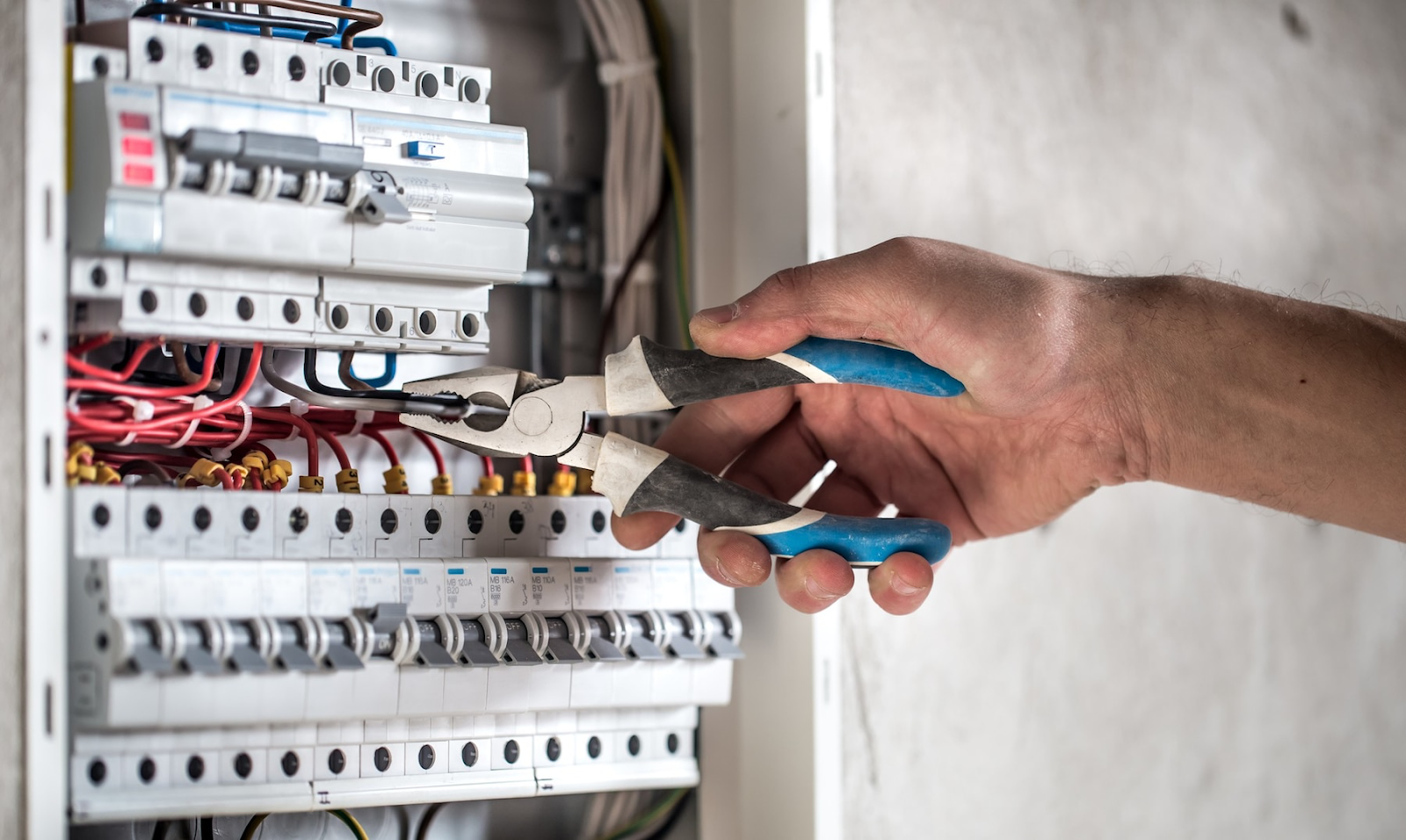
Throughout your life, you will certainly require the services of an electrician multiple times, whether you are a new or experienced homeowner. After all, maintaining a safe and reliable electrical system in your home is critical. So how do you find a reliable electrician?

While most people start by asking their friends and family members for a recommendation when they need an electrician, being able to determine whether they are the right choice for you or not, is an important skill. On the other hand, you may need to look for one on your own, for instance, if you are new to a neighborhood. While you might be tempted to go with the first electrician you hear about or choose a name at random from the phone book, you might end up with someone unreliable.

Here are six guidelines to assist you in choosing the right electrician.

1. Understand What Needs to Be Done

Before beginning it’s important to know what kind of alterations or repairs to the electrical installation you need. There are many different types of electrical work that you may need in your home, and adding a light switch is not the same as a major electrical job such as a complete room renovation. Knowing what you need in advance, can help you make a financial plan and even reduce costs. Most importantly, it can help you acquire the right electrician for a particular job.

2. Make Sure They Are Experienced, Certified, and Insured

The necessity of verifying that the individual or company you choose has current licenses and permits and that they are paying for electrician insurance should not need to be emphasized. If something goes wrong, this can protect you from unnecessary expenses and frustration. Licenses and permits guarantee that residential electricians have the necessary education and practical expertise to carry out their work safely and efficiently.

Electrician insurance policies offer coverage for several things including liability, medical expenses, etc. This means that they aren’t only protecting the worker but, if something goes wrong, they also protect any other involved party, like the person who has hired them. For instance, the proper insurance coverage will protect you in case something is damaged or someone is hurt on your property. You need to be very careful with this because you could be held accountable if there is an issue and your electrician is not adequately insured.

3. Verify the Electrical Work’s Anticipated Final Cost

You should request a thorough written quotation from the electrician. Some of the things that should be covered in the budget for the electrical work include:

  • The material costs
  • A specification of the materials that will be used and the particular brand
  • A full breakdown of the scope of the work

Additionally, you need to confirm that you know who will be doing the work. Some electricians may hire other professionals with less experience to complete the work for them, especially when they are busy.

4. Read Reviews and Talk to Previous Customers

Today it’s easier than ever to make sure that you are making the right choice when hiring someone to do a job for you, thanks to Google, professional directories, and even, social media. Look up potential electricians online and research them.

To be even more sure that you are making a good choice, you can find previous jobs they’ve done and find out how they accomplished it, how long it took, and if the customer had any issues working with them.  You can also ask them for a list of former customers and talk to some of them directly.

5. Ask for a Detailed Contract

It’s important, especially for larger remodeling projects, to discuss everything related to the work in detail, and, most importantly, that everything is documented in writing. The electrician’s contact information, including name, address, office, and mobile numbers, as well as any other information mentioned in the estimate, must be included in the contract. What is and is not included in the job must also be expressly stated. A copy of the electrician’s certificate of insurance should also be made available.

6. Demand a Warranty

Any competent electrician should have confidence in their work and be prepared to offer a guarantee after the task is finished. If something goes wrong after the electrical work or repair is finished, you should be able to feel confident in your work and be covered for any after-sales service.

Final Words

Investing some time in finding the right electrician instead of hiring the first cheap option you encounter pays off. When it comes to something as complex, important, and potentially dangerous as the electrical system on your property, you should always hire reliable, experienced, and qualified professionals.

7 Ways to Prevent Tenant Turnover

As a landlord, losing tenants is not something to take lightly. Tenant turnover occurs when a current tenant decides not to continue renting a property. In these situations the landlord is left with a vacant property until they find new tenants.

Unfortunately, finding quality tenants takes  time. If new tenants are not found quickly, the landlord earns zero rental income while still having to pay for the financial costs attached to their property.

Luckily, there are several preventative measures that can help landlords enhance their tenants’ living rental experience and prevent tenant turnover.

1. Invest in Desirable Neighborhoods

One of the best ways to prevent tenant turnover is to invest in properties located in the areas that people want to live. Pay close attention to desirable neighborhoods and what the people living there value. In general, the majority of tenants value neighborhoods with high or rising employment rates. If they can live closer to local employment opportunities, there is much less of a likelihood that they will move.

Also consider proximity to amenities nearby like parks, restaurants, shopping, entertainment opportunities and daily conveniences. The more amenities and conveniences there are near your property, the more likely tenants are to stay in the area and hopefully continue to live in your property.

2. Screen All Potential Tenants Beforehand

Once you have your property secured and you have marketed your property, you will want to take the time to screen all potential tenants. As a landlord you will want to take this process seriously. Don’t be afraid to ask for references from previous landlords, ask to see cleared past rent checks, request photos of pets, get a copy of their drivers license, and charge an application fee. Consider hiring a third-party service to complete a credit, background and employment check. These services provide information regarding criminal history, credit information, current employment and eviction history.

This screening process may be a bit time consuming for potential tenants. However, a tenant that is serious about renting your property will have no problem going through the process of providing this information. Having this screening information at hand will help you weed out potential candidates and choose a tenant that is the best fit for your rental property.

3. Be Considerate When Increasing Rent

As a landlord, it’s normal to increase your properties rent year-over-year to keep up with the changing market value of the home. When making these changes, it is important to take your current tenant and their circumstances into consideration. Consider their family size and what they can afford. Explain your rent increase before signing lease agreements. This ensures the tenant is aware of the reasons for the increase and knows exactly what they are paying for.

Unfortunately, a rent increase is what most often causes a tenant to leave or not renew the lease. That is why it is so important to compare the cost of having the current tenant leave versus the money you will have to spend finding a new renter. Also, be sure to compare the cost of having a tenant leave versus not increasing their rent. Negotiating the rent with the current tenant will often save you from revenue loss on a vacant unit.

4. Be Both Responsive and Responsible

The key to retaining tenants is by being a responsive and responsible landlord. Make the consistent effort to value your current tenants by prioritizing maintenance complaints and having an immediate maintenance service ready in the case of an emergency. Provide your tenants with your contact information and be prepared to respond promptly. If there are any delays with fixing maintenance issues, communicate with your tenants of the repairs to give them peace of mind that the issues will be fixed.

Establishing open communication with your tenants is also part of being a responsive and responsible landlord. Every quarter, pay your tenant a visit to conduct regular maintenance inspections, make property improvements, and ask them what you could do as a landlord to make their living experience better.  Doing these things will develop a positive relationship between you and your tenants, and help to build a strong level of trust.

5. Collect and Act On Tenant Feedback

Feedback is a landlord’s best friend. Asking for feedback is a proactive step that can help landlords better understand their tenants. You may not know there is an issue or things that you could do better as a landlord if you don’t ask. Plus, tenants appreciate a landlord that cares about their tenants and goes out of their way to make sure they are happy.

Feedback can be in the form of an online survey or routine interview that can be conducted every four to six months. These will provide quick tenant feedback that allows you to respond and make changes accordingly and in a timely manner. If you prefer to have a more personal approach to feedback, performing a quick interview during one of your routine visits is a great way to do so. Feedback is also a great way to tie in incentives for your tenants.

6. Invest in a Management Software or Company

Managing a rental property is no easy task. Add on a few more properties and the challenges only increase. Overextending yourself among multiple tenants at multiple properties doesn’t allow you to give each the attention that they deserve. That is where property management companies or an all-in-one property management software can help you out.

These management companies and softwares help landlords perform a variety of tasks such as track leases, keep up with maintenance tasks, collect rent, manage finances, respond to inquiries, and streamline operations. This takes the load off of landlords and makes it easier for them to concentrate on their tenants. If you have the financial resources to pay for these services, it is definitely worth it when it comes to tenant retention.

7. Makes Sure the Property is in Good Shape

The state of your rental property is a determining factor in whether or not tenants choose to stay or leave. Whether managing multiple tenants or property investing is a side gig, it can be difficult to stay on top of maintaining the physical condition of a property. Showing concern for the property’s condition shows tenants that their safety and well-being are a priority. It makes them feel welcomed and confident that they are in good hands with you as their landlord.

Considering you will have tenants living within your property and paying rent, it is crucial to make sure it is in the best shape possible. Otherwise you are just giving the tenant a reason to not stay. Conduct quarterly inspections to conduct routine maintenance. If it is possible, consider upgrading or doing a renovation. This will not only allow you to increase your rent prices, but also provide added comfort for your tenants.

Before you rent out a property, you’re going to need to purchase a property. To make the most out of your investment, buy your property with a SimpleShowing agent and receive up to 1.5% of the purchase price or $5,000 on average towards your closing costs.

Contact us or book a showing of any property to get started.