How To Improve The Longevity Of Your House

A house is a large investment. Not only do you want it to look good, but you also want it to last. You want to be able to enjoy your home for years to come without having to worry about constant repairs. So, what can you do to improve the longevity of your house? Here are a few tips:

What is the average lifespan of a house?

The average lifespan of a house is quite variable and depends on a number of factors. The most important factor is the quality of materials and workmanship that went into building the house. A well-built house using high-quality materials can last for hundreds of years, while a poorly constructed house may only last for a few decades. Other important factors include the climate and weather conditions in which the house is located, as well as the level of maintenance and care that it receives.

Not to mention, the size of a house also matters. A smaller home is easier to take care of and will likely last longer than a larger one. Ultimately, the average lifespan of a house really depends on how it was built and how well it is maintained.

Fixtures

Fixtures are often one of the first things to break down or show signs of wear and tear in a house. Because they’re constantly being used, they can wear out quickly if not properly cared for. In order to extend the life of household fixtures like door handles, doorknobs, and light switches, make sure to wipe them down with a soft cloth regularly. This will remove any dirt or fingerprints that could potentially damage the surface of the fixture over time.

Smoke detectors are an essential part of every home, but many homeowners neglect to check them on a regular basis. Test your smoke detectors monthly to ensure they’re functioning properly. You should also replace the batteries once a year or whenever they start to get low. If you don’t have a smoke detector in your home, now is the perfect time to install one!

Regular maintenance

It is important to keep up with the regular maintenance of your home in order to improve its longevity. This includes things like regularly cleaning and inspecting your gutters, checking for any cracks or damage to your foundation, and making sure your windows and doors are properly sealed. Additionally, it is important to have a professional inspect your home every few years to ensure that everything is in good condition.

Keep in mind that your home is a long-term investment, so it’s important to take care of it accordingly. By following these tips, you can keep your home in good shape for many years to come.

Upgrades and renovations

Over time, every house will need some upgrades and renovations. Some of these may be cosmetic, such as a new coat of paint, while others may be more structural, such as a new roof. No matter what kind of upgrades and renovations you may need, there are a few things you can do to improve the longevity of your house:

1. Regular Maintenance: One of the best ways to improve the longevity of your house is to keep up with regular maintenance. This means that you should regularly check for any repairs that may be needed, and address them as soon as possible. By keeping on top of maintenance, you can prevent small problems from becoming big ones.

2. Use High-Quality Materials: When you do need to make repairs or upgrades, be sure to use high-quality materials. This will ensure that your house can withstand the test of time.

3. Hire a Professional: When making any major repairs or upgrades, it is always best to hire a professional contractor. They will have the experience and expertise to get the job done right, which will help extend the life of your house.

Keep in mind that the lifespan of your house will also depend on the materials it is made out of. If you have a house made out of high-quality materials, it will likely last longer than a house made out of lower-quality materials.

If you’re looking to improve the longevity of your house, it’s important to take into consideration the different factors that can affect it. From the material your house is made of to the location and climate, there are a number of things that can impact how long your house will last. By taking these factors into account and making small changes where necessary, you can help to ensure that your house has a long and healthy lifespan. Plus, regular maintenance and upgrades will help to keep your house in good condition for many years to come.

Home Renovation Ideas for Newly Married Couples

Newlyweds reach an important milestone when they start a new life together. Now that you’re married and have promised to love and support each other through good times and bad, it may be time to face the bad times sooner than you thought. A not-so-fun fact is that many newlyweds have a bad time when they try to fix up their first home together.

Even if you’re moving into your spouse’s old property or buying a new home that needs modest repairs, remodeling with your partner for the first time might be difficult. We’ve developed a list of tips to make your remodeling smooth and quick.

Start Off On The Right Foot

It’s critical to begin from a pleasant, teamwork-focused position, and one effective method to do so is to take a seat and express your loftiest ambitions. Consider this a step up from discussing color combinations and decorating styles – this will be the cornerstone of your endeavor, and a topic that you’ll return to if you ever disagree with each other.

Keep An Eye On The Big Picture

Newlyweds should arrange their house to feel like a true home. Your house ought to be a peaceful haven. In this type of setting, make shared plans and just be happy. Regardless of how tough it is, you as well as your spouse should love renovating or decorating your house. Incorporate romantic touches to your house, such beautiful photographs or signs of affection.

Make Your Kitchen A Good One

You’ll spend a lot of time in the kitchen. It’s crucial that the kitchen has excellent equipment that saves your time. Make it so you have ample time for food preparation as well as dining alongside one another. Despite everyday obligations, it’s crucial to eat a meal and chat. Today, these things are indeed a privilege. Enjoy each moment around each other!

Have A Pleasant Living Room For You To Relax In

A living room should be for entertainment, love, or relaxation. Your living room ought to be luxurious and pleasant. Interior decorators will often advise rearranging the flooring and walls prior to any other installation. Pick long-lasting materials that won’t degrade for ages.

Bathroom Renovation Is Key

One of the most important rooms for newlyweds to fix up is the bathroom. If you both work the same hours and wake up at the same time, you’ll both be able to use a bigger bathroom. If you have the chance, add some more space to it. Your shower time would be much more efficient if you got a bigger tub or turned your tub into something like a wet room.

You’ll be able to do it all at once, saving time while you wait for each other. Get new shower curtains for a more modern look in your newly remodeled bathroom. A second shower head could also be nice to have. By adding a second vanity, you can cut your time in the bathroom by about half. You won’t have to wait around for your partner to finish showering and brushing their teeth. You can do it at the same time and don’t have to wait your turn.

Although skilled home design experts can’t fix every issue, they can apply their knowledge and original thinking into your endeavor, especially the sections in which you nor your spouse are unable to achieve an understanding. That’s why a bathroom remodeler might be something you should consider.

The Roof Might Have To Be Replaced

If your home is rather old, the roof could be in need of some maintenance and repair work. The first step in assessing whether or not it is necessary to rebuild the roof is to get familiar with the signs to look for. If, on the other hand, the thought of getting up on the roof fills you with dread, you may want to consider contacting Chicago commercial roofing contractors for assistance with the whole procedure. A skilled roofing contractor will be able to investigate the myriad of factors that contribute to the necessity for roof replacement.

No matter what you decide to do when renovating your home, always prioritize the love of your life. Don’t argue about anything for too long and show your love and support through thick and thin.

7 Fastest Growing Cities In Texas

Texas is a big state. In fact, it’s the second-largest state in the country. But even with its large size, some parts of Texas are growing faster than others. If you’re looking for a booming place with plenty of job and housing opportunities, you’ll want to check out the seven fastest-growing cities in Texas.

1) Conroe

Located in Montgomery County, Conroe is one of the fastest-growing cities in Texas. It’s about 40 miles north of Houston and has a population of over 88,000 people. The city’s job market is strong, and plenty of housing options are available.

If you check the prices of new homes in Conroe TX, you’ll find that the average price is currently just over USD$330,000. Real estate managers often say that when the price is right, the demand will follow. So, if you want to start a family or just need more space, Conroe might be the perfect place for you.

2) Georgetown

Georgetown is another booming city in Texas for various reasons. For one, the city is located within the Austin metropolitan area, which is one of the fastest-growing regions in the United States.

Additionally, Georgetown is a hub for education and research, with several colleges and universities located within its limits. The city is also home to many businesses and industries, making it an attractive place to live and work.

Furthermore, Georgetown has a rich history and culture that makes it a unique and appealing destination. All of these factors contribute to the city’s popularity and growth rate.

3) Frisco

In recent years, Frisco has also been one of the fastest-growing cities in the United States. According to the Census Bureau, the city’s population has increased by more than 8% since 2010.

There are several factors that have contributed to Frisco’s growth. First, the city is located in the Dallas-Fort Worth metroplex, one of the country’s most populous regions. Additionally, Frisco is home to several prominent corporations with global operations. Not only do these companies provide employment opportunities for residents, but they also attract workers from other parts of the country to move to Frisco. Finally, the city has a well-educated workforce and offers a high quality of life.

These factors have contributed to making Frisco one of the fastest-growing cities in Texas. With its strong economy, there is no doubt that Frisco will continue to be one of Texas’ most dynamic cities in the years to come.

4) Cedar Park

Cedar Park is also among the fastest-growing cities in Texas, and it’s not hard to see why. The city offers an excellent quality of life with its low crime rate, good schools, and plenty of things to do. Plus, its proximity to Austin means that residents can enjoy all the perks of a big city without having to live in one. As a result, Cedar Park is attracting more and more people each year, making it one of the most desirable places to live in the state.

Cedar Park is also a great place to do business. The city’s strategic location gives businesses easy access to a major market. At the same time, its lower cost of living makes it an attractive option for companies looking to relocate or expand. With its strong economy and growing population, Cedar Park is poised to continue its rapid growth for years to come and is an ideal location for individuals searching for affordable homes.

5) New Braunfels

Another Texas city whose economy has been flourishing in recent years is New Braunfels. Located just outside of San Antonio, New Braunfels has a population that has increased by over 19% since 2010. The city’s population is now estimated to be around 79,000.

One of the main reasons for New Braunfels’ growth is its location. The city is situated between two of Texas’ largest metropolitan areas, Austin and San Antonio. This makes it an excellent place for people who want to live in a smaller city but still have access to the amenities of a big city.

Another reason for the city’s growth is its strong economy. New Braunfels is home to several large employers across different industries.

6) McKinney

For several reasons, McKinney, Texas, is among the fastest-growing cities in the state. First, the city is located in Collin County, one of the country’s fastest-growing counties.

In addition, McKinney has experienced a surge in population due to the influx of major corporations that have relocated to the area. These companies have brought thousands of new jobs to the city, which has attracted workers from all over the state and beyond.

Finally, McKinney is a desirable place to live, thanks to its low crime rate, excellent schools, and abundant amenities. As a result of all these factors, it’s no surprise that McKinney is among the fastest-growing cities in Texas.

7) San Antonio

Last year, San Antonio was the second most populous city in Texas, with a population of over 1.4 million people. The city is located in the south-central part of the state and is the seventh-largest city in the United States. San Antonio’s diverse economy includes healthcare, financial services, manufacturing, tourism, and the military.

The population of San Antonio has grown by more than 20% since 2010. The city’s strong job market and low cost of living are two significant factors driving this growth. In addition, many retirees are moving to San Antonio because of its warm climate and affordable housing.

San Antonio also attracts young families due to its prestigious schools and family-friendly neighborhoods. The city’s robust economy and vibrant culture make it an attractive destination for many people looking for a place to stay in Texas.

Conclusion

Texas, the second largest state in the nation, is home to some of the fastest-growing cities in recent years. These seven cities, located throughout the state, have experienced significant population growth due to various factors such as location, economy, quality of life, and education. With their robust economies promising an exceptional quality of life, these cities will continue to be some of Texas’ most dynamic communities in the years to come.

7 Easy Ways to Sustainably Elevate Your Garden Design

Terms such as “sustainable,” “eco-friendly,” “water-wise,” and “carbon footprint” are now used in our day-to-day vocabulary. These terms directly influence how we live our lives and the legacy we will leave for future generations. So, it makes sense that creating a sustainable garden can be one of our contributions to Mother nature. It emulates and supports its surrounding environments and ecosystems and, in doing so, results in minimal negative impact.

A sustainable garden takes into account all direct and potential threats to the environment. Thoughtful choices regarding plant choice, water usage, organic, low-hazard products and materials, and recycling make a garden design sustainable. Even using locally-sourced materials and re-using what you already have in your backyard can make a big difference.

The sustainability of your garden generally depends upon your home’s exteriors, landscaping, and every biodiversity you hand-pick to put in there. Check the following list if you want to level up your gardening using sustainability practices:

Add rocks for permeability

Rocks can make for a spectacular garden, particularly when paired with the movement of running water and strategically placed garden lighting. Using a range of rock sizes and pebbles adds texture and interest to a garden. You may create drama with a focal point that draws the eye and mix smaller groups of rocks with larger boulders interspersed by plants.

Composed granite and pea gravels are some commonly used rocks that add to rainwater’s permeability and speedy infiltration.

Take advantage of your gutter system

According to experts at Gutter Supply, try to take advantage of your gutter system and downspouts. Install and connect it to your rainwater tank to conserve water. Or when it looks like rain is on its way, simply have a few buckets on hand to capture it for later use. An innovative gutter system can also preserve your soil’s nutrients as it does not allow erosion within your garden soil. If you are unsure what gutter system to install, consult an expert or at least heed those that are recommended by experts from a local gutter installation provider.

Harvesting your own water helps reduce erosion, maximizes moisture available for healthy plant growth, and minimizes costs and reliance on town water supplies. All sustainable gardening options.

Introduce locally-sourced plant species

Locally sourced materials require less distance for transportation than exotic ones, reducing the material’s carbon footprint and potentially reducing its cost to the homeowner. Plant local indigenous plants to improve or create a sustainable habitat. What’s good about these plants is they can easily thrive in your local weather and climate. Using plants native to your geographical region connects your landscape to larger ecosystems, invites wildlife, and decreases the need for supplemental water and fertilizer. They supplement your garden perfectly because regionally native plants are adapted to native soils and climates. Plus, blooms create beautiful, dynamic gardens.

Be generous with mulching

Mulch has a lot of benefits for your garden. It can help to maintain balanced soil temperatures, increase water infiltration and retention, and prevent soil compaction. On top of that, it also controls erosion, reduces weeds, improves soil texture, and provides a source of organic matter for microorganisms.

Work with composts

Composting has the most impact on any sustainable gardening practice. Composting helps in recycling biodegradable materials and enriching your soil. So, it benefits the health of your soil and benefits your family at the same time. One of the most common composting practices is vermicomposting, also known as worm bins or Bokashi worms. Another method is simply planting green manures, which cover crops like rye, oats, and hairy vetch that are composted directly into soils.

Practice seed saving

Seed saving encourages you to be more in tune with your plants and assures that the seed you’ll plant next season has done well. Start with organic and open-pollinated varieties so you can save the seeds, reducing your need to buy year after year. Start with the easiest seeds to keep, like peas, beans, peppers, and tomatoes, and work from there. You may even harvest flower seeds from dried flowers, one of the most sustainable actions you can take. You may also propagate new plants for free from species that grow well in your garden.

Eliminate chemicals

Spraying pests with petrochemical pesticides and annoying weeds with toxic herbicides should not be part of your gardening habits. Remember, you must also avoid feeding your plants inorganic fertilizers that contaminate and pollute your soil and underground water. To boost the health of your plants, you can start by discarding pesticides and herbicides. After all, you built an ecosystem where preys and predators live with one another.

The majority of plants can easily handle some damage from insects without seriously affecting your plant’s health. If you still have doubts, you can make use of homemade pesticides. You can concoct this using baking soda, salt, vinegar, and dishwashing liquid. If you want to be confident with the proportions, consult a local expert in your place.

Practicing sustainability is protecting the environment through actions that benefit it or do it the least harm. The closer we come to a goal of complete gardening sustainability, the more reward to our gardens, our families, and the planet as a whole.

7 Mistakes that Most New Homeowner Make

You’re moving into your new home, and you have lots of exciting plans for upgrades and updates. You’ve got a vision for how things are going to look when you’re done—and the only thing standing in your way is the fact that nothing’s been done yet! But don’t worry: we’ve got some advice on how to avoid making common mistakes as a new homeowner.

1. Not replacing carpeting

While carpeting is often the cheapest flooring option, it’s not always the best choice. For one thing, carpets tend to be costly to replace; if you ever have to, you’ll be looking at a costly investment. Additionally, many people find that carpeting can be difficult to clean and maintain; it also holds allergens in place for long periods of time. If your home has children who are allergic or asthmatic (or both!), replacing your carpets with hardwood or tile could be a major help.

Finally, carpets can make moving furniture around your house a chore because they’re soft and tend not to hold their shape well under heavy loads—a problem that many homeowners face when they try moving heavy furniture over their old carpeting without realizing what they’re doing!

2. Leaving walls bare

Once you’ve settled into your home, it’s easy to get caught up in the maintenance and upkeep of your property. But before long, you’ll find yourself itching for a change. Maybe the boredom of a bare wall has crept into your life and made its way onto your mind more than once? Maybe this is just an opportunity to try something new? Whatever the reason may be, here are some things to keep in mind when decorating walls:

  • Walls can be decorated with wallpaper, paint or other materials
  • Walls can be decorated with artwork (artwork would go on top of any other wall decor)
  • Walls can also be decorated with a personalized wall photo calendar

3. Forgetting about Homeowners insurance

The single most important thing you can do to protect your home and possessions is to have homeowners insurance policy. It covers the structure of your house, as well as any structural damage in case of a fire or other disaster. Homeowners insurance also protects you from financial loss if someone gets hurt on your property or if someone sues you for damages to their property. Finally, it provides liability coverage in case someone slips and falls on snow or ice that was not shoveled off properly by an employee working for your company.

4. Living with bad lighting

The lighting in your home is important. It’s the difference between an inviting space and a cold, unwelcoming one. Lighting can make or break a room, so it’s worth investing some time into making sure you have good lighting in all of your rooms.

5. Keeping furniture from your old place

Chances are, you don’t need that couch or dining table anymore. Not only is it probably not the right size for your new place, but it might not even be the right style. If it doesn’t fit in with the decor of your new place, it’s going to stick out like a sore thumb—and that’s something nobody wants. Instead of trying to force them into this new life of yours, let them go and find some furniture that actually fits into your space comfortably.

As much as we love our old furniture and all those memories attached to each piece (we’re looking at you, grandpa’s rocking chair), we know when something has to go for good because we’ve been through this before ourselves!

6. Having no plan for decorating

This is a common mistake many new homeowners make. They buy all the things they want to have, but they do not have any idea how to incorporate them into their home. The result: clutter.

If you think about it, this makes perfect sense—most people don’t know how to decorate their homes because they’ve never done it before! That’s why having a plan for decorating your home can be so helpful for anyone who is new at it or maybe just wants to spruce up their space without breaking the bank.

The good news is that creating a plan doesn’t need to be complicated at all; in fact, there are several ways in which you can go about doing this! You could talk with family members and friends about what kind of style interests them (and then incorporate those elements into your own living space). You could also use Pinterest or other websites as inspiration for ideas on how best to integrate certain pieces into your house’s design scheme without feeling overwhelmed by too many options at once.

7. Forgetting about landscaping and neglecting gutters

First things first: don’t forget about landscaping and don’t forget to clean your gutters! If you’re not thinking about the outdoors, then you may be missing out on some of the best parts of owning a home. You can enjoy your backyard and garden with family and friends—or even sell it later if you so choose.

Landscaping is one way to add value to your property, especially if you want to attract buyers for resale purposes down the line. It also gives people who are moving into new homes more reasons to go outside and take in their surroundings as often as possible—and that’s always fun!

Conclusion

Hopefully, this article has made you aware of some of the common mistakes new homeowners make. Remember that with any luck and a little bit of planning, you’ll be able to avoid them!

Reasons Why You Might Want to Buy a House in Texas

There are many reasons why you might want to buy a house in Texas. Some people might be interested in the lower cost of living, others might appreciate the lack of state income tax, and still, others might find the weather more agreeable than where they currently live. We will explore all of these reasons and more. So let’s get started!

The Cost Of Real Estate

The first reason you might want to buy a house in Texas is the cost of real estate. In many parts of the country, housing prices have been on the rise for years and show no signs of slowing down. This has made it difficult for many people to purchase a home, especially if they are first-time buyers.

However, in Texas, the median home price is just $230,000. This is much more affordable than in other states like California, where the median home price is over $600,000. You’ll find some of the country’s fastest growing and best suburbs in Dallas, San Antonio and Austin. If you prefer a less populated city but be close enough to a big city like, Leander is the perfect city due to its proximity to Austin. However, you will want to engage a local realtor to help you browse homes for sale in Leander, TX and guide you through the buying process.

Because of this, Texas is one of the most affordable places to live in the United States at the moment. And, as the state continues to grow in popularity, prices will likely continue to rise. However, they are not expected to rise as quickly as in other parts of the country.

The Weather

Another reason you might want to buy a house in Texas is the weather. The climate in Texas is generally very pleasant. The summers are hot but not too humid and the winters are mild. This makes it a great place to live if you don’t like extreme weather conditions. Additionally, because of its southern location, Texas gets more sunlight than most other states. This can be beneficial for your health as exposure to sunlight has been linked to improved mental health and increased vitamin D levels.

The Lack Of State Income Tax

One of the biggest attractions of Texas is that there is no state income tax. This can save you a significant amount of money if you are working in the state. In addition, the sales tax in Texas is also relatively low. This can make a big difference when you are making large purchases like a new car or a house. And, if you are retired, the lack of state income tax can be especially beneficial as it will allow you to keep more of your hard-earned money. And, because there is no state income tax, the government can provide more services and programs for its citizens.

Friendly People

Another great reason to buy a house in Texas is the people. Texans are known for being friendly and hospitable. They are also known for their strong work ethic. This can be a great environment to raise a family in as it will provide your children with positive role models. Additionally, because of the friendly nature of the people, it can be easier to make friends and feel like you belong in Texas. And, if you are moving from another state, the transition will likely be smoother than if you were moving to a place where the people are not as friendly.

The Growing Economy

Another reason you might want to buy a house in Texas is the growing economy. The state has been adding jobs at a rapid pace in recent years and the unemployment rate is relatively low. Additionally, the cost of living is still relatively affordable, making it a great place to start or grow a business. And, as the state continues to grow, more and more businesses will likely move to Texas, providing even more employment opportunities. For example, Amazon recently announced that they are planning to build a second headquarters in the state.

The Culture

Texas is a state with a rich culture. Many different festivals and events take place throughout the year. And, because of the state’s large size, there is a lot of diversity among its citizens. This can be a great way to experience new things and learn about other cultures. Additionally, the food in Texas is also very good. You’ll find all sorts of different cuisines represented in the state, from Tex-Mex to barbecue. And, of course, there is also the music. Texas is home to a variety of different musical genres, including country, blues, and rock.

The Education Opportunities

Texas is also a great place to live if you have children or are planning on starting a family. The state has several excellent schools and universities. In addition, the state offers a variety of financial assistance programs for families with children. The best universities in Texas are:

  • Texas A&M University: This is a public research university located in College Station, Texas. It is the largest university in the state and one of the largest in the country.
  • Rice University: This is a private research university located in Houston, Texas. It is one of the most prestigious universities in the state and is ranked among the best universities in the world.
  • The University of Houston: This is the third-largest university in the state and offers a variety of programs and degrees
  • Texas Tech University: A public research university located in Lubbock, Texas. It is one of the largest universities in the state and offers a variety of programs and degrees.

Quality Of Living

In general, the quality of life in Texas is very good. The state has a low cost of living and a variety of amenities. Additionally, the state is home to many excellent hospitals and medical facilities. Many people, both native and non-native, choose to retire in Texas because of the high quality of life. For example, Texas is home to several top-rated golf courses and resorts. Additionally, you can find several excellent restaurants, shopping, and entertainment options.

These are just a few of the reasons why you might want to buy a house in Texas. As you can see, there are many great reasons to live in this state. If you are considering buying a property in Texas, be sure to keep these things in mind. And, if you have already decided to move, congratulations! You are sure to love living in this great state.

Best Blockchain API Services

An API is an essential part of a developer’s toolkit, as it gives projects on-demand access to data from sources external to their application. An API is a middleware or intermediary that allows two applications to talk to each other. Each time you use an app like TikTok or check sports on your phone, you’re likely using an API.

In the world of web3 and crypto, “nodes” are critical components of the blockchain. A “node” is more or less a server that acts as a digital ledger. A node records all the transactions that occur on the chain. Nodes also allow users to access data on the blockchain.

What is Blockchain API?

APIs play a critical role in web3. APIs exist in DeFi for transaction execution, staking, protocol governance, crypto rewards, data analysis, and many other use cases.

APIs allow communication between a blockchain node and a client’s network or another app or service. APIs allow greater access to a blockchain without the hassle of deploying and maintaining a node. APIs also allow greater scale, such that one engineer can interact with multiple different blockchain protocols.

Whether you’re a Solidity engineer, a hobbyist dev, or a DeFi trader, APIs can help speed up your web3 journey. Whether you want to develop deploy an NFT marketplace or build a Fintech app, API platforms can help you start small and scale with time.

Free Blockchain API Services

Each of these great platforms offer a free version of their API and more robust, paid plans for enterprise use cases:

1. Quicknode

QuickNode supports 25+ blockchains and provides one of the best and easy to use interfaces.

2. DeCommas Mission Control API

DeCommas Mission Control API is a toolbox that allows developers to build a multitude of web3 applications and features.

Building applications and features such as portfolio trackers, web3 searchbars and cross-chain asset swaps is a breeze with this developer friendly, blazingly fast and cost-efficient API. At build.decommas.io you can get started in just a few clicks, completely free of charge.

3.  Alchemy

Alchemy wins the award for best developer docs and a great NFT tool.

4.  Infura

Infura has the best support for ETH.

5. Getblock

GetBlock offers support for 40 protocols, shared and dedicated node access.

6. Moralis

Moralis offers the most versatile pricing/plan options.

Other Free Blockchain API’s

In addition to our list of our top blockchain API providers, consider checking out this popular API list by Rapid. While many of the APIs mentioned aren’t hosted on the blockchain, they can help developers scrape data from various websites and social media platforms. If you’re a content creator, these APIs will really help you out.

Blockchain API Use Cases

Blockchain APIs can be used in a variety of ways, including:

  1. Payment processing: Blockchain APIs can be used to process secure and decentralized payments.
  2. Supply chain management: Blockchain technology can be used to track the movement of goods through a supply chain, providing transparency and accountability.
  3. Digital identity: Blockchain-based APIs can be used to create digital identities that are secure, portable, and self-sovereign.
  4. Smart contracts: Blockchain APIs can be used to create and execute smart contracts, which are self-executing contracts with the terms of the agreement between buyer and seller being directly written into lines of code.
  5. Decentralized marketplaces: Blockchain-based marketplaces can be created using APIs, which allow for peer-to-peer transactions without the need for a central authority.
  6. Decentralized applications: APIs can be used to build decentralized applications (dApps) that run on a blockchain network.
  7. Data Management and Sharing: APIs can be used to record, store, and share data securely in a decentralized and tamper-proof manner.

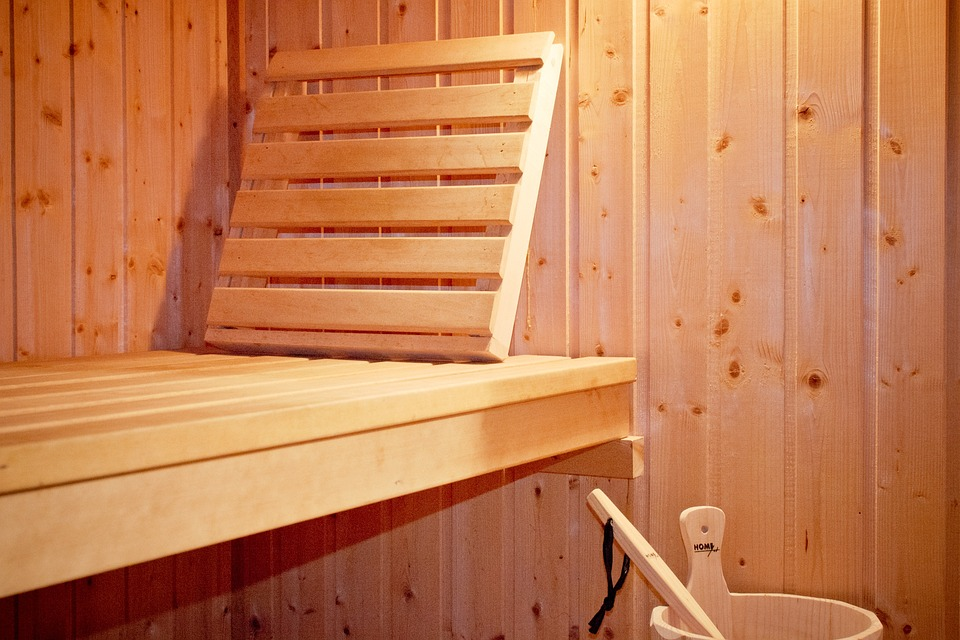
Building Your Own Sauna? Practical Tips to Help You

If you’re thinking of building your own sauna, there are a few things you need to take into account. This article will give you some practical tips on how to build a sauna that will be perfect for your needs. Follow this guide and you’ll enjoy every moment of it.

Set The Plumbing Right

Water is the most important aspect of a sauna so you need to set up the plumbing perfectly. There is a big range of steam showers to choose from so make sure you know which one you want. You also need to make sure that the installation is done by a professional.

The most important thing is to get the right size sauna for your needs. If you have a small space, then you might want to consider a portable sauna. There are many different types of saunas on the market, so make sure you do your research before making a purchase.

Setting up the plumbing can be a challenge, but it’s worth it in order to enjoy the benefits of having a sauna in your home.

Use The Right Materials

It’s essential to pick the perfect type of wood for building your sauna. You want materials that are durable and will hold up to heat and moisture. Cedar is a great option because it’s rot-resistant and has natural oils that make it ideal for withstanding high temperatures. Other options include redwood, hemlock, and spruce.

Make sure you avoid using treated lumber or any type of plywood, as the chemicals in them can be dangerous when heated. If you’re unsure about what type of wood to use, consult with a sauna expert or your local hardware store. With the right materials, you’ll be on your way to enjoying your very own sauna in no time!

Prepare The Sauna Essentials

You need to find all the right items you will put into your sauna. These are the following:

  • The benches
  • The heater
  • The wood
  • The rocks
  • The sauna thermometer
  • The sauna timer

These are the basics of what you need in order to have a functioning sauna. You can get creative with other additions such as sauna lights and scented oils or candles.

You want to make sure that you have all the essentials so that you can fully enjoy your sauna experience.

Insulate The Sauna

Proper insulation will ensure that the sauna retains heat and provides the desired level of warmth. When insulating the sauna, be sure to use materials that can withstand high temperatures. Some good options for insulating the sauna include foil-faced fiberglass, rigid foam, and mineral wool.

Be sure to seal all gaps and seams with caulk or another type of sealant to prevent heat from escaping. Once the sauna is properly insulated, it will be easier to maintain the desired temperature.

It’s very important to have a healthy work-life balance and spending time in the sauna to relax is the perfect way to do so. If it’s insulated well, it’ll do what it’s supposed to!

Install A Vapor Barrier

Vapor barriers are used in saunas to help control the amount of moisture that is able to pass through the walls and ceiling. By installing a vapor barrier, you can help to keep your sauna dry and comfortable.

There are two main types of vapor barriers: foil-faced gypsum boards and polyethylene sheets. Foil-faced gypsum boards are the most common type of vapor barrier used in saunas. They are easy to install and provide good protection against moisture.

Polyethylene sheets are also effective at controlling moisture, but they can be more difficult to install.

Set Up The Paneling

Every good sauna needs walls to help contain the heat, and one of the best ways to build these walls is by setting up the paneling. Paneling can be made out of a variety of materials, but wood is usually the best choice as it will help to create that classic sauna feel.

To set up your paneling, you will first need to measure the space where you want to build your sauna. Once you have your measurements, you will need to cut the paneling to size and then attach it to the frame of the sauna. This can be done with screws or nails, but make sure that everything is nice and secure before you move on.

Add Electronics

Installing the sauna heater, along with other wiring and electronics, is not a difficult task. Following the instructions that come with the sauna kit, adding the electronics to your sauna should be a breeze.

Once the wiring and electronic components are in place, you can begin adding other features to your saunas, such as lights, a stereo system, or even a television. By adding these additional features, you can create a truly unique and relaxing experience that will be enjoyed by all who use it.

Adding electronics to your sauna is a great way to increase its functionality and appeal.

A sauna is the best treat you can give yourself, and it’s quite easy to build. Make sure the plumbing is perfect and use the right materials. Prepare all the essentials and insulate it well. Make sure to install a vapor barrier as well as the paneling. Finally, be extra careful when adding electronics so everything functions well!

Good Rain Water Harvesting Ideas For Homes – And How It Works

Rainwater harvesting (RWH) is a process that collects, filters, and stores rainwater for future use. This can be done on a small scale, like with a home garden, or on a larger scale, like with an industrial operation. No matter what size your operation is, it’s important to understand how RWH works and the benefits it can provide. In this blog post, we will discuss some good RWH ideas for homes and explain how the process works!

Great ideas for your home and how they work

Rainwater collection has been around for centuries and has been used as a way to water crops, clean clothes, and even as a drinking water source. In many parts of the world, rainwater is still the primary source of water for these purposes. With modern technology, we can now collect and store rainwater more efficiently than ever before. There are many benefits to rainwater harvesting, and each method brings something new to the table. However, some of the most common benefits include:

  • Reducing your water bill
  • Reducing stormwater runoff
  • Recharging groundwater
  • Improving water quality
  • Providing an emergency water supply

Luckily, there is a plethora of different ways for you to collect rainwater. Of course, each different method will have its own set of benefits and drawbacks. The best way to determine which method is right for you is to consult with an RWH expert. Professionals will have an easier time assessing your exact needs. More importantly, they have the knowledge to be able to recommend a good system for your situation.

Using barrels or tanks

This is one of the most common, and easiest types of rainwater collection. Namely, these can be placed under gutters to collect water as it runs off your roof. These barrels or tanks can then be used to water your garden, wash your car, or even as a drinking water source in an emergency. The main drawback of this method is that it can take up a lot of space, especially if you are collecting a large amount of rainwater. Most barrels or tanks have a capacity of 50 to 200 gallons (190 to 760 liters).

Building a rain garden

Another common method of RWH is building a rain garden. A rain garden is a shallow depression that is planted with native plants and grasses. They are designed to absorb rainfall and prevent runoff. Rain gardens can be used in conjunction with gutters and barrels to increase the amount of rainwater that is collected. The main drawback of rain gardens is that they require regular maintenance, such as weeding and replanting. Moreover, they can only be used in certain areas, such as next to a downspout or on a slope.

Using greywater

Greywater is water that has been used for activities such as washing dishes, laundry, or showering. It contains nutrients that can be used to fertilize plants. Greywater systems are designed to collect and store greywater for future use. The main drawback of greywater systems is that they can be expensive to install and maintain. In addition, greywater must be treated before it can be used on plants, as it may contain harmful bacteria. Greywater methods are best suited for those who are already familiar with RWH.

Permeable pavements

One of the newest methods of RWH is using permeable pavements. These are made from materials that allow water to pass through them and be stored in the ground. Permeable pavements can be used in parking lots, driveways, sidewalks, and even roads. The main advantage of permeable pavements is that they allow rainwater to seep into the ground, which helps to recharge groundwater supplies. In addition, they can reduce stormwater runoff and improve water quality. The main drawback of permeable pavements is that they can be more expensive than traditional pavements.

Gutters and downspouts

Gutters are installed on the edge of your roof and collect rainwater as it runs off. The water is then transported through the downspouts to a storage container, such as a barrel or tank. It is important to ensure that your gutters and downspouts are in good condition, as they can become clogged with debris, which can lead to overflow. This method is best suited for those who live in areas with a lot of rainfall or frequent storms. Moreover, it is important to ensure that your storage container is big enough to handle the amount of water that will be collected.

Rain fences or berms

Rain fences or berms are installed around the perimeter of your property. They are designed to catch rainfall and direct it toward a storage container, such as a barrel or tank. This method is best suited for those who live in areas with a lot of rainfall. On the other hand, you should know that most berms have a capacity of 50 to 200 gallons (190 to 760 liters). So, when building berms, make sure you take that into the account. Because of this, rain fences are often used in conjunction with gutters and downspouts. Furthermore, it is important to ensure that your storage container is big enough to handle the amount of water that will be collected.

Roof washers

Roof washers are installed on the edge of your roof and collect rainwater as it runs off. When installing a roof washer, it is important to ensure that the slope of your roof is at least 30 degrees. This will help to prevent leaves and other debris from clogging the system. In addition, it is important to ensure that your storage container is big enough to handle the amount of water that will be collected.

Underground tanks

Underground tanks are installed beneath your property and collect rainwater as it runs off the roof. The water is then transported through a pipe to a storage container, such as a barrel or tank. Again, if you are living in an area that has plenty of rainfall, or storms are common, then this method may be best for you. It is important to ensure that your storage container is big enough to handle the amount of water that will be collected. Moreover, underground tank systems can be expensive to install.

In conclusion, there are many different types of RWH systems, so it is important to choose the one that best suits your needs. An RWH system can be a great addition to your home, and it can help you save money on your water bill. In addition, it can provide you with a source of emergency drinking water.

How To Design A Patio To Fit Every Social Occasion

When most people think of patio design, they likely imagine a small rectangular or square space with a few pieces of furniture and maybe a few plants. But your patio can be so much more than that! With the right design, your patio can accommodate any type of social gathering, from intimate dinners to large parties. Let’s explore how you can design a patio that will perfectly fit every occasion.

The Location Of The Patio

The first step in designing your patio is to determine its location. The location of the patio will largely depend on the size and layout of your yard. If you have a large yard, you may want to place the patio near the house so that it’s easily accessible. But if you have a smaller yard, you may want to place the patio at the back of the property where it will be more private. If the location you choose has a lot of sun during the day, consider home retractable awnings for your patio that will provide shade and protection from the sun’s harmful rays. Additionally, the location will determine how much wind and rain exposure your patio will get, so be sure to choose a spot that is sheltered from the elements. Once you’ve determined the location of the patio, you can start planning its layout.

Different Patio Layouts For Different Occasions

The layout of your patio will largely depend on how you plan to use it. If you want a space for entertaining large groups, you’ll need a different layout than if you’re looking for a more intimate space for two. Here are some common patio layouts to consider:

  • A conversational area: This type of layout is great for small gatherings or intimate conversations. To create a conversational area, arrange the furniture in a way that encourages people to face each other and promotes conversation. For example, you might place two chairs facing each other with a small table between them.
  • A dining area: If you love to entertain large groups, a dining area is a must. To create a dining area, simply place a large table and chairs on the patio. If you have a large patio, you may even want to consider adding a second table for more seating.
  • A lounge area: A lounge area is perfect for relaxing or spending time with friends. To create a lounge area, arrange the furniture in a way that encourages people to kick back and relax. For example, you might place a couch and chairs around a coffee table.
  • A bar area: If you love to entertain, a bar area is a great addition to your patio. To create a bar area, simply set up a bar cart or table with all of your favorite drinks. Make sure to also add some bar stools or chairs so that your guests can enjoy their drinks in comfort.
  • A dance floor: If you love to party, a dance floor is a must for your patio. To create a dance floor, simply clear an area of the patio and add some music. You may also want to consider adding some lights to create a party atmosphere.

No matter what type of layout you choose, be sure to leave plenty of space for walking and moving around. You don’t want your guests to feel cramped on your patio.

Outdoor Furniture

Outdoor furniture is a great way to add comfort and style to your patio. There are many different types of outdoor furniture to choose from, so be sure to select a style that fits your personality and needs. Here are some popular types of outdoor furniture:

  • Chairs: Outdoor chairs come in a variety of styles, including rocking chairs, Adirondack chairs, lounge chairs, and more.
  • Tables: Outdoor tables come in a variety of styles, including coffee tables, side tables, dining tables, and more.
  • Sofas: Outdoor sofas are a great option for lounging or entertaining. They come in a variety of styles, including sectionals, loveseats, and couches.
  • Benches: Outdoor benches are a great addition to any patio. They offer additional seating and can be used as a coffee table, side table, or footrest.
  • Ottomans: Outdoor ottomans are a great way to add comfort and style to your patio. They can be used as a coffee table, side table, or footrest.
  • Lighting: Outdoor lighting is a great way to add ambiance to your patio. There are many different types of outdoor lighting to choose from, including string lights, lanterns, solar lights, and more.
  • Accessories: Outdoor accessories are a great way to personalize your patio. There are many different types of outdoor accessories to choose from, including pillows, rugs, umbrellas, and more.
  • Materials are also important whenever you’re picking out outdoor pieces because they’ll need to withstand various weather conditions. Homeowners often go for chic stainless steel patio furniture that won’t be destroyed by rust, wind, sunlight, or rain. This approach ensures a long-term investment that won’t require much maintenance.

Patio Materials

There are many different materials to choose from when it comes to patio flooring. The material you choose should be durable and easy to clean. Here are some popular patio flooring options:

  • Concrete: Concrete is a popular choice for patio flooring because it is durable and easy to clean.
  • Brick: Brick is a popular choice for patio flooring because it is classic and elegant.
  • Stone: Stone is a popular choice for patio flooring because it is natural and beautiful.
  • Wood: Wood is a popular choice for patio flooring because it is warm and inviting.
  • Tile: Tile is a popular choice for patio flooring because it is easy to clean and maintain.

Whether you decide on brick or wood, weather resistance is the key when choosing a material. Weather resistance can also be achieved by adding an area rug or outdoor furniture cover. And if you are looking for a way to protect your patio furniture from the elements, consider investing in some patio furniture covers.

A patio is a great addition to any home. It can be used for entertaining, relaxing, or simply spending time with friends and family. When planning your patio, consider the layout, furniture, lighting, and accessories. With a little bit of planning, you can create the perfect patio for your needs. Just make sure to leave plenty of space for walking and moving around. You don’t want your guests to feel cramped on your patio.

Tips You Need To Know When Building A Custom Home

Building a luxury custom home is always a colossal project with tons of creativity, expertise, and hard work involved in bringing your vision to fruition. Many contractors may even argue that custom homes require greater attention to detail and are often more complicated projects overall than regular homes that have less customized features. Luxury custom homes in many cases also pertain to a specific era or style of house, making it essential to find building experts that have worked on those types of designs before.

Estimate Costs And Have A Budget

One of the singularly most important aspects of building a luxury custom home is to have a strong grasp on the budget and a thorough knowledge of the costs involved. In many cases, you will need to account for inflation when calculating the costs and know that the price of certain materials will be much higher by the time you actually are halfway across the construction and placing orders.

Materials that need to be imported or bought from a retailer who imports them will also be subject to excess taxation and import duties which may vary according to market conditions and government policy. Good custom home builders will always advise you to set the budget at a close approximation as new costs will typically multiply as the project goes on and no amount of planning can be perfect in this regard.

The Ideal Custom Home Builder

The custom home builder or main contractor has an all-encompassing job which includes ordering the correct materials and outsourcing specialty tasks to experienced and gifted employees, designers, and sub-contractors. The home builder will also oversee the daily tasks and progression of various sub-projects as time wears on so finding the right home builder makes all the difference.

As a homeowner, you should do plenty of research regarding local builders and building companies and line up as many interviews as possible. Sometimes a builder may look phenomenal on paper but in person, you may not have the best communication or understanding. Since a contractor is someone who you will be in almost daily contact with for the foreseeable future, they need a likable component in them along with steadfastness, a sense of responsibility, a good work ethic, and punctuality.

Design Fatigue Is Real

There is a phenomenon known as design fatigue that can commonly occur before and during the construction of custom homes simply because so many of the design elements are very detailed or unique. The builder will need to be in constant contact with you to finalize the finer details and this can be exhausting and draining. Work with your architect and designer at a designated time every week so you can keep up the creativity with what is possible budget or practicality-wise.

You may want a sloping roof with a certain type of roofing shingle but residential roofers may advise you against it on practical grounds. Experienced professionals like roofers evaluate factors such as climate, environment, longevity, budget, and design style before making recommendations on the right type of roofing material for you. Consulting the professionals is instrumental in designing a house so don’t rely just on your own opinion.

Get Very Accustomed With The Site

Building a custom home cannot be done over the phone or through video calls. You need to make a point to get very accustomed with the site itself and visit very often. This is not just to keep an eye on the builder but to make changes as needed. Flexibility is very important when constructing a luxury custom home as every detail cannot be exactly as it was envisioned in the beginning and some alternatives might be a better fit.

Visiting the site a great deal also helps you derive more joy from the construction of your dream home and see all the components come together. A luxury home can be a tremendous financial undertaking so you need to feel it is worthwhile at every step of the journey. Furthermore, you are able to envision yourself living in the space, and that in itself brings needed design changes such as an accent wall for your best friend’s dog portraits!

You may ask yourself questions like ‘should I have a skylight in this room?’ or ‘do I need more windows?’ Lastly, visiting every day or nearly every day will help you see all the artisans, experts, and sub-contractors in action and perhaps have meaningful conversations and learn much about their craft!

Tips To Make Your Home More Valuable And Sell Faster

Most people believe that selling a house is a full-time undertaking simply because of the multitude of steps involved in the process. The concept of value-addition is very important for selling a house because you always want a customer to feel they are getting a bargain or good value for their money. Contrary to popular opinion, value-adding can consist of simple, cost-effective steps that lead to considerable financial gains in the real estate market.

Professional Inspections Are Well Worth It

Before even thinking about putting your home on the market, consider having a professional inspection carried out. This is usually done by contractors and other professionals like plumbers or pest control experts. If you have water damage, old pipes, or some real structural problems such as one requiring roof repair or pipe replacements, you will need to get it out of the way before approaching a real estate agent.

It is worthwhile to note that you do not in most cases need to undergo comprehensive renovations unless you are catering to the luxury or vacation home market. Small repairs and upgrades here and there can really exponentially increase the price you can expect so your investment will be well rewarded in due time.

Price It Right For Success

Most first-time home sellers either price the house too low (which is disastrous for them) or too high which makes them significantly less competitive in the market and lowers their chances of getting an offer. Work with a real estate agent to canvas the price range that similar houses in the neighborhood have been sold for in the past (market prices do fluctuate due to inflation) and then come up with a price that seems attractive for both parties. In most cases, you will be able to price higher if you have renovated or done upgrades on the house as a form of compensation.

If you are marketing the house exclusively to cash home buyers which is a quicker and hassle-free way of closing a sale, you will ideally be able to cut out extraneous costs such as a real estate agent’s commission. An added bonus is that cash home buyers are usually speculators who will purchase properties that aren’t even in the best shape simply because they have to invest in a particular neighborhood at that time.

Get A Deep Clean Done

A tested hack for selling your house faster is to do a deep clean and slightly depersonalize it. Potential home buyers who are either visiting the property straight from a realtor’s office or are looking around in an open house event, want to be able to see all the potential that the house has to offer. If it is cluttered with personal belongings or is untidy it can immediately put off a potential buyer. Try to make the main spaces such as the kitchen, the study, and the living room area as clean and open as possible so customers can appreciate how much space is available.

As any real estate agent will tell you before bringing potential buyers or hosting an open house, always put the majority of your personal belongings into storage. Don’t leave any personal photographs sitting on tables for example! Clearing out your closets and cabinets and moving your possessions elsewhere is also a good idea so people visiting can see how much closet space they will be able to get. While it is not necessary to renovate your bathroom, always add special touches like a candle or two, a bath mat, fresh towels, and baby soaps, and scrub it with a strong acidic disinfectant solution beforehand so it smells and looks glorious.

First Impressions And The Heart of the Home

First-time home sellers often forget the exterior of the house which includes the garden, the yard, and the front porch or any outdoor sitting area. Spend some time and money to get proper landscaping done and if possible incorporate design elements like a fountain or a mini fish pond or even a rockery.

If you have a porch or a BBQ pit outside, buy some good lawn furniture to go with the surroundings. You don’t even need to gift the furniture to the buyer, this is only to stage the outdoor area nicely. The kitchen is well known as the heart of the home in most cultures so double check the age of your appliances and the water pressure and so forth. If you can only upgrade one area of the house, the kitchen emerges as a strong contender!