12 Things to Check Before Purchasing a Used Home

Buying a house is the biggest step into establishing a foothold into adulthood. It is associated with a lot of expectations, dreams, and hope. Therefore, you must evaluate thoroughly and make a wise decision before committing to this expensive and long-term responsibility.

Here we walk you through the key features you must not miss when looking into potential listings.

House Size

Your house size should be the first home requirements checklist. You need at least a general idea of the number of bedrooms and bathrooms and an estimate of the square footage of the home you are looking for.

The size of the house is a matter of personal preference and needs. A large family or a couple looking to start a family should look into larger homes, whereas a small home is enough for a single person or those living with a partner.

Although a large home has plenty of rooms, small houses also have both aesthetic and economic benefits. Small homes are cozy and easier to clean. Furthermore, they can be furnished easily, and maintenance is less expensive.

The Ideal Yard

Your yard is a reflection of your personality. Some prefer large yards for a garden and artificial ponds or a swimming pool, while others prefer to skip a big lawn altogether due to difficulty maintaining them.

You will need to factor in the features you want in your backyard and whether it is equipped to take in additional features that you may want to add in later.

Finally, make sure to take into account maintenance costs and requirements for the lawn when finalizing your decision.

The House’s Exterior

Don’t forget to scrutinize the exterior after meeting your interior requirements. A sturdy exterior is just as important, and any red flags are most likely to be exposed during a home inspection. Nonetheless, some should best be checked out by yourself.

Firstly, the roof should be checked for any damages or leaks. A roof can be expensive to replace, so a thorough check should be ensured, especially in the case of old roofs. However, an old roof shouldn’t be a deterrent to buying the house since a well-maintained roof can last for decades.

This may be difficult to spot for the untrained eye but a bad foundation can cost you a lot of money. One way to identify it is to look for cracks in the walls, especially around doors and windows. If your doors and windows jam frequently, that could be another warning sign.

Lastly, look at the exterior walls to spot signs of decay, peeling paint, and rotting wood that require repairs.

Heating And Cooling Systems

Older homes tend to have a boiler or a baseboard heater to warm homes. You need to check whether these are in working order, or you risk cold winters and expensive renovation after purchasing the house.

Beating the summer heat is just as important as bearing the frigid winters. A central air-conditioning system is a better option for even cool air distribution, especially if your area experiences hot summers. You can also choose to have an AC that supplies air to the single room it is located.

No matter your choice of temperature regulation for your home, you should ensure that the house can accommodate any installations you want. For example, there should be space in the walls if you to change from a ductless to a duct system

Test Toilets, Sinks, Showers, and Baths

Sure you can change the flush after you have moved in but having everything in working order before you move in is the ideal setting.

You don’t want to deal with a leaky faucet or dripping shower once you have settled in. Furthermore, remember to test your water heater; otherwise, you risk showering with freezing water during the winter. One early sign of a developing problem can cause your water heater to make a hissing noise. So be sure to check every part of the bathroom thoroughly.

In addition to testing sinks, showers, and toilets, it’s crucial to evaluate the plumbing and sewage systems of the house. If your home relies on a septic system, ensure that you consult with local septic pumping professionals to assess the system’s condition and verify that maintenance has been properly conducted. The last thing you want is to deal with sewage backup or other costly septic issues after purchasing the home.

Check That All Appliances Work

During a house inspection, the new, shiny fridge might not be in working order and only placed to lure in potential buyers. Therefore before you finalize the deal, check that all the appliances in the house are in working order.

Bring a Phone Charger to Test the Outlets

When making your rounds around the house, check whether all the outlets are in working order. Simply bring your phone charger and plug in your device to test the outlets. Don’t miss the ones in the bathroom, bedroom and office space.

Take a Peek at the Electrical Panel

The electrical panel is the powerhouse of your home. Although your home inspector should cover this during the inspection, it doesn’t hurt to be extra safe. A general rule of thumb is that organized wires with clearly marked connections in a neat panel indicate a safe, functional panel. On the other hand, a mess of disconnected wires poses a potential electrical hazard threat.

Open and Close All Windows and Doors

As mentioned before, it is an indicator that the foundation is strong. You should also check if they get jammed before winter rolls around and end up with half-closed windows allowing cold drafts to freeze you over.

Scout Out Areas of Potential Leakage

Certain areas of a home are more prone to leaks than others. So make sure you identify any sites well before moving in to avoid incurring additional repair costs. This includes the drainage gutters of roof eaves and outdoor patios. Ensure that the drains are clear and functioning properly and that these drain water into the ground well away from the foundation.

Pay Close Attention to Basement Walls

Basements are sites of moisture accumulation, especially if you live in areas prone to rain and storms. This can lead to mold and mildew, which can seriously affect your health in the long term. Watch out for musty-smelling basements, rusty metal, and a presence of a dehumidifier, all of which are tell-tale signs of a moisture problem.

Attic

The attic requires a once over after you are done inspecting the house. Look out for animal droppings that could indicate a rodent infestation as well as signs of any leaks or damage.

Finally, inspect the insulation and ventilation of the attic-two important aspects that shouldn’t be ignored. Inform your home inspector if the attic appears wet or water stained.

Conclusion

Inspecting homes is an essential task to be completed before you finalize the deal. Too many homeowners are left dissatisfied and cheated because they find massive flaws in the house after moving in. This is all due to improper inspection. If you are moving into a used home, then an inspection is a necessity that must not be skipped.

Your home is a safe haven and a significant investment so you must place the utmost care into ensuring that it is perfect in every way possible.

How to Refinance Your Housing Loan for Debt Consolidation

If you’re struggling with debt, it may seem like there’s no way out. You’re probably wondering how to get a lower interest rate and pay off your debts faster. If you own your house or an investment property, you might be able to take advantage of it by consolidating all of your debts into a single payment. This can enable you to cut back significantly on your monthly expenses and generate some much-needed cash flow to get back on track.

Debt Consolidation

Debt consolidation is a great option if you have a lot of different loans. If you have multiple student loans, or if your mortgage has been sold to another bank, then debt consolidation could help you simplify the repayment process and reduce your overall payments.

There are many reasons why someone would want to consolidate their debts. One reason is that they may want to lower their monthly payment. Another reason would be that they can get rid of high-interest credit cards by paying off their balances with one low-interest loan.

Finally, some people use this method as an opportunity to make sure all their debts are under one roof so they can pay them off quickly without having any late fees or penalties tacked on at the end of each month.

Things to Consider Before Consolidating the Debt

Before you consolidate your debt, it’s important to consider how much debt you have and how long it will take to pay off the debt. You should also consider whether or not a consolidation loan will help you save money in the long run, and if so, by how much.

To help with this decision, take a look at your current loans and see if any of them offer lower interest rates than your other loans. This can help determine which one is best for consolidating into a new home equity line of credit (HELOC).

Get a copy of your credit report. You’ll need it to see how much debt you have and how much interest you’re paying on each loan. Find out what your current interest rate is and if it could be lower with another lender. If so, you may want to consider refinancing or consolidating with a company that offers lower rates.

Debt-to-Income Ratio

Debt-to-income ratio (DTI) is the total amount of debt you have in comparison to your monthly income. It tells a lender how much money you have to pay back every month, and whether or not you can afford a certain loan. The higher your DTI, the more likely it is that your loan application will be declined by a lender.Here’s how to calculate yours:

Add up all of your monthly bills—including housing expenses, car payments, and student loans—and then divide this number by the maximum amount of income that shows up on your paycheck each month. This gives you an idea of how much money goes toward paying off debt versus living expenses like food and clothing each month.

Check Your Credit Score

Your credit score is a number between 300 and 850, and it’s calculated from the information in your credit report. It can be used to determine whether you qualify for certain loans, like a mortgage or auto loan. A higher credit score means that you have a history of responsible borrowing and will likely repay your debts.

If your credit score is low, don’t worry: there are still many ways to get approved for a home loan. You can consider personal loans online for additional financial resources; they don’t usually require a credit check. Just don’t go for payday loans. Yes, they are legal and available in most states, like Texas, but they come with a catch. Payday Loans Available In Texas add more fees and interest. You may end up with more debt and financial instability.

Check your credit report before applying for any type of loan—you may find errors on it that could impact how much money lenders will give you!

Gather Documents for Your Application.

You’ll need a copy of your most recent pay stubs, as well as proof of income for the past two years. If you are self-employed, you’ll need to provide evidence of your income for the past three years. You’ll also be required to submit proof of employment and residence. This includes copies of bank statements, utility bills, and other documents that indicate how long you have been living at your current address.

Your application will not be processed without proof that you are an eligible borrower and must show sufficient income to qualify for refinancing. If applicable, bring along any documents showing income from additional sources such as rental properties or investments.

Interest Rate and Fees on the New Loan

After discussing the details of your new mortgage loan, you should also inquire about what rate and fees are associated with it. The interest rate is how much money you pay for the use of money. It’s a percentage that reflects how much interest will be added to your balance over time. The lender determines this number based on factors like their perception of creditworthiness and current market conditions.

Fees are charges for services rendered by the lender or third parties involved in securing a home loan, such as appraisals or title searches. They’re usually a percentage of the loan amount, but can vary depending on various factors like location and whether there are other elements involved (such as paying off an existing mortgage).

Conclusion

So, yes—debt consolidation is a great option for people who have a lot of debt. It’s important to think about all the costs involved with this type of loan, like closing costs and fees. If you still think it sounds like something that would benefit your situation, then go ahead and apply!

How to Pick the Right Renters Insurance

Renters insurance can be your savior in case of unfortunate circumstances. The coverage can differ from provider to provider, but in most cases, it can cover personal properties, temporary living expenses, personal liability, and medical payments. As such, it can provide peace of mind and a financial shield.

Choosing renters insurance, however, can be overwhelming. Even if the choices abound, it does not mean that you can pick any policy. Read on and we’ll share some of the most important considerations to help you make a well-informed choice.

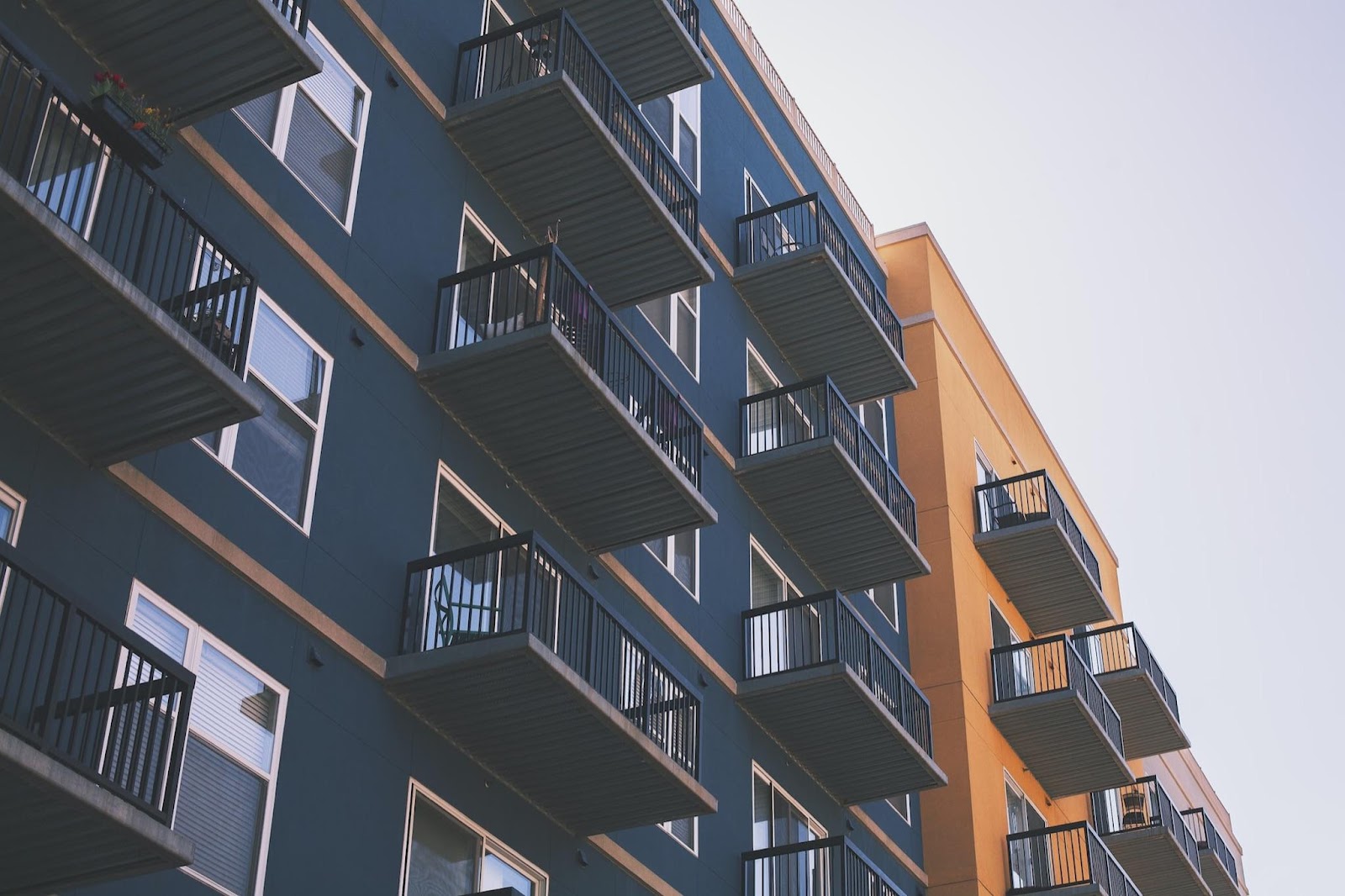
Low-angle photo of an apartment building with balcony

Tips for Choosing Renters Insurance

Whether you are renting your first apartment or leasing a property that has already been with you for years, you might want to consider getting renters insurance. If you are clueless about how to pick one, these things can help:

Find a Price That Suits Your Budget

Cost is a primary consideration for most people looking for renters insurance. A lot may want to have comprehensive coverage, but unfortunately, for some people, the premium might be too high. Find renters insurance that perfectly balances what you need and what you can afford.

So, how much does renters insurance cost? The price can vary from provider to provider. More so, the specific inclusions or coverage can also affect the price. On average, it can cost anywhere from $15 to $30 or $180 to $360 annually. You might qualify for discounts, such as by bundling it with other insurance policies.

Research the Coverage

Being an educated buyer can help ensure the best bang for the buck when buying renters insurance. Knowing the inclusions will help you weigh if the premium is worth it or if you should look for other alternatives. More importantly, it can spare you from a nightmare since you will know what is covered and what isn’t.

While it can differ across providers, renter’s insurance can provide three coverage types:

  • Personal Possessions: As the name implies, it covers personal possessions inside the rented property, in case of fire, theft, and similar unfortunate circumstances.
  • Liability Protection: Lawsuits can confront renters for property damage and bodily injuries that you, your family, and even your pets can cause. This coverage can provide legal assistance for paying court fees.
  • Additional Living Expenses: When the property you are renting is under repair, this coverage can pay for your hotel expenses, restaurant meals, and temporary rentals, among other associated costs.

Meanwhile, you should also know the things that the renter’s insurance does not cover. For instance, it does not cover the structure or building, which the landlord’s insurance covers instead. It also does not include pet damage, such as when your dog chews your carpet. More so, it will not cover losses from acts of God, including floods and earthquakes.

Determine How Much Coverage You Need

Aside from knowing the types of coverage, you should also find out how much you need. It isn’t a simple guessing game. One thing you should do is conduct a home inventory. List the description of the items you have in a rented property, the estimated value, date of purchase, and receipt numbers, if available. Doing so can also help speed up claims.

More so, consider your liability exposure to determine the necessary insurance value. For instance, if you have a pet that is likely to bite someone inside your property, a lawsuit can confront you, so you need coverage enough to cover the legal fees.

Look for Ways to Save Money

Moving into your first apartment can be costly. From hiring a mover to buying new appliances you need, the costs can add up. Hence, some might be hesitant in buying a renter’s insurance. Nonetheless, given its benefits, the costs might be worth it. If you think it’s expensive, look for ways to save money.

Adding safety features to your rented property, such as anti-theft alarms, can also help you qualify for a lower rate. But before doing so, make sure to ask permission from the landlord, especially if it requires significant alterations to the property.

Another potential way to lower the cost of renter’s insurance is bundling with auto insurance. Many providers offer lower premiums if you bundle renters and auto insurance. This way, you can also simplify the process of buying insurance since you are doing so only from one company.

Finding low-cost auto insurance is especially important when you have an SR-22 certificate, which is issued when you want to reinstate your license. SR-22 certificate holders spend more on car insurance than the average driver, but you can get a free quote at Cheap Insurance, which can save you a bit of cash.

In Closing

Miniature house and real key on a wooden surface

If you are renting or leasing a property, you might want to consider renter’s insurance. The coverage can vary between companies, but in most cases, it can cover damages to personal possessions inside the property in case of theft or fire but not floods and earthquakes. It can also provide legal assistance. Take the time to evaluate insurers to find the right coverage for your needs at a price that suits your finances.

How to Ensure Your Hibiscus Trees are Healthy

Hibiscus trees are plants that can bring color and vigor to any garden. Not only do they have vibrant flowers, but they also attract butterflies, hummingbirds, and other friendly visitors. Since they’re native to tropical environments, you may have to take some extra precautions to ensure that they keep thriving for years.

Some people have several hibiscus trees, while others choose to make a single tree the focal point of their garden space. Whatever you decide to do, you should know that you might have to spend a little more care than usual to keep hibiscus trees healthy. The good news is, your hibiscus tree should grow and flower without any problems as long as the right growing conditions are met. General information or troubleshooting is fairly easy to find online, and you can buy any necessary supplies from online stores like EnterNeverland. Hibiscus trees may take some figuring out at first, but most gardeners think that these beautiful trees are more than worth the effort.

Propagating hibiscus trees

Growing a hibiscus plant from a seed is possible, but it’s also a bit tricky; most gardeners propagate from cuttings instead. You should start with a four- to six-inch cutting that was taken from a section of the plant that isn’t yet mature; make sure it has a few leaves at the end. The cutting should be placed in well-drained soil, and covered to make a miniature greenhouse. This keeps the soil moist, and creates a friendlier environment as the young plant takes root.

Growing hibiscus trees in pots vs. flowerbeds

Since the hibiscus is a tree that can reach up to 15 feet in height, it’s reasonable to assume that it should be planted in the ground, rather than in a pot. However, this isn’t necessarily the case. Since this plant prefers tropical conditions, it shouldn’t be planted outdoors if there’s a risk of freezing temperatures. With a large enough pot it’ll still be able to grow to quite a large size, plus you’ll be able to move it around for better sun exposure as needed.

You can certainly plant it directly in the soil, but for best results this should only be done in climates where temperatures don’t drop below 32 degrees Fahrenheit. Plants should have two to three feet of space between them; if you plant them too close together, they’ll end up stunting each other’s growth. If you’ll be planting your hibiscus tree in a pot, ideally you should choose a stone pot rather than a clay pot. Hibiscus plants like slightly acidic soil, and clay pots tend to foster an alkaline environment over time.

Fertilizing hibiscus

You can’t just use any old fertilizer for these plants; you should select one that doesn’t contain phosphorus, as this could kill the plant. The fertilizer should also have a high potassium content, since this is one mineral that hibiscus plants love. It’s up to you how to deliver the fertilizer, but liquid fertilizers work best for even distribution. You could also add worm castings or compost bark once or twice per year; this encourages strong growth.

Pruning hibiscus

It isn’t necessary to prune hibiscus plants, but they sure love the extra attention. This can be done to stimulate budding, so it should always happen at the beginning of spring. If you really want to prune your plant but it’s later in the year, be sparing in what you cut back; if you get too enthusiastic in your pruning efforts, it could hinder the plant’s ability to bloom.

Temperature requirements

A hibiscus plant’s happy place is between 60 and 90 degrees Fahrenheit. You have some leeway with this temperature range, but you should definitely avoid exposing it to freezing temperatures, or even close-to-freezing temperatures. Keep an eye on the weather during the winter, and if you know that a cold snap is coming, move the plants indoors where it can stay at 50 degrees Fahrenheit or above.

Optimal lighting

Hibiscus plants need at least five or six hours of full sunlight daily, but they can definitely handle more than that. For best results, a hibiscus tree should be placed in full sunlight whenever possible. This is another reason why planting them in a pot can be handy. In the summer, a hibiscus might be able to handle only partial sunlight; in the winter, though, it might need to be strategically moved to the sunniest spots whenever possible.

Watering hibiscus

Remember, these are tropical plants; their soil should be both moist and well-drained. Dry them out, and they’ll stop blooming. Over-water them, and the roots will start rotting. As a general rule of thumb, you should wait to water a hibiscus plant only until the soil has barely dried out. At that point, you should give it a good soak, and make sure there’s no water sitting around the roots. A flowerbed can be drained with a well-planned irrigation system; a potted hibiscus should be in a container with multiple drain holes.

Type of soil

As mentioned above, hibiscus plants prefer slightly acidic soil. If you don’t have soil with the right pH levels, you can raise the acidity with the addition of peat moss.

Hibiscus troubleshooting

One of the most common problems seen in hibiscus trees is that their leaves start turning yellow. There can be all kinds of reasons for this, but usually the culprit is overwatering during the winter. Fortunately, there’s an easy fix – simply stop giving the plant so much water!

Another common issue is that a hibiscus tree’s leaves can burn on especially hot summer days. Even though it’s a tropical plant, it might benefit from occasional shade depending on which climate it’s growing in.

The takeaway

Hibiscus plants aren’t especially high-maintenance; with the right care they can produce an abundance of flowers, which is one of the many reasons why gardeners love them so much. Even if some gardeners have to protect their hibiscus trees from cold, sunburn, or other vulnerabilities, these plants still make a great addition to any garden.

Do Window Treatments Improve Your Home’s Resale Value?

The construction industry is constantly growing, thanks to innovations coming up every other day. Among the recent innovations in play are window treatments. These are additions to windows, either as modifications or covers, to increase their beauty.

Most homeowners want to know if home additions and modifications affect their home’s value. The home’s value is its current price on the market should you decide to sell. In this case, the question is: Do window treatments improve your home’s resale value?

The answer is yes. If you’re wondering how, this article discusses how they add value.

Window treatments will increase your home’s resale value through the following:

Contributing To Insulation

Insulation is a feature many homeowners hope to achieve in their spaces. It aims to keep indoor conditions stable.

Window treatments increase thermal insulation. Using treatments like wood faux blinds helps retain heat indoors. If you live in a cold, climatic region, it’s a plus and will increase your home’s value. The new homeowner won’t need to invest in heating equipment, reducing expenses. Even if they buy these tools, they’ll get averagely performing ones, which cost less. They’ll be a supplement to the window treatments.

These treatments also increase sound insulation. Sound insulation will greatly increase your home’s value if you live near a busy road, park, or school. Without proper measures, the noise can be a disturbance. The window treatments will increase sound insulation if they’re thick. The sound will get absorbed by the thickness, reducing noise.

Increasing The Home’s Beauty With Faux Wood or Real Wood

The appearance of a home is one of its selling points. The more beautiful a space is, the more it’ll be valuable. No one wants to live in a home that’s not attractive. Therefore, many buyers will want your home that’s beautified through additions like window treatments. The more your property is in demand, the higher your home’s value will be.

There are different window treatments you can adopt for your space. They’re available in different patterns, colors, and themes. For instance, you may choose real wood blinds or faux wood ones, depending on your needs and priorities.

If you prefer authentic wood to add to your home’s overall vibe, you may opt for real wood blinds. On the other hand, you can invest in faux wood blinds if you plan to use window treatments in the high-humidity areas of your space.

If your home has a traditional theme, there are window treatments like plantain shutters that also give off a traditional vibe. The shutters will bring about the continuity of your home’s appearance, enhancing its beauty.

Reducing Energy Bills

Future bills are one of the determinants of a home’s value. If the future homeowner will spend less by living in your home, your home’s resale value increases. Having window treatments will reduce energy bills.

Adopting light-colored treatments like white and cream will reflect heat, making it bounce back to its source. Besides colors, there are materials, like aluminum, that reflect heat away. As a result, you maintain cool temperatures in your space and don’t need to turn on your AC. By not turning it on, you can minimize electricity consumption and reduce your energy bills.

Increasing Window Functionality

Windows let in natural light into your home and give you privacy. Your home’s resale value will increase if you can make your windows execute these functions better.

In most cases, you can only either open or close your windows. Because of this, you can barely get both light and functionality benefits from your windows simultaneously. However, window treatments can make the simultaneous benefits possible.

By investing in treatments with slats, you can adjust them accordingly to meet your needs. If you want privacy while still allowing light, all you have to do is angle the slats upwards or downwards. Thin fabric blinds can also help you achieve this. Closing them allows privacy, while the thin fabric will still allow light to pass through.

Providing Convenience

A major determinant in a home’s resale value is the home’s technology level. The more advanced the technology, the higher the home’s value. The reason is these technologies provide convenience, leading to comfort in the home.

There are window treatments like roller blinds, which you can control using a remote device or software application. If you have these in your home, your home’s resale value will improve, ensuring you get the best deal from the house sale.

Protecting Investments

The new homeowner may bring with them household items like furniture. They expect these investments to serve them for a long time. However, there are situations when this isn’t possible due to surrounding conditions. With your home helping the homeowner prolong the lifespan of their investments, its resale value will likely be high.

Window treatments will help you do this with their ability to control light penetration indoors. By reducing excess UV rays indoors, the treatments can keep furniture and other items from fading fast over time. Otherwise, they’ll have to be replaced, which will cost money and add to the homeowner’s expenses.

Conclusion

Window treatments are an innovation you should consider having in your home. Besides serving you, they’ll also increase your home’s resale value. This is beneficial if you plan to sell your home at some point.

Construction is Done: 6 Ways to Deal With Leftover Residue

Construction is a messy business. When the job is done, there are often a lot of leftover residues that need to be cleaned up. If you’re not careful, this residue can cause damage to your property and create hazardous conditions. In this blog post, we will discuss six ways to deal with leftover residue when construction is done!

1. Hire a professional cleaning service

If you have a large amount of residue left over after construction, it may be time to call in the pros. A professional deep post construction cleaning service will know exactly how to remove any leftover residue from your home or office so that it is safe and free of hazards. They will also know the best methods and products to use so that you can rest easy knowing your property is in good hands. For instance, did you know that certain chemicals and cleaners can react with leftover residues in a negative way? Professional cleaning services are experts at knowing which products to use, so why not let them handle the dirty work for you?

2. Use high-quality cleaning supplies

If you are going to tackle leftover residue yourself, make sure to use quality cleaning supplies. Investing in some high-quality sponges, non-abrasive cleaners, and microfiber cloths, for example, can go a long way in making sure you get the job done safely and effectively. Moreover, make sure to read all instructions and labels carefully when you are using cleaning products, as they can vary widely depending on the type of residue you are dealing with.

3. Cover up any areas that could be damaged

Before you start scrubbing away at those leftover residues, it is important to cover up any areas that may be damaged by the residue or the cleaning process. This may include things like floors, countertops, and furniture that could be scratched or marred by a cleaning product or scrubbing tool. In addition, you should cover up any areas where dust or debris might fly around as you are working to avoid creating an even bigger mess!

4. Utilize eco-friendly cleaning products

If you want to be kind to the environment while still getting rid of those leftover residues, consider using eco-friendly cleaning products. Many green brands are now available on the market, and they often come with a variety of benefits. For instance, some natural cleaning products are free of harsh chemicals that can damage surfaces or harm the environment. In addition, many eco-friendly products also come with strong antibacterial properties that can help prevent the growth of bacteria and mold in your home or office.

5. Wear appropriate safety equipment

As with any type of cleaning project, it is important to wear protective gear when you are scrubbing away leftover construction residue. This includes things like gloves, face masks, and safety goggles to protect your eyes from debris or harsh chemicals. Not only will this help keep you safe as you work, but it can also minimize the amount of residue that ends up on your body in the first place!

6. Take your time

Don’t try to rush through the cleanup process! Taking your time and being thorough is crucial when it comes to dealing with leftover residue after construction. Make sure to spend ample time wiping away any residue and carefully inspecting your property for any spots that might have been missed. And if you are having trouble getting rid of a particular spot, don’t be afraid to try different cleaning products or tools until the job is done!

At the end of the day, there are many things to consider when dealing with leftover construction residue. By taking the necessary precautions, using high-quality cleaning products, and being diligent in your efforts, you can rest easy knowing that your property is free of hazards. So if you’re dealing with construction residue yourself or calling in the pros, remember these tips to get the job done safely and effectively!

The Ultimate Guide to Starting a Property Management Company in Florida

Learning how to start a property management company in Florida can be a complicated process, especially if you are new. Starting a property management business in Florida can be tricky because of the laws and rules that can get in the way. Finding the initial steps to establishing a property management firm can be complex if you consider the different stakeholders you need.

This process can be difficult and expensive without the correct advice, information, and resources. In this article, we’ll walk you through the process of starting a Florida property management company so you can avoid the mistakes most new property managers make.

What Does a Property Management Company Do?

Property management involves taking care of one or more homes, student apartments, community associations, or businesses. The manager and owner can be the same person, or a property management company can run the properties if the investor in real estate doesn’t have the time or expertise to do it himself.

Property managers take control of and run structures and other real estate assets for people or groups of owners. They are the traditional intermediaries who put owners in touch with renters and take care of empty rental properties.

Property managers oversee marketing empty units, showing them to potential tenants, gathering applications, signing leases, receiving rent, keeping an eye on property maintenance, checking in and out tenants, and more.

How to start a property management company in Florida

Establish Your Company and Secure a License

As a property manager, you need to have a license to operate. It’s the most vital certification a property manager needs. To obtain a license, real estate agents and brokers must participate in programs that teach them how to start, grow, and locate clients for their businesses.

No academic credentials, including degrees or other certificates, are required. It is still crucial to review the license laws in your state, though. Once the certification is done, create a legal entity, like a Limited Liability Corporation (LLC) or a business that is incorporated. You can ask a lawyer to handle it for you. As an alternative, you can do it on your own by going online.

After sorting out the legal entity, you need to create a business plan. It is necessary to start your property management firm in Florida. This plan will be like a blueprint for your business. It will show you how to do everything, from getting funding to making a profit.

A basic business plan needs to include an executive summary, a company description, a market analysis, management and organization information, and a description of the company’s services or products. It must also include your sales and marketing plans, requests for money, and cost estimates.

Organize your finances

Accounting is crucial to the operation of your property management firm, as it is in any business. To keep track of your financial flow, you need an organized system with plenty of details. This means using a reliable accounting tool instead of Microsoft Excel or, even worse, writing everything down by hand.

Additionally, you ought to open numerous bank accounts to maintain control over your cash. You set up a separate bank account for your property management work and a legal trust account for all security deposits. Your owners’ properties should be served by a third account alone.

Naturally, your property management company will incur a large number of costs. This can take the form of overhead costs, dues from members, wages, fees from vendors, and other services.

It is advisable to plan for all these costs and keep meticulous records. You’ll be able to create realistic income goals as a result. Most of your income will come from management fees, which is typical for many property management services in Florida.

Put together a good team

Because you’re just starting, you can run the whole business yourself. However, if you need assistance, you should assemble a team of skilled people.

Your team should have leasing agents, property managers, maintenance workers, field managers, and different coordinators. You may also need people in the back office to handle payroll, accounting, marketing, and sales.

Furthermore, another part to take seriously is to work closely with tenants, contractors, and property owners. You will need contractors in addition to full-time and part-time employees. This encompasses a Certified Public Accountant, a real estate attorney, and different maintenance contractors like electricians, plumbers, etc.

Invest in a reliable property management software

This step is critical to the success of your property management company in Florida, so you can’t skip it. We live in a technological world, so it is crucial to figure out how to use automation solutions and various tools in the real estate sector.

This will not only streamline your daily operations as much as possible to give you the best chance of growth, but it will also give you an edge over your competitors. Some management software can also be used to improve the user experience on your website and bring in new customers.

What sort of software do you require? First, you need one that makes it simple for you to organize your financial records, promote your properties, find renters for your rental homes, keep track of rent, handle maintenance requests, manage leases, etc. The correct tools can help you manage all these duties and operate your company independently if you don’t want to hire staff.

Seeing as agents will spend a lot of time out of the office and in the field, it could also be incredibly beneficial to use field service apps. Look for one that gives real-time access to customer information and features seamless communication between the field and the office.

Choose a Pricing Structure

The next step is to choose a pricing structure that brings in enough money to keep the business going but is still appealing to customers. You don’t want to undercut the competition or be the most expensive. If you’ve been managing commercial properties for a while, you’ll know what the standard prices are in the area.

If you’re starting, the easiest way to determine a suitable price is to conduct market research by contacting local property management companies to learn the going rates.

Draft a Contract

Your duties as a property manager should be precisely outlined in a formal contract, shielding you from any liabilities. You will serve as a liaison between the owner of the property and his renters in your capacity as a property manager.

You will take care of and run properties and other real estate investments for the owners. Include as much information as you can.

In addition to your responsibilities, your contract should list your fee schedule (including late payment fees), working hours, maintenance and repair budgets, emergency reserves, and an invoice schedule. When making contracts, it’s best to talk to a lawyer to ensure everything is covered.

Manage Your Property Well

You will have a full plate as a property manager. Customers look to you for a wide range of services, such as advertising listings, screening tenants, collecting rent, doing repairs, and making lease agreements. Naturally, you’ll need to learn about all property administration.

Use the appropriate channels and provide interesting information while advertising listings. Check people’s criminal records and credit reports and talk to their previous property owners to find good tenants.

Regularly inspect your property to discover maintenance issues early. When obtaining rent, use a hard hand. Owners consider these services and more when choosing property management service providers.

Conclusion

The first step is figuring out how to start a property management company in Florida. To be a good property manager, you must be willing to do the daily tasks that come with the job and learn everything you can about the changing real estate market.

Everyone should not be a property manager because it can be difficult, especially if you work alone. But if you’ve managed real estate assets before and are confident that taking risks to start your own business is worthwhile, just do it!

6 Tips to Keep Your Luggage from Molding

Is there anything better than packing up a suitcase and traveling for a prolonged period of time? Now that more people can work remotely, it’s possible to earn a paycheck while exploring the world.

Whether planning to spend the next six months on the road or just packing up for a brief week-long getaway, your luggage will become your portable closet during your adventure. You must store it properly at home and throughout your journey to prevent mold and mildew from ruining your plans. In fact, in addition to your luggage, you might also consider testing for mold in your home just to be safe.

How Does Mold Grow in Luggage?

Mold is an essential part of our environment. Outdoors mold helps break down organic materials like dead leaves; however, if it grows on items indoors, it can cause an allergic reaction. Some symptoms of mold exposure include:

  • Irritated Skin
  • Sneezing or Runny Nose
  • Itchy Eyes
  • Asthma Attack

In the worst case, the mold on your luggage could even be toxic.

Moist or damp environments create a breathing ground for mold to grow. The mold spores in the air are attracted to the damp surface. If your luggage is at all wet, the mold spores in the air could stick there and begin to multiply. Since mold breaks things down, it will eat away at your luggage, damaging it over time.  

Avoid strolling around in the rain all day in a wet city like London by dropping your bags at Kings Cross Station luggage storage while you explore. The climate-controlled storage will keep your luggage dry and prevent mold from accumulating during your journey.

Here are five more tips to keep your luggage mold and mildew free, so you’re always ready for the next adventure.

Use a Laundry Bag to Separate Dirty Clothes from Luggage

Make an effort to keep dirty clothes separate from the soft lining of your luggage by using a laundry bag. Not only will this keep your other garments fresh, but a dry suitcase will be unattractive to mold spores. If you hand-wash any items, go for a swim, or pack a towel, let it air dry completely before packing it in your bag.

Clean Your Luggage When You Get Home

Luggage goes through a lot. It gets popped into overhead bins, thrown into the cargo hold of planes, and carted down dirty sidewalks. Even if you’ve only gone on a quick trip, your suitcase is bound to have accumulated a bit of dust and grime.

Take the time to give your luggage a deep clean once you arrive home.

Hard Shell Cases:

  • Wipe down the exterior with a cloth and gentle cleanser
  • Use a Magic Eraser to buff away any scuff marks

Fabric Suitcases:

  • Scrub with a short bristled brush and gentle cleanser
  • Rinse and repeat
  • Wipe with a damp rag to remove any excess soap

Interior

Check the inside for any toiletry item spills or damp spots. If there’s no noticeable damage, lay flat and air out overnight. Spray with a bit of Febreeze to eliminate any residual odor from your travels.

If lotion or shampoo spilled or there is residual wetness from a bathing suit, give it a cleanse.

  • Mix ½  of white vinegar with 3 cups of warm water
  • Dip a cloth in the mixture and wring out until just barely damp
  • Gently wipe the interior of your suitcase and lift any dirt or spillage
  • Let dry completely before closing

Air Dry in the Sun

After cleaning off your luggage, let it air dry outside on a warm sunny day. Sunlight is germicidal – it will kill off any lingering bacteria or mold spores your luggage may have picked up throughout your travels. If any mold spores attach themselves to your luggage, laying it out in the sun for an hour or two will kill them off before they have a chance to grow.

You can also employ this method if you didn’t get to Kings Cross luggage storage before your bags got a little wet from the rain. Let your suitcase dry out in the sun once you get to your next destination to keep it fresh as you venture from city to city.

Store in a Cool, Dry Place

Always store luggage in a cool, dry place. You want to avoid storing luggage anywhere with excess moisture or humidity. While you explore various cities, keep your luggage in your hotel room or take advantage of one-day luggage storage, like Kings Cross luggage storage.

Some of the best places to store your luggage at home include under your bed or inside a closet. Avoid basements or attics as these rooms tend to have higher moisture levels, putting your luggage at a higher risk of developing mold.

Keep Moisture Levels Low

Sometimes even a dark closet can become a moist environment if humidity levels are high. Use an electric dehumidifier to keep moisture out of the air where you store your luggage.

While you travel, tuck a few silica gel packs in the pockets of your luggage to keep it dry. This will help suck up any excess dampness while it sits in Kings Cross luggage storage or in your hotel closet.

Conclusion

Don’t spend time worrying about your luggage! Instead, we hope you can spend a month gallivanting around Europe. Clock your hours on long train rides from city to city and in chic cafes in Amsterdam, Paris, Rome, or Barcelona. Take advantage of Kings Cross Station luggage storage and spend a day exploring London before heading to the continent. Happy travels!

My Home Was Damaged: What Should Be My Next Steps?

As a homeowner, you’ve undoubtedly already taken many measures to secure your house, including choosing the appropriate home insurance coverage. However, no matter how reliable your homeowners’ insurance is, issues can still occur.

Fortunately, before submitting a claim, there are a few easy procedures to make once damage occurs to your house that can assist. If your insurance company contests the settlement amount specified in your claim, be ready to defend yourself. In this case, you should consult with a lawyer who will fight for your rights.

How to Deal With Damage

Unfortunately, your home is susceptible to damage, whether from a natural disaster like a storm or a human action like burglary or vandalism. The good thing is that your homeowners’ insurance is there to assist you.

Based on the kind of damage that happened to your house, the steps to take are listed below. Among the most typical types of property damage is damage from hail and wind, water harm, damages from lightning and fire, vandalism, and theft damage. In these cases, you will need to follow the typical course of action for these types of damage, starting with making observations of any damage, making minor repairs, to submitting insurance claims.

Take An Inventory Of Any Structural Damage

First of all, you need to try to be calm. After that, list every type of damage, from minor to severe. Make a note of any wrecked or damaged personal goods, architectural and structural damage to your home, and any single-building pieces like sheds and garages. Suppose the damage is significant or spreads throughout the house. In that case, you should have your plumbing and electrical systems inspected by a professional as well.

Make Small Repairs

Make temporary repairs to prevent future harm to your house or possessions, if possible. More significant repairs should wait until after you’ve had the damage expertly appraised because any personal repairs will contribute toward your insurance policy’s limit. Save any receipts so you can submit them with your insurance claims.

Follow The Guidance Provided By Your Insurance Provider

Your homeowners’ insurance provider will send you a proof of loss form to fill out on your own or appoint an adjuster to evaluate the damage when you submit a claim for wind and hail damage. If an adjuster comes out, you should provide them with a list of the damaged or destroyed items to expedite the process.

Before the adjuster arrives, avoid throwing away or cleaning any damaged or destroyed objects. You can further document the damage or destruction by recording a video or photo of your damaged or destroyed property and including it with your inventory list.

Get Experts’ Estimates

After determining the extent of any damage, you should obtain expert estimates for repairs. The claims and reimbursement procedure will go faster if your insurance company receives itemized estimates from certified contractors.

Make Copies Of All Necessary Paperwork

Even though you’ll be providing your insurance provider a lot, you’ll want to maintain copies for yourself to refer to after the complaint process. To make the process go as efficiently as possible, keep copies of all records, estimations, and inventory lists in a file.

File Insurance Claims

Many homeowners’ plans require that you submit a claim within a year of a disaster. Numerous insurance providers insist that you submit your claim within 30 days. However, the rules and procedures for doing so may vary depending on your insurance provider.

Your independent insurance agent can address any issues you may have regarding the claims procedure. You might need to make auto insurance claims if your car was damaged.

What to Do If Repair Costs Are More Than What the Insurance Covers

If your insurance company’s estimate of the cost of repairs differs from the final repair price or if the contractor discovers concealed damage after the insurance company has established a cost estimate, you should first speak with a firm representative to try to address the issue. Contact the insurance department in your state if you are still unable to come to an agreement.

Living During Repairs

The cost of hotel rooms and other fees over your typical living costs are covered by homeowner plans. Provided you stay with a close friend or relative, the company may only cover your host’s lodging expenses if you can provide documentation of actual payment. Find out from the company representative if there are any limitations on where you can go, how long you can stay, and how much money you can spend.

Conclusion

Resolving home damage can be stressful. Confirm that you have the appropriate home insurance coverage. If issues arise, follow appropriate steps to get estimates and if you have problems getting your claim fulfilled, don’t be afraid to retain an attorney.

How To Purchase A Warehouse For Your Growing Business

The location of your warehouse is directly related to the success of your logistics business. A warehouse purchase or lease decision must be made in addition to the warehouse’s location. Additionally, if you want to expand, you need to be sure that the location can do so. If you only have to go over these factors once, you can save a lot of time. In this post, we’ll discuss the important factors to take into account while purchasing a warehouse.

Consider Steel Structure

You must be sure that the structure type you select is the best one for your company because there are numerous variations accessible. So, what is a warehouse with a steel structure? In general, the structural steel used to build an industrial steel structure warehouse includes steel columns, beams, purlins, and other types of structural steel. The load-bearing construction of the warehouse is made up of these primary elements.

There is a high demand for structural steel warehouses because of their lightweight and simple construction. For many projects, steel construction also represents the most economical choice for building materials. Therefore, from a long-term economic perspective, it is now ideal for you to invest in metal warehouse structures. Accordingly, a 30×50 steel building can be the ideal answer if you’re trying to grow your company. Steel structures are the ideal option for any business because they are quick, inexpensive, and long-lasting.

Availability of the Workforce

To complete your work, you will need a team, and having a skilled staff can simplify your life. You must take the target market into account when searching for a new warehouse. You won’t be successful, for instance, if you choose a warehouse where the target market is composed primarily of tech-savvy programmers. When hiring, you should be on the lookout for regions with a high concentration of logistical enterprises. You must strike a delicate balance between trade and availability in the region. If you join a company where there is a great demand for employees, you will have to compete with high compensation.

Insurance

Whether you buy or rent the warehouse, you must have insurance to safeguard the important goods you are storing inside. If you have insurance for the commercial property, you are protected from unanticipated repairs, income loss, damage, and operating costs. You should budget between $17 and $30 each month for the insurance. When nothing occurs for months, this may appear to be a pointless purchase, but as soon as something does, you’ll be glad you had it.

Improve It with Equipment and Facilities

After determining the types of products you’ll be keeping, consider whether the warehouse needs any extra features to accommodate them. For instance, installing a push back rack system or industrial warehouse racking from a supplier like Storeplan can maximize storage efficiency for certain goods. Other additions like loading docks, forklift charging stations, and staff facilities can also command higher rents.

Nearby Transportation Centers

Make sure your new warehouse is near transportation hubs when deciding where to put it. Analyze your most important point for receiving items and align your website with it to achieve this. If your goods, for instance, usually travel by air, you might set up shop near an airport. The higher the demands you may make and the simpler it is to manage drayage, the nearer you are to the closest source of export.

Access and Traffic

Being able to transport cargo from point A to point B is the main goal of logistics. Your firm will fail if there is no industry in the neighborhood. You must examine every element of the neighborhood, including peak hours for traffic, usual traffic volumes, average speed restrictions, and road and highway links. You will wind up paying extra in fuel usage if these aspects aren’t perfected in the region.

Finding a warehouse nearby other suppliers is equally important as being close to important export terminals. The major local suppliers should be investigated, as well as any supply chain partners.

You must evaluate the environmental aspects of the surrounding locations in addition to the suppliers. Are there any natural disasters in the area? Will the bright sunshine be beneficial to you? Or are you situated in a floodplain? If any of these dangers are present at the site you have in mind, you must make sure the structure complies with all applicable building codes.

A warehouse company, like any other firm, must always search for ways to boost productivity and profits while pursuing opportunities for diversification, growth, and expansion. The warehousing sector is distinct and evolving.

A logistics company requires a lot of effort and perseverance to launch. Select the most crucial location considerations, then check them off your list. There are going to be standards that you must disregard. Do your research and take into account all relevant locational factors and all others.

What Goes Into a Green Building?

With more companies than ever before searching for ways to become more environmentally friendly, the demand for green architecture has grown significantly in the past few years. In many cases, large companies have set lofty sustainability goals that they will need to achieve in just a few years time. For example, there are some companies that strive to produce zero harmful emissions or reduce their carbon footprint by half within the next 20-30 years. This probably goes without saying, but in order to reach their goals, these companies will have to make some significant changes to how they operate. One of the main ways that companies are limiting their impact on the environment is by focusing on green architecture. Green architecture is something that we’ve all heard about—but few know what actually goes into the development and construction of these buildings. To give you a better understanding of what is and is not a green building, we’re going over some of the major tenets of green architecture that you need to know.

Building Automation Systems to Conserve Energy

By using data and machine learning to control all aspects of building operations, companies will get closer to their sustainability goals

Building automation prevents any unnecessary power usage.

The first aspect of green architecture we’re going to discuss also happens to be one of the main principles of modern building design—building automation. Building automation refers to the automated control system that is in charge of all of the major operating systems that keep the building running properly. In this section, we’re going to be taking a closer look at how 3 main operating systems become more environmentally friendly thanks to building automation systems.

Lights

Proper lighting is important for any type of commercial property. Good lighting design should make all inhabitants feel safe and comfortable both inside your building and in the outside surrounding areas. If these lights are being turned on and off manually, then there is a high chance that the building is wasting energy. That’s why building automation is introduced as a way to help curb the waste associated with manually controlled lighting. By implementing adaptive lighting using a network of sensors, lights will dim and brighten based on the amount of natural sunlight. That way, only a necessary amount of light is being produced at any given time.

Heating and Cooling

Heating and cooling a large commercial building is one of the top areas for wasted energy. In some cases, more than 50% of a building’s average energy consumption is due to heating and cooling costs. This is especially true if the building is located somewhere with an extreme climate. Much in the same way building automation systems are able to control lights, automated HVAC systems only produce the exact amount of heating or cooling required. This prevents personal temperature preferences from getting in the way of a company’s sustainability goals. Using a network of interconnected temperature sensors, your HVAC system will be able to keep the whole building at the same temperature no matter changes in outdoor temperature or building occupancy.

Water Usage

The last example of the resource saving capability of building automation systems is water usage. Right now, there are some areas of the U.S. that are in a nearly permanent drought. That’s why building developments in places like southern California and Phoenix need to have systems in place that conserve water. To implement an automated water system, there will need to be sensors placed throughout the water pipes that can monitor normal usage. Should there be any irregularities in the amount of water used—whether there is too much or too little—the system will record it and use the data to make suggestions for possible solutions. If too much water is being used, then you’ll be able to pinpoint where and why the water was being used excessively. If there is too little water running through the system, then the system will signal that there is possible blockage or need for repairs.

All of these different systems are able to report back to the same building automation system, making automation one of the top ways to conserve energy and create greener buildings.

Built-In Greenspace

It is always beneficial to integrate green space into a sustainable building design

A green roof is both sustainable and durable.

One of the other major tenets of green architecture is actually designing green space as a part of the building’s infrastructure. The best way to do this for many buildings is by incorporating a green roof as part of the design. Though a green roof will initially increase the cost of the building design, there are a whole host of benefits that make the additional investment worthwhile.

  1. Water management – In the event of a big storm with significant rainfall, a green roof is better equipped to manage runoff and retention.
  2. Durability – A green roof will last longer without replacement than traditional roofing.
  3. Better air quality – A green roof will improve the air quality in the surrounding area. This is especially important if the development is in a large city.
  4. Heat reduction – The green roof will absorb much more heat than other types of roofing.

All of these factors, plus the added value and curb appeal make installing a green roof one of the most effective ways to turn a regular building design into a green building design.

Environmentally Friendly Construction Materials

Creating a green building isn’t all about the design, the construction materials matter as well

Bamboo is one of the most sustainable materials on the planet.

As a green building begins construction, one of the most important considerations to make is about the type of building materials to use. There are some materials that are better for the environment than others. Let’s take a look at some of the most sustainable building materials that can be used for commercial buildings and explore what advantages they present over traditional building materials.

  1. Precast Concrete – Precast concrete is durable, easy to assemble, and does a good job of controlling heat.
  2. Bamboo – Bamboo grows quickly and exponentially, making it the best alternative for traditional wood.
  3. Recycled steel – Many large developments will require steel reinforcement. In order to make sure the steel used is as environmentally friendly as possible, it is recommended to take steps to ensure you are using recycled steel as opposed to newly manufactured materials.
  4. Cork – Cork is not only harvested with little damage to the environment—it comes from tree bark which can grow back—it is also multipurpose. Cork can be used as a building material in everything from wall insulation to floor tiles.

By prioritizing the use of these materials over traditional materials, buildings can be constructed without putting unnecessary strain on our environment.

Access to Public Transportation

One of the main considerations for environmental sustainability is excessive vehicle use

Choosing to build near a public transit line is one of the key ways to build sustainably.

In recent years, there has been a concentrated pivot away from car-based architecture in favor of other forms of transportation. What we mean when we say car based architecture is basically parking spaces and parking garages. In the past, a vast parking lot was looked at as an asset. In the present day, a large parking lot is looked at as an out-of-date eyesore—especially if it is taking up space in an urban area.

In order to build a commercial development that discourages car use, it is important to cut the amount of parking spaces in favor of access to other methods of transportation. For example, developers can choose to build a commercial property close to public transit access like a popular bus route or metro stop. They can also increase the amount of bike parking that is available on site. With fewer parking spaces on site and more connections to public transportation, more people will be encouraged to make the journey without a car.

Sustainability is not something that can be achieved in a few easy steps. If you are brainstorming ways to develop a truly sustainable building or complete sustainable renovations, then it is imperative that you consider every aspect of sustainability we’ve listed. While there are far more ways to make sure that a building is sustainable, these four areas are a good place to start. In the coming years, expect more and more buildings to be built with these principles in mind.

Pros and Cons of Buying a Foreclosed Home

If you’re in the market for a house, you may have considered purchasing a foreclosed home.

This option exploded in popularity following the Great Recession, when foreclosed homes flooded the market. Many buyers who had never even considered purchasing a foreclosed house found themselves actively pursuing the opportunity.

While there are still plenty of foreclosed homes for sale out there, it’s important that you don’t rush into purchasing one before thinking through this decision. Specifically, you should consider each of the pros and cons of buying a foreclosed home.

Pros of Buying a Foreclosed Home

Though it means limiting their pool of options, some people only consider foreclosed homes. There are two main reasons:

1. The Savings

Without a doubt, the main attraction of buying a foreclosed home is that it’s probably going to cost a lot less than a comparable property that isn’t in foreclosure.

After all, lenders just want to cover their losses. Their main goal is to get foreclosed houses off their books and try to make as much back as they can.

So, if your budget isn’t giving you a lot of options, you may consider looking at foreclosed homes.

2. Ideal for Real-Estate Investors

According to The Wall Street Journal, even as home prices are steadily increasing, “the share of investor purchases of U.S. homes have climbed to an all-time high.”

Many house hunters learn this the hard way.

They look into foreclosed homes because they’ve heard all about how much cheaper they are. Unfortunately, what they often find is that there are plenty of real-estate investors who will bid aggressively in order to purchase a house they can flip for a profit or turn into a rental property.

The latter type of investor is especially difficult to beat in a bidding war because they have such a long-term outlook. It will easily take 5 – 10 years before they profit from a rental. If paying more for a house they really want means waiting an extra year or two for those profits, it’s worth it.

Cons of Buying a Foreclosed Home

What’s not to love about buying a foreclosed home?

It means you pay less and move in sooner.

While that’s often true, there are four good reasons most house hunters stick to more traditional options.

1. Long Time Frame

That shortened time frame can work against you, too. Banks aren’t always waiting around for the best possible offer. They’re going to sell to whoever gets closest to the total mortgage amount.

That means you have to move fast if you want to buy a foreclosed home and you may not have time to consider all of your other options. You might buy an amazing home only to later realize that, if you had just slowed down and explored the local market, you could have had the house of your dreams.

Likewise, just because a bank is motivated to provide you with financing doesn’t mean they’re going to give you the best possible option. They don’t want to be in the exact same situation with this house a year down the line, so the mortgage they offer may not be as generous as what you’d otherwise qualify for.

2. You May Need to Wait for the Previous Owners to Move Out

Imagine you’ve bought an incredible home, one you’d otherwise never be able to afford if not for the fact that it was recently foreclosed on.

You’re ecstatic! You cannot wait to move in.

Unfortunately, the original owners are in no rush to move out.

That’s right. Just because you’ve purchased the home doesn’t mean they can’t keep living there.

In fact, in some states, foreclosure laws include a redemption period for the original owners. Once their home is sold, they could have months to essentially buy it back uncontested. Those are months you simply have to wait around to hear whether or not you need to keep looking for a new home.

3. Most Foreclosed Homes Are Sold “As Is”

The vast majority of foreclosed homes are put on the market “as is.” The banks are already operating at a loss, so they’re usually not going to invest even more money into a foreclosed house, even if repairs are desperately needed.

As we just covered, there’s almost always an investor willing to buy a foreclosed property, even if it needs a lot of work before it will attract any interest. To an experienced real-estate investor, it’s worth the investment because of the rock-bottom price.

This is why you also can’t expect a lot of wiggle room where the terms are concerned. Investors who thrive on buying foreclosed homes won’t care about terms if it means they can purchase a cheap home to flip.

You Don’t Need a Foreclosed Home to Save Money

The promise of saving a lot of money by buying a foreclosed home will always be compelling.

And, to be fair, some people are still able to find a diamond-in-the-rough at a foreclosure sale.

However, this has absolutely become the exception and not the rule. There are just too many real-estate investors out there who are willing to pay for foreclosed homes they can rehab and profit from.

Don’t worry, though.

At SimpleShowing, we’re pioneering a new way to help buyers save money when they’re looking for the home of their dreams. With our Buyer Refund Program, homebuyers are earning an average of $5,000 just for using our simple platform to find the perfect house.