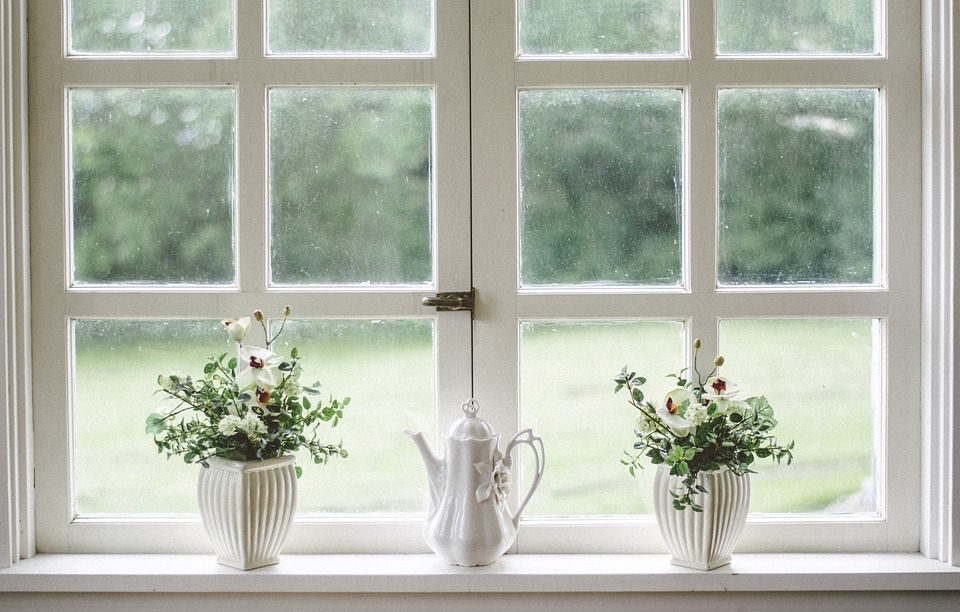
Maintain Your Furnace the Right Way With These Tips

Do you have an old furnace at home? Or perhaps you have recently bought a new one and are wondering how to maintain it correctly? Your furnace is an important part of your home. It keeps you warm during the winter and helps to reduce your energy bills. That’s why it’s important to maintain your furnace the right way. In this blog post, we will discuss tips that will help keep your furnace running smoothly all winter long. Let’s get started.

Furnace Tune-Up

One of the most important things you can do to keep your furnace running efficiently is to get it tuned up. This means having a professional come and inspect your furnace, check all its components, and make sure that everything is in working order. You may know that it is time for a tune up when you hear strange noises from your furnace or notice a decrease in efficiency. Regular tune-ups will help ensure your furnace runs at peak efficiency and reduce the risk of breakdowns or system malfunctions.

When conducting furnace tune-up, it is important to work with a reputable and certified HVAC technician who can properly inspect your system. They will be able to check all components, such as the thermostat, ductwork, and blower motor. If something is off or needs to be replaced, they can advise you on the best action.

Change Air Filters Regularly

Your furnace’s air filter plays an important role in keeping your system running efficiently. It helps to improve air quality and reduce dust in your home. It also helps to keep your furnace running at peak efficiency by preventing dirt, dust, and other particles from entering the system and clogging it up. That’s why it is important to change your air filter regularly.

Most HVAC experts recommend that you change your air filter every three months. This will help ensure that your furnace runs efficiently and prevent costly repairs. You can also purchase higher-quality filters that last up to six months, so check the filter’s lifetime before purchasing it.

Clean Your Furnace Regularly

Cleaning your furnace regularly is an important step in keeping it running smoothly. This includes cleaning the outside of your furnace and dusting the interior components. You should also vacuum or brush out the inside of the furnace to remove any dirt or debris clogging up the system.

However, when cleaning your furnace, it is important not to use harsh chemicals or solvents. These can damage the components of your furnace and result in costly repairs. Besides this, only clean the outside parts, as the interior components should only be serviced by a professional HVAC technician.

Reduce Home’s Heating Load

One of the most effective ways to reduce the strain on your furnace is to reduce the home’s heating load. This means ensuring you have good insulation and sealing around doors, windows, and other openings. It also means ensuring that your ducts are well sealed and not leaking air into uninsulated areas such as attics or crawl spaces.

By reducing your home’s heating load, you can help ensure that your furnace runs efficiently and for a longer period of time. Overloading it results in increased strain on the system, causing it to work harder than it should and potentially leading to breakdowns or malfunctions.

Maintaining your furnace the right way is essential to keep it running efficiently and reduce the risk of costly repairs. It’s important to avoid overheating your furnace heat exchanger to avoid cracks and keep the occupants of the property safe from carbon monoxide leaks. By following the tips mentioned above, you can ensure that your furnace runs smoothly. Regular tune-ups, changing air filters regularly, cleaning your furnace regularly, and reducing your home’s heating load are all important steps in keeping your furnace running optimally. With a little effort, you can ensure that your furnace operates at peak efficiency for many years.

4 Amazing Ideas For Decorating Your Garden

When it comes to garden decorations, there are a lot of different options to choose from. You can go with something classic, like a stone statue or birdbath, or you can get more creative with wind chimes, colorful flags, or lighted displays. No matter what you choose, adding some decorative touches to your garden can really make it stand out. If you’re not sure where to start, here are a few ideas that might help get you started.

Rain Garden

Rain gardens are becoming increasingly popular for the way they help to manage rainwater and reduce runoff. Planting a few shrubs or perennials in an area that’s slightly lower than the rest of your garden can create a visually appealing focal point. Plus, you can use this feature as an opportunity to showcase native plants that are well-adapted to your region. When it comes to rain garden design, there are a few things to keep in mind. Be sure to choose plants that have similar water needs and make sure the area is well-drained so your plants don’t rot.

Garden Paths

Garden paths not only provide a practical way for you to get around your garden, but they can also add an extra layer of visual interest. If you want to make your garden look more inviting, consider adding some winding paths made from pebbles or bricks. You can also go with a longer path that leads up to a seating area or scenic spot in your garden.

Garden Lighting

When it comes to outdoor lighting, there are lots of different options to choose from. String lights are a classic choice, while solar-powered lanterns make great accents for pathways. You can even find colored LED lights that can be used to create fun effects in your garden. Just make sure you use products that are specifically designed for outdoors and come with the right safety ratings. If you want to go a step further, consider adding some spotlights or low-voltage lighting that can be used to highlight trees, plants, or other features of your garden.

Garden Art

Adding a few pieces of garden art can give your outdoor space an extra touch of personality and charm. Sculptures, gazing balls, and other unique items can really bring your garden to life. Just be sure to choose pieces that are made from weather-resistant materials that can withstand the elements. For example, stone sculptures are a great choice since they don’t require much maintenance and can last for years. And if you’re looking for something a little more unexpected, consider adding some whimsical touches like small birdhouses or yard art.

No matter what garden decorations you choose, the key is to make sure everything ties together in a cohesive way. You can mix and match different styles to create a unique look, or you can go for a more unified approach with similar colors and shapes. Either way, adding some decorative elements to your outdoor space can really bring it to life. With a little creativity and planning, you can create a garden that’s truly unique. We hope that this article was helpful!

Have a Stress-Free Home buying Experience with These Tips

Purchasing a home can be a very stressful experience. There are so many things to think about, and it can be difficult to know where to start. In this blog post, we will provide you with some tips that will help make the process easier and less stressful. Follow these tips, and you will be on your way to owning your dream home!

Take the time to research different types of mortgages

You want to make sure you are getting the best rate possible, and you also want to determine which type of mortgage is best for your financial situation. The most commonly used types of mortgages are fixed-rate, adjustable-rate, and government-backed loans.

Make sure you understand the difference between each type before selecting one. If you need help, you can always speak to a financial expert or mortgage broker. Namely, there are also property portal websites where you can compare mortgage types and rates from multiple lenders. This is a great way to ensure you are getting the best deal possible and that the mortgage you select is right for you.

Get pre-approved for a loan

Getting pre-approved for a loan is an important step in the home-buying process. It will let sellers know that you are serious about buying and that you have already been approved for a certain amount of money. This can make the process of finding and negotiating for a home much smoother. When you are pre-approved, you will also have a better idea of what your budget is and can start looking for homes within that price range. Namely, the homebuying pre-approval process will provide you with a valuable snapshot of what you can afford, which saves time and energy.

Make sure to get a home inspection

Before closing on the home you wish to purchase, it is important that you have an inspector come in and assess the condition of the property. This will help to ensure that you are not buying a home with any unseen flaws or damages. The inspector will look for structural issues, signs of pests, water damage, and more.

Having an inspection done before signing the paperwork is one of the best ways to protect yourself from buying a home that could end up costing you more money in the future. Also, you can double-check the credibility of the inspector by looking into their background and reviews.

Have a lawyer review all paperwork

It is essential to have a real estate lawyer review any contracts or other documents associated with the home purchase. They can make sure that everything is done legally and properly so you don’t run into any complications down the road.

Your attorney will also be able to provide you with advice throughout the process, which can be invaluable. For example, they could help you understand any complex clauses or legal language in the documents.

Visit as many homes as possible

Before deciding on which house to buy, it’s important to explore different properties and neighborhoods. This will allow you to compare different homes and assess which one is the best fit for your lifestyle, budget, and needs.

The more houses you visit, the easier it will be to make an informed decision about which one is right for you. Pay attention to the details, such as the amenities and how close it is to stores, restaurants, etc. Once you find the right house, you can move forward with the purchase.

Stay organized and do your homework

Homebuying can be overwhelming, so it’s important to stay organized throughout the process. Have a list of homes you want to visit, keep track of all paperwork, and make sure you know where all documents are located.

Also, it is important to do your research on the area, the house itself, and comparisons of different mortgages. This will help you make an informed decision and ensure that the process is as stress-free as possible.

Consider working with a real estate agent

If you’re feeling overwhelmed by the home buying process, it may be worth considering hiring a real estate agent. They can help you find the perfect house within your budget, guide you through negotiations and paperwork, and provide valuable advice throughout the entire process.

Working with an experienced real estate agent is one of the best ways to make sure you have a stress-free homebuying experience.

Following these tips will help you have a stress-free homebuying experience. Take your time researching different mortgages and loan options so you can get the best deal possible. Make sure to get pre-approved for a loan and have an inspector come in and assess the property before signing any paperwork. Have a lawyer review all documents, visit as many homes as possible, stay organized throughout the process, and consider working with a real estate agent. By following these tips, you can make sure that your home buying experience is as smooth and stress-free as possible!

Common Questions About Buying Property and Moving to Dubai

Answers to common questions from foreigners planning to buy property and move to Dubai

Buying property in Palm Jumeirah and moving to Dubai could be the best decision you make in your life. The city offers a wide range of benefits, such as luxurious amenities, a wide range of entertainment, well-maintained beaches and developed infrastructure. Below are answers to the most common questions from foreigners who are planning to buy a house and move to Dubai.

How much does property cost in Dubai?

Dubai is a tax haven for both locals and wealthy foreigners. The country has abolished many types of fees that are actively used in other countries. But some tax payments still remain:

  1. DLD transfer fee. Since 2013, it has been 4% of the total cost of the property. You pay this fee directly at the DLD during the process of concluding a purchase and sale transaction. This amount can be divided proportionally between the buyer and the seller, or it can be paid by the buyer in full, depending on the terms of the contract. An administration fee of AED 540 must also be paid when paying the registration fee.
  2. Registration fees. This is a fixed one-time payment of AED 2,000 for homes up to AED 500,000 and AED 4,000 for buildings over AED 500,000.
  3. Fee for issuing a certificate of ownership. After the actual signing of the transaction, the homeowner needs to obtain a certificate of ownership, which will confirm the legality of ownership of real estate. To do this, you must file a relevant request with the local court and pay a fee of USD 70.
  4. Agency services. According to the emirate’s real estate law, a licensed realtor must be present at the conclusion of a sale and purchase agreement. When purchasing real estate in the primary market, the seller often pays for real estate services (as a rule, the commission is 2% of the transaction amount). If the property is bought on the secondary market, then this amount is divided equally between the buyer and the seller.

Which areas of Dubai are the best for expats?

Each community offers unique benefits and lifestyles. The most popular areas for expats are:

  1. Palm Jumeirah. The Palm Jumeirah is the largest artificial island in the world. Most of the community is occupied by hotels and private villas. It is here that the famous Atlantis hotel and a large water park are located. A significant part of the local infrastructure is designed for tourists: e.g., most restaurants and other entertainment on the island are located inside hotels. However, the Palm Jumeirah is also suitable for the everyday life of both families with children and young professionals. The island has two kindergartens, several medical clinics, a mall and supermarkets.
  2. Dubai Marina. Dubai Marina is a coastal area located next to the Palm Jumeirah. It is built up with skyscrapers that form a recognizable urban landscape. Among them are the Kayan Tower, “twisted” by 90°, and the Princess Tower. It has a variety of residential and commercial buildings, as well as the Marina Mall and the 7 km Dubai Marina Walk. The beach is within walking distance. The district has two metro stations, as well as bus and tram routes.
  3. Business Bay. Business Bay is one of the main financial centers in the Middle East. The area is located on the banks of the Dubai Canal, between Downtown and Jumeirah. Most of the local real estate is reserved for office and retail space. However, it also offers a wide range of residential complexes. Most often, young professionals and bachelors, office workers and entrepreneurs settle here. Almost 18,000 companies are registered in the region. At the same time, there are practically no parks and playgrounds.

What jobs can foreigners find in Dubai?

The rapid development of emirate’s economy requires more workers. Every day, local employers are looking for new personnel, so the government does not mind attracting foreign labor.

Most often, expats work:

  • waiters;
  • sellers;
  • cleaners;
  • builders;
  • maids;
  • consultants;
  • bartenders;
  • hostess, etc.

The salary of an employee without a specialty starts from USD 1,500. Computer professionals can count on higher incomes. IT-specialists are the most demanded personnel on local labor market, so they are offered extremely favorable conditions. Companies often pay experienced workers for housing, entertainment, food, vacation and sick leave, family visits (with accommodation) or trips to their homeland.

How much does it cost to live in a property in Dubai?

The cost of living in the emirate depends on many factors, such as the area of ​​residence and the level of needs of a person. Almost all expats will have to deal with two main expenses:

  1. Transport. Public transport in the city includes the metro, buses and trams. The ticket price depends on the type of pass and distance. The cheapest option is NOL Red Ticket. The ticket itself costs AED 2. Using it, a trip within one zone will cost 4 AED, within two zones – 6 AED, for more zones – 8,5 AED.
  2. Nutrition. Food prices in Dubai supermarkets are 60% higher than in Moscow. Almost all categories of goods will cost more. In order to save money, you should go shopping at Choitrams or Carrefour supermarkets. Lunch in an inexpensive cafe will cost about AED 30, fast food costs about AED 8.

Where to search real estate in Dubai

A wide range of quality Dubai real estate in various configurations and price categories is presented in the catalog of AX Capital. Contact the highly qualified specialists of the agency to get help with the selection of the optimal residential property from a trusted developer, support at all stages of the transaction and high-quality after-sales service.

How to Make Sure Your Home Insurance Pays Out When You Need it​​

Home insurance, and any other kind of insurance, acts as a safety net for those times when disaster strikes.

But unless you do certain things, you could find it’s difficult to receive payouts from your insurance company when you need the money the most.

So, take note of the following ways in which you can ensure your home insurance pays out.

Ensure You Have the Right Coverage in Place

To make sure your home insurance provider pays out, it’s important that you do things before damage or theft occurs.

First and foremost, make sure you have the right coverage in place. For example, if your home is damaged in a hurricane but you don’t have specific hurricane coverage, you probably won’t be able to get a payout from your insurer.

If you don’t have the right insurance coverage in place, you could find yourself in a financial hole, so make sure you get the right coverage before a loss occurs.

You also need to know whether your policy covers the cash value of your belongings or if you need to payout yourself for replacements.

Don’t ever assume that you’re covered for all kinds of home damage. Go through your policy line by line to understand what is covered and take out any additional coverage that you think you might need. If you don’t, you could be caught out.

And don’t assume that something covers you in all events. For instance, you might wrongly assume that water backup coverage is the same as flood insurance.

By carefully looking through your policy and checking any terms you don’t fully understand, you can better ensure your insurance provider pays out when you need it.

Contact a Specialist Local Lawyer if Necessary, e.g. a Florida Hurricane Lawyer

Even when insurance companies are responsible for payouts because you have the right coverage, insurers will try to pay out as little as possible and it can often take time to actually receive the money.

That’s the last thing you want in certain situations.

For example, if your home is severely damaged in a hurricane, which is more likely to occur in a hurricane hotspot like Florida, and you have to find temporary accommodation while your home is being fixed, you’ll need to be able to get your hands on cash as soon as possible.

No one wants complicated haggles with their home insurance companies at such times. Therefore, it’s a good idea to contact an experienced lawyer who can handle the claim on your behalf and assist you in getting the maximum payout quickly.

For instance, Florida’s hurricane damage lawyer at Dolman Law Group has the experience and expertise required to get your claim settled after hurricane damage to your home as soon as possible.

Make Sure Your Home Inventory Is Up-to-date

Another thing you should do ahead of experiencing damage or theft at home is to ensure your inventory of the belongings in your home is up-to-date.

If there’s extensive damage to the items in your home, it will be important that you have coverage in place to cover the cost of replacement, and it’s just as important that everything in your home is listed on your insurance company’s inventory list.

Therefore, anytime you make large purchases of home items, be sure to update your inventory so that you can make sure you can receive compensation for damaged or stolen items.

Maintain Your Property

It’s also important that you maintain your property because home insurance only covers unexpected damage, not damage that occurs due to not regularly upkeeping your home.

If you don’t maintain your home well, things like water damage from a roof leak won’t be covered if you haven’t kept on top of repairs and maintenance.

How To Plan And Make A Good Air Conditioning System

When you think about summer only one thing comes to your mind: it’s time to think about air conditioning! If you’re like most people, you’ll want to stay cool and comfortable all summer long. That’s why it’s important to plan ahead and install a good air conditioning system.

In this blog post, we will discuss the steps you need to take to make sure your air conditioning system is up to par. We’ll also provide some tips on how to save money on your energy bills. So read on for information on how to keep your home cool this summer!

Major Components Of Air Conditioning Systems

The most important part of any air conditioning system is the refrigerator. This is what cools your home and helps to regulate the temperature. The other components of the system include a fan, blowers, filters, condensers, and ductwork. All these components need to be installed properly in order for your air conditioning system to work properly. You should also know what is air duct sealing and how it can help you save energy and money. This is a simple process that can help you reduce air leakage and improve the efficiency of your system.

Planning Your Air Conditioning System Installation

When planning an air conditioning system, you should consider several factors including the size of the area you will be cooling as well as insulation levels and desired temperatures. You should also take into account any appliances or electronics that may require additional cooling capacity. Once you have determined all these factors, it’s time to decide on the type of refrigerant units (split, window, floor standing) and the capacity for each unit. Note that some refrigerants have different cooling requirements so you should make sure your system is properly sized and equipped.

Installing Your Air Conditioning System

Once you’ve decided on the type of air conditioning system to install, it’s time to get started with the installation process. Installing an air-conditioning system requires technical knowledge so it’s important to hire a professional contractor if you are not confident in doing this yourself. A professional will be able to determine the correct dimensions for your new units as well as ensure they are installed correctly and safely. He or she may also provide additional advice on how to maintain your air conditioner properly.

Tips For Saving Money On Air Conditioning Systems

When it comes to saving money on air conditioning service, regular maintenance is key – including annual HVAC cleanings and checkups. We also recommended changing your air filters at least once every three months in order to maintain efficiency and prevent dust from clogging up the system. Lastly, be sure to contact your utility provider for any energy-saving programs or discounts that may be available. This can help lower the cost of your monthly bill significantly over time!

Keep All Heat-Producing Appliances Away from Your Thermostat

When it comes to keeping your air conditioner running at peak efficiency, you’ll want to keep all heat-producing appliances away from your thermostat. This includes lamps, televisions and even computers. The more energy these items produce, the harder your air conditioner has to work to keep up with the cooling demands. Also, make sure to keep your thermostat set no higher than 78°F and keep blinds or curtains closed during the day to reduce the amount of heat that enters your home. For example, use a ceiling fan to create more air circulation and to help disperse the heat. Or, install window treatments that are designed to keep the heat out.

Fix Any Leaks in Your Attic, Around Your Windows, or Under Your Doors

Finally, it’s important to ensure that there are no air leaks in your home. You can do this by checking the attic and around windows or doors for any drafts or holes. If you do find any, you should patch them up as soon as possible in order to prevent air from escaping and keep your air conditioning system working efficiently.

In conclusion, with proper planning and installation of an air conditioning system, you can keep your home cool during the hot summer months without having to worry about high energy bills. Remember to check for any leaks in your home, clean and replace air filters regularly, and contact your utility provider for potential discounts. Following these tips will help you save money on cooling costs while still keeping cool a comfortable.

Tips to Keep The Attics and Basement Safe for Kids

Our children are one of the most precious and priceless aspects of our lives are our children.And as parents, there are so many things you might be willing to do in order to protect your child.

While falling and being injured outside the house is often unavoidable, you can ensure their safety inside, particularly in the basement and attic.

Tools and dangerous equipment are frequently kept in attics and basements and can be hazardous for your children. As a parent, you might be worried about what precautions you should take to ensure safety when it comes to attics and basement hazards.

Tips to Keep The Attics and Basement Safe for Kids

In order to help you out in terms of such a difficult situation when it comes to protecting your children from the possible dangers in attics and basements, we outlined tips to keep the attics and basements safe for kids. Read this article to learn more!

Keep Your Attics & Basement with Equipment out of Reach for Kids

Ensure that heavy equipment is kept unplugged when it isn’t in use in your basement or attic. You must put it in a locked closet or area where your child can’t access it, whether it be your attic, basement, garage, or an outside shed.

Setting a boundary that your kids are not permitted to cross will keep them out of the section with the equipment and other potentially hazardous items. Hence, it will protect them and prevent them from possible accidents.

Cleaning Products Should be Locked-Secured

Laundry rooms and storage for cleaning products and other home chemicals are frequently found in basements. All potentially hazardous items should be kept out of your child’s reach in a cabinet that is latch- or lock-secured and child-safe.

Among the things to watch for are (but are not limited to):

  1. Any kind of cleaning supplies, including bleach, all-purpose cleaner, laundry detergent, drain cleaner, and others
  2. Vehicle fluids
  3. Fertilizers, pesticides, and insecticides
  4. Varnishes, stains, and paints

Other than the chemicals and toxic materials that are used for laundry, there is one more thing that you should be very careful about, a single-use laundry detergent packages, sometimes known as “pods”.

They are sadly mistaken for candy by some kids due to their vivid colors and small packaging. Since the detergent may contain very high concentrations, it will create a harmful effect if ingested by a youngster.

If you are using these items, make sure they aren’t in your child’s reach and are kept in a locked cabinet. Also, be sure to keep them away somewhere after each use that isn’t going to scratch your children’s eyes.

Many parents, however, prefer to err on the side of caution and use conventional laundry detergents in addition to taking the same security measures when storing their children.

Install & Check Your Smoke Detectors

Next up, you should install smoke detectors in your attic and basement.

Install smoke and carbon monoxide detectors in the basement and attic in order to avoid any possible accidents that might occur. Because these spaces are easily forgotten, families don’t spend much time there.

Additionally, remember to check the batteries in these smoke and carbon detectors at least twice a year, as having a detector that isn’t useful will not help protect your child from fire hazards in those areas.

In case you have a crawl space instead of a proper basement where your kids may spend time playing, you should definitely look into dehumidifiers in order to dehumidify the crawl space, attic and basement dust-free and have fresh air if your children are playing within that area.

Alert to Stairs And Ladder Falling

There are stairs or ladders leading to both basements and attics, so use the following advice to keep your kid from falling and getting hurt:

  1. Ideally, carpet your stairs to reduce the risk of a trip or fall for your child.
  2. Unless all your kids are mature and grown up as well as have the necessary motor skills to securely navigate stairs, install a childproof safety gate.
  3. Search for gates that firmly attach to either side of the door and are not accordion-style.
  4. Teach your child to climb stairs and crawl backwards down stairs on their belly by using the railing, once they have reached the right developmental stage.

Keep the Rooms Clean

Regular cleaning plays a crucial role in maintaining the safety of your attic and basement for children. It’s not just about aesthetic appeal – a clean room minimizes the risk of injuries and health issues. By regularly cleaning these areas, you eliminate the accumulation of dust, mold spores, and other allergens that could lead to respiratory problems. Furthermore, a tidy environment prevents the buildup of clutter, reducing the chances of kids tripping over objects left on the floor. Also, regular cleaning allows you to spot and remove any potential hazards, such as sharp objects or harmful chemicals, that might have been accidentally left within a child’s reach.

Lastly, pests are less likely to infest clean, well-maintained spaces. You can even buy DIY pest control here and learn the right methods that can help ensure these areas stay pest-free, further promoting your child’s safety. Knowing no bugs or rodents are lurking around will give you peace of mind as a parent.

Furniture Issues In Basement And Attics

  1. Make sure any substantial pieces of furniture are secured to the wall, just like you would in the other parts of your house, to prevent them from toppling.
  2. When disposing of potentially hazardous materials, especially while keeping your children safe, keep the lid on the trash can.
  3. To stop your youngster from climbing into the washer and dryer, use child safety locks.
  4. Install your laundry chute, if you have one, as far away from your child as you can.
  5. Use child locks to stop your children from opening the doors and then falling down the chute if the chute is already installed.
  6. Don’t forget to put up childproof locks on all of your home’s windows, including any that are located in your attic or basement.

Conclusion

To sum it up, keeping children safe from hazards in the basement and attic is really important in your house.

And we hope that the points that we mentioned above on how you can do that will aid you in figuring out how to protect your children when it comes to the dangers of attics and basements.

We also expect that you will be able to use the tips to keep the attics and basements safe for kids and have a danger-free house for your children.

How to Test for Mold in Your Home

If you’re concerned about mold in your home, you’re not alone. Mold can cause many health problems and is one of the most common home-related issues.

Luckily, there are ways to test for mold in your house so that you know what needs fixing before it gets worse. We’ll show you how to test for mold in your home and what to do if you find it. Also, these tips will help if you’re buying a new home in as-is condition and want to make sure it doesn’t have a recurring mold problem.

For Starters: Detect the Mold

If you’ If you are someone who wants to know how to test for mold in your home, keep reading!

You may not have known that many places in your home are full of moisture. The first and easiest way to test for mold is in your walls.

How you ask? The quickest way is to check it with a moisture meter. They’re easy to use and you won’t need any experience or know-how to operate one.

Here are some tips on how to detect mold with a detailed visual inspection if you don’t have a moisture meter.

1. Inspect bathtub, shower and sink edges, caulk lines or flashing to find surface mold and to determine if any water intrusion is occuring.

2. Inspect window sills (inside and outside) for mold spots or mildew.

3. Inspect air conditioner ducts and vent covers for mold spots.

4. Check below the kitchen sink or inside bathroom vanities.

5. Inspect the attic, crawlspace or basement for visible mold.

6. Look behind all accessible surfaces where water might accumulate or where a drainage problem might exist.

7. Order an air quality test from a local professional.

8. Buy a mold testing kit online.

If you do end up discovering mold, the best way to remediate for mold is to hire a professional. They will have the proper equipment and expertise to mitigate any mold or air quality issues, especially if you’re moving into an old house that may have stubborn mold issues.

Use Mold Kit To Detect Mold

A mold kit is a helpful tool for detecting mold in the house. Mold testing kits are available at most hardware stores and home improvement centers.

1. Choose the Right Mold Test Kit

There are many different mold test kits on the market. If you are testing for mold in your home, you will need a kit designed for home use. And if you are testing for mold in an industrial setting, you will need a kit designed for industrial use.

2. Follow The Instructions Carefully

Mold test kits come with instructions on how you should use them properly. It is essential to follow the instructions carefully to get accurate results.

3. Take the Sample

Now you need to take a sample of the area you are testing. You can swab the area with a cotton swab or press a small piece of tape against it for 30 seconds.

4. Send the Sample off to be Tested

After taking the sample, you need to send it to a laboratory for testing. They will return the test results to you within a few weeks.

5. Interpret the Results

The interpretation of your mold test is important because it will tell you whether or not there are molds in the air. The answer may also indicate what type, if any- -so make sure to pay attention!

Types of Household Mold

1. Stachybotrys chartarum

Black mold, or Stachybotrys chartarum, is a fungus that can grow in homes. This dark green or black fungus yields various health problems, including respiratory issues and allergies; it has been linked to asthma, among other things.

2. Aspergillus

Aspergillus mold spores can be found in homes and are linked to various health problems, including respiratory issues and allergies.

3. Cladosporium

Cladosporium is a type of mold that is commonly found in homes and can cause you numerous health problems, such as; skin irritation, allergies and respiratory problems.

4. Penicillium

If you find yourself with an itchy nose and sore throat, there’s a good chance that Penicillium is to blame. This mold can be found in homes across North America – often without our knowledge!

5. Alternaria

This mold may be microscopic, but it is no joke! This fungus can cause anything from skin irritation and respiratory issues to allergies.

6. Chaetomium

Chaetomium mold in your home may not be a good sign for you and your family, as it causes several health issues, including breathing problems and allergies.

7. Fusarium

Fusarium species are one type of mold that can cause various human infections, including respiratory problems and skin irritation. These molds also contribute to allergies by producing allergens such as mycotoxins which irritate your immune system’s cells.

Side Effects Of Mold On Your Health

Certain types of mold can cause several health problems when people are exposed to it – especially for long periods of time. Finding and preventing mold growth can ensure you don’t face risks like these below:

●  Mold exposure can cause respiratory problems

●  Skin irritation

●  Allergic reactions

●  Asthma

●  Pneumonia

Conclusion

If you think there may be mold in your home, it is important to test for it as soon as possible. Whichever technique you choose, perform testing to avoid further damage and potential health problems for you and your family. If you’re shopping for a house and want to get ahead of the curve, we recommend a home inspection with an air quality test during your due diligence period.

Top Real Estate Startups

Despite a huge increase in mortgage rates in 2022, real estate tech startups continue to grow and thrive within the larger “proptech” space.

Real estate startup funding continues to increase, reaching its highest number in 2021. At the same time, there is an emerging number of startups building platforms for real estate investment, mortgage tech, lending products and marketplaces.

Thomvest created a map of real estate startups in the US, which we have referenced below. Some of these companies are larger, established brands such as Redfin and Zillow. However, most are early stage startups or even creators of entire categories.

Our picks for best startups as of 2023

In our view, these companies below have the best product market fit and opportunity for growth within their respective category:

Mortgage Tech

  • Blend
  • Qualia
  • SnapDocs

Rental (Investment, Management & Marketplaces)

  • Landing
  • PadSplit
  • Mynd
  • Roofstock

Brokerage

Home Maintenance & Renovation

  • Thumbtack
  • Punchlist
  • Made

Title & Escrow Tech

  • Spruce
  • Notarize

Conclusion

As housing inventory remains low and as the mortgage process remains complex, we expect continued growth within the real estate tech/proptech vertical.

Buy and Sell Smart: 6 Top Tips to Maximize the Value of Your Property

Whether you own a home or are in the market to buy one, having financial savvy when it comes to purchasing and selling property can likely give you an edge. In today’s market, prices of properties have been soaring and it is important to know how to maximize your gains – or minimize your losses – throughout the process.

Below we will discuss six top tips for ensuring that you make money off of any buying and selling endeavor when dealing with real estate. With these strategies at your disposal, you’ll be able to make well-informed decisions about what type of property best suits your needs as well as gain valuable insights on reaping financial rewards for years to come.

Research the local market

One key factor in successfully selling your property is having a solid understanding of the local market. By conducting thorough research, you can gain insight into what comparable properties in your area are selling for and adjust your asking price accordingly. This knowledge can also help you identify any unique features or selling points of your property that could set it apart from others on the market. Whether through online research or working with a real estate agent, taking the time to understand the local market can ultimately lead to a more successful and profitable sale of your property.

Stage the interior of your home

When it comes to selling your home, first impressions are everything. That’s why staging the interior of your home is so important. By creating a “model” look and feel, you can showcase your home’s full potential and make it more attractive to potential buyers.

This involves carefully selecting furniture, lighting, and decor that will bring out the best in each room. If you think you are missing a few pieces to complete your interior, you should check Kyle Bunting Studio where you can find rugs, wall coverings, and art made from premium hides. By emphasizing the space’s best features and creating an inviting atmosphere, you can help potential buyers envision themselves living there. So why not put in the extra effort to stage your home? It could mean the difference between a quick sale and a prolonged listing.

Make sure your exterior is well-maintained

First impressions count, and the exterior of your home is the first thing visitors or passersby will see. It can be easy to overlook the upkeep of your yard or the paint on your house, but it’s important to ensure they are well-maintained. A fresh coat of paint or manicured lawn can instantly elevate the appearance of your home and make it more inviting. Take the time to assess your exterior and see if there are any areas where improvements can be made. Not only will it improve your home’s curb appeal, but it can also increase its overall value.

Utilize online platforms

In today’s digital age, there is a plethora of resources available for those hoping to buy, sell, or rent a property. One of the most popular online platforms for posting listing information is Zillow, which allows users to search for properties based on a variety of criteria such as location, price, and property type. Another option is Craigslist, which not only includes listings for real estate but also offers a wide range of rentals and commercial properties for sale. By utilizing these online platforms, individuals can easily connect with potential buyers or renters and showcase their properties to a wider audience.

Take advantage of tax credits and incentives

With tax season right around the corner, it’s important to take advantage of any tax credits and incentives that apply to you in order to maximize your return. By doing a little bit of research, you could potentially save hundreds or even thousands of dollars on your taxes. Some common tax credits include those for education expenses or energy-efficient home improvements. It may take some time to navigate the complex world of tax codes, but the payoff is well worth it in the end.

Get an appraisal before listing

When it comes to selling a property, one of the most crucial steps is determining its fair market value. This is where a professional appraisal comes in handy. By getting an appraisal before listing, you can get an accurate idea of how much your property is worth in the current market. Armed with this knowledge, you can set a reasonable asking price that will attract potential buyers without short-changing yourself. Moreover, having an appraisal report can help with negotiations and prevent any surprises during the sales process. In short, investing in an appraisal can save you time, money and headaches down the road.

Selling your home is an accomplishment and can take a certain amount of effort in order to be successful. It’s important to do your research so you know what comparable properties are selling for in the local market and how you can utilize online platforms or tax credits to make sure you get the most out of the sale.

Staging the interior and making sure the exterior is well-maintained can also add value to your home and attract more potential buyers. Even when everything looks good, an appraisal will help ensure that you get fair market value for your property. With these tips, you’ll be able to prepare for a successful sale of your home and start enjoying the fruits of your labor!

How to Take Care of Your Windows: Tips From the Pros

Windows are the face of your home; they are what your visitors see before they enter and what people merely passing by see without ever entering your home. They also allow for all the natural light and fresh air to stream in, so it should seem obvious to keep them in as pristine a condition as possible with regular care and maintenance. Without further ado, let us go over a few tips to take care of your windows like a professional.

Inspection

Remember to inspect your windows closely for imperfections once every six months. Look for leaks, cracks in the material or paint, sealant breaks or cracks, and problems with turning window cranks or sliding sashes. You might consider checking everything again after a storm has hit, in case there is rain leaking in or maybe even broken glass after a hail storm, which can be very dangerous. If you find that you are in need of a window repair service, you should definitely search around a bit and find the best window glass replacement service you could wish for — cost-effective, speedy, and professional. Broken glass poses a very serious risk, so you should not waste any time in having the issue resolved and the danger averted.

Cleaning

You should clean your windows every once in a while; once a month should be more than sufficient, as dust, dirt, and debris naturally accumulate on the glass over time. Clean the glass with a glass cleaner of your choice and a lint-free cloth, then wipe the windows down with a damp, soft cloth, and your windows should be looking as perfect as the day they were put in, sparkles and all. You might also consider cleaning your windows only on cloudy days and not in direct sunlight, as that can cause streaks on the glass.

Insect Screens

Insect screens are a fantastic way to protect your house from mosquitoes and other irritating little critters. But they also have their own rules of maintenance and upkeep, so to keep your insect screens in great shape, make sure to remove and store them when they are not in use, which is typically in the colder months. This will not only extend the screens’ useful lives, but your home will also benefit from the increased solar heat gain in the winter, especially if you live somewhere where the winters can get very cold and every bit of warmth helps. You can clean them of dirt and debris by gently using your vacuum’s upholstery attachment. If your screens are greasy or extra-grimy, you can get hot, soapy water and a sponge and gently scrub them. You should also rinse them with a gentle spray from your garden hose once they are clean.

Your entire house should be well-maintained of course, but your windows deserve that extra bit of attention and care, not least because they provide the face of your home. Use the tips given here to your advantage, and do not let them fall into neglect. Keep your windows clean and pristine, and the rest of your house will readily follow suit.

How to Clean Out Your House Prior to its Sale

First impressions are important for anyone selling their home. Unfortunately, homeowners don’t get a second chance to impress potential homebuyers. Ensuring your home is thoroughly clean and spotless is an excellent way of making a great first impression when listing it for sale. Besides creating a good impression, cleaning makes the house more appealing, less personal, looks more spacious and increases property value. Below are cleaning tips to consider when preparing your home for sale.

Declutter

Decluttering is an important step that comes before cleaning the house. Decluttering helps homeowners clean out trash and significantly reduces luggage for those planning to move out. How long you’ll spend decluttering depends on the size of your home and how many items you should sort through.

You should also sort items when decluttering. Create a sorting system that helps you classify items into what you should keep, toss, sell, or donate. Your sorting system when decluttering should have the following categories:

  • Trash – non-essential items you haven’t used in years, and nobody possibly wants them.
  • Sell or donate – items that you haven’t used within the last year, and someone can pay for them.
  • Keep and box – items you’ve used within the last year but not six months before.
  • Keep and stage – items used on a daily or weekly basis.

You should plan how to clean out trash depending on the amount and size of the project. Generally, you should discard or recycle unused items responsibly. This might mean purchasing durable trash bags, renting a temporary dumpster, or hiring a junk removal company.

Thoroughly Clean Appliances

Most homeowners don’t realize, but household appliances attract a lot of dirt, especially if you’ve lived several years in the house. For instance, the kitchen is a major selling point, but it harbors a lot of dirt that should be cleaned. You should divide your home into sections and clean appliances in each room sequentially.

Be it the fridge, oven, or cabinets, start by removing all stored items. Wipe down the appliances with a cleaning spray or disinfectant wipes, ensuring you get into all nooks and crannies. You should then wipe with a damp cloth and stainless-steel spray if the exterior is made from stainless steel.

Scrub the Bathrooms

Cleaning your bathrooms may not be enjoyable, but it can make a difference when selling your home. If your bathroom fixtures are updated, you should focus on scrubbing the sinks, toilets, and bathtubs deeply. Like other parts of your home, ensure that you use the right product, which is baking soda and white vinegar, for most bathroom surfaces. You can use oxygen bleach on your dirty grout tiles.

Freshen the Outdoor Space

Deep cleaning a house before selling shouldn’t be limited to the interior. Freshening the outdoors improves curb appeal, increasing marketability and value. Simple activities, such as adding grass seeds to fill dead patches on the lawn, planting new flowers, mulching, and trimming, can rejuvenate your outdoor space. You should also thoroughly clean the outdoor fireplace, kitchen, deck, and roof.

Clean Windows and Mirrors

Windows and mirrors are the most forgotten parts of a home. Unfortunately, they can turn off potential homebuyers. You should use commercial window cleaners or homemade sprays for your interior and exterior parts of the windows. As for the mirrors, a mixture of white vinegar and water in equal parts can do the trick.

The Bottom Line

You should also check the lights and lighting fixtures when cleaning your house for sale. After cleaning all parts, you should focus on eliminating pet odors and ensuring all rooms are orderly. These simple and less costly activities can make your home appealing and valuable.