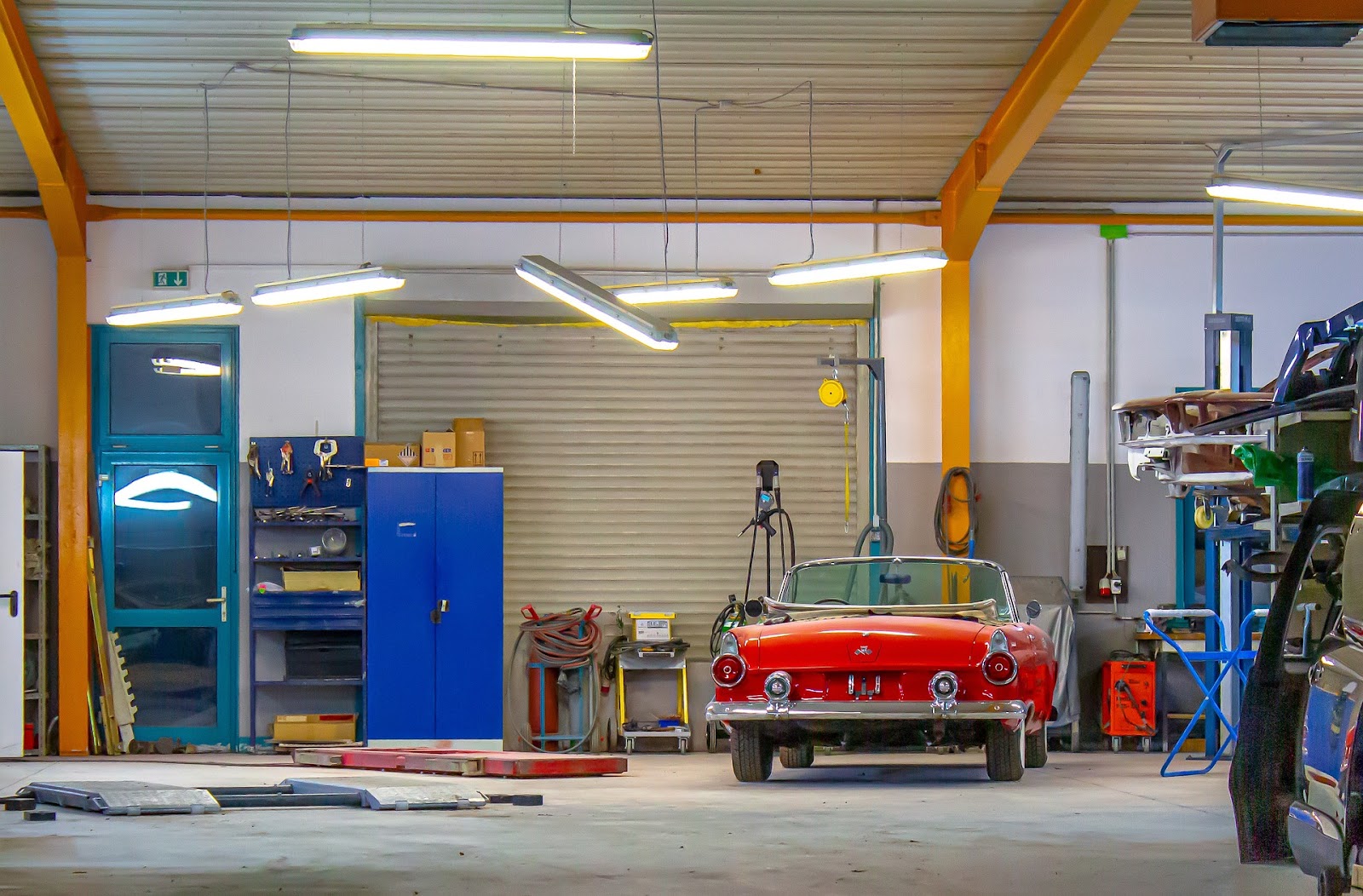
Top House Improvements That Raise the Property Market Value

Are you looking to improve the value of your property? Investing in some house improvements is a great way to add significant value to your home and make it more attractive to potential buyers. Plenty of options are available, from small, cost-effective changes like replacing fixtures and fittings to larger projects such as an extension or loft conversion.

This guide will explore the top house improvements that raise the property market value so you can decide which investments will give you the best return.

Improve Curb Appeal

The roof is the most visible exterior feature of any home or business. And it’s one of the first things potential buyers notice when evaluating a property. The team at amroofingva.com can help you improve your curb appeal by assessing how much life is left on your roof and replacing old shingles if necessary. Replacing an aging roof with new shingles featuring the latest technology will dramatically impact your property’s look and significantly increase its market value. Modern materials are available that are designed to reflect more heat for better energy efficiency, are easier to maintain, and come in stylish designs that will add beauty and character to any structure.

A team of professional roofers can also help you to choose the right color scheme for the roof. If you have brick walls, a team of experienced professionals can suggest colors that will complement them. By choosing an appropriate color, your home or business will stand out in the neighborhood and attract more potential buyers.

Convert Your Loft

Converting your loft can add up to 20% to the sale price of your home, making it one of the most cost-effective ways to improve your house while also increasing its market value. Aside from its financial benefits, converting your loft provides additional living space that can be used in whatever way suits you best. Whether you would like an extra bedroom for visiting family and friends or a home office for working from home, converting your loft gives you the freedom and flexibility to design the perfect space for you and your family.

Converting your loft is relatively simple and straightforward; all that’s required is the installation of a staircase and insulation, as well as adequate ventilation. Then, all that is left to do is decorate your new space, with options ranging from stylish wallpaper to sleek paneling. Once the conversion is complete, you can enjoy all the benefits of additional living space without compromising storage or style.

Upgrade Your Kitchen

Upgrading your kitchen is one of the most popular home improvements that can drastically increase the value of your home in the real estate market. Refresh your kitchen with up-to-date appliances, modern materials and designs, and other features like a custom island or new countertops. By making these changes, you’ll create a more desirable look for potential buyers and make more money when it comes time to sell. From increasing appeal to potential buyers to improving your home’s overall atmosphere, numerous benefits are associated with upgrading your kitchen.

These changes will add more “curb appeal” to your property by giving it a fresh and inviting atmosphere that draws attention from passersby. Potential buyers may be drawn in by a newly updated kitchen, giving you an edge in selling your home. A quality kitchen renovation can also significantly boost the value of your property, as it’s one of the most desired features for potential buyers.

Convert Your Garage

Converting your garage into a useful space is one of the most cost-effective ways to increase the value of your property and make it more attractive to potential buyers. A well-converted garage can add as much as 10% or more to the market value of your home, making it an excellent way for you to get a great return on investment.

One of the main benefits of converting your garage is that it adds extra room to your house without building from scratch or taking up any valuable garden space. This additional room gives you greater flexibility when using and furnishing your home while also providing a valuable asset if you ever decide to sell in the future. Adding another room to your property can save you money on heating bills, as it reduces the need for a larger home.

Another key benefit of converting your garage is that it significantly improves the curb appeal of your home. An attractive and well-converted garage can make a positive difference and enhance the overall appearance of your property, making it more desirable to potential buyers. The additional space also gives you added flexibility regarding storage solutions and other practical uses, such as an office or gymnasium.

Making improvements to your property is a great way to increase its value on the market and make it more attractive to potential buyers. Hopefully, this guide has given you some insight into the top house improvements that raise the property market value so you can decide which investments will give you the best return. This list is not exhaustive, so research before committing to any investments to get the best return on your money. And don’t forget – always consult a professional when undertaking any major renovations or remodeling projects.


6 Reasons a Video Could Aid in the Sale of Your House

A recent National Association of Realtors study found that 47% of home buyers search online for their next home. While most of those buyers start their search on websites like Zillow and Redfin, an increasing number are using YouTube to find their next home.

So, if we consider selling our home, we should make a video. Video is a powerful medium that can help us highlight the best features of our home and get more exposure for our listing.

How to make a stunning video when selling our home?

Making a home selling video doesn’t have to be complicated or expensive. With some creativity and effort, we can create a stunning video that will wow potential buyers. Here are some tips to get us started:

  • Starting with a strong introduction.
  • Showcasing the best features of our home.
  • Giving a tour of the property, inside and out
  • Highlighting the unique selling points of our property.
  • Ending with a call to action, such as contacting the real estate.

Moreover, to get the best result, here are some tips: using a tripod to keep the camera steady, shooting in HD, using a wide-angle lens, and editing the video professionally using an online video editor tool.

If we still need convincing, here are the six best reasons to include a video when selling our home.

  1. A video is worth a thousand pictures.

A video is worth a thousand pictures when selling a home. This is because a video can show potential buyers all the features of a home without them having to be there physically. A video captures the dimensions of a room and how the space is utilized far better than pictures alone. It is a great marketing tool that can give buyers a realistic view of the property. In just a few minutes, a video can show off the layout of the home, the surrounding neighborhood, and all of the amenities that come with the property that might be missed in photos. Additionally, it can be a valuable tool for us to gauge interest and get feedback from potential buyers.

  1. Potential buyers can see a lot in a video tour.

A video tour is a great way to show potential buyers what it’s like to live in our home. We can give them a tour of the rooms, show off the amenities, and tell them about the local area. This can give them a good idea of what it would be like to live there and help them decide whether to buy.

An excellent way to incorporate this feature into our VR experience is by using 360-degree videos that include footage from different angles (like floor plans). This will make it easier for buyers who don’t have access to Google Cardboard devices—or even those who do!

  1. A video is easy to share

With the rise of social media, sharing videos has become easier than ever. When selling our home, using a video is an easy way to share information about our property with potential buyers to give them a better sense of our home. We can upload videos to the internet and share them through social media, email, and other online channels. We can also post our video on our website or blog to help increase traffic to our site. The possibilities are endless! Furthermore, rather than simply posting a standard property listing, sharing a video with many different places allows it to reach a larger audience.

  1. A video can humanize the selling process.

There’s no doubt that selling a home can be a stressful process. Many things can go wrong, from finding the right buyer to ensuring the sale goes smoothly. But one thing that can help is using video to humanize the process.

A video can help potential buyers see our home as more than a property and show them what it’s like to live there and what the neighborhood is like. It can also help them feel more connected to the home and us and give them a sense of our personality, making them feel more comfortable working with us. This can make the whole process feel more personal and less like a transaction.

  1. A video can give potential buyers a sense of urgency.

When we release a property-selling video, it can create a sense of urgency for potential buyers. This is because we are showing that we are ready to move on from the property and want to sell it as quickly as possible. In addition, we are also indicating that we are open to negotiating the price of the home. This can be a great way to get potential buyers interested in the property.

By releasing a video showcasing all of the home’s features, potential buyers will be more likely to feel the need to act quickly to secure their dream home.

Furthermore, we may release a video showing the house in its best light and include a call to action, such as “call now for a showing.” This can help create a sense of urgency in the potential buyer’s mind and may result in a quicker sale.

  1. We can use a video to answer Frequently Asked Questions.

Many home sellers are looking for ways to answer Frequently Asked Questions (FAQs) about their homes, such as how to get pre-approved for a mortgage, etc. Including a video is a great way to do this. We can provide potential buyers with valuable information about our home by creating a short video to answer common questions about the home-buying process. Additionally, we can provide them with a better understanding of our property and help them make a more informed decision.

Wrapping Up!

A well-made video can also help us sell our home faster, for a higher price, and to larger potential buyers. We hope the reasons provided in this article convince us of the importance of including videos when selling our home. If you need help getting started, plenty of great video editors can help you create a professional-looking video.

Signs That You Might Need a Roof Replacement

Your roof is one of the most important parts of your home. It protects you and your family from the elements, and it can add value to your property when it’s time for sale. So if you’re starting to see signs that your roof might need replacement, don’t wait! The longer you wait, the more damage will be done to your home.

This blog post will discuss some of the most common signs that indicate a roof replacement might be in order. Stay safe and dry by keeping an eye out for these warning signs!

1) It’s Old

One of the most obvious signs that you might need a roof replacement is the age of your roof. So, how long should your roof last and how can you know if it’s time for a roof replacement? Generally speaking, asphalt shingle roofs can last anywhere from 10 to 20 years. Other roofing materials such as metal, slate, and tile can last even longer. If your roof is approaching the end of its expected lifespan, it may be time for a replacement.

2) Missing or Damaged Shingles

Another tile that is indicative of a roof replacement is missing or damaged shingles. If you notice any missing, cracked, buckled, or curling shingles on your roof then it may be time for a replacement. Also, keep an eye out for any granules from the shingles appearing in your gutters as this can indicate that your roof is failing. However, keep in mind that sometimes you won’t need to replace the entire roof, but just need to make some repairs. So if you see any of these signs, it’s best to get an inspection from a professional so they can let you know what the best course of action is.

3) You’re Having Leakage Problems

Leaks are one of the most obvious signs that your roof needs replacement. If you’re seeing water stains on your ceiling, or if you’re finding water in your attic, then you have a leaky roof. Leaks can cause serious damage to your home if not fixed quickly, such as rot, mold, and even structural damage. You can ask this roofing contractor who will further explain how these further deteriorate your entire home.If you think your roof is leaking, get it inspected as soon as possible to determine the best course of action.

4) Your Roof Is Sagging

If your roof is sagging or looks like it’s starting to buckle, then it’s definitely time for a replacement. In other words, this means that your roof is no longer able to support the weight of your home, and a replacement is necessary. This can be especially dangerous if left unchecked, as it could lead to serious structural damage.

If you’re seeing any of these signs, it’s time to call in a professional to take a look. A roof replacement can be expensive, but it’s a lot cheaper than repairing serious damage caused by a leaky or old roof. So don’t wait – if you think your roof might need replacement, get it checked out as soon as possible!

What Should You Know Before Renting Your First Apartment As a College Student

College is a time of new beginnings – for many, it’s the first time they are living away from home. This also means that you may be renting your first apartment! If you’re feeling a little overwhelmed by the process, don’t worry – we’re here to help. In this blog post, we will outline everything you need to know before renting your first apartment as a college student. From finding the right place to signing the lease, we’ve got you covered!

1. Start your search early

Moving for college can be an exciting but stressful time. One of the most important decisions you’ll have to make is finding a place to live. If you’re planning on living off campus, it’s important to start your apartment search early. The earlier you start, the more options you’ll have. You should also consider your budget and figure out how much you’re willing to spend on rent.

Once you’ve done that, you can start looking for apartments in your price range. Another thing to keep in mind is your roommate situation. If you’re planning on living with a friend, make sure you’re compatible and that you’re both on the same page about things like cleanliness and quiet hours.

2. Consider your budget

When it comes to moving for college, there are a few things you should keep in mind in order to not break the bank. One way to save money is to get creative with your living situation. Dorms are not the only option – consider renting a room in a house or an apartment with other students. This can be a great way to live close to campus without paying dorm prices.

Another tip is to be smart about your furniture. You may be tempted to buy all new furniture for your new place, but this isn’t necessary. See if you can find some gently used items at thrift stores or online.

Finally, don’t forget about food. Eating out all the time can get expensive, so try to cook at home as much as possible. Meal prepping can be a great way to save time and money.

How can I do all of this and have time for homework?

Moving into a new building and starting college can be challenging. If you don’t find enough time to do your homework, professional writers will do your homework if you ask them nicely. Of course, you’ll need to pay them, but it’s worth it if you’re struggling to keep up with your coursework. Just be sure to select a reputable writing service so that you can be confident that your homework will be completed correctly. With a little help, you’ll be able to successfully navigate this new phase of your life.

3. Location, location, location

Another one of the big considerations when looking for an apartment is its proximity to your school. After all, you don’t want to be spending hours every day commuting. However, there are a few things to keep in mind when trying to find a place close to campus.

The first is that apartments near colleges tend to be more expensive than other places. This is because demand is high and supply is limited. Second, you’ll likely be competing with other students for the best apartments. So, if you’re set on living close to school, be prepared to move quickly and pay a bit more.

Lastly, remember that the location of your school can change over time. A new dorm might be built or a new academic building might open up, so it’s always worth checking in with the school’s administration to see if there are any changes to the campus layout.

4. Read the lease carefully

Before signing a lease for your new apartment, it’s important to read the entire document carefully. The lease is a binding legal contract, and you’ll be held responsible for following all of the terms and conditions. That means if the lease says no pets are allowed, you won’t be able to get a cat, even if your landlord says it’s okay. So take some time to read through the lease thoroughly before signing on the dotted line. And if you have any questions, be sure to ask your landlord or leasing agent before you make any commitments.

5. Get to know your neighbors

If you’re living in an apartment or house off campus, it’s important to get to know your neighbors. For starters, they can help keep an eye on your place when you’re not around. But more importantly, they can be a great source of support and friendship. College can be a lonely time, and it’s nice to have someone to chat with about classes, recipes, or life in general. So don’t be afraid to introduce yourself and strike up a conversation the next time you see your neighbor.

6. Be a good tenant – and always pay your rent on time!

Being a nice tenant is important for several reasons. First, it helps to build a great relationship with your landlord. If you are someone who is always paying your rent on time and taking care of the property, your landlord is more likely to be responsive to your needs and concerns. Second, it can help to keep your rental costs down. If you are constantly having to call your landlord to fix problems or deal with damage, they may start to charge you more in rent.

Finally, being a great tenant is simply the right thing to do. Just like you wouldn’t want someone trashing your home, you shouldn’t do the same to someone else’s property. So pay your rent on time and take care of the place – it’s just good manners!

Conclusion

Renting your first apartment as a college student can be exciting and nerve-wracking at the same time. But by keeping these tips in mind, you can set yourself up for success in your new home!

6 Important Home Repairs You Should Leave To Professionals

There are some home repairs that you should leave to the professionals. This is especially true if you don’t have any experience with repairs and don’t know what you’re doing. Trying to fix something yourself can often lead to bigger problems and more expensive repairs down the road. In this blog post, we will discuss six important home repairs that you should leave to the professionals!

Garage Doors

When it comes to garage doors, you should leave the repair and maintenance of these important systems to professionals. Garage doors are heavy, complex components that require special training and tools to work on them safely and correctly. Trying to repair a faulty garage door yourself can be dangerous and might even cause further damage if done incorrectly. The pros at King’s garage door repair schaumburg il recommend leaving complex and heavy motors, door mechanisms and wiring to the experts. Professionals know how to properly diagnose and fix any issue with your garage door, while also making sure it is safe and secure.

Roof Repairs

Roof repairs are not a job for DIYers. It is important to have any roof issues assessed and repaired by a professional contractor. A qualified roofer will be able to evaluate the extent of damage that has been done, as well as identify any potential problems that could arise in the future. They will also be able to ensure that your roof is properly sealed and waterproofed in order to protect your home from future damage. Roof repairs require specialized skills and materials, so it’s best to leave this job to the professionals. They will also be able to advise you on any improvements that can be made to improve the longevity of your roof. The Louisville Roofing professionals are experienced in a variety of roofing repairs and can provide the best solutions for your specific needs. Don’t risk further damage to your home by attempting roof repairs without the expertise of a professional!”

Flooring

When it comes to flooring repairs, you should leave this job to the professionals. Flooring repairs can often be time-consuming and difficult, requiring carpentry and electrical work knowledge. From repairing tiles or wood floors that have become damaged from everyday wear and tear to removing old carpet and replacing it with something fresh, a professional flooring contractor will be able to handle the job with little difficulty.

Not only do they have the experience and knowledge necessary to complete the repairs, but they also come equipped with the right tools and materials that can make a difference in the quality of your finished project. Leave flooring repairs to the pros and reap the benefits of their expertise!

Electrical Supply Systems

Power systems in your home can be extremely dangerous if they are not properly maintained and serviced. This is why it’s important to leave any repairs or maintenance to the professionals. If you’re dealing with a faulty panel, wiring problems, faulty outlets, etc., proper diagnosis and repair require the expertise of a licensed electrician. A professional will be able to quickly identify and diagnose any issues, as well as recommend the safest and most efficient solutions for you. Don’t take shortcuts when it comes to power—leave it in the hands of a pro.

You really don’t want to be messing around with the power supply in your home. It can be dangerous and you don’t want to put yourself or anyone else at risk. A professional electrician will have all of the necessary tools, knowledge, and safety protocols to ensure that any problems are addressed quickly and safely.

When it comes to plumbing, it is best to leave the job in the hands of a professional. Plumbing repairs can be complex and require specialized tools, knowledge, and experience. Attempting DIY plumbing repairs can often result in further damage or costly mistakes that will only cost you more money and time in the long run.

Professional plumbers are equipped to handle a variety of plumbing issues and can help you find the most efficient solution for your home. From small leaks to large pipe replacements, it is better to call a professional so that the job is done correctly. Don’t risk making costly mistakes by trying to fix plumbing problems yourself!

Leave any plumbing-related issues in the hands of the experts. They have the experience and tools to get the job done right the first time! By doing so, you can rest assured that your plumbing system won’t be causing any further issues in the future.

Lead Paint Removal

Lead paint removal is a sensitive job that should only be done by an experienced professional. A homeowner with limited experience may not have the necessary equipment or expertise to safely remove lead-based paint and dispose of it properly. Inhalation of lead particles can cause serious health problems, so it is important to hire a qualified contractor who adheres to safety regulations and has the proper licenses, certifications, and insurance.

If a homeowner suspects that their house contains lead paint, they should have a professional do an inspection to determine if removal is necessary or if it can be contained with additional layers of paint.

In conclusion, there are many repairs that should be left to the professionals in order to ensure the safety of your home and those living in it. DIYers can handle relatively small projects, but it is best to hire a professional for any large jobs or complex tasks.

6 Home Repairs No One Should Postpone

Home repairs are necessary for any homeowner to keep their home in good condition. They can protect your home from further damage and help save you a lot of money in the long run. However, many people put off these repairs giving a million excuses: I don’t have time. It was too expensive. I don’t know how to do it. But the truth is, if you don’t take care of your home, it will eventually fall apart – and that will cost far more than any repair job you could undertake. Here are six home repairs that no one should postpone.

1. Lighting Problems

Outdated or faulty lighting systems can cause problems in your home, from safety hazards to increased energy consumption. Whether you need new light fixtures installed or have problems with an existing system, it’s vital to seek Singapore electrical services if you live in or around Singapore. A professional electrician can assess your home’s lighting needs and make necessary repairs or upgrades.

Fortunately, advances in LED lighting make this an affordable and efficient option for most homeowners. Talk to your electrician about the best options for your home and budget, and you can rest easy knowing that your lighting system is safe and up-to-date. And if you have any questions or concerns, a good electrician will be happy to answer them for you.

2. Leaky Pipes or Faucets

Few things are more frustrating than a leaky pipe or faucet. Not only does it waste water (and money), but it can also damage your fixtures and furniture. And if the leak is left unchecked, it can even cause extensive damage to your home’s structure.

The first step is to identify the source of the leak. This may take some detective work, especially if the leak is intermittent. Once you’ve identified the source, shut off the water supply to that fixture and start repairs. For leaks coming from pipes, you may need to cut out the bad section and replace it with a new section of pipe; for leaks from faucets, you may need to tighten some screws or replace worn-out washers.

3. Clogged Drains

Clogged drains are one of the most common – and frustrating – plumbing problems. A clogged drain can mean a slow sink or shower, backed-up water in your basement, or even a full-blown flood. And if left untreated, a clogged drain can damage your pipes and home’s foundation.

There are many reasons drains become clogged: hair, grease, food particles, and other debris can all accumulate in your drainage system over time and cause a blockage. The best way to prevent clogged drains is to be proactive and clean your drains regularly. But if you experience a clog, use a plunger, a drain snake, or store-bought chemicals to dislodge the blockage and clear your pipes.

4. Foundation Cracks

If you’ve lived in your home for a while, you may have noticed some small cracks in your foundation – and chances are they aren’t something to worry about. However, if you notice large cracks or other signs of structural damage to your foundation, it’s vital to have them repaired as soon as possible.

Many homeowners try to do their foundation repairs, which can be dangerous and even cause further damage in some cases. Instead, it’s best to call a professional contractor with the proper knowledge and tools to repair your foundation safely and efficiently.

5. Broken Gutters or Downspouts

If you’re not taking care of your gutters, you could be setting yourself up for expensive repairs in the future. Gutters are designed to keep rainwater away from your home’s foundation and prevent flooding and other damage. But if your gutters are clogged or broken, the water can pool in undesirable places and significantly damage your home.

Your best bet for preventing problems with gutters is to clean them regularly – especially after a heavy rainstorm. If you notice any damage, like holes or dents in the gutters, it’s best to replace them as soon as possible. Be sure also to check that your downspouts are securely connected and free of blockages.

6. Mold or Mildew Growth

Mold and mildew are unsightly and can also be dangerous if left unchecked. These spores thrive in moist environments, so they can quickly take over your home if you have a leak or other water damage. And not only can mold and mildew cause structural damage, but they’re also potential triggers for respiratory issues like asthma, allergies, and more.

If you notice any signs of mold growth – especially in moist areas like bathrooms and basements – immediately address it. You can often treat small areas with bleach or other chemicals, but if you suspect a more severe issue, it’s best to call a professional contractor to inspect your home.

Whether you’re dealing with a leaky faucet, clogged drains, or other plumbing problems, it’s vital to take action immediately. With the proper repairs and preventative care, you can protect your home from expensive damage in the long run. So if you notice any signs of trouble with your plumbing, immediately call in a professional contractor to help.

How To Increase The Functionality Of Your Garage

Do you use your garage to store all your extra belongings, or do you park your car there and call it a day? If you’re like most people, the answer is probably “both.” A garage can be much more than just a place to store your stuff! In this blog post, we will discuss some ways to increase your garage’s functionality. Whether you want to turn it into a workshop or a home gym, we have got you covered. Let’s get started.

Add Custom Storage Solutions

Adding custom storage solutions to your garage will allow you to create a space that works for you and your needs. You can consider adding garage cabinets that will give you a place to store tools, cleaning supplies, and other items that can be easily reached. Additionally, you can find wall-mounted systems made specifically for storing bikes and other large items. You can also research overhead storage systems, which are a great way to store items you don’t use daily without taking up valuable floor space.

Some factors to consider when choosing storage options for your garage include the size of your garage, the type of items you plan to store, and how much weight you will be storing. Be sure to choose storage solutions that are sturdy and designed for the specific types of items that you plan on keeping in your garage. For instance, you might need heavier-duty storage solutions if you plan to store large items such as bicycles or power tools.

Invest in Good Lighting

Good lighting is essential for any workspace or hobby area. It helps you see what you’re doing better and prevent accidents. Consider installing fluorescent fixtures or LED lighting, as these are both energy-efficient and long-lasting options. You can also add motion-sensor lights for added security.

Besides, you need to consider factors such as the number of light fixtures, wattage, and lumens of the bulbs. This will help you determine the type and amount of lighting right for your garage. For instance, if you need a brighter light for a workspace or plan to use the garage as a home gym or entertainment area, you might want to consider higher wattage and lumens.

Improve the Garage Flooring

Most garage floors are often made of concrete, and this material can be prone to cracking or staining. To improve the look and feel of your garage, you might want to consider installing a new flooring system. Concrete floor paint is one easy way to spruce up your garage. You can also choose from more permanent options, such as epoxy or polyurea coatings, which provide a durable and attractive finish.

If you’re looking for a more comfortable surface, consider adding garage floor mats or interlocking tiles. These will help to insulate the garage while providing additional traction. You can also get a customized garage rug, which is a great way to add a bit of personality to your space. If possible, choose colors and patterns that will complement the rest of your garage decor.

Create a Dedicated Workspace

If you enjoy tackling DIY projects around the house, having a dedicated workspace in your garage can be a great way to stay organized and motivated. You can create an effective workspace by investing in workbenches and shelves that will help you organize your tools and materials. A pegboard is also a great addition, as it allows you to hang up frequently used items such as hammers, drill bits, and screwdrivers.

When creating a dedicated workspace, it’s important to make sure that you have enough space for all of your tools and materials. Measure the available space in your garage and plan out where each item will go before purchasing anything. This will help you create a workspace that is both efficient and comfortable. Ensure that the space doesn’t inconvenience other areas of the garage by making sure that it doesn’t take up too much space.

Install A Functional Garage Door

Another important step you can make to improve the functionality of your garage is to install a functional garage door. Your garage door should be reliable, secure, and efficient. Invest in a model with an insulated core for better energy efficiency. A well-insulated door will help keep your garage cooler in the summer and warmer in the winter.

You should also consider adding extra security measures such as automatic door openers or keypad entry systems. This will help keep your garage and its contents safe from intruders and curious animals. Consider investing in a garage door opener with battery backup in case of power outages.

When exploring options for a functional and aesthetically pleasing garage door, modern glass garage doors have become increasingly popular. They not only enhance the visual appeal of your garage but also allow natural light to enter the space. However, it’s essential to weigh the benefits against the costs. Researching modern glass garage doors cost, considering factors such as materials, insulation, and design features, will help you make an informed decision that aligns with both your functional and budgetary requirements.

Insulate And Vent The Space

Your garage might be the place in your house where the temperature fluctuates the most. To ensure your garage is comfortable and energy-efficient, consider insulating it properly. This will help keep the space at a consistent temperature throughout the year and reduce energy costs.

You should also consider adding proper ventilation to improve air quality in your garage. This can be done by installing exhaust fans or window vents. Proper ventilation will help keep the air free of toxins and moisture, ensuring a safe and healthy environment for you and your family.

By following these simple steps, you can easily increase the functionality of your garage. With improved lighting, cabinets, flooring, workspace, garage door security, insulation, and ventilation, you’ll be able to make the most of your garage and enjoy it more than ever. With just a few investments, you can turn your garage into a functional and comfortable space that will make all your DIY dreams come true.

What to Fix and Not Fix Before Selling a House

In getting ready to sell your house, it’s essential to make sure that you fix the things that need to be fixed and leave the rest alone. While you need to avoid spending too much on repairs before selling, you have to remember that some things need to be taken care of. This blog post discusses what you should fix before selling your house and what you should leave alone.

Fix the garage door

If you have a garage, it’s essential to ensure the door is in good working order. A broken garage door can be a major turn-off to potential buyers, which may signal that the rest of the house isn’t maintained very well. Ensure you check for any squeaks or rust and take care of them immediately. Seasoned garage door cable repair Fishers recommend that you should also lubricate the door and its parts to ensure smooth operation. This way, you can make sure that the door is working properly and won’t need any attention after being sold.

Address plumbing issues

Any plumbing problems need to be considered before selling your house. Leaky or clogged pipes can significantly reduce the value of your home because water damage can cause many structural problems, and buyers want to be sure that these are taken care of. So make sure you have a plumber check out any water-related issues. Plumbers should also inspect your home’s water heater and other plumbing fixtures. If possible, your water heater should be replaced before listing your home. When your plumbing system is taken care of, potential buyers won’t have to worry about significant surprises. Aspen Plumbers, a group of pro plumbers in Jackson Michigan recommends checking for any leaks or drips in your faucets and have them fixed.

Repair your roof

Your roof is the only thing standing between you and the elements, so it’s essential to ensure it’s in good condition. Get a roof inspection from an experienced roofer before putting your house on the market. They’ll be able to tell you if any issues need to be addressed. For example, they may recommend replacing any missing or damaged shingles. They’ll also be able to check for potential leaks and make sure your roof is properly sealed. If your roof is more than ten years old, consider getting a complete replacement to make the house more attractive to buyers. While a replacement may entail a pretty hefty sum, it could be worth it if you’re looking to get top dollar for your home.

Remodeling the kitchen is unnecessary.

On the other hand, there are some things that you shouldn’t fix when selling your house. Unless your kitchen is outdated or doesn’t match the rest of the house, a full-on kitchen remodel is probably unnecessary. New flooring, countertops, and appliances can be expensive and may not increase the value of your home enough to make it worth the cost. Instead, focus on minor improvements like painting walls, replacing cabinet handles, and fixing any minor issues. When replacing cabinet handles, make sure to choose ones that are consistent with the style of your house. For example, choose sleek and minimalistic handles if you have a more modern home.

Don’t bother with the flooring.

Unless your home’s floors are in terrible shape, there’s no need to replace them before selling. Floors can be a costly upgrade, and it may not be worth the money or effort if you’re just trying to attract buyers. Instead, consider cleaning your existing floors and touching up any scratches or dents to make them look their best. In cleaning the flooring, you should consult a professional cleaning service. They will be able to provide you with the best advice on how to keep your floors looking like new. They may recommend using unique cleaning products or techniques to restore your floors to their original beauty.

Leave the paint alone.

Unless the walls are in horrible shape, you don’t need to repaint them before selling. A fresh coat of paint will usually cost more than it’s worth, so ensure that any scuffs or dents are patched up before you show the house. In this case, you must touch up any problem areas and leave the rest alone. If necessary, use a few coats of touch-up paint on worn spots to make the walls look their best. If you decide to repaint, stick with neutral colors that potential buyers can easily envision themselves in. Bold colors can turn buyers off, particularly if they don’t suit the look and feel of the house.

These are just a few of the things that you should fix and not fix before selling your house. It’s always important to get an inspection done to identify any significant issues that need to be addressed. This will help you determine which repairs should be taken care of and which can be safely ignored. With the proper preparation, selling your house can be a hassle-free process. Good luck!

How to Invest in Real Estate Without a Lot of Money

Real estate remains one of the best investment options over the long term for many reasons. While the challenge for many is that the cost of entry into a real estate investment can be very steep, more affordable ways to add real estate to one’s portfolio exist. However, the buyer must be willing to be a landlord in some cases; in others, the amount of risk a buyer is willing to undertake is a factor. Here are ways a person can invest in real estate without a lot of money.

Reduce the Down Payment with an FHA Loan

Lenders approved by the Federal Housing Administration (FHA) can issue loans with more favorable terms when a buyer cannot obtain a loan from a bank or private lender. The FHA insures these mortgages. So long as buyers intend to live in the property as their primary residence, they can qualify for an FHA loan.

If the buyer’s credit score is above 580, they can obtain an FHA loan for as little as a 3.5 percent down payment. For credit scores under 580, the buyer needs to put up 10 percent. Additional FHA loan requirements include:

  • A mortgage insurance premium
  • Sufficient debt-to-income ratio
  • Proof of employment and steady income

Some additional government loan programs offer excellent terms if a buyer qualifies for them. Military veterans, for example, can obtain a VA loan for no down payment. Other programs are administered by the USDA, Fannie Mae or Freddie Mac, the Energy-Efficient Mortgage (EEM) program, and others.

There are several government loan possibilities, especially for first-time home investors. Seek the help of a real estate professional familiar with various government lending programs.

House Hacking

House hacking is a viable option for those who don’t mind being a hands-on landlord. In this strategy, after the buyer has saved enough for a house, they purchase a multi-family property and then use one of its units as their primary residence. They can also obtain an FHA loan with a down payment of as little as 3.5 percent. The buyer then rents the other units to tenants, which helps to cover the mortgage, repairs, and other expenses, saving money.

Some size limits exist on multi-family properties when qualifying for an FHA loan. Most lenders require the dwelling to be a fourplex or smaller. Buyers should do their due diligence to ensure the rental income will cover the mortgage, vacancies, property taxes, and other expenses.

Create a HELOC on Another Property

If someone has built up enough equity in their first home or a different property, they can ask their bank for a Home Equity Line of Credit (HELOC). According to Auction.com, many banks will provide a HELOC of 70 to 80 percent of the equity the buyer already owns. Those funds can then be used for investing in another property.

There are several advantages to using a HELOC to purchase a rental property:

  • No upfront fees
  • No closing costs
  • Lower interest rates
  • Can be used as a zero-down mortgage to purchase a rental

The interest on a HELOC is typically calculated as one or two percentage points above the prime rate. Many banks will allow a straightforward appraisal on the buyer’s property and don’t charge a fee. The buyer can then use the rental income to pay the interest and principal on the HELOC monthly.

One downside to a Home Equity Line of Credit is the terms are variable with the prime rate. If interest rates increase, it can impact the buyer’s ability to keep up with payments.

Ask the Seller to Cover Closing Costs

Nearly every real estate transaction will enter a negotiation stage, in which both the buyer and the seller can alter the terms of the deal. One thing a buyer can ask for, which a seller may provide, is for the seller to cover closing costs. This can significantly reduce the money needed to purchase an investment property.

Bank of America estimates closing costs at around three to five percent of the home’s total purchase price, although this can vary with lenders. If the seller agrees to pay closing costs, it will be unlikely the buyer can negotiate a lower price on the home. With this strategy, they can get into the house for less money but have to pay full price for the property.

Because the buyer is paying full price, they should do a solid estimate to see how much money the rental home will generate. It will need to provide enough income to cover any vacancies or repairs.

Real Estate Crowdfunding

Several companies now offer the option to add real estate to an investment or retirement portfolio. The downside to this option is that the buyer does not actually own any property but a stake in a property. A buyer invests their money with a real estate investor on a specific project within a specific timeframe.

Some companies that offer this type of portfolio investing on real estate projects include Fundrise, Crowdstreet, and RealtyMogul. Fundrise allows people to start investing in real estate projects for very little upfront money, and users can average around a five percent return on their invested funds.

Ready to Start Investing in Real Estate?

Many options allow people to start investing in real estate with less money, including some that are not included here. By reducing the down payment with an FHA loan, house hacking, creating a HELOC on another property, or asking the seller to cover closing costs, you can get into the market sooner than you thought possible. If that’s still not feasible for you, there’s also real estate crowdfunding. With so many options available, there’s no reason not to start investing in your future today. Whether you’re a first-time buyer or an experienced investor, there are plenty of ways to get started. Talk to a real estate professional in your local market to learn about other options and programs available.

6 Things You Need to Know About Stock Market Indexes

Whether you are just getting started with investing or you are an avowed veteran, it is important to be familiar with the major stock market indexes and understand how they work.

Knowing how to use the Dow Jones Index, the S&P 500 Index, and the Nasdaq 100 Index can help you make smarter financial decisions that will work in the long run.

Dow Jones

Founded in 1896, the Dow Jones is one of the oldest and most watched stock market indexes in the world.

Originally it consisted of twelve companies, but it expanded to 30 in 1928. It is a price-weighted index. This means that a higher price for a stock will have a bigger impact on the value of the index.

The index is named after Edward Jones, who was the co-founder of The Wall Street Journal. He was also the inventor of the first Dow Jones.

The index is the sum of the share prices of the 12 companies listed. However, this isn’t the only way that the index calculates its value. It also considers stock spins and dividends to account for the one point move in the index.

The Dow Jones Industrial Average is a price-weighted index that represents large-cap US stocks. This means that a large percentage of the index is made up of companies with a market cap of over $5 billion. It is considered a barometer of the US economy, as well as the stock market.

The index is maintained by S&P Dow Jones Indices, which is an index maintenance company owned by S&P Global. The index is also managed by an ETF, or exchange-traded fund.

The ETF is an investment vehicle that offers exposure to the entire index. It is also leveraged, which means that traders can make short or long trades, and the spreads can be larger.

The Dow Jones is considered to be a microcosm of the global financial market. Its value can be affected by macroeconomic events, news articles, and presidential elections.

There are also technical indicators, such as Bollinger Bands and the Stochastic Oscillator, that can help confirm the current trend.

S&P 500

Among the many stock market indexes, the Standard and Poor’s 500 is one of the most popular and closely followed.

The index measures the performance of 500 of the largest publicly traded US companies. The index is a cap-weighted index, meaning that the value of the S&P 500 index is calculated using the market cap of each company.

The index is a great way to diversify your portfolio. Its composition is largely composed of US companies, though a few international stocks are also included. In fact, nearly 48% of S&P 500 component companies’ sales in 2014 came from foreign countries.

The index is a good indicator of the health of the US stock market, but it is not perfect. For instance, the S&P 500 index has seen some very high highs and lows. This is because the index contains companies in a wide variety of sectors.

The index includes companies in eleven sectors. These include energy, consumer durables, financial services, and industrial. S&P 500 companies include companies such as Google, Facebook, and Apple. These companies are household names and often have global reach.

To be included in the index, a company must be a publicly traded corporation with common stock. It must be listed on the New York Stock Exchange (NYSE) or the Investors Exchange (IEX). It must also have positive as-reported earnings in at least the past four quarterly periods. It must have an unadjusted market cap of at least $14.6 billion.

The index committee determines the companies to be included in the index based on liquidity and profitability. It also looks at market cap and other criteria. For example, a company must have at least 50% of its fixed assets in the United States.

Russell 2000

Thousands of small and mid-cap companies make up the Russell 2000 stock market index.

Each company is ranked based on market cap and weighted according to its performance. This is one of the most important ways to analyze the performance of smaller U.S. stocks.

The Russell 2000 index is a popular benchmark for small cap mutual funds. While it isn’t an investment itself, it can be a useful tool for investors.

The index is made up of 2,000 companies, and is divided into two subindexes. One is called the Russell 2000 Value Index, which is composed of companies with low price-to-book ratios.

Another subindex is the Russell 2000 Growth Index, which is composed of companies with higher price-to-value ratios.

The index is a good way to gauge the performance of small companies, but it does contain more volatility than its big-cap counterpart. Investing in the Russell 2000 can be a good way to capture small-cap returns, but it’s important to choose a fund that offers diversification.

There are several ETFs that track the Russell 2000, and each one has a purpose. Some are geared toward tracking specific industries or commodities.

Small-cap stocks tend to outperform large-cap stocks over time. They also have the potential to provide investors with greater growth. While they may be more volatile than large-cap companies, they also have more growth potential.

One of the reasons that the Russell 2000 is a popular benchmark for small-cap mutual funds is the diversity of its holdings.

These holdings span across industries, and this makes the index a bit less top-heavy than the S&P 500. The index’s diversification smooths out the volatility of small stocks, and maintains the potential for market-beating performance.

S&P MidCap 400

Investing in the S&P MidCap 400 Index can reduce market risk while allowing you to diversify your portfolio.

The S&P MidCap 400 is a benchmark that measures the performance of mid-sized companies in the United States. It is considered to be one of the most widely followed mid-cap indexes in the market.

Mid-cap stocks typically grow earnings faster than large-cap stocks. However, they are also more volatile. They are often considered to be the “sweet spot” of the stock market.

Those companies are usually mature businesses, which have a better financial footing than smaller companies. They can also provide steady growth over the long-term.

However, investing in mid-caps can be a risky investment. Large-cap companies have more capital, which means they have more influence on the movement of the index.

However, they also have more potential for growth and higher rewards. As a result, investors expect these companies to have more growth opportunities.

Mid-cap stocks can be an effective way to diversify risk, but investors should consider their risk tolerance and investment goals before committing to them. Investors should also be aware of the fees and entry points of index funds.

Some may have high fees and higher minimum investments. Depending on the investment, investors may also have to pay for fund management.

Investors should also consider the risks of investing in foreign markets. These markets can be volatile, and their prices can be affected by foreign economic and political issues. A diversified portfolio should include stocks from different sectors and industries.

If you’re interested in investing in the S&P MidCap 400, you may want to consider investing in an index fund. You can find these funds through mutual funds, ETFs, or investment products.

Nasdaq 100

Whether you’re investing in the NASDAQ 100 or S&P 500, it’s important to know how these markets work.

There are many factors to consider. The Nasdaq 100 Index is an index that reflects the growth of the United States technology industry. It is a modified market-capitalization weighted index, meaning that share prices are a major factor in determining the value of the index.

In the last two decades, the NASDAQ 100 has experienced tremendous growth. During this period, the index has outperformed many leading indexes, including the S&P 500 and the Dow Jones Industrial Average.

The index’s value is highly correlated to earnings reports from the top companies. The top five companies by market cap account for 40% of the index’s value.

In addition to technology companies, the index also includes companies from the health care, telecommunications, and transportation industries.

The largest holding in the index is Apple Inc., which has been ranked as the best global brand by Interbrand for nine consecutive years.

Companies in the technology sector make up 49.2% of the index, while communication services stocks make up 15.7%. The index is also home to Tesla, the largest electric vehicle manufacturer in the world. These companies have made a huge impact on the world’s economy and consumers.

The NASDAQ 100 index also has companies that focus on big data, cloud services, robotics, and artificial intelligence. These companies offer indispensable products and services that are essential to the modern economy.

Whether you’re investing in the NYSE or NASDAQ, the stock market can be volatile. Investing in the NASDAQ 100 can be a wise choice, particularly for younger investors with a high risk tolerance. However, there are a few things to keep in mind.

Wilshire 5000

The Wilshire 5000 Total Market Index, or simply the Wilshire 5000, is an American stock market index that measures the performance of all stocks traded on U.S. exchanges with readily available price data.

The index is maintained by Wilshire Associates, an investment management and research firm headquartered in Santa Monica, California.

The index always consists of exactly 5,000 common stocks (as opposed to other major indexes that only consider large-capitalization stocks), making it a broad gauge of the U.S. stock market’s performance.

The index was first published in 1974, with a starting value of 100. The Wilshire 5000 is often used as a proxy for the overall stock market, though it includes only publicly traded stocks.

The Wilshire 5000 is not an investable index; however, there are exchange-traded funds that seek to track its performance, such as the iShares Russell 3000 ETF (IWV) and the SPDR Dow Jones Wilshire 5000 ETF (WLK).

What is Passive Real Estate Investing?


Passive income refers to any income stream that doesn’t require regular, hands-on management. In other words, you can make recurring money without having to put in a significant amount of work, energy or time.

The most common form of passive investing is the stock market. You buy a stock and then afterwards, do nothing more. Of course, there’s the initial investment in the stock, plus some initial research. But after that, investing in equities (stocks) is very much “hands-off.”

Passive real estate investing is accomplished when you buy real property or proportional shares of a real estate asset in exchange for a recurring income stream. Generally, passive real estate investing does not require you to engage directly with a property. In fact, in some scenarios the investor never actually views the property in person.

How to Invest in Real Estate for Passive Income

Whether you’re seeking direct or indirect in real estate investments, there are several ways to start small and grow a sizable income stream.

1. Buy Fractional Shares of Real Estate

There are a variety of fantastic startups and real estate investment apps that connect real estate syndicates to investors who want to own real estate. Rather than buying entire properties, investors can buy fractional shares of one or more properties. Investors hope to receive monthly, quarterly or annual income distributions in exchange for taking on a portion of the acquisition cost and management fees.

Like many real estate investments, fractional shares are mostly illiquid. You can still sell your shares, but it’s not as easy as selling a stock.

Examples of fractional real estate platforms include Fundrise, Arrived and Realty Mogul.

2. Buy REITs

REITs allow you to invest in real estate without owning the physical real estate. A REIT may own various commercial or residential real estate developments – such as office buildings, retail spaces, apartments or warehouse space. REITs tend to pay high dividends, which makes them a common investment in retirement.

One advantage of REITs is that you can gain exposure to multiple sectors, which might provide great diversification. For example, you could invest specifically in multi-family REITs, commercial REITs, single family housing REITs or all of the above.

3. Buy a Rental Property

While not entirely passive, investing in a rental property is typically not difficult after the acquisition is complete. In other words, the ongoing management can be outsourced to a property manager which makes rental properties somewhat passive. You can also explore options like professional airbnb management  this could be the right choice for you here, if you’re more interested in short term lets.

Rental properties have the potential to appreciate over time and your tenant will be paying your mortgage for you, which means your equity position will improve over the years. Plus, you can also choose to sell the property at a higher amount than the purchase price and avoid taxes by using a 1031 exchange.

Many experienced investors double down with the BRRRR method, which stands for Buy, Rehab, Rent, Refinance, and Repeat. This popular real estate investment strategy involves buying and flipping a distressed property, renting it out, and then cash-out refinancing it in order to fund further rental property investments.

Lastly, rental property have an ongoing, monthly return on investment which ensures a positive cash flow. You’ll be collecting rent from your tenants every month which will be more than the maintenance cost plus mortgage payment.


Other Forms of Passive Income

Passive income is the key to growing generational wealth. The average millionaire has about seven streams of income. Real estate is a relatively safe form of investing and is generally an asset that appreciates over time.

That being said, there are other forms of passive investing that many real estate and non-real estate investors use. The best option for you will depend on your individual circumstances, skills, and resources. Some popular options include:

  1. Investing in dividend-paying stocks or mutual funds, which can provide a steady stream of income on a regular basis.
  2. Creating and selling an informational product, such as an e-book or online course.
  3. Starting a dropshipping or affiliate marketing business, which can be run with minimal involvement once it is established.
  4. Investing in a peer-to-peer lending platform, which can provide a steady return on investment.
  5. Investing in small businesses or startups directly or indirectly through syndicates.

It’s worth noting that investing in any of the above options may require an upfront investment, and there are no guarantees of returns, so it’s important to do your research and seek advice before making any investment decisions.

Moving In The Winter: Tips And Advice For A Cold Weather Move

Are you considering a move during the winter? It can be a daunting task, but with the proper planning and preparation, it can be done successfully. Here are some tips and advice to help make your move easier in the cold weather.

Avoid road tripping if you can

If you’re moving during the winter months, you may want to consider shipping your car instead of driving it. Shipping your car can protect it from weather-related damage, and it can also save you time and hassle. Here are a few things to keep in mind if you’re considering shipping your car:

  • First, check with your insurance provider to see if they cover car shipping. If not, you may need to purchase additional insurance.
  • Second, be sure to research different shipping companies and compare rates with a car shipping calculator. You’ll want to choose a company that is reliable and has a good track record.
  • Finally, make sure you properly prepare your car for shipment. This means disconnecting the battery, draining the fluids, and removing any personal belongings from the interior.

By following these tips, you can ensure that your car arrives safely at its destination. Shipping your car is a great way to protect it from weather-related damage, and it can also save you time and hassle.

Check the weather forecast and plan your move accordingly

Most people think of spring and summer as the best times to move, but there can actually be some advantages to moving in the winter or during the holidays.

For one thing, demand is generally lower, so you may be able to get a better deal on movers and rental trucks. And if you’re moving long distances, you may find that roads are less crowded and you can make better time.

Of course, there are also a few things to keep in mind if you’re planning a winter move. First, be sure to check the weather forecast ahead of time and plan your route accordingly. You may also want to pack extra blankets and warm clothes, just in case.

And finally, keep an eye out for ice and snow build-up on sidewalks and driveways – it’s always best to err on the side of caution when it comes to safety.

Make sure you have plenty of blankets, coats, hats, and gloves to keep warm

If you’re planning to move in the winter, there’s one thing you need to make sure you have plenty of: warm clothing. After all, nobody wants to spend their first night in their new home shivering under a thin blanket.

In addition to coats, hats, and gloves, make sure you have plenty of blankets. If you have the space, pack a blanket for each person in your family. And don’t forget about your pets-they’ll appreciate a cozy spot to curl up in as well. With a little advance planning, you can make sure everyone stays warm and comfortable during your winter move.

Pack heavier items on the bottom of boxes so they’re easier to carry

If you’re planning to move in the winter, there are a few things to keep in mind in order to make the process as smooth as possible. For one, it’s important to pack heavier items on the bottom of boxes so they’re easier to carry. This will help you avoid straining your back and making multiple trips.

In addition, it’s a good idea to label each box with its contents and which room it should go in. That way, you can unpack more efficiently once you arrive at your new home. Finally, be sure to dress warmly and in layers on moving day.

It’s important to stay comfortable and avoid getting sick during such a stressful time. By following these simple tips, you can make your winter move a success.

Label boxes clearly with room names and contents

When you’re moving into a new house or apartment, it can be tempting to just throw all of your boxes into the nearest room and call it a day. However, this can lead to a lot of confusion down the road.

To make things easier on yourself (and anyone who might have to help you move), be sure to label each box with both the room it belongs in and a list of its contents. This will save you a lot of time and effort when it comes time to unpack. Trust us, your future self will thank you!

Use a dolly or furniture sliders to make moving large pieces of furniture easier

Moving furniture is one of the most frustrating and physically demanding tasks imaginable. If you’re not careful, you can easily strain your back or injure yourself.

Fortunately, there are a few simple tricks that can make the process much easier. For example, using a dolly to move heavy pieces of furniture is much easier than trying to carry them on your own.

And if you’re dealing with large pieces that won’t fit on a dolly, furniture sliders can be a lifesaver. By placing the sliders under the legs of the piece, you’ll be able to slide it across the floor with minimal effort.

Whether you’re moving into a new home or simply rearranging your existing space, these tips will make the process a lot less painful.

Stay hydrated and take breaks often to avoid getting too tired

Moving is always a bit of a challenge, but it can be especially tough during the winter months. The cold weather can make it difficult to stay hydrated, and the shorter days can make it hard to get enough energy. That’s why it’s important to take breaks often when you’re moving in the winter.

Drink plenty of fluids, eat healthy snacks, and take the time to rest when you start to feel tired. By taking a few simple precautions, you can help ensure that your winter move goes smoothly.

Moving in the winter can be tough, but if you plan ahead and take care of yourself, it can be done! Just make sure to check the weather forecast before you start packing, and pack accordingly.

You’ll also want to make sure you have plenty of blankets, coats, hats, and gloves to keep warm. And when you’re packing boxes, put the heavier items on the bottom so they’re easier to carry. Be sure to label each box clearly with the room name and contents.

Finally, use a dolly or furniture sliders when moving large pieces of furniture – this will save your back! Moving is always exhausting, so remember to stay hydrated and take breaks often.