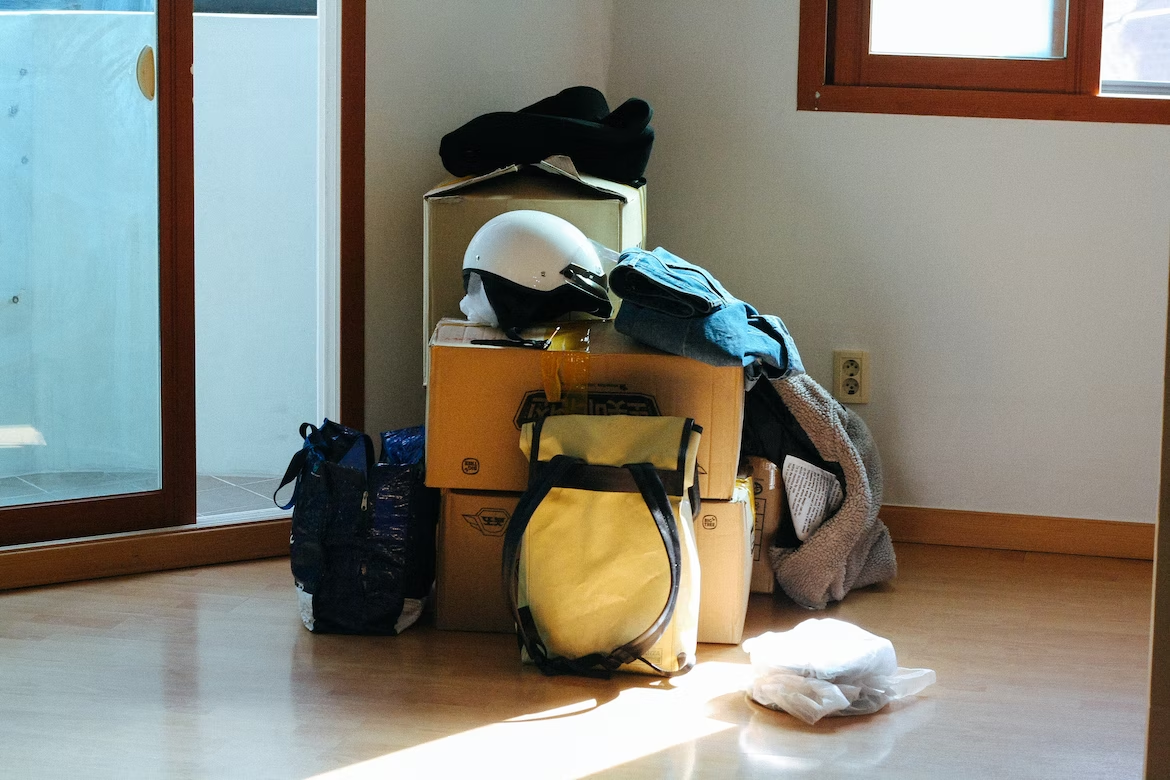
Are you moving soon? If so, you’re likely stressing out about the prospect of packing up your entire life and transporting it to a new location. Don’t worry, though – we’re here to help! In this blog post, we will provide a step-by-step guide on how to prepare for moving. By following our advice, you can make the process much less stressful and more organized. Let’s get started!
Declutter
Start by taking a hard look at all of your belongings and deciding what you really need to bring with you. It’s always a good idea to declutter before moving, as it will make the packing process much easier and also save you from having to move unnecessary items. Consider donating or selling any clothing, furniture, or other items that you no longer use or need. It is better to get rid of things now than to wait until you have to pack them up.
Hire cleaning services
If you are moving out of your current residence, it is important to make sure that everything is cleaned up before you move. Namely, the apartment move out cleaning service can help you to clean up dust and dirt after packing your belongings. This way, you will ensure that the new tenants can move in without any issues.
Hiring a professional cleaning service can be an efficient and cost-effective way to ensure that the job gets done properly.
Sort and Label Your Items
Once you’ve decluttered, the next step is to sort and label your belongings so you know exactly what needs to be packed up for the move. Start by creating a list of all of the items that you will be bringing with you, then organize them into boxes or bags accordingly. This will make it easier to locate items when you’re unpacking at your new home.
A good way to do this is to label each box with the room that it belongs in, such as “bedroom,” “kitchen,” or “bathroom.” You can also write a detailed list of items inside each box on the outside, so you don’t have to open them up one by one to figure out what’s inside.
Gather Packing Supplies
The next step is to gather all the necessary packing supplies for your moves, such as boxes, bubble wrap, tape, and markers for labeling items. Make sure to get plenty of boxes and packing materials to ensure that your items are well-protected during transport. If you are unsure how much you need, it’s helpful to speak with a professional moving company for advice. The last thing you want is for your items to be damaged during the move. So, it’s important to have the right packing materials for your move.
Pack One Room at a Time
Once you have all the necessary supplies, start by packing one room at a time. This will help keep you organized and make sure that nothing gets left behind or forgotten. If possible, start with the room you use the least, such as the guest bedroom or attic. This will make it easier to let go of items as you pack.
Hire Professional Movers
Finally, if you’re feeling overwhelmed by the task at hand, don’t hesitate to hire professional movers. These experts can take care of all the heavy lifting and make sure that your items are moved safely and efficiently.
These key steps will help you prepare for a local or cross country move. By decluttering, hiring cleaning services, and sorting and labeling your items, you can make the process much simpler. Additionally, it is always recommended to hire professional movers if you need extra help with the moving process. We hope this guide has been helpful – best of luck with your move!
Best Cryptocurrency Websites, Exchanges and Apps
Crypto investing continues to grow in popularity, despite the implosion of several crypto startups in 2022 – including FTX and Celsius.
There are several ways to invest in cryptocurrency – from trading bitcoin to staking tokens. Our list below offers some insight into top crypto news sites, trading platforms, apps and exchanges.
Best Crypto Websites for News
If you’re new to digital assets, you’ll definitely want to take a peek at these top news sites.
Coindesk
Cointelegraph
Bitcoin Magazine
Best Crypto Exchanges
If you’re looking for a reliable and trusted crypto exchange, look no further than the top platforms below. You can easily connect your bank account and deposit funds with the click of a few buttons.
These platforms are referred to centralized exchanges and have become wildly popular for exchanging fiat currencies like dollars or euros for crypto.
Robinhood
Binance US
Coinbase
Bonus: Best Crypto Wallets
If you’re buying crypto on an exchange like Robinhood or Coinbase, you don’t control the private key. In other words, you do not “custody” (verb) your own crypto. Rather, the exchange does.
In a weird way, this means you do not own your crypto – which means that if the exchange goes bankrupt, you may not ever get possession of your crypto.
Crypto is technically stored on the blockchain, a global decentralized database. Blockchain API’s are designed to let end users access and interact with data. Every crypto wallet has a unique address on the blockchain, similar to the GPS coordinates of a house. Crypto wallets store the private key needed to unlock this blockchain address. There are “hot” wallets, warm wallets and cold wallets.
Hardware (Cold) Wallets
A cold wallet is a type of cryptocurrency wallet that is not connected to the internet, also known as an “offline” wallet. Cold wallets are designed to provide the highest level of security for storing cryptocurrencies, as they are not vulnerable to hacking or online attacks.
There are two main types of cold wallets: hardware wallets and paper wallets.
Hardware wallets are small physical devices that are designed to hold your cryptocurrencies and private keys offline. They are typically small, portable devices that can be plugged into a computer when you need to access your funds. Hardware wallets often use advanced encryption and security features to keep your funds safe.
A warm wallet is a type of hot wallet, which means it is a wallet that is connected to the internet. Warm wallets are designed to provide a balance between security and accessibility. They can be accessed easily, but they are not as vulnerable to hacking or theft as completely online or “hot” wallets.
Warm wallets are typically software-based and are installed on a computer or mobile device. They store the private keys used to access the cryptocurrencies, but the keys are encrypted and secured by a password or other authentication method. This allows for quick access to funds for trading or transactions, while still maintaining some level of security.
However, warm wallets can still be vulnerable to online attacks, so it’s important to use good security practices such as strong passwords, two-factor authentication, and keeping your operating system and security software up-to-date. It’s also a good idea to only keep small amounts of cryptocurrencies in warm wallets and to store the majority of your holdings in a more secure, offline cold wallet.
Atomic
Exodus
MetaMask
ZenGo
Conclusion
The DeFi movement is growing, despite regulatory headwinds. Follow our content to stay up to date on new and promising tech and innovations in distributed finance.
Simple Home Improvements That Will Save You Money
When it comes to home improvements, it may take some time to figure out where to start. We all want our homes to look lived-in and stylish, but we don’t want the price tag or the hassle of a major renovation.
We all want to save money, and there are many ways that we can do that. One of the suggested ways to save money is to lower the energy consumption of your home. In line with that, you may want to replace your light bulbs with LED lights as they use less power than regular light bulbs.
Home improvements are known for improving the quality of your life while also saving money. This guide will show you how to make simple yet effective home improvements that will save you money.
Making small changes in your home
Nowadays, many homeowners are looking for ways to save money. It is within most homeowners’ reach to make a few small changes in their homes. Initially, it may not seem as if it makes much of a difference, but in the long run it will save you money. We invite you to look at some small changes that can make a difference.
1—Installing LED Lights in Your Home
LED lights are more efficient than traditional bulbs and can last up to 50,000 hours. They also produce less heat and are cheaper to run than traditional bulbs.
LED lights are known for saving people money on their electricity bill. You can save up to £400 per year in electricity costs with an LED light.
2—Replacing Windows with Double-Pane Windows
Windows are a popular way of opening up a room and letting in natural light. But they can also be quite drafty and let in the cold air. Double-pane windows offer an alternative that is more energy efficient and prevents noise transfer from outside.
The main advantage of double-pane windows is that they are way more energy efficient than single-pane windows. They have two sheets of glass separated by an insulating gas. What they generally use is either krypton or argon, which prevents heat transfer through conduction and convection. This means your home will stay warmer in winter and cooler during the summer months.
Furthermore, double-pane windows prevent noise from being transferred between rooms or outside to inside, which can benefit those who live on busy streets or near construction sites.
3—Insulating Walls with the Benefits of Foam Insulation Boards
Foam insulation boards are a cost-effective way to insulate walls. They are lightweight, easy to install, and come in various sizes.
The foam boards are made from expanded polystyrene (EPS), an inert material that is not harmful to the environment. They also provide excellent thermal and acoustic insulation.
The EPS boards can be installed together with other building materials like brick, wood, metal studs, or concrete blocks.
4—Insulating Ducts with Rigid Foam Duct Insulation
Insulating ducts with rigid foam is a great way to reduce energy loss and keep your home more comfortable. It also reduces the risk of mould or mildew forming in your ducts, which can make you and your family sick.
There are numerous types of insulation available for use on ducts, but not all are created equal. Rigid foam is one of the best materials for insulating because it has a high R-value and will last for years without deteriorating.
5—Installing a Programmable Thermostat to Control Your Heating Costs
A programmable thermostat is a device installed on the wall and can be programmed to control the temperature in your home automatically. You can use it to set specific times for the heating to turn off or on.
Installing a programmable thermostat can help save money on your heating bill by turning it off when there is no one at home or when it’s not needed. For example, if you work from 9 am to 5 pm, the heating will only turn on from 8 am to 9 am and from 5 pm to 7 pm.
In Summary
We all want to make the most of our homes. But, it can be challenging to find the time and energy to figure out what needs to be done. In retrospect, you can make your home super comfortable and a joy to live in by simply following some of the tips provided in this article.
One last thought! We suggest you use an online tool like Home Depot’s Project Planner App or Houzz’s Room Planner Toolkit, as they both have templates that can help organise home improvement projects.
How to Soundproof a Room: DIY Soundproofing
Whether you live in a small apartment in the city or a large house in the suburbs, soundproofing rooms in your home can help create a low-stress environment or make your home a great place for remote work.
Soundproofing doesn’t have to be expensive or complex. These DIY approaches can make a big difference at a relatively low cost. Below we review various materials that can be used for walls, ceilings and floors. By targeting the loudest areas, you can address the locations that are responsible for noise pollution.
How to Soundproof a Room
There are two approaches to soundproofing – sound reduction and absorption.
1) Sound reduction
Limits or stops sound from entering a space from outside. Sound reduction will help keep your space free outside noises such as outside conversations, road noise, music, vehicles, etc.
2) Sound absorption
Stops sound that is originating from inside a space. Absorption can prevent sound from echoing and reverberating. For example, absorption techniques could be useful for trapping sound from leaving a home office so you didn’t disturb a sleeping baby.
Room Soundproofing Tips
There are a few great ways that you can soundproof your walls. Obviously, new construction walls are the easiest to soundproof, but rest assured, you can also still soundproof walls that have been in place for decades. Here are some approaches you can take:
1. Add Soundproofing Materials to the Surface of Your Walls
Adding mass is one of the simplest methods to absorb sound or block sound from being transferred. Examples of soundproofing wall material includes:
Foam rolls, sheets or panels
Cotton batt material
Acoustic wood or vinyl panels
Spray foam (if you have access to interior wall/joist space)
Acoustic window inserts
Sound-dampening curtains
Soundproof fiberglass (if you have access to interior wall/joist space)
The process of adding materials such as the above items will help reduce the transmission of unwanted sounds from adjacent rooms or from outside the building.
Depending on the material and application, you can nail, screw, tape or adhere soundproofing material to bare studs during construction, or apply it to existing drywall using adhesive backing. You can also apply the soundproofing material by attaching furring strips to drywall and placing the soundproofing material – then add a 2nd layer of drywall.
2. Sound Isolation Systems
Sound isolation systems are one of the most popular soundproofing methods available today. Sound usually travels between rooms along the studs shared between walls.
The system is easy to install, increases wall strength and provides excellent soundproofing quality.
3. Acoustic Panels
You may not have to break into your new or existing walls at all. If you’re looking for a simple soundproofing solution that’s easy on the budget, consider hanging acoustic panels.
Acoustic panels are sound-absorbing materials that capture sound waves as they bounce off your walls.
Art acoustic panels: You don’t have to sacrifice aesthetics when soundproofing your home using visible solutions. We sell custom-made options, allowing you to choose the art printed onto the acoustic panel.
Fabric-wrapped acoustic panels: Similar to our art acoustic panels, our fabric-wrapped acoustic panels allow you to choose a finish, size and configuration that complements your home’s aesthetic.
Perforated acoustic wood panels: Our perforated acoustic wood panels combine soundproofing functionality and organic appearance. Choose between various finishes and textures, depending on your home’s aesthetic.
Acoustic panels are no-fuss ways to soundproof a room. And installation is a cinch! All you need is a soundproofing adhesive. Strategically place each acoustic panel around your space for the best results. Learn more about hanging acoustic panels by visiting our blog post.
4. Upgraded or Replacement Windows and Doors
If you want to prevent unwanted noise from outside, consider upgrading your windows to wood frame or fiberglass framed, double-pane windows with heavy trim and foam insulation. You can also make the windows smaller or close them in entirely – but, this will require exterior work on the house of course.
The same can be said for exterior doors and bedroom doors. You can improve soundproofing by adding a door sweep and or a foam door seal. If this isn’t effective, you might consider replacing your door with a heavier material like wood or fiberglass to better dampen noise.
5. Soundproof Curtains
Soundproof curtains are a practical and affordable solution to reduce unwanted noise in your home or office. These curtains are made from heavy-duty, noise-blocking materials that are designed to absorb sound waves. They’re perfect for use in spaces where noise is a problem, such as bedrooms, home theaters, and recording studios.
Soundproof curtains work by creating a barrier between the room and the outside environment. The materials used in the curtains are designed to absorb sound waves, which can help to absorb noise or block noise.
One of the main advantages of soundproof curtains is that they are easy to install and remove. They are available in a variety of sizes and styles to fit any window or room. They are also a cost-effective solution compared to other soundproofing options, such as acoustic panels or insulation.
Floor Soundproofing Tips
The fastest way to soundproof floors is to add one (or more rugs) in addition to a rug pad. This will help prevent the transfer of sound to the level below you.
If you need to do more extensive soundproofing, you’ll need to remove the ceiling from the level below you (assuming you have access). You can also gain access to the floor joist by removing sections of flooring. Obviously, this is a big undertaking, but might be worth it to achieve a high degree of sound dampening.
Once you gain access to the floor joist, you can add insulation, foam or other material to achieve a sound dampening effect. You can also add a soundproof layer, or underlayment to the subfloor – which is typically a plywood or OSB (oriented strand board).
Finally, make sure that there aren’t any holes or gaps along the edge of the floor. If there are, fill them with caulk.
Conclusion
Our homes should be stress-free, peaceful places where we can rest and relax. As the world around us gets noisy, small adjustments to soundproof rooms can help restore a quiet calm in your life! While it may not be possible to make the room soundproof with zero noise, these tips will drastically reduce unwanted sounds.
Follow These 4 Tips For An Easier House Move
Are you in the process of moving to a new house? If so, you’re likely looking for ways to make the process easier. Moving is always a hassle, but it can be made a little bit smoother by following these suggestions!
Hire Help
It’s essential that you know you don’t have to do this job on your own. People from all around Pinellas County are hiring movers in St. Petersburg, Florida as this provides a sure way there will be no major hiccups along the way. With professional help also comes peace of mind. that you’ll be fine.
You’ll learn by reading themoversusa.com blog that a reliable company will pack, move, and unpack your belongings safely when hiring help for a move. They will also transport furniture and appliances as well as disassemble and reassemble them if needed. From hiring movers to hiring professional cleaners, hiring extra help is an easy way to make your move simpler and less stressful. Not only does hiring help reduce stress, but it can also save you time and money.
Organize Early
As soon as you get the time, you should start planning for your move. Organizing early allows you to make the moving process easier, faster, and smoother, saving you time and a headache in the end.
Prepare the boxes and label them accordingly. You should also begin cleaning and organizing your home a few weeks before the big move so that you can avoid added stress on moving day.
Start organizing by creating a master list of items that need to be packed up, including clothes, books, furniture, appliances, and other essential items in each room. This will help you keep track of what items need to be moved and ensure that nothing is forgotten.
This small effort will pay off big time. You’ll have everything prepared for when the time comes.
Change Your Information
One huge part of any move is changing your personal information. These are the following pieces:
Your home address
Your phone number
Any business or professional contacts
Employment information
Zip code
School Registration
Tax information
Don’t wait until you’ve moved to tackle changing this information. It will help make your move smoother in the long run if you start changing it right away. You don’t want this hanging over your head once you’ve moved.
Get Rid Of Unwanted Items
Think about the things you want to leave behind during the move and get rid of those items. Take some time before getting into packing to sort through what you want to keep and what you don’t need anymore. This can help clear space for packing, as well as make your transition smoother by getting rid of unnecessary items.
You can sell them online, organize a garage sale, or simply give them to friends and family as a gift. Another option is to donate items to charities, who will be more than happy to take them off your hands. Getting rid of unwanted items before the move can make getting settled in your new home much easier.
Moving is always stressful, but you need to find ways to make it less so. Hire professionals to help you with the move and start organizing early on. Make sure to change your information before you move in and get rid of all unwanted items any way you can. Good luck!
Do You Really Need a Termite Inspection When You Buy a Home?
There are two main types of home inspections when buying a property – a general home inspection and a termite inspection. A general home inspection is a must when buying a home.
During a general inspection, a licensed inspector will go to the home and check out the foundation, structure of the home, heating and air system, the roof and windows, and even the plumbing. The typical cost of a general home inspection is about $400 – $600.
Do I Need a Termite Inspection?
A “general” home inspection isn’t the only inspection you should have performed on your potential new home. There are many things that a general inspector won’t cover when conducting a basic home inspection. One of those things is inspecting for termites, insects, pests or damage from pests.
In this article, we’ll explain if you really need a termite inspection when you buy a home.
What are Termites?
Termite damage
A termite is best described as a wood-destroying insect. They are also known as “white ants” due to their resemblance to the common household pest. Termites themselves aren’t harmful to humans. However, the damage that they can do to a home is tremendous.
Since many homes built in the United States are primarily constructed of wood, termites can destroy a home from the inside out, which is how they consume wood. They can not only damage the joists and walls, but also insulation, cabinets, and any other part of the home made from wood material.
Termites can also destroy items in your home such as papers, books, and boxes. Additionally, they can feed on trees, shrubs and other foliage surrounding your home.
Is a Termite Inspection Required?
There is no federal law that mandates a termite inspection when buying a home. In fact, few states require a termite inspection, but many lenders won’t make a loan without one.
If you are purchasing your home through a mortgage lender, they may require a termite clearance letter.
A termite clearance letter is simply a letter that indicates a pest control company has come to the property and inspected for termites and has found no evidence of termites or any damage caused by termites at the moment.
It should be noted that while an inspection may have been completed and there may be no current presence of termites, that doesn’t necessarily mean there has never been a problem before. If there is evidence of prior termite damage, it’s important to discuss that with the seller and determine who will be responsible for repairing the damage.
Here’s Why You Need a Termite Inspection
If you are not required to have a termite inspection, here are some reasons why we still believe it is an important part of the home buying process and worth the inspection fee.
1. Termites may be active even if you don’t see them
Termites damage an estimated 600,000 homes a year in the United States. That doesn’t account for any other type of wood-destroying organism. They can cause significant damage and spotting the insects can be difficult.
Which is one reason why we recommend having a termite inspection by a licensed termite inspector. This is because they are trained to spot the signs of termite activity, and have specialized tools to find any infestation. For example, this termite control specialist uses thermal imaging to locate termites even in hard-to-reach places. If a termite infestation is found, they can recommend an appropriate treatment plan.
Insects can be present for up to five years before the colonies are large enough to cause true damage. So just because you don’t see the damage, doesn’t mean the insects aren’t present.
2. Termite damage is costly
According to the National Pest Management Association, termites alone cause over $5 billion in property damage annually, a cost not covered by homeowners insurance.
A homeowner who discovers termite damage will spend an average of $3,000 to repair the damage. Compare that to the cost of $50-$100 for the simple inspection and the answer to whether or not you should get a termite inspection before closing on your home should be easy.
3. Prevention is affordable and wise
Early detection can prevent larger damage in future, particularly in areas that you’ll rarely visit after you purchase the home. For example, termite activity is often discovered in crawl spaces of homes months or years after a home is purchased. Often times, the homeowner is told that the termite activity had been present for many years before the home purchase occurred.
A termite inspection and termite bond is often an affordable way to avoid costly repairs down the road.
What happens during a termite inspection?
You can expect an inspection to last between 1-2 hours depending on the size of the home. The inspector will look at the interior and exterior of the home checking for visible signs of a termite infestation such as mud tubes, damaged wood, broken wings, or droppings.
During the inspection, the inspector will need access to all parts of the home, including the garage, attic, and basement or crawl space. The inspector will pay close attention to the kitchen and bathrooms as termites can use the plumbing to gain access to the home. They will also closely inspect baseboards, walls, windows, cabinets and closets.
The inspector will also look at the outside of the home paying close attention to exterior walls and the foundation for any signs of damage to the wood or mud tubes on the foundation.
Lastly, the inspector will check the surrounding property and yard to make sure there are no signs of termite activity. The overall cost of a termite inspection could be free if the current owner has a termite bond. If not, you could get a termite inspection for as little as $150.
What happens if they find termite damage?
Just because a home has termite damage does not mean you can’t still buy the home. First thing is to find out how bad the damage is, if it can be fixed, and what the inspector recommends as a course of action.
If the damage is minor and the seller is willing to have the home treated for termites at his or her expense and pay for repairs, the property may still be worth considering. You could also use the termite damage as a bargaining tool when negotiating the price of the home.
If the damage is more extensive or the buyer is unwilling to make repairs and you have a contingency for termites in your purchase agreement, then you can then decide if you will exercise your right to walk away, or if you will try to negotiate further with the seller.
How to prevent future termite problems
If you get the all clear from the termite inspection, it’s also a good idea to know how to prevent future problems with termites as a homeowner.
The best way to prevent a termite infestation is to get regular inspections, treatments and implement prevention methods in your regular home maintenance.
Work With An Experienced Agent Who Is Familiar With Termite Inspections
Ready to buy your next home? It’s important to work with an agent who is familiar with termites and knows the necessary steps needed to take if termite issues come up during your home purchase.
A SimpleShowing agent can help guide you through these inspections that you need when you buy a home and help you negotiate to make sure termites are taken care of if present.
You can also get up to $5,000 toward closing costs through our Buyer Refund program as an added bonus. Contact us to get started with one of our experts.
What Is the Real Estate Commission in Georgia?
Whether you’re buying or selling a house in Georgia, you probably already know that there are a number of different costs involved.
If you’re selling your home in Georgia, you’ll unfortunately be paying a few thousand in Realtor commissions (more on that below), but you might also have to pay for a pre-sale inspection, home staging or just general updating and remodelling. If you add up all the seller paid closing costs, you may also be on the hook for prorated property taxes, remaining HOA dues or a home warranty for the buyer.
On the other side of the transaction, if you’re buying a home in Georgia, you need to cover the down payment plus things like lender origination fees and title insurance.
But, whichever side of the transaction you’re, both sellers and buyers need to be aware of one especially important cost involved: Realtor commissions!
The vast majority of those real estate agents charge their clients a predetermined commission rate based on the final sales price of the home.
Just how much those clients were charged depends on the real estate agent and the brokerage. They might charge more because of a few things like 1) their experience level; 2) the price point of the homes; 4) because they specialize in serving a very specific clientele; or 5) even because of their specific brokerage model.
Georgia Real Estate Commission
For the most part, though, the average national total real estate commission rate is 5.4%. So, if a home sells for $400,000, and the total commission rate is 5.4%, the seller would be responsible for paying $21,600 at closing.
The average total Realtor commission rate in Georgia is 5.8%.
The total commission fee in Georgia is slightly higher than the national average of 5.4%. Keep in mind, this includes both the listing agent fee and the buyer agent fee.
When average home prices were in the $200K range, 5-6% commission rates didn’t seem so bad. But with the median home value exceeding $400,000 in Georgia, low-commission real estate agents are growing in popularity.
With tech-enabled discount agents, you can list your home for as low as 1% without sacrificing service or results. Because most homebuyers find homes online, many home sellers have questioned if their expensive listing agent are truly responsible for procuring the homebuyer and if their high fees are in line with the value delivered.
How Georgia Real Estate Agents Get Paid
If the agent works for a brokerage – and most do – they typically have to pay that broker for providing support, insurance, tech and contract guidance.
Some brokers charge their agents a flat fee per sale or even just a flat monthly fee. But, the majority charge a commission “split”, which can range from 5-30% of what the agent made on a sale. So, although you may have to pay the agent $20,000, the agent might only keep $18,000.
What Real Estate Agent Do
One could easily argue that agent commissions are too high in Georgia. And while the commission rates are slightly higher than the national average, keep in mind that the agent doesn’t earn a dime until your house is sold. Which means the agent will be doing juggling a lot of tasks to prep, price and market your home.
Here’s a list of the core services provided in exchange for nearly 6% commission:
Contract negotiation, including amendments and addendum
Property disclosure docs
Negotiate home inspection findings
Provide lockbox and yard sign
Fortunately, you can drastically reduce your real estate commission expense in Georgia by choosing a brokerage like SimpleShowing – which only charges 1% to sell.
How to Save Money on Real Estate Commission in Georgia
Founded in 2018, SimpleShowing is a local, Atlanta-based brokerage that has sold more than 1,000 homes in Georgia. See how we compare against the “big brokerages” like Keller Williams and ReMax.
Contact us today to learn all about how you can save more thousands in Realtor commissions when selling your home in Georgia.
Realtor Commission when You Buy in Georgia
If you’re planning to buy a home in the state, learn more about the top places to live in Georgia. The Peach state is a fantastic place to move, work, start a business or raise a family. If you’re a first-time buyer, there are several homebuyer programs available to help with closing costs on your new property.
What is the Cost of Living in Atlanta, Georgia?
As one of the most desirable destinations in the country, it’s no wonder why Atlanta is the most populous city in the state of Georgia. Whether it’s the perfect and mild year-round weather, the diverse delicacies, or the ethnically diverse culture, visitors always come back and eventually call Atlanta home.
As locals ourselves, there are so many reasons to love this city! But, you’d be doing yourself a disservice if you didn’t take a peek at the cost of living in Atlanta, Georgia.
The 5 Biggest Factors Affecting the Cost of Living in Atlanta
According to BestPlaces.net, the cost of living in Atlanta is a 115.4 rating, compared to the averaging rating for the entire country, which is 100.
To put this into perspective, let’s look at some other cities with populations similar to Atlanta’s (456,002 people):
Virginia, Beach, VA (450,980): 115.6
Kansas City, MO (470,800): 91.9
Long Beach, CA (473,577): 179.1
First of all, keep in mind that the entire metro Atlanta population is over 6 million residents. The intown population is lower and most intown neighborhoods are generally more expensive than the suburbs. While Atlanta is above the nation’s average, it’s hardly higher by a big margin, especially when you consider all that the city has to offer. This widely varies on the part of Atlanta you choose to settle in but there are many statewide trends.
The average salary for an individual in the state of Georgia is about $52,000 while the average household income in the city of Atlanta is about $70,000.
Let’s look at the five most prominent factors that impact the cost of living in Atlanta, Georgia.
1. House Prices
Housing prices in Atlanta are the biggest contributor to the city’s above-average cost of living. Currently, the median price for a house in Atlanta is $312,000. However, that median accounts for a range of possibilities, from distressed houses to multimillion-dollar mansions in Buckhead. On average, single-family homes in Atlanta cost about $1,100 to $1,500 per square foot.
In recent years, many newcomers and even Atlanta natives choose to purchase homes in the suburban and rural areas due to the lower housing costs and less crowded population. There are severalamazing Atlanta suburbs worth considering, and many of them are treasure troves for great deals on beautiful homes! These suburbs are fantastic for stretching your buck in terms of enjoying other amenities like good school districts, local parks, and easily accessible shopping centers.
However, the current MARTA transit lines are limited and public transit rates are dropping in Atlanta, resulting in more and more commuters either driving themselves or relying on more cost-effective options like Uber and Lyft.
Traffic in Atlanta also tends to be highly congested, and unfortunately, unless you live downtown, walking isn’t an option as the town, and its amenities are spread out. Many locals state that owning a car and dealing with the traffic may be the best option if you are planning to live here especially if you have a family.
Fortunately, according to AAA, gas prices in Atlanta are below the national average and actually compare quite favorably to other big cities.
3. Taxes in Atlanta
Between the city, county, and state, the sales tax in Atlanta is 8.9%. Georgia’s progressive income tax is about average for the country. For anyone looking to purchase a house in Atlanta, the median property tax rate is actually below the median for the rest of the country! The median amount an Atlanta resident pays every year is just 0.91% or about $1,448, which is roughly $650 less than the country’s average.
Atlanta is also very tax-friendly to retirees as Georgia doesn’t tax social security retirement benefits and offers a deduction of up to $65,000 per resident on any type of retirement income as long as the person is at least 65. Furthermore, the state doesn’t have any inheritance or estate tax!
4. Grocery Bills
Groceries are surprisingly affordable in Atlanta with most items falling well below the national average. On average, a person living in Atlanta will spend $312.95 on groceries per month, coming in below the national average at $323.72.
If you are looking to enjoy the wide varieties of restaurants and unique eateries in Atlanta, here’s what you can expect to pay for various dining experiences according to Numbeo:
Meal at an Inexpensive Restaurant: $15.00
3-Course Meal for 2 at a Mid-range Restaurant: $50.00
Combo Meal at McDonalds or Equivalent: $7.00
Pint of Domestic Beer: $4.75
12 Ounces of Imported Beer: $6.00
Regular Cappuccino: $4.01
12 Ounces of Coke or Pepsi: $1.87
12 Ounce Bottle of Water: $1.75
5. Miscellaneous Costs
Utility expenses are near national average in terms of electricity, gas and Wifi/cable.
If you like exercise and working out, you won’t have to look far for a gym in Atlanta. Again, Numbeo puts the average monthly costs for a gym membership at just $35.
In terms of entertainment costs, you can also pay just $76 for an Atlanta CityPass which will grant you admission for nine days to:
The cost of living in Atlanta is slightly above the national average, but you’re also paying to live in one of the nation’s most beloved cities. The average rent is about $1,300 for a 1 bedroom apartment, but keep in mind that prices vary drastically between different areas of the city. For example, you might pay $3,200 for renting a 1 bedroom dream apartment in West Midtown but only $1,200 in Kennesaw.
If you plan to buy a property, start the search for your new home in Atlanta and contact us to connect with a SimpleShowing agent familiar with these areas. Best of all, you’ll qualify for our Buyer Refund program, which could give you up to 1.5% or $5,000 towards closing costs on average! Get started today!
What to Expect When Closing on a House
Nothing compares to the day you actually close on a house.
After all the work that goes into finding your new home – from saving up for the down payment to getting preapproved for a mortgage to possibly selling your old house – you’re finally going to take possession of it and move in.
It’s exciting, but if you’ve never been through closing on a house before, it can be extremely nerve-wracking, too. Take a moment to learn all about what happens on this big day, so you can relax and enjoy it.
What to Expect When Closing on a House
The closing date is set when you sign the contract, but the specific time of the closing is generally not locked in until a couple of weeks before the actual closing. All parties involved will be notified by the closing attorney or title company once the specific time is set.
Your mortgage lender will provide you with a list of closing documents required to complete the transaction and you’ll have a chance to review the settlement statement a few days prior to signing.
Before closing day, you’ll need to purchase homeowners insurance and have a final walk through of the property to ensure everything is in order. On closing day, you will meet at the closing table with your real estate agent, the title company representative (or closing attorney depending on your state).
How Long Does It Take to Close on a Home?
While the actual closing event takes about 60-90 minutes.
With mobile and online closings available in some states, it could be even faster. Also, cash transactions also typically go faster as well since there’s no mortgage lender involved.
What to Expect on Closing Day
Usually, the closing takes place at the office of a title company or closing attorney, but that’s not always the case. For example, it could also occur at the actual property as well, although this would often require a mobile notary.
During a closing, the buyer and seller will both review all of the legal documents associated with the sale of a home and then sign them. This will include the documents that are necessary for the lender to provide the buyer with a mortgage and those that officially transfer ownership of the home.
As the buyer, be sure to ask your real estate agent and lender what you should bring to your closing. They might have one or two unique requests.
Otherwise, it’s fairly standard that you show up with the following:
A driver’s license, passport or other form of personal identification.
Your closing disclosure, which you should have received a few days prior to the closing from your lender. This will also be provided at closing for your convenience.
A cashier’s check or receipt for a wire transfer in the amount of the money you owe at closing, often referred to as the “cash to close” amount.
Aside from you and your real estate agent, some combination of the following people will usually be at the closing, as well:
A closing agent (not required in all states)
Title agent
The seller’s real estate agent
The seller
Loan officer
In many cases, the seller doesn’t always need to actually attend the closing in person. All they’ll need to sign is the deed, the settlement statement and any other relevant transfer documents and they can do that prior to the closing. They may even be able to use power-of-attorney to have their representative provide the necessary signatures. Otherwise, the proceeds from the sale can be sent to them via wire without them being present at the closing itself.
Before signing the documents, a final walkthrough will also be conducted. This is to make sure that the home is in the condition it was when the buyer agreed to purchase the house. Obviously, if this isn’t the case, you probably wouldn’t want to continue with the closing.
What You’ll Need to Sign at a Closing
As the buyer, you’ll need to sign the following paperwork:
There will also be a number of disclaimers, disclosures, and documents the government requires the buyer to read and sign.
What the Buyer Has to Pay When Closing on a House
You could be required to cover all kinds of different costs when closing on a house, so be sure to talk with your agent beforehand or your big day could be ruined by an unpleasant surprise.
However, you should see all of the costs detailed on your loan estimate when applying for a mortgage. Your Closing Disclosure will have them listed out, too, though you won’t see it until three days before your closing.
Generally, the buyer needs to pay the following when they close on a house:
A prorated amount of your new property taxes
An initial payment toward your homeowner’s insurance coverage
Depending on where you buy your home, you may also have to pay some of your HOA fees upfront. There will probably be other state-specific costs you have to cover, as well.
After the Closing on Your House Is Complete
Once the escrow company has paid off the lender, service providers, the seller, submits the deed to the county recorder, and gives you all of the legal documents associated with your new house, the closing is complete.
The seller has to give you all their keys to the property, including garage door openers and any other devices that would allow them to enter your house or control any of the home’s systems or appliances.
Then, they have to vacate the property (their possessions should already have been removed and the house cleaned) and you can begin the process of moving into your new house.
Work with an Experienced Realtor for a Smooth Closing
At face value, closing on a house is a fairly simple process, which is why it usually only takes an hour to complete.
Still, it’s also an extremely important process. Any number of things can go wrong that could delay the closing. That won’t just ruin your big day. It could be a serious issue if you’ve already moved out of your old place and need to begin moving into your new house ASAP.
That’s why you should always work with an experienced real estate agent. At SimpleShowing, we’ll connect you with one and you’ll qualify for our Buyer Refund program, which gives you $5,000 on average that you can put towards your closing costs.
You’ve found your dream home and are ready to make it official. To have the best chance at getting your offer accepted, check out these 5 must-do tips.
1. Get pre-approved & provide proof with your offer
If you’re getting a loan for the purchase of your home, talk with a lender to get pre-approved for a mortgage, then include a copy of your pre-approval with your offer. This pre-approval letter shows the seller that you’re serious and further down the home-buying process than someone who isn’t pre-approved. While it’s not a loan commitment, it shows that a bank or mortgage company has preliminarily reviewed your credit and believes you will qualify for a loan up to a certain amount (which will be stated in the letter).
All of this helps the seller feel more confident in your intent and financial ability to actually buy their home. A best practice is to start touring homes after you’ve got a pre-approval letter in hand. Once you’re ready, shop discounted rates with top local and national lenders here, or ask your agent for a referral to a local loan officer or mortgage broker.
2. Offer more earnest money (more than 1%)
Offering 1% of the offer price in the form of an earnest money deposit is the common practice today. However, if you want to let a seller know that you’re serious, you can provide more money to convey the strength of your offer. This money is typically held by the closing attorney or the title company and could potentially be at risk if the deal falls through, so make sure you’re confident in the home before substantially increasing the earnest money. Offering 2-5% would make your offer truly stand out.
In general, most purchase agreements include an “inspection period” or “diligence period”. If you terminate the contract prior to the end of this period, you won’t lose your earnest money. You may also have the contingencies in place to cover you if in case you decide to back out later so you don’t lose your earnest money. An examples of a contingencies would be an appraisal contingency. If you have this clause in place and the home does not appraise for at least the purchase price, you would be eligible to get all of your earnest money back.
3. Discover seller’s motivation to help structure your offer
Price is not the only factor sellers consider. Sometimes it’s important for them to close quickly (For example, they may have a new job in another city). For others, they may need more time before closing possibly to allow their kids to finish the school year or for construction of their new home to be complete.
If you can figure out the seller’s motivation, it can be a tremendous help in structuring your offer. Examples of terms that could favor you as a buyer include short or no contingencies, temporary occupancy agreement (rent back) for the seller after closing, a cash offer or the purchase of seller’s furniture.
Speak with your agent to see if you can uncover these motivations, then write your offer accordingly. If your state allows it, include a personal handwritten letter to the seller.
4. Shorten the due diligence period
To signify more confidence to the seller, you can shorten the due diligence period when you would do the property inspection. Especially in multiple offer situations, you may want to shorten the inspection period to make your offer stand out. Contracts often allow buyers ways to back out during the inspection period, so a longer period means the more time the seller has to wait for the buyer to commit to the purchase. An example of a short diligence period would be 3 days or less.
As a result, sellers often choose the offer with the shortest due diligence period because if the buyer does back out, the seller was “off the market” for a shorter amount of time. Completely forgoing the inspection period could be very risky. If you don’t do an inspection and find a major defect, you could be left with a hefty bill. Decide how badly you want your offer accepted before deciding to eliminate the inspection contingency.
5. Make the offer as “clean” as possible
In short, the more simple your offer, the easier it will be to accept and close. Here “clean” usually means a short financing contingency (loan approval time), appraisal contingency, and due diligence period. Also, this means not including other contingencies like the purchase being contingent of the buyers needing to sell their house or asking for any closing costs to be paid for by the seller. The market is very competitive right now, so it may be necessary to take a few risks to get the house you want.
Now that you’ve covered these 5 essential tips, here are 3 bonus tips to consider.
Add an Escalation Clause
An escalation clause can be very useful in a multiple offer situation. With this clause, you state that if another person bids higher than you, then your bid will automatically go up as well. An example of this could be that you will offer $1,000 more than any other bidder up a certain capped amount. The risk of this clause is that it shows the seller the maximum amount you’re willing to offer for the house, so don’t put more than you would want to pay.
Submit a personal letter with your offer
Making an offer on a property can seem intimidating, but you should always remember that the seller is just another human like you. People are more likely to deal with someone they like or can empathize with, so including a personal letter with an offer may boost your chances of getting accepted. Your letter doesn’t have to be super formal, but it could be a short note explaining yourself and plans for the home. You can even include a photo of yourself (or your family) to help them put a face to the name. All of this will reassure them that you’re the right person with whom to make a deal. Check with your agent to make sure state and local laws allow a personal letter or email to be shared.
Close faster
Once a seller decides to sell their property, they are counting down the days until it is sold and off their plate. Therefore, another tip to help you stand out would be to offer a sooner closing date. It takes 30-35 days when using a normal bank loan to buy a house, so you should factor this into your decision when considering the expected closing date and when to set it. An example of a fast closing period would be 21 days or less. If you’re not using a mortgage and buying with cash, you may be able to close as fast as 2 weeks.
Ready to get started? Sign up on our site or contact us if you have any questions!
What Is an HOA? What You Need To Know Before You Buy
Homeowner associations (or HOA, for short) are prevalent in pretty much every primary housing market in the United States. If it’s your first time buying a home, or if you haven’t purchased a home in a while, you might be wondering what is an HOA? More precisely, what do HOAs do, and should you buy a home that has one?
Fortunately for prospective homeowners, the concept of these associations is relatively straightforward. Here’s what you need to know before making the purchase!
However, this definition doesn’t quite do the term justice. It’s not an external organization that enforces these rules. Instead, it’s an organization run by the residents of the community. When you purchase a home under an HOA jurisdiction, you become a member of that association. Your property will entitle you to a specific voting percentage. Much like a publicly-traded company, you can vote your “shares” in the HOA on issues before the board.
HOAs describe all the rules and regulations in a document called the Declaration of Covenants, Conditions, and Restrictions (abbreviated CC&Rs). This document outlines what you can and cannot do with your property. Some HOAs are relaxed – meaning you can do almost anything you want with your home. Others are quite restrictive. Some HOAs might restrict the color you can paint your home or the type of fencing you can use.
If you don’t follow these rules, you could face litigation and fees for non-compliance.
What Are HOA Dues?
Homeowners associations need money to run. Most homeowners associations take care of the common areas (gardens, amenities, and the outside of buildings). The upkeep of all these things, along with reasonable salaries for board members, requires money. Additionally, many HOAs set aside funds for master insurance policies that protect these shared spaces, often turning to providers such as Balsiger Insurance for coverage tailored to Texas communities. The way the association makes that money is by collecting dues from all homeowners within the association.
When buying a home under an association’s jurisdiction, you should ensure you know how much those dues are. In some places, these dues can be a couple of hundred a year (in which case, you typically don’t get much in the way of services). In other places, like New York City, dues can be thousands per month. Of course, in these places, you’ll get a lot more for your dollar.
As a member, you can vote on increases, decreases, or special assessments, but you must pay any dues levied by the HOA. Failure to do so can result in liens and foreclosure if the circumstances get bad enough. In some states, association dues have a “super lien” status, which provides them with enhanced priority and can result in your lender paying it off to protect their mortgage.
Bottom line: you need to pay the HOA dues, or there can be some dire consequences. Before buying a home with an HOA, you should learn about its finances and dues to ensure that you’ll have the money available to make the payments.
What Is an HOA: Why Do Homeowners Want Them?
By now, you may be wondering why homeowners would want an HOA. It seems like an extra expense on top of the mortgage, property tax, and insurance that you would typically pay.
The argument for HOAs is often two-fold. Since HOAs are responsible for all the common areas, this is the most logical structure for lots with amenities. If all the homeowners share a pool, it makes sense that everyone would pay some dues, which go to maintaining that benefit. And, since it’s much cheaper to have a pool that everyone pitches in for than having one yourself, you can get more for your dollar. For example, a condo HOA might collect $300 a month, but that might pay for a pool, tennis court, fitness center, and more. It would cost a lot more than $300 a month if you wanted all these yourself!
HOAs are also often responsible for extensive structural repairs but not all mechanical systems that are inside the unit. For example, when comparing renting an apartment versus owning a condo, if the furnace breaks in a condominium, you will have to pay for the repair.
Secondly, HOAs often have rules that keep property values high. Some HOAs will pay for professional gardening services to ensure that all the properties have quality landscaping. Other HOAs might enforce paint colors and repairs to ensure that homes in the area all look relatively uniform and neat. Still, others might pay for fences to make it a gated community. That, in theory, gives the properties enhanced value due to safety.
What Are the Negatives To HOAs?
Of course, like anything else in this world, there are negatives to HOAs as well. The biggest negative is that you lose some control over your property. For example, if you want to paint the side of your home pink, you might not be able to do that. Do you want to install an air conditioner? Depending on the structure of the HOA, you might not be able to do that either. If you’re going to have full control over your property, buying one in an HOA is not the way to go.
The other downside to HOAs is financial. You need to pay the dues, which are usually manageable. However, depending on what happens, the HOA can get into significant distress financially and need to levy special assessments. If the homeowners are also distressed and not paying in (this happened in 2008), the association can get stuck in a bad financial state. Lenders won’t want to provide mortgages to buyers for these types of HOAs.
In other words, you could get stuck in a home that has extensive assessments that the HOA could, in theory, initiate foreclosure proceedings to collect. Additionally, you can’t sell it because lenders won’t give people mortgages to buy your home due to the association’s poor financial shape. Although rare, you could get into this nightmare scenario.
So, in addition to knowing the dues to pay when living in a HOA community, it’s important to know the repercussions of falling behind on payments for these fees. While every HOA has its own rules, possible action may include restricted access, sending debt collectors, and sometimes even foreclosure on your property.
What Is an HOA? A Way To Enhance Property Values with Some Downsides
The answer to the “what is an HOA” question is conceptually quite simple. It’s a way to provide amenities, pay for common grounds, and enhance property values. That’s the core idea. However, there are some downsides. The financial implications are tangible and can be quite problematic.
If you’re looking at buying a home with an HOA, discuss its CC&Rs with your real estate agent and leverage their guidance to determine if the house is right for you! You can also review our checklist for buying a home here. Happy house hunting!
Are Rental Properties a Good Investment?
Rental properties have been, for a long time, a passive way of generating income. Real estate investment has produced some of the wealthiest individuals worldwide and continues to do so. But, before you join the people who’re already earning big in the real estate market, you need to understand the basics that come with owning a rental property.
Like any other business, real estate is complicated and requires proper planning. You need to understand how to find a rental property, buy a rental property and find the right tenants. But before you go through all the trouble, is it worth it? Are rental properties a good investment?
Benefits of Investing in Rental Property
There are several great reasons to invest in rental properties versus equities, stocks or bonds.
Passive Income
You’ll be pumping money into your bank account without waking up each morning to go into work. To make the income truly passive, many investors opt to hire a property management company. However, there’s typically not a lot of work if you only own one or two properties, or own low-maintenance properties. Passive real estate investing is truly one of the best forms for building long-term wealth.
Attractive Cash Flow
Investing in rental properties provides a flow of cash into your account every month. Rental properties generate recurring income meaning that can be relied on for years to come. It can be an excellent way to ensure financial security before you retire, or just have extra money in the bank. This is especially true if you plan to buy an apartment building as a rental investment. The more tenants, the bigger the cash flow.
Tax Benefits
If you own a rental property, you have a strong chance to enjoy tax benefits depending on your state. Other than property taxes (which are deductible), real estate investors pay little to no income taxes when owning a rental property. Income tax on rent revenue can generally be reduced significantly after applying tax deductions such as mortgage interest, insurance, renovations and property maintenance.
Property Value Appreciation
The value of real estate properties appreciates with time. This means as the price of the property goes up over time, you will earn more and will be able to pay your mortgage quickly. You also have the option to sell your property at a reasonable amount when the time is right.
While it still experiences its ups and downs, real estate investment has always shown an upward trajectory over the long term. Plus, one of the greatest secrets in real estate investing is avoiding capital gains if you ever decide to sell the property. This is primarily achieved by leveraging a 1031 property exchange.
You’re In Charge
Investing in a rental property puts you in charge of pretty much everything. You’ll choose the kind of property you want, the tenants you work with, and how you manage your investment. You can come up with rental offices depending on the location, residential houses, or short-term vacation stays.
Investing in rental properties is not like investing in stock where someone else will manage your property. Your rental properties are your responsibility. You are the only one who can decide who manages them.
What You Should Know Before Investing in Rental Properties
While owning rentals come with significant financial freedom and other benefits, you can’t go in with your eyes closed. Here are a few basics to know on how to buy a rental property.
Can You Manage a Property?
Before you buy your first rental property, ask yourself whether you can properly manage such business. Being a landlord is not easy considering that you’ll likely have to deal with some stubborn tenants. Rental property management can be cumbersome and time-consuming, especially if you have another job. Luckily, you don’t have to worry because you can always hire a property manager to do the work. Make sure to check the rates, as most property managers charge investors 8-12% of the monthly rent.
Know Your Location
How much you’re going to earn from your rental property depends on where it is located. There are places where rentals are cheap and places where tenants pay more. You don’t want to invest in an area that’s declining in value. A good rule of thumb is to pick an up-and -coming locale that’s experiencing population growth.
When looking at locations, be sure you look out for market trends. A simple Google search such as “rent price trends in Fort Worth, Texas” will allow you to see what rental prices tend to look like in the area. Compare different locations to see where the prices are the most profitable.
You can also research the best neighborhoods to live in and invest there. It’s also a good idea to look for places with low property taxes, plenty of amenities, and several decent schools. Also, ensure your property is located in areas close to public transportation access, a good job market, and neighborhoods with low crime rates.
No Fixer-Uppers
Many first-time rental property investors make the common mistake of buying a fixer-upper. As a first-time property investor, try and stay away from properties that need a lot of extra TLC. You might get a good deal, but you’ll end up spending a lot of money on the repairs.
If you’re knowledgeable about property repairs or don’t mind spending the extra time and money, go ahead and purchase the fixer upper. Keep in mind that purchasing a property in good condition is a much better decision than one that still needs fixing. Make the process easier for yourself and go for the property that needs the least amount of repairs possible.
Get Your Financing
If you’re not buying your rental property on a cash offer, you’ll need to factor in your financing needs. You can get your investment financing from a bank or a local lender. Check with your potential lenders to understand what you qualify for and the programs they have.
If you plan to finance your rental property, you’ll have to go through stringent approval requirements. That percentage you put down for your traditional residential home will not work for your rental property. You can buy a primary residence with a 3% down payment but you’ll need at least a 20% down payment for most rental properties. Luckily, in lieu of traditional financing, there are also several creative ways to buy rental properties with little or no money down.
Bottom Line
Rental property is a worthwhile investment if you understand the basics. If you’re new to real estate investing, make sure you work with an experienced real estate agent and a good property management company to help make sure things run smoothly.
So, are you ready to buy your first rental property? If you’re buying in Florida, Georgia or Texas, let SimpleShowing help you out! Our team of experienced agents will help you save on your investment through our buyer refund incentive, as well as ensure you choose the right property for investing success. Contact us today to get started.