Rent Your House On Zillow

The internet is home to hundreds of websites designed specifically for individuals looking to rent a home. In the 1990’s, most rental properties were advertised in local newspapers, but rental marketing has evolved dramatically over the last 25 years.

If you’re considering listing your home as a rental property, keep reading to find out how you can get your home on to Zillow, the MLS (multiple listing service) or both.

What is Zillow?

Those who have ever bought or looked into buying a home are probably familiar with the company Zillow. The platform serves as a massive real estate database for millions of properties in the United States. The listings you see on Zillow come from 3 major sources:

1- Local MLS’s (listings from real estate brokerage)

2- Home builders

3- Consumers (homeowners)

Unlike some real estate websites (e.g. Realtor.com), Zillow is available to the public. This includes agents, buyers, sellers, or anybody else who may be interested in real estate. The website offers information on the status of a home’s listing whether it is for sale, for rent, pending sale, or currently off-the-market.

How Much Does it Cost to List a Rental on Zillow?

One of the biggest draws to listing through Zillow is that it is free for sellers to publish their own “basic” level rental listing. It costs $29.99 for a “Premium” listing.

The site uses your listing as free advertising to draw in motivated buyers. So, Zillow is free to you a the landlord. But, the reality is that you and your data are the “product”.

Because your home’s information is out on Zillow and passed along to third-party companies, you will definitely receive plenty of unwanted calls. Unfortunately, as a “FRBO” (or for rent by owner) listing, most of these calls will be from listing agents looking to convince you to list with them or property managers who are looking to earn your business.

Pros and Cons of Listing on Zillow

While there are certainly benefits to listing your home for sale by owner with Zillow, there are also some reasons it may not be the best idea. Here are a few pros and cons to consider before making any decisions.

Pros:

  • Since Zillow facilitates all “FRBO” (for rent by owner) listings, there is no need for sellers to have to use a real estate agent. No real estate agent means that you can control the process without relying on an intermediary.
  • Listing FRBO on Zillow is completely free for sellers. This means you can list your home and save money doing so, plus you won’t have to pay an agent commission or a property management fee.
  • When listing on Zillow, your listing will also be automatically syndicated to Trulia.com, the third largest real estate site which is also owned by the Zillow Group.

Cons:

  • While property owners/landlords will definitely get lots of exposure with Zillow, they will also be competing with hundreds of other local rental listings. Many of these listings will be working with experienced agents who will likely have much more negotiating knowledge.
  • Millions of people may browse Zillow every month, but very few are actually seriously looking to buy. An agent would be able to screen inquiries on your behalf, saving you time and finding the right buyers. With Zillow, you will need to do this yourself.
  • You may get unwanted calls from Realtors or property managers convincing you to list with them.

How to List Your Rental on Zillow

To get started listing your rental on Zillow, create and account and navigate to the tab at the top of the website labeled “Manage Rentals.” Once you click, you’ll be prompted to add a property and create a new listing.

Next, you’ll be guided through 7 steps  – such as inputting property details, adding photos, etc.

This is also where you will define the monthly rent and also the security deposit, if one is required. You’ll have a chance to provide your contact information in order to give prospective tenants a way to contact you as well.

Zillow also provides a convenient lead generation feature that allows landlords the ability to obtain an application directly through the Zillow listing. This helps you screen tenants before allowing them to view the property.

Listing Through a Realtor as an Alternative to Zillow

The most common way most landlords get their homes listed on Zillow, Trulia, and Realtor.com is by first listing it through a Realtor and the local MLS(multiple listing service). Once listed on the MLS, your home will be automatically syndicated and distributed to top real estate listing portals, apps and brokerage websites.

To list your home on the MLS, you will need the help of a listing agent. A listing agent will be familiar with the market you are selling in and will help you reach a listing price that will bring you the most profit. A listing agent also allows you to better understand the local market and the regulations, customs, and marketing trends.

If you want to be sure your home is properly listed to maximum selling success, a listing agent is the way to go. Not only that, but you won’t have to do any of the listing work yourself and will have negotiation support.

While listing through an agent is the most surefire way to get your home listed on sites like Zillow, Trulia, and Realtor.com, it does come with a cost. If working with an agent, expect to pay the equivalent of at least 1 month’s rent to the agent once a lease is secured.

7 Tips to Turn Your Condo into a Rental Property

You’ve probably heard that buying a home is the best investment. You might even have friends who bought a property to rent it out. But if you’re like most people, you’ve never considered becoming a landlord yourself. After all, real estate agents and property management companies do all the work for their clients. Thus, why would anyone want to do it themselves?

A report from Statista states that people rented approximately 44 million households in the US in 2021. These numbers have continuously seen a rising trend over the last ten years. The report also suggests a continuous rise in the demand for rental properties in the US while the supply is limited.

Well, there are several good reasons why renting out your condo could be more profitable than simply holding onto it as an investment property or primary residence:

1. Determine Realistic Rent Rates.

A report published in RedFin claims that the average rental prices in the US surpassed $2000 for the first time in May 2022. It saw a 15% year-over-year rise to reach $2002. The data reflects that it is an ideal time to prepare your condo for renting out.

Renting out your condo will be an important source of income for you, but not just any renter can come in and pay whatever they want. Hence, you’ve got to set reasonable rent rates that are high enough to cover the expenses of running your rental property and make a profit but also low enough that tenants will be interested in paying them.

To determine what these rates should be:

  • Think about how much other similar condos in the area charge and get a rough idea of how much it costs you per month.
  • From there, try looking at comparable properties in your neighborhood or city using sites like Trulia or Zillow.
  • If there are no comparable properties available right now because they’re being rented out, look at recently posted listings to gauge what pricing was used by other owners.

2. Decide Whether You Want to Manage the Property Yourself or Hire a Professional.

If you don’t have time to manage your condo sales or rental process and want to focus on other aspects of your life, then hiring a real estate agent is the best option. They will handle all the responsibilities of the rental property so that you don’t have to worry about them. In addition, it frees up your time and allows you to focus on making money from other sources.

You will also get better rent deals for your unit because they know how to negotiate with tenants willing to pay higher rents for this accommodation. A professional team will also ensure that there are no issues with tenant turnover or damage done during their stay in your home, which can increase costs over time if not dealt with properly right away.

Before you begin advertising your condo as a rental property, you must be aware of any legal regulations in your area. For example, you may need a permit before renting out your unit, or there might be restrictions on the number of tenants allowed. Also, look into the local zoning laws and ensure they don’t forbid renting out properties in that area. Also, check for pet restrictions, smoking rules, and subletting policies.

You should also ensure that parking spaces are available when considering whether or not to rent your condo as an investment property. It’s also important not to encroach onto any private property by setting up signs for advertising purposes. It could lead to legal action being taken against you if neighbors feel their privacy has been violated by noise from parties at the unit during busy hours.

4. Create an Attractive Listing for Your Condo.

To make your condo look attractive to potential renters, you need to create a listing that will stand out among the competition. There are several things you can do to make your listing more appealing:

  • Make sure your listing is clear and concise. Use bullet points when possible, and avoid jargon or overly technical words.
  • Include photos of the condo itself and the surrounding area for potential renters who want an idea of what life near your property would be like. You can also include photos from inside the home if they help give perspective on its size or layout.
  • Include information about amenities available at the building, e.g., gym access or concierge services, and neighborhood, e.g., proximity to public transportation.
  • Be sure to include any special features of this property, e.g., ample parking space, especially if it differs from other units offered for rent in the complex/building/neighborhood at large.

Investopedia claims Zillow to be the best website overall for buying, selling, or renting a property. It also considers Realtor and Trulia as the next two contenders for the best property listing sites. Hence, take some time to list your condo on these leading websites if you want to showcase your rental property to a larger audience.

5. De-Personalize the Condo.

If you are new to renting out your condo or a seasoned property owner who wants to refresh their unit before putting it on the market, here are some tips for making sure your condo is a perfect rental.

  • Remove personal items. Before you list your property, remove any photos or other personal items from the place. It will help renters feel more comfortable and make it easier to imagine themselves living there.
  • Clean thoroughly. Make sure every surface, from walls to floors and even light fixtures, is clean and well-maintained. The best way to do this is by hiring a professional cleaning service. They’ll be able to do it quickly while maintaining quality results at an affordable price.
  • Be attentive when people visit so they know if something needs attention before moving in, like repairs or cleaning. You don’t want them moving out after five days all because of one thing.

6. Ask for Feedback on Your Listing.

Asking for feedback from your friends and family is a great way to get an unbiased opinion of how good the place looks.

It’s also important to get feedback from the listing site you’re using, or if you’re going the DIY route, ask your friends in real estate to give it a once-over.

If everything checks out with their recommendations, ask your renters what they think of the rental property and note any changes they’d like made. The same goes for your landlord and real estate agent. They know where things need improvement.

7. Consider Offering Incentives to Potential Renters.

You can offer incentives to prospective tenants. These can range from a little something as a gift card for signing the lease, or you may offer a discount on their first month’s rent.

One way to make it more enticing is to give them an incentive. They can also refer any friends who end up renting from you. It makes everyone feel like they’re getting something out of the deal and lets you form friendships with other people in your neighborhood.

If anyone sends a potential renter your way, don’t forget about them. Make sure that person gets an acknowledgment for sending you business.

Proper Research Can Ensure You a Good Rental Deal for Your Condo.

Once you’ve decided that renting out your condo is the right choice, there are a few different ways to do it. You can manage it yourself, hire a property management company, use a real estate agent or go through a rental listing service, or even find tenants yourself.

The best way will depend on where you live and how much time and energy you’re willing to put into managing this extra income stream.

If you have a condo needing renters, consider the above tips to get it rented out. Even if you have little experience managing a property, it doesn’t mean you can’t rent your condo out. You just need to research and take the time to understand what will work best for your needs.

Why Floors Are An Important Element Of Your Interior Design

Your home’s flooring is an area of its interior design that deserves a lot of consideration. Unfortunately, though, very few people actually do give thought to their home’s flooring, which is why most people’s houses don’t look as good as they could.

There are many reasons why flooring is important, not just beauty. If you do not understand these, then you will not be able to effectively install flooring in your home. This post will cover this topic in more detail, explaining all of the reasons why your home’s floors are very important.

Enhancing Beauty

The main reason that flooring is an important part of your home’s design is that it has the power to enhance your home’s beauty. The most beautiful kind of flooring is tiled flooring. Finding a beautiful flooring tile to put down in your house is not at all difficult. All you have to do is browse a tile distributor’s catalog. Carpets can also look very good, although when you use carpets, it usually means that you then aren’t able to use rugs or other textiles.

Providing Resistance

If you are going to be buying tiles, then it is a good idea to buy porcelain ones. Porcelain tiles are a lot more resistant to wear than ceramic tiles. Hardwood flooring is also a lot more resistant to wear than ceramic tiles. You always need to think about resistance when you’re investing in flooring. The type of floor that’s least resistant to wear is carpet. Carpet flooring gets damaged very easily. It can also get stained, which can ruin the way that it looks. Carpets are also the most expensive kind of flooring that there is.

Protecting Family

However, while carpets are expensive and aren’t hardwearing, they do have one major benefit, and that’s that they protect young children from injuring themselves. When young children are first starting to walk, they tend to fall over a lot. If you have hard floors in your house, then your child could fall over and bash their head, which could seriously injure them. If you have carpets, then there won’t be any major falls (unless they fall and hit their head on furniture, for example). One way to make having hard floors safer for young children is to use rugs and textiles.

Better Insulation

Some types of flooring can improve your home’s insulation. Improving insulation is something that’s worth thinking about. At the moment, there is a cost of living crisis. Millions of people are struggling to find the money to heat their homes. Investing in a type of flooring that improves insulation could prevent heat loss and be an effective way of keeping your home warm all winter. However, your floors aren’t the only thing you need to think about. You also need to draughtproof all of your windows and doors, ensure you have double-glazed windows, and make sure that your attic is properly insulated.

Minimizing Costs

Having good quality flooring can be an effective way of saving money. Because some types of floors are more durable than others, that means that they last longer. In addition to lasting longer, they are also more resistant to wear, as has already been explored. If you were to invest in low-quality flooring, then you would end up having to replace it in no time at all. It is always important to buy the best flooring that you can afford. Trying to take shortcuts or save money will just lead to you then having to replace your floors in the future.

Longer Lasting

Good quality flooring can last a very long time, as mentioned in the previous section. Investing in high-quality flooring, therefore, means that you won’t have to replace your flooring as much (or ever). One good thing about this is that you can keep your home’s interior design consistent. Sometimes, it is not possible to buy the same kind of flooring again (either because it’s sold out or because it is no longer being manufactured). If your home’s interior design is based around your flooring, then having to replace it could ruin the aesthetic that you have created.

Pulling Together

Finally, good flooring pulls your home’s design together. If your floors don’t match your walls, furniture, textiles, and other things, then your home will never look good. Good flooring pulls everything together and finishes everything off. Be sure to shop around and find the best type of flooring for your house, before designing.

It’s always important to buy the best flooring that you can afford. The better the flooring in your house, the longer it’ll last, and the more money you’ll save. Good flooring can also pull your home’s design together. It is fair to say then, that good floors are an integral component of a well-designed home.

Top Tips For Managing Your Home Heating And Cooling Systems

There’s no doubt about it – home heating and cooling systems are necessary during the colder and hotter months of the year. However, they can also be expensive to operate. That’s why it’s essential to take some time to learn how to manage your home heating and cooling systems to save money on your energy bills. This blog post will discuss some top tips for managing your home heating and cooling systems effectively!

1. Getting a furnace

For those living in colder climates, getting a furnace is an important step toward keeping your home warm. A good quality furnace can provide enough heat to keep you and your family comfortable during the winter months without breaking the bank. When looking for a furnace, it’s important to consider both the size of your home and the type of fuel source you intend to use. If you opt for a gas or oil-powered furnace, make sure that it is properly installed by a professional to prevent any potential safety issues. As Superior Home Supplies professionals note, a good quality Goodman furnace can last for up to 20 years if it is properly maintained. It’s also important to have your furnace regularly inspected and maintained by a technician to keep your system running efficiently.

2. Setting the thermostat

Another key tip for managing your home heating and cooling systems is to set your thermostat correctly. During the winter months, you should keep it set at a temperature that’s warm enough to be comfortable, but not so warm that you’re wasting energy. On the other hand, during the summer months, setting the thermostat a few degrees higher than usual can help reduce energy costs. Additionally, investing in a programmable thermostat can allow you to set certain temperatures at different times of day or night, making it easier to maintain an efficient temperature while taking into account changes in weather conditions.

3. Insulating your home

Insulating your home is another important step towards keeping your heating and cooling costs low. Making sure that your home is properly insulated can help reduce the amount of energy needed to heat or cool your space, which in turn will save you money on your energy bills. There are many different types of insulation materials available, including fiberglass, cellulose, spray foam, and rigid foam. Depending on the size and construction of your home, it’s important to speak to a professional who can recommend the best type of insulation for your needs.

4. Regular maintenance

Next, regular maintenance is essential for ensuring that your home heating and cooling system is running as efficiently as possible. Having an annual HVAC inspection by a professional technician can help identify any potential problems with your system before they become larger (and costlier) issues. Additionally, regular filter changes can help keep your system clean and running well. It’s also important to have your ducts cleaned regularly as this can help reduce the amount of dust and allergens circulating through your home. Luckily, finding a trusted HVAC professional is easy – just a click for HVAC services will lead you to a variety of options to choose from in your local area. Be sure, however, to research reviews and ask for recommendations before hiring a professional.

5. Utilizing alternative sources of energy

Finally, utilizing alternative sources of energy is another great way to save money on your home heating and cooling costs. Installing solar panels or a geothermal system can help reduce the amount of energy needed to heat or cool your space. Additionally, using fans or opening windows during milder temperatures can also help reduce reliance on air conditioners and furnaces. It’s important to note, however, that these alternative sources of energy can be costly upfront so it’s essential to weigh the potential cost savings when considering these options.

Why is it important to manage your home heating and cooling systems?

By following the tips outlined above, you can save money on your energy bills and reduce your reliance on traditional sources of energy. Additionally, taking steps to maintain a comfortable temperature in your home ensures that you and your family are kept safe from extreme temperatures during both winter and summer months.  With proper management, it’s possible to heat and cool your space efficiently while reducing environmental impact. Ultimately, managing your home heating and cooling system is an excellent way to ensure a comfortable living environment while saving money in the long run. Some people may find it overwhelming to manage their systems without professional help. In such cases, it is advisable to work with an experienced HVAC technician who can make sure your system is running efficiently and provide you with the best advice on how to maintain it.

By implementing these tips for managing your home heating and cooling systems, you can be sure that you’re doing your part to save energy — and money! With a little bit of effort on your part, you can easily make the most out of your home’s climate-control system while reducing unnecessary energy costs. Best of luck!

How Renewable Energy Can Help You Improve Your Home

Are you looking for ways to increase the energy efficiency of your house? If so, you may want to consider renewable energy sources. A great way to lessen your carbon footprint and save money on energy costs is to use renewable energy. This blog post will discuss the benefits of renewable energy and how you can get started using it in your home!

Solar Panels Are Great Addition

Solar panels are one of the most popular forms of renewable energy for home use. They are great additions to any house because they provide a reliable energy source and don’t require much maintenance. Installing solar panels on your roof will allow you to take advantage of the sun’s energy and generate electricity that can be used to power your home. People that got solar panels in Cincinnati recommend them because of their low-maintenance and eco-friendly nature. Additionally, many utility companies offer incentives for people who install solar panels in their homes, so you can potentially save money while being environmentally friendly.

Utilize Smart Technology

Utilizing smart technology is the best way to maximize energy efficiency in your home and make it more sustainable. Smart devices, such as solar panels, can help you save money on electricity bills while providing clean energy for your household. Through advanced algorithms, these devices can even predict when the most efficient time to use renewable energy sources is, allowing you to optimize your energy use and make the most of the renewable energy you have.

Smart technology can also help you track how much energy you are using, helping you stay mindful of your consumption and take steps towards reducing it. By utilizing smart technology, you can make sure that your home is running on clean and renewable energy efficiency while saving money in the long run.

Utilizing A Geothermal Heat Pump

Geothermal heat pumps are an increasingly popular way to make use of renewable energy in the home. By utilizing a geothermal heat pump, homeowners can reduce their reliance on traditional fossil-fuel heating and cooling systems, while also increasing the efficiency of their homes. Geothermal heat pumps take advantage of the steady temperature below ground to provide a more efficient means of cooling and heating the home.

By using a geothermal heat pump, homeowners can save money on their energy bills while also reducing their environmental impact. Additionally, they require minimal maintenance and have low operational costs over time. With the right setup and installation, geothermal heat pumps can be an easy way to reduce the carbon footprint of your home while helping to save money.

Wind Turbines

Wind turbines are one of the most popular forms of renewable energy for residential homes. This technology uses the power of the wind to generate electricity, which can be used to power various appliances in your home. Wind turbines are a great investment for homeowners who want to reduce their carbon footprint and save money on monthly energy bills.

Additionally, wind turbines provide clean and sustainable energy that can improve the environment by reducing greenhouse gas emissions. With wind turbines, you can enjoy clean power without worrying about traditional fuels like coal or natural gas. Investing in a wind turbine for your home is an excellent way to make your home greener and more efficient.

Micro Hydropower

Micro hydropower systems are gaining popularity as an efficient, economical way to generate renewable energy for homes. This type of power uses the natural force of falling water to spin a turbine and create electricity. Unlike some other types of renewable energy, this process is relatively low-maintenance, making it ideal for residential use.

With the right setup, it can provide a steady and reliable source of energy with virtually no emissions. Furthermore, micro hydropower systems are relatively easy to install, making them an attractive option for homeowners looking to reduce their environmental impact. Investing in a micro hydropower system could be the perfect way to bring renewable energy into your home.

Recycling

Recycling is an important component of reducing our impact on the environment and creating a sustainable home. By recycling materials like glass, plastic, aluminum, paper, and other items, you can make sure that these materials are reused in new products rather than going to landfills. Recycling helps conserve resources and energy while also helping reduce greenhouse gas emissions, which can have a positive effect on the environment and your home. Additionally, recycling can help reduce the amount of waste in our landfills and conserve resources for future generations.

In conclusion, there are many ways to improve your home and reduce its environmental impact through renewable energy solutions. By utilizing geothermal heat pumps, wind turbines, micro hydropower systems, or recycling materials, you can make sure that your home is running as efficiently and sustainably as possible while also saving money in the long term. Making these small changes can have a big impact on your home and the planet.

What Should You Know Before Getting A Real Estate Loan?

Whether this is your first time applying for a house loan or you’re a seasoned pro, you should remember a few things to make the process go well. Homebuyers typically take out a real estate loan, also called a mortgage, to pay for the purchase of a house. When a loan is granted, the borrower signs a legal instrument called a mortgage note promising to repay the loan, plus interest and other expenses, over a certain period. Real estate loans are typically among the most affordable home financing options.

Do Some Research

Finding the best home loan choice from numerous out there might be challenging. To select the ideal option, a Home Loan Expert at New Silver Connecticut money loans will work with you. Still, familiarize yourself with the fundamentals of fixed-rate and adjustable-rate loans. Checking your credit report can indicate where you stand with the major credit bureaus, and learning about any fees linked with your loan is also a brilliant idea. Just as it is necessary to look into various loan options, it is equally important to investigate potential lenders.

Do A Credit Check

Do a credit check after you have obtained your credit report and verified your credit score. It is an exercise highlighting the positive aspects of your credit report. Make a note of the areas in which you might use improvement. Since it may take several weeks, months, or even years to make the required modifications, this process typically starts as soon as possible after deciding to apply for a mortgage.

Determine Your Budgetary Limits

When you’ve done your homework and determined what kind of house you want, it’s time to figure out what type of budget you have. With the Mortgage Calculator, you can get accurate projections based on various inputs, including current mortgage rates and the length of time you want to keep the home. The following illustrates: Payments on a residence, such as a mortgage, insurance, and taxes, are often allocated a set percentage of disposable income. Every circumstance is unique. Choosing a monthly payment that works with the rest of your budget is vital, including child care, auto payments, and student debts.

Buy With Power Purchasing Process

You may have heard that it’s a good idea to get preapproved for a loan before you begin house hunting, but you may need clarification on what this phrase means. A lender will preapprove you for a loan if they have checked your credit and know how much they will grant you. Unfortunately, this criterion varies among lenders, making it difficult for a seller to be confident in an offer based on a preapproval. The Power Buying Process eliminates all guesswork by providing clear updates on your mortgage application status, empowering you to submit a competitive request when the time comes.

Be Prompt With Your Bill Payments.

Paying your bills on time, month after month is a significant factor in establishing a solid credit history, which is essential when applying for a mortgage. Late payments will lower your credit score, which can affect your ability to get financing. The interest rate and repayment terms you’re offered if you are approved may get involved too. Paying your obligations on time after the closing of your mortgage is essential to maintaining a good credit score for future loan applications.

Down Payment

Once you apply for a mortgage, the down payment is the next step. A homebuyer’s final price tag will be determined by several variables, including their credit score and ability to obtain a mortgage. Lenders will also consider the loan-to-value (LTV) ratio. Lenders use this ratio to determine the chance they are taking on a mortgage based on the home’s value compared to the loan amount. Higher monthly mortgage payments may result, for instance, from a low LTV ratio because you have less equity in your house. Homebuyers need money for a down payment, of course, but they’ll also have to come up with cash for closing expenses and other things. Additionally, prospective homebuyers should refrain from acquiring new lines of credit during this time, as doing so can negatively impact their mortgage application.

Don’t Open New Bank Accounts And Close Existing Ones

If you’re in the market for a new place to live, you also have decorating and furnishings on your mind. A good rule of thumb is to wait until your debt is paid off before opening any additional credit accounts or lines of credit, no matter how tempting that offer may seem. Taking on other debt may affect your ability to get a loan or modify the terms of an existing loan. Your credit history, or the record of your ability to make timely payments, comprises all the information in your credit report. More time spent building a positive credit history, especially one that includes on-time payments, is always preferable. Only close accounts after applying for a mortgage, even if they’re empty.

Obtaining a loan is a challenging endeavor. Therefore, prospective homebuyers can benefit from being well-prepared regarding information and paperwork. Remember the various choices you can make, and proceed as described above. If it seems complicated, keep in mind that it will become less so as you close more and more deals.

Signs You Need to Replace Your Carpet

Most homes have at least one carpeted room, with many featuring carpet in high-traffic areas like the living room and bedrooms. If you’re like most homeowners, you probably don’t think about replacing your carpet until it’s visibly dirty or torn or if you’re getting ready to sell. However, several signs can indicate it’s time for a new carpet installation. So, if you’re wondering whether or not it’s time for a new rug, keep reading!

Rips, Tears, and Missing Pieces

A rip, tear, or missing piece of carpet may not be that big of a deal if the affected area is out-of-sight. However, when it’s visible to anyone in the room or passing through, it’s usually time to replace the carpet. Rips and tears can be issues when kids and pets are in the homes. Pets can snag and pull at carpet tears, unraveling fibers and worsening the problem. Repairing any damage they’ve caused is one of the unique parts of selling a home that’s had pets, but they’re not the only ones that can cause the carpet to tear.

However, in some cases, it might be possible to remove a small piece from a closet (if the closet has the same carpeting) and patch the place. This is often a temporary solution, but it can be helpful until time and budget allow for a full carpet replacement.

Stubborn Stains

Carpet stains happen, from pet messes to splotches of salsa from when everyone went wild during that game-changing touchdown. Stains typically can be removed if treated fairly quickly after occurring. But sometimes, the stain goes unnoticed, and it sets in. Other stains are just stubborn. Even dirt and grime from walking across carpet with shoes can create deep, set-in stains. When a carpet has visible, stubborn stains, it’s an indicator that it’s time to replace the carpet.

Bad Smells Won’t Go Away

Odors can become deeply embedded within the fibers of a carpet, penetrating all the way down to the pad. When this happens, it can be near impossible to eliminate the odor. Over time, this can lead to the bad smell lingering permanently in the room. While hundreds of stain and odor-removing products are on the market, some bad smells can become permanent. The only way to clear the air is to remove the carpet.

If looking for home remedies to neutralize the smell before removing the carpet, consider these:

  • Sprinkle baking powder over the affected area, allow to sit overnight, and then vacuum.
  • Spritz the affected area with white vinegar, allow to dry. Repeat process, and then vacuum.
  • Create a 1:1 mixture of Borax and baking soda. Sprinkle on affected area, allow to sit overnight, and then vacuum.

Always keep kids and pets away from carpeted areas that are being treated for smells.

Pad Has Broken Down

Under the carpet is a layer of padding, known as ‘underlay’ or ‘underlayment’, which is traditionally made from PU foam, rubber, or felt. Carpet underlay offers multiple benefits, including increased comfort underfoot, reduced noise transmission, warmer and better-insulated rooms, and even acting as a protective barrier, keeping dust and dirt down.

But most importantly, underlay helps extend the lifespan of the carpeting because it absorbs the pressure and shock from daily wear and tear. Over time, it can and will break down, especially in a room that sees high usage. When the underlay has broken down, the carpet is more susceptible to rips, tears, and other damage. Once the carpet pad breaks down, it’s time to think about replacing the carpet.

Water Damage

It takes more than a spilled glass of water or two to damage a carpet. The top causes of water damage in a home include but are not limited to:

  • Window leaks
  • Overflow from a dishwasher, washing machine, bathtub/shower, or sink
  • Burst pipes
  • Broken sump pump

Any time a carpet becomes saturated, it’s at risk of developing mold. Mold can develop in as few as 24 hours. This is why removing as much water from the carpet as possible is critical, and then drying it thoroughly sooner rather than later. In addition, a water-saturated pad can be difficult to fix. Once it’s water-damaged, it is more likely to break down.

Water-damaged carpets can smell, retain stains, and become a moldy mess—often under the fibers where it can’t be seen. Water damage of any significance usually means it’s time to replace the carpet, and consider replacing windows and other parts of your home that could cause more water damage in the future.

Aggravates Allergies

Older carpets that have seen years of foot traffic will no longer appear fluffy, and, in spots, the pattern may wear away. The carpet fibers are breaking down. The older the carpet and the more traffic it sees, the faster the pad breaks down. The breakdown of fibers and padding can release allergens in the air. Still sneezing or have itchy eyes even after daily vacuuming and professional carpet cleaning? It’s probably time for a new carpet.

Keep Your Carpets in Good Shape

New carpets may seem like a luxury, but in reality, it’s often a necessity. Living with odors, potential mold issues, and allergens from old and damaged carpet can affect the overall health of a home, its people, and even the pets that share the space. Consider replacing the carpet as not only an aesthetic upgrade, but one with multiple benefits.

Reasons Why You Might Want an Open Kitchen

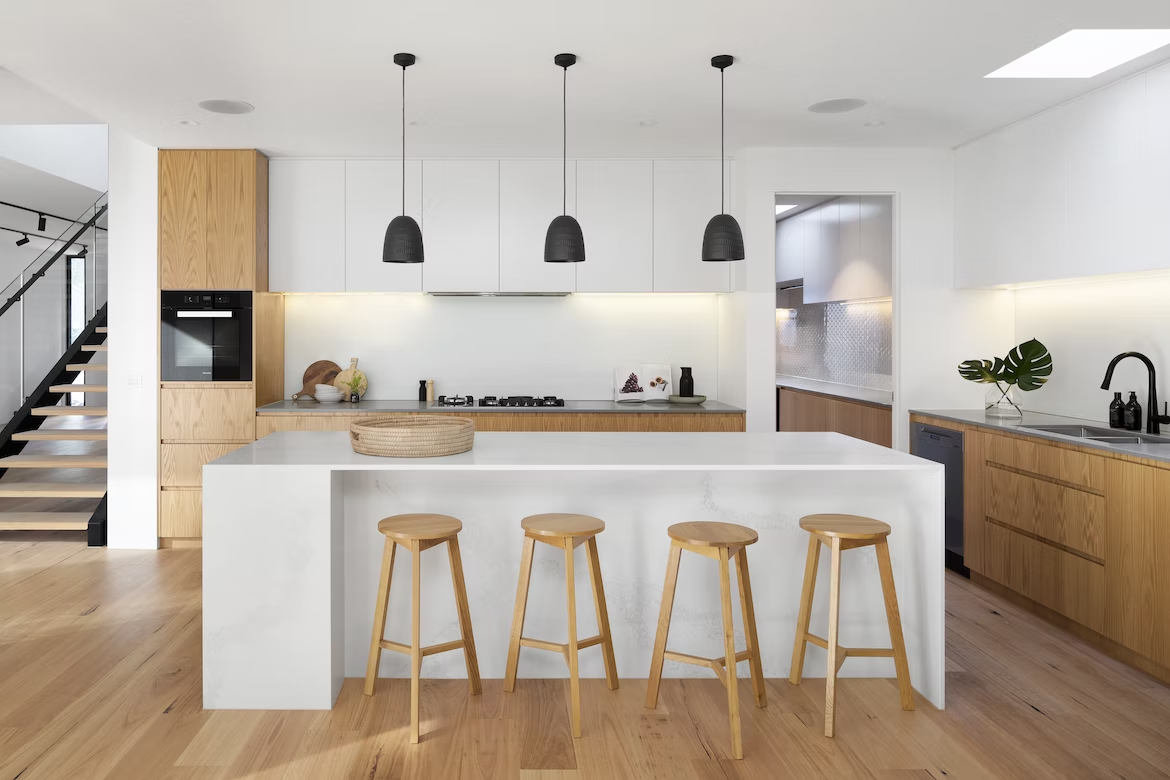
When it comes to remodeling your home, the kitchen is often one of the most important rooms to consider. It’s not only a place where you cook and eat, but it can also be a central gathering spot for family and friends. So how do you know if an open kitchen is right for your home? Here are some reasons why you might want an open kitchen.

1. Better Flow and Accessibility

With an open floor plan, you can move around your kitchen more easily, allowing for better access to appliances and work surfaces. The improved flow also makes it easier for multiple people to be in the kitchen at one time. The initial thought behind the design of open concept kitchens is to allow family and guests to be there without feeling like they are intruding on a chef’s preparation space.

And, if you have a larger kitchen or a commercial-inspired chef’s kitchen, an open floor plan may help make the space look bigger while still allowing for plenty of storage.

2. Easier Conversation and Socialization

An open kitchen often allows for more conversation and socializing, making it easier to talk with people in other parts of the house while you’re cooking or cleaning up. This helps create a more relaxed atmosphere, especially if your guests can watch you work in the kitchen. It also means that you won’t feel so isolated when cooking meals, which can be a real bonus if you enjoy having conversations while you cook. If you often host family dinners, an open kitchen is a great way to foster a sense of togetherness and make the evening more enjoyable for everyone.

3. Improved Natural Light and Ventilation

An open floor plan also lets natural light flow freely throughout the space, which can help brighten up the room and create a cheery atmosphere. Additionally, it’s often easier to get good ventilation in an open kitchen since there are fewer walls blocking airflow. This helps reduce cooking odors and improve air quality throughout your home. For example, if you have a window or door that opens to the outside, then opening it up can help keep your kitchen smelling fresh. Additionally, depending on the layout of your home, you may be able to install air circulation fans to further improve ventilation in the kitchen.

4. Increased Kitchen Storage

One of the main benefits of an open-plan kitchen is having increased storage without sacrificing valuable floor space. Installing tall cabinets along one wall or adding shelves to a large island can give you lots of storage for pots, pans, food containers, and other kitchen items. You can also add sliding doors or drawers to further organize your space and make it easier to utilize or display small kitchen appliances.

Additionally, if you have an open layout that spans multiple rooms, then consider adding floating shelves between walls to create more storage space without impeding the flow of the room.

An open-plan kitchen can be a great way to open up the space and make your home feel more inviting. It can also help create better flow, improve natural light and ventilation, and provide additional storage solutions. So, if you’re considering remodeling your kitchen, don’t forget to think about an open-concept design. It may just be the perfect fit for your home.

Realtor versus Real Estate Agent

Most people only buy or sell a house 3-4 times in their lives. As a result, the concept of real estate agents vs Realtors isn’t top of mind to most consumers in the US.

How many real estate agents and Realtors are there in the US?

There are more than 3 million people holding active real estate licenses in the United States. While each of these 3 million people need to obtain a license from their respective state, not all of these state-licensed agents are “Realtors.”

Are all real estate agents Realtors?

As of 2022, a little more than 52% licensed real estate agents in the U.S. are “Realtors.”  Being a Realtor gives agents a special, paid designation by the National Association of Realtors.

The National Association of Realtors is a national organization, plus there are hundreds of local and regional Realtor “boards” or associations.

New Realtors members are entitled to several benefits and also the credibility that comes with the affiliation with the National Association or Realtors (NAR).

With that being said, many local agents do not see the value in maintaining the membership yet are still successful as agents in their area.

Do they perform the same job?

In terms of skills and required experience, Realtors and real estate agents are essentially the same thing. A real estate agent can work with a homebuyer or seller to buy or sell a property and is not required to be Realtor to do so.

Becoming a Realtor: How it works

As mentioned earlier, to become a member, you first need to be licensed as a real estate agent in your state. However, a real estate agent cannot be a Realtor without joining the National Association of Realtors.

To qualify for membership, you must agree to adhere to the NAR’s standards of practice. The NAR ethics code is one of the core tenants that distinguishes Realtors from basic real estate agents.

NAR is a very large trade organization and is a powerful voice for lobbying state and federal governments on behalf of its members.

Conclusion

A tough real estate market tends to be difficult on inexperienced agents. Having consistent results, experience and the Realtor designation may be a benefit for many career agents – but less important for part-time agents.

According to NAR, more than 150,000 agents became Realtor members in 2021. That uptick was likely triggered by record-high housing prices and a chance to work remotely and enjoy a flexible lifestyle.

Colors That Go With White

White is one of the most sophisticated colors, and it can go with many colors creating a perfect combination. Unlike black, white color has a calm and soothing effect whether you use it for home décor or clothing.

Even though so many colors go with white, we will make sure to discuss the best color combinations with white color. So, without further delay, let’s find the best color blend that goes perfectly with white.

The Perfect Color Blend With White

We all know that neutrals blend in well, which is why black and white go well with so many colors. However, sometimes we make the mistake of making a combination of white with the colors that were supposed to be paired with off-white.

Yes, these are entirely different shades. Bright white, dove white, muted white, etc. Plus there are different finishes/sheens of white, including matte, eggshell, gloss or high gloss.

Below we will be discussing those colors that enhance the look of your home, garden, or any room’s décor just by selecting the right color.

1.Black And White

Let’s start with the king of all colors, black. Even though one is the brightest and the other is the darkest, these two make a fantastic combination despite being exactly the opposite.

Whether you’re looking to select a color theme for your kitchen, bedroom, or clothing, the combo of black and white never fails. We can indeed consider black as one of the best colors with white.

2.Grey And White

Gray color is one of those colors that have a subtle grace in them. Whether you want to select this combination for your living room setting or your kitchen, combining white with gray can give a decent and subtle look to the room.

On the other hand, sparkling steel color can enhance the look of a kitchen since it goes with the kitchen utensils. Also, you can go for gray cabinets or steel-colored ovens and counters to nail the look. These different shades of gray would uplift the aesthetics.

When it comes to outfits, a classic white color combined with silver can make you steal the show in no time. White and silver is the color that gives a girl the princess-like feel.

If you are a male looking for a graceful dress selection, go for any shade of gray suit with a white shirt to finish your look.

3.Pink And White

If you are looking for the perfect options for a girl’s room theme, then you can blindly trust the theme of pink and white. Whether you’re a grown-up girl or looking for your baby girl’s room décor, pink is the cutest color, representing innocence and sophistication.

Not only for room décor, but you can also use it in theme parties for your bridal shower, baby shower, or birthday parties.

You can always trust this combo when designing a dress for your prom or any event. Moreover, it is one of the best combination choices for daytime events.

4.Sky-Blue And White

This combination can be a refreshing treat to your eyes whether you use it for home décor or your outfit. The sky-blue color feels so soothing and calming in scorching weather; combining it with white can enhance its look quickly.

It is also a perfect combination for a cute room décor for young boys; however, any shade of blue goes well with white when selecting furniture or wall art for young boys’ rooms.

Needless to say that it is also a perfect combo when it comes to putting up a dress together.

5.Gold And White

Gold is a fantastic color choice for giving a room or wardrobe a flash of color while maintaining a grounded aesthetic. It’s a creative way to maximize your space and brighten a bathroom.

White is the ideal neutral to balance out a room when you choose a bold color like gold.  One of the most beneficial advantages of using white and a strong hue like gold in your decor is that the white allows you to introduce the other color gradually.

The Bottom Line

It often gets confusing when thinking about what colors match with white when selecting colors for your wardrobe or décor. Color selection plays a vital role in ruining or enhancing the aesthetics.

The best way to make the right selection is to clear up the confusion that white is a cool and relaxing color, so pairing up with light colors can enhance the look of white and other colors merged with white.

However, you can also opt for loud colors if you like to add a little touch of bold impression.

Is Foundation Repair Needed? Let’s Look at the Facts

If you have been noticing cracks in your foundation, or if your home seems to be shifting or settling, it is possible that you need foundation repair. It is important to get this type of work done as soon as possible because a damaged foundation can lead to a number of other problems with your home. In this blog post, we will take a look at the facts about foundation repair so that you can make an informed decision about whether or not this type of work is needed. Thanks for reading!

How to Identify a Problem with Your Foundation

Foundation problems can occur at any time, so it is important to be aware of the signs that your foundation might need repair. Common signs include cracking in walls or floors, doors and windows that don’t close properly, uneven floors, and water pooling around the foundation. If you notice any of these issues, it is important to have an evaluation done by a professional to determine the extent of the damage and whether foundation repair is needed. Namely, there are a lot of house foundation repair jobs that require expertise and need to be done by an experienced professional. Such repairs include cracks, bowed walls, and shifting foundations. You don’t want to start the repair work without a thorough assessment and proper professional advice.

The Benefits of Foundation Repair

Foundation repair can help prevent further damage to your home by stabilizing the foundation and keeping it from shifting or settling any further. This can also help reduce moisture damage, as well as keep your home safe from structural issues that could arise due to an unstable foundation. In addition, a properly repaired foundation can increase the value of your home and make it more attractive to potential buyers. Once you decide to move forward with repairs, make sure to get a warranty on the work so you can rest assured that it will last. Without a proper warranty, you may have to pay for the repairs again if they don’t last.

The Cost of Foundation Repair

The cost of foundation repair will depend on the type of damage, the size of your home, and the type of repair needed. Generally speaking, you can expect to pay anywhere from a few hundred dollars to thousands for a complete foundation repair job. It is important to have a professional evaluation done so that you are aware of the exact cost before beginning any work.

On the other hand, if you need to perform a minor repair, it is often possible to do it yourself. If you notice small cracks that don’t seem to be caused by structural issues, you may be able to fill them in with caulk or concrete. This type of repair is usually relatively inexpensive and can help prevent water damage in the long run.

Soil movement and erosion

The most common issues with a foundation are due to soil movement and erosion, which can cause the foundation to settle or shift. This can lead to cracks in the walls, floors, and ceilings of your house. In some cases, these cracks can be minor and easily repaired. However, if left unchecked, the damage may become more serious and could lead to structural problems.

Moreover, if the earth surrounding your home isn’t firmly packed down, it may lead to your foundation sinking unevenly. This can result in a variety of problems, like doors and windows that don’t open or close right, and cracks in walls, floors, and ceilings. Make sure you always check for soil movement and erosion before you start any foundation repair work, as this can save you from having to do a more expensive repair later on.

Water saturation

Another issue that can cause foundation damage is water saturation. If your property has poor drainage, or if it is in an area with high levels of rainfall and snowmelt, the soil around your foundation may become oversaturated. This can cause the soil to expand, putting pressure on the foundation and leading to more serious problems.

For instance, an oversaturated foundation can cause the walls to bow or bulge, and it can also lead to cracks in floors and ceilings. If left unchecked, it can eventually result in structural damage. Some homeowners may also experience mold growth due to moisture issues. As soon as you start to notice any signs of water saturation, it is important to get it taken care of as soon as possible.

Prevention is better than cure

When it comes to foundation repair, one of the most important things to remember is that prevention is always better than cure. Having your foundation inspected by a professional at least once a year can help you identify any issues early on and take steps to prevent further damage. There are also steps you can take yourself, such as making sure your gutters are clean and that your downspouts are pointed away from the foundation.

A good idea is to check your foundation regularly, especially after periods of heavy rain or snow. By keeping an eye out for any signs of movement or shifting, you can quickly identify potential problems and address them before they become more serious.

The Consequences of Not Repairing Damaged Foundations

If the problem with your foundation is not addressed, it can result in significant problems in other parts of your home. This includes issues such as cracked walls and ceilings, water damage, mold growth, poor air quality, and even structural damage. These can be costly to repair, and some of the damage may even be irreversible. In addition, a damaged foundation can reduce the value of your home and make it less attractive to potential buyers. Therefore, it is important to have any foundation issues taken care of as soon as possible.

Ultimately, deciding whether or not to repair a damaged foundation is a personal decision that will depend on your budget, the extent of the damage, and your long-term plans. If you think that there is a serious problem with your foundation, it is important to get it checked out by a professional as soon as possible. Taking this step can help to prevent more serious and costly problems down the line.

How to Choose the Right Art for Your Home

Your home is a reflection of your personality, and the art you hang on its walls is one of the most visible ways to represent it. But with so many options, how do you choose the right art for your home to maintain the right look and feel?

Here are five tips to help you find the perfect pieces for your space.

Know what you love

Investing in something you’ll love seeing in your home is vital. Take the time to figure out what you like before you buy anything—and don’t underestimate the power of emotion when it comes to art. If something truly speaks to you, it may well be worth investing in.

You can always look for inspiration elsewhere. Look at art galleries or visit friends’ homes, or even read through magazines like Architectural Digest and Elle Decor to get an idea of what type of artwork might fit in your space.

Shop around for the right piece

Check out galleries, local art stores, and even antique shops for pieces you love. Shopping in a physical store is the best way to get a sense of the scale and texture of a piece. Don’t be afraid to ask questions when looking at artwork, since you want to ensure the piece is something you’ll still love in years to come.

You could also enlist the services of an art expert to authenticate the piece; this is particularly important if you purchase valuable artwork. Of course, you can always find great artwork online, too. For example, you can buy exclusive art online at Singulart, an online art and design gallery that features incredible paintings from global artists. Be sure to read the reviews and ask questions to know exactly what you’re getting.

Doing your research before purchasing any type of artwork is important to ensure you’re fitting in with the times, so consider the popular trends of the moment. Look for information from a wide variety of sources as you consider trends such as 3D arts, traditional, and neon options. As you go search for inspiration, focus on the long-term purpose of the artwork, not just what happens to be ‘in’ at the moment. This includes thinking about ways to protect the pieces; some threats, such as fire, theft, and water leakage, can easily damage the artwork.

Luckily, there are insurance solutions that you can consider for this problem. When insuring your art, make sure sure you take time to learn more about your options, and take into account factors like fees, policies, coverage and so on.

Data compiled by Compare the Market shows the top trending styles of art that are popular on- and offline. If you’re looking for something popular, go for prints or artwork that feature bright colors or geometric shapes. This will give your home a modern, stylish look that can easily change from season to season.

Take size and location into account

It’s easy to overlook the details when choosing art for your home, but size and placement are important factors that should be addressed. Consider how large the wall is, as well as the colors and textures of the surrounding décor.

The furniture should also be considered. It’s best to choose artwork that will complement or contrast with them pleasingly. If you have a large piece of furniture like a couch, it’s best to choose artwork that is scaled in size accordingly.

Opt for versatility

It’s also important to consider how you will use the artwork in your home. If you’re looking for something more versatile and timeless, choosing a contemporary piece or an abstract painting is best.

You can also choose artwork that is easily changed out, like framed prints or photographs. This way, you can switch up your look every once in a while without buying new pieces all the time.

Choosing the right art for your home can be daunting, but it doesn’t have to be. Take the time to consider your options, and remember to consider size, location, versatility, and trends when making your final decision.