Comparative Market Analysis: CMA Explained

Whether you are in the market to buy a new home or are looking to sell your current one, it is important to figure out how much money you should offer or ask for. However, a home’s worth is often subjective from person to person and from home to home as there are many factors that go into pricing it.

For someone without much real estate knowledge, determining this number can be incredibly difficult. Luckily, a comparative market analysis can help you out. Here is an easy overview on comparative market analysis, what all is involved, and why it is so important.

What is a CMA in Real Estate?

A comparative market analysis (CMA) is a tool used by real estate agents to help estimate the value of a property. This is done by evaluating the sale price of similar properties in the same area. When considering factors that impact the value of a home, most people consider things like location, square footage, and the number of bedrooms and bathrooms. But there are also other important factors like the property’s age, condition, features, lot size, and local market that are equally as important consider in the equation.

Because there are so many significant factors that go into estimating the fair market value of a home, this process can be extremely difficult for the average person to do accurately. That is why a comparative market analysis is most often done by a real estate professional who is familiar with the local market. With a CMA report, buyers can have a good estimate of how much money they should offer and sellers can understand how much their home is worth.

It’s important to note that while homeowners often rely on CMA’s, banks and investors often rely on a broker price opinion – which is similar to a CMA but more sophisticated. A BPO, or broker price opinion is a value estimate that is calculated by a real estate broker to help a potential borrower or lender know how much to pay for a property. A BPO often requires more analysis versus a CMA but is more efficient than a formal appraisal.

Who Should Get a Comparative Market Analysis?

Sellers: Nobody wants to sell their home for less than what it is actually worth. CMA’s are an incredibly useful tool for home sellers. In today’s market, seller’s want to price their home as competitively as possible. A CMA will provide them with the most accurate estimate of their home value and give them a better idea of your potential net proceeds in a sale.

Buyers: CMA’s aren’t just for those looking to sell. Knowing a home’s estimated market value can help home buyers submit a more competitive offer. In today’s competitive market, this is important. Additionally, CMA’s can also help sellers stay on budget, as well as protect them from offering too much or too little on a home.

Investors: The whole point of investing in real estate is to make a profit from your property. To do this, investors need to make sure all the numbers are right. CMA’s can help investors evaluate the price of these properties and even protect them from making a bad investment. Investors can also use a properties CMA report to negotiate price with sellers and come out with more money.

Refinancers: You don’t have to be selling or buying a property to get a CMA. In fact, CMA’s are incredibly powerful tools for homeowners too. Having a recent or accurate home valuation can give homeowners a good idea as to whether or not their home value is at a place where they can refinance their mortgage.

What Goes Into a Comparable Market Analysis

Essentially, a comparative market analysis begins by compiling a list of at least three or more similar properties that have sold in the area within the past 3-6 months. This range of months provides the best reflection of the market. From there, a realtor will go through a variety of components to determine an estimated value. These include:

  • LocationLocation plays a huge role in comparable market analysis. Higher value is placed onto properties in neighborhoods where there are quality schools, low crime rate, close proximity to amenities and so on.
  • Square footage- The more livable square footage that a home has, the more valuable it will be.
  • Number of bedrooms and bathrooms- Similar to square footage, more bedrooms and bathrooms generally increases a home’s value.
  • Lot size- Even a half acre can make a huge impact on a home’s market value.
  • Age and condition- The year the home was built impacts its value. Older homes are oftentimes not in the best condition. However, an older home that is well maintained or renovated can have just as high of value as a quality-built new construction home.
  • Home features- There are several specialty home features many look for in a home. These include fireplaces, outdoor living areas, swimming pools, finished basements, garages, energy efficient appliances, owner’s suite on main, kitchen islands, walk-in closet, and much more. Depending on the market and what is popular, having these features can easily increase a home’s value.

How Accurate is a Comparable Market Analysis?

At the end of the day, a CMA is really only as accurate as the most recent sales data that is available. If no homes have sold recently, acquiring an accurate home value is impossible. Of course, the real estate agent that creates the CMA also impacts the accuracy of your CMA.

A real estate agent that is very experienced is more likely to be committed to providing a highly accurate valuation. They will understand the local market well and know just the right comparables to use. They will also pay close attention to every detail that is pulled from records, as well as fact check it for complete accuracy.

Is Competitive Market Analysis Necessary?

While a comparative market is not necessary, it is definitely in the best interest for anyone looking to buy, sell, invest, or refinance a home. Having a CMA will help you to determine an accurate asking price for your home, help you in negotiating offers that roll in, and even help you put up a competitive offer when it comes time for you to buy. If you want to have the most success in your real estate transaction, a CMA is something you will want to have.

The best part about a competitive market analysis is that they are  free through your real estate agent. Why skip out on a CMA, or attempt to do it yourself, when your real estate agent can provide you with an accurate and detailed report free of charge? If you are a buyer, seller or investor in need of a CMA, let SimpleShowing help you out with a free home valuation. Let us know how we can help you on your real estate journey!

5 Reasons To Choose A Farmhouse-Style Home As Your First Property

Farmhouse-style homes combine the appeal of rural architecture with modern comforts. They’re characterized by large spacious kitchens, ample outdoor spaces, exposed wood, and large front porches. They emphasize functionality above all else. Whether vintage, classic, rustic, or traditional, farmhouse designs mimic the look and style of farmhouses in the past. They integrate simple and minimalistic décor with sturdy and practical furnishings.

Their modern versions incorporate a relaxed, comfortable style with modern touches, such as glossy accents and smooth lines to give a contemporary ambiance. Stainless steel appliances, sleek lighting, and modern designs are used to add sophistication.

With that being said, here are some compelling reasons why you should consider a farmhouse-style home as a first-time property owner:

1) Less Costly

Every aspiring homeowner wants a house or floor plan that meets their demands and also satisfies their aesthetic preferences and financial limitations. Typically, farmhouse-style homes are single or double-storied structures with simple and concise layouts. With its straightforward plan, a farmhouse-style house offers flexibility that can accommodate different aspects of your home needs. With rooms close to each other, you get to have larger open spaces for use and arrangement. They also give a clean and simple exterior.

A farmhouse-style home is a traditional and aesthetically pleasing style that doesn’t require a huge budget. Compared to other building styles, you are more likely to find a home or plan that fits your budget and needs. You can hop over here to explore more farmhouse-style ideas.

2) Flexible Decor

A farmhouse-style décor is inspired by country style, practical furnishings comprising rustic design and natural materials that embrace friendly beauty. It exudes a warmth that many people want in their homes. Although everyone has their unique sense of décor style, most materials used in farmhouse designs are common. Some décor materials include dull and chippy finishes, repurposed materials, brick walls, and farmhouse signs. Reclaimed wood elements and antique clocks are used to refine the look and add contrast and character to spaces.

While a farmhouse-style décor has an inviting, soothing, and homeliness feel that embraces country and modern designs, it can be easily created. Utilizing elements that already exist, are found in flea markets, or even DIY projects make for farmhouse-style décor.

3) Easy To Update

Traditional farmhouses were mainly built using natural wood or bricks. The houses were durable and were expanded as the family grew. The modern farmhouse-style home borrows most of its aspects from the traditional one. Adding to the home is easier because the formal rooms are at the front while the rest are positioned toward the back. Due to its simple design, you can renovate your house and make it more functional and accessible.

Moreover, the décor elements and color pallet are easy to manipulate into different themes to suit your preferences. It makes it easier to update your home through the years.

4) Style Plays Well With Other Designs

Farmhouse-style mixes new and old and elements that don’t necessarily match. The modern combination of metals and wood borrows from traditional-style farmhouse designs. Contemporary and vintage accessories combine to give a farmhouse-style home a unique personality. A farmhouse design enables you to customize your home by choosing various materials and finishes, including paintwork, countertops, flooring, and lighting. It makes playing around with different styles easy to get what you consider best.

It’s easy to add touches of different styles to your farmhouse-style home without appearing awkward. Contrasting materials fit in well. If you want to refresh your home in the future, you can easily transition to another style or blend in elements of another style to get the desired outcome.

5) Appealing Characteristics

Farmhouse-style homes are likable because they have quality features while still maintaining their simplicity. The wood elements, white walls, doors, cabinets, and other items synonymous with farmhouse designs replicate their traditional counterparts. These aspects appeal to modern homeowners because the wood brings warmth, and the white makes the spaces look clean and attracts natural light.

The high ceilings that many farmhouse-style homes showcase enable air circulation and offer breathing space. The big porches earlier used as storage spaces for muddy boots and firewood are now inviting areas to unwind. They are also used for recreation.

Conclusion

As a new homeowner, a farmhouse-style home offers simplicity and functionality you’ll appreciate. Now that you have an idea of what a farmhouse-style house entails, you have the opportunity to choose from a variety of designs. Whether you go for an industrial, coastal, Scandinavian, modern, or rustic design will all depend on your taste and preference.

What Is The Real Estate Commission in Florida?

If you’re planning to sell a house in Florida, then you probably already know that there are several different costs involved.

You may also have to pay for prorated property taxes, title fees, remaining HOA dues, and more. But there’s one fee that tops them all. Realtor commissions in Florida cost home sellers about $24,000 on average and twice that much in the most expensive cities in the state.

What is the Real Estate Commission in Florida?

Listing agents in Florida charge their seller clients roughly 2.75% on average. Note, this does not include the buyer agent commission that you’ll need to pay. The total real estate commission paid by the seller is typically 5.5% – 6% of the final sales price of the home.

The rate that home seller were charged depends on the real estate agent’s brokerage as well as their experience level. The geographic market they work in and the specific clientele also play a role. For example, you’ll often see lower listing commission rates of 2.25 or 2.5% in more expensives areas of South Florida, including places like Jupiter, Palm Beach or Coral Gables where home values are generally above $1M. Again, the 2.5% listing fee does not include buyer agent commission.

As mentioned, the total real estate commission in Florida is typically around 5.5% – 6% of the home’s price. This includes both the buyer agent commission and the listing agent. So, if a home sells for $500,000, you’ll likely be paying $25,000 – $30,000 in commissions at time of closing.

Many home sellers regret the amount of commission that they pay to their agent, which has led to many low-commission brokerages growing in popularity.

Real Estate Commission Rates in Florida

The average total real estate commission in Florida is right around 5.75%. That’s the lower end of the national average that we mentioned above, but keep in mind that Florida’s real estate market has been fairly hot for the last several years.

In the earlier example, the total commissions paid by seller was $25,000 at closing, but the listing agent is not actually keeping the entire $25,000.

The buyer typically hires their own agent, so the total commission is split between both the listing agent and the buyer’s agent. Using the earlier example, if the commission was split in half, the seller’s agent (listing agent) would keep $12,500 and the buyer’s agent would get $12,500.

Who Pays a Real Estate Agent’s Commission in Florida?

On occasion, in rare cases one agent will work for both the buyer and the seller in Florida. This is referred to as “dual agency.” Other times, the homeowner may handle the sale of their house on their own, which would save them the listing agent fee but not the buyer agent fee.

In the vast majority of cases, sellers and buyers both have their own real estate agents in Florida. Each agent is tasked with looking out for their respective client’s best interests while also working together toward the common goal of finalizing the sale of the home.

The seller covers the bill for both agents, which is paid at the time of closing, but realistically, the buyer could have purchased the home on their own (without a buyer agent) and saved roughly 2.5 – 3% on the price of the home.

While technically the seller pays the real estate agent’s commission in Florida, the cost of the buyer agent is baked into the price that the homebuyer is paying for the home.

Related –> View properties in Florida

List for a 1% Commission in Florida

SimpleShowing offers a 1% listing fee versus the typical 3% charged by most big brokerages. You’d still need to pay a 2.5 – 3% buyer agent commission, but in the end, you’d still save 2% (or about $9,000 on average) when selling in Florida.

How Much Do Realtors Make?

The average agent in the US closes 7 home transactions per year, while the top 5% of agents in the US closes 23 home transactions per year.

If an average agent in a typical Florida market, where home values are $350,000 closes 7 deals per year and the commission rate is 3%, the agent will earn $58,800 (assuming an 80% broker split). A top 5% agent who closes 23 homes per year in the same market will earn $193,200. By using a real estate commission calculator, you can determine the exact annual income based on number of transactions closed in a given year.

While Realtors certainly deserve compensation for the work they do, keep in mind that you can often negotiate the commission rate with your agent or find ways to lower or offset the commission fees.

Save Money on Realtor Commissions in Florida

At SimpleShowing, we are pioneering a new way of helping homeowners save a lot of money when they hire experienced agents to sell their homes. SimpleShowing is currently operates in the Orlando, Tampa, Miami and several of the top cities in Florida.

Ready to get started? Request a free home valuation now or subscribe to our blog to learn more about how Realtor commissions and our 1% listing fee.

Full-Service Realtor vs Discount Realtor: Which is Right for You?

Buyers and sellers are always looking for ways to save money on their home transactions. and realtor commissions are one expense that can quickly add up to thousands of dollars spent. That sum of money is significant and a big reason why many consider whether it is actually worth it to hire a full-service realtor over a discount realtor.

Your choice to work with a full-service versus a discount realtor depends on many factors. Both types of realtors differ in the services they provide and offer their own unique benefits depending on your situation. Let’s go over the differences between the two so that you can choose the realtor that is right for you.

What is a Full-Service Realtor?

A full-service realtor is pretty self explanatory and just what you would expect. They handle the entire home buying and/or selling process from start to finish. From listing the property to marketing it to handling closing, a full-service realtor will be there to guide their clients through every step of the transaction. Whatever assistance their client needs, a full-service realtor will be there to offer their support.

Full-service realtors are easy to come by as there are many widely recognized full-services brokerages across the county. These include Keller Williams, Century 21, RE/Max and Berkshire Hathaway to name a few.

What services does a full-service Realtor provide?

A full-service realtor provides a full range of services for buyers and sellers. Here are some of the most common you will find when working with a full-service realtor.

For Buyers:

  • Notify buyers of any current, new, or upcoming listings they may be interested in.
  • Identify any potential problem areas within homes buyers are interested in.
  • Set up appointments to take buyers for private showings of potential homes.
  • Research property values to ensure buyers are making the right offer.
  • Negotiate on the buyers behalf with the buyer’s best interests in mind.
  • Assist buyers in securing  home financing and provide advice on legal options.
  • Provide buyers with recommendations for home appraisal, home inspection and contracting services if needed.

For Sellers:

  • Provide a comparative market analysis to help determine a good listing price.
  • Give sellers advice on how to stage their home to attract potential buyers.
  • Hire a professional photographer to take high-quality listing photos.
  • Advertise the property on the local multiple listing service (MLS) and other home buying sites.
  • Organize and manage all open houses for the property.
  • Negotiate offers with potential buyers on the sellers behalf.
  • Assist with all paperwork to ensure the seller avoids legal liabilities.

How much does a full-service realtor cost?

With a full-service realtor, buyers and sellers should expect to pay full-service commission prices. In the standard full-commision model, costs tend to be around 2.5-3% for both the buyer and seller agents, or 5-6% in total. While this percentage may seem small, that percentage of the total selling price can be quite expensive depending on the home.

When to choose a full-service realtor?

There is a reason why so many buyers and sellers stick to the traditional, full-service realtor despite the higher commission. If you do not have the time or are unfamiliar with real estate transactions, hiring a full-service agent is a great way to get the guidance you need. Having them at your side will provide you  peace of mind knowing your transaction is in good hands.

Buyers and sellers who want to ensure that their transaction goes smoothly and timely without having to be involved themsleves may also want to consider a full-service realtor. Full-service realtors are known for being prompt and efficient with their services. This means the transaction will be handled with the utmost care and likely be completed quicker

What is a Discount Realtor

Discount realtors or low-commission realtors are not really all that different from a full-service realtor other than the discounted cost. Most discount realtors still offer a range of services to their clients that are similar (if not exact). However ,depending on the brokerage, the amount of services may be slightly less. Other brokerages may instead cut back the extent of their services or their level of involvement. This is what keeps the fees lower for their clients.

How much does a discount realtor cost?

The biggest difference between full-service realtors is the reduced commision fees. This is also by far the biggest appeal. Discount realtors don’t follow the traditional 6% commission model that full-service realtors do. Instead, discount realtors will either the reduce commission or charge a fixed fee. These costs vary based on the discount brokerage, the local market, and the services that they provide.

What services does a full-service realtor provide?

Most discount realtors offer the same or similar services as a full-service realtor. The services they offer depend on the brokerage, as well as their clients level of need. For example, some discount realtors may not be as involved in helping their buyers search for properties. Others may cut back in marketing efforts, staging advise, or professional photography.

While buyers and sellers may have to do more of that work themselves, they will benefit from their efforts with discounted commission. As long as you are prepared to potentially take on some of the work, working with a full-service realtor can be a worthwhile decision.

When to choose a discount realtor?

If you are budget conscious and looking to save on your next real estate transaction, then a discount realtor is the perfect option for you! Most discount realtors will be able to offer you the full range of services for half the price of a traditional full-service realtor.

Discount realtors are also a great choice for those investing in real estate, familiar with the real estate world, and have the time to take on some of the responsibilities if necessary. Many investors wanting to make the most profit from their transaction opt to work with discount agents for the savings.

Before hiring a discount realtor, be sure to ask them what services they provide and whether they offer full or limited services. If you are new to or not familiar with real estate transactions, try to find a discount realtor that offers as many services and as much guidance as possible.

Buy or Sell Smart SimpleShowing

SimpleShowing has a unique pricing model that offers low commission/reduced listing fee for sellers and a refund for buyers — all while still providing full service to our clients. For sellers, SimpleShowing charges $0 up front and a 1% listing fee at closing.

Seller services include:

  • Free home valuation
  • Listing on the MLS and 50+ real estate sites
  • An open house
  • Professional listing photos
  • Digital marketing of your listing
  • Dedicated real estate agent
  • Contract and negotiation support

Please note: This fee does not include Buyer’s Agent commission which is typically 2-3% of the purchase price.

For buyers, SimpleShowing charges $0 and rewards buyers with a commission refund of up to 50% at closing (half of the typical 3% commission, or 1.5% of the purchase price). This buyer refund is either written as a check to the buyer at closing or it is used to reduce the buyer’s closing costs.

Buyer services include:

  • Up to a 50% commission refund (1.5% of the purchase price)
  • Dedicated real estate agent
  • No fees or obligations
  • Instant online, tour scheduling of any home
  • Help with inspections, repairs and more
  • Contract and negotiation support

Conclusion

Which realtor type is right for you depends on your situation and what level of service you expect to have. If working with a discount or low-commission realtor sounds the the savings savvy option you are looking for contact us today to connect with one of our experienced agents and find out how you can save big on your home sale or purchase!

How To Flip a House Like a Pro

If you’ve ever watched HGTV, you’ve likely seen one of the many home flipping television shows, like “Flip or Flop”, “Property Brothers” and “Fix this Flip.” Renovating homes is uber popular because it provides a unique opportunity for regular folks to use creativity and problem-solving to earn a handsome profit.

Our guide below was written by a real estate investor & broker, based in Georgia, who has flipped more than 50 houses in Florida, Georgia and Illinois in the last ten years.

How to Flip a House (Steps from a Veteran Flipper)

Welcome to the wild world of house flipping! This pursuit is not for the faint of heart, but with a little guidance, you too can become a house flipping aficionado.

Step 1: Get access to sub-contractors

Flipping requires access to many different “trades” or sub-contractor groups. For example, depending on the degree of renovation, you’ll likely need an electrician, a plumber, a flooring installer, a tile installer, a carpenter, roofer, landscaper, painter and cabinet installer. You don’t need to know all of these folks personally, but getting access to these trades is critical.

Over time you will accrue dozens of contractors in your network, but to get started, we recommend asking local Realtors, searching Google, dropping by job sites to meet subcontractors and using apps like Thumbtack or Angi’s List to find local pros.

Study your local real estate market and understand the nature of it. The best way to do this is to use tools like Zillow or data from the FED to understand trends and then drive around the areas corroborate your findings. Talking to local agents can also help confirm if an area is “hot.” Often times the best neighborhoods are near the towns or communities that were “hot” 1-2 years prior.

Just because there is an affordable place in a nice neighborhood doesn’t necessarily mean that property will automatically become a profitable investment once renovated. Try to find a property in a neighborhood with a potentially bright future. The neighborhood should by a growing community, and the area should offer the potential for a high demand for rental properties. It can also help to buy properties that are close to public transportation hubs, schools or shopping.

Step 3: Don’t overpay for the property

Being a flipper is not just about finding the cheapest properties and selling them for profit. Ideally you can purchase a property for 5-20% below the median home price in the same area, but this is not a critical requirement. That said, you definitely do not want to pay over the median average in the same zip code – otherwise you are unlikely to produce a healthy profit on the sale.

For example, if the average home in the target neighborhood is selling for $300,000, you do not want to pay $315,000 for a property and attempt to rehab and sell for $450,000. You will potentially lose money. However, you could successfully buy a home for $250,000 in the same neighborhood and ultimately rehab and sell it for a profit at $350,000

To understand the actual price you should pay for the property, you should consider calculations such as the 70:30 rule. The after repair value (ARV) generally should equal 70% of the price you should pay. The ARV will give you an estimate of the property’s actual worth after it has undergone renovations. It is not a critical requirement to meet the 70:30 rule, but it’s one calculation to help define a healthy purchase price.

Step 4: Don’t over-renovate

Before you start spending money, get several quotes from contractors for the work needed to be done. For example, you might get 2-3 painting estimates and ultimately choose one pro. Same with flooring, roofing, plumbing, etc. Hold your contractors to deadlines and offer incentives for staying on time and on budget.

Overpaying for labor is one of the biggest mistakes that most first-time flippers make. Performing some of the work yourself can definitely help mitigate this risk, but generally this also extends the timeline for completion of the flip unless you’re an expert at multiple trades like electrical, plumbing, tile and drywall. It’s difficult to do 100% of the rehab yourself because most people aren’t good at multiple categories of renovation work.

Lastly, it’s a common temptation to “over-improve” a property. Often this is not necessary and ends up costing you in the long run. You may not need marble countertops and new cabinets in the kitchen when you can get away with keeping the existing cabinets and installing basic granite countertops. Keep a close eye on your house flipping business, and track your expenses to avoid any unpleasant surprises.

Step 5: List for an attractive asking price

Another common mistakes for rookie flippers is trying to list the property for way more than necessary once the rehab is complete. Easily the most tempting thing for flipper to do is to list the house for 10-20% more than what the comparable sales support. This tends to lead to 3 problems:

  • The house sits on the market for multiple weeks
  • Once you eventually receive an offer, you get a low-ball offer with bad terms
  • The house doesn’t appraise for the purchase price once it goes under contract

It sounds counter-intuitive, but if you list at market value (or slightly lower than market value), you will generate much more traffic (showings) and could potentially generate multiple offers and much better terms (over asking price, no contingencies, cash purchase, as-is purchase, quick closing, waived due diligence, etc.).

Final Tips for Success

Financing

Ok, time to talk personal finance. Some house flippers prefer using a personal loan to fund their flipping houses ventures, while others opt for a home equity loan. Either way, you’ll be paying interest, so plan your budget accordingly. Don’t forget to factor in closing costs, repair costs, and potential renovation costs.

While many investors use cash to acquire properties, roughly 2/3 of flips are actually financed.

If the renovation is more of a cosmetic rehab, conventional financing will be fine. You can also use 203K rehab loan if you’re planning to occupy the property for at least a year before flipping it. Otherwise, a hard money loan is typically the ideal financing option for most flips. Fix and flip loans come with a faster turnaround time, and the money you get is pooled from private investors. And you can often financing some of the rehab costs as well.

Staging and decor

We see many (if not most) flippers selling their properties vacant and un-staged. While this is typically acceptable for lower price points (under $350K), we highly recommend spending the money to stage the home before getting photographs for the listing. It typically costs about $1,500 to stage a property.

Using a local agent

If it’s your first flip or a seasoned real estate investor, you’ll want to partner up with a real estate agent who’s in-the-know about the local market. Savvy real estate agents can help you find that diamond-in-the-rough investment property. After all, you want to make sure you’re not taking on too much financial risk, overpaying, or getting bogged down with unexpectedly high property taxes.

Conclusion

Flipping real estate can be very lucrative if you pick a great area, complete repairs/upgrades quickly and have a little luck along the way. It’s wise to start small and not attempt a difficult flip right out of the gate. Don’t give up when you face difficulty on your first real estate deal, instead learn from your mistakes and grow. Whether you plan to flip houses in New Jersey or California (or anywhere in between), these tips will help you avoid big mistakes and give you a playbook for success.

If you’re ready to get started, SimpleShowing will be here to help you every step of the way. We have a team of experts that can help you find profitable flip opportunities in Georgia, Florida and Texas. Contact us today to get started!

DIY Options for Installing a Fireplace in Your Home

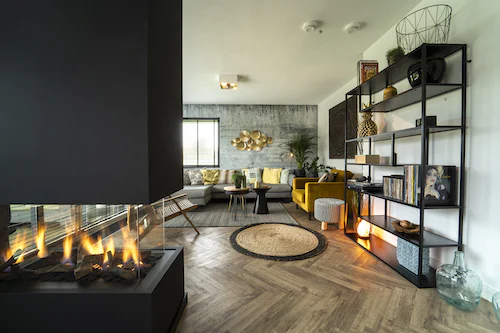
A fireplace is a great addition to any home. It provides both warmth and a focal point for the room. There are several DIY options for installing a fireplace in your home. You can purchase a tabletop fireplace, which is an easy and relatively inexpensive option. Or you can buy an insert for an existing fireplace. This is a good choice if you want the look of a real fire but do not want the hassle of dealing with wood or chimneys. What’s more, there are also wall-mounted fireplaces, which require no installation at all beyond hanging them on the wall like a TV. Let’s look at each of these options in more detail.

Tabletop Fireplaces

Also referred to as an “anywhere fireplace”, a tabletop fireplace is a portable fire that can be moved around the home. It does not get much easier than this. These lanterns, torches, and firepots can be bought and placed wherever you like in the home. They are not permanent fixtures, so nothing needs to be installed or built, you do not need a chimney, nor do you need to do any construction.

Tabletop fireplaces can adjust the light in the room, giving a cozy and comforting glow. These are low-cost and low-effort options for adding some warmth to the home.

Inserts for Existing Fireplaces

Ethanol inserts, electric log sets, electric firebox inserts, water vapor inserts, and ventless gas inserts are all fairly easy to install without needing to do any work on the home. In fact, ethanol inserts need no installation at all, simply slide one into your existing fireplace opening and add fuel.

Electric log sets plug into a normal outlet and are immediately ready to use. You get the idea. There are a lot of ways to achieve a fireplace with no chimney at home that is either totally DIY or requires very minimal effort when it comes to getting them installed. So, choose which vibe best suits your home and get an insert today.

Wall-Mounted Fireplaces

A wall-mounted fireplace is very easy to install in the home and can be moved from room to room or from home to home. They can be hung on a wall just like a TV or painting, and you do not need to install vents or make any cuts or construction changes to the wall. These wall-mounted fireplaces can be either electric or ethanol. Electric wall-mounted fires create the illusion of flames, while their ethanol counterparts create real flames.

Ethanol fireplaces do not rely on electricity, so they can be hung anywhere, regardless of whether or not there is a socket nearby. These fireplaces offer very easy DIY installation and are great for apartments.

DIY Fireplace Installation

The first thing you need to decide is what type of fireplace you want. There are three main types of fireplaces: wood-burning, gas, and electric. However, as we have seen, you can also go for ethanol inserts or wall mounts, or water vapor varieties. Each has its own set of pros and cons, so be sure to do your research before making a decision.

Once you have decided on the type of fireplace you want, it is time to start planning your installation. The first step is to determine where in your home the fireplace will go. Having said that, if you opt for a portable fireplace, this will matter less as the location is not permanent.

Next, you will need to gather the materials for your project or source your ready-made fireplace from a trusted and reputable supplier. Read online reviews to determine whether the site you are looking at provides quality products. Finally, it is time to start building or installing your fireplace!

Whichever option you choose, be sure to read all of the supplier instructions carefully before beginning any work. Always consult a professional if you have any doubts about your ability to complete a project safely and correctly, particularly if you are dealing with electricity or flammable substances.

Installing a fireplace in your home is a great way to add both warmth and style to the ambiance. With the right know-how and tools, it can be done with relative ease. Whether you choose to tackle the installation yourself or hire an expert, there are plenty of DIY options available for anyone looking to install their own fireplace. You could opt for a tabletop fireplace or else go for an insert for an existing fireplace. There are also wall-mounted fireplaces available. All of these options require minimal to zero installation and no construction. With a little bit of research and creativity, you can have your dream fireplace up and running in no time!

Top Ideas For Your Outdoor Space That You Will Love

If you are fortunate enough to have an outdoor space attached to your property, i.e., a garden or a balcony, then you need to make the most of it. A lot of people have no outdoor space and therefore have to rely on public parks and recreation areas. Having your own outdoor space gives you somewhere private and relaxing to unwind, free from other people.

However, designing an outdoor space for maximum efficiency is not easy. This post has you covered though, so keep reading. Here’s everything you need to know:

Installing Water Fountain

A water fountain is a great way to improve your backyard’s appearance. It is not something you will be able to install on a balcony, though. Most people use large outdoor water fountains to brighten up the space that they have available to them, however, fountains can also be used to encourage wildlife to come into your garden. Fountains can be expensive and come in a range of different prices and sizes. If you plan on buying one then shop around and get the best deal that you can.

Building a Fire Pit

A fire pit could be a great addition to your backyard, too. The problem with firepits is that they need to be installed by a trained professional. You cannot install a firepit yourself. Attempting to install a firepit yourself could lead to you making a mistake. Usually, fire pits are connected to the main gas supply. If however, you plan on installing a fire pit that is not connected to your property’s gas supply then you could in theory do it yourself, as long as you have a building permit from your local municipality. Check out these ideas for different types of fire pits you can build.

Considering Pond

A pond could be a great addition to your home as well. Ponds installed in people’s backyards become sanctuaries for local wildlife, like dragonflies, fish, newts, lizards, and even birds. If you are going to be putting fish in your pond then you need to make sure that you put a net over it, so that large birds like herons are not able to pluck them out and carry them away. The installation of a pond is something that’s best left to the professionals. If you have never built one before, then you will probably make a mistake of some kind if you try to do it yourself.

Garden Landscaping

Landscaping your garden (as in redesigning it and planting new trees, flowers, and shrubs) can be a great way of improving how it looks. Again, unless you are a gardener, it’s something best left to the professionals. Re-landscaping a garden can be an extremely difficult and time-consuming task. If you are on a budget and cannot afford to employ a landscaper, then you might want to watch a  few tutorials and online videos, and even take an online course. You need to do as much research about landscaping as you can if you plan on tackling a re-landscaping job yourself.

Planting Vegetables

If you have a big garden, why not carve out a section of it and dedicate it to growing fresh produce? Most people buy their fruit and vegetables from the grocery store, but you can grow your own if you have enough room. Certain fruit and vegetables can be grown throughout the year, so give these ones priority. Growing your own produce will help you to save money, which is more important than ever before when you consider the cost of living crisis. Millions of Americans are struggling to afford food right now.

Herb Garden

A herb garden is something you can have if you have a backyard or even a balcony. You do not need a lot of room to grow a herb garden. However, it is a good idea to make your herb garden raised, so that weeds and perennial herbs do not grow amongst your herbs. Some weeds and toxic plants look a lot like herbs, so if you plant your herbs directly in the ground, you could end up confusing toxic plants with the herbs you’ve planted. A herb garden can be planted in planters if you live in an apartment and have a balcony or even small pots on your windowsill.

Encouraging Wildlife

Again, if you have a large backyard, then why not encourage animals to come into it? Birds, deer, and other animals can make your garden come alive. All you need to do to encourage wildlife into your garden is to leave food out. Leaving food out can be a highly effective way of getting animals into your backyard. Make sure that you leave enough out so that the animals you’ve invited in do not have to fight with each other. You could also put down a trail camera, so you can record the different animals coming in.

Image Source: https://unsplash.com/photos/Rdh-OCcBqC0

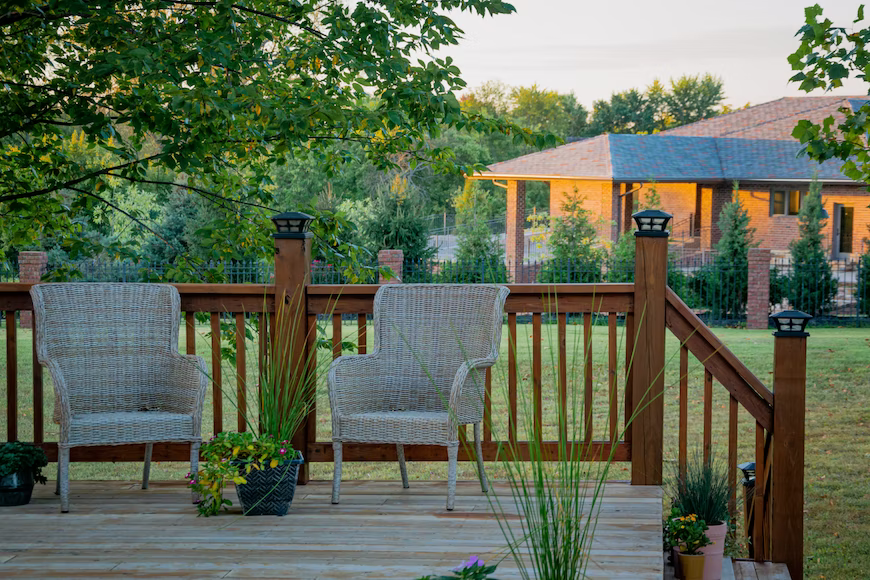
Tables and Chairs

Put down some tables and chairs, too. Putting down some tables and chairs will give you and your family places to sit in your garden. You can put down a table and some chairs on a balcony, as well. You do not need a lot of room for a table and some chairs (or multiple tables). Make sure that you buy tables that are appropriately sized. If you are on a budget, then you can probably pick some up online for next to nothing. Make sure whenever buying second-hand that what you’re buying is sturdy and durable.

Outdoor Grill

Finally, if you have enough room then why not invest in an outdoor grill? An outdoor grill can help to turn your garden into an outdoor kitchen. There are lots of grills available for sale online, so shop around and do your research. Shopping around will help you to get a good deal. Having a grill will mean that you are then able to invite guests and family members over for barbeques. Barbeques in the summer are a great way of relaxing and having fun.

If you have a garden, then make the most of it. Not everybody is lucky enough to have one, so letting yours go to waste is a real shame. Making the changes suggested here in this post will improve the way your home’s outdoor space looks and help it to become more functional.

Tips On How To Create More Space In The House

Creating additional space in the house is a challenge that many of us face. Whether you’re trying to fit all your family’s belongings into a limited area or seeking to maximize the potential of an open floor plan, it can be difficult to find ways to effectively and efficiently create more space in your home. Fortunately, there are plenty of tips and tricks that can help you make the most of any living space.

Declutter Regularly

Clutter has a way of taking up more space than it actually occupies, making your home feel cramped and disorganized. Make decluttering a regular habit and get rid of items that no longer serve a purpose or bring joy to your life. Taking the time to organize your belongings (especially those that tend to accumulate quickly) can help create a sense of order in your home.

A good idea when decluttering is to opt for multi-functional furniture pieces. That way, you can save space and money by getting more than one use out of a single item.

Make Use of Vertical Space

Don’t forget about vertical space! Installing overhead shelves can free up floor space and add additional storage capacity. Hang things on walls such as artwork, mirrors, or even kitchen utensils. It will also give the illusion of a bigger room! If you add shelving that is hard to reach, why not attach a stylish ladder to help you access items easily? Namely, loft ladders by Fakro showcase an abundant collection of different types, so you can find the perfect one for your home. Whether you opt to look at the selection or do your own research to find the best suitable solution, the options are endless.

Moreover, a good idea when using vertical space is to create a feature wall. Add some color, hang pictures or even mount a TV on it to add more visual interest and break up the monotony of an empty wall. Use this as a focal point for the room and create more space.

Bring in Natural Light

When it comes to creating an illusion of spaciousness, nothing beats natural light. Open up blinds or curtains and let the sunshine in! A well-lit room not only looks bigger and brighter, but it can also help boost your mood and productivity.

You can also use mirrors to make the most of natural light. Place them opposite windows and they will reflect whatever light comes in, doubling the brightness. Mirrors are also great for making narrow hallways or small rooms seem bigger and more open.

Rearrange Furniture

Sometimes rearranging furniture is all it takes to make a room feel bigger. Try to create an open flow and don’t overcrowd one area with too much furniture. Look for creative ways to make use of the space as well, such as placing bookshelves along empty walls or adding a few plants to corners and nooks. Another interesting idea is to introduce low furniture such as coffee tables, benches, and ottomans. These can be moved around easily when needed and they won’t take up as much space as a regular sofa or armchair.

Add Sliding Doors

Sliding doors are an easy and efficient way to maximize space in your home. Not only do they provide privacy for rooms that need it, but they can also save valuable floor area since they don’t swing open or take up any extra space. You can also install pocket doors or barn doors that can be used to hide away items such as books, games, or toys. The right sliding doors will add style and charm to the overall look of your home.

Light Colors and Mirrors

Using light colors on walls, furniture, and other surfaces can help make a room look larger than it actually is. Light colors reflect light, making any space feel more open and airy. Similarly, strategically placed mirrors can help create an illusion of more space by reflecting light and making a room look bigger. You should look for a round or oval mirror, as these shapes tend to give the illusion of more space. Create a gallery wall with multiple small mirrors or keep it simple with one large statement piece.

Store Items Under Furniture

Take advantage of the space beneath furniture by using it for additional storage. Whether you install rolling drawers under your bed or stack bins in a closet, this can be a great way to keep clutter off the floor and save valuable square footage. If you’re short on storage space, you can also hang items from the ceiling or install vertical shelves.

There are benches and storage boxes that fit around any space, such as under the stairs or in an alcove. These can be great for keeping items out of sight and freeing up more floor area. You can add pillows and cushions to make these spots more comfortable and inviting. Also, consider placing it close to the window and making use of natural light. It can even act as a reading nook or a cozy spot for your morning coffee. Feel free to get creative and use your imagination when it comes to maximizing space in your home.

Keep It Simple

The key to creating more space in the house is to keep it simple. Avoid overcrowding rooms with too much furniture and décor, as this can make a room feel smaller. Choose pieces that are straightforward in design and color to help create an open and airy feeling. Minimalism is key when it comes to creating additional space – so stick with the basics!

One of the best ideas if you want to make the most of your space is to declutter. Donate or sell items that you don’t need and get rid of anything that takes up unnecessary room. This can help free up valuable floor area and give any room a much-needed refresh!

By following these tips, you can effectively create more space in your home. A few simple changes can make a big difference in the overall look and feel of your living space. Just remember to declutter regularly, make use of vertical space, add sliding doors, use light colors and mirrors, store items under furniture and keep it simple. With the right strategies, you can make the most of any living space.

How To Make A Living As A Landlord

Being a landlord can be both financially rewarding and personally fulfilling. Not only do you get the satisfaction of owning your own property, but you also have the potential to make money from it too! However, becoming a successful landlord requires more than just owning a piece of real estate – there are several steps that must be taken in order to make sure that you’re able to make a living from it. In this blog post, we’re going to cover the steps you need to take in order to make a living as a landlord. We will also cover some tips and tricks for making sure your venture is a financial success. So, whether you’re already a landlord or looking to become one, this blog post is for you!

1) Make Use of Technology

Nowadays, technology has made it easier than ever to own and manage a rental property. There are tons of online services that can help you with the tedious tasks of screening tenants, collecting rent, and marketing your property. Even if you’re new to being a landlord and don’t have much experience, there’s no need to worry – these services make it easy for you to get started. You can use software for self-managing landlords to automate the process of collecting rent, finding tenants, and managing documents. This will help you to save time and money in the long run. Additionally, there are also property management services that handle the entire process for you, taking away the hassle of managing a rental property. This is especially helpful if you own multiple properties or don’t have the time to manage them yourself. So, make sure you make use of technology to help you manage your rental property.

2) Know and Follow the Law

It’s important to be aware of the laws and regulations that govern rental properties in your area. This includes things like tenant rights, fair housing laws, and eviction policies. Knowing the local laws can help you avoid penalties and fines, as well as make sure that your tenants are being treated fairly. Additionally, it’s also important to be aware of the taxes that you will need to pay on rental income. Making sure you know the laws and regulations can help you avoid costly mistakes in the future.

3) Have a Solid Plan

Having a clear and realistic plan is essential when it comes to making a living off of rental properties. You need to have a strategy for finding tenants, collecting rent, and maintaining your property. Additionally, you should always be aware of the potential risks that come with owning rental property so that you can be prepared in case something does go wrong. Having a solid plan in place can help you avoid costly mistakes and maximize your potential to make money.

4) Invest in Your Property

In order to make sure that your rental property is providing you with an adequate income, it’s important to invest in it. This means making small investments such as painting the walls or replacing outdated appliances. Additionally, investing in improvements such as energy-efficient upgrades can help you save on utility costs and attract higher-paying tenants. Investing in your property can also add value and increase your chances of making a profit from it.

5) Market Your Property

Furthermore, it’s essential to make sure your property is being seen by potential tenants. There are a variety of ways that you can market your property, including online advertisements and open houses. Additionally, networking with local real estate agents or other landlords can be a great way to get the word out about your rental property. Taking the time to market your property properly is key to making sure you find the right tenant for it.

6) Have Patience

Being a landlord can be trying at times, so it’s important to have patience and be prepared for bumps in the road. Make sure you remain calm in difficult situations and avoid taking out your frustration on tenants or employees. Having patience and understanding can go a long way when it comes to running a successful rental property.

Owning a rental property can be a great way to make money and build wealth. But, it’s important to make sure you’re well-informed and prepared before taking the plunge. By following these tips, you can set yourself up for success as a landlord and maximize your potential to make money from rental properties. So, make sure you do your research, invest in the right technology, know and follow the law, have a solid plan, invest in your property, market your property, and have patience. Doing so can help ensure that you’re successful in the rental property business. Good luck!

How Do Appraisals Work for Home Sellers?

Whether you’re buying or selling a home, you’ll typically be required to have the home appraised before the closing can occur. Except for cash offers, the bank will need to inspect the home and also evaluate the contract price against recent, nearby home sales.

Keep in mind that the appraisal is not the same as a general home inspection. Instead, the appraisal is designed to serve as a contingency that gives the buyer the right to terminate the contract if the home’s value does not meet or exceed the contract price.

Below we’ve shared some home appraisal tips to help you put your best foot forward as the seller and to know what to expect as the buyer.

What’s a home appraisal?

An appraisal is the process by which a state-licensed appraiser evaluates a property to determine its true, fair market value. The final appraised value could be higher or lower than the asking price or the price on the purchase agreement.

An appraiser will create a full report that details the home’s market value. To create the report, the appraiser will do two things:

  • A physical inspection – Appraisers will still carry out inspections but only for the sake of establishing your home’s worth.
  • An evaluation of local comparables  – Similar to a comparable market analysis, appraisers want points of reference to evaluate your home’s value relative to similar properties in the area.

How does an appraisal work for the home buyer?

Mortgage lenders loan money based on an appraised value, not the listing price or the final sales price of a property.

As the buyer, you want to ensure that you’re paying fair market value for the home and aren’t “underwater” in terms of your equity position in the property.

How can sellers maximize the value of their appraisal?

There are several things that home sellers can do to prepare for a property appraisal. We recommend the following:

  • Provide the appraiser with a list of upgrades you’ve made
  • Perform minor repairs/updates prior to the appraisal
  • Request a “pre-market” appraisal or “broker purchase opinion” before listing the house
  • Deep clean the house
  • Get your agent to provide comparable sales and have your agent provide a packet of comps for the appraiser

To learn more, we’ve created a home appraisal checklist that should help you get your home ready for the big day.

5 Tips for New Homeowners in 2023

Buying your first home is both exciting and intimidating. And before you fill out your mortgage loan application, it’s essential to get your finances in order. The largest group (roughly 14%) of U.S. homebuyers in 2021 had an average household income between $100,000 to $124,999, according to data reported on Statista.

Consider the tips below to ensure you have a smooth, affordable, and ultimately successful home-buying experience in 2023.

1. Credit Score

Your credit score is more than just a number. It’s an important part of receiving mortgage approval. Lenders will look at your credit score right at the start.

A credit score indicates to a mortgage lender how trustworthy you are in terms of paying your bills (and paying them on time). Requirements among lenders may vary, but the lowest credit score for a conventional mortgage sits at 620. Check your credit score before applying for a mortgage to know if you should pursue your home ownership goal now or take care of a few things first.

2. Debt Reduction

From school loans to car payments and credit card balances, your debt-to-income ratio gives lenders a realistic idea of how much house you can afford. This simple formula takes into account the amount of debt you have compared to how much income you make.

If your debt is cause for concern, it might be wise to tackle your credit card debt before you reach for the mortgage application. Reducing your credit card debt alone can actually boost your credit score, offering you a better chance at snagging a mortgage lender.

3. Save Money

You may have dreams of new furniture and décor for your new house, but this is not the time to go on a shopping spree. Now, more than ever, it’s time to buckle down and save your money.

The amount of money you need for a down payment will vary between lenders and depends on your location. It’s based on several different factors, but in general, the standard rule is to aim to put 20 percent of your home’s purchase price down at closing. While it’s possible to buy a home with less money down, other costs—like mortgage insurance—could be factored in.

4. Budget Friendly

Before you agree to a loan, carefully consider the dollar amount you’re comfortable paying each month. While you may qualify for a higher loan, is it something you can truly afford? What are your current priorities?

Make a budget. List your bills, your current debts, and any other expenses you have (such as dance lessons), so you can determine how much money you actually need at the end of the month. What do you need to live comfortably? Knowing this number will make it will be that much easier to commit to a home loan.

5. Trusted Lenders

Not all lenders are created equal. Shop around for an experienced mortgage lender. The money you’ll put down on a mortgage, and the rest of your closing expenses, are only a part of the picture.

What other perks does your lender offer? With many banks you can expect easy mobile-friendly payment options, one-time or recurring payment scheduling, email notifications, and the ability to set up more than one payment with any one user profile.

The Bottom Line

Keep tabs on your credit score, work to pay off your debt (especially credit card debt), stick to a budget, and partner with a trusted bank. With these tips, new and existing homeowners can enjoy a smooth home-owning experience at every stage in their lives.

How to Properly Maintain Your Swimming Pool

Maintaining a swimming pool is key to ensuring that swimmers stay safe, and are able to enjoy their time in the water. From cleaning and balancing the chemistry of your pool water to covering your pool with a high-quality pool blanket, there are many necessary steps for maintaining your swimming pool. In this blog post, we’ll discuss how to keep your pool in top shape so that you and your family can enjoy the summer months in it! We’ll cover everything from cleaning, to chemical treatments, to repairs. Read on for more information about pool maintenance.

Be Careful About Black Algae

Black algae can be a problem for swimming pools, as it is difficult to remove and has a tendency to grow in shady areas. It is also very slippery when wet, making it dangerous for swimmers. In order to prevent the growth of black algae, pool owners should test their water chemistry regularly and address any imbalances immediately. Additionally gathering information on black algae stains and the best treatment for them is important. Regular scrubbing and brushing of the walls and tile can help prevent the growth of black algae, as well as using a reliable algaecide to kill it off entirely.

Finally, pool owners should always be aware of their water’s PH levels, which has an effect on how susceptible pools are to bacteria and algae growth. Keeping the PH levels balanced is one of the best ways to prevent and treat black algae in your pool.

Check The Water Level

It is important to check the water level in your swimming pool regularly. The ideal water level should come up to about halfway between the skimmer and returns. If your water level is too low, add more water with a garden hose until it reaches the desired level. Too much water can cause structural damage, so be sure not to overfill. If your pool has a natural spring, it’s important to check the water level and make sure it is being regulated properly. Keeping the proper water level helps maintain balanced chemical levels in the pool so that the pool stays clean and sanitary for swimmers.

Vacuum The Pool Floor

Vacuuming the pool floor is an important part of pool maintenance. This helps keep the pool clean and free of debris. Vacuums come in a variety of shapes, sizes, and styles to accommodate different types of pools. Using a vacuum properly and regularly will help reduce dirt, algae, and other contaminants that could otherwise collect on the pool floor.

Make sure to use the appropriate vacuum head for your pool type and size, follow the manufacturer’s instructions, and move the vacuum slowly and methodically in order to get the best results. Additionally, checking over hoses for wear or damage regularly is important for optimal performance. Taking care of vacuuming tasks will help ensure that you have a safe and enjoyable swimming experience.

Brush The Walls

The walls of your pool are often forgotten when it comes to regular maintenance, but brushing them is an important part of keeping your pool clean. Make sure that you brush the walls at least once a week, paying special attention to any areas where algae may be present. Use a long-handled brush for hard-to-reach spots like steps, walls, and corners. Be sure to brush with a back-and-forth motion in order to remove any dirt or algae that have built up. This will help keep your pool looking crystal clear for years to come!

Backwashing The Filter

One of the most important parts of pool maintenance is backwashing the filter. This should be done once a month or whenever the filter pressure climbs more than 10 PSI above its start-up level. When backwashing, use high-pressure water from the pool pump to flush out dirt and debris from the filter’s media bed. Make sure that you follow the manufacturer’s instructions for cleaning your filter, as the process may vary depending on the type of filter you have. This will help keep your pool free of impurities and ensure that your pump is running at optimal levels.

Check Your Ph Levels Regularly

Maintaining the right pH levels in your swimming pool is vital for water quality and hygiene. You should check pH levels regularly to make sure they are properly balanced, as unbalanced pH can cause skin irritation, eye discomfort, and cloudy water.

The ideal pH range for a swimming pool should be between 7.2 and 7.8. To make sure your pool’s pH levels are in this range, use a test strip once per week and adjust the water balance as needed. Make sure to wear appropriate safety gear when working with chemicals like chlorine. With proper vigilance, you can ensure that your swimming pool’s pH levels are always within their optimal range.

In conclusion, maintaining your swimming pool properly is essential for ensuring its longevity and health. From checking the water level to backwashing the filter, brushing walls, and testing pH levels, there are a lot of tasks that must be done on a regular basis in order to keep your pool clean and safe. Following these steps can help ensure that you get many years of enjoyment out of your swimming pool.