How To Incorporate Style And Functionality Into Your Roof? Top Ideas

Is your roof in desperate need of an upgrade? Does it lack the style and functionality that other roofs around your neighborhood seem to possess? If so, don’t worry – we have some great ideas for how you can incorporate both style and practicality into your roof. From ensuring that it suits all of your aesthetic needs to make sure that it meets all functional requirements, no matter what materials or features you use, you can still find a balance between both. Let’s explore the top ideas for incorporating style and functionality into your new (or existing) roof!

Consider Your Roof’s Aesthetics When Incorporating Style and Functionality

When incorporated thoughtfully, the aesthetics of a roof can have a major impact on the overall look and feel of your home. Consider how both style and functionality work in harmony with your roof. From classic shingle roofs to more modern metal designs, different materials provide distinct advantages that can be tailored to meet your needs. Get inspired by all the possibilities your roof offers—from performance to color and texture. Ultimately, take into account the unique architecture of your home when selecting a roof design so the entire structure is enhanced from top to bottom.

Invest In Professional Design And Installation Services For Guaranteed Results

Investing in professional design and installation services for your roof can bring peace of mind and guarantee quality results that last. Experienced contractors understand the nuances of both style and functionality to ensure your roof is up-to-date with current trends while still providing essential protection from the elements. An expertly designed and installed roof can transform a space into something more eye-catching, and the right installation team will work closely with you to realize your exact vision. They will also be able to suggest residential roof inspections and maintenance schedules that can protect your investment for many years to come. Just  make sure to research the company you’re interested in working with and ask for references before signing any contracts!

Choose The Right Roofing Materials To Enhance Your Home’s Style

When it comes to choosing the materials for your roof, there is a multitude of possibilities beyond just standard asphalt shingles. Of course, incorporating both style and functionality into your roof is essential to making sure it looks as good as it performs. From cedar shake to energy-efficient metal roofs, numerous options can fit any aesthetic and budget. Plus, you’ll be adding value to your home and improving its curb appeal in the process. Simply put, don’t settle for anything less than the right materials when it comes to upgrading or replacing the existing structure of your home!

Balance Visual Appeal With Durability In Mind

When it comes to your roof, you don’t have to sacrifice one for the other—visual aesthetics and durability can both be cleanly blended into the same project. It’s all about engineering a harmonious balance between the two. Choose materials that are both visually pleasing but also tough, like ceramic shingles, which come in lots of colors and textures, as well as metal roofs. Keep in mind that quality is always essential: go for top-rated sealants and roofing shakes to make sure your roof looks great and provides lasting protection from the environment. And of course, don’t forget periodic maintenance; an annual inspection can ensure that your roof remains up-to-date. With a bit of careful consideration and planning, you can have a comfortable home with a beautiful roof that takes whatever weather comes its way in stride.

Upgrading your roof can be a major undertaking, but it doesn’t have to be intimidating. By balancing the functionality and style of your project, you can create a roof that is both aesthetically pleasing and highly resilient. Invest in quality materials and a professional installation team to guarantee the best results, and make sure to factor in regular inspections and maintenance schedules for long-term protection. With the right design, your roof can be an integral part of transforming your home into something special.

Transforming Your Bedroom on a Tight Timeline: 4 Quick Remodeling Ideas

Are you longing to give your bedroom a complete makeover but don’t have the time or budget for a full remodel? Don’t despair, because we’ve got some great ideas that will help you transform your space quickly and easily – all without breaking the bank. In this blog post, we’ll discuss four straightforward and affordable ways you can give your bedroom an instant facelift. From simple color swaps to adding statement pieces like patterned rugs, get ready to create a beautiful new look in record time!

Get A New Mattress

One of the simplest and most effective ways to give your bedroom a total refresh is by investing in a new mattress. Not only will it provide a much-needed boost of comfort, but it can also breathe life into an otherwise dull space. If you’ve had your current mattress for more than eight years, it’s probably time to upgrade. Shop around and compare prices – you can often find good deals on name-brand mattresses online. Whether you’re looking for a double bed mattress size or a king size, you’ll be able to find what you need both online and in stores. When choosing a mattress, be sure to look for one with a good return policy in case it doesn’t work out. It’s also important to make sure the mattress is suitable for your body type – a medium-firm mattress is usually best for most people. But don’t forget to check out different materials, such as memory foam or latex, in order to find the best fit for you.

Paint Your Walls With Two-Tone Colors

If you’re looking for a way to add more dimension to your interior, investing in two-tone walls can be incredibly effective. Not only is it visually stunning, but it also gives the room a sense of movement as the different hues interact with one another. This technique can also draw attention to certain aspects of the room like window frames or ceiling moldings, bringing them further into focus. Furthermore, two-tone walls are relatively easy to create and can be done by anyone with some patience and an eye for detail. Whether you decide to utilize bold or subtle colors, this effect is sure to add an extra level of pizzazz. If you’re feeling adventurous, you could even try painting stripes or other geometric shapes. This sort of creative touch is sure to make your bedroom stand out from the rest!

Rearrange Furniture

Having the same bedroom setting day in and day out can get a bit boring, but a small change can make a huge difference. Rearranging furniture is an inexpensive and totally achievable project that yields fantastic results. Don’t be shy – give your existing pieces new life by trying out different configurations. You may find you have ample space for your activities, or that your reading nook fits perfectly in the corner you hadn’t considered before. There really is no limit to the possibilities of what you can do with what you already have. Nevertheless, if you discover something doesn’t work, don’t forget that moving furniture is only temporary – you can switch it up again until you love your bedroom setting! When rearranging, don’t forget to also use the space on your walls – hang pictures and artwork to add more visual interest.

Add Plants And Greenery For A Natural Touch

Decorating a home is more than just adding interior design pieces and painting walls- it’s also about making sure your abode is filled with fresh air and green life. Adding plants and greenery to a space ensures that you’re getting the most out of your environment. Not only do they add a natural touch to any room, but they also help to reduce air pollution levels indoors by filtering carbon dioxide, dust mites, mold spores, and other contaminants from the air. People often overlook this essential aspect of home décor but incorporating plants into your daily life definitely pays off in the long run. What better way to give your living space a facelift while keeping clean air flowing?

In conclusion, these simple changes can make all the difference in creating a space that looks and feels inviting and comfortable. Whether it’s adding bold colors and unique patterns, replacing light fixtures with more modern ones, or adding some art pieces and plants to liven up the atmosphere of your bedroom, there are plenty of ways to transform it without spending a lot of money. With just a few tweaks here and there, you can quickly turn your bedroom into your dream sanctuary – an oasis to escape your daily stresses and create an inspiring atmosphere for relaxation and contentment.

4 Important Elements Of House Roof Design

The roof of a house is one of the most essential elements of its design. It not only adds to the aesthetic appeal of a home, but it also plays a critical role in protecting the inhabitants from the elements. When it comes to house roof design, there are several important elements to consider. In this article, we will discuss the top 4 important elements of house roof design that you need to keep in mind.

The Type of Roof

The most common types of roofs are gable roofs, flat roofs, hip roofs, and mansard roofs. Each of these roof types has its advantages and disadvantages. A gable roof is one of the most popular types of roof and is characterized by its triangular shape. It is ideal for areas that receive heavy rainfall or snow because the sloping design allows water and snow to slide off easily. A flat roof, on the other hand, is ideal for areas with a warmer climate because it provides ample space for an outdoor living area. Hip roofs have a more complex design than gable roofs and are suitable for areas with high winds or hurricanes. Mansard roofs are typically found in older homes and feature a flat top with sloping sides.

The Roof Pitch

The roof pitch plays a significant role in determining the effectiveness of the roof in shedding water and preventing leaks. The ideal roof pitch will depend on several factors, such as the climate in your area, the amount of rainfall you receive, and the roofing material you choose. A steeper roof pitch is better for areas with heavy rainfall or snow, as it allows water and snow to slide off the roof more easily. This helps prevent leaks and water damage to your home. On the other hand, a flatter roof pitch is suitable for areas with a warmer climate because it provides more space for an outdoor living area. If you’re considering metal roofing, keep in mind that metal roof pitch should be at least  1/4 inch per foot. Even though metal roofs are more durable than other types of roofing materials, a low pitch could cause water to pool on the surface and eventually lead to leaks. So before installing a metal roof, make sure you check the recommended pitch for your area.

The Material

Asphalt shingles are the most popular roofing material because they are affordable, easy to install, and come in a wide variety of colors and styles. However, they have a relatively short lifespan of 15 to 30 years and may require frequent maintenance. Metal roofing is a great choice for homeowners who want a long-lasting and low-maintenance roof that can withstand extreme weather conditions. They are also fire-resistant, energy-efficient, and come in a variety of colors and styles. Clay tiles and slate are popular choices for homeowners who want a unique and elegant look for their roofs. Both materials are highly durable and can last up to 100 years with proper maintenance. However, they are also more expensive than other roofing materials and may require additional structural support due to their weight.

The Color

The color of your roof may seem like a minor consideration, but it can have a significant impact on the overall look of your home. The right color can enhance your home’s curb appeal and complement the style of your house. When choosing a color, consider the architectural style of your home, the colors of neighboring houses, and the overall aesthetic of your neighborhood. Light-colored roofs are ideal for areas with a warm climate because they reflect sunlight and help keep your home cool. Dark-colored roofs, on the other hand, are better suited for areas with a colder climate because they absorb sunlight and help keep your home warm. Additionally, if you live in an area with a homeowners association (HOA), you may need to adhere to specific color guidelines.

In conclusion, the four important elements of house roof design include the type of roof, the roof pitch, the material, and the color. When designing your roof, consider your climate, the style of your home, and your personal preferences to ensure that you choose a roof that not only looks great but also performs well and provides long-lasting protection for your home.

Roofing Upgrades That Pay Off: Adding Value to Your Home

When it comes to making home improvements, roofing upgrades are often overlooked. But in reality, investing in a new roof or a re-roof adds great value to your home and surrounding property. Not only can proper roofing boost the curb appeal of your house but with the right choice of materials, you could also increase its energy efficiency while saving money on future maintenance costs. In this blog post, we’ll discuss some top-notch roofing solutions that will help you reap these rewards and save money at the same time! Read on for more information about how these options can add more value to your home investment — you won’t regret it!

Choose A Sturdy Roofing Material

When it comes to selecting a roofing material, you want one that is strong and durable enough to withstand whatever Mother Nature brings. Metal roofs have become increasingly popular in recent years due to their long-lasting performance. They’re also fireproof, resistant to water damage, and extremely energy efficient. Asphalt shingle roofs are typically the most affordable option and are also relatively easy to install. If you notice wind damage on your roof it’s important to contact a professional right away. They will be able to advise you on the best and most cost-effective solution for your home.

Perform Regular Maintenance

Proper maintenance is key to keeping your roof in top shape and preventing costly repairs down the road. Inspecting your roof regularly for signs of damage should be a part of your regular home maintenance routine. If you notice any issues, such as missing or cracked shingles, make sure to contact a professional for repairs as soon as possible. Regularly cleaning your gutters and checking for any obstructions can also help prevent water damage and other problems.

Invest In Quality Insulation

Proper insulation is essential for maintaining the energy efficiency of your home. High-quality insulation not only helps keep your home comfortable but also helps prevent heat loss and reduce your energy bills. Investing in a quality insulation system can cost a bit upfront, but it will save you money in the long run. Additionally, properly installed insulation will help keep your roof in good condition by preventing moisture buildup and condensation. It may be worthwhile to consult with a professional on the best insulation system for your home.

Replace The Roof

The best option for adding value to your home and keeping your roof in top condition is to replace it altogether. If you find yourself needing repairs more often than not, a new roof might be the most cost-effective solution. A brand-new roof with the right material will boost the curb appeal of your house, increase its energy efficiency, and save you money on maintenance costs.

When it comes to maximizing the value of your home, investing in proper roofing is a no-brainer. From choosing the right materials to performing regular maintenance, there are several ways you can ensure that your roof is always in tip-top shape and add more value to your property. So take the time to consider the options and make sure you’re getting the most out of your roof. You won’t regret it!

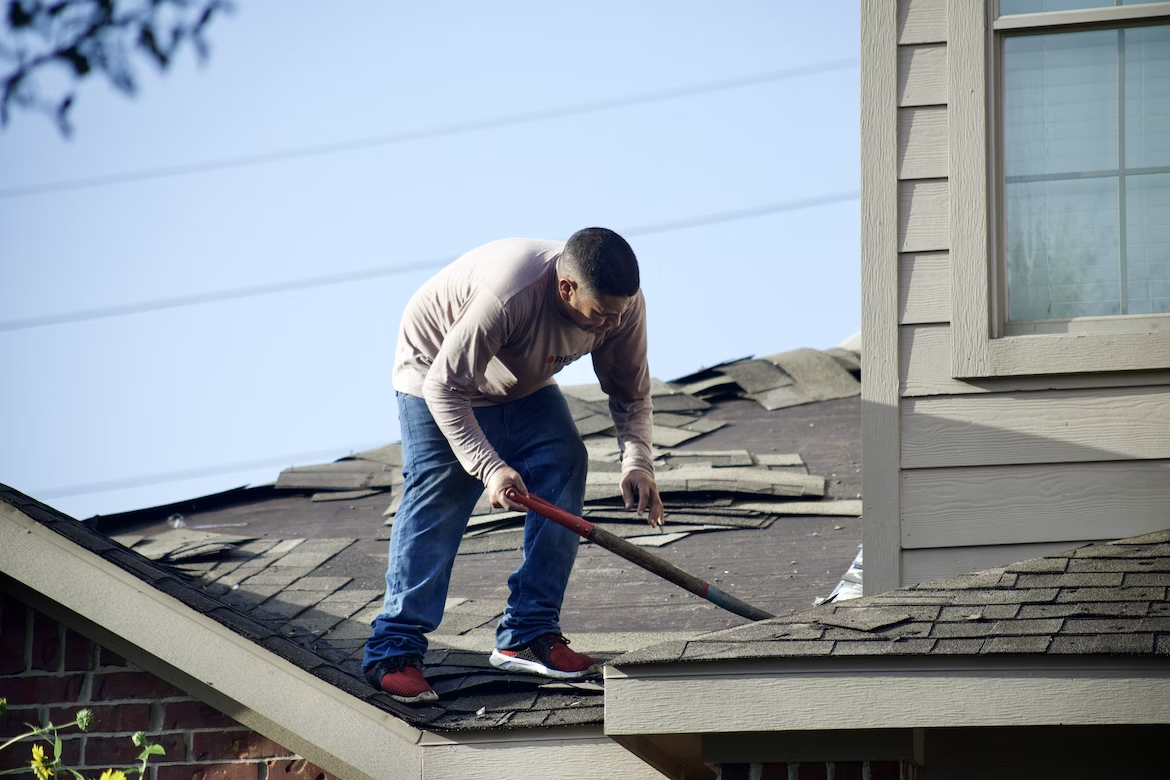
4 Warning Signs of Poor Roof Quality That Can Lower Your Home’s Value

Several warning signs can indicate poor roof quality and potentially lower the value of your home. These warning signs include missing or damaged shingles, water stains or damage on your ceiling or walls, a sagging or uneven roof, and excessive wear and tear.

If you notice any of these issues with your roof, it is important to have them addressed by a qualified roofing contractor as soon as possible to avoid further damage and ensure the long-term health of your home. Addressing these issues promptly can help maintain the value of your home and make it more appealing to potential buyers.

1. Missing or Damaged Shingles

Shingles are designed to protect your roof from the elements, so if they are missing or damaged, they can leave your roof vulnerable to leaks and other problems.

Missing shingles can be caused by high winds, severe weather, or simply by the age of your roof. Cracked or curled shingles can be a sign that they are at the end of their lifespan and need to be replaced.

2. Water Stains or Damage

Water stains on your ceiling or walls can be caused by a leaky roof. This can be a sign of damage to your roof’s flashing, which is designed to prevent water from seeping into your home.

Water damage can also be caused by an improperly installed roof, which can allow water to seep in through gaps or cracks. However, if you use the most durable materials in your roofing, you will eliminate these issues for years to come. With proper maintenance and care, you can keep your roof in tip-top shape for years to come.

3. Sagging or Uneven Roof

A sagging or uneven roof can be a sign of a serious structural problem. This can be caused by inadequate support, poor workmanship, or the use of inferior materials.

If your roof is sagging or uneven, it is important to have it inspected by a qualified professional to determine the cause and whether repairs or replacements are needed.

4. Excessive Wear and Tear

Over time, all roofs will show signs of wear and tear, such as cracking, breaking, or missing shingles.

However, if your roof is showing excessive wear and tear, it may be nearing the end of its lifespan and need to be replaced. This is especially true if you are experiencing frequent leaks or other issues.

Keep an Eye Out for These Warning Signs Today

A high-quality roof is essential for protecting your home and maintaining its value.

By keeping an eye out for warning signs of poor roof quality such as:

  • Missing or damaged shingles
  • Water stains or damage
  • A sagging or uneven roof
  • Excessive wear and tear

You can ensure that your roof remains in good condition and your home retains its value.

If you do notice any of these warning signs, it’s important to address them promptly by consulting with a qualified roofing contractor who can help you determine the best course of action to repair or replace your roof. With proper care and maintenance, you can help keep your home’s roof in good condition for years to come.

Top 10 Must-Have Small Appliances for Your Kitchen

The kitchen is often considered the heart of a home, and with the right tools, it can become a hub of culinary innovation. To make your kitchen as efficient and enjoyable as possible, consider upgrading to the latest small appliances.

In this article, we’ll explore 10 must-have small appliances that will help you create delicious meals for your entire family with ease and comfort. From air fryers to high-tech blenders, these gadgets can save you time, enhance your cooking skills, and inspire new recipes.

Revolutionize Your Kitchen

The Healthier Frying Alternative: Air Fryers

Air fryers have taken the cooking world by storm, offering a healthier alternative to deep-frying. These versatile appliances use rapid air circulation to cook food to crispy perfection, without the need for excessive oil. The COSORI Air Fryer Max XL is a top-rated choice that features a spacious 5.8-quart capacity, touch controls, and 11 preset cooking functions.

View COSORI Air Fryer Max XL on Amazon

The Multitasking Miracle: Instant Pot

The Instant Pot is a game-changer for busy households, combining the functions of a pressure cooker, slow cooker, rice cooker, and more into one convenient appliance. The Instant Pot Duo 7-in-1 Electric Pressure Cooker is a best-selling model that offers easy-to-use controls, various preset programs, and a stainless steel inner pot.

View Instant Pot Duo 7-in-1 Electric Pressure Cooker on Amazon

Precision Cooking at Home: Sous Vide Cookers

Bring restaurant-quality cooking techniques to your home kitchen with a sous vide cooker. These devices precisely heat and circulate water to cook food evenly and retain moisture. The Anova Culinary Sous Vide Precision Cooker is a popular choice with its easy-to-use interface, adjustable clamp, and app connectivity for recipe inspiration.

View Anova Culinary Sous Vide Precision Cooker on Amazon

Unleash Your Culinary Creativity: Food Processors

A food processor is an essential appliance for slicing, chopping, and blending ingredients quickly and efficiently. The Cuisinart 14-Cup Food Processor is a powerful, reliable option that comes with a range of stainless steel blades and dishwasher-safe parts for easy cleanup.

View Cuisinart 14-Cup Food Processor on Amazon

The Power of High-Speed Blending: Blenders

Upgrade your blending capabilities with a high-speed blender designed to handle even the toughest ingredients. The Vitamix 5200 Professional-Grade Blender features a powerful motor and variable speed control, perfect for making smoothies, nut butters, and hot soups.

View Vitamix 5200 Professional-Grade Blender on Amazon

Quick and Efficient Hot Water: Electric Kettles

An electric kettle offers a fast and energy-efficient way to heat water for tea, coffee, or cooking. The Fellow Stagg EKG Electric Pour-Over Kettle is not only stylish but also offers precise temperature control and a built-in stopwatch for perfect pour-over coffee.

View Fellow Stagg EKG Electric Pour-Over Kettle on Amazon

The Ultimate Toaster Oven Upgrade: Convection Toaster Ovens

Upgrade your standard toaster oven with a convection model for faster, more even cooking. The Breville Smart Oven Pro offers 10 cooking functions, an easy-to-read LCD display, and a non-stick interior for easy cleaning.

View Breville Smart Oven Pro on Amazon

The Perfect Surface for Your Favorites: Electric Griddles

An electric griddle is perfect for cooking breakfast foods, grilled sandwiches, and more. The Presto 22-inch Electric Griddle features a non-stick surface, removable handles for compact storage, and a convenient slide-out drip tray.

View Presto 22-inch Electric Griddle on Amazon

Barista-Quality Espresso in Your Kitchen: Espresso Machines

Indulge in barista-quality espresso right at home with a user-friendly espresso machine. The De’Longhi Dedica 15-Bar Pump Espresso Machine offers a sleek design, adjustable settings, and a manual milk frother for creating the perfect cappuccino or latte.

View De’Longhi Dedica 15-Bar Pump Espresso Machine on Amazon

The Convenient Countertop Essential: Microwave Ovens

A reliable and efficient microwave oven is a staple in any kitchen. The Toshiba EM131A5C-BS Microwave Oven offers a spacious 1.2 cubic feet capacity, pre-programmed sensor menu, and an energy-saving Eco mode. Its sleek black stainless steel finish will complement any kitchen décor.

View Toshiba EM131A5C-BS Microwave Oven on Amazon

Conclusion

Transform Your Cooking Experience

Investing in these 10 must-have small appliances will not only upgrade your kitchen experience but also streamline your meal preparation and cooking processes. With these modern tools, you’ll be able to create delicious dishes, save time, and improve your culinary skills. Happy cooking!

Here’s What Homeowners Should Know About The Homestead Exemption

If you own a home or are planning to do so in the future, then you are going to want to know about the Homestead Exemption.

Considering you meet the qualification requirements, a homestead exemption can save you hundreds of dollars a year on your property taxes.

What is a Homestead Exemption?

A Homestead Exemption is a tax exemption offered by some states to help offset the burden of property taxes.

According to Smart Asset, forty-six states currently offer a homestead exemption. Some states either exempt a percentage of a home’s value or a set amount from your property taxes. Georgia and Florida are currently both states that offer a homestead exemption.

Who Qualifies for a Homestead Exemption?

In general, any person who owns a home and pays taxes can qualify for the homestead exemption if the following criteria is met.

1. You have owned the home since January 1st of the taxable year.

First, a home qualifies for the exemption only if the homeowner lived in the home as of January 1st of that year. If you moved into a home on May 5, 2019, then you can’t claim homestead exemption for 2019. However, you can claim exemption for 2020. If you do move into a home after January 1st, you can still file early for the homestead exemption for the following year.

2. The home is your primary residence.

For a home to qualify for the homestead exemption, it must be your primary residence. This means you must actually live in the home and consider it your legal residence.

There are some exceptions to this rule for people who cannot occupy their home due to health reasons. It is important to check with your state or county tax assessor’s office to find out their exact rules and restrictions.

3. You file before the deadline.

Each state and county have their own deadlines for the homestead exemption. It is important to do your research and find out these dates early. Otherwise, you could miss out on the opportunity to qualify for the exemption.

The deadline for the Homestead Exemption is the same day as property tax deadlines for your county or state. If you miss the deadline, then you will lose the exemption for that year.

For Georgia residents, the deadline this year for all counties is April 1st, 2020. The deadline to file for Florida residents is March 1st, 2020. The best place to find instructions for filing for your exemption will be from your county tax assessor’s office.

How much is the homestead exemption?

As mentioned above, the homestead exemption could save you hundreds of dollars on your property taxes. However, this amount varies by county and state.

According to the Georgia Department of Revenue, “the home of each resident of Georgia that is actually occupied and used as the primary residence by the owner may be granted a $2,000 exemption”.

In Georgia and in other states, individuals such as disabled veterans, senior citizens older than 65 years of age, and surviving spouses of members of the armed forces can qualify for even higher exemptions — up to $60,000 in some scenarios.

Again, it is recommended to check with your city (if applicable), county and state to learn the different options available to you. There may be higher or more beneficial exemptions depending the route you take to file.

Of course, you can also always reach out to neighbors or other property owners in your area using AddressScoop.com. Contacting other homeowners in your area about their experience with homestead exemptions can help you get a good understanding of what is involved and how much you can save.

Where Should A Homeowner File For Homestead Exemption?

Once you’ve met the criteria above, you can file for homestead exemption with your state or county’s tax office.

Whether you choose to file for the exemption from your state or county, it is probably a good idea to check with your local tax commissioner or tax assessor’s office for all official guidelines and benefits.

Save Even More When You Buy or Sell A Home With SimpleShowing

If you’re looking to buy a home or sell in the near future, then you could save thousands more by working with a SimpleShowing Agent.

Sellers can save $7,500 on average by listing with our 1% Listing Fee. You can also get up to a $15,000 refund when you buy any home with a SimpleShowing Agent.

Contact our team to learn more about our full service options.

Conclusion

The Homestead Exemption offers a significant advantage to homeowners by decreasing the assessed value of their homestead property. This reduction results in lowered county taxes and school district taxes, providing tangible financial relief to property owners. Understanding the correlation between the fair market value of your property and the assessed value post-homestead exemption can be a game-changer. It’s therefore beneficial to converse with a property appraiser to better understand this relationship and ensure you are maximizing the exemption benefits.

Completing the Homestead Exemption Application is a process worth your time and effort. An additional exemption is available for certain categories of homeowners, such as surviving spouses or those with specific disabilities, which makes the procedure even more advantageous. The savings from these exemptions can be channeled into other important areas of your life or simply improve your overall financial stability.

School district taxes often form a considerable part of the property taxes. With the homestead exemption, homeowners can expect to see a reduction in these school taxes, thereby lowering the overall tax burden. It is important for every property owner to remember that they have a right to the homestead exemption as long as they meet the eligibility criteria. Utilizing the homestead exemption can make homeownership a more affordable venture, enhancing the joy and financial benefits that come with owning a home.

How to Buy a House: 6 Essential Steps

Most people assume they know exactly how to buy a house.

It’s only when the time comes to actually get started that they realize buying a house can be a surprisingly daunting task.

Some people even put it off rather than put up with all of the twists and turns that can occur when hunting for the perfect home.

Fortunately, countless people have successfully bought houses without suffering through a convoluted process. In fact, buying a house should be pretty enjoyable.

Learn from those who have gone before you and you’ll look back on your house-hunting experience fondly.

The 6 Simple Steps to Buying a House

If you’re not sure how to buy a house or simply need a refresher, then just follow these six easy steps and you’ll have nothing to worry about.

1. Make a List of What You Want in a Home and What You Need

The majority of people don’t need any help deciding what they want in a home.

However, unless you plan on building your house, you’re probably not going to find everything you want in a single home. You’ll need to be a little flexible about your requirements.

That’s why the first step is to create a list of what you want in a house vs. what you need.

Features you need are those that would be a dealbreaker if a house didn’t have them. For example, if you have three kids, you might need four bedrooms, so you all have your own space.

On the other hand, things you want would be nice, but you know you could live without them.

Often, you could add some of your “wants” later, too.

For example, you could always have a pool installed or finish the basement yourself. It might not be ideal, but if you love everything else about a house, it’s probably a reasonable compromise.

2. Determine Your Budget and Start Saving

Once you know what you want in a house, the next step is to begin saving for it.

You can use a budgeting calculator to make this much easier on yourself.

Just know that, aside from your credit score, your down payment will have the biggest effect on what you’re able to afford. You could have the exact same financials as another person, but if they can put down $20,000 on a house and you can only put down $5,000, they’re going to have far more options.

So, play with the down payment a bit until you can afford the kind of house that incorporates all of your needs and as many of your wants as possible.

Then, add in the other upfront costs you have to cover when buying a house.

That will give you a good target to aim for as you start to save.

3. Get Preapproved for a Mortgage

We’ll get to the actual fun part – going out and looking at houses – in just a moment.

However, before we do, there are two more crucial steps you have to take when buying a house.

One is getting preapproved for a mortgage.

This is when a lender will look over your financials and tell you just how much of a mortgage they’ll offer you.

Until preapproval, you’re just making an educated guess based on that last step. You could be house hunting for months only to later discover that all of your favorites were actually way outside of your price range.

Therefore, after you have saved up for that down payment, go check with some lenders about what they’re willing to offer. If you’re not happy with the answers, you can always wait and reapply.

4. Start Searching For Homes Online & Attend Open Houses

Now that you have a better idea of your financial situation, you should start looking to see what homes are available in your price range.

Homes are updated every 5 minutes on SimpleShowing.com, so you can start your search there. You can also utilize other real estate websites like Zillow, Trulia and Realtor.com to see what is available. Keep in mind that most of these websites will likely have similar information as they all pull homes from the MLS.

Once you’ve found homes you think you like, you can start attending open houses on your own or book free tours through SimpleShowing.com. Both of these options are great, pressure-free ways to see some homes in person to help you get a sense of what’s on the market that you actually like. It’s also becoming more and more common for home sellers to host virtual open houses. Especially during the initial onset of COVID, giving homebuyers the ability to tour homes without physically being inside the home, is becoming an attractive option.

Just remember that you won’t be preapproved for your mortgage indefinitely. Most mortgage preapprovals last between 45 and 60 days, so start right away and try to fit as many showings into this timeframe as possible.

5. Find a Qualified Real Estate Agent

Once you get a sense of what is on the market, it is recommended to enlist the services of a qualified real estate agent.

A real estate agent is helpful at this point because they can give you a better idea of the market in which you are wanting to purchase and help you take the next step — making an offer.

At SimpleShowing, a dedicated agent will typically attend all tours with you, so you can utilize their expertise if you decide to put in an offer on a home you are touring.

The best part about working with a SimpleShowing Agent is that they actually share their commission with you because you’ve already done the work to find the home you want to put an offer on. In fact, SimpleShowing buyers typically get a credit at closing for $5,000 that goes towards closing costs.

At SimpleShowing, we make the process easy to find the best agent for you. SimpleShowing Agents handle 2-3X more transactions than your typical agent, so they have a better pulse on the market and are able to help you win your dream home faster.

6. Make an Offer

Finally, when you’ve found a home that meets your needs, has enough of your wants, and fits in your budget, it’s time to make an offer.

Out of all of the steps so far, this is the most beneficial time to have the help of an experienced real estate agent. Not only will they help you draft an official offer letter, but they’ll also give you valuable advice on what your offer should entail.

An experienced agent should be able to help you decide on a price you’re comfortable offering, any closing cost credits you’re looking to receive upfront, and any other requests you have for the seller — all while keeping your offer competitive.

They will also be able to speak with the seller’s agent to understand the current offer situation and how you may need to adjust your offer depending on the wants of the sellers and demand of other buyers.

Are You Ready to Buy a House?

As you can see, learning how to buy a house is relatively painless.

By far, the most important step is securing the support of an experienced real estate agent. They can help you clarify your wants vs. your needs, assist with your budget, and, of course, find the kinds of houses you’d love to call home.

At SimpleShowing, we’d love to introduce you to these types of agents and offer you a Buyer Refund of $5,000 on average when you close.

Contact us today to learn all about how we’re helping buyers just like you save money and find their perfect homes.

Conclusion

Navigating the home buying process can indeed seem like an overwhelming task, but remember, knowledge is power. Understanding your debt-to-income ratio, your credit report, and how much house you can afford will make the journey a whole lot easier. With guidance from experienced real estate agents and the aid of down payment assistance programs, buying a house can become less of a stress and more of an exciting adventure. Look into conventional loans and FHA loans, assess the monthly payments, and factor in private mortgage insurance if your down payment is less than 20% to determine what will work best for your financial scenario.

The importance of a home inspection cannot be understated. It protects you by identifying any potential issues with the property before the purchase is finalized. Take into account the full picture of homeownership costs, including monthly mortgage payments, property taxes, and maintenance, to ensure you’re prepared for the long-term commitment. Remember, the purchase price is just the beginning; your monthly payment will also include insurance and taxes, so plan accordingly.

In conclusion, buying a house involves more than picking out your dream home. It’s a complex process that requires careful consideration and sound financial planning. By understanding your debt-to-income ratio, utilizing the expertise of real estate agents, exploring options like conventional loans and FHA loans, being aware of the implications of private mortgage insurance, and considering the totality of the monthly payment, you’ll be well-equipped to navigate the home buying process. Remember, the key is to understand how each step impacts your finances and future, and to make decisions that suit your long-term goals and financial health.

Best Under Sink Water Filters for 2023

In recent years, the need for clean and safe drinking water has become increasingly important, especially given the rising levels of pollution and contamination in our water sources. Under sink water filters are a convenient and effective solution for ensuring the water you drink and use for cooking is pure and free of contaminants.

In this article, we will discuss the top five best under sink water filters that not only deliver exceptional performance but also provide great value for money. We have carefully researched and selected these products to help you make an informed decision and improve the quality of your water supply.

What are Under Sink Water Filters?

Under sink filters, or under counter water filtration systems, provide clean and safe drinking water by removing contaminants like chlorine, lead, and bacteria.

Installed beneath the kitchen sink, these space-saving systems use advanced technologies such as activated carbon filters or reverse osmosis (RO) membranes.

They are popular due to their convenience, cost-effectiveness, and eco-friendliness, requiring easy installation and periodic filter replacements for optimal performance.

Under Sink Water Filter

1. iSpring RCC7AK

The iSpring RCC7AK is another highly recommended under sink water filter that offers an impressive 6-stage filtration process, including an alkaline remineralization stage. This additional stage restores beneficial minerals and balances the pH of the water, providing healthier and better-tasting water.

The RCC7AK effectively removes up to 99% of contaminants, such as lead, chlorine, and fluoride. It also features a high-quality RO membrane, ensuring a reliable and consistent filtration performance.

The iSpring RCC7AK is easy to install, and it comes with a European-designed brushed nickel faucet that adds a touch of elegance to your kitchen. With a 1-year money-back guarantee and a 3-year manufacturer warranty, the iSpring RCC7AK is a dependable choice for those looking for an under sink water filter with added benefits.

Buy on Amazon

2. Aquasana AQ-5300+

The Aquasana AQ-5300+ is a high-performance 3-stage under sink water filter that removes up to 97% of contaminants, including chlorine, lead, and asbestos. The system’s Claryum technology ensures selective filtration, retaining the beneficial minerals such as calcium, potassium, and magnesium.

The AQ-5300+ has a fast flow rate of 0.72 gallons per minute, providing quick access to clean and safe water. The system also features a smart LED indicator that alerts you when it’s time to replace the filters, ensuring optimal performance.

The Aquasana AQ-5300+ is easy to install and comes with a stylish metal faucet in three different finishes to match your kitchen decor. With a 90-day satisfaction guarantee and a 2-year warranty, the Aquasana AQ-5300+ is a reliable choice for an efficient under sink water filter.

Buy on Amazon

3. APEC Water Systems ROES-50

The APEC Water Systems ROES-50 is a top-rated under sink water filter, highly praised for its excellent filtration capabilities and durability. With a 5-stage filtration process, the ROES-50 effectively removes up to 99% of contaminants, including chlorine, lead, heavy metals, and bacteria.

This under sink water filter is designed to be easy to install, and it comes with a lead-free designer faucet, making it an attractive addition to your kitchen. The ROES-50 is built in the USA, ensuring high-quality construction and reliable customer support.

The filter elements are long-lasting, with an average lifespan of 12 months for the sediment and carbon filters and 24 months for the reverse osmosis membrane. The APEC Water Systems ROES-50 is an excellent investment for anyone looking for a reliable and efficient under sink water filter system.

Buy on Amazon

4. Home Master TMAFC-ERP Artesian Full Contact

The Home Master TMAFC-ERP Artesian Full Contact is a premium under sink water filter that boasts a 7-stage filtration process. Like the iSpring RCC7AK, it features an alkaline remineralization stage, which ensures a balanced pH and improved taste.

The TMAFC-ERP stands out for its innovative design, which prevents the common issue of slow water flow and low pressure often experienced with RO systems. The built-in non-electric permeate pump reduces water waste by up to 80% and increases water production by up to 50%.

The modular filter design ensures easy maintenance and reduces the chances of leaks or spills. The Home Master TMAFC-ERP comes with a 5-year limited warranty, providing peace of mind for your investment.

Buy on Amazon

5. Waterdrop G2 P600

The Waterdrop G2 P600 is an innovative under sink water filter that offers a tankless design, making it an excellent choice for those with limited space under their sink. The G2 P600 features a 2-stage filtration process with a composite filter that efficiently removes contaminants such as chlorine, lead, and sediment.

The Waterdrop G2 P600 boasts a fast flow rate of 600 gallons per day, ensuring you always have access to clean water. The system also features a smart LED display that shows real-time water quality and filter life, making it easy to monitor the system’s performance.

The G2 P600 is easy to install and comes with a sleek, modern faucet that adds a touch of sophistication to your kitchen. The Waterdrop G2 P600 is backed by a 1-year warranty, offering a dependable and space-saving under sink water filter solution.

Buy on Amazon

Conclusion

Replacement Filters

Investing in an under sink water filter is a smart decision to ensure that you and your family have access to clean, safe, and great-tasting water. The top five best under sink water filters mentioned in this article are carefully selected based on their performance, efficiency, and value for money.

Reverse Osmosis

Whether you’re looking for a simple and compact solution like the Waterdrop G2 P600 or a more advanced system with remineralization features like the iSpring RCC7AK and Home Master TMAFC-ERP, there’s an option to suit your needs and preferences. Make the move towards better water quality and invest in an under sink water filter today.

What is PMI or Private Mortgage Insurance?

When moving through the final steps of the mortgage approval process, most homebuyers will probably encounter the term: private mortgage insurance or PMI.

What is PMI, how much does it cost and how can you avoid it?

Make sure you know the answers to these and other questions like – will I be required to get PMI, and what overall fees are involved – before you make your final decision.

How Does PMI Work?

PMI is a monthly insurance payment you’ll have to make if you put less than 20% down on your house. It is a requirement by the lender for homeowners falling into this category.

PMI gives mortgage companies a backup if a house falls into foreclosure. If the homeowner can’t make their monthly mortgage payments, a bank can recover about 80% of a home’s value at a foreclosure auction if the bank has to seize the house.

For their protection, banks require you to pay this insurance policy – PMI. This enables them to make up the other 20%.

Remember PMI helps the bank– not your ability to pay your own mortgage. They are the ones taking on the risk of 80%.

Once you have to pay PMI, you must pay those insurance premiums to the bank whether you go into foreclosure or not. So even if you never default on your mortgage, you have to keep paying those premiums every month until you’ve met the 20% threshold.

How Can You Avoid PMI?

If it is required of you and you are already stuck paying PMI, your first course of action should be to try to eliminate those extra (often hundreds) of dollars per month added to your mortgage payment. Finding a way to lower or get rid of PMI makes sense.

3 Ways to Avoid PMI

  1. Start with paying an extra mortgage payment every month. While this is easier said than done, overpaying your mortgage payment every month and reaching the point that you owe 80% or less is a great idea. PMI can cost anywhere from 1% to 2.25% of the total mortgage. That could cost you more than $5,000 over a period of two years depending on the amount borrowed.
  2. Get a new appraisal. If your home’s value is worth more now than it was a year ago, equity has built up for you. Situations where this may occur include when more people moving to your area so your property is more valuable (due to supply and demand), or it could just be the (often finicky) nature of the housing market. At any rate, you should ask for a new home appraisal from your lender if you think your home value has gone up enough to raise your equity by more than 20%. If it’s found that you owe less than 80% of the new appraisal, you should request that your lender end PMI. You will have to pay for the new appraisal and follow up in asking your lender to do this, but this step can equal big savings for you.
  3. Avoiding PMI altogether. As mentioned above, the way to avoid PMI is to put down 20% or more of your future home’s cost.This could mean you have to do some serious saving to reach that magic number, but the amount of money you can save by avoiding PMI is tremendous! If this is just not an option, another thing to consider is that PMI varies depending on the type of mortgage you get. If you are considering an FHA loan or a non-traditional mortgage, be careful. These loans offer almost nothing down and low monthly payments. But that comes with a price. For example, FHA loans were designed for first-time homebuyers in order to make it easier for someone to own their first home. However, you’re required to keep PMI for the full term of the loan. PMI adds on an extra $100 per month to your mortgage for every $100,000 borrowed. If you’ve borrowed $200,000, you will pay an extra $200 per month!

How Much Does PMI Cost?

For traditional mortgages you get from a bank or a mortgage company, PMI premiums are calculated using the total of your loan and range from 0.55% to 2.25% of the loan – sometimes more.

For example, if you are paying $250,000 for your home, and you have 10% to put down, your down payment is $25,000. That brings your total loan amount to $225,000.

If your PMI rate is 1%, your monthly PMI payment is $187.50. That is $2,250 per year!

You can pay this annual premium upfront with your closing costs or split it into monthly payments over the first few years of your mortgage payments. If you are paying PMI monthly, you will also be paying interest on that PMI premium. That’s not good!

PMI is arranged through mortgage companies own providers. Your lender will tell you upfront how many PMI payments you have to make and for how long.

You’ll be able to stop paying PMI (unless you can take advantage of the suggestions above) on the date that your lender has calculated that your principal balance on your mortgage reaches 78%of the original appraised value of your home.

It’s important to remember: a shorter term, fixed-rate mortgage will save you thousands in interest. But there are other factors to consider. It’s not just about your interest rate. Certain types of loans can save you a lot of money. Fees add up and PMI is definitely one of them.

No matter what a potential homeowner’s goal is, their particular budget and needs are what matters. The true costs of all facets of a mortgage loan have to be considered. Understanding PMI is a huge step to finding your best loan option.

Talk With A Mortgage Specialist To Discuss Your Options

As you can tell if you’re just starting the home search process for the first time, there’s a lot to learn about taking out a mortgage and the costs involved.

If you’re unsure of where to start, we can connect you with a SimpleShowing Real Estate Agent who can point you in the right direction. We’ll connect you with one of our preferred lenders who can answer all of your questions regarding a mortgage and PMI.

Plus, when you buy a home with a SimpleShowing Agent, we’ll give you $5,000 on average towards your closing costs.

Contact us to learn more!

Conclusion

Understanding the role of PMI or Private Mortgage Insurance is pivotal to making smart home financing decisions. When you opt for a conventional loan with less than a 20% down payment, your mortgage lender will likely require you to have borrower paid mortgage insurance. On the other hand, an FHA loan obliges you to have FHA mortgage insurance. It’s essential to distinguish these from other types of insurance like homeowners insurance and mortgage protection insurance, which provide different types of coverage.

Meanwhile, lender paid mortgage insurance is another PMI variation that can affect your monthly mortgage payment. In this case, the lender pays the mortgage insurance premiums but usually passes the cost to you, the borrower, in the form of a higher interest rate. It is also significant to note that the cost of your monthly mortgage insurance premium depends on factors such as your loan balance and loan-to-value ratio. You might want to closely consider these aspects as you chart your path towards homeownership.

Ultimately, having PMI provides an opportunity for prospective homeowners who cannot afford a hefty down payment to still be able to purchase their dream home. By better understanding your options, including conventional loans, FHA mortgage insurance, borrower or lender paid mortgage insurance, and the influence of your loan balance and loan-to-value ratio on your monthly mortgage insurance premium, you can make a well-informed decision. Always remember, the key to a successful home purchase lies not just in securing the best rates, but also in understanding and efficiently navigating the complexities of the mortgage process.

4 Tips to Maintain The Value of Your Real Estate Investment in a New Area

If you’re ready to diversify your real estate portfolio to include investments into new yet unfamiliar territories, then there are a few factors you should take into consideration.

Venturing into a new market can create a lot of exciting opportunities, but to maintain the value of your real estate investment, you should think about all of the different aspects that could affect the property – especially when it comes to a completely new climate.

For example, if you’re a successful real estate investor in sunny Florida, then you’re probably unprepared to deal with the massive snowstorms that places like New York have to deal with each year.

Purchasing a property in an unfamiliar climate can present challenges for even the most seasoned investor. Therefore, to help make your new venture a profitable decision decision, check out our 4 tips to help maintain the value of your next real estate investment in a new area.

How to Maintain the Value of Your Real Estate Investment in a New Climate

When buying a new investment property in an unfamiliar area, it is important to realize that the climate can bring on a whole new set of potential risks that you may not have expected or are prepared to handle. In order to help you be best prepared, we’ve put together a list of precautions you can take to make sure you know what to expect to maintain the value of your investment throughout any climate changes.

Believe it or not, a quick Google search can reveal a lot about your area of interest, including information about weather-related repairs commonly undertaken by homeowners.

You can learn which issues homeowners experience most frequently and study past weather reports to understand how severe the weather can get in that area. A little research can go a long to way to help you avoid costly repairs in the future.

2. Research Different Methods to Keep Pipes From Freezing

In cold-weather regions, frozen pipes are a common problem in the winter months when the temperatures can drop below freezing. But, you should also be aware that frozen pipes can happen in other parts of the country as well including some warmer regions. All it takes is one unusually cold night for pipes to freeze and create a major plumbing issue.

Regardless of where you choose to invest, you should prepare to deal with frozen pipes. To maintain the value of your real estate investment, you should take preventative measures such as allowing your faucets to drip at night so your water keeps flowing and the pipes don’t burst.

If your new property is in an area that gets particularly harsh winter weather, you should also get acquainted with heating tape. This winter weather solution is actually an electrical cable that you wrap around your pipes to keep them heated. You should know the difference between non-regulating tape and regulating tape. Otherwise, you could risk creating a fire hazard. Heat tape fires can occur when the non-regulating tape is left unattended for an extended period and during warmer weather. When not in use, it’s best to unplug non-regulated tape or opt for regulating tape instead.

3. Schedule an Annual Inspection of Wood Stoves, Fireplaces and Furnaces

Another preventative measure to take in colder climates is to schedule an annual inspection of your wood stoves and fireplaces. Fixes for these can be costly, so it’s important to take the necessary preventative measures to avoid unexpected issues and expensive repairs.

If not properly maintained, a furnace has the potential to leak carbon monoxide. The tiniest crack can cause the deadly gas to fill up inside of your home.

As you can probably guess, wood stoves are used more often in colder climates than in areas where it’s warmer. Therefore, you should plan to hire a chimney sweep each year if you use a wood stove as your main source of heat. When too much creosote accumulates inside of your chimney system, this can have fatal consequences.

4. Look For Sun Damage & Take Preventative Measures

Even if you purchase a property in a warmer climate, there are still factors you should take into consideration before deciding to invest. One of the biggest issues you should be on the lookout for is sun damage.

Keeping up the exterior of your home plays a major role in helping to maintain the value of your real estate investment. Everything from your home’s paint job to its landscaping will factor into the overall value of your property.

Over time, UV rays from the sun can cause the paint job on your siding to look worn. As the chemical bonds break down, the paint starts to crack, fade, blister, and peel away causing unattractive curb appeal. The truth is, there is no way to completely prevent this from occurring. However, the right paint job will at least help to lessen the effects of sun damage.

When choosing your paint for your home’s exterior, be sure to choose an option that includes UV inhibitors.

Connect With A Local Real Estate Agent To Learn Common Issues To Look Out For

Before you drop your hard-earned money on a new property, be sure you know what the new climate requires. This will allow you to prepare and maintain the value of your real estate investment over time. At all costs, you want to avoid any mistakes that will cause your investment to decrease in value.

If you’re unfamiliar with the area, it can be a good idea to reach out to a local real estate agent who is knowledgeable about the potential issues.

At SimpleShowing, we can connect you with an agent familiar with any of our local markets including Atlanta, Dallas, Tampa, Orlando and South Florida.

Your agent will not only be able to fill you in on potential risks, but they can also help pay your closing costs with our buyer refund. Contact us to get connected with an agent today.

Conclusion

In the dynamic realm of real estate investing, successful real estate investors understand that the key to generating consistent rental income and positive cash flow lies in effective management of real estate investments. Being attentive to market trends and fluctuations in the real estate market, staying on top of property taxes, and ensuring your rental properties remain attractive and well-maintained, all contribute to maintaining the value of your investment. Engaging the services of a professional property manager can ensure your rental property continues to appreciate, thereby safeguarding your investments in the ever-changing market.

Another cornerstone in the edifice of real estate investing is a clear understanding of the financial nuances. This spans from analyzing net operating income to managing mortgage payments, from realizing tax benefits to handling issues related to personal finance. Unlike the stock market, where value is often perceived and volatile, real estate investments can provide a stable source of passive income, particularly through rental properties, if handled astutely. Commercial real estate also presents a significant opportunity for investors willing to navigate the complexities of larger-scale property management.

Lastly, successful real estate investors recognize that maintaining the property value of their investment properties is an active, not passive, endeavor. Hiring competent property managers, paying attention to changes in property taxes, and keeping up with the latest trends in the real estate market all go hand in hand to ensure a robust ROI from their real estate investments. By effectively managing rental income and expenses, real estate investors are more likely to experience consistent cash flow and solid financial growth. As such, real estate investing continues to be an attractive avenue for those seeking to diversify their investment portfolio and secure a strong financial future.

8 Tips to Stage Your Home to Sell

Staging a home is like preparing for a first date. You’ve passed the online test and they’ve committed to meeting in person. In order to make the best impression and leave buyers wanting more, follow this list of tips to improve the appearance of your home on tour day.

Tip 1: Less is more for decor.

By taking a minimalistic approach to staging your home, you help the buyer envision what the space will look like once it’s been adapted to their styles and tastes. In other words, declutter all the countertops, make all the beds, and put every item in its place. Prospective buyers should feel like they’re walking into the pages of a magazine.

Tip 2: Remove personal photographs.

Photographs add character to your home when you’re living there. However, they can tend to make a place seem foreign to a prospective buyer. If you remove these photos, buyers are able to more easily envision your home as their home instead of what life was like with your family in it. Therefore, make sure to tuck away your personal photos so the buyers aren’t distracted.

Tip 3: Put storage items up early.

If you’re planning to put items in storage when you move, consider doing this early. Clearing your home of unneeded toys, furniture and other objects will help your home appear more open and spacious. In addition, this extra storage space can make your room seem larger and show prospective buyers how much storage space you actually have.

Tip 4: Landscape your yard.

Your lawn is one of the first things buyers notice when approaching your home. To ensure they make it inside, your yard needs to be maintained. There’s no need to go overboard, but decent landscaping can add curb appeal to intrigue those entering your home and others passing by who may want to then schedule a tour. At the very minimum, making sure your lawn is mowed can do wonders.

Tip 5: Keep decor neutral.

Neutral tones allow the buyer to picture the home how they would like it. Crazy decorations in a room could change the look and potentially turn away a prospective buyer. In addition to neutral colors, it may also be good to remove any religious or political items that could be offensive.

Tip 6: Flaunt your natural light.

Natural light is very flattering and refreshing. It helps rooms to seem more comfortable and less stuffy. You probably don’t like to sit in dark rooms, so your buyers won’t either. When staging your home for a tour, pull back your blinds to let in the light. In addition to the natural light, turn on any lamps or lights to really brighten your place up so you can show it off.  

Tip 7: Stage rooms for a single purpose.

It can be very confusing when a buyer walks into a room that is set up for many different uses. To avoid confusion especially in extra rooms, clear out any clutter and unnecessary furniture. If you’re staging a room as an office, then include a desk. If the prospective buyers have children, then furnishing a bonus room instead with kids items could help them envision it as their future playroom. Whichever you choose, stick to one use to give your room a purpose and avoid unnecessary mess.

Tip 8: Clean!

Nothing is more of a turnoff than a dirty home. If buyers are focusing on lingering pet odor or dust, then they aren’t going to want to make an offer. To keep your home looking as clean as possible, make sure to mop, dust, vacuum and wash your windows and baseboards. When vacuuming, it’s best to use a powerful corded model with a high-quality filter, to prevent odorous particles from escaping into the air. This will make all the difference when prospective buyers come into your home, and it doesn’t cost very much besides your time.

According to the National Association of Realtors, for every $100 invested in staging, the potential return is $400. If you follow these tips, then your home is surely going to have a better chance at selling.

Have more questions about how to prepare your home for prospective buyers? Chat with our agents now!

Looking for tips to save even more money on listing your home? Learn more.

Conclusion

Making the extra effort to stage your home can significantly increase your home’s selling price. From meticulously setting your dining room table to spark potential buyers’ imaginations, to hiring a real estate agent who understands the importance of a well-staged home, each step matters. Don’t be afraid to engage a professional stager, despite the home staging costs. It’s an investment that often pays for itself by enhancing the appeal of your home and making it stand out in the crowded real estate market. Remember, real estate agents emphasize that the primary goal of home staging is to make the home inviting and relatable to potential buyers.

With this in mind, depersonalization, such as removing personal items and family photos, allows buyers to envision the space as their own. Your master bedroom, guest bedroom, or outdoor living space should not feel overly personal but should feel warm and welcoming. Home staging tips also suggest renting furniture for a more coordinated and appealing look. According to the Real Estate Staging Association, professionally staged homes sell much faster than non-staged homes. Therefore, even if renting furniture seems like an extra expense, consider it a strategic move to speed up the sale.

Practical touches like throw pillows and a fresh coat of paint can instantly freshen up your home’s aesthetic. However, don’t forget the importance of properly arranging furniture to highlight each room’s functionality and space. Professional home stagers have the experience and vision to transform a space while keeping buyer trends in mind. Finally, keep in mind that a well-staged home doesn’t stop at the interior. Give potential buyers an enticing glimpse into the possibilities of the outdoor living space as well. Ultimately, staging your home is about creating a narrative that engages and appeals to buyers, making your home irresistible in their eyes.