Why a Roof Recoat and a Roof Spray-Over Are Not the Same Job

From the ground, a freshly sprayed roof and a properly recoated roof can look exactly the same for the first few months. The real test comes twelve months later, when one has started chalking and fading again and the other still looks like the day it was finished. 

The difference rarely comes down to the paint itself. It comes down to what happened, or did not happen, before any colour went on: whether the roof was actually cleaned, whether damaged tiles and ridge pointing were repaired, and whether the surface was primed properly rather than just coated over. After years of recoating roofs across Perth, that exact difference is what ABC Paint & Deco’s roof painting team has built its process around.

What “Recoat” Actually Means

A genuine recoat starts with a full high-pressure clean to strip dirt, chalk and any loose, failing coating back to a sound surface. Moss and lichen get treated at the root with a biocide wash, not just blasted off the surface, because leaving the growth alive means it works its way back through the new coating within a season or two. Only once the roof is clean and dry does any repair or priming begin. A spray-over skips or rushes most of this. It is often a thin coat applied straight over existing dirt, chalk and moss, which can look fine from the driveway for a few months before the new paint starts lifting away from whatever it was never properly bonded to in the first place. The finish looks similar on day one. The failure timeline is completely different.

The Hidden Leak Point Most Recoats Ignore

Ridge capping, the mortar bedding that holds the caps along the peak of a tile roof in place, is one of the most common failure points on Perth roofs, and it is almost invisible from the ground. Old sand-and-cement pointing shrinks and cracks with age and heat cycling, and once it cracks, water tracks underneath the ridge caps during the next heavy rain rather than running off the tiles the way it should. A spray-over paints straight over cracked pointing because it is faster and the crack is not visible once it is dry. A proper recoat rakes out the failed mortar and re-beds and re-points the ridge line with a flexible pointing compound before any coating goes on, so the paint is restoring the roof’s appearance rather than sealing a leak in for another winter.

Colorbond and Tile Fail Differently

Colorbond and tile roofs age in almost opposite ways, which is why they need different prep. Colorbond fades and chalks under UV, losing the factory coating and leaving a powdery surface that has to be degloosed and any rust spot-primed before a flexible metal roof system will bond properly. Tile does the opposite. Terracotta and concrete tiles are porous, so they absorb water rather than shedding it, which is what feeds moss growth and adds weight to the roof over time. The fix there is a penetrating primer that seals the tile, followed by membrane coats that shed water instead of soaking it in. Painting a chalky Colorbond roof and a porous tile roof with the same generic product and the same prep is exactly how a recoat fails early on one or both.

Perth’s Sun and Salt Air Age a Roof Faster Than Expected

Perth roofs work harder than most owners realise, between long stretches of high UV, salt-laden air in the coastal suburbs, and roof cavity temperatures that climb well beyond what most coatings are rated to handle comfortably. That heat load does more than fade colour, it pushes straight through an older, darker roof and adds to the cooling bill for the rooms underneath. A heat-reflective coating bounces back a portion of that solar radiation, which keeps the roof surface cooler and can ease the load on air conditioning through the hotter months, on top of the usual benefits of a fresh recoat. It is worth asking about at the quote stage rather than assuming every roof coating performs the same way once summer actually arrives.

Commercial and Strata Roofs Add Another Layer

Larger roofs bring problems residential recoats do not have to deal with as often: coordinating access and staging across a trading business or an occupied strata complex, and doing it under proper height-safety supervision rather than an ad hoc ladder job. A warehouse or retail roof recoat has to be planned around the site’s trading hours, often alongside broader commercial painting work happening on the same building, and a strata complex recoat has to work around residents and shared access points without the whole project stalling. This is less about the paint and more about project management, which is why commercial and strata roof work is usually supervised by an experienced leading hand who plans the sequencing before anyone gets on the roof, rather than treating a large roof as a bigger version of a house.

What to Ask Before Booking a Recoat

Before booking, ask exactly which of these steps are included in the price. Ask whether the quote includes a full high-pressure clean and moss treatment, or just the coating itself. Ask whether cracked tiles and ridge pointing are inspected and repaired as standard, or only if you happen to notice and ask separately. And ask who is actually getting on the roof, since height-safety and access are not something to leave to whichever subcontractor is free that week. ABC Paint & Deco’s roof painting team handles its own height-safety and access, treats ridge-cap repair as standard rather than optional, and backs every recoat with a product and workmanship guarantee set out for the specific roof and its exposure, coastal or inland. A roof only gets recoated every several years. It is worth getting the prep right the first time rather than paying for two jobs to get one good result.

The Short Version

None of this requires special knowledge to check, just a willingness to ask before signing. A recoat that skips cleaning, moss treatment or ridge repair is a spray-over, wearing a better name. One that includes all of it, done by the same crew that quoted it, is what actually holds up through a Perth summer and the wet season that follows it.

What Home Buyers Should Know About Pest Inspections Before Closing

Buying a home involves a long list of inspections, but the pest inspection is one that catches a lot of buyers off guard, either because they did not know it was needed or because they assumed a general home inspection already covered it. It usually does not. According to EcoForce Pest Management, pest and termite inspections are a separate, specialized service from a standard home inspection, and skipping one can mean inheriting a problem that was invisible on the walkthrough but very expensive once discovered after closing.

Understanding what this inspection actually covers, and when it is required versus simply advisable, helps buyers avoid an unpleasant surprise a few months into owning a new home.

What a Pest Inspection Actually Checks

A wood destroying insect inspection, often called a WDI report or termite letter, focuses specifically on evidence of termites, carpenter ants, wood boring beetles, and similar pests that damage structural wood. The inspector documents any live activity, past infestation, visible damage, and prior treatment history, along with conditions on the property that make future infestation more likely, such as wood touching soil or excessive moisture near the foundation.

This is a narrower, more specialized inspection than a general home inspection, which typically only notes visible pest evidence in passing rather than conducting a dedicated structural pest evaluation. The two reports serve different purposes and are usually performed by different professionals.

QuestionAnswer
Is a pest inspection the same as a home inspection?No, it is a separate, specialized report
Who typically pays for it?Varies by contract, often negotiated between buyer and seller
Is it always required?Often required by VA loans, frequently by other lenders too
How long is the report valid?Typically 30 to 90 days, varies by lender
What happens if activity is found?Treatment and repair terms are usually negotiated before closing

When It Is Required Versus When It Is Optional

There is no federal law mandating a pest inspection for every home sale, but many lenders require one as a condition of financing, particularly for VA loans, where a termite inspection is close to a universal requirement. Other lenders, including some FHA and conventional loans, may require one depending on the property’s location and age, especially in regions with higher termite pressure. According to Arizona’s Department of Agriculture, whether a WDI report is required for a sale is generally set by the lending institution rather than by state law, though state law does dictate the minimum standards the report itself must meet. Even when a lender does not require it, a buyer can request one as part of due diligence, and many real estate agents recommend it as a standard part of the closing process regardless of loan type.

What Happens if the Report Finds a Problem

Finding evidence of past or active pest activity does not necessarily kill a deal. Most contracts have a process for this exact situation, where the seller either treats the issue and repairs any damage before closing, credits the buyer for the estimated cost, or the two parties negotiate some combination of the two. Buyers who skip this inspection to move faster or save a small fee are taking on the risk of discovering the same problem later, without the negotiating leverage that comes from finding it before the sale closes.

A Step Worth the Time It Takes

For buyers moving through a competitive market, it can be tempting to waive optional inspections to make an offer more attractive. A pest inspection is a relatively quick and inexpensive step compared to the alternative, discovering structural termite damage after moving in with no recourse against the previous owner. Working through the rest of a purchase, from financing questions covered in posts like what does as-is mean in real estate to the closing timeline itself, is easier when this piece is handled early rather than added in at the last minute under time pressure.

Buyers who treat the pest inspection as a routine, non-negotiable part of the process, rather than an optional extra, tend to go into closing with a much clearer picture of what they are actually buying.

It is also worth asking early in the process who is expected to schedule and pay for the inspection, since this varies by contract and by region. In some markets it is customary for the seller to provide a current report as part of listing the home, while in others the buyer arranges and pays for it as part of their own due diligence. Clarifying this upfront avoids a last minute scramble in the final days before closing, when scheduling an inspector on short notice can be far more difficult than it needs to be.

Best Mortgage Loan Origination Software for Banks, Credit Unions, and Brokers

Why Mortgage Loan Origination Software is a Must-Have

Mortgage loan origination software is designed to streamline every stage of the lending process, from application intake to underwriting and funding. For a broader overview of how mortgage underwriting works in practice, this guide from Investopedia is a useful reference

A top-notch mortgage loan origination software platform is a game-changer for banks, credit unions, brokers, and private lenders alike, automating workflows, boosting data integrity, speeding up approvals, and saving cash in the process. What’s more, it gives these institutions the scalability they need to stay ahead in a rapidly changing lending market.

As lenders seek to make their operations more efficient and more secure, advanced lending technology is no longer just nice to have, but a necessary investment.

What Is Mortgage Loan Origination Software and Why Do You Need It?

Mortgage loan origination software is designed to oversee the entire mortgage application process – from the very first borrower inquiry, all the way through to underwriting, approval, closing, and funding. For readers who want a broader consumer-facing overview of the mortgage process, SimpleShowing has useful guidance on buying a home and navigating financing options](URL страницы SimpleShowing.

The best modern platforms bring together automation, compliance tools, document management, borrower comms, and integrations into one slick system.

What Can You Expect from a Loan Origination System (LOS)?

A typical LOS handles:

  • Loan applications from start to finish
  • Document collection, which includes making sure all the T’s are crossed and the I’s are dotted
  • Credit evaluations to ensure the right deal for the borrower
  • Underwriting workflows that speed up approvals without sacrificing quality
  • Compliance monitoring to keep you on the right side of the regulators
  • Approval management to make sure everything gets done on time
  • Funding coordination to get that loan into the borrower’s hands as quickly as possible

The goal is to make life easier for your teams and to ensure that every loan goes through the process with the same level of quality and consistency.

How LOS Platforms Make a Real Difference in Mortgage Workflows

Advanced lending tech platforms simplify every stage of mortgage origination by connecting borrowers, brokers, underwriters, and operations teams in one place.

This gives you a clear view of what’s going on, at any given time, and helps you avoid delays and extra costs.

What to Look for in Mortgage Loan Origination Software

Digital Loan Applications — Simplify the Onboarding Process

Digital applications make it a breeze for borrowers to get on board and improve conversion rates by cutting out all the paperwork and manual data entry.

Automated Underwriting and Decisions — Faster Approvals

Automation accelerates approvals while keeping underwriting consistent and compliant with your policies.

Document Collection and Verification — Getting It Right the First Time

Modern systems use OCR and automation to collect, organize and verify all the supporting documents so you don’t have to.

Compliance and Regulatory Support — Stay on the Right Side of the Regulators

Compliance management helps you keep an eye on audits and regulatory requirements.

CRM and Third-Party Integrations — Make Life Easier for Your Teams

Strong integrations make workflows much more efficient and eliminate duplicate data entry.

Borrower and Broker Portals — Empower Your Borrowers and Brokers

Self-service portals make communication easier and improve the overall lending experience.

1. Mortgage Automator

Mortgage Automator is a comprehensive platform designed for private lenders, mortgage brokers and alternative lending organizations.

For lenders who need specialized mortgage loan origination software, Mortgage Automator brings origination, servicing, investor management and workflow automation all into one ecosystem.

What It Can Do for You

  • Loan origination workflows to keep things on track
  • Borrower and broker portals to keep everyone in the loop
  • Investor management to keep your investors happy
  • Automated document generation to save time and effort
  • Reporting and analytics to give you a handle on performance
  • CRM integrations to keep everything running smoothly

Pros and Cons

Pros

  • Built with private lending operations in mind
  • Super strong automation capabilities
  • Integrated servicing functionality to save you time and hassle

Cons

  • You may need some support to set up the more complex configurations

Best for Private Mortgage Lenders and Brokers

If you’re running a private mortgage portfolio or private debt investment operation, this is the platform for you.

2. ICE Mortgage Technology (Encompass)

Encompass is one of the most widely used mortgage LOS platforms in North America.

What It Can Do for You

  • End-to-end mortgage workflows to keep everything moving
  • Automated compliance tools to keep you on the right side of the regulators
  • Extensive integrations to make workflow more efficient
  • Secondary market support to help you grow your business

Pros and Cons

Pros

  • Industry-leading ecosystem to help you grow your business
  • Strong compliance framework to help you avoid regulatory pitfalls

Cons

  • It can be a bit pricey to set up, but it’s worth it in the long run

Best For Banks and Large Mortgage Lenders

If you’re a big lender looking for enterprise-grade lending tech infrastructure, look no further.

3. Byte Software

Byte Software offers mortgage origination and processing tools designed to make your life easier, savjng time and money.

What It Can Do for You

  • Loan workflow automation to keep everything running smoothly
  • Compliance management to keep you on the right side of the regulators
  • Reporting dashboards to give you a handle on performance
  • Borrower portals to keep your borrowers in the loop

Pros and Cons

Pros

  • A range of flexible deployment options to choose from
  • Strong workflow management capabilities to keep you on track

Cons

  • You may need to do a bit of customization to get it working just right

Best for Mid-Sized Mortgage Lenders

If you’re a regional lender looking for scalable operations, Byte is the way to go.

4. LendingPad

LendingPad is a cloud-based LOS platform designed specifically for mortgage brokers.

What It Can Do for You

  • Broker workflow management to keep your team on track
  • Loan pipeline tracking to give you a handle on performance
  • Borrower portals to keep your borrowers in the loop
  • CRM integrations to keep everything running smoothly

Pros and Cons

Pros

  • Easy to use, even for those who are new to mortgage software
  • Broker-focused functionality to help you grow your business

Cons

  • Not as many enterprise capabilities as some of the other platforms

Best for Mortgage Brokers

If you’re a mortgage brokerage or a broker network, LendingPad is the way to go.

5. Calyx Point

Calyx Point has long been a popular choice among mortgage professionals.

What It Can Do for You

  • Loan application management to keep everything running smoothly
  • Compliance support to keep you on the right side of the regulators
  • Reporting tools to give you a handle on performance
  • Workflow automation to save you time and effort

Pros and Cons

Pros

  • Affordable for many types of businesses
  • Easy to use, even for those who are new to mortgage software

Cons

  • A bit less automation than some of the other platforms

Best for Independent Mortgage Professionals

If you’re a small lender or broker, Calyx Point is a great choice.

6. TurnKey Lender

TurnKey Lender offers a highly automated lending platform powered by AI and workflow automation.

What It Can Do for You

  • Loan origination workflows to keep everything running smoothly
  • Automated underwriting and decision-making to speed up approvals
  • Reporting and analytics to give you a handle on performance
  • CRM integrations to keep everything running smoothly 
  • Automated Decision Engines
  • Digital Onboarding Process
  • Risk Assessment Tools
  • Workflow Automation

Pros and Cons

Pros

  • Offers very high levels of automation
  • Modern tech architecture

Cons

  • The enterprise pricing model isn’t cheap

Best Suited for Automated Lending Operations

Any organisation looking to squeeze every last bit of efficiency out of their lending operations.

7. MeridianLink Mortgage

MeridianLink provides mortgage lending solutions that are geared specifically towards community banks and credit unions.

Key Features

  • Digital loan applications to streamline various processes
  • Automates compliance tasks to reduce your workload
  • Borrower portals so people can self-serve
  • Easy integrations with other systems you already use

Pros and Cons

Pros

  • It’s primarily a solution for financial institutions
  • Does a good job of supporting compliance

Cons

  • To get started, you’ll need to do a bit of upfront planning

Best Suited for Credit Unions and Community Banks

Any institution looking to scale up their mortgage lending business.

8. Finastra Mortgagebot

Finastra Mortgagebot is a lender-friendly solution that supports mortgage origination and borrower engagement across the financial sector.

Key Features

  • Allows borrowers to submit digital mortgage applications
  • Automates as much of the workflow as possible
  • Compliance tools to keep you out of trouble
  • Options for integration with your existing systems

Pros and Cons

Pros

  • If you’re a part of a large banking ecosystem, this will be a big plus
  • Has a really comprehensive set of features

Cons

  • Deploying it can present challenges without proper expertise

Best Suited for Financial Institutions

A great system for banks or credit unions looking for something that can handle all the lending tasks for them.

9. LoanPro

LoanPro’s a flexible lending platform with an API-first architecture that lets you tailor lending workflows to your specific needs.

Key Features

  • Open APIs so you can build whatever integrations you need
  • Lets you customise the workflows to get the results you want
  • Build reports and manage borrowers with ease

Pros and Cons

Pros

  • Flexibility that allows you to do pretty much anything
  • A large range of integrations

Cons

  • It may require some technical know-how to get the most out of it

Best Suited for Custom Lending Workflows

A great platform for any business that needs a bespoke lending process set up.

10. HES LoanBox

HES LoanBox delivers digital-first lending automation that’s ideal for modern financial institutions.

Key Features

  • Digital loan applications to speed things up
  • Automated underwriting to reduce your workload
  • A great borrower portal to make things easy for users
  • Automates your workflow to free up your time

Pros and Cons – The Verdict

Pros

  • Has a strong set of automation features
  • The user experience is top-notch

Cons

  • May not have a full range of investment options

Best Suited for Digital Mortgage Lending

Any organisation looking to build a truly modern digital mortgage platform.

Comparison Table of the Best Mortgage Loan Origination Software

SoftwareBest ForAutomationBorrower PortalCompliance ToolsIntegrations
Mortgage AutomatorPrivate lendersHighYesYesExtensive
EncompassBanksHighYesAdvancedExtensive
Byte SoftwareMortgage lendersHighYesAdvancedStrong
LendingPadBrokersModerateYesYesStrong
Calyx PointIndependent brokersModerateLimitedYesModerate
TurnKey LenderAutomated lendingHighYesYesStrong
MeridianLinkCredit unionsHighYesAdvancedExtensive
Finastra MortgagebotBanks & credit unionsHighYesAdvancedExtensive
LoanProCustom lendingHighYesModerateExtensive
HES LoanBoxDigital lendersHighYesYesStrong

Choosing the Right Mortgage Loan Origination System for Your Organization

Which Ones Are Best for Banks?

Banks tend to do best with Encompass and Finastra Mortgagebot. Both have the compliance and integration capabilities that big banks need to stay compliant and running smoothly.

The Ones Credit Unions Love

MeridianLink and Finastra Mortgagebot have put a lot of focus on member experience, so if that’s your top priority these might be your best bet.

Best for Mortgage Brokers

LendingPad and Mortgage Automator cater specifically to mortgage brokers, giving them the tools they need to efficiently manage their borrowers and close more deals.

Private Lenders Have a Winner

Mortgage Automator really stands out for private lenders, who need software that can handle their unique requirements and keep up with their fast-paced environment.

Frequently Asked Questions

Origination vs Servicing Software: What’s the Difference?

Origination software handles everything from application to funding, while servicing software takes care of tasks after the loan closes, like collecting payments and sending monthly statements.

How Much does Mortgage Origination Software Cost?

Pricing varies wildly depending on how big your organisation is, how many users you’ve got, what kind of automation you need and how many integrations you want. Most of the bigger vendors will work with you to tailor a custom price plan.

Can Loan Origination Software Automate Underwriting?

Absolutely. Many of the modern systems out there have got automated underwriting and decision engines built in.

What You Need to Look for in a Loan Origination System

You want to be on the lookout for integrations with:

  • Credit bureaus
  • CRM systems
  • Accounting platforms
  • E-signature providers
  • Document management systems
  • Compliance solutions

Meeting the Demands of a Changing Market

The mortgage industry is always changing, and that means the tech you’re using needs to be able to keep up. Automation, compliance and efficiency are more important now than ever before. Choosing the right loan origination software can make a huge difference in your productivity, risk management and overall borrower experience.

Whether you’re a big bank looking for an enterprise-grade system, a credit union focused on member service, a broker just trying to close more deals or a private lender managing a bunch of private debt portfolios, modern fintech solutions can really help you out.

As competition gets fiercer and markets get more complex, investing in the right lending technology and building a solid digital mortgage strategy will be key to staying ahead in the long run.

What Homebuyers Should Know About Electrical Systems in New Construction

Everybody stares at the backsplash.

I’ve watched buyers spend forty minutes in a design center arguing about grout color, then sign off on the electrical package in under three. Which is backwards, honestly. Tile you can rip out on a Saturday. A 100-amp service panel in a house that wants to run a heat pump, an induction range and a car charger? That’s a $4,000 conversation with a utility company, plus a trencher in your new sod.

New construction has this reassuring smell to it — fresh paint, clean subfloor, nothing anybody else broke yet. It makes people assume the guts are modern by default. Sometimes they are. Sometimes the plan set your builder is using was drawn in 2016 and has been rubber-stamped forty times since, load calculation and all.

So here’s what’s actually back there, and where you still have leverage before the drywall goes up.

The electrical plan exists long before anyone pours the slab

Wiring isn’t improvised. Or it shouldn’t be.

On a decently run project, an architect hands off to an MEP engineer, who lays out service size, panel location, circuit counts and the paths every run has to take. Then that layout gets checked against everything else fighting for the same space — duct trunks, plumbing stacks, sprinkler mains, floor trusses, structural steel in the multifamily jobs. A 4-inch conduit and a 20-inch return air duct cannot both live inside the same joist bay. Somebody has to notice that on a screen, in advance, or an electrician notices it at 7 a.m. on a Tuesday with a hole saw in his hand.

Most regional builders don’t keep that modeling capacity on staff. It’s specialized, it’s software-heavy, and it’s only busy in bursts. What they do instead is run electrical BIM outsourcing through a dedicated VDC team that builds the 3D model, runs clash detection against the mechanical and plumbing trades, and spits out coordinated shop drawings before material gets ordered.

Why should a buyer care about a workflow nobody will ever show them? Two reasons.

One: fewer field improvisations means fewer soffits. You know the ones — that random dropped ceiling boxing in a pipe or a conduit run that nobody planned for, hanging over the corner of your kitchen forever. Those are almost always the fossil record of a coordination failure.

Two: a modeled job usually produces real as-built drawings. Ask for them at closing. If your builder can hand you a marked-up set showing where the home runs go and what’s on each circuit, you’ll thank yourself the first time you want to hang a heavy mirror or add a bathroom fan.

What’s actually behind your walls

The service and the panel. Power comes off the utility transformer, hits your meter, and lands on the main breaker in the panel. That main breaker’s rating — 100, 150, 200, sometimes 400 amps — is the ceiling on everything the house will ever do at once. Everything downstream is just distribution.

Rough-in. This is the stage where boxes get nailed to studs, cable gets pulled, and the whole nervous system of the house exists in the open air. Rough-in is the window. After this, changes get expensive fast, and every single one of them involves cutting holes in finished surfaces.

Trim-out. Devices, plates, fixtures, panel labeling. Cosmetic mostly, though not entirely — this is when a lot of GFCI and AFCI protection actually gets installed, and when a sloppy crew mislabels half the breakers.

Circuits. A dedicated circuit means one appliance owns that breaker outright. Dishwasher, disposal, microwave, fridge, furnace, each on its own. Bedrooms and living spaces get shared general-purpose circuits, and code sets minimums for how many. The minimum is a floor, not a target. Builders build to the floor. Almost always.

Panel capacity is the one you can’t fix cheaply

Ask what the service size is. Then ask how many spare breaker spaces the panel will have on the day you move in.

A load calculation runs the math on connected equipment plus a demand factor, and spits out a number. Trouble is, it’s calculated for the house as designed today, with the appliances in the base spec. Not for the house you’ll be living in five years from now.

Here’s what eats amperage:

  • A Level 2 EV charger — 40 to 60 amps, and if there are two drivers in the house, double it
  • Heat pump plus backup resistance heat strips — this one surprises people, the strips alone can pull 60
  • Induction range — 40 to 50
  • Tankless electric water heater — brutal, 80 to 120 amps, avoid unless the panel was sized for it from day one
  • Hot tub, pool pump, well pump
  • A detached garage or shop subpanel
  • Battery storage and solar backfeed, which has its own busbar rules

A 200-amp service handles a lot of that. A 100-amp service in 2026 is, in my opinion, borderline negligent for anything over about 1,800 square feet, and I’ve still seen it specced on new builds this year because it shaved a few hundred dollars off the base package.

Upsizing later means a new panel, sometimes a new meter base, possibly a new service drop or a fresh trench to the transformer. Four to eight grand, and a permit, and your landscaping. Upsizing during construction is often under a thousand. The math isn’t subtle.

Spare slots matter almost as much as the amperage. A panel with zero open spaces means every future addition starts with tandem breakers or a subpanel. Ask for at least six empty spaces. Push for eight.

Code changed. Your jurisdiction might not have noticed yet

The National Electrical Code updates on a three-year cycle, and states adopt it whenever they get around to it. Some are on the 2023 edition. Plenty are still enforcing 2017 or 2020. A handful amend it locally in ways that make no sense to anyone outside that county.

What moved in recent cycles, in ways that touch a homeowner directly:

AFCI protection expanded well past bedrooms — arc-fault breakers now cover most living areas. They trip on the signature of a failing connection or a nicked wire, before it starts a fire. They also nuisance-trip on some vacuum motors, which everyone finds annoying and nobody should disable.

GFCI requirements crept outward too. Kitchens, baths, garages, exteriors, basements, laundry, and in newer editions, a bunch of hardwired appliances that used to be exempt.

Tamper-resistant receptacles are standard now in dwelling units. Spring shutters, the ones that feel stiff when you plug something in. That stiffness is the feature.

Kitchen island receptacles flipped rules twice in recent cycles, which is why some new islands have a pop-up outlet and others have nothing at all.

Surge protection at the panel became a requirement in the 2020 edition for new dwellings. It’s a $150 device that protects everything with a chip in it. Verify it’s actually installed — this one gets skipped.

The permit application date usually determines which code edition applies to your house. Not the closing date. Ask which edition the permit was pulled under, and if the answer is vague, the local building department will tell you in about ninety seconds over the phone.

Low-voltage, and the stuff nobody puts on the plan

Data cable is dirt cheap during rough-in and miserable afterward.

Pull hardwired Ethernet to at least the office, the main TV wall, and wherever a wireless access point would go — a ceiling in the upstairs hallway, say. Mesh systems are fine, they’re just better when the nodes are wired back to a central point instead of relaying off each other.

Other things worth a five-minute conversation before drywall:

A structured wiring enclosure somewhere sensible, not in a closet corner behind where the water heater will sit. Power at the doorbell and at camera locations, because PoE fixes some of this but not all. Neutral wires in every switch box, since a lot of smart switches need one and older wiring practice didn’t always bring it. Speaker prewire if you’ll ever want ceiling audio. A conduit sleeve from the basement to the attic, empty, capped — the single best twenty dollars you will ever spend on a house.

Some builders will do these for near-nothing at rough-in. Others treat low-voltage as an upgrade package with a 300% markup. Worth pricing both ways, and worth knowing you can often hire your own low-voltage contractor to come in during the framing window if the builder allows it. If you’re weighing a gut remodel on an older place instead of a new build, the sequencing shifts a bit — this rundown on electrical planning in new construction and large renovations covers where the two paths diverge.

The pre-drywall walkthrough is your one real window

Schedule it. Insist on it. Bring a phone with storage space.

Photograph every wall in every room, wide shots, ideally with a tape measure lying in frame for scale. When you’re hanging a shelf in three years and wondering whether there’s a cable behind that spot, those photos are worth more than the inspection report.

While you’re in there, count things. Outlets per room, and whether the spacing means you’ll run an extension cord behind the couch for the next decade. Switch locations — are they on the handle side of the door, or did somebody put one behind a swing? Box heights, consistent or wandering. Exterior outlets on each side of the house. A ceiling box where you plan to hang a fan, rated for a fan, not just a light. Garage outlets, and whether the EV charger location got a home run or a hopeful pencil mark.

Hire an independent inspector for this stage. The municipal inspector is checking for code minimums and moving on — that’s the job, and it’s a narrow one. A private inspector works for you and will call out things that are legal but stupid.

Questions to ask your builder, verbatim

  1. What’s the main service amperage, and can I see the load calculation?
  2. How many spare breaker spaces will the panel have at closing?
  3. Which NEC edition was the permit pulled under?
  4. Is there whole-house surge protection at the panel? Model?
  5. What does a 50-amp EV circuit to the garage cost if I add it now? What about conduit only, no wire?
  6. Is the panel sized for a future subpanel, and where would it land?
  7. Who warranties the electrical work — you, or the subcontractor directly? For how long?
  8. Will I receive as-built or marked-up electrical drawings?
  9. Are all breakers labeled by room, and who verifies that?
  10. Can my own low-voltage contractor work during the framing window?

A good answer sounds specific. A bad answer sounds like “everything’s to code,” which is true of the cheapest legal house anybody can build.

Red flags, and what they cost after the fact

Stock plans reused across a subdivision without a fresh load calc for your specific appliance package. Hand-drawn changes on a job-site print with no engineer’s initials anywhere. Aluminum branch wiring, which is rare in new work but does surface in cost-cut multifamily. Missing GFCI protection in a wet location. A bathroom circuit feeding a bedroom outlet on the other side of the wall — legal in some editions, deeply annoying when the hair dryer trips your alarm clock.

Correcting any of these after paint runs $300 to $900 per location once you count patching, texture matching and repainting a whole wall so the sheen matches. During rough-in, most are $60 to $150.

Change orders, allowances and timing

Your electrical allowance covers the base package. Anything past it is a change order, and change orders get priced against the calendar, not against the labor.

Adding an outlet at rough-in: an hour of a helper’s time and eight feet of cable. Adding the same outlet after drywall and paint: cut, fish, patch, sand, texture, prime, paint, and someone has to come back twice. Builders know this, which is why the second number is five times the first and why nobody negotiates it.

Push for stub-outs instead of finished work where you can. Conduit to the garage with a pull string, capped at both ends, costs almost nothing during framing and turns a future charger install from a $2,000 job into a $600 one. Same trick works for a future hot tub circuit, or a subpanel feed to a shop you haven’t built yet.

Most builders will refuse to install owner-supplied fixtures, and will absolutely refuse to let you bring your own electrician into the main scope — liability, and their sub’s warranty. Low-voltage is where they usually bend. Ask early, get it in writing, and get it before the framing inspection passes.

How to Sell a Home That Needs Work Without Over-Improving It

Most sellers know a house doesn’t have to be perfect before it goes on the market. Still, it’s easy to spend more than you planned trying to make everything look ready. A dated fixture, worn flooring, chipped paint, or unfinished repair can start to feel like something that has to be fixed before anyone will make an offer.

That’s where sellers can lose money. The better approach is to figure out which improvements will actually help the sale and which ones will only drain your time, energy, and budget. A home that needs work can still attract serious buyers. The key is to present it honestly, spend carefully, and avoid pouring money into upgrades that may not change the final result.

Start With the Repairs Buyers Will Actually Notice

Not every flaw matters equally. A scratched baseboard or faded wall color usually feels manageable. A roof leak, plumbing issue, damaged flooring, or signs of poor maintenance can make buyers wonder what else is wrong with the home.

Before you start spending, walk through the house as if you were seeing it for the first time. Pay attention to safety, function, smell, lighting, and the general feeling of care. Buyers can often look past cosmetic wear when a home feels solid and fairly priced. Visible neglect is harder to ignore.

The first step is to separate small distractions from problems that could slow down the sale. That keeps every issue from feeling urgent and helps you put your money where it can make a real difference.

Separate Necessary Fixes From Low-Return Upgrades

Once you know what buyers are likely to notice, decide which issues are worth addressing. Some repairs protect the sale because they affect safety, function, or buyer confidence. Others may make the home look newer without changing what someone is willing to pay.

This is where many sellers overspend. A few practical updates can make a home feel cleaner and easier to show, but sellers should avoid money-wasting projects before renovating a house for sale when the likely return does not justify the time or cost.

Focus on problems that could make buyers hesitate, ask for credits, or question the home’s condition. Skip upgrades that mostly come down to personal taste, especially if the next owner will probably want to choose their own finishes.

Think About the Buyer’s First Impression

A home that needs work can still make a good first impression. Buyers do not expect every property to feel brand new, but they do want to feel that the home has been cared for and priced realistically.

Start with simple improvements that make the space feel cleaner and easier to understand. Clear clutter, improve the lighting, clean high-traffic areas, touch up obvious scuffs, and make sure each room has a clear purpose. These steps do not require a major renovation budget, but they can change how buyers feel during the first walkthrough.

The goal is not to hide problems. It is to help buyers see the home clearly without being distracted by mess, poor lighting, or unfinished details. A clean, honest presentation can make needed repairs feel manageable instead of overwhelming.

Compare Repair Costs Against Your Likely Sale Price

Before taking on bigger projects, think about what each repair could realistically change. A $700 repair that removes an obvious buyer concern may be worth it. A $15,000 renovation that only makes the home look slightly more current may not raise the sale price enough to justify the cost.

Targeted improvements often work better than major last-minute renovations. Project costs and resale recovery can vary widely, which is why not every pre-sale repair is worth the cost when the goal is to protect your final proceeds.

The best way to decide is to compare the repair estimate, the likely buyer reaction, and the effect on your net proceeds. If a project mostly reflects your own taste, it may be better to leave it alone and let the next owner make that choice.

When Repairs May Not Be Worth the Time or Cost

Some homes need more work than a seller can reasonably take on before listing. Repairs may be expensive, contractors may be booked out, the seller may be relocating, or the property may have several issues that would take weeks to handle.

In those situations, the question is not whether the home could be improved. Most homes can. The real question is whether those improvements will put you in a better position after the sale. If the repair list is expensive or the timeline is already tight, choosing to sell your home without repairs can make more sense than spending money on updates that may not improve your final net proceeds.

That does not mean every seller should skip repairs. It means the decision should match your budget, timeline, and comfort level. Sometimes a clean, fairly priced sale strategy is more practical than trying to turn a project house into something it was never meant to be.

Price the Home Honestly for Its Condition

Pricing matters even more when a home needs work. Buyers may be open to repairs, dated finishes, or unfinished projects, but they usually expect the price to reflect what they are taking on.

A realistic price can make the home feel like an opportunity instead of a problem. If the asking price ignores obvious repairs, buyers may skip the listing or come back with aggressive offers after the inspection. That can create more stress than pricing the home fairly from the start.

The goal is to account for the buyer’s expected costs without giving away more value than necessary. A home that needs work can still sell well when the price, presentation, and seller expectations all line up.

Keep the Sale Strategy Simple

A home that needs work can become harder to sell when the strategy feels unclear. If you make a few repairs, price the home as if everything is updated, and then offer credits during negotiations, buyers may struggle to understand what kind of opportunity they are looking at.

Choose one clear direction before listing. You might handle the most important repairs and market the home as move-in ready with a few cosmetic updates left for the buyer. You might price it below similar updated homes and be upfront about the work it needs. You might also decide that a faster, lower-prep sale fits your situation better than managing contractors, showings, and repair negotiations.

The strongest strategy is the one you can explain clearly and support with the price. When buyers understand the condition, the value, and the reason behind the asking price, the home feels easier to evaluate.

A Smarter Way to Protect Your Profit

Selling a home that needs work does not mean fixing everything. It means making smart decisions based on your budget, timeline, and likely return.

Before spending money, look at the home the way a buyer will. Fix the issues that could seriously weaken confidence, skip upgrades that are unlikely to pay for themselves, and price the property honestly for its condition.

A home does not need to be flawless to sell. It needs a clear strategy, realistic expectations, and enough restraint to keep unnecessary spending from cutting into your profit.

7 Smart Reasons to Visit a Furniture Showroom in Sydney Before Buying for Your Home

Choosing furniture through the images only poses challenges to understanding what aspects can be identified through the image, such as the effect of the light on the colour of the furniture and if the dimensions match the room size. The products in the pictures are captured in a controlled lighting environment and have been edited for uniformity of colours and finishes, whereas screen lighting affects the judging of colours. The implication of this is that there will be differences in the finish, texture, and colour when the furniture is delivered to your place.

Premium furniture lovers get an opportunity to visit the Sydney showroom for inspecting the craftsmanship of furniture, the texture of fabric used and comparing various furniture collections. There is much to gain from homeowners who intend to buy furniture by visiting a showroom.

1. Assessing Comfort and Quality

Photos do not give an idea of the shape a cushion retains over time from daily use, nor will they give an insight into the strength of the joint of a wooden piece. Sitting on the sofa, opening the drawer and touching the finish allows you to assess details which can’t be found in any specification sheet. The soft-looking upholstery seen in the photos might be thin in reality, and “solid oak” might mean something else.

2. Colours and Fabrics Look Different in Person

Colours are always inconsistent on screens, and a warm oak or dark charcoal linen can completely change based on your monitor settings and lighting used in the photo of the product. Light from natural sources will reveal the true nature of the colour and materials, as well as how they alter throughout the day. This is an aspect that is easy to overlook online, particularly for accent pieces that dictate the entire interior theme.

3. Scale Is Hard to Picture From a Screen 

The same dining table that seems proportionate in a stylised image could easily dominate a small Sydney flat. Seeing how it fits in relation to one’s own body and seeing its relation to other furniture in the vicinity helps one understand the size of the item in question. Making mistakes about the size of something is not unusual but expensive and inconvenient, and returns on oversized furniture are costly to arrange.

4. Showroom Personnel Could Prevent Costly Blunders

Experienced showroom personnel are trained to help people make exactly these sorts of decisions each day, and this expertise could be quite useful. They can point out situations where a certain fabric does not suit people who have pets, where some finishing requires more maintenance than was thought, or where something will not fit through a certain passage.

5. You See How Pieces Work Together, Not Just Alone

Pieces of furniture are seldom purchased in isolation; a showroom allows you to try combinations rather than guess at them. Positioning a sofa next to a coffee table or a dining chair in front of a table finish reveals whether the colours harmonise with each other in ways impossible to determine from mere thumbnails. Showrooms frequently organise their inventory into rooms for the very purpose of allowing customers to envision a finished product rather than separate pieces.

6. Delivery and Lead Times Become Clearer

Custom upholstery, imported timber pieces, and made-to-order furniture often carry lead times that aren’t obvious from a website listing. Speaking with staff face to face usually surfaces the real timeline, including whether a piece is in stock, on order, or built to spec after purchase. For anyone working to a moving date or a renovation deadline, that clarity changes the buying decision.

7. It’s Easier to Trust What You Can Touch

There’s a reason showrooms still matter in an online-first retail world: trust builds faster around something you’ve physically handled. Seeing and testing a piece before buying it generally makes for a more informed decision and a more confident one. That confidence rarely comes from a product description, no matter how detailed. It comes from the small, practical checks you make in person: how a zip runs, how a drawer closes, and whether a finish feels as good as it looks under showroom lighting.

Visiting a Showroom Is Time Well Spent

But all this doesn’t mean that online shopping doesn’t have any advantages, especially for minor products. For big furniture pieces which will stay in your house forever, the trip to the showroom will remain essential anyway. In other words, a showroom visit transforms your purchasing decision from guesswork into an experience-based one, and such an approach to the buying of something expensive and important is quite justified.

Moving Within Brooklyn in 2026: Costs, Timing, and How to Avoid Overpaying

Brooklyn is now the busiest moving market in New York City. More residential moves start or end in Brooklyn than in any other borough, and yet most renters and buyers walk into a move with no idea what a fair price looks like. Quotes for the same one-bedroom apartment can differ by hundreds of dollars depending on when you book, how you are billed, and what the building demands from your moving company.

What Brooklyn moves actually cost

Aggregated 2026 booking data from the NYC moving platform Movd, which analyzed thousands of completed moves across the five boroughs, puts the citywide median move at roughly $500 to $830 depending on the month. October is the cheapest month to move, with a median price of $495, while December is the most expensive at $827 — a 67 percent swing for essentially the same job. That contradicts the old folk wisdom that January and February are the bargain months; in the same dataset, February’s median was $780.

Within Brooklyn itself, prices track apartment size and access more than distance. A walk-up in Bushwick with a narrow stairwell can cost more to move out of than a doorman elevator building in Downtown Brooklyn, simply because labor hours drive the bill.

Flat-rate versus hourly billing

The single biggest lever a renter controls is the billing model. Hourly billing shifts every risk onto the customer: traffic on the BQE, a slow freight elevator, a double-parked truck — all of it becomes your problem at $150 or more per hour. Flat-rate pricing, quoted against a fixed inventory with a volume buffer, moves that risk to the company. If you are comparing movers in Brooklyn, ask each one whether the number they give you is binding, what happens if the job runs long, and how much extra volume the quote forgives before overage charges start.

The COI trap

Most larger Brooklyn buildings — and virtually all new developments in Williamsburg, Greenpoint, and Downtown Brooklyn — require a Certificate of Insurance before movers may enter. Arrange it at booking, not move week. A missing COI is one of the most common causes of same-day cancellations, and rebooking on short notice almost always costs more.

A note for buyers and sellers

If you are closing on a home rather than swapping leases, you have a scheduling advantage most renters lack: your move date is negotiable weeks in advance. Use it. Closing mid-month and moving on a Tuesday routinely beats a month-end Saturday on price, and it gives your building — and your mover — room to reschedule if the closing slips. Coordinating the COI with two managed buildings takes longer than with one, so start the paperwork the day you have a firm closing date.

Three rules of thumb

First, book against a date at least two weeks out and avoid the last weekend of the month, when demand and prices peak. Second, get your quote in writing against a photographed or itemized inventory, so there is no debate on move day about what was included. Third, confirm the mover is DOT-licensed and insured — in New York this is public record, and any legitimate company will provide its license number without hesitation.

Timing inside the month matters too

Beyond the seasonal curve, demand inside each month follows the lease calendar. The first and last three days of any month are the most expensive and the hardest to book, because most NYC leases turn over on the first. If your landlord allows a mid-month move, the same crew that is stretched thin on the 31st is often available at a better rate on the 16th. Morning slots also tend to run more predictably than afternoon ones, since delays accumulate over a crew’s day.

A Brooklyn move does not have to be a financial ambush. Price it in the right month, insist on a binding flat rate, and handle the paperwork early, and the borough’s notorious moving market becomes surprisingly manageable.

How to Make Your New House Feel Like Home: Wall Art and Creative Decor Ideas

How to Make Your New House Feel Like Home: Wall Art and Creative Decor Ideas

The last box is unpacked. The furniture is in place. And yet something still feels off. The rooms look clean and functional, but they don’t feel like yours yet. Most new homeowners know this feeling well.

Bare walls are a big part of why. A sofa can anchor a room, and good lighting can warm it up, but walls tell a different kind of story. They’re where personality lives. A house with nothing on the walls is a house waiting to become a home.

The good news: you don’t need a designer’s budget or a background in art to fix this. What follows is a practical guide to choosing wall art, starting with floral and botanical prints, building confidence with DIY creative options, and hanging everything in a way that looks intentional.

Why Your Walls Matter More Than You Think

A curated gallery wall transforms bare walls into the most personal corner of a new home.

Most people think of wall art as decoration, the last step after everything “real” is done. A 2025 systematic review of 38 studies covering 6,805 participants, covered by ScienceDaily, found that viewing visual art boosts “eudemonic wellbeing” – the kind tied to meaning, purpose, and personal growth. The researchers called art a “low-cost, easily-accessible resource” and recommended that policymakers incorporate it into mental health strategies. That’s a striking finding for something you can hang on a wall.

Categories like floral wall art are among the most popular entry points for new homeowners, and the reason is practical: botanical and floral prints soften hard lines, introduce color without locking in a bold palette, and work across a wide range of interior styles.

Despite those documented benefits, only 1 in 20 American adults engages with the arts on a day-to-day basis, according to researcher Daisy Fancourt, cited in Psychology Today (February 2026). For most homeowners, the blank walls stay blank simply because starting feels overwhelming.

On the design side, the 2025 U.S. Houzz data shows that traditional, warm, craft-inspired aesthetics rose 5 percentage points among renovating homeowners compared to the previous year. People don’t want minimalist voids anymore. They want warmth. That’s worth taking seriously when you’re standing in a new house deciding where to begin.

If you’re not sure how to approach it, our guide on redecorating tips that work for any room is a good starting point for thinking through the whole space before you spend anything.

Starting with Floral and Botanical Wall Art

Floral wall art adds color and warmth without overwhelming a freshly painted room.

Floral and botanical prints are consistently one of the most popular starting points for new homeowners, and the reason is practical, not just aesthetic. A well-chosen floral print softens hard lines, introduces color without committing to a bold palette, and works across a surprising range of interior styles, from modern to cottage to mid-century.

In 2026, nature-inspired palettes are among the strongest design trends, with warm botanicals and English cottage influences appearing across home decor forecasts. This isn’t a passing moment – botanical art has been a mainstay of interior design for decades, and it’s one of the few categories that genuinely ages well.

Choosing the right piece comes down to three things: scale, palette, and subject matter. For most walls, the art should span roughly 50 to 75% of the furniture below it. Color doesn’t need to match exactly, but it should share at least one tone with the room. Subject matter is personal – some people gravitate toward loose, painterly florals; others prefer precise botanical illustrations.

For new homeowners looking for quality prints in this category, browsing curated collections makes it easier to find pieces that suit both a room’s palette and a specific aesthetic direction, rather than scrolling through thousands of undifferentiated options.

If you’re drawn to the warmer, more layered side of botanical decor, our article on creating a cozy interior with natural elements goes into detail on how to build that look room by room.

When it comes to hanging, the general rule from HomeLight’s guide to arranging wall art in a new house is to center art at eye level, typically 57 to 60 inches from the floor to the center of the piece. That rule holds for most rooms and most art sizes.

Room-by-Room: Where to Start Hanging Art

Proper placement – with the center of art at eye level – makes even budget pieces look intentional.

Not every wall deserves a piece of art. Knowing where to start matters as much as what you choose.

The living room is almost always the right place to begin. It’s where people spend the most time and where guests form their first impression of your style. A single statement piece above the sofa, spanning about two-thirds of the sofa’s width, does more than five smaller pieces scattered around the room.

The entryway is the second priority. One impactful piece at eye level creates an immediate sense of arrival, a visual signal that this space belongs to someone specific. It doesn’t need to be large, but it needs to be intentional.

Bedrooms call for calmer choices. Avoid anything busy or high-contrast above the headboard. Soft, restful subjects – botanicals, abstract washes of color, simple landscapes – work better in spaces meant for rest.

Hallways are often overlooked, but they’re ideal for a series of smaller prints hung in a line. Repetition creates rhythm, and transitional spaces reward that kind of layered treatment.

For anyone renting or hanging cautiously in a new space, adhesive strips like Command Strips handle lighter frames without putting holes in the walls. For heavier pieces, a stud finder and a proper anchor make a real difference. Our guide on choosing the right art for your home covers size and placement decisions in more depth.

Make Something Yourself: The Case for Creative Art Activities

Moving into a new home is one of the better moments in life to try making your own art. You’re already in a fresh-start mindset. The walls are blank. You don’t have an existing aesthetic to protect or work around.

There’s real backing for this idea beyond the sentiment. Barnett and Vasiu (2024), cited in a February 2026 Psychology Today piece, found that creative engagement activates reward pathways in the brain, increasing dopamine and reducing cortisol (the stress hormone), lowering heart rate and blood pressure. A new home involves a fair amount of stress. Making something with your hands actively counters that.

paint by numbers kits are the most accessible entry point for most people. You don’t need any experience or any special skills. The canvas is pre-divided into numbered sections, each corresponding to a color, so the process is structured rather than open-ended. The result is an original piece, painted by hand, that no one else owns. That’s harder to replicate with a print you ordered online.

It’s also a genuinely social activity. Doing a paint-by-numbers project with a partner, a friend, or a family member on a weekend in the new house makes the experience part of the home’s story. The finished piece ends up carrying context that mass-produced prints can’t match.

Research on art and health confirms these benefits extend to both creating and viewing art. The ScienceDaily 2025 review of 38 studies focused on viewing art; Psychology Today’s February 2026 coverage of Barnett and Vasiu’s work addresses the act of creating it. Both point in the same direction. A piece you painted yourself works harder for your wellbeing than one you simply bought.

Budget-Smart Art Choices for the Newly Moved-In Homeowner

New homeowners are rarely flush with cash right after closing. According to market.us (2025), Americans spend an average of $1,598 annually on home decor, and the U.S. home decor market generated $37.13 billion in revenue in 2025. Art doesn’t need to be the biggest line item in that budget to make the biggest difference.

The most reliable approach is to start with two or three anchor pieces and fill in over time. Buying art all at once, before you’ve lived in the space, usually leads to choices you second-guess a year later. The room tells you what it needs after you’ve been in it for a few months.

Mixing purchased prints with pieces you made yourself is one of the most effective ways to build a layered, personal collection without spending heavily. A framed paint-by-numbers piece next to a quality botanical print reads as curated, not cobbled together.

The Houzz 2025 data points to a specific trend worth noting: thicker, vintage-style frames are rising in popularity heading into 2026. A budget print in a well-chosen frame looks like it cost considerably more than it did. Frame choice is often the detail that makes the difference between something that looks intentional and something that doesn’t.

Let Your Walls Grow with You

Personalizing a home isn’t a project with a finish line. It’s something that develops over time, as you figure out what you actually want to come home to.

Starting with a few well-chosen pieces – a floral print that genuinely appeals to you, a canvas you painted yourself during the first few weekends in the new space – is enough. You’re not building a showroom. You’re building a place that feels like yours.

The walls will change as you do. That’s part of what makes them worth spending time on.

How Does Houzeo Work?

Is Houzeo Legit? A Review of Its Services, Pricing and Customer Feedback

Houzeo is a legitimate online real estate platform that helps homeowners list properties on the Multiple Listing Service, or MLS, without hiring a traditional full-service listing agent.

The company primarily serves sellers who are comfortable managing more of the transaction themselves in exchange for potentially lower listing costs. It also provides property-search tools, showing scheduling, online offers and other services for buyers.

Houzeo reports that it has listed more than 25,300 homes and helped sellers save over $320 million in real estate commissions since launching in 2017. The company also says its platform provides access to more than 1.6 million homes for sale.

Those figures are provided by Houzeo and should be considered alongside independent reviews, local market conditions and the specific terms of the package being purchased.

Key Takeaways

Houzeo is an established real estate technology company offering Flat Fee MLS listings in all 50 states.

Sellers can place their homes on the MLS while retaining more control over pricing, showings and negotiations.

The company advertises packages beginning at $299, although some plans include additional fees due at closing.

Houzeo reports an average rating of approximately 4.9 stars across more than 11,300 online reviews.

Customer feedback frequently mentions the platform’s ease of use and responsive support.

The service may be best suited to sellers who are comfortable handling tasks normally managed by a listing agent.

What Is Houzeo?

Houzeo is a real estate platform designed to digitize portions of the home-buying and home-selling process.

Its best-known service is Flat Fee MLS listing. Instead of paying a listing agent a percentage-based commission, a homeowner pays Houzeo to have the property entered into the local MLS through a participating licensed broker.

Once listed, the property may appear on major real estate websites that receive information from the MLS. The homeowner generally remains responsible for many traditional agent duties, including setting the price, preparing the home, responding to questions and evaluating offers.

Houzeo also provides tools for buyers, including property searches, showing requests and online offer submission.

Some of the company’s main tools include:

IntelliSearch: A home-search feature offering filters for price, property characteristics, listing activity and other criteria.

Houzeo Showings: A system for requesting, accepting, rejecting or rescheduling property showings.

Houzeo Offers: An online tool that allows users to submit, compare and respond to offers.

DigiTransact: A transaction-management dashboard for documents, deadlines, tasks and notifications.

The availability and functionality of these tools may vary depending on the user’s location, transaction and purchased service package.

Is Houzeo a Legitimate Company?

Yes. Houzeo is a functioning real estate technology company that has operated since 2017 and works with licensed brokers to place properties on local MLS systems.

The company was founded by Amit Dhameja, a former JPMorgan Chase executive. Houzeo says it works with more than 200 MLS organizations and offers services nationwide.

Its legitimacy, however, should not be confused with a guarantee that the service is the right choice for every homeowner. Flat Fee MLS companies typically provide a different level of representation than traditional real estate brokerages.

Before purchasing a plan, sellers should review:

The total upfront and closing costs

The length of the MLS listing

The number of permitted listing changes

Whether broker assistance is included

Cancellation and refund policies

Buyer-agent compensation options

Required state and MLS documents

Services that cost extra

Sellers should also confirm which licensed brokerage will place the listing on the MLS in their area.

Is Houzeo Safe to Use?

Houzeo states that it uses standard security measures to protect customer and transaction information, including SSL encryption, vulnerability monitoring and fraud-detection tools.

The company also says that actions completed through its dashboard are logged and timestamped. These features can help create a digital record of listing changes, offers and transaction activity.

As with any real estate or financial platform, users should still take basic precautions:

Use a unique password and enable available account-security features.

Verify wiring instructions directly with the closing attorney or title company.

Avoid sending sensitive financial information through unsecured email.

Review documents carefully before signing.

Confirm that communications are coming from an authorized broker, attorney, title company or lender.

No online platform can eliminate every cybersecurity or wire-fraud risk associated with a real estate transaction.

Houzeo Reviews and Customer Feedback

Houzeo reports an average rating of approximately 4.9 stars from more than 11,300 reviews across Google and other review platforms.

Positive reviews commonly mention:

A user-friendly website and mobile app

Savings compared with traditional listing commissions

Helpful instructional materials

Responsive telephone support

The ability to manage listing changes online

Greater control over the selling process

Several reviewers describe using Houzeo for multiple home sales, while others say the platform was manageable for a first-time For Sale By Owner transaction.

Customer-service reviews also frequently mention representatives helping with listing corrections, paperwork questions and technical issues.

Online ratings can provide useful context, but they have limitations. Prospective customers should read a mix of positive, neutral and negative reviews rather than relying only on the overall star rating.

Pay particular attention to reviews discussing:

Unexpected fees

Delays in listing activation or updates

Broker communication

Cancellation requests

Closing support

Services that were not included in the selected package

Recent reviews from customers in the same state may be especially relevant because Houzeo’s participating brokers and MLS requirements can differ by location.

Houzeo Customer Support

Houzeo offers customer support by phone, email and scheduled consultation.

According to the company, phone support is available Monday through Saturday from 9 a.m. to 6 p.m. Central Time.

Customers can reach Houzeo through:

Phone: 844-448-0110Email: support@houzeo.comScheduled call: Appointments with a Houzeo representative may be booked online.

Support availability should not necessarily be viewed as the same as full-service agent representation. Sellers should determine whether their package includes access to a licensed broker for contract, pricing or negotiation questions.

Houzeo Mobile App

Houzeo offers a mobile app for buyers and sellers.

Depending on the user’s role, the app may be used to:

Search available homes

Save properties and searches

Request showings

Manage listing information

Review or submit offers

Track transaction documents and deadlines

Communicate with agents or other transaction participants

The app may be convenient for users who prefer to manage much of the transaction digitally. However, buyers and sellers should still seek professional assistance when dealing with legal, contractual, inspection, financing or title-related issues.

Is Houzeo a Good Option for Home Sellers?

Houzeo may be a practical option for sellers who want MLS exposure without hiring a traditional full-service listing agent.

The service is generally best suited to homeowners who are willing to take responsibility for several parts of the sale, such as:

Determining the listing price

Preparing and photographing the home

Writing or approving the property description

Coordinating showings

Communicating with prospective buyers

Reviewing offers

Negotiating terms

Managing inspections and appraisal issues

Tracking deadlines through closing

Sellers who lack experience, have limited time or expect a complicated transaction may prefer more direct assistance from a local real estate agent or attorney.

Houzeo Pricing

Houzeo advertises several Flat Fee MLS packages. Pricing may vary by state and MLS area, but the company’s commonly advertised plans include:

Silver

Advertised price: $299 plus 0.5% at closing

The Silver plan generally includes a basic MLS listing with a listing term of up to six months. It may be appropriate for sellers who primarily need MLS exposure and plan to manage most of the transaction independently.

Gold

Advertised price: $349 plus 1% at closing

The Gold package includes additional broker assistance and guidance. Sellers should review the plan details carefully to understand which services are included and which require separate fees.

Platinum

Advertised price: $399 plus 1.25% at closing

The Platinum package generally includes a longer listing term and more extensive virtual support.

Although Houzeo describes its pricing as transparent, the advertised upfront amount may not represent the full cost. Certain packages include a percentage-based charge at closing, and optional services may cost extra.

Sellers should calculate the estimated total cost using their expected sale price.

For example, a 1% closing fee on a $500,000 home would equal $5,000, in addition to the upfront package price and any other transaction costs.

Sellers may also choose to offer compensation to a buyer’s agent. That amount is separate from Houzeo’s listing fee and remains negotiable.

Houzeo’s Seller Calculators

Houzeo provides several online calculators intended to help sellers estimate transaction costs and property values.

Home Worth Calculator

The home-value tool generates an estimated property value using available market data.

Automated valuations can be a useful starting point, but they may not account for recent renovations, property condition, lot characteristics or highly localized market conditions.

Sellers may also want to compare:

Recently sold comparable properties

A comparative market analysis from a local agent

An independent appraisal

Current competing listings

Closing Costs Calculator

Houzeo’s closing-cost calculator estimates expenses that may be deducted from the seller’s proceeds.

Depending on the state and transaction, seller costs can include:

Transfer taxes

Attorney or title fees

Property-tax adjustments

Mortgage payoff charges

Buyer concessions

Repair credits

Brokerage or platform fees

Buyer-agent compensation

The final settlement statement prepared by the closing professional will determine the actual amount.

How the Houzeo Listing Process Works

Houzeo’s listing process is completed primarily online.

1. Create an Account

The seller creates an account and enters the property address.

2. Add Property Information

The seller supplies information such as square footage, bedrooms, bathrooms, upgrades and property features.

Accuracy is important. Sellers may be legally responsible for false or misleading statements in a listing or disclosure.

3. Set the Asking Price

The homeowner chooses the listing price.

A competitive price should reflect recent comparable sales, current inventory, property condition and local buyer demand.

4. Select a Package

The seller chooses a service plan based on the desired listing term and level of support.

5. Upload Photos and Complete Documents

The seller uploads property photos and completes the required listing agreement, disclosures and MLS forms electronically.

Houzeo says listings typically become active within 24 to 48 hours after the information and documents have been reviewed. Timing may vary by broker, MLS and the completeness of the submission.

Houzeo vs. a Traditional Real Estate Agent

Houzeo and traditional agents can both provide MLS exposure, but the service models are different.

Feature

Houzeo

Traditional Listing Agent

Pricing

Flat upfront fee, sometimes with a fee at closing

Commonly percentage-based or negotiated compensation

MLS listing

Included in qualifying packages

Typically included

Pricing advice

Varies by package

Usually included

Photography and staging guidance

Limited or optional

Often included or coordinated

Showing management

Primarily handled through online tools

Frequently coordinated by the agent

Offer negotiation

Seller-led or supported depending on plan

Typically handled with the agent

Transaction coordination

Digital tools and support team

Usually managed directly by the agent or brokerage

Seller involvement

High

Generally lower

Local market expertise

Depends on participating broker and package

Depends on the individual agent

Houzeo may reduce listing-side costs for a seller who can manage the transaction successfully. A traditional agent may provide more personalized pricing advice, marketing, negotiation and problem-solving.

The better choice depends on the seller’s experience, available time, property type and local market.

Is Houzeo a Good Option for Home Buyers?

Houzeo also offers services for buyers, including a nationwide property-search portal and connections with local real estate agents.

Buyers can use the platform to:

Search listings

Filter homes by price and features

Save favorite properties

Request tours

Share listings

Submit offers online

Track transaction documents

Houzeo’s search tools include filters for property characteristics and listing activity, including new listings and price reductions.

Buyers should understand that listing information generally originates from participating MLS systems and listing brokers. Property details should be independently verified through inspections, public records, disclosures and professional advice.

Houzeo’s Buyer Agent Program

Houzeo’s Buyer Agent Program connects buyers with local real estate agents while using Houzeo’s digital platform to manage portions of the transaction.

The program may include:

Matching the buyer with an agent

Home-search assistance

Showing coordination

Online offer submission

Document management

Mortgage preapproval support

Communication among buyers, agents and co-buyers

The quality of the experience may depend heavily on the individual local agent assigned to the buyer. Before agreeing to representation, buyers should ask about the agent’s experience, availability, geographic expertise and compensation arrangement.

Houzeo Calculators for Buyers

Houzeo provides free calculators that can help buyers develop an initial budget.

Mortgage Calculator

The mortgage calculator estimates monthly principal and interest based on the home price, down payment, interest rate and loan term.

The actual monthly housing cost may also include:

Property taxes

Homeowners insurance

Mortgage insurance

Homeowners association dues

Flood insurance

Maintenance and utilities

Buyer Closing Costs Calculator

The closing-cost calculator estimates expenses such as lender fees, appraisal charges, title services, prepaid taxes and insurance.

The lender’s Loan Estimate and Closing Disclosure will provide more accurate transaction-specific figures.

Is Houzeo Useful for Real Estate Investors?

Houzeo may appeal to investors who regularly buy or sell properties and want to reduce listing costs.

Potential advantages include:

MLS exposure

Online transaction management

Lower upfront listing fees

Access to market information

Tools for estimating property values and closing costs

However, investors should evaluate the complete cost of each plan rather than focusing only on the advertised upfront price.

Houzeo also publishes housing-market reports and real estate educational content. Market reports can help identify broad trends, but investors should supplement them with local sales data, rental estimates, repair costs and professional due diligence.

Houzeo’s Investor Tools

Housing Market Reports

Houzeo publishes market information for states and cities, including median sale prices, market activity and estimated days on market.

The usefulness of this data depends on how frequently it is updated and the sources used. Investors should confirm important figures through local MLS reports, public records or other market-data providers.

Closing Cost Calculator

Investors can estimate potential buying and selling expenses before evaluating a transaction.

Cost to Build Calculator

The construction calculator provides a rough estimate based on square footage and location.

Actual construction costs can vary significantly based on:

Land preparation

Labor rates

Material selections

Permits

Utility connections

Architectural and engineering fees

Local building requirements

Financing expenses

A local contractor or construction estimator will generally provide a more reliable project-specific budget.

Where Is Houzeo Available?

Houzeo advertises Flat Fee MLS services in all 50 states.

Pricing, listing terms and broker support can differ by location because MLS rules and state real estate laws are not uniform.

Before purchasing, sellers should enter their property address and review the package offered for their specific area.

Potential Advantages of Houzeo

Houzeo may offer several benefits:

Lower listing costs than some traditional brokerage arrangements

Broad MLS exposure

Online listing management

Digital forms and document access

Showing and offer-management tools

Nationwide availability

Greater seller control

Telephone and email support

Potential Drawbacks

The service also has potential disadvantages:

Sellers may need to manage much of the transaction themselves.

Some packages include percentage-based fees at closing.

Local support may vary by participating broker.

Automated tools cannot fully replace local market knowledge.

Pricing and negotiation mistakes could outweigh commission savings.

Sellers remain responsible for disclosures and contractual obligations.

Optional services may increase the total cost.

Support hours may not cover evenings or Sundays.

Final Verdict: Can You Trust Houzeo?

Houzeo appears to be a legitimate and established Flat Fee MLS platform with nationwide availability, a substantial volume of customer reviews and a broad set of online transaction tools.

Its strongest value proposition is giving sellers access to the MLS while allowing them to avoid or reduce a traditional listing-agent commission. In return, sellers generally assume more responsibility for pricing, marketing, showings, negotiations and transaction management.

Houzeo may be a good fit for experienced, organized homeowners who want greater control and are comfortable navigating the sale. It may be less suitable for sellers who need extensive local guidance, have a difficult property to price or do not have time to manage the transaction.

Before signing up, compare the total package cost with proposals from local real estate agents and other Flat Fee MLS providers. Review the listing agreement carefully, confirm the services included and calculate any closing-based fees using the expected sale price.

Houzeo is a legitimate option, but whether it is the best option will depend on the seller’s property, experience, budget and desired level of support.
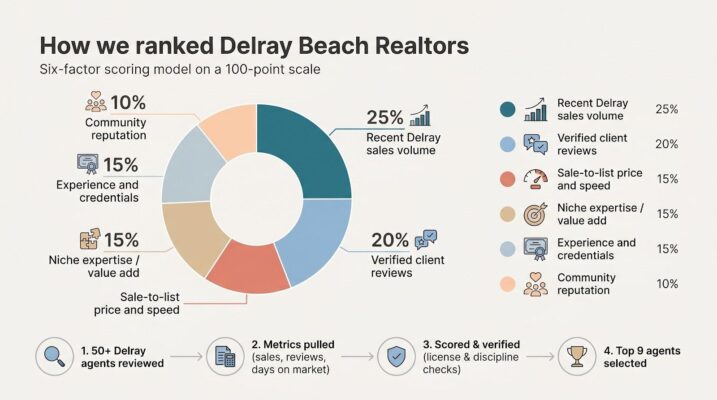

Cost Segregation Firms: The Top 7 Choices For Real Estate Investors

Exploring tax savings is a great way to boost your returns when investing in real estate. Cost segregation firms can help you to do this, but it’s important that you hire the right firm that fully understands the type of property you’re investing in and your goals. Below, we’ll take a deeper look into the concept of cost segregation and its benefits, while also listing 7 of the top cost segregation firms to consider hiring. 

What is a Cost Segregation Firm?

Cost segregation firms are companies made up of specialized tax consultants. They evaluate real estate assets to identify components that depreciate quickly (like lighting, plumbing or carpets) and are able to reclassify these components in order to accelerate depreciation schedules. This helps to reduce taxable income for property investors while also having other benefits. 

Benefits of Using a Cost Segregation Firm

Using a cost segregation firm has some of the following benefits:

  • Tax savings: The primary benefit of using a cost segregation firm is that you can unlock substantial tax reductions. This is done largely through accelerating depreciation.
  • Improved cash flow: A reduced tax bill can free up extra cash to reinvest into more properties or other business ventures.
  • Better property valuation: Accelerated depreciation can enhance the overall value and appeal of an investment property, benefitting both current and future investors.
  • Documented compliance: Working with a cost segregation firm gives you audit-ready documentation to support your tax deduction claims. 

While some firms focus purely on cost segregation, others may also provide additional services, which could be worth combining. This includes green energy tax credits support or even appraisals, as you’ll see from some of the firms below.

The Top 7 Cost Segregation Firms for Real Estate Investors

Now that we’ve established what a cost segregation firm is and the value of working with one, let’s take a look at some of the top choices of firms from across the country. Each of the following firms is highly reputable, but they each have their own USPs. 

  1. R.E Cost Seg – Best All-round Firm

R.E. Cost Seg tops the list as a good all rounder. They have experience working with a range of property types from single-family homes to large commercial buildings, providing professional advice for both small-scale and large-scale investors. Their team is meticulous and uses cutting-edge methodologies to help clients get the best savings. Expect tailored reports with detailed breakdowns. Their pricing is also a lot more attractive than many other cost segregation firms.

  1. KBKG – Best for Large Property Portfolios

KBKG is one of the biggest firms in the US and is therefore one of the best equipped to deal with larger and more complex property portfolios. They’re a popular choice among institutional investors and those managing multiple properties – choose KBKG if you want a company that can handle high-volume analyses without sacrificing accuracy or detail. They’ve also been quick to embrace modern technologies like AI, using it to help speed up the process so that you don’t have to wait ages for a report. 

  1. CSSI – Best for Small-scale Investors

CSSI has over two decades of experience carrying out cost segregation and speciality tax services. They’re a popular choice among smaller investors because of their more competitive pricing and tailored approach. Boasting an engineering-first methodology, they are known for their clear and actionable insights and tend to have quite a fast turnaround of clients. It’s worth noting that they do work with larger portfolios too, making them a scalable option for small-scale investors looking to one day own property empires.

  1. Engineered Tax Services – Best for Combined Green Energy and R&D Tax Credits Support

Engineered Tax Services is a Florida-based firm that claims to conduct over 10,000 cost segregation studies per year. They are also experts in green energy-related tax credits and R&D tax credits. This makes them a good firm to look into if you’re an investor that’s passionate about environmentalism or innovation. In fact, many real estate developers work with Engineered Tax Services because of their focus on innovative and energy-efficient structures. 

  1. Fabbi Cost Seg – Best for AirBnB Investors

Fabbi Cost Seg focuses heavily on short-term rental properties (i.e. AirBnB properties). Such properties are eligible for unique tax savings by exploring loopholes like the 7 day rule or by considering classification of unique items like security systems or hot tubs. Fabbi Cost Seg also has experience working with other types of real estate – those with a diverse portfolio may benefit from using their cost segregation services.

  1. Madison SPECS – Best for Commercial and Multi-family Properties

Madison SPECS caters largely to commercial real estate owners and business owners. They have an expert in-house team of CPAs and engineers that are able to conduct thorough site tours so that assets can be photographed and accurately measured. They also provide detailed IRS-compliant documentation that breaks all items down. Their free feasibility analysis is worth taking advantage of.

  1. Kroll – Best for Integrated Appraisal Services

Kroll is an NYC-based company known for its wide range of financial services. Many real estate investors are drawn to their all-in-one appraisal and cost segregation services. This allows you to more accurately estimate your selling price while also exploring tax benefits at the same time. They get a lot of praise for their deep technical expertise, especially when it comes to matters of compliance.

Choosing the right cost segregation firm for you

It’s vital that you choose a qualified firm that is able to carry out a fully engineered study and not just an automated estimate. All of the above firms have experienced teams of staff who will go into component level detail, providing you with IRS-compliant documentation to prove your tax deductions are acceptable.

Try to select a firm that understands your type of property and that can cater to your portfolio size. You also need to carefully consider your budget – the best providers will charge flat, transparent fees, but some will charge more than others, so take your time to shop around.

Top Real Estate Agent in Delray Beach: 9 Best Realtors Ranked for 2026

Dreaming of salt-air mornings or itching to cash out hard-won equity? Delray’s market is still hot, but it’s cooling just enough to reward strategy. The median sale price sits near $537,000, up 8.5 percent year over year, while the typical home now waits about 88 days for a buyer according to the latest Redfin market tracker. Translation: real money is on the table, yet patience just became part of the bid.

Inventory is climbing, and new commission-disclosure rules finally show who gets paid, and why. In a market this fluid, the right Realtor isn’t a luxury—it’s your competitive edge. We crunched the numbers, scored dozens of pros, and built Delray’s definitive top-nine list for 2026. Let’s dive in.

Why choosing the right Realtor matters in 2026

Prices remain lofty, yet patience is back in style. The typical Delray Beach home now waits about 88 days before finding a buyer, giving shoppers leverage and pushing sellers to tighten their game.

Meanwhile, a 2024 settlement now requires brokers to show exactly who pays which fees. You see the math upfront when you sign a listing agreement, so you can, and should, compare agents on true value instead of guesswork.

Combine slower sales with transparent fees, and the margin for error disappears. The right agent negotiates harder when a listing lingers, markets smarter as inventory climbs, and walks you through the new commission playbook line by line. With six-figure stakes at risk, settling for “good enough” representation is not just risky, it is expensive.

How we built the ranking

We started with a wide net, reviewing more than fifty Delray Beach agents flagged by Zillow, Realtor.com, Yelp, and local forums. Then we pulled hard numbers on every one of them: closings, review counts, designations, and average days on market.

Next, we ran each metric through a six-factor scoring model. The weights mirror what buyers and sellers say they value most: recent results, standout service, and niche expertise.

Ranking factorWeight
Recent Delray sales volume25 percent
Sale-to-list price and speed15 percent
Verified client reviews20 percent
Niche expertise / value add15 percent
Experience and credentials15 percent
Community reputation10 percent

Each agent earned a raw score out of 100. We cross-checked licenses, screened for disciplinary flags, and removed anyone with fewer than fifteen recent regional sales. When two candidates tied, we elevated the pro who filled a unique niche, such as waterfront estates or 55-plus communities, so you see a full range of specialties, not just the biggest billboards.

The result? A tight top nine, all scoring within ten points of each other. In the next section you will see the numbers side by side, ready to help you compare at a glance before diving into the individual profiles.

Compare the top 9 at a glance

Here is the snapshot you requested: the numbers that earned each agent a spot on our list. Scan the grid, note the niche that fits your move, and see how each pro puts experience to work.

RankAgent / TeamYears of experienceNotable sales volumePrimary nicheSignature advantage
1SquareFoot Homes Team12120+ career salesNew-construction sellers, remote buyersBoutique tech marketing
2The Saperstein Group29235+ recent sales55-plus communitiesLarge buyer database
3Pascal Liguori & Son30+$180M+ annual volumeUltra-luxury waterfrontGlobal high-net-worth reach
4The Mastropieri Group242,000+ career clientsInvestors and media-driven listings2,000+ five-star reviews
5The Rucco Group2380+ recent salesSpeed sales in West Delray99 percent sale-to-list accuracy
6Brian Boles393,000+ career salesRelocations and repeat clientsFour decades of market cycles
7Treu Group Real Estate37Top 1 percent of agentsCreative marketing for familiesVideo-forward open houses
8Candace Friis36$5 billion career volumeCoastal estatesGlobal luxury reach
9Alex Platt & Platt Group16$1.5 billion career volumeBoutique developmentsPre-construction sellouts

Use the table to shortlist one or two names that suit your goals, then keep reading as we explain what makes each expert stand out.

1. SquareFoot Homes Team: Boutique tech-driven results

SquareFoot is a West Palm Beach team with more than 120 career sales, no outsourcing, and agents who blend local roots with Silicon Valley polish.

Visibility fuels their success. The team’s MLS-powered site spotlights Delray’s three-mile coastline and downtown buzz at www.squarefoothomes.com/real-estate/delray-beach/, then syndicates those fresh listings to New York, Chicago, and other feeder markets the instant they go live. Virtual walk-throughs, FaceTime negotiations, and e-sign closings keep deals moving even when clients are a time zone away.

What does that mean for you? Shorter days on market, cleaner offers, and a process that feels as easy as ordering takeout. If you want concierge service paired with modern tech, put SquareFoot at the top of your interview list.

2. The Saperstein Group: High-volume masters of 55-plus living

If your address ends in Valencia, Kings Point, or any other active-adult enclave, Paul Saperstein likely has buyers waiting. His eXp Realty team has logged more than 235 recent sales across the region, outpacing almost every competitor in this niche.

Volume on that scale can feel impersonal, yet reviews tell another story. Clients praise the group’s patience, clear explanations, and lightning-fast follow-ups. That blend of efficiency and empathy is priceless when retirees juggle inspections, appraisals, and out-of-state moves.

Data drives the engine. A full-time analyst tracks list-to-sale ratios and incoming inventory so pricing lands dead-center on market sweet spots. Listings typically flip in about five weeks, often at or above asking, even as similar homes linger.

Choose Saperstein if you want reach. Their database of more than 10,000 pre-approved 55-plus buyers cuts marketing time in half and keeps low-stress contracts rolling in.

3. Pascal Liguori & Son: The gold standard for waterfront estates

Ultra-luxury follows its own playbook, and Pascal Liguori has mastered it for more than thirty years. He and son Antonio close more than $180 million in annual volume, with the typical sale topping five million dollars.

Reach is their edge. Premier Estate Properties broadcasts each listing to global wealth channels, and Pascal’s personal Rolodex puts CEOs and celebrities on speed dial. Many deals finish quietly, without ever hitting the MLS, because the ideal buyer already received a private call.

Service matches the price tag. Expect cinematic videos, coffee-table brochures, and showings timed to a client’s flight schedule. When negotiations grow seven-figure tense, Pascal’s steady calm keeps both sides talking until contracts are signed.

Pick this team if you value discretion, international exposure, and record-setting prices. They do not simply list waterfront homes; they curate them for the next steward.

4. The Mastropieri Group: Review-rich, media-savvy negotiators

Larry Mastropieri’s résumé is blunt: 2,000 homes sold and 2,000 five-star reviews. That consistency shapes every part of his playbook.

Each listing becomes content. Drone fly-throughs appear on the “Discover South Florida” YouTube channel, and bite-size reels hit Instagram the same afternoon. Eyeballs arrive quickly, often from out-of-area investors who already follow Larry’s market updates and trust his read on cap rates.

Behind the flash sit hard numbers. The group has served more than 2,000 clients across Delray and Boca, routinely beating city averages for days on market. Sellers praise honest price calls that dodge useless chops, and buyers rely on Larry’s landlord experience to forecast ROI before writing offers.

If you value transparent data, top-tier digital marketing, and a broker who speaks fluent investor, this is your stop.

5. The Rucco Group: Data-driven speed demons

Mark Rucco moves listings the way pit crews change tires: fast, precise, and methodical. His Compass team completed more than 80 recent sales, posting an average time to contract well below city norms while landing 99 percent of list price.

That turnaround is not luck. Before a sign hits the lawn, every property receives pro photos, targeted staging, and pricing calibrated to neighborhood micro-trends. Constant market monitoring launches your home where buyers already circle, not where agents hope they appear.

Sellers on a relocation clock love that predictability. Buyers benefit too, since Rucco’s early intel on upcoming inventory often gets them inside before a listing goes live. Plain-spoken feedback is his hallmark; he flags busy roads or aging roofs long before they derail a deal.

Need top dollar without a long goodbye? Put this team in pole position.

6. Brian Boles: The seasoned guide for stress-free moves

Brian Boles has watched Delray shift from sleepy seaside town to hot-ticket market because he has closed deals here since the mid-1980s. Four decades of cycles give him a long-view advantage that newer agents lack.

That depth shows in the numbers. Brian has personally handled more than 3,000 sales while keeping a near-perfect rating across over one hundred Zillow reviews. Clients praise his calm explanations of inspections, insurance quirks, and ever-shifting Florida regulations.

Relocating families lean on Brian’s local Rolodex for everything from school insights to trustworthy roofers. First-time buyers say he walks them through contracts line by line, never rushing a decision. Sellers commend his surgical pricing, high enough to capture top dollar yet realistic enough to avoid stagnation.

If you want a steady hand who has seen it all and still answers the phone on a Sunday, Brian is your low-drama, high-trust pick.

7. Treu Group Real Estate: Creative campaigns that spark bidding wars

Lisa and Steve Treu run a four-person shop with marketing flair many national firms envy. Picture twilight open houses with food trucks, drone reels set to upbeat playlists, and Facebook Live walk-throughs that rack up hundreds of views before the first in-person showing.

The showmanship pays off. Many listings receive multiple offers within a weekend, often closing five to ten percent above nearby comps. Sellers credit the buzz; buyers recall the hospitality and the clear communication that continues long after the launch events.

Behind the flash sits a personal touch. First-time buyers praise patient breakdowns of HOA bylaws, and families appreciate insider tips on school zones and neighborhood parks. Lisa’s thirty years in the business mean contractor phone numbers are on speed dial and negotiation stories cover every curveball.

Choose Treu Group when your home needs to stand out in a crowded field or when you want a hands-on guide who treats you like extended family.

8. Candace Friis: Thirty years at the peak of coastal luxury

Candace Friis shaped Delray’s high-end market. Her career tally exceeds five billion dollars and includes some of the priciest oceanfront closings on record.

That pedigree shows in the details. Global marketing through Corcoran’s International Luxury Alliance puts your listing in London and Dubai inboxes the same day it hits the local MLS. Bespoke print pieces highlight architectural provenance, and private showings are timed for sunset to showcase shoreline views.

Buyers value her honesty as much as her reach. Candace will recommend a price trim on a twelve-million-dollar estate as candidly as on a two-million-dollar condo when data demands it. Clients who prize privacy note that many of her deals never reach public chatter; a quiet call, a handshake, and the moving trucks roll in.

For sellers seeking worldwide exposure paired with white-glove discretion, or buyers chasing a trophy property that may never be listed, Candace remains the benchmark.

9. The Platt Group: Pre-sell pros for new-build buzz

Alex Platt works where brokerage meets product launch. When a boutique developer sketches floor plans, Alex is in the room suggesting the mud-room width buyers will pay extra to get. The input pays off: at Grove Estates, nearly half the nine luxury homes were sold or reserved before drywall was up, thanks to teaser drone videos, invite-only hard-hat tours, and targeted outreach.

Compass tech powers the process. AI-driven buyer targeting focuses marketing on the ZIP codes feeding Delray’s migration wave, and Compass Concierge fronts renovation dollars so resale listings hit the market camera-ready without cash out of pocket.

Energy makes the difference. Alex hosts champagne launch parties during Delray’s art walk, livestreams progress updates for pre-construction buyers, and connects clients with design-build resources after closing. High-end condo sellers say his polished storytelling attracted coastal-chic buyers who did not know the building existed.

If you are a developer, a modern-architecture fan, or a seller with a contemporary home, Platt’s strategy-minded approach turns newness into negotiating power.

Which agent fits you best?

Need a shortcut? Match your goal to the specialty, and nine strong choices narrow to one clear front-runner.

Your situationFirst choiceBackup pick
Selling a new or recently renovated home with cutting-edge marketingSquareFoot Homes TeamTreu Group
Downsizing or buying in an active-adult (55 plus) communityThe Saperstein GroupThe Rucco Group
Listing a waterfront estate above $5 millionPascal Liguori & SonCandace Friis
Flipping or holding rental property and needing hard numbers on ROIThe Mastropieri GroupAlex Platt & Platt Group
Relocating to Delray and craving a steady, veteran guideBrian BolesSquareFoot Homes Team
Needing a lightning-fast, top-dollar sale in West DelrayThe Rucco GroupTreu Group

Use the grid to shortlist one or two names that align with your goals. Then interview them; great pros welcome the comparison, and the conversation itself reveals their style.

FAQ: Your top questions, answered

Why is the market still pricey if homes take longer to sell?

Delray’s median sale price sits near $537,000, up 8.5 percent year over year, even though the typical home now waits about 88 days to close. According to Redfin, pandemic-era equity and steady snowbird demand keep prices high, yet growing inventory lets buyers negotiate harder.

Redfin Delray Beach housing market tracker screenshot for 2026 stats

Are homes really taking longer to sell in Delray Beach?

Yes. The average home takes about 88 days to sell, a clear sign that leverage has tilted toward buyers, according to Redfin. Smart pricing and standout marketing now matter more than ever.

Did the 2024 NAR settlement make commissions cheaper?

The landmark deal forces brokers to disclose fees upfront, improving transparency, but average residential commission rates still hover between five and six percent. According to Kiplinger, you see the math sooner, yet you still need an agent who proves value in your net proceeds.

Team versus solo agent: what is the difference?

Teams offer depth and in-house specialists, while solo brokers provide single-point accountability. Performance, not headcount, drives our rankings. Ask who will handle showings, marketing, and negotiations day to day.

How many agents should I interview?

Two or three is the sweet spot. You will spot style differences without drowning in pitches. Bring this guide to each meeting, ask how they would price your home or uncover off-market options if you are buying, and choose the plan that feels tailored to you.

Conclusion

Delray Beach’s 2026 real-estate landscape rewards strategy, data, and marketing ingenuity. Whether you are sizing up an ultra-luxury waterfront sale, planning a quick relocation, or hunting for the perfect 55-plus community, the nine agents above have proven they can deliver. Use the comparison tables, match your goals to each specialty, and schedule a few interviews. Armed with transparent commission rules and insider market knowledge, you will be ready to secure the best representation—and the best possible outcome—when you buy or sell in Delray Beach.

6 Percent Commission: A Complete Guide

If you’re thinking about buying or selling a home, you’ve likely heard the term “6 percent commission” thrown around. For many years, this figure has been a common benchmark in the real estate industry, often representing the total commission paid by a seller to their real estate agent, which is then typically split with the buyer’s agent. But what exactly does this 6 percent commission entail? Is it set in stone? And what does it mean for your bottom line when you’re making one of the biggest financial transactions of your life?

Understanding real estate commissions, especially the traditional 6 percent model, is crucial for both buyers and sellers. It impacts how much money you walk away with as a seller and can indirectly influence pricing for buyers. In this comprehensive guide, we’ll break down the traditional commission structure, explore why it became so prevalent, discuss how it’s typically divided, and look at the evolving landscape of real estate commissions, including how innovative models are changing the game for consumers like you.

Deconstructing the Traditional 6 Percent Commission Model

The concept of a 6 percent commission isn’t a hard-and-fast rule, nor is it mandated by any law. Instead, it has historically been a widely accepted, though negotiable, rate for real estate agent services in many parts of the United States. This percentage is typically calculated based on the final sales price of the home. So, if your home sells for $400,000, a 6 percent commission would amount to $24,000.

It’s important to clarify that this 6 percent isn’t usually paid directly to one agent. Instead, it’s a total commission that covers the services of both the seller’s agent (also known as the listing agent) and the buyer’s agent. The seller is typically responsible for paying this entire commission out of the sale proceeds, and then the listing brokerage shares a portion of it with the buyer’s brokerage.

For decades, this model has been the backbone of how real estate agents are compensated. It’s designed to incentivize agents to work diligently to market and sell a property, as their earnings are directly tied to the sale’s success and price. However, as the industry evolves and technology plays a larger role, many are questioning whether this traditional structure still serves the best interests of today’s consumers.

Why Was 6 Percent Commission So Common?

The prevalence of the 6 percent commission can be attributed to several factors that developed over many years:

  • Historical Norms: Like many industries, real estate developed certain customary practices. Over time, 6 percent became a widely accepted benchmark that agents and brokerages used to price their services.
  • Full-Service Expectations: Traditionally, real estate agents provided a very hands-on, full-service experience. This included extensive marketing, open houses, showings, negotiation, paperwork, and guiding clients through complex transactions. The commission was seen as compensation for this comprehensive suite of services.
  • Brokerage Overhead: Real estate brokerages have significant overhead costs, including office space, administrative staff, technology, insurance, and marketing materials. A portion of the commission goes towards covering these operational expenses.
  • Incentivizing Buyer’s Agents: By offering a competitive commission split to the buyer’s agent, sellers and their agents aimed to attract more buyer’s agents to show the property, thereby increasing the pool of potential buyers and improving the chances of a quick sale.
  • Lack of Transparency and Competition: For a long time, information about commission rates wasn’t as readily available or transparent. This, combined with less competition from alternative models, allowed traditional rates to persist.

While these reasons explain its historical prevalence, it doesn’t mean that 6 percent is the only or even the best option for everyone today. The real estate landscape is changing, and with it, the expectations around commission structures.

How Does the 6 Percent Commission Get Divided?

When you, as a seller, agree to a 6 percent commission, it’s crucial to understand where that money goes. It doesn’t all land in the pocket of your listing agent. Instead, it’s typically split between the two brokerages involved in the transaction: the listing brokerage and the buyer’s brokerage.

Here’s a common breakdown of how a 6 percent commission might be divided:

  • Listing Brokerage Share: This is the portion that goes to the company representing you, the seller. It typically covers the listing agent’s services, marketing costs, and the brokerage’s overhead.
  • Buyer’s Brokerage Share: This is the portion offered to the company representing the buyer. This payment incentivizes buyer’s agents to show your home to their clients and helps compensate them for their time and effort in guiding their buyers through the purchase process.

Often, this split is close to 50/50. So, if the total commission is 6 percent, the listing brokerage might receive 3 percent, and the buyer’s brokerage might receive 3 percent. However, this split is also negotiable and can vary. Sometimes, a seller’s agent might offer a slightly higher percentage to the buyer’s agent to make the listing more attractive, especially in a buyer’s market.

Once the brokerage receives its share, the individual agent (both the listing agent and the buyer’s agent) then receives a portion of that amount, based on their agreement with their brokerage. This is often referred to as their “split” with the brokerage, and it can range from 50/50 to 90/10 or even 100 percent for agents who pay a monthly fee to their brokerage.

Let’s look at an example:

  • Home Sale Price: $400,000
  • Total 6 Percent Commission: $24,000
  • Split between Brokerages (e.g., 50/50):
    • Listing Brokerage: $12,000
    • Buyer’s Brokerage: $12,000
  • Agent’s Take (e.g., 70/30 split with their brokerage):
    • Listing Agent: $8,400 ($12,000 x 0.70)
    • Buyer’s Agent: $8,400 ($12,000 x 0.70)

As you can see, a significant portion of the total commission goes to the brokerages and agents involved. This breakdown highlights why understanding the commission structure is so important when you’re calculating your potential net proceeds from a home sale.

The Services You Get for a 6 Percent Commission

When you pay a 6 percent commission, you’re essentially paying for a comprehensive suite of services from both your listing agent and the buyer’s agent. It’s important to understand what those services typically include so you can evaluate the value you’re receiving.

Services from Your Listing Agent (Seller’s Agent):

Your listing agent is your primary advocate throughout the selling process. Their services typically encompass:

  • Market Analysis and Pricing: They’ll conduct a comparative market analysis (CMA) to help you determine the optimal listing price for your home, balancing market conditions with your financial goals.
  • Home Preparation Advice: Offering guidance on staging, repairs, and improvements that can enhance your home’s appeal and value.
  • Professional Photography and Marketing: Arranging for high-quality photos, virtual tours, and compelling descriptions to showcase your property.
  • Extensive Marketing and Exposure: Listing your home on the Multiple Listing Service (MLS), which then syndicates to hundreds of real estate websites (Zillow, Realtor.com, etc.), social media promotion, and potentially print advertising.
  • Showings and Open Houses: Coordinating and conducting showings for potential buyers and hosting open houses to generate interest.
  • Negotiation Expertise: Representing your best interests in negotiations with buyers, aiming to secure the best possible price and terms.
  • Contract Management: Guiding you through the complex paperwork, disclosures, and legal aspects of the sale.
  • Transaction Coordination: Working with lenders, appraisers, inspectors, and title companies to ensure a smooth closing process.
  • Problem Solving: Addressing any issues that arise during the sale, from inspection contingencies to appraisal gaps.

Services from the Buyer’s Agent:

Although you, the seller, pay the buyer’s agent’s commission, their services are directed towards their client, the buyer. These services typically include:

  • Buyer Consultation: Understanding the buyer’s needs, preferences, and budget.
  • Property Search: Identifying and showing suitable properties that meet the buyer’s criteria.
  • Market Insights: Providing information about neighborhoods, schools, and local market conditions.
  • Offer Preparation: Helping the buyer draft a competitive offer, including contingencies and terms.
  • Negotiation: Representing the buyer’s interests in negotiations with the seller.
  • Due Diligence: Guiding the buyer through inspections, appraisals, and other necessary steps.
  • Closing Assistance: Ensuring the buyer understands all closing documents and processes.

The value of these services can be substantial, especially for first-time sellers or those navigating a complex market. However, with advancements in technology and increasing access to information, many homeowners are finding that they don’t necessarily need or want every single one of these “full-service” offerings, or they believe the cost associated with them can be reduced.

The Evolving Landscape of Real Estate Commissions

The traditional 6 percent commission model, while long-standing, is facing increasing scrutiny and change. Several factors are contributing to this evolution, offering consumers more choices and potentially significant savings.

Technology’s Impact

The internet has revolutionized how people search for homes. Buyers no longer rely solely on agents to find listings; they can browse thousands of properties online from the comfort of their couch. This shift has led many to question whether the traditional commission structure, which was established in a time of limited information access, is still appropriate.

Technology also empowers sellers. Online tools allow for easier market research, virtual tours, and even direct communication with potential buyers, reducing some of the traditional legwork agents used to perform. This digital transformation has paved the way for new business models in real estate.

Increased Transparency and Consumer Awareness

Consumers are savvier than ever. With more information available online, people are more aware of the costs associated with selling a home, including commissions. This increased transparency has fueled a demand for more flexible and cost-effective commission structures.

People are starting to ask: “Why should I pay a fixed percentage regardless of my home’s value or the effort involved?” This question is driving innovation and competition among real estate brokerages.

Alternative Commission Models

Beyond the traditional 6 percent commission, several alternative models have emerged, each designed to offer different levels of service and cost savings:

  • Flat-Fee Brokerages: Instead of a percentage, you pay a fixed fee for specific services, such as listing your home on the MLS. This can be a great option for sellers who want to handle much of the selling process themselves but need the broad exposure of the MLS.
  • Discount Brokerages: These brokerages offer reduced commission rates (e.g., 1% to 4% total commission) by streamlining services, leveraging technology, or operating with lower overheads. They often provide a full range of services but at a lower price point.
  • Hybrid Models (e.g., SimpleShowing): These models combine aspects of traditional and discount services. They often use technology to make the process more efficient, passing the savings on to you. For example, SimpleShowing offers full-service listing support for a significantly lower commission, often saving sellers thousands of dollars compared to the traditional 6 percent model.
  • For-Sale-By-Owner (FSBO): In this model, you handle every aspect of the sale yourself, from marketing to negotiations and paperwork. While it eliminates the listing agent’s commission, you still typically need to offer a commission to the buyer’s agent to attract buyers. It also requires a significant time commitment and expertise.

These alternatives demonstrate that you have choices beyond the traditional 6 percent commission. It’s about finding the model that best fits your needs, your comfort level with handling parts of the process, and your desire for cost savings.

The Future of Real Estate Commissions: What to Expect

The real estate industry is currently undergoing significant changes, particularly concerning how buyer’s agents are compensated. Recent legal settlements and evolving industry practices are set to reshape the landscape of commissions, moving away from the long-standing model where sellers typically paid the buyer’s agent commission.

Key Changes on the Horizon

Historically, the Multiple Listing Service (MLS) rules often required listing agents to offer a cooperative compensation to buyer’s agents. This meant that when a seller agreed to pay a total commission (e.g., 6 percent), a portion of that was explicitly earmarked for the buyer’s agent. This practice is changing.

Moving forward, the rules are shifting to prohibit listing agents from making offers of buyer’s agent compensation directly through the MLS. This doesn’t mean buyer’s agents won’t be paid, but rather that the mechanism for their payment will likely change. Here’s what this could mean for you:

  • Buyer-Paid Commissions: Buyers may increasingly be responsible for directly negotiating and paying their agent’s commission. This could be paid out-of-pocket, financed into their loan (if allowed and structured correctly), or potentially negotiated as a concession from the seller outside of the MLS.
  • Increased Transparency: These changes are designed to bring more transparency to commission structures, making it clearer who is paying whom and for what services.
  • Negotiation Becomes Even More Critical: Both buyers and sellers will need to be more proactive and informed about negotiating commission rates and understanding their financial obligations.
  • Impact on Home Affordability: For buyers, having to pay their agent’s commission directly could add another upfront cost to an already expensive transaction, potentially impacting affordability. However, it could also lead to lower listing prices if sellers no longer factor in the buyer’s agent commission into their asking price.
  • New Service Models: We may see even more innovative brokerage models emerge, offering varied service levels and pricing structures to cater to these new dynamics.

What This Means for You

As a seller, you might no longer be automatically expected to pay the buyer’s agent commission through the MLS. This could potentially reduce your overall commission costs. However, you’ll still need to consider how to attract buyers and their agents. Offering some form of concession towards a buyer’s agent commission (negotiated directly with the buyer) might still be a strategic move to make your home more attractive, especially in certain market conditions.

As a buyer, you’ll need to have a clear understanding of how your agent will be compensated and budget for that cost. This makes choosing the right buyer’s agent and discussing their fees upfront more important than ever.

The bottom line is that the real estate industry is becoming more dynamic and consumer-centric. While the traditional 6 percent commission model is fading, it’s being replaced by a system that demands more informed decision-making from both buyers and sellers. Staying educated and working with a transparent brokerage that can guide you through these changes will be key to a successful transaction.

Is a 6 Percent Commission Always Negotiable?

Yes, real estate commissions, including the traditional 6 percent, are always negotiable. It’s a common misconception that commission rates are fixed. In reality, they are not set by law or any industry body. They are simply an agreement between you, the seller, and your listing agent’s brokerage.

Here’s why negotiation is possible and often advisable:

  • No Fixed Rates: There’s no “standard” or legally mandated commission rate. Any agent who tells you otherwise is misinformed or misleading you.
  • Competition: The real estate market is competitive, with many agents and brokerages vying for your business. This competition gives you leverage to negotiate.
  • Agent’s Discretion: Individual agents and their brokerages have the flexibility to adjust their rates based on various factors.

Factors That Can Influence Commission Negotiation:

When you’re discussing commission rates with a potential agent, several factors might give you more negotiating power:

  • Home Value: If you have a high-value home, the absolute dollar amount of the commission will be substantial. An agent might be willing to accept a slightly lower percentage because the total payout is still significant. For example, 5% on a $1,000,000 home ($50,000) is more than 6% on a $400,000 home ($24,000).
  • Market Conditions: In a strong seller’s market where homes are selling quickly with multiple offers, an agent might be more amenable to a lower commission, as their effort to sell the home might be less. In a slow market, they might be less flexible.
  • Your Willingness to Be Flexible: If you’re willing to be flexible on showing times, or if your home is in pristine condition requiring less marketing effort, an agent might be more open to negotiation.
  • Repeat Business/Referrals: If you’re a repeat client or were referred by a strong contact, an agent might offer a reduced rate to secure your business or maintain a good relationship.
  • Level of Service Desired: If you’re comfortable handling some aspects of the sale yourself (e.g., open houses, some marketing), you might be able to negotiate a lower commission for a more à la carte service.
  • Using the Same Agent for Buying and Selling (Dual Agency): If you’re selling your current home and buying a new one with the same agent, they might offer a reduced rate on one or both transactions. However, be aware of the potential conflicts of interest in dual agency, where one agent represents both buyer and seller.

How to Negotiate Commissions:

  1. Do Your Research: Understand typical commission rates in your area (which might be lower than 6% already).
  2. Interview Multiple Agents: Get proposals from several agents and compare their services and proposed commission rates.
  3. Ask Directly: Don’t be afraid to ask, “Are your commission rates negotiable?” or “What is the lowest commission you’re willing to accept?”
  4. Highlight Your Home’s Strengths: Emphasize why your home will be an easy sell (e.g., desirable location, excellent condition, hot market).
  5. Be Prepared to Walk Away: If an agent isn’t willing to negotiate or justify their rate, be ready to explore other options.

Remember, the goal isn’t just to get the lowest commission, but to find an agent who provides excellent service at a fair price. A slightly higher commission might be worth it for a truly exceptional agent, while a lower commission from a less effective agent could end up costing you more in the long run through a lower sale price or a longer time on the market.

Saving on Real Estate Commissions with SimpleShowing

At SimpleShowing, we understand that the traditional 6 percent commission model doesn’t always align with the needs of today’s savvy homeowners. We believe you deserve expert guidance and exceptional service without having to pay exorbitant fees. That’s why we’ve built a tech-enabled brokerage designed to save you thousands of dollars on commissions, putting more money back into your pocket.

Our approach is simple: we leverage technology and streamline processes to reduce the overhead costs associated with traditional brokerages. These efficiencies allow us to offer full-service real estate representation at a significantly lower commission rate compared to the traditional model.

How SimpleShowing Helps You Save:

  • Lower Listing Commissions: We offer a competitive listing commission that is a fraction of what traditional agents charge. For example, instead of paying 3% to your listing agent, you might pay as little as 1%, translating to thousands in savings.
  • Full-Service Support: Don’t confuse lower commissions with lower quality service. Our experienced local agents provide all the essential services you’d expect from a traditional brokerage, including professional photography, strategic pricing, extensive marketing on the MLS and major real estate sites, expert negotiation, and comprehensive transaction management.
  • Transparent Pricing: We are upfront about our fees, so you know exactly what to expect. No hidden costs or surprises.
  • Technology-Driven Efficiency: Our platform streamlines communication, scheduling, and document management, making the selling process smoother and more efficient for you.
  • Retain Control and Savings: With SimpleShowing, you get the best of both worlds: professional guidance and significant savings. This means you can invest more in your next home, save for retirement, or simply enjoy the extra cash.

Let’s look at an example of potential savings:

  • Home Sale Price: $400,000
  • Traditional 6% Commission: $24,000 (3% to listing agent, 3% to buyer’s agent)
  • SimpleShowing Commission Model:
    • Listing Agent Commission: 1% = $4,000
    • Buyer’s Agent Commission (typical offer): 2.5% = $10,000
    • Total Commission: $14,000
  • Your Potential Savings: $24,000 – $14,000 = $10,000!

These savings can be substantial, especially on higher-priced homes. We believe that selling your home shouldn’t mean sacrificing a significant portion of your equity to commission fees. Our goal is to empower you with an expert, transparent, and affordable way to sell your home.

If you’re curious about how much you could save by selling your home with SimpleShowing, we invite you to learn more about our services and get a free, no-obligation consultation. Discover a smarter way to sell your home and keep more of your hard-earned equity.

Ready to see how much your home is worth and how SimpleShowing can help you save? Visit our home valuation page to get started.

Conclusion

The “6 percent commission” has long been a fixture in the real estate industry, but it’s far from a mandatory or fixed rate. Understanding this traditional model, how it’s divided, and the services it typically covers is crucial for any homeowner looking to sell. However, the real estate landscape is rapidly evolving, driven by technology and a growing demand for transparency and cost-efficiency.

You now have more options than ever before. From flat-fee services to discount brokerages and innovative models like SimpleShowing, you can choose a commission structure that aligns with your needs and financial goals. The key is to be informed, ask questions, and negotiate. Don’t assume that the first commission rate you hear is the only one available.

By exploring alternatives and leveraging the power of modern real estate services, you can achieve a successful home sale while keeping more of your hard-earned equity. The future of real estate commissions is about choice, transparency, and empowering you, the consumer, to make the best decisions for your financial future.