For anyone tracking the value of a home, whether you’re buying your first property or preparing to sell in a competitive market, pest control probably isn’t the first thing that comes to mind. But it should be. Buyers researching neighborhoods, sellers prepping for inspections, and homeowners simply trying to protect their equity all share a common blind spot: the slow, quiet damage that pests can do to a structure before anyone notices. If you’re comparing homes, running comps, or thinking about ideas for home valuation, pest history and prevention deserve a spot on that checklist right alongside square footage and school districts.
That’s especially true in fast-growing areas like Kennesaw, Georgia, where warm, humid summers and older tree cover create conditions that pests find very appealing. Homeowners here face a real decision every year: tackle pest problems with store-bought products, or bring in a licensed team that understands the local pest pressure. Both paths have tradeoffs worth understanding before you commit time, money, or your home’s structural integrity to one approach.
The Cost Trap: Why DIY Pest Control Often Costs More in the Long Run
On the surface, DIY pest control looks like the budget-friendly choice. A bottle of ant bait or a perimeter spray from the hardware store costs a fraction of a professional visit, and for minor, isolated problems, that math can work out fine. The trouble starts when the pest problem is bigger than it looks, which is common, since many infestations begin behind walls, under slabs, or in crawl spaces long before symptoms show up indoors. Homeowners often spend on multiple rounds of consumer products, chasing a problem that never fully resolves, and end up spending more than a single professional treatment would have cost.
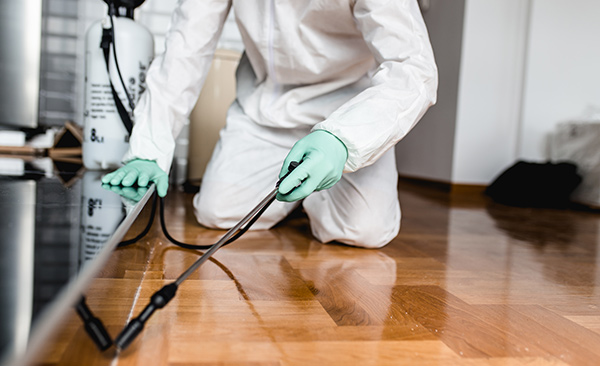
This is particularly risky with termites, which cause an estimated $5 billion in structural damage across the U.S. each year, largely because infestations go undetected until the damage is already extensive. Repair costs for a termite-damaged home now average $3,000 or more, and that figure climbs quickly if support beams or flooring need replacement. For homeowners in Kennesaw dealing with termites, ants, or other persistent invaders, working with a licensed provider such as Healthy Home Termite & Pest Control often ends up being the more economical choice once you factor in the cost of repeated DIY attempts and the risk of long-term structural harm.
Effectiveness & Root-Cause Solutions: Professional Expertise vs. Surface-Level Fixes
Cost is only part of the equation. Effectiveness matters just as much, and this is where the gap between DIY and professional treatment tends to widen. Store-bought sprays and traps are designed to kill visible pests, but they rarely address the conditions that allowed an infestation to take hold in the first place, whether that’s moisture buildup near a foundation, gaps around utility lines, or a nearby nest that keeps sending in reinforcements. Homeowners frequently report short-term success followed by a return of the same problem within weeks, simply because the root cause was never touched.
According to Consumer Affairs, professional pest control specialists bring training and expertise that allow them to target the underlying causes of an infestation rather than just the symptoms, which is why professional treatment tends to deliver longer-lasting relief than most DIY methods. This distinction matters more than it might seem. Ant infestations alone affect an estimated 56% of U.S. households annually, and many of those cases involve colonies that DIY treatments never fully eliminate because the visible ants are just a fraction of the larger nest. Professionals are trained to trace infestations back to their source, treat accordingly, and follow up to confirm the problem is actually resolved, not just temporarily suppressed.
Kennesaw’s Unique Pest Challenges: Why Local Conditions Demand Professional Knowledge
Kennesaw’s climate and geography create specific pest pressures that generic, one-size-fits-all products aren’t always built to handle. The area’s humidity, clay-heavy soil, and mix of wooded lots and newer developments give termites, carpenter ants, and moisture-loving pests plenty of opportunity to establish themselves close to home foundations. Local pest professionals understand these regional patterns, including seasonal swarm timing and the specific species most active in Cobb County, in a way that national retail products simply aren’t designed to address.
This local knowledge translates directly into more targeted, effective treatment plans. A technician familiar with Kennesaw properties knows where termites are most likely to enter a slab foundation, which shrubs and mulch beds tend to attract ants, and how weather patterns affect pest activity throughout the year. That kind of insight is difficult to replicate with generic products purchased off a shelf, and it’s part of why professional treatment tends to hold up better over time in this specific region compared to areas with milder, less pest-friendly climates.
Making the Right Choice: When DIY Works and When Professionals Protect Your Investment
None of this means DIY pest control is always the wrong call. For small, contained issues, like a single ant trail on a kitchen counter or an occasional spider in the garage, consumer products can be a reasonable first step. The key is recognizing when a problem has moved beyond that scope. Roughly 22% of Americans who experienced a pest infestation also reported resulting structural damage to their home, a statistic that underscores how quickly a manageable nuisance can turn into a costly repair if it’s left to DIY methods for too long.
Professional quarterly treatments in the Kennesaw area typically run between $100 and $300 per visit, while single treatments for isolated problems range from $300 to $500. Given that termite repairs alone can exceed $3,000 per home, the math tends to favor professional prevention over repeated DIY attempts, especially for homeowners who view their property as a long-term investment rather than a short-term fix.
| Statistic | Figure |
| U.S. households with annual ant infestations | 56% |
| Annual U.S. termite damage (structural) | $5 billion |
| Average termite repair cost per home | $3,000+ |
| Americans reporting structural damage from infestations | 22% |
| Kennesaw quarterly pest control cost per visit | $100 – $300 |
| Kennesaw single-visit pest control cost | $300 – $500 |
Whichever approach a homeowner chooses, the decision should be based on an honest read of the problem’s scope, not just the upfront price tag. Minor, visible nuisances may be worth a DIY attempt, but recurring issues, signs of termites, or infestations tied to moisture and structural gaps call for professional evaluation before the damage compounds. Protecting a home’s long-term value means treating pest control as part of routine maintenance, not an afterthought reserved for when problems become impossible to ignore.