Are you a homeowner in Georgia looking to make your home more energy-efficient, reduce your utility bills, and even boost your property’s value? You’re in luck! The federal government has allocated significant funding to states like Georgia for home energy efficiency improvements, and the Georgia Home Energy Rebate (HEAR) program is set to be a game-changer. This program aims to put money back in your pocket while helping you create a more comfortable and sustainable living space.
At SimpleShowing, we’re all about helping you save money, whether it’s on real estate commissions or understanding programs that can save you hundreds, even thousands, on your home’s operating costs. While the HEAR program isn’t directly about buying or selling a home, the savings and increased home value it offers align perfectly with our mission to empower homeowners like you.
What is the HEAR Program?
The HEAR program, officially known as the Home Energy Rebate Program, is a federally funded initiative designed to help homeowners and renters across Georgia invest in energy-efficient upgrades. This program is part of a larger national effort, stemming from the Inflation Reduction Act (IRA), to reduce energy consumption, lower household utility costs, and decrease carbon emissions.
Understanding the Home Energy Rebate Program
Think of HEAR as a financial incentive to make smart choices for your home. Instead of paying full price for a new, energy-efficient appliance or insulation, the program provides rebates that significantly reduce your out-of-pocket expenses. It’s designed to make these upgrades accessible to more Georgians, especially those who might not otherwise be able to afford the upfront costs.
Key Goals: Saving Money and Reducing Emissions
The HEAR program has two primary objectives that directly benefit you and the environment:
- Saving Money: By making your home more energy-efficient, you’ll see a noticeable reduction in your monthly utility bills. This means more money in your pocket, year after year.
- Reducing Emissions: Less energy consumption means a smaller carbon footprint for your household, contributing to a cleaner, greener Georgia for everyone.
Who Qualifies for HEAR Rebates in Georgia?
Eligibility is a crucial first step. The HEAR program is designed to benefit a wide range of Georgians, but there are specific criteria you’ll need to meet.
Income Eligibility Requirements
A significant component of the HEAR program focuses on income-based eligibility to ensure the benefits reach those who need them most. While specific thresholds will be set by the Georgia Environmental Finance Authority (GEFA) and the Georgia Department of Community Affairs (DCA), they are typically based on a percentage of the Area Median Income (AMI) for your county. For example, some rebates might be available to households earning up to 80% of the AMI, while others might extend to 150% of the AMI. Keep an eye on official Georgia state announcements for the precise income limits once the program is fully launched.
Homeowner vs. Renter Eligibility
Good news! Both homeowners and, in some cases, renters are expected to be eligible for certain rebates. For renters, the program will likely require landlord participation and approval for upgrades to their property. This ensures that the benefits of energy efficiency can be enjoyed by a broader population.
Types of Homes Covered
The HEAR program is anticipated to cover various types of residential properties:
- Single-Family Homes: The most common type of residence, single-family homes are a primary target for these rebates.
- Multi-Family Homes: Apartments, condos, and other multi-family dwellings may also qualify, often with specific guidelines for common areas or individual units.
What Upgrades Does HEAR Cover?
The HEAR program is comprehensive, covering a wide array of upgrades designed to significantly improve your home’s energy performance. Here’s a look at some of the key improvements you can expect to be covered:
High-Efficiency HVAC Systems
Your heating, ventilation, and air conditioning (HVAC) system is often the biggest energy consumer in your home. HEAR rebates will likely target upgrades to high-efficiency heat pumps, central air conditioners, and furnaces, which use less energy to keep your home comfortable year-round.
Insulation and Weatherization Improvements
Stopping energy leaks is one of the most cost-effective ways to save. Rebates will cover improvements like:
- Adding insulation to attics, walls, and crawl spaces.
- Sealing air leaks around windows, doors, and electrical outlets.
- Upgrading to more energy-efficient windows and doors.
Electric Appliances
Transitioning from fossil fuels to electric appliances can dramatically reduce your home’s energy consumption and carbon footprint. Expected covered items include:
- Heat Pump Water Heaters: Highly efficient systems that use ambient air to heat water.
- Electric Stoves and Cooktops: Replacing gas appliances with modern, efficient electric alternatives.
- Heat Pump Clothes Dryers: Another energy-saving alternative to traditional electric or gas dryers.
Electrical Panel Upgrades
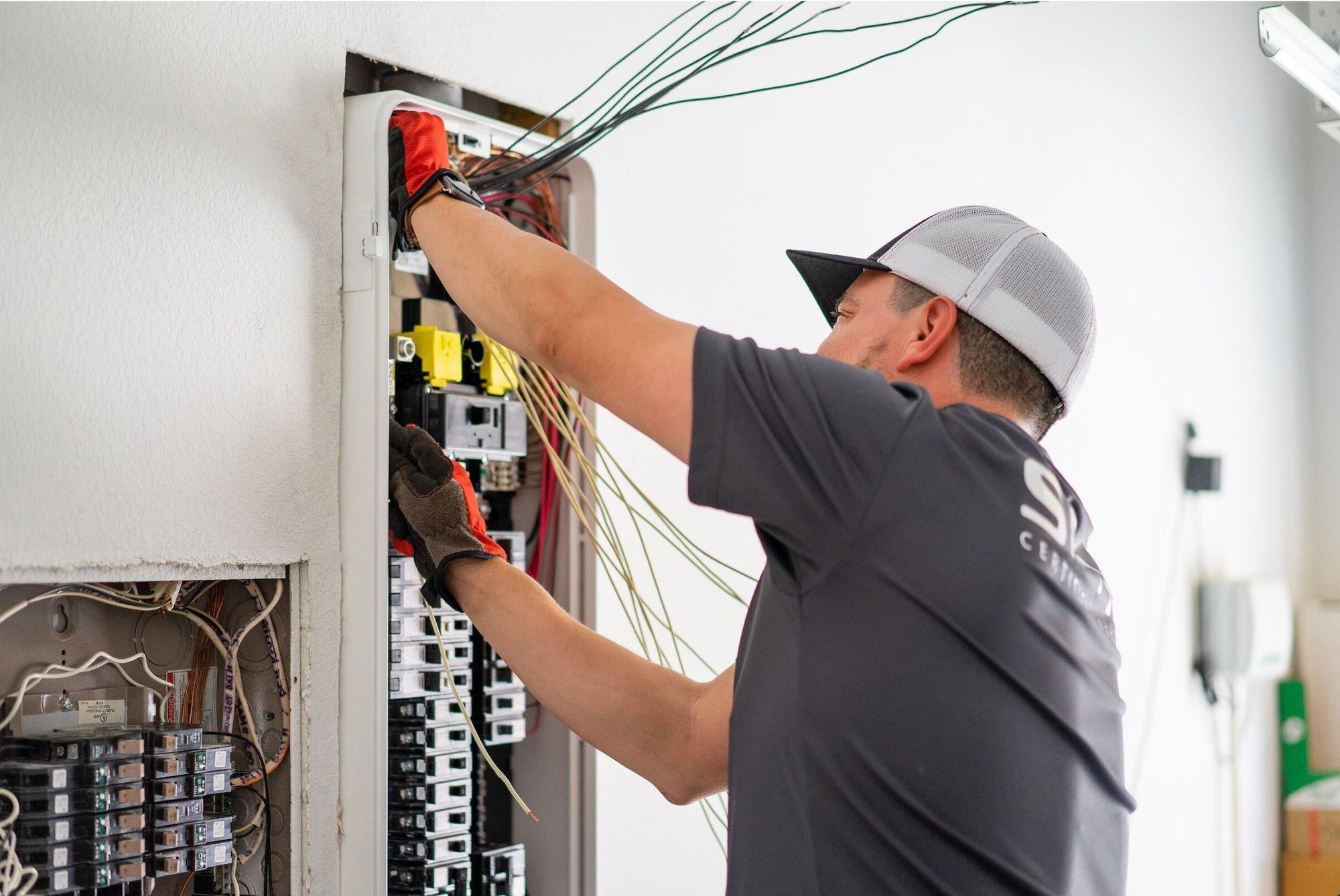
Many older homes have electrical panels that aren’t equipped to handle the demands of modern, energy-efficient electric appliances. HEAR may provide rebates for upgrading your electrical panel to ensure your home can safely and efficiently support new electric systems.
How Much Can You Save with HEAR?
This is where the excitement really builds! The potential savings from the HEAR program are substantial, making these crucial home improvements much more affordable.
Rebate Amounts for Specific Upgrades
While Georgia’s specific rebate amounts are still being finalized, federal guidelines provide a strong indication of what to expect. For example, you could see:
- Up to $8,000 for a heat pump for space heating and cooling.
- Up to $1,750 for a heat pump water heater.
- Up to $840 for an electric stove or heat pump clothes dryer.
- Up to $1,600 for insulation, air sealing, and ventilation.
- Up to $4,000 for an electrical panel upgrade.
The total rebate amount for a single household is capped, often around $14,000, but this can vary based on income levels and the specific upgrades performed. These are significant savings that can transform your home’s energy profile.
Combining HEAR with Other Incentives
One of the most powerful aspects of the HEAR program is its ability to be combined with other energy efficiency incentives. For instance, many of the same upgrades that qualify for HEAR rebates also qualify for federal tax credits under the Inflation Reduction Act. This stacking of incentives means you can maximize your overall savings, sometimes covering a substantial portion of the project cost. Always consult with a tax professional to understand how these credits apply to your specific situation.
Understanding how home improvements like these can impact your home’s value is key. Curious about your home’s current worth? Get a free home valuation to see how much your property could be worth.
The Application Process: Step-by-Step for Georgia Residents
While the full application portal for Georgia is still under development, here’s a general overview of what you can expect based on federal guidelines and similar state programs. Staying prepared will help you act quickly once the program officially launches.
Finding Approved Contractors
A critical step will be working with approved, licensed contractors. These professionals will be familiar with the HEAR program’s requirements, ensuring that the work meets the necessary efficiency standards and qualifies for rebates. Georgia will likely provide a list of participating contractors on its official program website.
Required Documentation
Be ready to provide documentation that verifies your eligibility and the scope of work. This typically includes:
- Proof of residency and home ownership (or renter agreement).
- Income verification documents (e.g., tax returns, pay stubs).
- Quotes or invoices from approved contractors detailing the energy upgrades.
- Before-and-after energy audits, in some cases.
Submitting Your Application
Applications will likely be submitted through a dedicated online portal managed by the Georgia Environmental Finance Authority (GEFA) or a similar state agency. The process will guide you through uploading your documents and submitting your project details.
What to Expect After Applying
Once you’ve submitted your application, expect a review period. Program administrators will verify your eligibility and ensure the proposed upgrades meet the program’s standards. Rebates may be issued as a discount at the point of sale by the contractor or as a direct reimbursement to you after the work is completed and verified.
Benefits Beyond the Rebate: Why Go Electric?
The financial rebates are fantastic, but the advantages of electrifying your home extend far beyond the initial savings.
Lower Utility Bills: Real Savings for Your Wallet
This is perhaps the most immediate and tangible benefit. By upgrading to highly efficient electric appliances and improving your home’s insulation, you’ll use less energy overall. This translates directly into lower monthly utility bills, freeing up more of your budget for other priorities. Imagine saving hundreds of dollars a year – that’s real money back in your pocket!
Increased Home Comfort and Value
Energy-efficient homes aren’t just cheaper to run; they’re also more comfortable. Better insulation means fewer drafts and more consistent temperatures throughout your home. Modern heat pumps offer superior climate control. These improvements make your home a more pleasant place to live and, importantly, can significantly increase its market value. Buyers are increasingly looking for homes with lower operating costs and modern, efficient systems, making your home more attractive if you decide to sell.
Environmental Impact: A Greener Georgia
By reducing your home’s energy consumption and transitioning away from fossil fuels, you’re directly contributing to a healthier environment. This means cleaner air, a smaller carbon footprint, and a more sustainable future for Georgia. It’s a win-win for both your wallet and the planet.
Frequently Asked Questions About Georgia HEAR
What does HEAR stand for?
HEAR stands for the Home Energy Rebate Program, designed to help homeowners and renters in Georgia make energy-efficient upgrades.
When will the HEAR program officially launch in Georgia?
While the federal funding has been allocated, the official launch date for Georgia’s specific program details and application portal is still pending. Stay tuned to official state energy department announcements.
Can I combine HEAR rebates with other federal tax credits like the Inflation Reduction Act?
Yes, in many cases, you can combine HEAR rebates with federal tax credits for energy-efficient home improvements, maximizing your overall savings. Consult a tax professional for specifics.
Do I need to use a specific contractor to qualify for HEAR rebates?
Typically, energy efficiency rebate programs require the use of approved, licensed contractors to ensure work meets specific standards. Details for Georgia’s program will be provided upon launch.
What types of homes are eligible for HEAR rebates?
Both single-family homes and multi-family residences may be eligible, depending on the specific program guidelines set by Georgia. Income limits often apply to ensure the program benefits those who need it most.
How will I receive the rebate?
Rebates are usually provided either as a discount at the point of sale by an approved contractor or as a direct reimbursement to the homeowner after the work is completed and verified.
Stay Informed: Future Updates and Resources
The HEAR program represents a fantastic opportunity for Georgia homeowners and renters to save money and improve their homes. As an expert in helping you save, SimpleShowing encourages you to stay informed.
Where to Find Official Program Information
The most accurate and up-to-date information will come directly from official Georgia state sources. We recommend regularly checking the websites of:
- Georgia Environmental Finance Authority (GEFA)
- Georgia Department of Community Affairs (DCA)
- The U.S. Department of Energy (DOE) also provides federal program overviews.
Other Energy Efficiency Resources for Georgia Homeowners
Beyond HEAR, there are many resources available to help you make your home more efficient:
- Energy Star: Look for the Energy Star label when purchasing appliances to ensure you’re getting energy-efficient products.
- Local Utility Companies: Many Georgia utility companies offer their own rebate programs or energy audit services.
- Home Improvement Blogs: SimpleShowing’s blog often features home value-boosting tips and advice on smart home upgrades.
While the HEAR program helps you save on energy, SimpleShowing helps you save big on real estate commissions. Whether you’re buying or selling, discover how much you can save with our transparent approach. See how much you can save today!